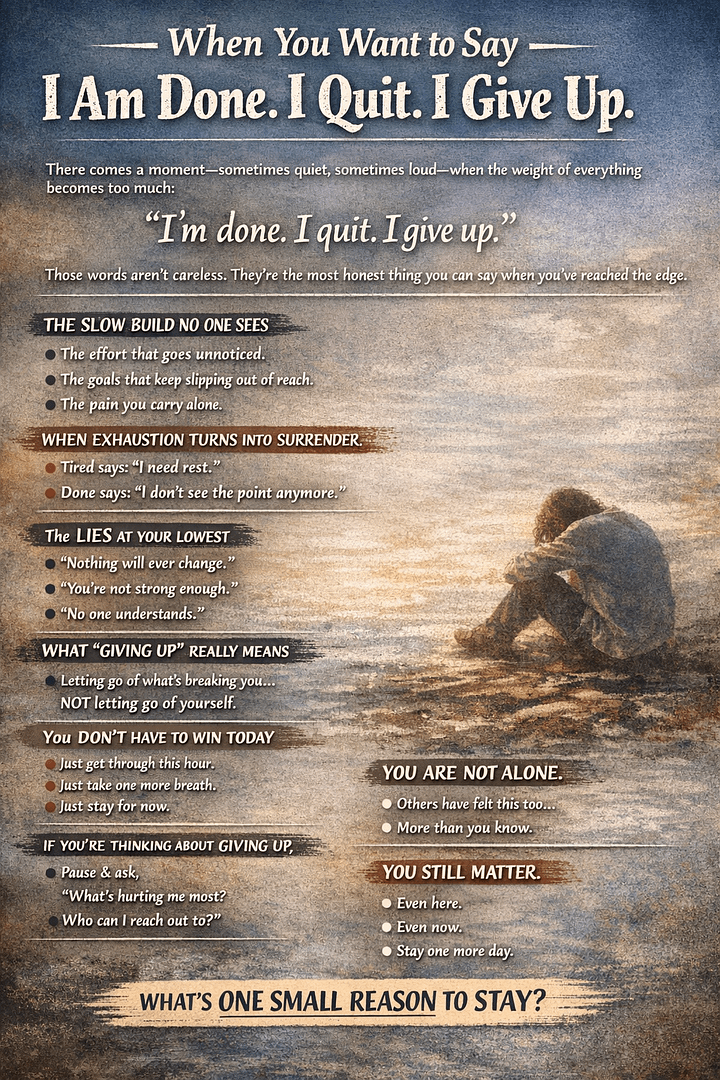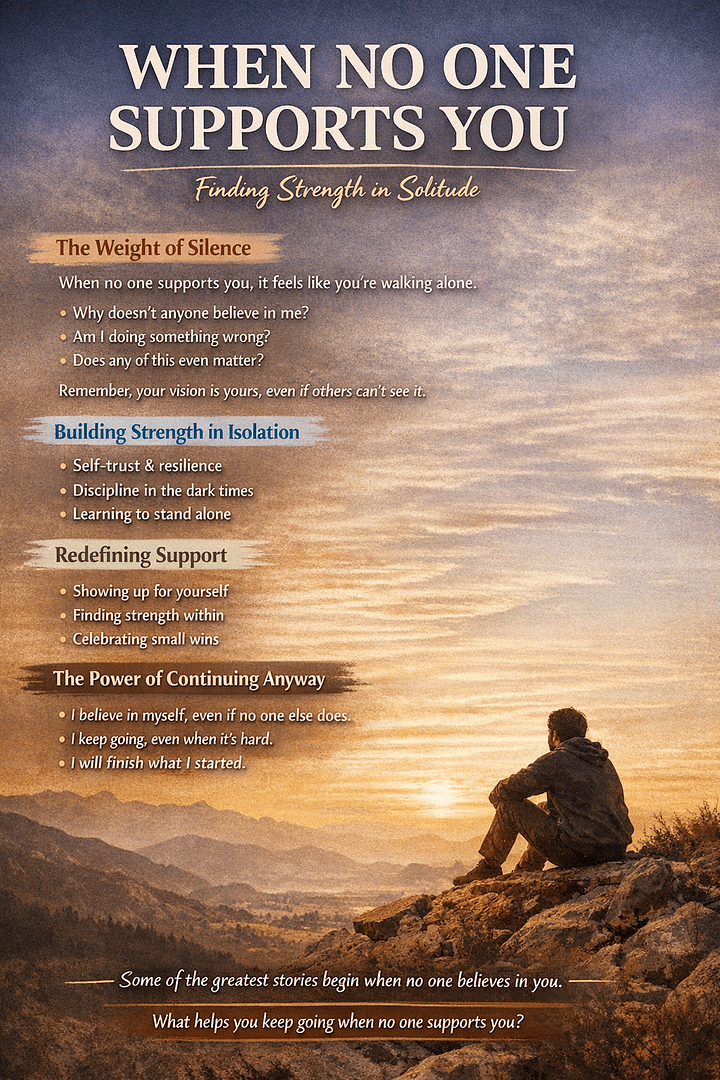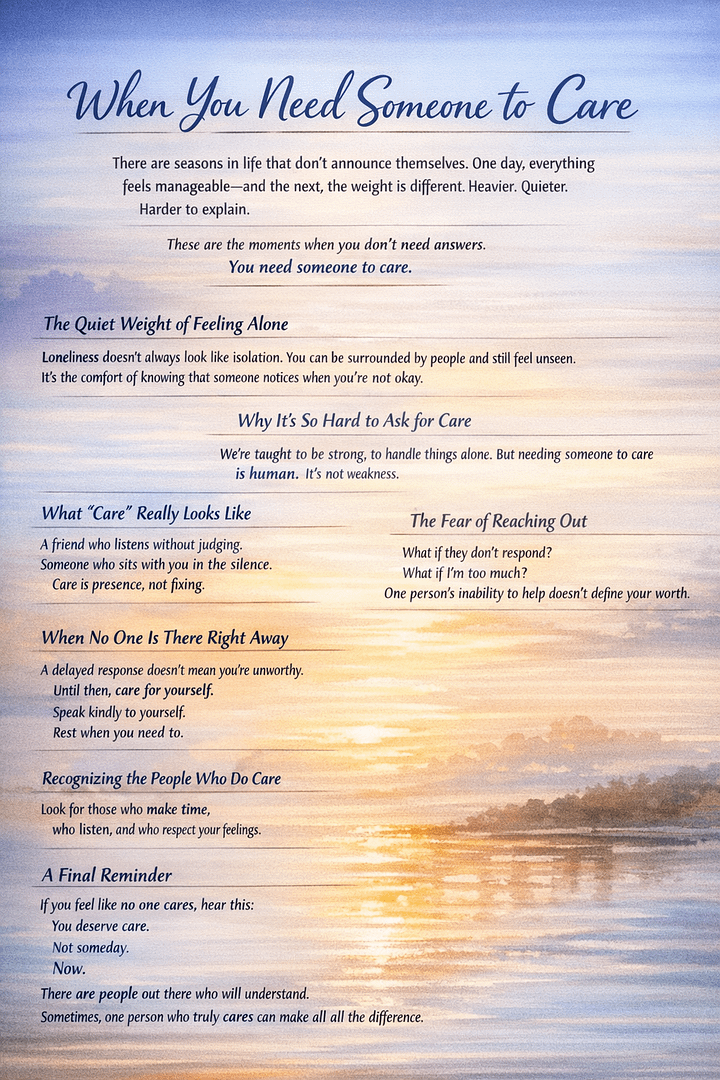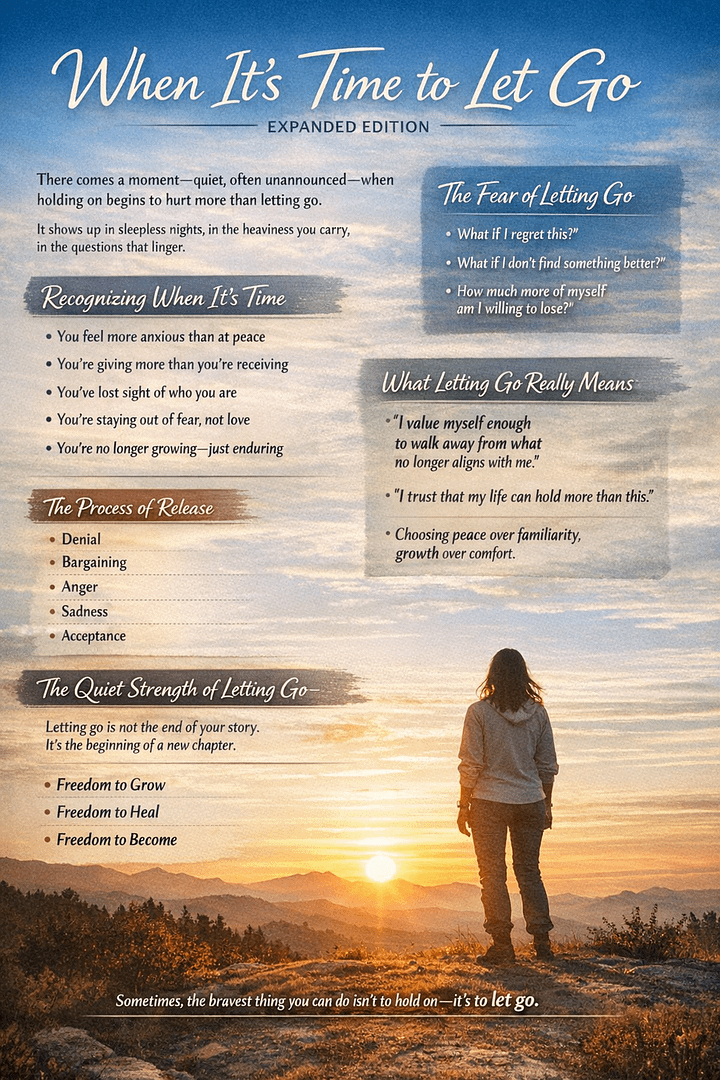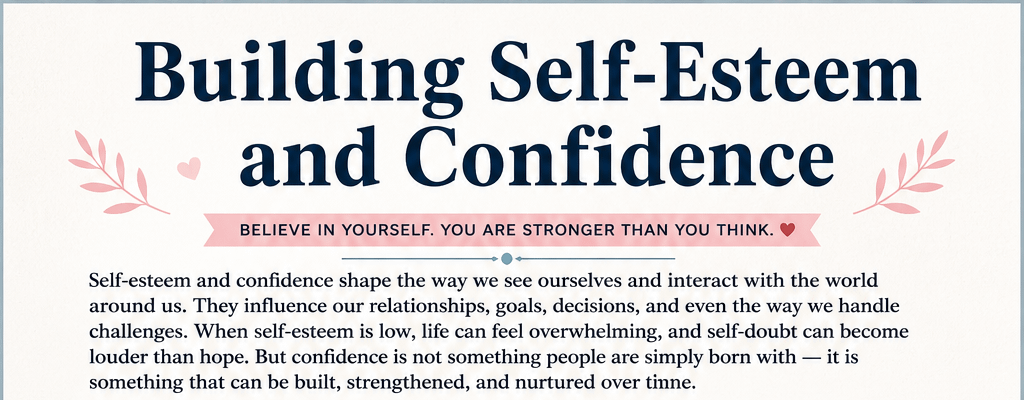
Self-esteem and confidence shape the way we see ourselves and interact with the world around us. They influence our relationships, goals, decisions, and even the way we handle challenges. When self-esteem is low, life can feel overwhelming, and self-doubt can become louder than hope. But confidence is not something people are simply born with — it is something that can be built, strengthened, and nurtured over time.
Understanding Self-Esteem and Confidence
Self-esteem is the value and respect you place on yourself. It is your inner belief that you are worthy, capable, and deserving of love and happiness. Confidence, on the other hand, is the trust you have in your abilities and decisions. While they are connected, they are not exactly the same. A person may feel confident in one area of life, such as work or sports, while still struggling with low self-esteem internally.
Many people battle negative self-talk without realizing how deeply it affects them. Constantly comparing yourself to others, replaying failures, or focusing only on weaknesses can slowly erode your confidence. Over time, these thoughts create a cycle of insecurity that becomes difficult to break.
The Impact of Low Self-Esteem
Low self-esteem can affect every area of life. It may cause people to avoid opportunities because they fear failure or rejection. It can lead to unhealthy relationships, anxiety, depression, and feelings of worthlessness. Some people hide their insecurities behind humor, perfectionism, or constantly trying to please others.
Social media has also intensified these struggles for many individuals. People often compare their real lives to the carefully edited highlights of others. This constant comparison can create unrealistic expectations and feelings of inadequacy.
How to Build Self-Esteem and Confidence
1. Change the Way You Speak to Yourself
Your inner voice matters. If you constantly criticize yourself, your mind begins to believe those negative messages. Start replacing harsh thoughts with kinder and more realistic ones. Instead of saying, “I’ll never be good enough,” try saying, “I’m learning and growing every day.”
2. Celebrate Small Victories
Confidence grows through progress, not perfection. Every small achievement matters. Completing a task, speaking up in a meeting, or trying something new are all victories worth recognizing.
3. Stop Comparing Yourself to Others
Everyone’s journey is different. Comparing your life to someone else’s success only steals your joy and distracts you from your own growth. Focus on becoming a better version of yourself rather than trying to compete with others.
4. Surround Yourself with Positive People
The people around you can either build you up or tear you down. Healthy relationships provide encouragement, support, and honesty. Spend time with people who inspire confidence and believe in your potential.
5. Take Care of Your Mental and Physical Health
Exercise, sleep, healthy eating, and stress management all contribute to emotional well-being. When you take care of yourself physically, it often improves how you feel mentally and emotionally as well.
6. Face Your Fears Gradually
Confidence is built through action. Avoiding fears often makes them stronger. Taking small steps outside your comfort zone helps prove to yourself that you are more capable than you think.
Confidence Is a Journey
Building self-esteem does not happen overnight. There will still be moments of insecurity and self-doubt, but growth happens when you keep moving forward despite those feelings. Confidence is not about being perfect or fearless — it is about trusting yourself enough to keep trying.
Every person has value, purpose, and strengths that deserve to be recognized. Learning to believe in yourself may take time, but it is one of the most important investments you can make in your mental and emotional well-being.
The journey toward confidence begins with one simple choice: deciding that you are worthy of believing in yourself.