Every day, millions of people around the world dedicate their time, energy, and compassion to caring for others. Some are healthcare professionals, caregivers, teachers, social workers, or childcare providers. Others are parents, grandparents, family members, friends, or neighbors who quietly provide support without expecting recognition.
Their work often happens behind the scenes, away from public attention or appreciation. Yet without their dedication, countless individuals would struggle to meet their daily needs, maintain their independence, or experience the comfort of knowing someone cares.
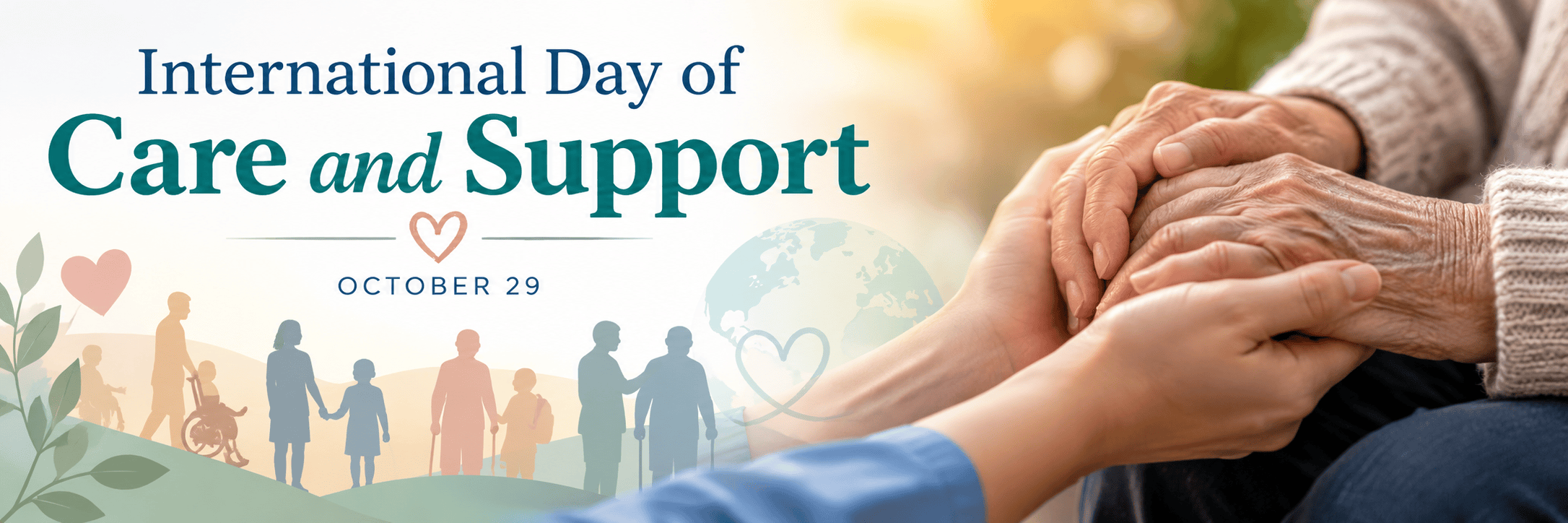
International Day of Care and Support, observed annually on October 29, recognizes the importance of caregiving, the contributions of paid and unpaid care workers, and the need to build societies where care is valued, supported, and shared fairly.
This international observance reminds us that caring for others is not simply a responsibility. It is one of the most meaningful ways we demonstrate compassion, dignity, and humanity.
What Is International Day of Care and Support?
International Day of Care and Support is a United Nations observance dedicated to recognizing the essential role of care and support systems in communities worldwide.
The United Nations General Assembly officially established the observance in 2023, designating October 29 as a day to acknowledge the importance of care work and advocate for stronger support for caregivers.
The observance highlights several important issues, including the recognition of unpaid caregiving, improved working conditions for professional caregivers, gender equality, and the development of accessible care services.
Caregiving is essential throughout every stage of human life. From caring for newborn babies to supporting older adults, people with disabilities, and individuals experiencing illness, care work helps individuals and families navigate life’s challenges.
The day also encourages governments, organizations, employers, and communities to recognize caregiving as a fundamental part of social and economic well-being.
When Is International Day of Care and Support Celebrated?
International Day of Care and Support is observed every year on October 29.
The observance was established through United Nations General Assembly Resolution 77/317, adopted on July 24, 2023.
Its creation reflected growing international recognition that care work is essential to sustainable development, social protection, economic opportunity, and human dignity.
Although caregiving has existed throughout human history, formal recognition of its importance has become increasingly necessary as populations age, family structures change, and demand for care services grows.
October 29 provides an annual opportunity to celebrate caregivers while encouraging meaningful improvements in the systems that support them.
Why International Day of Care and Support Matters
Caregiving is often described as an act of love, but it is also demanding work that requires patience, emotional strength, physical effort, and personal sacrifice.
Many caregivers balance employment, family responsibilities, financial obligations, and their own health while meeting the needs of someone else.
Some provide care for a few hours each week. Others offer around-the-clock assistance for years.
Despite their contributions, caregivers frequently experience exhaustion, financial pressure, emotional stress, and limited access to support.
International Day of Care and Support brings attention to these challenges while reminding society that caregivers deserve recognition and assistance.
It also emphasizes that access to quality care should not depend entirely on a person’s income, location, gender, or family circumstances.
A compassionate society must recognize both the needs of people receiving care and the well-being of those providing it.
Recognizing the Different Types of Caregivers
Caregiving takes many forms, and each deserves appreciation.
Family Caregivers
Family caregivers are individuals who provide assistance to relatives experiencing illness, disability, aging-related challenges, or other circumstances requiring additional support.
They may help with transportation, medications, meals, personal hygiene, appointments, household responsibilities, or emotional encouragement.
Many family caregivers provide this assistance without financial compensation.
Their contributions allow loved ones to remain connected to familiar surroundings and maintain greater independence.
Professional Caregivers
Professional caregivers include nurses, nursing assistants, home health aides, personal care workers, childcare providers, and other individuals employed in caregiving roles.
Their responsibilities require specialized knowledge, compassion, reliability, and dedication.
These workers provide essential services in hospitals, nursing facilities, private homes, childcare centers, and community organizations.
International Day of Care and Support recognizes their contributions while emphasizing the importance of fair wages, safe working conditions, training, and professional respect.
Parents and Guardians
Raising children involves continuous care, guidance, protection, and emotional support.
Parents and guardians provide the foundation for children’s physical, emotional, and social development.
Their responsibilities often extend far beyond basic necessities, including teaching values, building confidence, encouraging education, and helping children navigate difficult experiences.
Although parenting is frequently viewed as a natural responsibility, the time and effort involved represent a substantial contribution to society.
Community Volunteers
Volunteers also play an important role in caregiving.
They deliver meals, visit isolated individuals, assist people with transportation, support families experiencing hardship, and contribute to community programs.
Their willingness to serve demonstrates that care does not always require a professional title or family relationship.
Sometimes, a simple act of kindness can provide someone with the encouragement they desperately need.
The Invisible Work of Unpaid Caregivers
One of the central messages of International Day of Care and Support is the need to recognize unpaid care work.
Across the world, millions of people spend significant portions of their lives caring for children, older relatives, family members with disabilities, or loved ones experiencing serious illness.
This work is frequently overlooked because it takes place within households rather than traditional workplaces.
However, unpaid caregivers perform responsibilities that would otherwise require substantial professional services.
Their contributions support families, healthcare systems, communities, and national economies.
Women and girls perform a disproportionate share of unpaid care work worldwide, which can limit educational opportunities, employment participation, career advancement, and financial independence.
Recognizing this imbalance is an important step toward building more equitable caregiving systems.
Care responsibilities should be shared fairly, and caregivers should have access to resources that allow them to maintain their own well-being.
The Emotional Challenges of Caregiving
Providing care can be deeply rewarding, but it can also bring significant emotional challenges.
Caregivers may experience anxiety about a loved one’s health, frustration with limited resources, exhaustion from constant responsibilities, or sadness when witnessing someone struggle.
Some caregivers feel guilty when they need personal time or cannot meet every expectation.
Others experience loneliness because their responsibilities leave little opportunity for friendships, recreation, or social activities.
Long-term caregiving can also create financial difficulties when individuals reduce working hours or leave employment to provide assistance.
These challenges demonstrate why caregivers need more than appreciation.
They need practical assistance, emotional encouragement, opportunities for rest, and access to supportive services.
Recognizing caregiver stress is not a sign that someone lacks compassion. It acknowledges that even the most dedicated individuals have human limitations.
Why Caregivers Need Care Too
One of the most important lessons associated with International Day of Care and Support is that caregivers cannot continually give without receiving support themselves.
People who dedicate their lives to others sometimes overlook their own physical and emotional needs.
They may postpone medical appointments, sacrifice sleep, ignore personal interests, or avoid asking for assistance because they believe someone else needs them more.
Over time, these sacrifices can contribute to burnout.
Supporting caregivers means encouraging them to rest, maintain relationships, pursue personal interests, and seek assistance when responsibilities become overwhelming.
Families and communities can help by sharing caregiving duties, providing transportation, preparing meals, or offering temporary relief.
Employers can contribute through flexible schedules, family leave policies, and supportive workplace practices.
Governments and organizations can strengthen caregiving systems through accessible services, social protection, and investment in care workers.
Caregivers deserve the same compassion and understanding they extend to others.
How to Celebrate International Day of Care and Support
Celebrating October 29 does not require an elaborate event. Meaningful recognition often begins with simple actions that demonstrate gratitude and understanding.
Here are several ways individuals and communities can participate.
1. Thank a caregiver. Express sincere appreciation to someone who regularly supports another person. A thoughtful message or personal conversation can make a difference.
2. Offer practical assistance. Help a caregiver with grocery shopping, household chores, meal preparation, or transportation.
3. Give someone an opportunity to rest. When appropriate and safe, arrange qualified assistance or share responsibilities so a caregiver can enjoy a break.
4. Recognize professional care workers. Show appreciation for nurses, home health aides, childcare workers, and others who provide essential services.
5. Raise awareness. Share information about the importance of caregiving and the challenges experienced by paid and unpaid care workers.
6. Support caregiver organizations. Volunteer with or contribute to organizations providing resources and assistance to caregivers and families.
7. Check on someone caring for a loved one. Ask how they are doing rather than focusing exclusively on the person receiving care.
8. Encourage fair caregiving policies. Support efforts that improve access to care services, strengthen worker protections, and promote equitable caregiving responsibilities.
9. Include isolated individuals. Reach out to older adults, people with disabilities, or others who may benefit from companionship and community support.
10. Practice compassion every day. Remember that caring for others should extend beyond a single annual observance.
The Connection Between Caregiving, Compassion, and Human Dignity
At its heart, caregiving is about recognizing the value of another human being.
Everyone experiences moments when they need assistance, encouragement, understanding, or protection.
A newborn depends on caregivers for survival. Someone recovering from surgery may require temporary assistance. An older adult might need help maintaining independence. A person experiencing grief may simply need someone willing to listen.
These situations remind us that needing support is a normal part of being human.
Caregiving reflects the understanding that people should not have to face life’s difficulties entirely alone.
Compassionate care also protects dignity by respecting individual preferences, personal choices, cultural differences, and the right to participate in decisions affecting one’s life.
The best caregiving relationships are built on respect, patience, communication, and mutual understanding.
Supporting People Through Grief and Loss
Caregiving is not limited to physical assistance.
Emotional support can be equally important, especially when someone is experiencing grief, loneliness, or a major life change.
A grieving parent, surviving spouse, or person mourning a loved one may need companionship long after others have returned to their normal routines.
Support can mean listening without judgment, remembering important anniversaries, offering help with everyday responsibilities, or simply continuing to check in.
People experiencing grief do not always need advice or solutions.
Sometimes, they need reassurance that their loved one has not been forgotten and that their pain still matters.
International Day of Care and Support reminds us that emotional caregiving deserves recognition alongside physical care.
Being present for someone during difficult moments is a meaningful expression of compassion.
Building a World That Values Care
A society that values caregiving must do more than celebrate caregivers once a year.
It must recognize care as an essential part of everyday life.
This includes creating environments where families can access affordable services, professional caregivers receive fair treatment, and unpaid caregivers are not forced to carry overwhelming responsibilities alone.
It also means challenging the assumption that caregiving belongs exclusively to women or particular family members.
Care is a shared human responsibility.
When communities invest in caregiving, they support children, families, older adults, people with disabilities, workers, and future generations.
Strong care systems help individuals maintain independence, participate in society, and experience a greater sense of security.
Recognizing caregiving as valuable work is an investment in humanity itself.
Frequently Asked Questions About International Day of Care and Support
What date is International Day of Care and Support?
International Day of Care and Support is observed annually on October 29.
Who established International Day of Care and Support?
The United Nations General Assembly established the observance in 2023 through Resolution 77/317.
What is the purpose of International Day of Care and Support?
Its purpose is to recognize the importance of paid and unpaid caregiving, promote investment in care and support systems, encourage gender equality, and improve conditions for caregivers and people receiving care.
Who can participate in International Day of Care and Support?
Anyone can participate, including individuals, families, healthcare professionals, employers, schools, community organizations, and governments.
Why is unpaid caregiving important?
Unpaid caregiving supports children, older adults, people with disabilities, and individuals experiencing illness. It also contributes significantly to the functioning of households, communities, and economies.
How can I support a caregiver?
You can offer practical assistance, listen without judgment, share responsibilities, provide opportunities for rest, and acknowledge the caregiver’s personal needs.
Final Thoughts: Caring for Others Makes the World Stronger
International Day of Care and Support is more than a date on the calendar. It is a reminder that compassion, kindness, and responsibility are essential to a healthy society.
Behind every person receiving care is often someone making sacrifices that others may never see.
There are parents who spend sleepless nights protecting their children, healthcare workers who comfort frightened patients, family members who care for aging relatives, and friends who stand beside someone experiencing tremendous loss.
Their contributions matter.
October 29 offers an opportunity to recognize their dedication, acknowledge their challenges, and remind them that their well-being matters too.
But the true meaning of this observance extends beyond appreciation.
It calls on all of us to create a world where care is respected, caregivers are supported, and no one feels forgotten when they need help.
Because one of the greatest measures of humanity is not simply how much we accomplish for ourselves, but how willingly we care for one another.
As we observe International Day of Care and Support, consider one meaningful question:
Who has been there to care for you during a difficult time, and when was the last time you reminded them how much their kindness meant?


Leave a Reply