Every animal deserves a safe place to sleep, food to eat, and someone who cares about their well-being. Unfortunately, millions of animals across the United States enter shelters each year because they have been abandoned, surrendered, lost, or rescued from dangerous situations.
Behind the doors of animal shelters are dedicated individuals who work tirelessly to give these animals something they desperately need: hope.
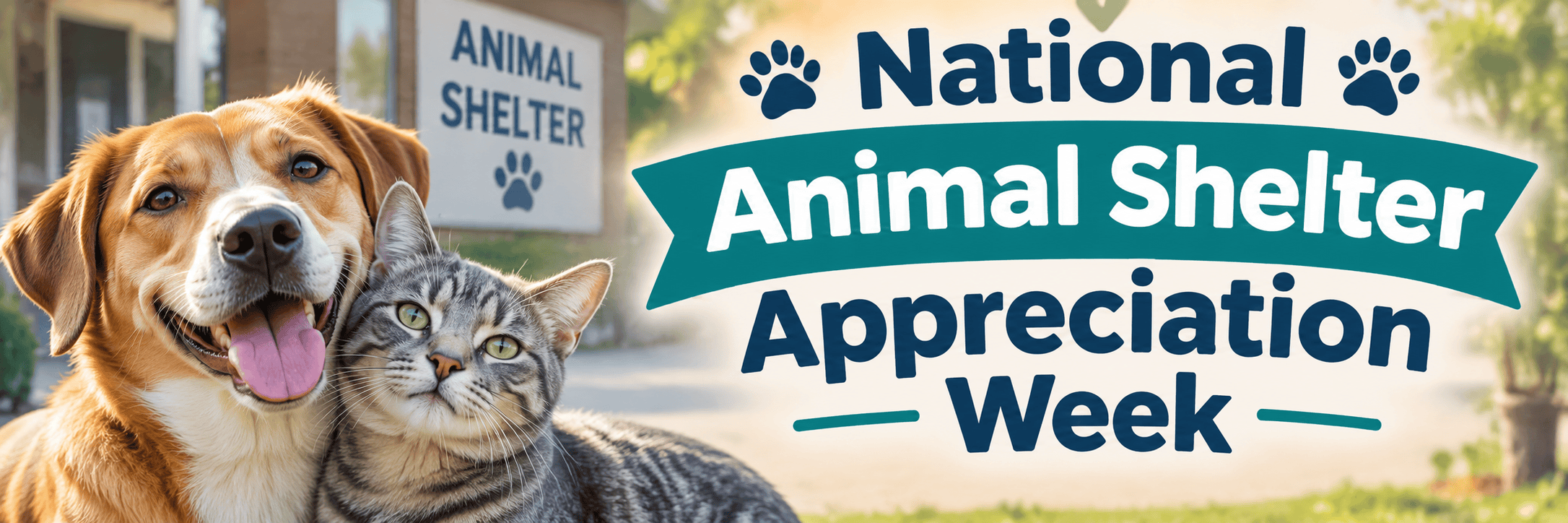
National Animal Shelter Appreciation Week, observed annually during the first full week of November, recognizes the shelters, rescue organizations, employees, and volunteers who devote their lives to protecting animals and helping them find loving homes.
In 2026, National Animal Shelter Appreciation Week takes place from November 1 through November 7.
This special week is more than an opportunity to say thank you. It reminds us that animal shelters are essential parts of our communities and that everyone can make a difference in the life of an animal in need.
What Is National Animal Shelter Appreciation Week?
National Animal Shelter Appreciation Week is an annual observance dedicated to recognizing the important work performed by animal shelters and rescue organizations throughout the country.
The week was established by the Humane Society of the United States to encourage communities to acknowledge the compassionate individuals who care for homeless, neglected, and abandoned animals.
Animal shelters provide much more than temporary housing. They offer medical treatment, nutritious meals, behavioral support, protection, and opportunities for animals to find permanent homes.
For many animals, entering a shelter marks the beginning of a new chapter.
A frightened dog may finally experience kindness after years of neglect. A stray cat may receive medical attention that saves its life. An abandoned puppy may find a family that provides the love and security it has never known.
These transformations happen because of people who refuse to give up on animals.
National Animal Shelter Appreciation Week celebrates their dedication and encourages communities to support their efforts.
Why Animal Shelters Are Important
Animal shelters play a vital role in protecting both animals and communities.
Without shelters, countless homeless animals would face hunger, disease, injury, dangerous weather, and other life-threatening conditions.
Shelters provide a safe environment where animals can receive care while waiting for adoption, reunification with their owners, or placement with rescue organizations.
Their responsibilities often include:
-
Providing temporary housing for homeless animals.
-
Offering food, clean water, and veterinary care.
-
Reuniting lost pets with their families.
-
Helping abandoned animals find permanent homes.
-
Educating communities about responsible pet ownership.
-
Supporting spay and neuter programs.
-
Responding to animal cruelty and neglect cases.
-
Assisting animals during emergencies and natural disasters.
Many shelters also provide resources to struggling pet owners, helping families keep their beloved animals rather than surrendering them.
This work strengthens communities while protecting vulnerable animals.
The Unsung Heroes Behind Animal Shelters
When people think about animal shelters, they often picture dogs waiting in kennels or cats resting in adoption rooms.
What they may not see are the people working behind the scenes.
Shelter employees and volunteers frequently begin their days by cleaning kennels, preparing meals, administering medication, and checking on animals requiring special attention.
Their responsibilities continue throughout the day with veterinary appointments, adoption applications, animal enrichment activities, and emergency rescues.
Some animals arrive frightened, injured, or unable to trust people.
Helping these animals recover requires patience, compassion, and dedication.
Shelter workers also experience emotionally difficult situations. They may care for severely neglected animals, witness heartbreaking cases of abandonment, or struggle with limited resources and overcrowded facilities.
Despite these challenges, they continue showing up because they believe every animal deserves compassion.
National Animal Shelter Appreciation Week provides an opportunity to recognize these individuals and remind them that their work matters.
10 Meaningful Ways to Celebrate National Animal Shelter Appreciation Week
There are many ways to participate in this special observance, whether you have time to volunteer, resources to donate, or simply a desire to help animals.
1. Adopt a Shelter Pet
One of the most meaningful ways to support an animal shelter is to adopt a pet when you are ready for the long-term responsibility.
Shelters care for animals of different ages, breeds, sizes, and personalities.
Some are energetic puppies looking for adventure, while others are older dogs hoping for a quiet home.
Cats, rabbits, guinea pigs, and other companion animals may also be available for adoption.
Choosing adoption gives an animal another opportunity to experience love, stability, and companionship.
Before adopting, consider your lifestyle, financial responsibilities, available space, and ability to provide lifelong care.
Adoption should always be a thoughtful commitment rather than an impulsive decision.
2. Volunteer at Your Local Animal Shelter
Animal shelters often depend on volunteers to help with everyday responsibilities.
Volunteers may walk dogs, socialize cats, clean animal living areas, organize supplies, assist with adoption events, or help with administrative tasks.
Even a few hours of assistance can make a meaningful difference.
Some shelters also need volunteers with specialized skills, including photography, graphic design, fundraising, and social media management.
Contact your local shelter to learn about its volunteer requirements and available opportunities.
3. Donate Essential Supplies
Shelters frequently need supplies to keep their animals healthy, comfortable, and safe.
Commonly requested items include pet food, clean towels, blankets, toys, cleaning products, litter, leashes, and grooming supplies.
However, every shelter has different needs.
Before donating, contact the organization or review its current wish list to ensure your contribution will be useful.
Something as simple as providing clean bedding can help an animal feel more comfortable during an uncertain time.
4. Make a Financial Contribution
Animal shelters face ongoing expenses related to veterinary treatment, food, housing, transportation, and facility maintenance.
Financial donations help organizations respond to these needs.
Even small contributions can support everyday operations.
Consider making a one-time donation during National Animal Shelter Appreciation Week or becoming a recurring supporter.
When possible, choose a reputable shelter or rescue organization that clearly explains how donations are used.
5. Become a Foster Pet Parent
Fostering provides temporary care for animals that may need additional attention before adoption.
Foster homes can be especially valuable for young kittens, recovering animals, senior pets, and animals experiencing stress in shelter environments.
By welcoming an animal into your home temporarily, you may help free shelter space for another animal in need.
Fostering requires time, patience, and preparation, so discuss expectations and available support with the organization before committing.
6. Share Adoptable Animals on Social Media
Not everyone can adopt or foster an animal, but almost anyone can help increase awareness.
Sharing accurate adoption profiles from local shelters may help animals reach potential families.
A single post can introduce an adoptable dog or cat to someone who might never have visited the shelter’s website.
Always use current information from the shelter and encourage interested individuals to contact the organization directly.
7. Thank Animal Shelter Employees and Volunteers
Sometimes appreciation begins with two simple words: thank you.
Shelter workers often perform physically demanding and emotionally challenging tasks without receiving much public recognition.
Consider writing a thank-you card, leaving a positive review based on your experience, or sending a message acknowledging their dedication.
These gestures can remind shelter workers that their compassion and hard work are appreciated.
8. Support Local Animal Shelter Fundraisers
Many shelters organize fundraising events to cover operational expenses and provide care for animals.
Events may include adoption fairs, charity walks, community auctions, donation drives, and educational programs.
Attending or promoting these events helps raise awareness while supporting the organization financially.
Local businesses and community groups may also be able to sponsor events or contribute needed supplies.
9. Practice Responsible Pet Ownership
Supporting animal shelters also means helping prevent animals from entering shelters unnecessarily.
Responsible pet ownership includes providing appropriate veterinary care, proper nutrition, identification, safe housing, and daily attention.
Microchipping pets and keeping registration information updated can improve the chances of reuniting lost animals with their families.
Spaying or neutering pets, when appropriate based on veterinary guidance, can also help reduce unintended litters.
A lifelong commitment to an animal’s well-being is one of the most meaningful ways to honor the mission of animal shelters.
10. Encourage Others to Get Involved
National Animal Shelter Appreciation Week offers an opportunity to start conversations about animal welfare.
Share information with friends, family members, coworkers, and neighbors.
Encourage others to explore volunteering, fostering, donating, or adopting when they are ready.
The more people understand the challenges facing shelters, the greater the opportunity to build compassionate and supportive communities.
The Challenges Animal Shelters Face
Although animal shelters perform extraordinary work, many operate under difficult circumstances.
Limited funding, staffing shortages, rising veterinary costs, and the number of animals requiring care can place significant pressure on organizations.
Some shelters struggle to find enough adopters and foster families.
Others must respond to animals requiring expensive medical treatment or extensive behavioral rehabilitation.
Economic difficulties can also affect pet owners, sometimes resulting in increased requests for surrender assistance or temporary support.
These challenges highlight why community involvement is so important.
Animal shelters cannot solve every animal welfare problem alone.
They need partnerships with residents, veterinarians, businesses, volunteers, rescue groups, and local governments.
National Animal Shelter Appreciation Week reminds us that protecting animals is a shared responsibility.
Why Adopting a Shelter Animal Can Change Two Lives
Adopting a shelter pet can be a life-changing experience for both the animal and the person welcoming it home.
For an animal, adoption may mean leaving behind uncertainty and entering an environment filled with stability and care.
For a person or family, a pet can bring companionship, affection, laughter, and meaningful daily routines.
Dogs may encourage regular walks and outdoor activities.
Cats can provide comforting companionship and playful entertainment.
Senior animals may offer a calmer presence for households seeking a quieter companion.
Every animal has a unique personality, and finding the right match is essential.
Adoption is not simply about bringing home a pet. It is about accepting responsibility for another living being and providing a safe, loving environment throughout its life.
The bond that develops can become one of the most rewarding relationships a person experiences.
How Animal Shelters Strengthen Communities
Animal shelters benefit entire communities, not just the animals they serve.
By helping reunite lost pets with their owners, shelters protect important relationships between people and their companion animals.
Through educational programs, they teach children and adults about compassion, responsibility, and humane treatment.
Shelters may also connect families with affordable veterinary resources, pet food assistance, and other services designed to prevent unnecessary pet surrender.
During natural disasters, animal welfare organizations may assist with evacuation, temporary sheltering, and reunification efforts.
These services demonstrate that animal shelters are important community resources.
When communities support their shelters, they invest in safer environments and better outcomes for animals and people alike.
Teaching Children the Importance of Animal Compassion
National Animal Shelter Appreciation Week provides an excellent opportunity to teach children about kindness toward animals.
Children can learn that pets are living beings with physical and emotional needs.
Families can discuss the importance of providing food, water, shelter, medical care, and gentle treatment.
Age-appropriate activities might include collecting supplies for a shelter, creating thank-you cards for volunteers, or learning about responsible pet ownership.
Parents can also explain why animals sometimes need rescue and how shelters help them recover.
These conversations encourage empathy and responsibility.
Teaching children to respect animals can help create future generations of compassionate pet owners and community members.
Supporting Animal Shelters Beyond Appreciation Week
Although National Animal Shelter Appreciation Week lasts seven days, the need for support continues throughout the year.
Animals arrive at shelters every season, and organizations must provide consistent care regardless of holidays or public attention.
Consider making animal welfare part of your regular community involvement.
You might volunteer monthly, donate supplies periodically, share adoption information, or support local fundraising campaigns.
You can also advocate for responsible pet ownership and encourage people to seek assistance before surrendering an animal.
Small, consistent actions can create lasting benefits.
The most meaningful appreciation is often demonstrated through continued support rather than a single gesture.
A Special Thank You to Animal Shelter Workers
To every animal shelter employee, rescue volunteer, foster caregiver, veterinarian, and animal welfare advocate: thank you.
Thank you for comforting frightened animals.
Thank you for providing food and shelter to those who have nowhere else to go.
Thank you for caring for injured animals and helping them recover.
Thank you for the countless hours spent cleaning kennels, answering adoption inquiries, and finding loving homes.
Thank you for showing compassion when the work becomes difficult.
Thank you for believing that every animal deserves dignity, safety, and kindness.
Your dedication changes lives in ways that cannot always be measured.
Every successful adoption, every reunited family, and every animal given another opportunity reflects the importance of your work.
Final Thoughts: Every Animal Deserves a Second Chance
National Animal Shelter Appreciation Week is a celebration of compassion, dedication, and the extraordinary bond between people and animals.
It reminds us that behind every rescued animal is often someone who cared enough to make a difference.
Animal shelters provide safety to the vulnerable, comfort to the frightened, and hope to animals waiting for a better future.
Whether you adopt, volunteer, foster, donate, or simply express gratitude, your actions can help support this important mission.
You do not need to change the lives of every animal to make a difference.
Sometimes, changing the life of just one animal is enough to create a beautiful new beginning.
During National Animal Shelter Appreciation Week, November 1–7, 2026, take a moment to appreciate the people who dedicate their lives to protecting animals and consider how you can help.
Because every animal deserves kindness, every shelter deserves support, and every act of compassion matters.
How will you show your appreciation for your local animal shelter this week?


Leave a Reply