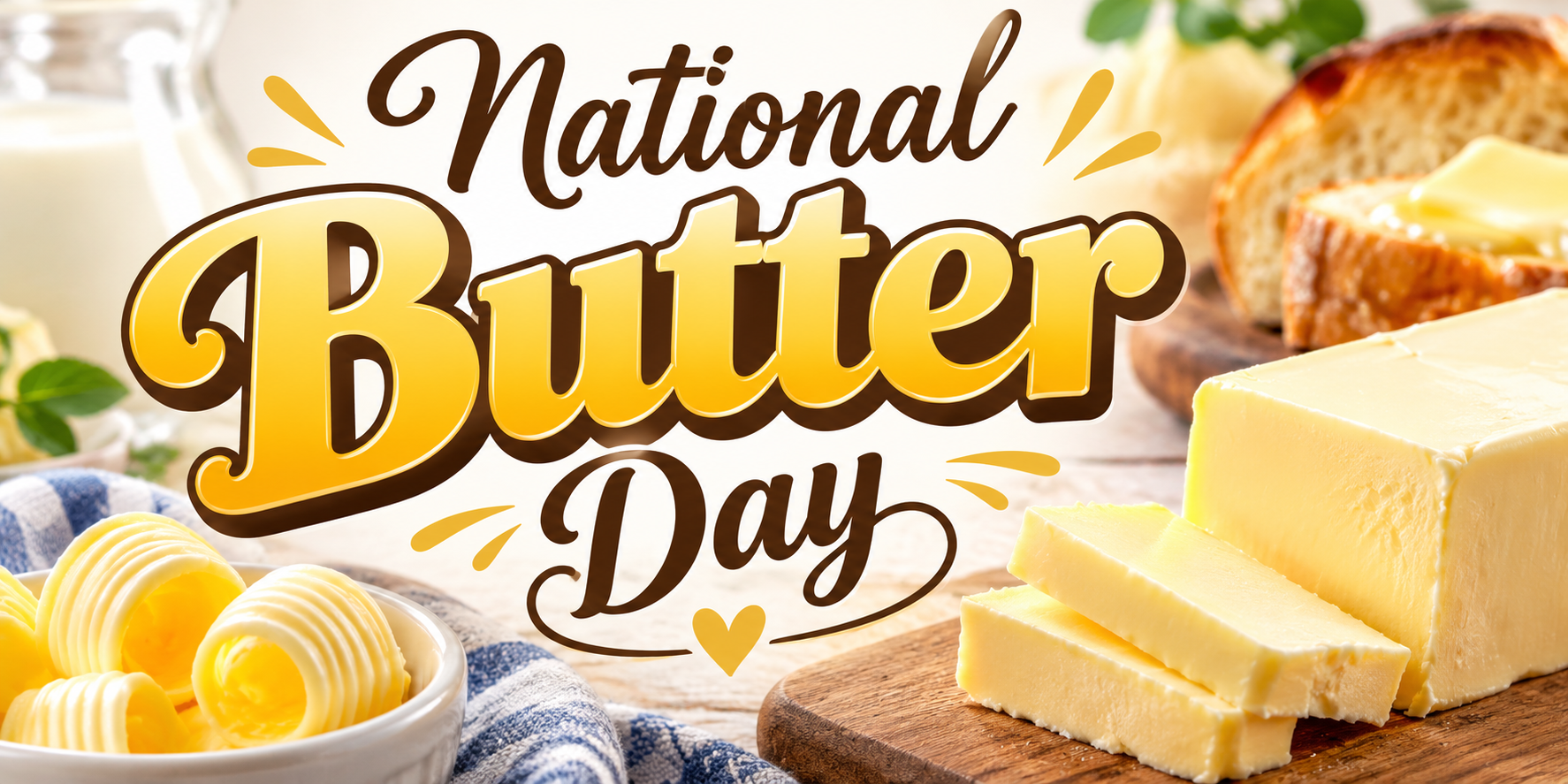
Every year on November 17, food lovers across the United States celebrate National Butter Day, a delicious occasion dedicated to one of the most beloved and versatile ingredients in the kitchen. Whether spread across warm toast, melted over freshly baked bread, stirred into creamy mashed potatoes, or used to create irresistible desserts, butter has been an essential part of cooking and baking for generations.
Butter may seem like a simple ingredient, but its rich history, unmistakable flavor, and countless culinary uses make it something worth celebrating. From traditional farmhouse butter-making to modern gourmet creations, butter has earned its place in kitchens around the world.
National Butter Day is an opportunity to appreciate the role butter plays in our favorite foods, discover fascinating facts about its origins, experiment with delicious recipes, and enjoy the comforting flavors that make homemade meals memorable.
When Is National Butter Day?
National Butter Day is celebrated annually on November 17.
This informal food holiday recognizes butter’s contributions to cooking, baking, food traditions, and culinary creativity.
Unlike official federal holidays, National Butter Day is a fun food observance that encourages people to celebrate an ingredient they may use almost every day without giving it much thought.
Whether you enjoy butter on your morning pancakes, use it to prepare family dinners, or rely on it for holiday baking, November 17 is the perfect excuse to appreciate its delicious versatility.
What Is National Butter Day?
National Butter Day celebrates butter, a dairy product traditionally made by churning cream until the butterfat separates from the liquid buttermilk.
The result is a smooth, rich, flavorful ingredient that can enhance everything from simple vegetables to elaborate pastries.
Butter is especially valued because of its ability to improve flavor, texture, and aroma.
It can make baked goods tender, create flaky pastry layers, add richness to sauces, and give ordinary foods an indulgent finishing touch.
National Butter Day encourages people to recognize these qualities while exploring the history and traditions surrounding butter.
The celebration is also an opportunity to support dairy farmers, appreciate traditional food-making methods, and discover new ways to use butter in everyday meals.
The History of Butter
Butter has been part of human diets for thousands of years.
Its origins can be traced to ancient civilizations that domesticated milk-producing animals such as cows, sheep, and goats.
Historians believe early forms of butter-making developed when milk or cream was transported in animal-skin containers. The movement during travel could churn the liquid, causing butterfat to separate naturally.
Over time, people developed more reliable methods of producing butter.
Butter in Ancient Civilizations
Evidence of butter and other churned dairy fats appears in the histories of several ancient cultures.
In parts of ancient India, clarified butter, commonly known as ghee, became an important ingredient in cooking and religious traditions.
Ghee remains widely used in Indian cuisine today.
Ancient communities throughout Europe and Asia also developed different methods of processing dairy products.
Butter was valued as a food source because of its concentrated energy and rich flavor.
In some societies, it was used for purposes beyond cooking, including traditional skin treatments and ceremonial practices.
Butter During the Middle Ages
During the Middle Ages, butter became increasingly important in many European diets, particularly in northern regions where cattle raising and dairy farming were common.
Families often produced butter at home using wooden churns.
The process required time and physical effort, but the finished product could be used for cooking or preserved with salt.
Salted butter became especially valuable because salt helped extend its storage life before refrigeration existed.
As dairy farming expanded, butter became an important product in local markets and trade.
Butter in Colonial America
European settlers brought their butter-making traditions to North America.
On colonial farms, butter production was often part of the household routine.
Fresh cream was collected from milk and churned until butter formed.
The butter was then washed, worked to remove excess liquid, and sometimes salted.
Butter molds were occasionally used to create decorative shapes and patterns.
These traditions continued for generations before industrial dairy production transformed the process.
The Rise of Modern Butter Production
During the nineteenth and twentieth centuries, advances in dairy technology made butter production more efficient.
Mechanical cream separators, improved churns, pasteurization, and refrigeration helped manufacturers produce butter on a much larger scale.
Butter eventually became widely available in grocery stores.
Today, consumers can choose from salted butter, unsalted butter, cultured butter, clarified butter, and specialty varieties made with different techniques.
Despite these innovations, the basic principle of butter-making remains remarkably similar to the process used thousands of years ago.
How Is Butter Made?
Butter is created by separating and concentrating the fat naturally present in cream.
Although commercial butter production involves specialized equipment and careful quality controls, the fundamental process is relatively straightforward.
Step 1: Collecting the Cream
Butter begins with cream, the fat-rich portion of milk.
Commercial dairies typically use mechanical separators to separate cream from milk.
Step 2: Pasteurization
Most commercially produced butter in the United States is made using pasteurized cream.
Pasteurization involves heating the cream under controlled conditions to reduce harmful microorganisms.
Step 3: Churning
The cream is churned or agitated until its fat globules begin to combine.
Eventually, solid butter grains form and separate from the liquid buttermilk.
Step 4: Draining the Buttermilk
The liquid buttermilk is removed, leaving the butter grains behind.
Step 5: Working the Butter
The butter is worked to create a smooth, consistent texture and distribute moisture evenly.
Salt may be added, depending on the desired product.
Step 6: Packaging
The finished butter is shaped, packaged, and refrigerated until it reaches consumers.
This process produces the creamy ingredient used in kitchens around the world.
Different Types of Butter
Not all butter is the same.
Different production methods, ingredients, and regional traditions create varieties with distinct flavors and characteristics.
1. Salted Butter
Salted butter contains added salt, which enhances flavor and can help with preservation.
It is especially popular for spreading on bread, toast, biscuits, and other everyday foods.
2. Unsalted Butter
Unsalted butter contains no added salt.
Bakers often prefer it because it allows them to control the amount of salt in recipes.
It is commonly used in cakes, cookies, pastries, and sauces.
3. Cultured Butter
Cultured butter is made from cream that has been fermented with selected bacterial cultures.
The fermentation process produces a slightly tangy, complex flavor.
Cultured butter is particularly popular in some European culinary traditions.
4. European-Style Butter
European-style butter generally contains a higher percentage of butterfat than standard American butter.
Its richer composition can be especially desirable for pastries, laminated doughs, and flavorful spreads.
5. Clarified Butter
Clarified butter is produced by heating butter and separating much of its water and milk solids from the butterfat.
It is useful for certain cooking techniques because it tolerates higher temperatures than ordinary butter.
6. Ghee
Ghee is a type of clarified butter traditionally prepared by heating butter until moisture evaporates and the milk solids are separated.
Depending on the preparation, it can develop a distinctive toasted or nutty flavor.
Ghee is commonly used in South Asian cooking.
7. Whipped Butter
Whipped butter incorporates air to create a lighter, softer texture.
It is easy to spread and is often served with bread, pancakes, waffles, and baked potatoes.
8. Compound Butter
Compound butter combines softened butter with additional ingredients such as herbs, garlic, honey, spices, or citrus zest.
It can be used to add flavor to meats, vegetables, seafood, and bread.
Why Does Butter Taste So Good?
Butter’s popularity comes from its unique combination of fat, aroma, and texture.
Its fat carries and distributes flavors, while naturally occurring compounds contribute to its distinctive taste.
When butter melts, it creates a smooth, rich mouthfeel that complements many foods.
Heating butter can also produce new flavors.
As the milk solids brown, they develop toasted, nutty aromas through browning reactions.
This transformation is what makes browned butter so appealing in cookies, sauces, pasta, and desserts.
Butter can also influence texture.
In baking, cold pieces of butter help create flaky pastry layers as the water in the butter turns to steam.
When creamed with sugar, softened butter helps incorporate air into cake and cookie batters.
These characteristics explain why butter remains such an important ingredient in traditional cooking and baking.
15 Interesting Facts About Butter
Butter has a fascinating history and several surprising characteristics.
1. Butter has existed for thousands of years. Ancient communities developed methods of making butter long before modern dairy equipment existed.
2. Butter is usually made from cream. Churning causes butterfat to separate from the liquid buttermilk.
3. Standard American butter contains at least 80% milkfat. Federal standards establish minimum milkfat requirements for products labeled butter.
4. Butter can be salted or unsalted. Salt changes its flavor and can influence its storage characteristics.
5. Butter’s yellow color can vary naturally. Pigments such as beta-carotene from an animal’s diet can affect its appearance.
6. Butter can be made at home. Heavy cream can be churned using a mixer, food processor, or tightly sealed jar.
7. Clarified butter contains less water and fewer milk solids than regular butter.
8. Ghee has a long history in Indian cuisine. It is used in cooking and various cultural traditions.
9. Butter can be frozen. Proper wrapping helps protect its flavor during freezer storage.
10. Butter is essential to many traditional pastries. Croissants and puff pastry rely on layers of butter and dough.
11. Brown butter develops a nutty aroma. Heating butter until its milk solids brown creates deeper flavors.
12. Cultured butter has a tangy taste. Fermentation changes its flavor profile.
13. Butter molds were once common household tools. They helped shape butter into decorative forms.
14. Butter is used in both sweet and savory cooking. Its versatility makes it a valuable ingredient across cuisines.
15. National Butter Day falls on November 17. It provides a fun opportunity to celebrate butter’s culinary importance.
10 Delicious Ways to Celebrate National Butter Day
There are countless ways to enjoy National Butter Day, from preparing homemade treats to learning traditional cooking techniques.
1. Bake Homemade Bread
Few combinations are more comforting than warm homemade bread topped with melting butter.
Try baking a loaf of white bread, sourdough, or dinner rolls.
Spread butter over a warm slice and enjoy the simple flavor.
2. Make Homemade Butter
Celebrate by preparing butter from heavy cream.
It is a fun kitchen activity that demonstrates how this familiar ingredient is created.
3. Prepare Garlic Butter
Combine softened butter with minced garlic, parsley, and a pinch of salt.
Spread it over bread or melt it onto roasted vegetables.
4. Bake Butter Cookies
Classic butter cookies highlight the rich flavor of butter.
They are easy to prepare and perfect for sharing with friends and family.
5. Make Brown Butter
Heat butter gently until the milk solids turn golden brown and release a nutty aroma.
Use it in pasta, sauces, or baked goods.
6. Prepare Buttery Mashed Potatoes
Add butter to freshly mashed potatoes for a creamy, comforting side dish.
7. Try Different Butter Varieties
Compare salted, unsalted, cultured, and European-style butter.
Notice the differences in flavor and texture.
8. Create Flavored Butter
Mix butter with honey, cinnamon, herbs, or spices.
Homemade flavored butter can make ordinary meals feel special.
9. Cook a Favorite Family Recipe
Choose a dish that reminds you of family gatherings or holiday meals.
Butter often plays an important role in recipes passed down through generations.
10. Share a Homemade Treat
Bake cookies, biscuits, or bread and share them with someone special.
National Butter Day is a wonderful opportunity to bring people together through food.
Easy Homemade Butter Recipe
Making butter at home is surprisingly simple and requires only a few ingredients.
Preparation time: 10–20 minutes
Yield: Approximately ¾ to 1 cup, depending on the cream
Ingredients
-
2 cups cold heavy whipping cream
-
¼ teaspoon salt, optional
-
Cold water for rinsing
Instructions
-
Pour the heavy whipping cream into a large mixing bowl or stand mixer.
-
Beat the cream on medium speed until it becomes whipped cream.
-
Continue mixing beyond the whipped cream stage.
-
The mixture will begin to look grainy as the fat separates.
-
Continue beating until yellow butter solids separate from the liquid buttermilk.
-
Pour off the buttermilk and save it for another recipe if desired.
-
Rinse the butter with cold water.
-
Press and knead the butter gently to remove as much remaining liquid as possible.
-
Add salt if desired.
-
Shape the butter and place it in a covered container in the refrigerator.
Helpful Tip
Homemade butter should be refrigerated promptly and handled with clean utensils. Because its moisture content and preparation conditions can vary, use it within a short period or freeze it for longer storage.
Five Delicious Flavored Butter Recipes
One of the easiest ways to celebrate National Butter Day is to make compound butter.
Each of these recipes begins with ½ cup of softened unsalted butter.
1. Honey Cinnamon Butter
Ingredients:
-
½ cup softened butter
-
2 tablespoons honey
-
½ teaspoon ground cinnamon
-
Pinch of salt
Instructions: Mix all ingredients until smooth. Refrigerate until ready to serve.
Best served with: Toast, biscuits, pancakes, and waffles.
2. Garlic Herb Butter
Ingredients:
-
½ cup softened butter
-
2 minced garlic cloves
-
1 tablespoon chopped parsley
-
½ teaspoon dried Italian seasoning
-
Pinch of salt
Instructions: Combine the ingredients and mix thoroughly. Refrigerate before serving.
Best served with: Garlic bread, roasted potatoes, vegetables, and cooked steak.
3. Maple Butter
Ingredients:
-
½ cup softened butter
-
2 tablespoons pure maple syrup
-
¼ teaspoon cinnamon
Instructions: Beat until creamy and well combined.
Best served with: French toast, pancakes, muffins, and warm biscuits.
4. Lemon Herb Butter
Ingredients:
-
½ cup softened butter
-
1 teaspoon finely grated lemon zest
-
1 teaspoon lemon juice
-
1 tablespoon chopped dill or parsley
Instructions: Mix the ingredients until evenly combined.
Best served with: Fish, chicken, asparagus, and roasted vegetables.
5. Brown Sugar Butter
Ingredients:
-
½ cup softened butter
-
2 tablespoons brown sugar
-
½ teaspoon vanilla extract
-
¼ teaspoon cinnamon
Instructions: Beat until smooth and fluffy.
Best served with: Sweet potatoes, toast, muffins, and warm rolls.
Store homemade flavored butters in the refrigerator. Those containing fresh garlic or herbs should be used promptly rather than kept at room temperature.
The Importance of Butter in Baking
Butter is one of the most important ingredients in traditional baking.
Its influence goes far beyond adding flavor.
Creating Tender Texture
Butter coats some of the flour particles in dough and batter, helping limit gluten development.
This can contribute to tender cookies, cakes, and pastries.
Producing Flaky Pastries
Cold butter creates layers in pastry dough.
As the dough bakes, water in the butter turns into steam, helping separate those layers.
This technique is especially important in pie crusts, croissants, and puff pastry.
Adding Richness
Butter contributes a rich flavor that complements ingredients such as chocolate, vanilla, cinnamon, and fruit.
Helping Cakes Rise
When softened butter is beaten with sugar, tiny air pockets form.
These pockets can help create a lighter cake texture when combined with the effects of leavening ingredients.
Improving Browning
Butter’s milk solids contribute to browning and flavor development during baking.
These characteristics make butter difficult to replace perfectly in some recipes.
Butter in Different Cultures Around the World
Butter is enjoyed in many countries, although its preparation and culinary uses vary.
France
Butter is central to many French cooking and baking traditions.
It appears in croissants, pastries, sauces, and numerous classic dishes.
French cultured butter is particularly admired for its distinctive flavor.
Ireland
Ireland has a long history of dairy farming and butter production.
Irish butter is often recognized for its rich flavor and golden appearance.
India
Ghee is an important cooking fat in many Indian dishes.
It is used in rice preparations, curries, sweets, and traditional recipes.
United States
Butter is widely used in American home cooking.
Popular foods include buttered corn, biscuits, mashed potatoes, pancakes, cookies, and pies.
Scandinavia
Butter is commonly served with bread and used in baking, sauces, and traditional meals.
These culinary traditions demonstrate how a simple dairy product can become an important part of regional food culture.
Is Butter Healthy?
Butter can be part of a balanced diet, but moderation is important.
It provides energy and contains fat-soluble vitamins, including vitamin A.
However, butter is also high in saturated fat.
A tablespoon of standard butter contains approximately 100 calories and 7 grams of saturated fat, although exact amounts vary by product.
Consuming too much saturated fat can increase LDL cholesterol in some people, which is associated with greater cardiovascular risk.
Health organizations generally recommend limiting saturated fat and choosing unsaturated fats, such as olive oil, more often.
That does not mean butter must be completely eliminated from everyone’s diet.
Instead, it can be enjoyed in reasonable portions as part of an overall eating pattern that includes vegetables, fruits, whole grains, lean proteins, and healthier fats.
For people with milk allergies, butter may contain enough milk protein to cause a reaction. Clarified butter and ghee are not guaranteed to be safe for everyone with a milk allergy.
Butter vs. Margarine: What Is the Difference?
Butter and margarine are frequently compared because they serve similar purposes in cooking and baking.
However, they are made from different ingredients.
| Butter | Margarine |
|---|---|
| Made primarily from dairy cream | Usually made from vegetable oils |
| Contains dairy milkfat | Typically contains plant-based fats |
| Has a distinctive creamy flavor | Flavor varies by formulation |
| Generally high in saturated fat | Saturated fat varies by product |
| Common in traditional baking | Can be used as a spread or in baking |
The nutritional quality of margarine depends on its ingredients.
Soft margarines made primarily from unsaturated oils may contain less saturated fat than butter.
For baking, the two products do not always behave identically because their water and fat contents can differ.
How to Store Butter Properly
Proper storage helps preserve butter’s flavor, freshness, and quality.
Refrigeration
Store butter in its original wrapper or a covered container in the refrigerator.
Keeping it tightly wrapped helps prevent it from absorbing odors from nearby foods.
Freezing
Butter freezes well when wrapped properly.
For the best quality, use frozen butter within the storage period recommended by the manufacturer.
Room Temperature
Some salted butter may be kept at room temperature for a limited period under appropriate conditions, but refrigeration is the safest general recommendation.
Warm kitchens and prolonged exposure can cause butter to deteriorate more quickly.
Homemade butter and butter mixed with fresh ingredients require particular care.
Why Butter Is Especially Popular During the Holidays
National Butter Day arrives just before Thanksgiving and the winter holiday season.
This timing makes November 17 an especially appropriate day to appreciate butter.
Many traditional holiday dishes depend on it.
Butter adds richness to mashed potatoes, enhances dinner rolls, contributes to flaky pie crusts, and creates flavorful sauces.
It is also essential to countless holiday desserts.
From sugar cookies and shortbread to cakes and pastries, butter helps create the comforting aromas associated with festive baking.
For many families, these foods carry memories of childhood, holiday gatherings, and loved ones who prepared special meals.
The smell of butter melting in a warm kitchen can bring back memories of family traditions that have lasted for generations.
Food has a remarkable ability to connect people with their past, and butter is often a quiet part of those cherished experiences.
How to Celebrate National Butter Day With Family
National Butter Day can be more than an excuse to enjoy delicious food.
It can also become a fun family activity.
Parents and children can make homemade butter together, bake simple cookies, or prepare flavored spreads.
Families can organize a butter tasting with different types of bread or biscuits.
Another idea is to prepare a favorite recipe from an older family member.
Recreating traditional dishes can help preserve memories and introduce younger generations to meaningful family customs.
You could even start a new annual tradition by making homemade bread and butter every November 17.
Sometimes the simplest activities create the most lasting memories.
Frequently Asked Questions About National Butter Day
When is National Butter Day celebrated?
National Butter Day is observed every year on November 17.
Is National Butter Day an official federal holiday?
No. National Butter Day is an informal food holiday rather than an official federal holiday.
What is butter made from?
Traditional butter is made by churning cream until the butterfat separates from the liquid buttermilk.
Can you make butter at home?
Yes. Heavy whipping cream can be churned using a stand mixer, hand mixer, food processor, or sealed jar.
What is the difference between salted and unsalted butter?
Salted butter contains added salt, while unsalted butter does not. Unsalted butter is often preferred for baking because it allows greater control over a recipe’s salt content.
What is brown butter?
Brown butter is ordinary butter heated until its milk solids become golden brown, creating a toasted, nutty flavor.
Can butter be frozen?
Yes. Butter can be frozen to extend its storage life. Proper wrapping helps maintain its quality.
What foods are best with butter?
Butter complements bread, biscuits, potatoes, vegetables, pasta, pancakes, waffles, cookies, pastries, and many other dishes.
Is ghee the same as butter?
Ghee is made from butter, but much of its water and milk solids are removed during preparation. It has different cooking characteristics and often a more pronounced toasted flavor.
What is the best way to celebrate National Butter Day?
Making homemade butter, baking fresh bread, trying flavored butter recipes, or sharing a favorite buttery dish are all enjoyable ways to celebrate.
Final Thoughts: Celebrating the Simple Joy of Butter
National Butter Day, celebrated every November 17, reminds us that some of the most enjoyable things in life are also the simplest.
Butter may be an everyday kitchen ingredient, but its influence on cooking, baking, and food traditions is extraordinary.
From its ancient beginnings to its place in modern kitchens, butter has helped people create satisfying meals, comforting desserts, and memorable family experiences.
It adds richness to ordinary dishes, enhances the flavor of favorite recipes, and contributes to foods that bring people together.
Whether you celebrate by baking homemade bread, preparing garlic butter, making cookies, or simply enjoying warm toast with a little melted butter, National Butter Day offers a delicious reason to appreciate an ingredient that has stood the test of time.
Happy National Butter Day!
Sometimes all it takes to make an ordinary meal extraordinary is a little butter.
How do you enjoy butter the most? Do you love it melted over warm bread, mixed into creamy mashed potatoes, baked into homemade cookies, or used in a special family recipe? Share your favorite buttery food or recipe and celebrate National Butter Day with others!

Leave a Reply