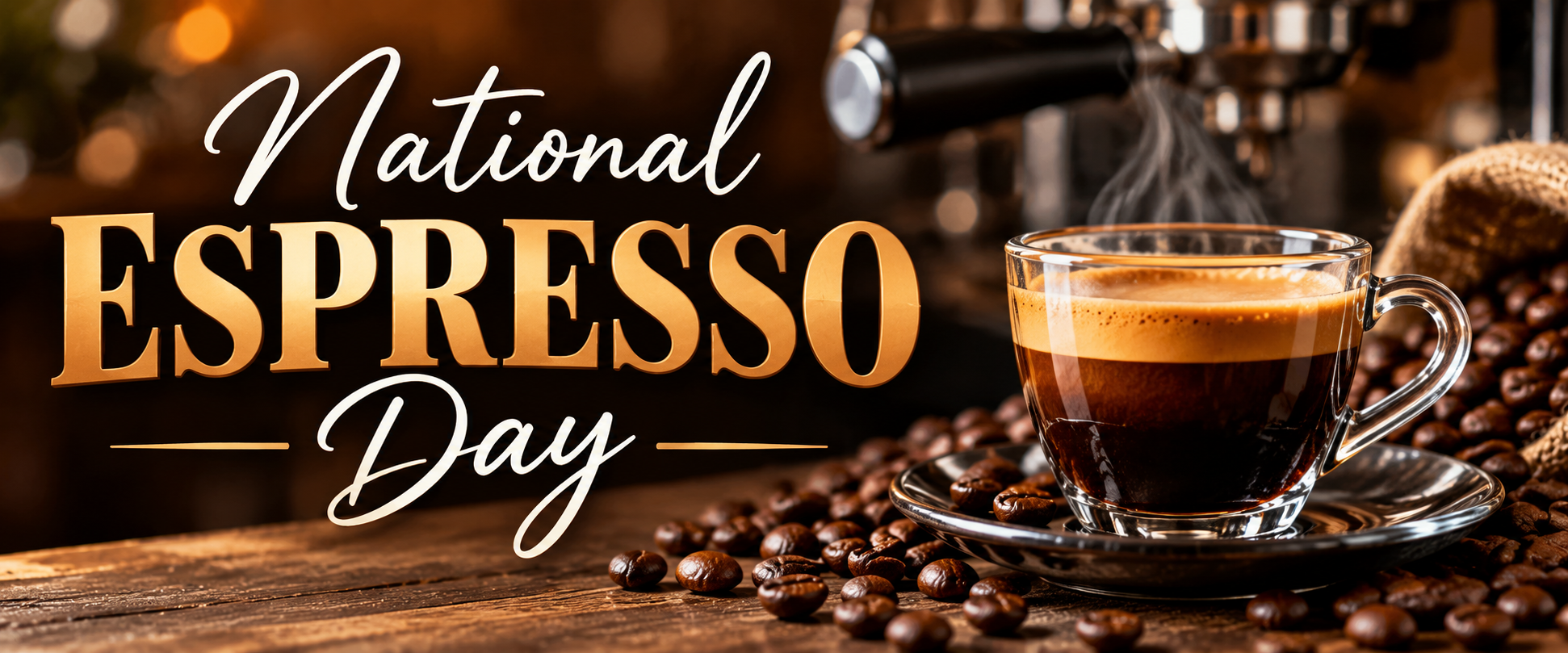
For coffee lovers, few things compare to the rich aroma, bold flavor, and satisfying experience of a freshly brewed espresso. Whether enjoyed as a quick morning pick-me-up, a relaxing afternoon treat, or the foundation of a favorite coffeehouse drink, espresso has become an essential part of coffee culture worldwide.
Every year on November 23, National Espresso Day celebrates this small but powerful coffee beverage that has transformed how people enjoy their daily caffeine.
From its Italian origins to its worldwide popularity, espresso represents more than a concentrated cup of coffee. It symbolizes tradition, craftsmanship, connection, and the simple pleasure of taking a moment to enjoy something delicious.
Whether you prefer your espresso straight, topped with a little foam, or blended into a creamy latte, National Espresso Day offers the perfect excuse to appreciate one of the world’s most beloved coffee creations.
What Is National Espresso Day?
National Espresso Day is an informal food and beverage observance celebrated annually on November 23 in the United States.
The day recognizes espresso, the brewing method that uses hot water forced under pressure through finely ground coffee beans to produce a concentrated, flavorful beverage.
Unlike traditional drip coffee, espresso is brewed quickly and typically served in small portions called shots.
Despite its size, espresso delivers an intense flavor experience that makes it a favorite among coffee enthusiasts.
National Espresso Day encourages people to explore different espresso drinks, learn about coffee-making traditions, support their favorite coffee shops, and appreciate the skill involved in preparing a great shot.
It is also an opportunity to recognize the baristas, coffee roasters, and growers who contribute to the coffee industry.
The History of Espresso
Espresso’s story begins in Italy, where coffee has long been an important part of everyday life.
During the late 19th century, inventors began developing machines that could prepare coffee faster than traditional brewing methods.
In 1884, Italian inventor Angelo Moriondo patented an early steam-powered coffee-making machine designed to prepare coffee more efficiently.
His invention helped establish the foundation for future espresso technology.
In 1901, Luigi Bezzera developed improvements to coffee-brewing machinery that made it possible to prepare individual servings more quickly.
Desiderio Pavoni later helped commercialize espresso machines, introducing them to a broader audience.
By the early 20th century, espresso machines were becoming increasingly common in Italian cafés.
The espresso-making process continued evolving, particularly during the 1940s, when Achille Gaggia developed lever-operated machines that used higher pressure to extract coffee.
These innovations helped create the rich crema that became a defining characteristic of modern espresso.
Over time, espresso spread beyond Italy and became a central feature of coffee culture across Europe, North America, and eventually much of the world.
Today, espresso machines can be found in neighborhood cafés, restaurants, offices, and homes.
What Makes Espresso Different From Regular Coffee?
Although espresso and traditional coffee come from the same coffee beans, their preparation methods create noticeably different experiences.
1. Brewing Method
Espresso is made by forcing hot water through finely ground coffee under pressure.
Traditional drip coffee relies primarily on gravity as water passes through coffee grounds.
2. Brewing Time
A typical espresso shot takes approximately 25 to 30 seconds to extract, although the ideal time varies depending on the coffee and equipment.
Drip coffee generally requires several minutes.
3. Flavor Concentration
Espresso has a concentrated flavor that can include chocolate, caramel, fruit, nuts, and roasted notes.
Its intensity comes from the brewing method and the ratio of coffee grounds to water.
4. Serving Size
A traditional single espresso is commonly served in a small cup containing approximately one ounce of liquid, though exact volumes vary.
Regular coffee is usually served in much larger portions.
5. Caffeine Content
Espresso contains more caffeine per ounce than typical brewed coffee.
However, a standard cup of drip coffee often contains more total caffeine than a single espresso shot because of its larger serving size.
Popular Espresso Drinks Around the World
One of espresso’s greatest qualities is its versatility.
It serves as the foundation for numerous coffee beverages enjoyed around the world.
Espresso
The classic espresso is served without milk or added ingredients.
Its concentrated flavor allows coffee lovers to appreciate the characteristics of the beans.
Doppio
A doppio is a double shot of espresso.
It provides a larger serving of concentrated coffee and is popular among those who enjoy a stronger coffee experience.
Cappuccino
A cappuccino traditionally combines espresso, steamed milk, and milk foam.
The balance of coffee and milk creates a creamy beverage with a rich flavor.
Latte
A latte combines espresso with a generous amount of steamed milk and a thin layer of foam.
Its smooth texture makes it a popular choice for people who prefer a milder coffee flavor.
Macchiato
A traditional espresso macchiato is an espresso marked with a small amount of milk or milk foam.
It retains the bold character of espresso while adding a touch of creaminess.
Americano
An Americano is prepared by adding hot water to espresso.
The result is a larger, less concentrated beverage that resembles traditional brewed coffee while retaining espresso’s distinctive characteristics.
Flat White
A flat white typically combines espresso with steamed milk featuring a fine, velvety microfoam.
It offers a smooth texture and a noticeable coffee flavor.
Mocha
A mocha combines espresso, chocolate, and milk.
This drink is especially popular among people who enjoy the combination of coffee and chocolate.
The Importance of Espresso in Italian Culture
In Italy, espresso is much more than a beverage.
It is part of the country’s daily rhythm and social traditions.
Many Italians begin their mornings with a quick espresso at a neighborhood café.
Rather than carrying oversized coffee cups throughout the day, customers often enjoy small servings while standing at the coffee bar.
These brief coffee breaks provide opportunities to greet neighbors, exchange conversations, and enjoy a moment away from daily responsibilities.
Espresso is also commonly enjoyed after meals.
Italian coffee traditions emphasize simplicity, quality, and appreciation for the beverage itself.
This approach has influenced coffee culture around the world.
Even as modern coffee shops introduce elaborate drinks and creative flavors, the traditional Italian espresso remains a symbol of coffee craftsmanship.
How to Make the Perfect Espresso at Home
Preparing excellent espresso requires attention to several important details.
While professional machines offer precise controls, home espresso equipment can also produce satisfying results.
Ingredients and Equipment
-
Freshly roasted coffee beans
-
A burr coffee grinder
-
An espresso machine
-
Filtered water
-
A tamper
-
A small espresso cup
-
A kitchen scale, if available
Step 1: Choose Quality Coffee Beans
Start with freshly roasted beans that match your flavor preferences.
Medium and dark roasts are commonly associated with espresso, but lighter roasts can also produce excellent results.
Step 2: Grind the Beans
Espresso requires a relatively fine and consistent grind.
The correct grind size depends on the beans, machine, and desired extraction.
Step 3: Measure the Coffee
For a common double-shot recipe, use approximately 18 grams of ground coffee.
The appropriate amount may vary depending on your machine’s filter basket.
Step 4: Distribute and Tamp
Spread the grounds evenly inside the portafilter basket.
Use a tamper to compress the coffee into a level, consistent puck.
Step 5: Brew the Espresso
Lock the portafilter into the machine and begin extraction.
A useful starting point is approximately 36 grams of espresso from 18 grams of ground coffee in about 25 to 30 seconds.
Adjust the grind and recipe based on flavor rather than treating these measurements as absolute rules.
Step 6: Serve Immediately
Pour the espresso into a small cup and enjoy it while fresh.
Notice the aroma, texture, and balance of flavors.
With practice, making espresso at home can become an enjoyable daily ritual.
Fun and Interesting Facts About Espresso
Espresso has a fascinating history and several characteristics that surprise even experienced coffee drinkers.
1. Espresso is a brewing method, not a type of coffee bean.
Almost any coffee bean can be used to make espresso when properly ground and brewed.
2. Crema is created during extraction.
The golden-brown foam on top of espresso forms as gases, oils, and other coffee compounds interact during brewing.
3. Espresso is the foundation of many coffeehouse favorites.
Lattes, cappuccinos, Americanos, and numerous specialty drinks begin with espresso.
4. Espresso machines have evolved dramatically.
Early machines relied heavily on steam, while modern equipment often uses pumps and sophisticated temperature controls.
5. Espresso flavor changes as it cools.
Different temperatures can highlight different characteristics, allowing drinkers to experience evolving flavors.
6. Espresso does not always contain more caffeine than regular coffee.
Although concentrated, one espresso shot typically contains less caffeine than a full cup of brewed coffee.
7. Coffee beans are actually seeds.
The beans used to prepare espresso come from the seeds of coffee cherries.
8. Espresso can be enjoyed without sugar.
A well-prepared espresso may naturally contain sweet, fruity, nutty, or chocolate-like flavors.
Ways to Celebrate National Espresso Day
There are plenty of enjoyable ways to recognize National Espresso Day, whether you are a longtime coffee enthusiast or someone just discovering espresso.
Visit Your Favorite Local Coffee Shop
Support a neighborhood café by ordering a freshly prepared espresso.
Take time to appreciate the skill and effort involved in making your drink.
Try a New Espresso Beverage
If you normally order a latte, consider trying a cappuccino, macchiato, or Americano.
Exploring different preparations can introduce you to new flavors and textures.
Learn to Make Espresso at Home
Experiment with coffee beans, grind settings, and extraction techniques.
Improving your brewing skills can make your daily coffee experience more enjoyable.
Share Coffee With Someone Special
Invite a friend, family member, or coworker to enjoy coffee together.
Sometimes the best part of a coffee break is the conversation that comes with it.
Explore Different Coffee Origins
Coffee beans grown in different regions can produce distinctive flavor profiles.
Try espresso made with beans from Brazil, Colombia, Ethiopia, or Guatemala to experience some of these differences.
Enjoy an Espresso-Inspired Dessert
Celebrate with tiramisu, espresso brownies, coffee ice cream, or chocolate-covered espresso beans.
Espresso’s bold flavor pairs especially well with chocolate and creamy desserts.
Does Espresso Have Health Benefits?
Espresso contains caffeine and naturally occurring compounds found in coffee, including antioxidants.
Research has examined associations between moderate coffee consumption and several health outcomes, although these findings do not mean espresso prevents or treats disease.
Caffeine can temporarily improve alertness, concentration, and perceived energy.
However, caffeine affects people differently.
Too much may contribute to nervousness, sleep difficulties, heart palpitations, or digestive discomfort.
The amount of caffeine in an espresso varies according to the beans, serving size, and preparation method.
For most healthy adults, the FDA cites 400 milligrams of caffeine per day as an amount not generally associated with dangerous negative effects, but individual tolerances and medical circumstances differ.
Enjoying espresso in moderation, while considering your personal caffeine sensitivity, is a sensible approach.
Why Espresso Continues to Bring People Together
Coffee has a unique ability to connect people.
A quick espresso before work, a conversation at a café, or a quiet cup after dinner can become a meaningful part of everyday life.
For some, espresso represents energy and productivity.
For others, it offers comfort, familiarity, and a moment of peace.
Coffee shops have long served as gathering places where friendships develop, ideas are exchanged, and communities connect.
Even the simple act of preparing espresso at home can become a calming ritual.
The sound of grinding beans, the aroma of freshly brewed coffee, and the warmth of a small cup create an experience that extends beyond taste.
In a world that often moves too quickly, espresso reminds us that even a brief moment can be worth savoring.
The Future of Espresso and Coffee Culture
Espresso continues to evolve as coffee enthusiasts explore new brewing techniques, equipment, and flavor combinations.
Specialty coffee shops increasingly emphasize bean origins, roasting methods, and careful extraction.
Home espresso machines have also become more accessible, allowing people to experiment with professional-style techniques in their kitchens.
At the same time, interest in sustainability and responsible coffee sourcing is encouraging conversations about farming practices, environmental impacts, and fair compensation throughout the coffee supply chain.
Innovative espresso beverages, including iced drinks and plant-based milk creations, continue to introduce new generations to espresso.
Despite these changes, the foundation remains the same: quality coffee, careful preparation, and appreciation for a great cup.
Final Thoughts: Celebrate the Little Cup With Big Flavor
National Espresso Day on November 23 is an opportunity to celebrate one of the world’s most recognizable coffee traditions.
From its beginnings in Italy to its place in modern cafés and home kitchens, espresso has earned its reputation as a bold, flavorful, and versatile beverage.
Whether you enjoy a traditional shot, a creamy cappuccino, or a chocolate-rich mocha, there is something special about the experience of freshly prepared espresso.
The celebration is not simply about caffeine. It is about craftsmanship, tradition, connection, and finding pleasure in life’s smaller moments.
So this November 23, take a moment to appreciate the aroma, savor the flavor, and enjoy your favorite espresso creation.
Sometimes, life’s greatest pleasures come in the smallest cups.
How do you enjoy your espresso—straight, as a cappuccino, in a latte, or in another favorite coffee drink?

Leave a Reply