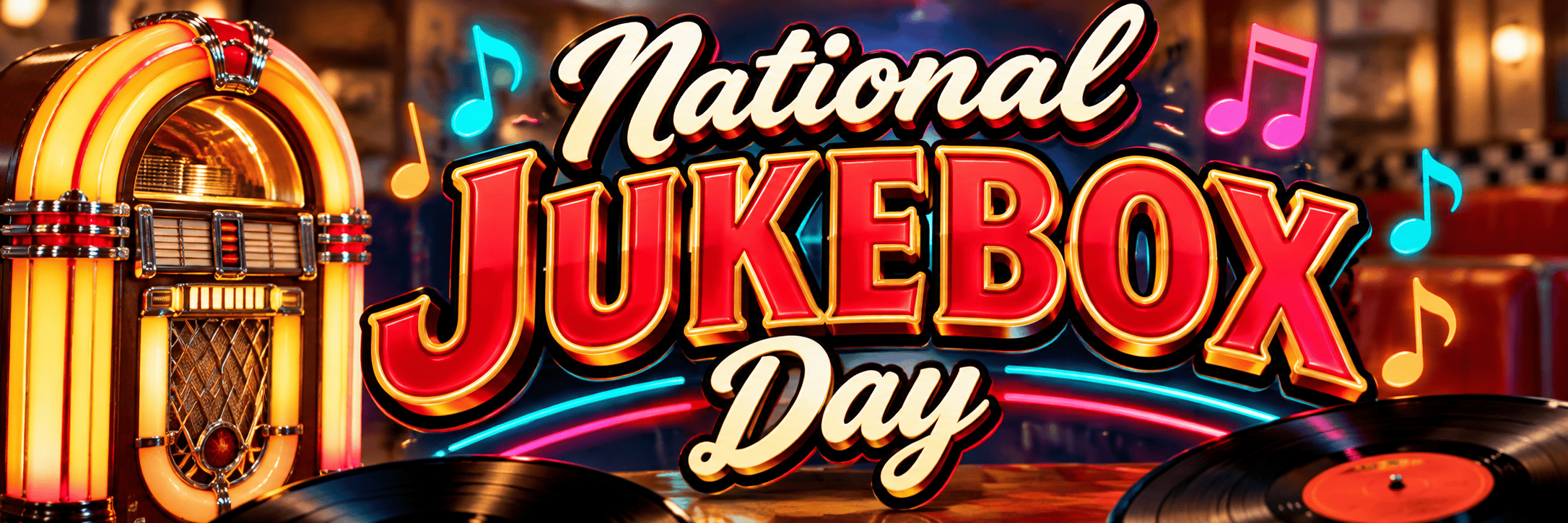
National Jukebox Day is celebrated on the Wednesday before Thanksgiving each year, honoring one of the most iconic inventions in American music history. From classic diners and neighborhood bars to dance halls and roadside restaurants, jukeboxes have provided the soundtrack to countless memories, friendships, romances, and celebrations.
Before streaming services, digital playlists, and smartphones made music available at the touch of a button, the jukebox gave people something special: the opportunity to choose their favorite song, share it with everyone in the room, and create a moment worth remembering.
National Jukebox Day is more than a celebration of a music-playing machine. It is a tribute to the songs that shaped generations, the artists who brought those songs to life, and the unforgettable memories connected to music.
When Is National Jukebox Day Celebrated?
National Jukebox Day takes place annually on the Wednesday before Thanksgiving in the United States.
In 2026, National Jukebox Day falls on Wednesday, November 25.
The timing is particularly meaningful because the night before Thanksgiving has traditionally been a popular occasion for friends and family members to reconnect.
Many people return to their hometowns for the holiday, visit familiar gathering places, and spend time with people they have known for years.
Music often plays an important role in these reunions, making National Jukebox Day an opportunity to celebrate nostalgia, friendship, and shared experiences.
The History of National Jukebox Day
National Jukebox Day was established in 2017 by TouchTunes, a company known for providing digital jukebox entertainment in bars, restaurants, and other establishments.
The celebration was created to recognize the cultural importance of jukeboxes and their role in bringing people together through music.
Although the technology behind jukeboxes has changed dramatically over the years, their original purpose remains largely the same: allowing people to select the songs they want to hear in a shared public space.
National Jukebox Day encourages music lovers to appreciate the history of these machines while celebrating the artists, songs, and musical memories that continue to connect generations.
The Fascinating History of the Jukebox
The Beginning of Coin-Operated Music
The story of the jukebox dates back to the late nineteenth century.
On November 23, 1889, a coin-operated phonograph was demonstrated at the Palais Royal Saloon in San Francisco, California.
The machine, developed through the efforts of Louis Glass and William S. Arnold, allowed customers to pay to listen to recorded music through listening tubes.
Unlike modern jukeboxes, these early machines did not offer extensive song selections or powerful speakers that filled an entire room.
Nevertheless, they represented an important milestone in the history of recorded music.
For the first time, people could pay to enjoy recorded entertainment in a public establishment without needing to own an expensive phonograph.
This innovation helped lay the foundation for the commercial jukebox industry.
The Rise of the Modern Jukebox
During the early twentieth century, improvements in recording technology and coin-operated entertainment helped jukeboxes become increasingly popular.
By the 1930s, manufacturers were producing machines capable of automatically selecting and playing records.
Companies such as Wurlitzer, Seeburg, and Rock-Ola became major names in the industry.
These machines combined mechanical innovation with attractive designs that made them recognizable features of restaurants, taverns, and entertainment establishments.
As jukebox technology improved, customers gained access to larger selections of music.
Instead of listening to whatever happened to be playing, they could choose songs that reflected their moods, preferences, and personal experiences.
This ability to control the music was a major part of the jukebox’s appeal.
The Golden Age of Jukeboxes
The 1940s and 1950s are often remembered as part of the golden age of the American jukebox.
During these decades, jukeboxes became closely associated with diners, soda fountains, dance halls, and neighborhood gathering places.
Their colorful lights, chrome details, and distinctive designs helped create an atmosphere that people still associate with classic American culture.
As rock and roll emerged in the 1950s, jukeboxes became important outlets for the exciting new sounds that were capturing the attention of younger generations.
Artists such as Elvis Presley, Chuck Berry, Little Richard, and Buddy Holly helped define an era when music was changing American popular culture.
Teenagers gathered around jukeboxes to hear their favorite records, dance with friends, and discover new artists.
For many young people, these machines represented independence, excitement, and the freedom to express themselves through music.
The jukebox became more than entertainment equipment.
It became a symbol of an entire generation.
Why Jukeboxes Became an American Cultural Icon
Few entertainment inventions are as closely associated with American nostalgia as the jukebox.
Its influence extended beyond music into movies, television, advertising, fashion, and restaurant design.
Classic jukeboxes appeared in countless depictions of American diners and social gathering places.
Their distinctive appearance immediately brings to mind images of milkshakes, leather booths, neon signs, and classic rock and roll.
However, the cultural importance of the jukebox goes beyond its recognizable design.
Jukeboxes helped make recorded music a shared social experience.
When someone selected a song, everyone nearby became part of that musical moment.
Sometimes the song inspired people to dance.
Other times it encouraged conversations, brought back memories, or created an emotional connection between strangers.
The jukebox gave ordinary people the opportunity to become the temporary DJ of an entire room.
That simple experience helped make jukeboxes unforgettable.
How Jukeboxes Changed the Music Industry
Jukeboxes played an important role in the growth of recorded music.
Before music became widely accessible through personal devices, public entertainment machines helped introduce listeners to new performers and popular recordings.
Their influence was particularly significant during the development of rhythm and blues, country music, rock and roll, and other popular genres.
Jukeboxes provided an additional way for audiences to hear records outside their homes.
They also helped generate demand for popular singles.
When customers repeatedly selected certain songs, those recordings demonstrated their appeal to listeners.
Jukebox popularity became one of several indicators of musical success, alongside radio airplay and record sales.
Billboard historically published charts tracking jukebox activity, reflecting the importance of these machines within the music business.
Although jukeboxes no longer dominate public music entertainment, their influence helped shape how people discover and enjoy songs.
The Evolution From Vinyl Records to Digital Music
Jukebox technology has undergone remarkable changes since the nineteenth century.
Early machines relied on mechanical phonographs and cylinders.
Later models used records, eventually becoming associated with the familiar 45-rpm vinyl singles.
These records allowed jukeboxes to offer customers a selection of popular songs in a relatively compact format.
As technology advanced, compact disc jukeboxes began appearing in entertainment establishments.
Digital jukeboxes eventually transformed the experience even further.
Modern systems can provide access to extensive music libraries, allowing customers to select songs through touchscreen interfaces or compatible mobile applications.
Some digital jukeboxes offer selections from numerous genres and decades, making it possible for different generations to enjoy their favorite music in the same establishment.
Despite these technological improvements, many music enthusiasts still appreciate traditional jukeboxes.
The mechanical movement, illuminated panels, and physical records create an experience that digital technology cannot completely reproduce.
Both classic and modern jukeboxes represent different chapters in the history of music entertainment.
Why Music Creates Such Powerful Memories
One reason National Jukebox Day resonates with so many people is the emotional connection between music and memory.
A familiar song can instantly transport someone back to a particular moment in life.
It might remind them of their first dance, a childhood road trip, a wedding reception, or an evening spent laughing with friends.
Sometimes a song brings back memories of someone who is no longer here.
The melody may be familiar, but the emotions connected to it can feel as powerful as they did years earlier.
Music has a remarkable ability to connect people with their past.
For someone who has lost a loved one, hearing a meaningful song can bring both comfort and sadness.
A favorite recording might remind them of a shared experience, a familiar voice singing along, or a moment they wish they could experience again.
Those memories are part of what makes music so meaningful.
The songs we love often become part of our personal histories.
National Jukebox Day offers an opportunity to appreciate those connections and remember the people and experiences that gave our favorite songs their meaning.
Fun Facts About Jukeboxes
Jukebox history includes several interesting details that demonstrate how these machines influenced entertainment and popular culture.
1. The earliest coin-operated phonographs appeared in the nineteenth century.
The famous 1889 San Francisco installation helped demonstrate the commercial potential of recorded music entertainment.
2. The word “jukebox” has roots in American slang.
The term became associated with coin-operated music machines during the twentieth century. The word “juke” is connected to earlier expressions associated with dancing and lively entertainment establishments.
3. Jukeboxes were especially popular before personal music technology became widespread.
They allowed people to enjoy recorded music in restaurants, bars, and gathering places without owning a record player.
4. Classic jukeboxes are valuable collectibles.
Restored vintage machines, particularly recognizable models from major manufacturers, remain popular among collectors and enthusiasts.
5. Jukeboxes helped popularize individual songs.
Frequently selected records could gain attention and contribute to the popularity of particular artists.
6. Jukeboxes appeared in popular television and movies.
Their presence helped establish familiar settings associated with American diners, youth culture, and classic entertainment.
7. Modern jukeboxes continue the tradition.
Digital technology allows establishments to provide extensive song selections while maintaining the shared experience of choosing music.
How to Celebrate National Jukebox Day
There are many enjoyable ways to recognize National Jukebox Day, whether you prefer vintage records, classic rock and roll, country music, or today’s popular hits.
1. Visit a Place With a Jukebox
Find a local diner, restaurant, or entertainment establishment with a working jukebox.
Choose a favorite song and enjoy hearing it in a shared setting.
2. Listen to Music From the 1950s
Celebrate the golden age of jukeboxes by listening to classic rock and roll, rhythm and blues, and early popular music.
Explore recordings from artists who helped shape the musical landscape of the era.
3. Create a Nostalgic Playlist
Build a playlist featuring songs that remind you of important moments in your life.
Include music from childhood, teenage years, memorable friendships, and special occasions.
4. Share Your Favorite Musical Memory
Ask friends or family members which song brings back their strongest memories.
Their answers may lead to interesting stories and meaningful conversations.
5. Explore Vintage Jukebox Designs
Learn about the colorful machines manufactured by companies such as Wurlitzer, Seeburg, and Rock-Ola.
Their designs offer a fascinating glimpse into the history of American entertainment.
6. Host a Retro Music Night
Invite friends or family members to enjoy classic music, nostalgic food, and stories from the past.
Give everyone an opportunity to select songs that hold special meaning.
7. Remember Someone Through Music
Play a song that reminds you of someone important in your life.
Take a moment to appreciate the memories connected to that recording and the person who made it special.
The Importance of Preserving Jukebox History
As technology continues to advance, preserving historic jukeboxes helps protect an important part of American cultural history.
Vintage machines represent decades of innovation in mechanical engineering, recorded music, and entertainment design.
They also provide insight into how people socialized before personal digital devices became commonplace.
Collectors, restoration specialists, museums, and music enthusiasts help keep this history alive.
Restoring a vintage jukebox often requires specialized knowledge of mechanical components, electrical systems, and sound equipment.
These efforts allow future generations to experience the distinctive sights and sounds of classic music machines.
Preserving jukeboxes is not simply about maintaining old equipment.
It is about remembering the social experiences and musical traditions that made them meaningful.
National Jukebox Day and the Power of Bringing People Together
Perhaps the greatest legacy of the jukebox is its ability to connect people.
Music has always been a universal form of expression.
People may come from different backgrounds, generations, or walks of life, but a familiar song can create an immediate connection.
A jukebox brings that experience into a shared space.
Someone selects a recording because it means something to them, and suddenly everyone nearby has an opportunity to experience it.
One song may inspire dancing.
Another may encourage singing.
Still another may remind someone of a person, place, or time they hold close to their heart.
These moments demonstrate that music is about more than entertainment.
It is about connection, identity, emotion, and shared memories.
Final Thoughts: Celebrating the Soundtrack of Our Lives
National Jukebox Day reminds us that music has always been an important part of the human experience.
From the earliest coin-operated phonographs to modern digital entertainment systems, jukeboxes have helped people discover songs, celebrate friendships, and create lasting memories.
Their history reflects the evolution of American music and the changing ways people experience entertainment.
Yet the most important part of the jukebox experience has never been the technology itself.
It has always been the music and the people who share it.
Every generation has songs that define its experiences, remind it of special moments, and bring familiar emotions rushing back.
On November 25, 2026, celebrate National Jukebox Day by playing a favorite song, remembering a meaningful moment, or sharing music with someone important to you.
Because sometimes all it takes is one familiar song to remind us of a thousand unforgettable memories.
If you could put one song on a jukebox right now, what would you choose, and what special memory would it bring back?


Leave a Reply