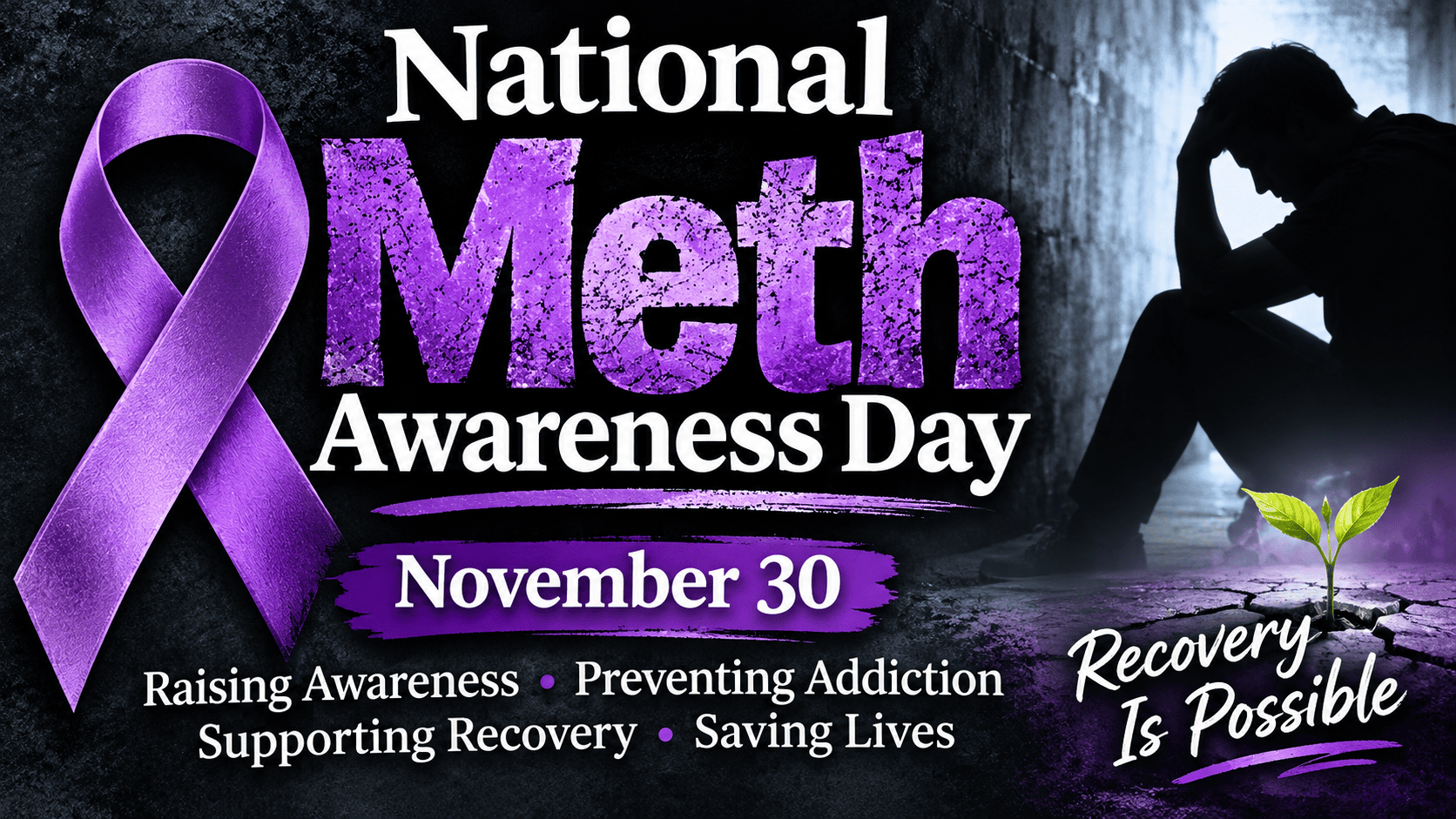
Every year on November 30, National Meth Awareness Day brings attention to one of the most dangerous and devastating substance use problems affecting individuals, families, and communities across the United States: methamphetamine addiction.
Methamphetamine, commonly called meth, is a powerful and highly addictive stimulant that can cause serious physical, emotional, and psychological harm. Its effects extend beyond the individual using the drug, often affecting relationships, employment, financial stability, and entire communities.
National Meth Awareness Day is more than an opportunity to discuss the dangers of methamphetamine. It is a reminder that education, prevention, compassion, treatment, and community support can save lives.
For individuals struggling with addiction, this day offers a message of hope: recovery is possible, help is available, and no one should have to face addiction alone.
When Is National Meth Awareness Day?
National Meth Awareness Day is observed annually on November 30 in the United States.
The observance focuses on educating the public about methamphetamine use, recognizing the warning signs of addiction, encouraging prevention efforts, and connecting people with treatment and recovery resources.
It also provides an opportunity to recognize the families, healthcare professionals, counselors, recovery advocates, and community organizations working to reduce the harm caused by methamphetamine.
While the day highlights a serious public health issue, its purpose is not to shame people experiencing addiction. Instead, it encourages understanding, informed decisions, and access to effective care.
What Is Methamphetamine?
Methamphetamine is a synthetic stimulant that affects the central nervous system. It increases the activity of certain brain chemicals, particularly dopamine, which plays an important role in motivation, reward, and movement.
Methamphetamine can produce intense feelings of energy, alertness, and euphoria. However, these effects come with substantial risks.
Repeated use can change the way the brain functions, making it increasingly difficult for someone to control their drug use despite experiencing harmful consequences.
Methamphetamine is sometimes referred to by street names such as meth, crystal meth, ice, or glass.
Although certain methamphetamine formulations have limited legitimate medical uses under strict prescription controls, most methamphetamine-related public health concerns involve illicitly manufactured and distributed drugs.
Illicit methamphetamine can vary in purity and may contain other dangerous substances, making its effects even more unpredictable.
Why National Meth Awareness Day Matters
Methamphetamine use can have devastating consequences for individuals and communities.
Unlike some health problems that are immediately visible, substance use disorders may develop gradually. Friends and family members might not recognize the warning signs until the problem has become severe.
National Meth Awareness Day helps bring these concerns into public conversation.
1. Educating People About the Dangers
Accurate information helps individuals understand the risks associated with methamphetamine.
Education is especially important for young people who may encounter misinformation, peer pressure, or situations involving substance use.
Understanding the potential consequences can help people make informed choices.
2. Recognizing Addiction as a Health Condition
Methamphetamine addiction is not simply a matter of poor judgment or a lack of willpower.
Substance use disorders are complex medical conditions influenced by biological, psychological, environmental, and social factors.
Recognizing addiction as a treatable health condition can reduce stigma and encourage people to seek help.
3. Supporting Families Affected by Addiction
Addiction rarely affects only one person.
Parents, spouses, children, siblings, and friends may experience fear, frustration, financial hardship, broken trust, and emotional exhaustion.
Awareness efforts can help families understand addiction and identify appropriate support.
4. Encouraging Treatment and Recovery
One of the most important messages of National Meth Awareness Day is that people can recover from methamphetamine addiction.
Recovery may involve professional treatment, behavioral therapy, peer support, stable housing, and long-term follow-up care.
Progress does not always follow a straight path, but setbacks do not mean recovery is impossible.
How Methamphetamine Affects the Brain and Body
Methamphetamine can affect nearly every part of the body.
Some consequences appear shortly after use, while others develop through repeated exposure.
Short-Term Effects of Methamphetamine
Methamphetamine use may cause:
-
Increased heart rate and blood pressure
-
Rapid breathing and elevated body temperature
-
Reduced appetite
-
Difficulty sleeping
-
Anxiety, agitation, or irritability
-
Increased alertness and physical activity
-
Impulsive or risky behavior
-
Irregular heartbeat and other cardiovascular complications
High doses or individual susceptibility can lead to dangerous complications, including seizures, heart attack, stroke, and life-threatening overheating.
Long-Term Effects of Methamphetamine
Repeated methamphetamine use can contribute to serious health problems, including:
-
Substance use disorder and dependence
-
Significant weight loss and nutritional deficiencies
-
Severe dental problems
-
Skin sores and infections
-
Memory and concentration difficulties
-
Anxiety, depression, and sleep disturbances
-
Paranoia, hallucinations, or psychosis
-
Heart and blood vessel damage
-
Increased risk of infectious diseases associated with certain methods of drug use
Some effects may improve with sustained recovery and appropriate medical care, while others can persist or require long-term treatment.
The severity of these problems varies depending on factors such as frequency of use, overall health, and exposure to other substances.
Warning Signs of Methamphetamine Addiction
Recognizing possible signs of methamphetamine use can help families and friends encourage someone to seek professional support.
However, no single symptom proves that a person is using methamphetamine. Many warning signs can also be caused by other medical or mental health conditions.
Physical Warning Signs
Possible physical changes include sudden weight loss, prolonged periods without sleep, poor personal hygiene, unusual restlessness, and noticeable dental deterioration.
Some individuals may develop skin sores or repeatedly scratch or pick at their skin.
Behavioral Warning Signs
Changes in behavior may include increased secrecy, withdrawal from family activities, unexplained financial problems, declining performance at work or school, and difficulty maintaining responsibilities.
Someone may also alternate between periods of intense activity and extreme exhaustion.
Emotional and Psychological Warning Signs
Methamphetamine use can be associated with irritability, mood changes, anxiety, suspiciousness, and difficulty concentrating.
In more severe cases, individuals may experience paranoia or hallucinations.
If these changes appear, approaching the person with concern rather than accusations can make a meaningful difference.
The Impact of Methamphetamine on Families
One of the most painful aspects of addiction is watching someone you love struggle with a condition that can change their behavior, health, and relationships.
Families may feel helpless when repeated promises to stop using drugs are followed by continued substance use.
Trust can become strained. Financial pressures may increase. Communication may break down.
Children living in households affected by addiction may experience instability, fear, or neglect, particularly when adequate support systems are unavailable.
These challenges demonstrate why addiction treatment should consider the needs of the entire family.
Family counseling, education, and support groups can help loved ones establish healthy boundaries, communicate effectively, and protect their own emotional well-being.
Supporting someone with addiction does not mean ignoring harmful behavior. It means combining compassion with realistic expectations, personal safety, and appropriate professional assistance.
Can Someone Recover From Methamphetamine Addiction?
Yes. Recovery from methamphetamine addiction is possible.
Although methamphetamine use disorder can be difficult to treat, research supports several behavioral approaches that help people reduce or stop using the drug.
Behavioral Therapy
Cognitive behavioral therapy helps individuals recognize patterns of thinking and behavior associated with substance use.
It can also teach practical strategies for managing cravings, avoiding high-risk situations, and responding to stress.
Contingency Management
Contingency management is an evidence-based treatment approach that provides structured incentives for meeting recovery goals, such as verified abstinence.
It has demonstrated effectiveness for stimulant use disorders.
Support Groups and Recovery Communities
Peer support groups can provide encouragement, accountability, and connection with others who understand addiction and recovery.
Some people benefit from traditional recovery groups, while others prefer secular or professionally facilitated programs.
Medical and Mental Health Care
Methamphetamine use may occur alongside depression, anxiety, trauma-related conditions, or other health problems.
Integrated treatment that addresses substance use and co-occurring health concerns can improve overall care.
There is currently no FDA-approved medication specifically for methamphetamine use disorder, although research continues into potential medication treatments.
Treatment plans should be developed with qualified healthcare professionals and tailored to individual needs.
How to Help Someone Struggling With Meth Addiction
When someone you care about is struggling with methamphetamine use, it can be difficult to know what to say or do.
A supportive conversation may become an important first step toward recovery.
Start with compassion. Express concern about specific changes you have noticed without attacking the person’s character.
Listen without judgment. Give the individual an opportunity to explain what they are experiencing.
Encourage professional help. Offer assistance finding a treatment provider, making an appointment, or identifying community resources.
Avoid enabling harmful behavior. Healthy boundaries can protect both the individual and their loved ones.
Be patient with recovery. Addiction treatment may involve setbacks, adjustments, and continued support.
Protect your own well-being. Family members also deserve emotional support, counseling, and opportunities to heal.
A person cannot always be persuaded to seek treatment immediately, but respectful communication can help preserve the possibility of future conversations.
How to Observe National Meth Awareness Day
There are meaningful ways individuals, families, schools, workplaces, and communities can participate in National Meth Awareness Day.
Share Accurate Information
Use November 30 as an opportunity to educate others about the risks of methamphetamine and the importance of evidence-based treatment.
Reliable information can challenge dangerous myths and misconceptions.
Talk With Young People About Substance Use
Parents, teachers, and mentors can discuss drug use in an age-appropriate, honest, and nonjudgmental way.
Conversations should emphasize safety, decision-making, and how to seek help when someone feels pressured or unsafe.
Support Recovery Organizations
Community treatment centers, recovery programs, and nonprofit organizations often need volunteers, donations, and public support.
Contributing to these organizations can help expand access to services.
Recognize People in Recovery
Recovery requires determination, support, and ongoing effort.
National Meth Awareness Day is an opportunity to recognize individuals working toward healthier lives without expecting them to publicly disclose their experiences.
Encourage Compassionate Conversations
Stigma can discourage people from seeking treatment.
Replacing judgment with understanding helps create communities where asking for assistance is seen as a responsible and courageous decision.
Methamphetamine and the Importance of Overdose Prevention
Methamphetamine can cause life-threatening toxicity, including severe overheating, seizures, heart rhythm disturbances, heart attack, and stroke.
Another serious concern is the possible presence of fentanyl or other opioids in the illicit drug supply.
Because people cannot reliably determine a substance’s contents by appearance, unexpected opioid exposure can occur.
Naloxone can reverse an opioid overdose, including one involving fentanyl, but it does not reverse methamphetamine toxicity itself.
If someone is unconscious, breathing abnormally, experiencing seizures, or showing signs of a medical emergency after drug use, call 911 immediately.
Administer naloxone if an opioid overdose is suspected and naloxone is available. Follow emergency dispatcher instructions and remain with the person until help arrives when it is safe to do so.
Where to Find Help for Methamphetamine Addiction
Anyone struggling with methamphetamine use deserves access to treatment and support.
In the United States, the Substance Abuse and Mental Health Services Administration (SAMHSA) provides a free, confidential National Helpline at 1-800-662-HELP (4357).
The helpline offers treatment referrals and information for individuals and families affected by substance use disorders.
People can also contact healthcare providers, licensed addiction counselors, community health centers, and local treatment programs.
For immediate emotional crisis support in the United States, call or text 988 to reach the Suicide & Crisis Lifeline.
Seeking assistance is not a sign of weakness. It is an important step toward protecting health and creating opportunities for recovery.
Breaking the Stigma Surrounding Meth Addiction
Stigma remains one of the major barriers to addiction treatment.
People experiencing substance use disorders may fear being judged, rejected, or defined entirely by their addiction.
These fears can prevent individuals from discussing their struggles or reaching out for assistance.
National Meth Awareness Day reminds us that a person’s substance use disorder does not erase their humanity.
Someone struggling with methamphetamine addiction is still a parent, child, sibling, friend, neighbor, or community member.
They are more than their worst decisions or most difficult experiences.
Compassion does not mean minimizing the dangers of drug use. It means recognizing that effective prevention and treatment require dignity, respect, and understanding.
Communities become stronger when they make room for recovery rather than treating addiction as a permanent identity.
Frequently Asked Questions About National Meth Awareness Day
What date is National Meth Awareness Day?
National Meth Awareness Day is observed every year on November 30 in the United States.
What is the purpose of National Meth Awareness Day?
The day raises awareness about the dangers of methamphetamine, promotes prevention education, supports people affected by addiction, and encourages access to treatment and recovery resources.
Is methamphetamine addictive?
Yes. Methamphetamine has a high potential for addiction because of its powerful effects on the brain’s reward system.
Can the brain recover after methamphetamine use?
Some brain functions can improve after a person stops using methamphetamine, although recovery varies and certain effects may persist. Professional treatment and sustained support can help.
Is there treatment for methamphetamine addiction?
Yes. Evidence-based behavioral treatments, including contingency management and cognitive behavioral therapy, can help people recover from methamphetamine use disorder.
How can families support someone with meth addiction?
Families can provide compassionate encouragement, help locate professional treatment, establish healthy boundaries, and seek support for their own well-being.
Final Thoughts: Awareness Can Lead to Hope and Recovery
National Meth Awareness Day, observed every November 30, reminds us that methamphetamine addiction is a serious public health concern that deserves attention throughout the year.
Behind the statistics are real people, families, and communities facing difficult circumstances.
Some are struggling with addiction. Others are rebuilding their lives through recovery. Many families are searching for answers, support, and reassurance that change is possible.
Education can prevent harmful decisions. Early intervention can reduce risks. Effective treatment can help people reclaim their health, relationships, and future.
Most importantly, compassion can help replace shame with the willingness to seek assistance.
Addiction does not have to be the end of someone’s story. Recovery is possible, lives can change, and every person deserves the opportunity to begin again.
On National Meth Awareness Day, we can choose to spread knowledge instead of misinformation, offer support instead of judgment, and remind those struggling that hope and help are still within reach.



Leave a Reply