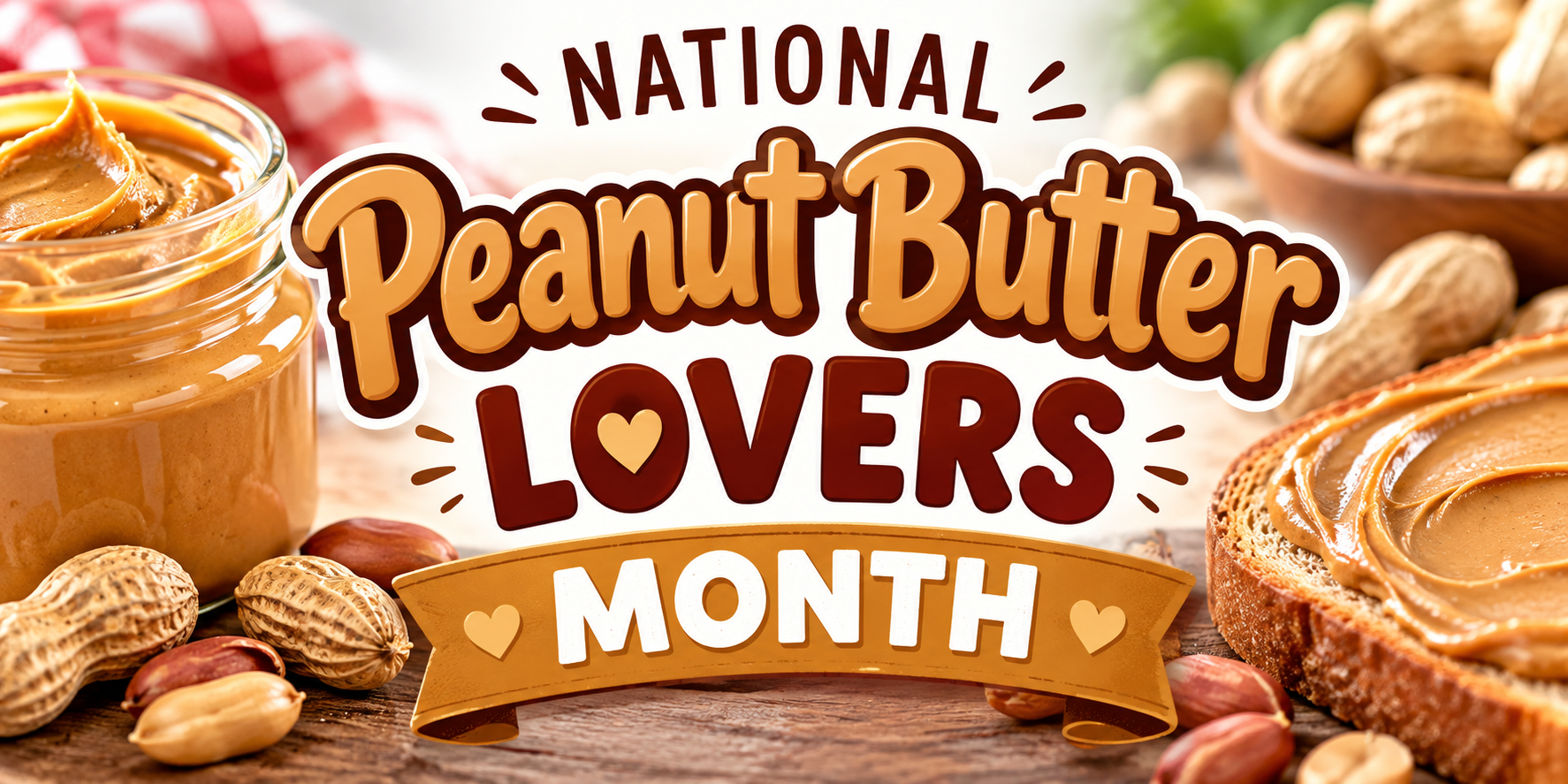
November is National Peanut Butter Lovers Month, a time to celebrate one of America’s most beloved and versatile foods. Whether you enjoy it creamy or crunchy, spread on toast, blended into smoothies, baked into cookies, or eaten straight from the spoon, peanut butter has earned a special place in kitchens across the country.
For generations, peanut butter has been a household staple, offering a delicious combination of flavor, convenience, affordability, and nutrition. From the classic peanut butter and jelly sandwich to creative desserts and savory dishes, there are countless ways to enjoy this popular spread.
National Peanut Butter Lovers Month is more than an opportunity to enjoy your favorite peanut butter treats. It is also a chance to explore the history of peanut butter, discover its nutritional benefits, try exciting new recipes, and appreciate the role it has played in American food culture.
When Is National Peanut Butter Lovers Month?
National Peanut Butter Lovers Month is celebrated every November.
The monthlong celebration encourages peanut butter enthusiasts to enjoy their favorite recipes, experiment with new combinations, and share their love for this delicious food.
November is an especially fitting time to celebrate peanut butter because it is a popular ingredient in fall baking, holiday desserts, and comforting homemade treats.
Although peanut butter can be enjoyed throughout the year, dedicating an entire month to it gives people an excuse to get creative in the kitchen.
Whether you prefer traditional peanut butter sandwiches or adventurous peanut butter recipes, November offers plenty of opportunities to celebrate.
The History of Peanut Butter
Peanut butter has a fascinating history that stretches back centuries.
Long before modern peanut butter appeared on grocery store shelves, Indigenous peoples in South America cultivated peanuts and prepared them in various ways, including grinding them into pastes.
The peanut itself originated in South America and eventually spread to other parts of the world through trade and agriculture.
The Development of Modern Peanut Butter
Modern peanut butter began taking shape during the late nineteenth century.
In 1884, Canadian inventor Marcellus Gilmore Edson received a United States patent for a process involving the preparation of peanut paste.
During the 1890s, American physician and health reformer Dr. John Harvey Kellogg developed and patented methods for producing nut-based food pastes.
These early innovations helped establish the foundation for the peanut butter products enjoyed today.
As food manufacturing improved, peanut butter became easier to produce, package, and distribute.
By the early twentieth century, peanut butter was gaining popularity throughout the United States.
Peanut Butter Becomes an American Favorite
Peanut butter became especially popular because it was affordable, filling, and easy to store.
During the twentieth century, manufacturers introduced smoother textures, improved packaging, and products designed to maintain their consistency.
Commercial brands helped transform peanut butter from a specialty product into an everyday household staple.
Its popularity continued growing as families discovered how convenient it was for sandwiches, snacks, baking, and quick meals.
Today, peanut butter remains a familiar food in American homes and is enjoyed in many different ways around the world.
Why Do Americans Love Peanut Butter So Much?
There are several reasons peanut butter has maintained its popularity for generations.
1. It Is Delicious
Peanut butter has a rich, roasted, slightly sweet, and savory flavor that pairs well with countless ingredients.
It complements chocolate, bananas, apples, honey, jelly, oatmeal, and many other foods.
Its versatility makes it easy to incorporate into breakfast, lunch, snacks, and desserts.
2. It Is Convenient
Peanut butter requires little preparation.
You can spread it on bread, stir it into oatmeal, blend it into a smoothie, or enjoy it with fresh fruit.
For busy families, students, and anyone looking for quick meal options, peanut butter is a convenient pantry staple.
3. It Is Affordable
Compared with many other protein-containing foods, peanut butter can be an economical option.
A single jar can provide numerous servings and be used in a variety of meals.
Its relatively long shelf life also makes it useful for stocking a pantry.
4. It Brings Back Childhood Memories
For many Americans, peanut butter is associated with childhood.
Peanut butter and jelly sandwiches packed in school lunches, homemade peanut butter cookies, and peanut butter spread on crackers are familiar memories.
The flavor can remind people of family traditions, school days, and simple moments spent together.
5. It Works in Sweet and Savory Recipes
One of peanut butter’s greatest strengths is its versatility.
It can be used in cookies, cakes, brownies, sauces, dressings, noodle dishes, and smoothies.
This ability to complement both sweet and savory ingredients makes it especially popular with home cooks.
Creamy vs. Crunchy Peanut Butter: Which Is Better?
One of the most entertaining debates among peanut butter lovers is whether creamy or crunchy peanut butter is better.
Both varieties have loyal fans, and each offers something different.
Creamy Peanut Butter
Creamy peanut butter has a smooth, spreadable texture.
It is especially popular for sandwiches, smoothies, sauces, and recipes requiring a consistent texture.
Its smoothness makes it easy to mix with other ingredients.
Crunchy Peanut Butter
Crunchy peanut butter contains small pieces of peanuts that provide additional texture.
It works particularly well in cookies, sandwiches, and recipes where a little crunch is welcome.
Some peanut butter enthusiasts prefer crunchy peanut butter because it provides a more noticeable peanut texture.
Which One Should You Choose?
The answer depends entirely on personal preference.
Creamy peanut butter is often better for smooth sauces and blended recipes, while crunchy peanut butter adds texture to baked goods and snacks.
During National Peanut Butter Lovers Month, try both varieties and decide which one deserves the top spot in your kitchen.
The Nutritional Benefits of Peanut Butter
Peanut butter is not just delicious. It also contains several important nutrients that can contribute to a balanced diet.
However, portion sizes and ingredients matter, particularly because peanut butter is calorie-dense.
A Source of Plant-Based Protein
Peanut butter provides plant-based protein, which supports the maintenance and repair of body tissues.
A typical two-tablespoon serving contains approximately seven to eight grams of protein, depending on the brand.
Although peanut butter should not be considered a complete replacement for all other protein sources, it can contribute to daily protein intake.
Contains Heart-Healthy Unsaturated Fats
Peanut butter contains monounsaturated and polyunsaturated fats.
Replacing some saturated fats in the diet with unsaturated fats can support cardiovascular health.
Choosing peanut butter without unnecessary added saturated fats may be a useful option.
Provides Important Vitamins and Minerals
Peanut butter contains nutrients such as:
-
Vitamin E, which helps protect cells from oxidative damage.
-
Magnesium, which supports muscle and nerve function.
-
Niacin, which helps the body convert food into energy.
-
Phosphorus, which contributes to healthy bones and teeth.
-
Copper, which supports several important functions in the body.
The exact nutritional content varies by product.
Helps Make Meals More Satisfying
Because peanut butter contains fat and protein, adding a moderate amount to a meal or snack can help make it more satisfying.
Pairing peanut butter with whole-grain bread, oatmeal, or fruit can provide a combination of nutrients.
Choosing a Healthier Peanut Butter
When shopping for peanut butter, check the ingredient label.
Products containing only peanuts, or peanuts and a small amount of salt, can be good choices for people looking to limit added sugar and certain added fats.
Remember that even natural peanut butter is calorie-dense, so portion awareness remains important.
Important: Peanuts are a major food allergen. People with peanut allergies must avoid peanut butter and products containing peanuts. Always check labels when preparing food for others.
15 Delicious Ways to Celebrate National Peanut Butter Lovers Month
There are countless ways to enjoy peanut butter throughout November.
Here are fifteen ideas worth trying.
1. Classic Peanut Butter and Jelly Sandwich
Nothing celebrates peanut butter quite like the classic PB&J.
Spread peanut butter on one slice of bread, add your favorite jelly to another, and combine them for a timeless sandwich.
2. Peanut Butter Banana Toast
Spread peanut butter over toasted whole-grain bread and top with sliced bananas.
Add a sprinkle of cinnamon for extra flavor.
3. Homemade Peanut Butter Cookies
Bake traditional peanut butter cookies with their recognizable crisscross fork pattern.
These cookies are simple, comforting, and perfect for sharing.
4. Peanut Butter Chocolate Smoothie
Blend peanut butter, milk, banana, cocoa powder, and ice for a rich, creamy drink.
5. Peanut Butter Overnight Oats
Combine rolled oats, milk, peanut butter, and chia seeds.
Refrigerate overnight for an easy breakfast.
6. Peanut Butter Apple Slices
Slice a fresh apple and serve it with peanut butter for dipping.
The combination of sweet, crisp apples and creamy peanut butter makes a satisfying snack.
7. Peanut Butter Brownies
Swirl peanut butter into brownie batter before baking.
The combination of chocolate and peanut butter creates a rich dessert.
8. Peanut Butter Energy Bites
Mix peanut butter, oats, honey, and mini chocolate chips.
Roll the mixture into small balls and refrigerate until firm.
9. Peanut Butter Pancakes
Add peanut butter to pancake batter or spread a small amount over warm pancakes.
Top with bananas or berries.
10. Peanut Butter and Honey Sandwich
Replace jelly with honey for a different take on the classic peanut butter sandwich.
11. Peanut Butter Noodles
Create a savory peanut sauce using peanut butter, soy sauce, lime juice, garlic, and water.
Toss with cooked noodles and vegetables.
12. Peanut Butter Yogurt Dip
Mix peanut butter with plain Greek yogurt and a little honey.
Serve with strawberries, apples, or banana slices.
13. Peanut Butter Chocolate Bark
Spread melted chocolate onto a parchment-lined baking sheet and swirl in peanut butter.
Chill until firm, then break into pieces.
14. Peanut Butter Stuffed Dates
Remove the pits from dates and fill them with peanut butter.
Add a little melted chocolate for a dessert-inspired treat.
15. Peanut Butter Ice Cream Topping
Warm a small amount of peanut butter until it becomes pourable, then drizzle it over ice cream.
Add chopped peanuts for extra crunch.
Easy Homemade Peanut Butter Recipe
One of the best ways to celebrate National Peanut Butter Lovers Month is by making peanut butter at home.
Homemade peanut butter allows you to control the ingredients and customize the texture.
RECIPE
10–15 minutes
Easy
About 1 cup
Ingredients
-
2 cups roasted, unsalted peanuts
-
¼ teaspoon salt, optional
-
1–2 teaspoons honey, optional
-
1–2 teaspoons neutral oil, only if needed for blending
Instructions
-
Place the roasted peanuts into a food processor.
-
Blend for approximately one minute, then scrape down the sides.
-
Continue processing. The peanuts will change from crumbs into a thick paste and eventually become smoother.
-
Add salt or honey if desired.
-
If the mixture remains too thick, add a small amount of oil.
-
Continue blending until the peanut butter reaches your preferred consistency.
-
Transfer to a clean, airtight container and refrigerate.
For crunchy peanut butter, reserve a few tablespoons of chopped peanuts and stir them into the finished spread.
Homemade peanut butter does not contain the same preservatives or stabilizers as many commercial varieties. Keep it refrigerated, use clean utensils, and consume it promptly.
Fun and Interesting Facts About Peanut Butter
National Peanut Butter Lovers Month is the perfect opportunity to discover interesting facts about this popular food.
1. Peanuts are legumes, not true tree nuts. Although their name includes the word “nut,” peanuts belong to the legume family, along with beans, peas, and lentils.
2. Peanut butter is made primarily from roasted peanuts. The peanuts are ground until their natural oils help create a spreadable paste.
3. Peanut butter can be used in savory cooking. Peanut-based sauces are popular in numerous culinary traditions, including dishes found in parts of Africa and Southeast Asia.
4. Peanut butter and chocolate are a famous combination. Their contrasting sweet, salty, and roasted flavors have made them popular ingredients in candy and desserts.
5. Peanut butter comes in several varieties. Beyond creamy and crunchy, shoppers can find natural, unsweetened, reduced-sodium, and flavored versions.
6. Peanut butter is popular with athletes and active individuals. It provides energy, fat, and some protein, making it a convenient addition to meals and snacks.
7. Peanut butter is useful in baking. It can contribute flavor, richness, and texture to cookies, cakes, and other desserts.
8. Peanut butter is a common pantry staple. Unopened commercial peanut butter generally stores well when kept according to the manufacturer’s instructions.
9. Peanut butter pairs with many fruits. Apples, bananas, strawberries, and pears can all complement its roasted flavor.
10. There is also a National Peanut Butter Day. It is celebrated annually on January 24, giving peanut butter enthusiasts another opportunity to enjoy their favorite spread.
Peanut Butter Around the World
Although peanut butter is strongly associated with American food culture, ground peanuts and peanut-based sauces are enjoyed in many countries.
United States
In America, peanut butter is commonly associated with sandwiches, cookies, candy, and breakfast foods.
The peanut butter and jelly sandwich remains one of the country’s most recognizable comfort foods.
Thailand
Peanut-based sauces are commonly associated with Thai-inspired dishes, particularly internationally popular versions of satay and noodle recipes.
However, Thai cuisine features many different sauces and preparations, and peanut butter itself is not a universal traditional ingredient.
Indonesia
Indonesia is famous for peanut-based sauces used in dishes such as gado-gado and satay.
These sauces are often prepared with ground peanuts, spices, and other flavorful ingredients.
West Africa
Peanuts, often called groundnuts, are important ingredients in several West African cuisines.
Groundnut stews and soups combine peanuts with vegetables, spices, and sometimes meat.
The Netherlands
Peanut butter, known as pindakaas, is a popular sandwich spread in the Netherlands.
It is frequently enjoyed on bread and may be paired with sweet or savory toppings.
Exploring peanut-based dishes from different cultures is a wonderful way to expand your appreciation of this versatile ingredient.
Creative Ways to Celebrate National Peanut Butter Lovers Month With Family
November offers an opportunity to bring family and friends together through food.
Host a Peanut Butter Taste Test
Purchase several varieties of peanut butter and compare their flavors and textures.
Try creamy, crunchy, natural, and unsweetened versions.
Have everyone vote for their favorite.
Organize a Peanut Butter Baking Day
Spend an afternoon making peanut butter cookies, brownies, or other desserts.
Baking together can become a fun family tradition.
Create a Peanut Butter Breakfast Challenge
Try a different peanut butter breakfast each week.
Options include peanut butter toast, smoothies, oatmeal, and pancakes.
Share Your Favorite Recipe
Exchange peanut butter recipes with friends, family members, or online communities.
You might discover a new favorite.
Donate Peanut Butter to a Food Pantry
Peanut butter is frequently requested by food assistance organizations because it is shelf-stable, versatile, and provides energy and protein.
Consider donating unopened jars to a local food pantry, provided the organization accepts them.
Check donation guidelines before purchasing.
Helping others enjoy nutritious food is a meaningful way to celebrate the month.
Peanut Butter and Childhood Memories
For many people, peanut butter represents more than a simple food.
It can bring back memories of childhood lunches, family kitchens, after-school snacks, and time spent with loved ones.
Perhaps you remember someone preparing your favorite peanut butter sandwich before school.
Maybe peanut butter cookies were a special treat during the holidays.
Or perhaps you remember standing in the kitchen with a parent or grandparent, learning how to bake a favorite family recipe.
Food has a remarkable ability to connect us with memories.
Sometimes a familiar flavor or aroma can remind us of people, places, and moments that remain important throughout our lives.
National Peanut Butter Lovers Month offers an opportunity to revisit those memories while creating new traditions with the people around us.
A simple afternoon of baking peanut butter cookies or preparing sandwiches together can become a meaningful experience.
The memories we create around food often last much longer than the meal itself.
How to Enjoy Peanut Butter in a Balanced Diet
While peanut butter offers nutritional benefits, moderation remains important.
A typical serving is two tablespoons, which generally provides around 180–200 calories, depending on the product.
Here are some practical ways to enjoy peanut butter as part of a balanced eating pattern.
-
Pair it with fruit for a snack that provides fiber and other nutrients.
-
Spread it on whole-grain toast instead of relying exclusively on refined-grain bread.
-
Add a measured portion to oatmeal for flavor and richness.
-
Choose varieties with minimal added sugar when possible.
-
Use peanut butter in sauces alongside vegetables and lean protein sources.
-
Pay attention to serving sizes rather than eating directly from the jar.
Peanut butter can fit into many eating patterns, but it is not suitable for everyone, especially people with peanut allergies.
For infants and young children, follow age-appropriate peanut introduction guidance. Thick spoonfuls of peanut butter and whole peanuts can present choking hazards to young children.
Frequently Asked Questions About National Peanut Butter Lovers Month
When is National Peanut Butter Lovers Month celebrated?
National Peanut Butter Lovers Month takes place every November.
Is National Peanut Butter Lovers Month the same as National Peanut Butter Day?
No. National Peanut Butter Lovers Month is celebrated throughout November, while National Peanut Butter Day occurs on January 24.
Is peanut butter healthy?
Peanut butter contains protein, unsaturated fats, vitamins, and minerals. It can be part of a balanced diet when consumed in appropriate portions. Products vary in added sugar, salt, and other ingredients.
What is the difference between natural and regular peanut butter?
Natural peanut butter often contains only peanuts and possibly salt. Some conventional varieties include added sweeteners, oils, and stabilizers to improve texture and reduce oil separation.
Can peanut butter be used in savory recipes?
Yes. Peanut butter works well in noodle sauces, dressings, marinades, and certain soups and stews.
Does peanut butter need to be refrigerated?
Storage recommendations depend on the product. Some conventional peanut butters can be stored in the pantry after opening, while natural and homemade varieties may benefit from or require refrigeration. Always follow the product label.
What are the best foods to pair with peanut butter?
Popular choices include bananas, apples, chocolate, oats, whole-grain bread, crackers, and yogurt.
How can I celebrate without eating peanut butter?
You can learn about peanut farming, explore its history, share recipes, or donate suitable food items to a local food pantry. This is especially helpful for people who cannot eat peanuts because of allergies.
Why National Peanut Butter Lovers Month Matters
Food celebrations may seem simple, but they can encourage people to appreciate everyday experiences.
National Peanut Butter Lovers Month highlights a food that has become part of American culinary traditions while encouraging creativity, family activities, and community involvement.
It also reminds us that enjoyable meals do not always require expensive ingredients or complicated recipes.
Sometimes the simplest foods provide the greatest comfort.
A peanut butter sandwich shared with a loved one, a batch of homemade cookies, or a familiar childhood recipe can bring people together.
November is an opportunity to appreciate those little moments and enjoy something familiar in a new way.
Final Thoughts: Celebrate National Peanut Butter Lovers Month This November
National Peanut Butter Lovers Month is a delicious celebration of a food that has brought flavor, convenience, and comfort to American households for generations.
From its fascinating history to its nutritional qualities and endless recipe possibilities, peanut butter has earned its place as a beloved pantry staple.
Whether you prefer creamy or crunchy, sweet or savory, traditional or adventurous, there is no shortage of ways to participate in the celebration.
This November, consider trying a new peanut butter recipe, baking cookies with family, exploring international peanut dishes, or donating a jar to a local food pantry.
Most importantly, enjoy the simple pleasures that make food traditions meaningful.
After all, sometimes happiness really can be as simple as a spoonful of peanut butter.
What’s your favorite way to enjoy peanut butter? Are you on Team Creamy or Team Crunchy, and what peanut butter recipe brings back your favorite memories?


Leave a Reply