Life can be overwhelming. Between work responsibilities, financial pressures, family obligations, relationships, health concerns, and personal struggles, stress has become something many people experience daily. Sometimes, the weight of everything we carry becomes so familiar that we forget what it feels like to truly relax.
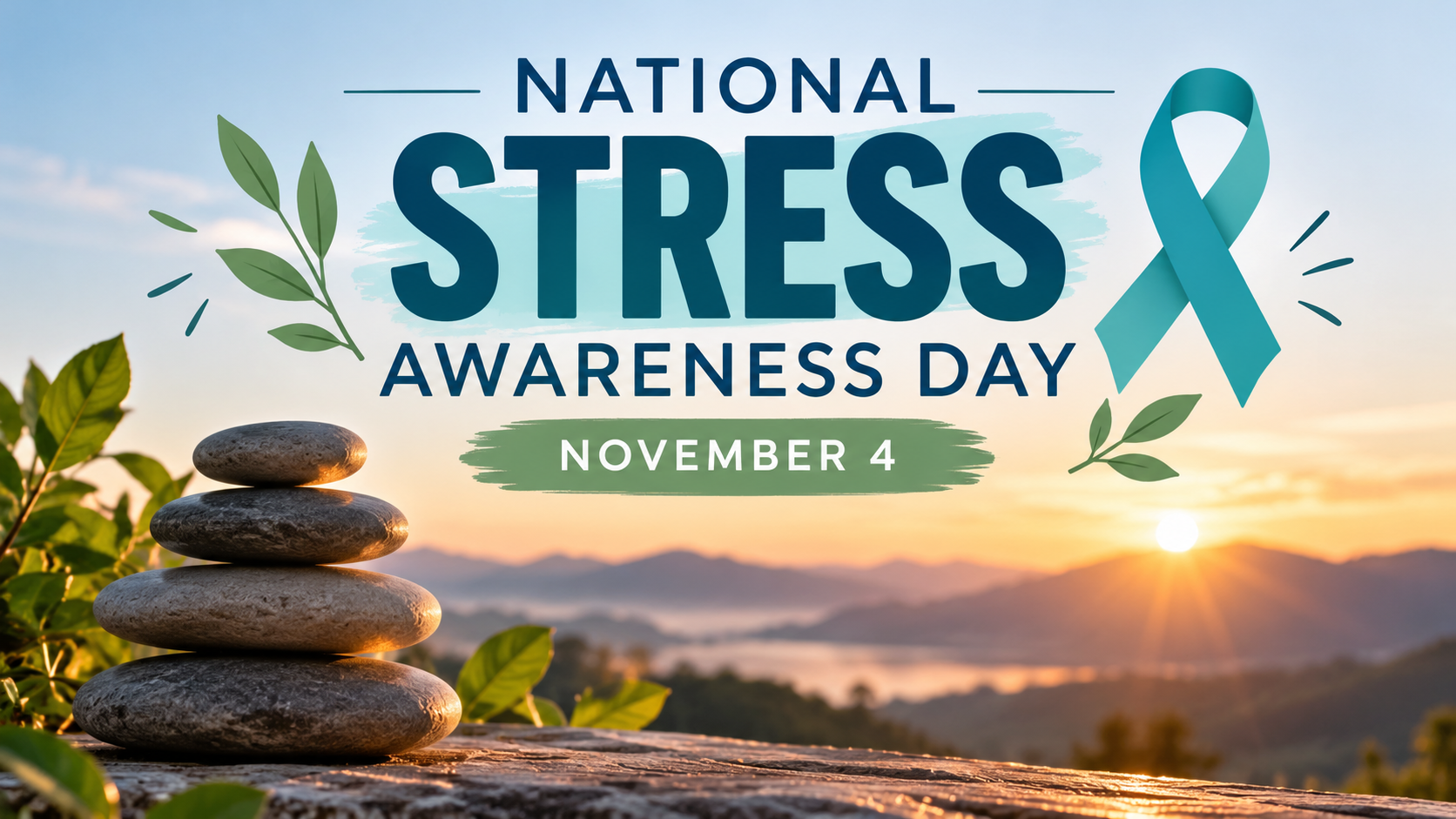
National Stress Awareness Day, observed on the first Wednesday of November, reminds us that stress is more than just feeling overwhelmed. It can affect our physical health, emotional well-being, relationships, and overall quality of life.
In 2026, National Stress Awareness Day falls on Wednesday, November 4.
This day encourages us to recognize the warning signs of stress, understand its effects, and develop healthier ways to manage life’s challenges.
Most importantly, it reminds us that taking care of our mental health is not a weakness. It is an essential part of living a healthy and meaningful life.
What Is National Stress Awareness Day?
National Stress Awareness Day is an annual observance dedicated to educating people about stress, its causes, and the importance of managing it effectively.
The observance was established by the International Stress Management Association in the United Kingdom in 1998 to promote awareness of stress management and encourage healthier approaches to everyday pressures.
Although stress is a natural response to challenging situations, prolonged or excessive stress can negatively affect nearly every aspect of our lives.
National Stress Awareness Day encourages individuals, families, workplaces, and communities to have meaningful conversations about mental health.
It also serves as an opportunity to evaluate our daily habits and consider whether we are giving ourselves enough time to rest, recover, and recharge.
The message behind this day is simple:
You cannot always control what happens in life, but you can learn healthier ways to respond to the challenges you face.
What Is Stress?
Stress is the body’s natural physical and psychological response to situations that feel demanding, threatening, or overwhelming.
When we encounter a stressful situation, our bodies activate a response commonly known as fight or flight.
During this response, hormones such as adrenaline and cortisol help prepare the body to react.
You may notice your heart beating faster, your breathing becoming quicker, or your muscles tightening.
These reactions can be useful when facing immediate danger or short-term challenges.
However, problems can develop when the stress response remains activated for extended periods.
The Two Main Types of Stress
1. Acute Stress
Acute stress is short-term stress caused by immediate challenges or situations.
Examples include preparing for a job interview, dealing with an unexpected expense, giving a presentation, or facing an important deadline.
This type of stress usually decreases once the situation has passed.
2. Chronic Stress
Chronic stress occurs when stressful situations continue over a prolonged period.
Examples include ongoing financial difficulties, unhealthy relationships, long-term caregiving responsibilities, workplace pressures, and persistent health problems.
Chronic stress can gradually affect physical and emotional health, particularly when people lack sufficient support or opportunities for recovery.
Recognizing the difference between these types of stress can help us understand when additional support may be necessary.
Common Causes of Stress in Everyday Life
Stress affects everyone differently.
A situation that feels manageable to one person may be overwhelming to another.
Some of the most common sources of stress include:
Financial Problems
Money worries can create significant emotional pressure.
Struggling to pay bills, manage debt, afford groceries, or maintain financial stability can lead to constant anxiety about the future.
Financial stress may also affect sleep, relationships, and self-confidence.
Work and Career Pressures
Long hours, demanding responsibilities, difficult coworkers, job insecurity, and unrealistic expectations can contribute to workplace stress.
Even people who enjoy their jobs may experience burnout when they feel they must constantly perform without adequate rest.
Family and Relationship Challenges
Relationships are an important source of emotional support, but they can also become sources of stress.
Family disagreements, communication problems, separation, divorce, caregiving responsibilities, and relationship uncertainty can create emotional exhaustion.
Health Concerns
Living with an illness, chronic pain, physical limitations, or uncertainty about medical symptoms can increase stress.
Caring for a loved one experiencing health difficulties can also become emotionally and physically demanding.
Grief and Personal Loss
One of the most difficult forms of emotional stress comes from losing someone we love.
Grief can affect concentration, sleep, energy, appetite, motivation, and our ability to manage ordinary responsibilities.
For parents who have lost a child, the emotional weight of grief can be especially profound.
Anniversaries, birthdays, holidays, familiar places, and unexpected memories may bring intense emotions to the surface.
Grief is not something that follows a predictable schedule, and there is no universal timeline for healing.
Sometimes, managing stress means acknowledging that you are carrying something incredibly painful and allowing yourself the compassion and support you deserve.
How Stress Affects Your Physical Health
Stress does not exist only in our thoughts.
Our bodies often respond to emotional pressure in ways we may not immediately recognize.
Common physical symptoms associated with stress include:
-
Headaches and muscle tension
-
Fatigue and low energy
-
Difficulty falling or staying asleep
-
Stomach discomfort and digestive problems
-
Changes in appetite
-
Increased heart rate
-
Difficulty concentrating
-
Jaw clenching and tight shoulders
Long-term stress may also contribute to high blood pressure and worsen certain existing health conditions.
However, these symptoms can have causes unrelated to stress. New, severe, or persistent symptoms should be evaluated by a healthcare professional rather than automatically attributed to emotional pressure.
Understanding the connection between stress and physical health can encourage us to pay closer attention to what our bodies are telling us.
How Stress Affects Your Mental and Emotional Health
Stress can influence the way we think, feel, and interact with others.
When stress becomes overwhelming, even small challenges may begin to feel impossible.
Common emotional and psychological signs include anxiety, irritability, sadness, racing thoughts, difficulty making decisions, and feeling emotionally drained.
Some people become withdrawn and avoid social interactions.
Others may become frustrated more easily or feel constantly on edge.
Stress can also make it difficult to enjoy activities that once brought happiness.
Over time, prolonged stress may increase vulnerability to anxiety, depression, and burnout.
This is why recognizing emotional warning signs is just as important as noticing physical symptoms.
You do not have to wait until everything falls apart before deciding that your mental health deserves attention.
10 Healthy Ways to Manage Stress
Although we cannot eliminate every stressful situation, we can develop habits that make daily challenges easier to manage.
1. Practice Deep Breathing
Slow, controlled breathing can help calm the body’s stress response.
Try inhaling gently for four seconds and exhaling for six seconds.
Repeat this for a few minutes while sitting comfortably.
If you feel dizzy, return to your normal breathing pattern.
2. Make Time for Physical Activity
Exercise can improve mood, support sleep, and reduce feelings of tension.
You do not need an intense workout to experience benefits.
Walking, swimming, stretching, gardening, or participating in another enjoyable activity can help.
Start with movements that are appropriate for your health and physical abilities.
3. Prioritize Quality Sleep
Sleep plays an important role in emotional regulation and physical recovery.
Adults generally need at least seven hours of sleep per night, although individual needs vary.
Creating a consistent bedtime routine, limiting caffeine late in the day, and reducing screen exposure before bed may help improve sleep quality.
4. Learn to Set Healthy Boundaries
You cannot be everything to everyone.
Sometimes, stress develops because we continuously say yes to responsibilities that leave little time for ourselves.
Setting boundaries means recognizing your limitations and communicating them respectfully.
Saying no when necessary does not mean you do not care about others.
It means you recognize that your own well-being matters too.
5. Talk to Someone You Trust
Sharing your feelings with a trusted friend, family member, counselor, or support group can help reduce isolation.
You do not always need someone to solve your problems.
Sometimes, simply having someone listen without judgment can provide meaningful relief.
6. Spend Time Outdoors
Nature can provide an opportunity to disconnect from daily pressures.
Walking beside a river, sitting near a lake, visiting a park, or enjoying a quiet morning outdoors may help improve your mood.
Even a short break outside can offer a welcome change of perspective.
7. Practice Mindfulness
Mindfulness involves paying attention to the present moment without immediately judging your thoughts or emotions.
Instead of worrying about everything that might happen tomorrow, focus on what is happening right now.
You might practice mindfulness through meditation, breathing exercises, journaling, or quietly observing your surroundings.
8. Reduce Unnecessary Stressors
Some stressful circumstances cannot be avoided.
However, others can be reduced by changing daily habits.
Consider limiting excessive news consumption, organizing important tasks, reducing unnecessary commitments, and taking regular breaks from social media.
Small adjustments can create more room for peace.
9. Make Time for Activities You Enjoy
Hobbies and personal interests are important parts of emotional well-being.
Reading, cooking, listening to music, writing, painting, or spending time with loved ones can provide moments of enjoyment and relaxation.
Making time for happiness does not mean ignoring your responsibilities.
It means recognizing that life should include more than obligations.
10. Seek Professional Support When Needed
Sometimes, stress becomes too difficult to manage alone.
A mental health professional can help identify stressors, develop coping strategies, and address anxiety, depression, or other concerns.
Seeking professional support is a responsible decision that can improve your overall well-being.
Stress, Grief, and the Emotional Weight We Carry
Not all stress comes from busy schedules or workplace responsibilities.
Sometimes, stress comes from emotional wounds that others cannot see.
The loss of someone we love can change the way we experience everyday life.
For grieving parents, simply getting through the day may require tremendous emotional energy.
Ordinary activities can become exhausting when they are accompanied by memories, sadness, and the absence of someone who meant everything.
There may be days when a grieving person feels relatively peaceful, followed by moments when an unexpected reminder brings overwhelming sadness.
This does not mean they have failed to heal.
It means their grief continues to reflect a meaningful relationship and a profound loss.
National Stress Awareness Day offers an important reminder that people experiencing grief may need additional understanding, flexibility, and compassion.
Rather than expecting someone to move on or return to their former self, we can offer patience and meaningful support.
Sometimes, the most helpful words are simply:
“I’m here for you.”
“You don’t have to carry everything alone.”
“Take the time you need.”
And sometimes, the greatest kindness is listening without trying to fix what cannot be fixed.
The Importance of Taking Care of Yourself Without Feeling Guilty
Many people struggle with the idea of putting themselves first.
Parents, caregivers, employees, and individuals who constantly support others may feel guilty about taking time for their own needs.
However, neglecting your well-being can eventually affect your ability to care for the people and responsibilities that matter most.
Self-care is not always about expensive vacations, spa treatments, or elaborate routines.
Sometimes, it means getting enough sleep, preparing a nutritious meal, asking for help, taking a quiet walk, or giving yourself permission to rest.
It may mean choosing not to answer every message immediately.
It may mean stepping away from a stressful conversation.
Or it may mean admitting that you are emotionally exhausted and need additional support.
Rest is not something you have to earn by reaching the point of exhaustion.
You deserve opportunities to recover simply because your health and well-being matter.
How to Recognize When Stress Is Becoming Too Much
Everyone experiences difficult days.
However, persistent stress that interferes with daily functioning deserves attention.
Some warning signs include feeling overwhelmed most days, experiencing ongoing sleep problems, withdrawing from loved ones, losing interest in enjoyable activities, or struggling to complete ordinary responsibilities.
Increasing reliance on alcohol or other substances to cope can also indicate that additional support is needed.
If these symptoms continue or become more severe, speaking with a healthcare or mental health professional is an important next step.
Stress management techniques can be helpful, but they are not a substitute for professional care when symptoms significantly affect your life.
How to Support Someone Who Is Experiencing Stress
National Stress Awareness Day is not only about recognizing stress in ourselves.
It is also an opportunity to become more supportive of the people around us.
You may not know everything someone is experiencing.
A coworker may be struggling financially.
A friend may be caring for a sick family member.
A neighbor may be grieving a personal loss.
Someone who appears cheerful and confident may be carrying significant emotional pain.
Offering support does not require perfect words or complicated solutions.
You can make a difference by listening without judgment, checking in regularly, respecting personal boundaries, offering practical assistance, and encouraging professional support when appropriate.
Avoid minimizing someone’s experience by telling them that other people have it worse.
Stress is personal, and comparing struggles rarely makes someone feel understood.
A little compassion can help someone feel less alone during an overwhelming time.
Creating a Daily Routine That Supports Mental Health
Managing stress often becomes easier when we develop consistent habits that support emotional and physical well-being.
You do not need to completely transform your lifestyle overnight.
Begin with a few manageable changes.
Your Daily Stress-Relief Checklist
Check off the habits you complete today. Progress matters more than perfection.
0 of 8 completed
Reset
The goal is not to create another list of responsibilities that causes more stress.
Instead, focus on developing a routine that makes your days feel more balanced and manageable.
Even one positive change can be a meaningful beginning.
Why Mental Health Conversations Matter
For generations, many people were taught to hide emotional struggles.
Statements such as “just toughen up” or “stop worrying” often discouraged people from discussing their feelings.
Unfortunately, silence can make emotional difficulties harder to manage.
National Stress Awareness Day helps challenge the idea that struggling emotionally is something to be ashamed of.
Mental health deserves the same attention and respect as physical health.
We should be able to discuss stress, anxiety, grief, burnout, and emotional exhaustion without fear of judgment.
This is especially important for men, who may experience social pressure to appear strong, independent, and emotionally unaffected.
Strength does not require hiding every struggle.
Sometimes, strength means recognizing when something is wrong and having the courage to ask for help.
By creating more open conversations, we can build families, workplaces, and communities where people feel supported rather than isolated.
How to Observe National Stress Awareness Day on November 4
There are many meaningful ways to participate in National Stress Awareness Day.
You can begin by taking a personal stress assessment and identifying the situations that have been affecting your emotional well-being.
Consider dedicating time to relaxation, exercise, journaling, or another activity that helps you feel grounded.
Reach out to someone who may be experiencing a difficult season.
Encourage conversations about mental health in your workplace, family, or community.
You might also use the day to establish healthier boundaries or schedule an appointment with a professional if stress has been affecting your daily life.
One of the most valuable ways to observe the day is to make a commitment that extends beyond November 4.
Stress awareness should not be limited to one day each year.
It should encourage lasting habits that support our physical, mental, and emotional health.
A Reminder for Anyone Feeling Overwhelmed
If life feels overwhelming right now, remember that you do not have to solve every problem today.
You do not need to have all the answers.
You do not need to pretend everything is fine when you are struggling.
Some seasons of life require more patience, rest, and support than others.
There will be days when you accomplish everything you planned.
There will also be days when getting out of bed, preparing a meal, or completing one important task feels like a major achievement.
Both experiences are part of being human.
Your worth is not determined by your productivity.
You are not required to be strong every moment of every day.
And taking care of yourself does not mean you have stopped caring about everyone else.
Sometimes, the most important thing you can do is give yourself permission to slow down, breathe, and focus on what truly matters.
Final Thoughts: Your Peace and Well-Being Matter
National Stress Awareness Day on November 4, 2026, reminds us that stress is a common part of life, but it should not be ignored when it begins to affect our health, happiness, and relationships.
We all face challenges that test our patience, strength, and emotional resilience.
Some struggles are temporary.
Others may change our lives permanently.
While we cannot control every circumstance, we can learn to recognize our limitations, build healthier habits, seek support, and treat ourselves with greater compassion.
Managing stress does not mean creating a life without difficulties.
It means developing the tools, relationships, and routines that help us navigate those difficulties in healthier ways.
As we recognize National Stress Awareness Day, consider taking one small step toward protecting your peace.
Rest when you need rest.
Ask for help when you need support.
Spend time with people who bring encouragement into your life.
And remember that caring for your mental health is an ongoing commitment, not a one-day event.
You deserve a life that includes moments of peace, connection, joy, and hope—even when life is difficult.
A Question for Readers
What is one thing you do to manage stress when life becomes overwhelming, and what advice would you share with someone who is struggling to find peace?
Share your thoughts and experiences in the comments. Your words may help someone who needs encouragement today.



Leave a Reply