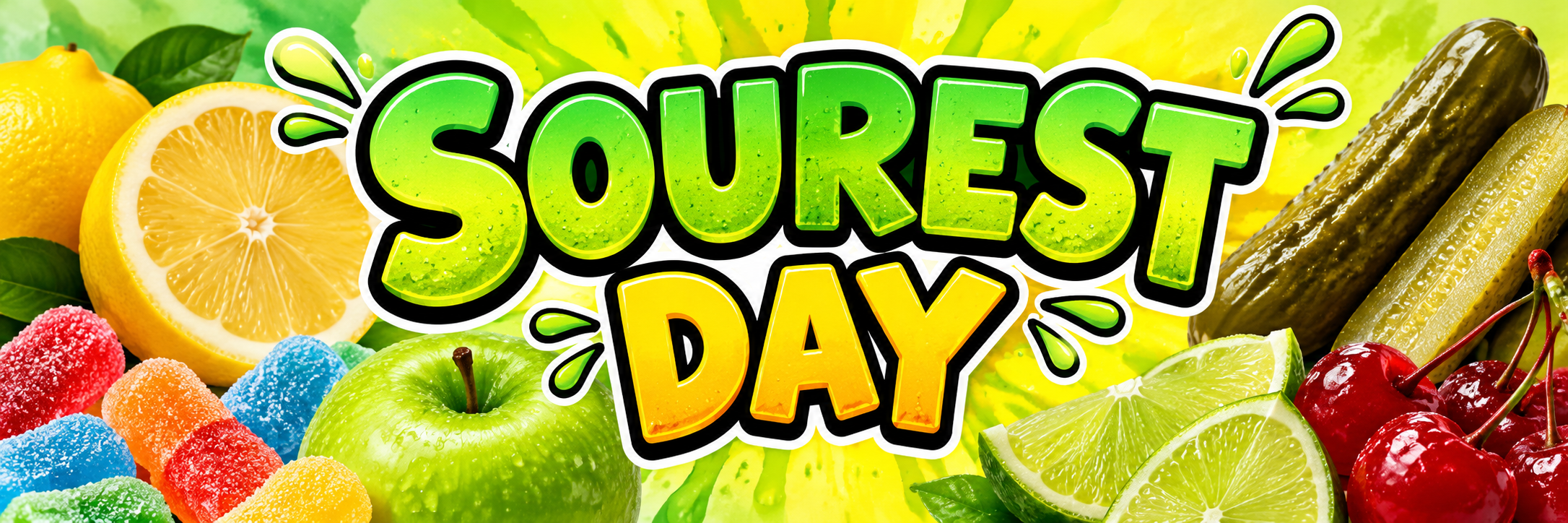
Every year on October 25, people have a reason to pucker their lips, challenge their taste buds, and celebrate one of the boldest flavors in the world. Sourest Day is a fun and unusual observance dedicated to everything sour, from tangy lemons and tart candies to pickles, sour fruits, and foods that make your mouth water.
While sweetness often steals the spotlight, sourness brings excitement, balance, and personality to countless foods and beverages. It can transform an ordinary recipe into something memorable, awaken your senses, and create reactions that range from delighted smiles to hilarious facial expressions.
Sourest Day is also an opportunity to appreciate the diversity of flavors that make eating enjoyable. Whether you love biting into a fresh lemon, enjoy a handful of sour gummies, or prefer a refreshing glass of lemonade, October 25 is the perfect occasion to embrace the tangy side of life.
What Is Sourest Day?
Sourest Day is observed annually on October 25 and celebrates sour flavors, foods, drinks, and even the humorous side of having a sour attitude.
The holiday encourages people to explore their tolerance for tart flavors, experiment with sour ingredients, and enjoy foods that might ordinarily make them hesitate.
Unlike traditional food holidays that focus on a single dish or ingredient, Sourest Day recognizes an entire taste sensation.
Sourness is one of the five basic tastes recognized by humans, alongside sweetness, saltiness, bitterness, and umami.
It plays an important role in how we experience food. A little acidity can brighten a meal, balance rich ingredients, and make beverages more refreshing.
Sourest Day gives this often-underappreciated taste its moment to shine.
When Is Sourest Day Celebrated?
OCTOBER
25
Sunday, October 25, 2026
An annual observance celebrated every October 25.
The date falls during autumn in the United States, making it a wonderful opportunity to experiment with seasonal ingredients such as tart apples, cranberries, and citrus-based treats.
Whether you celebrate with friends, family, coworkers, or simply enjoy your favorite sour snack, the holiday offers plenty of opportunities for creativity and fun.
The History of Sourest Day
Sourest Day is commonly described as an unofficial observance created to recognize sour foods and sour personalities. Its exact origins are not well documented, and there is limited reliable historical information identifying its founder or the year it began.
However, the appreciation of sour flavors stretches back thousands of years.
Ancient civilizations used acidic ingredients to preserve food, enhance meals, and create distinctive flavors.
Vinegar, fermented foods, citrus fruits, and naturally tart ingredients have played important roles in culinary traditions around the world.
Before modern refrigeration, fermentation and pickling were especially valuable food-preservation methods.
Over time, sour flavors became essential components of sauces, beverages, candies, condiments, and traditional dishes.
Today, sour foods are enjoyed across cultures, and the popularity of intensely sour candy has introduced new generations to the excitement of tart flavors.
Sourest Day celebrates this long-standing relationship between people and sourness while adding a playful twist.
Why Do Sour Foods Make Us Pucker?
Have you ever bitten into a lemon and immediately felt your lips tighten, your eyes squint, and your mouth fill with saliva?
That reaction is caused by the way our bodies respond to acidity.
Sour taste is primarily associated with acids in foods and beverages. Specialized taste receptor cells detect acidity and send signals to the brain, which interprets those signals as sourness.
Some common acids responsible for sour flavors include:
-
Citric acid: Found naturally in lemons, limes, oranges, and other citrus fruits.
-
Malic acid: Present in apples and many other fruits.
-
Acetic acid: Responsible for the characteristic sourness of vinegar.
-
Lactic acid: Found in fermented foods such as yogurt and sauerkraut.
-
Tartaric acid: Naturally present in grapes and tamarinds.
When you taste something particularly sour, your body may produce additional saliva, helping dilute and clear the acidic substance.
Your facial muscles can also respond involuntarily, creating the familiar puckered expression.
These reactions make sour-food challenges especially entertaining to watch.
15 Sour Foods to Enjoy on Sourest Day
One of the easiest ways to celebrate Sourest Day is by sampling different foods that offer varying levels of tartness.
1. Lemons
Lemons are among the most recognizable sour foods. Their bright acidity makes them popular in beverages, desserts, sauces, and marinades.
2. Limes
Limes provide a sharp, refreshing flavor that complements everything from tacos to sparkling water.
3. Sour Green Apples
Granny Smith apples are known for their crisp texture and tart flavor. They are excellent for baking, snacking, and making caramel apples.
4. Sour Gummies
Sour gummy candies combine sweetness with acidic coatings, creating an exciting contrast of flavors.
5. Pickles
Pickles made with vinegar offer a satisfying combination of acidity, saltiness, and crunch.
6. Sauerkraut
This fermented cabbage dish develops its tangy flavor through lactic acid fermentation.
7. Cranberries
Fresh cranberries have a naturally tart taste and are frequently sweetened when used in sauces, desserts, and beverages.
8. Tamarind
Tamarind is prized for its distinctive sweet-and-sour flavor and appears in many Asian, African, Latin American, and Caribbean dishes.
9. Sour Cherries
Sour cherries are popular in pies, jams, preserves, and sauces because of their bright acidity.
10. Grapefruit
Grapefruit combines tartness, sweetness, and bitterness, creating a complex flavor experience.
11. Plain Yogurt
Unsweetened yogurt has a naturally tangy taste created through bacterial fermentation.
12. Kimchi
This traditional Korean fermented vegetable dish offers a combination of tanginess, spice, and savory depth.
13. Sourdough Bread
Sourdough develops its characteristic tang through fermentation, giving it a distinctive flavor compared with many conventional breads.
14. Gooseberries
Depending on their variety and ripeness, gooseberries can deliver a surprisingly sharp and tart flavor.
15. Warheads and Other Extreme Sour Candies
Some candies are specifically designed to create intense sour sensations using food-grade acids.
Enjoy these in moderation because frequent exposure to highly acidic candies can irritate the mouth and contribute to tooth enamel erosion.
The Science Behind Our Love of Sour Flavors
Although sourness can produce an intense reaction, many people genuinely enjoy it.
One reason is that acidity creates contrast.
Consider a slice of lemon pie. Without the lemon’s tartness, the dessert might taste overwhelmingly sweet. The acidity balances the sugar and makes the overall flavor more interesting.
The same principle applies to savory dishes.
A squeeze of lime can brighten tacos, while a splash of vinegar can enhance a rich sauce.
Sourness also contributes to the refreshing quality of certain drinks.
Lemonade, limeade, and citrus-flavored sparkling water often taste especially satisfying because they combine acidity with sweetness or other flavors.
Individual preferences vary considerably. Some people seek extremely sour sensations, while others prefer only a subtle tang.
Genetics, cultural experiences, familiarity, and personal preferences can all influence how people respond to sour foods.
10 Fun Ways to Celebrate Sourest Day
Sourest Day is an excellent opportunity to turn an ordinary day into a memorable experience.
1. Host a Sour Candy Taste Test
Gather several types of sour candy and compare their flavors. Ask participants to rate each candy based on tartness, sweetness, and overall enjoyment.
2. Make Homemade Lemonade
Prepare fresh lemonade using lemons, water, and your preferred amount of sweetener. Experiment with the balance between sweet and sour.
3. Create a Sour Snack Platter
Arrange green apples, sour cherries, pickles, yogurt dip, and other tangy foods on a serving board.
4. Try a New Sour Food
Explore an ingredient you have never tasted before, such as tamarind, gooseberries, or a fermented vegetable dish.
5. Bake a Lemon Dessert
Prepare lemon bars, lemon pie, or a citrus-flavored cake to celebrate the holiday with something sweet and tart.
6. Organize a Sour Face Photo Contest
Capture the amusing expressions people make while tasting sour treats. Keep the tasting portions small and comfortable.
7. Experiment With Pickling
Try making quick refrigerator pickles using cucumbers, vinegar, water, and seasonings. Follow a tested recipe and refrigerate them properly.
8. Explore Sour Foods From Around the World
Discover dishes featuring fermented vegetables, tamarind sauces, citrus marinades, and tangy dairy products.
9. Create a Sour Mocktail
Combine lemon juice, lime juice, sparkling water, and a small amount of fruit syrup for a refreshing alcohol-free beverage.
10. Share a Little Humor
Sourest Day is not limited to food. Tell a playful joke about sour moods or encourage someone who is having a difficult day to find a reason to smile.
Sour Foods Around the World
Sour flavors are important in many international cuisines.
In Thailand, lime juice and tamarind contribute acidity to soups, sauces, and noodle dishes.
In Mexico, lime is frequently used to brighten tacos, seafood dishes, and fresh fruit.
In Korea, fermented foods such as kimchi provide distinctive tangy flavors.
In Germany and other parts of Central and Eastern Europe, sauerkraut has long been enjoyed as a traditional accompaniment to savory meals.
In India, tamarind, yogurt, and other acidic ingredients appear in numerous regional dishes.
In the Philippines, sour soups such as sinigang demonstrate how tartness can serve as the defining flavor of a comforting meal.
These traditions show that sourness is much more than a novelty. It is an essential element of global food culture.
Are Sour Foods Good for You?
Some sour foods offer valuable nutrients and can fit into a balanced diet.
Citrus fruits provide vitamin C, while many tart fruits contain fiber and other beneficial compounds.
Fermented foods such as yogurt and certain varieties of kimchi may contain live microorganisms, although their nutritional properties and potential benefits vary by product.
Acidic ingredients can also enhance flavor without requiring large amounts of added sugar.
However, sourness alone does not make a food healthy.
Some sour candies contain substantial amounts of sugar and added acids. Frequent consumption can increase the risk of dental erosion and cavities.
Highly acidic foods may also worsen symptoms for some people with acid reflux or sensitive mouths.
Enjoying sour foods as part of a varied diet is generally a better approach than attempting to consume extremely sour products in large quantities.
Sour Candy: Why Is It So Popular?
Sour candy has become a popular treat because it offers an unusual combination of flavor and sensation.
Unlike ordinary sweet candy, sour candy often delivers an immediate burst of acidity before transitioning into sweetness.
This contrast creates a memorable experience.
For many people, the anticipation is part of the fun.
They know the candy will make them pucker, yet they enjoy testing their reaction.
Sour candy also lends itself to social activities, taste tests, and friendly challenges.
However, more sour does not necessarily mean better.
Excessively acidic candy can cause mouth irritation, particularly when consumed repeatedly.
The best approach is to enjoy sour treats in moderation rather than treating discomfort as a competition.
Sourest Day and the Meaning of a Sour Attitude
Interestingly, the word sour describes more than food.
People sometimes use it to describe someone who is irritated, disappointed, grumpy, or difficult to please.
Expressions such as “a sour mood” or “a sour expression” reflect this connection.
Sourest Day offers a humorous opportunity to think about those everyday moods.
Everyone experiences frustration, disappointment, and irritation.
A difficult morning, an unexpected problem, or a stressful situation can influence how we interact with others.
The important thing is recognizing that a temporary mood does not have to define an entire day.
Sometimes a little humor, kindness, or change of perspective can make a meaningful difference.
Of course, not every difficult feeling can or should be solved by simply smiling. Some emotions deserve time, understanding, and support.
Still, the holiday provides a lighthearted reminder that even a sour moment can eventually give way to something sweeter.
Interesting Facts About Sour Flavors
Here are some fascinating details about sourness:
-
Sourness is one of the five commonly recognized basic tastes.
-
Acids are primarily responsible for sour taste sensations.
-
Citric acid contributes to the tartness of lemons and limes.
-
Malic acid is an important source of tartness in apples.
-
Vinegar gets its characteristic acidic taste primarily from acetic acid.
-
Fermentation can create acids that give foods tangy flavors.
-
Sour foods often stimulate saliva production.
-
Some sour candies use combinations of different food-grade acids.
-
Acidity helps balance sweetness in desserts and beverages.
-
Sour flavors play an important role in culinary traditions around the world.
-
A food’s temperature and other ingredients can influence how its acidity is perceived.
-
Sourness and bitterness are different taste sensations, even though some foods contain both.
-
Unripe fruits are often more tart than fully ripened fruits.
-
Lemon juice is commonly used to brighten savory dishes.
-
Highly acidic foods and drinks can contribute to tooth enamel erosion when consumed frequently.
How to Make Sourest Day a Family Tradition
Sourest Day can become an enjoyable annual tradition for families who like experimenting with flavors.
Start by choosing a selection of sour foods appropriate for everyone’s age and preferences.
Arrange them from mildly tart to more intensely sour, then let participants describe what they notice.
Instead of focusing only on who can tolerate the strongest flavor, encourage everyone to identify their favorites.
Children might enjoy comparing green apples with red apples or tasting different types of lemonade.
Adults may prefer experimenting with sourdough, fermented foods, or homemade sauces.
You can also prepare a family dinner featuring tangy ingredients and finish with a lemon dessert.
The goal is not to endure discomfort but to explore flavors together and create happy memories.
Why Sourest Day Deserves Recognition
Not every holiday needs an elaborate history or a serious purpose.
Sometimes, the simplest celebrations bring the most enjoyment.
Sourest Day recognizes a flavor that is essential to the way we experience food.
Without acidity, many favorite dishes would lose their brightness, balance, and complexity.
Imagine lemonade without lemons, pickles without their tang, or lemon meringue pie without its signature tartness.
Sour flavors make these foods distinctive.
The holiday also encourages curiosity.
Trying unfamiliar foods can introduce us to different cultures, ingredients, and cooking traditions.
Even something as simple as tasting a tart apple or making homemade lemonade can become a memorable experience.
Most importantly, Sourest Day reminds us that enjoyment comes in many flavors.
Not everything has to be sweet to be appreciated.
Finding Sweetness in Life’s Sour Moments
There is a meaningful lesson hidden within this playful holiday.
Life, much like food, contains a mixture of flavors.
Some experiences are sweet, filled with happiness, love, excitement, and wonderful memories.
Others are sour, bringing disappointment, frustration, sadness, and unexpected challenges.
We cannot always control what life places before us, but we can sometimes influence how we respond.
A sour experience may teach patience, encourage growth, or help us recognize the value of happier moments.
That does not mean every hardship has a hidden benefit or that pain must be turned into something positive.
It simply means that difficult moments and joyful moments can exist within the same life.
Just as a little lemon can balance a sweet dessert, life’s contrasting experiences can shape how we appreciate the things that matter most.
Sometimes the sweetest moments are the ones we learn to appreciate after difficult days.
Final Thoughts: Celebrate the Tangy Side of Life on Sourest Day
Sourest Day, celebrated every October 25, is a fun reminder that sour flavors deserve appreciation alongside their sweeter counterparts.
From lemons and limes to pickles, sour candies, fermented foods, and tangy desserts, sourness adds excitement and variety to the foods we enjoy.
Whether you celebrate by making homemade lemonade, trying an unfamiliar ingredient, baking lemon bars, or sharing a few laughs over puckered expressions, the day offers something for everyone.
It is also an opportunity to remember that life does not always have to be sweet to be meaningful.
Sometimes a little sourness adds character, creates balance, and makes the sweeter moments even more enjoyable.
So this October 25, embrace the tang, enjoy your favorite tart treats, and celebrate everything that makes Sourest Day a uniquely entertaining occasion.
Happy Sourest Day!
What is the sourest food or candy you have ever tasted, and would you be willing to try it again?



Leave a Reply