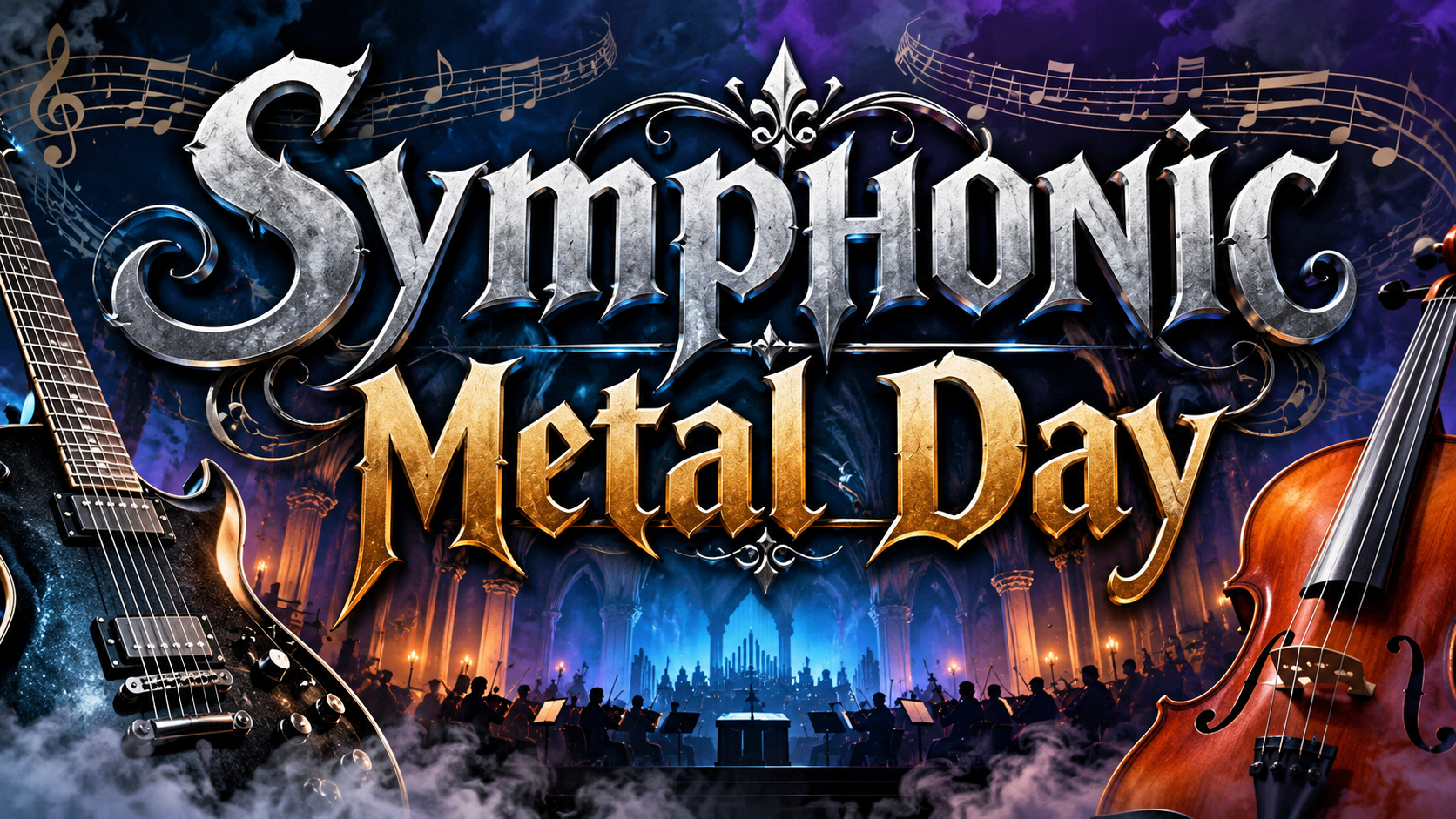
Music has the extraordinary ability to bring together different sounds, emotions, and traditions to create something unforgettable. Few musical genres demonstrate this better than symphonic metal, a powerful combination of heavy metal’s intensity and the elegance of classical orchestration.
Symphonic Metal Day, observed on November 13, is an informal celebration dedicated to recognizing this unique musical style, the talented artists who bring it to life, and the passionate fans who appreciate its dramatic sound.
From soaring operatic vocals and thunderous guitar riffs to sweeping orchestral arrangements and cinematic storytelling, symphonic metal offers an experience unlike any other genre.
Whether you have been listening to symphonic metal for decades or are discovering it for the first time, this celebration provides an opportunity to explore its history, influential musicians, and lasting impact on the music industry.
What Is Symphonic Metal Day?
Symphonic Metal Day is a celebration of a musical genre that combines the powerful instrumentation of heavy metal with elements traditionally associated with classical music, including orchestras, choirs, strings, and elaborate musical arrangements.
Unlike conventional heavy metal, which often emphasizes distorted guitars, aggressive drumming, and powerful vocals, symphonic metal introduces additional layers of melody, harmony, and theatrical presentation.
The result is music that can feel both incredibly heavy and breathtakingly beautiful.
Symphonic Metal Day encourages music enthusiasts to appreciate the creativity involved in blending these seemingly different musical traditions.
Although November 13 is commonly associated with this informal observance, its precise founding history is not well documented.
The day is an opportunity to celebrate musical innovation and recognize the artists who helped establish symphonic metal as a distinctive genre.
The History of Symphonic Metal
The origins of symphonic metal can be traced to experiments involving heavy metal, progressive rock, and classical music during the late twentieth century.
Throughout the 1970s and 1980s, several rock and metal musicians began incorporating classical influences into their compositions.
Bands experimented with orchestral arrangements, complex song structures, and dramatic performances that went beyond traditional rock instrumentation.
However, symphonic metal did not fully emerge as a recognizable genre until the 1990s.
The Rise of Symphonic Metal in the 1990s
The 1990s marked a significant turning point for symphonic metal.
European metal bands began combining powerful guitar-driven music with keyboards, orchestral sounds, and operatic vocal techniques.
One of the most influential early groups was Therion, a Swedish band originally associated with death metal.
During the 1990s, Therion increasingly incorporated classical arrangements, choirs, and orchestral influences into its music.
Its 1996 album Theli became an important milestone in the development of symphonic metal.
Another major breakthrough came with the formation of Nightwish in Finland in 1996.
Nightwish combined melodic metal instrumentation with the classically trained voice of Tarja Turunen, creating a distinctive sound that helped introduce symphonic metal to audiences around the world.
The band’s 1997 debut album, Angels Fall First, marked the beginning of an influential musical journey.
Expansion During the 2000s
During the early 2000s, symphonic metal gained increasing international recognition.
Bands such as Within Temptation, Epica, and After Forever helped expand the genre’s popularity.
These groups developed elaborate musical arrangements, explored emotional and philosophical themes, and introduced symphonic metal to listeners who might not otherwise have explored heavy metal.
As the genre evolved, artists began incorporating influences from gothic metal, power metal, progressive metal, and even film soundtracks.
Today, symphonic metal continues to attract fans across Europe, North America, South America, Asia, and other regions.
What Makes Symphonic Metal Unique?
Symphonic metal stands apart from many other musical styles because of its ability to combine contrasting sounds into a cohesive musical experience.
Several characteristics define the genre.
1. Powerful Orchestral Arrangements
One of symphonic metal’s most recognizable features is the use of orchestral instrumentation.
Violins, cellos, brass instruments, piano, and other classical sounds can add depth and emotion to heavy guitar riffs.
Some bands record with live orchestras, while others use synthesizers and digital orchestral arrangements.
These elements create a cinematic atmosphere that makes many songs feel like soundtracks to epic adventures.
2. Operatic and Melodic Vocals
Many symphonic metal bands feature vocalists with powerful melodic or classical singing techniques.
Operatic vocals can add elegance and drama to otherwise aggressive musical compositions.
However, not every symphonic metal singer uses an operatic style.
The genre also includes contemporary rock vocals, harsh growls, and combinations of clean and extreme vocal techniques.
3. Heavy Guitar Riffs
Despite its classical influences, symphonic metal remains firmly connected to heavy metal.
Distorted electric guitars, energetic drumming, and powerful bass lines provide the foundation for many compositions.
The contrast between these heavy elements and orchestral melodies creates the genre’s distinctive intensity.
4. Emotional Storytelling
Symphonic metal frequently explores meaningful subjects through elaborate lyrics and musical arrangements.
Common themes include love, loss, mythology, fantasy, personal struggles, history, spirituality, and the human experience.
Some bands even create concept albums in which individual songs contribute to a larger narrative.
5. Theatrical Performances
Symphonic metal concerts often feature dramatic lighting, elaborate stage designs, visual effects, and carefully coordinated performances.
These elements help transform live shows into immersive experiences.
Famous Symphonic Metal Bands Worth Discovering
Several influential bands have helped shape the genre and introduce its distinctive sound to audiences worldwide.
Nightwish
Formed in Finland in 1996, Nightwish is one of the most internationally recognized symphonic metal bands.
The group is known for its sweeping orchestral arrangements, powerful vocals, and emotionally rich songwriting.
Popular songs include Nemo, Ghost Love Score, and Élan.
Within Temptation
This Dutch band emerged during the late 1990s and developed a sound combining symphonic metal, gothic influences, and melodic rock.
Led by vocalist Sharon den Adel, Within Temptation became known for dramatic songs and memorable melodies.
Notable tracks include Ice Queen, Stand My Ground, and Mother Earth.
Epica
Founded in the Netherlands in 2002, Epica blends symphonic arrangements with progressive metal, powerful guitar riffs, and contrasting vocal styles.
The band frequently explores philosophical, scientific, and spiritual themes.
Songs such as Cry for the Moon and Unleashed showcase its musical approach.
Therion
Therion played an important role in establishing orchestral and choral elements within metal.
The band’s transformation from death metal toward symphonic compositions helped influence later generations of musicians.
Its work demonstrates how heavy music can successfully incorporate classical structures.
After Forever
After Forever was another influential Dutch symphonic metal band.
Known for its combination of powerful vocals, complex instrumentation, and emotional songwriting, the group helped shape the European symphonic metal scene.
Its legacy continues through the work of musicians who participated in the band.
Why Symphonic Metal Matters
Symphonic metal represents more than a combination of musical styles.
It demonstrates the possibilities that emerge when artists challenge traditional boundaries.
Classical music and heavy metal might initially seem like opposing genres.
One is often associated with orchestral concert halls and centuries-old compositions, while the other is associated with amplified guitars and energetic performances.
Yet both traditions share important qualities.
They can feature complex musical arrangements, technical precision, emotional intensity, and dramatic storytelling.
Symphonic metal brings these shared characteristics together.
The genre also challenges assumptions about what heavy metal can sound like.
Rather than relying exclusively on aggression or volume, symphonic metal demonstrates that heaviness and beauty can coexist.
A song can contain thunderous drums and delicate piano passages.
It can move from whispered vocals to soaring choral arrangements.
It can express sadness, hope, anger, and triumph within the same composition.
This musical versatility helps explain why the genre resonates with so many listeners.
The Emotional Power of Symphonic Metal
One reason symphonic metal has developed such a devoted following is its ability to communicate powerful emotions.
The combination of orchestral melodies and heavy instrumentation creates opportunities for dramatic musical expression.
A quiet string arrangement might introduce a feeling of loneliness or reflection.
As the music builds, guitars and drums can introduce tension, determination, or strength.
A soaring vocal performance may transform the composition into an expression of hope or resilience.
For listeners experiencing difficult emotions, music can provide a meaningful outlet.
Some people find comfort in lyrics that reflect their experiences.
Others appreciate the energy and intensity of the instrumentation.
Symphonic metal offers room for both reflection and emotional release.
Its ability to move between softness and power is part of what makes the genre memorable.
How to Celebrate Symphonic Metal Day
There are many enjoyable ways to participate in Symphonic Metal Day, whether you are a longtime fan or a newcomer.
1. Listen to Your Favorite Symphonic Metal Songs
Create a playlist featuring songs from your favorite bands.
Include familiar classics alongside newer releases to appreciate how the genre has evolved.
2. Discover a New Band
Use the celebration as an opportunity to explore artists you have never heard before.
You might discover a new favorite vocalist, album, or musical style.
3. Watch a Live Performance
Symphonic metal is especially impressive when performed live.
Concert recordings often showcase the technical skill, theatrical presentation, and energy that define the genre.
4. Learn About the Genre’s History
Explore how classical music, gothic metal, progressive metal, and power metal influenced symphonic metal’s development.
Understanding these connections can deepen your appreciation for the music.
5. Share Your Favorite Songs
Introduce friends and family members to symphonic metal.
Someone who enjoys classical music, movie soundtracks, or melodic rock may discover that the genre appeals to them.
6. Support Symphonic Metal Artists
Purchase music, attend concerts, explore official merchandise, or share an artist’s work with others.
Supporting musicians helps encourage continued creativity within the genre.
Interesting Facts About Symphonic Metal
Symphonic metal has several fascinating characteristics that make it different from other musical genres.
-
Many symphonic metal bands originated in European countries, particularly Finland, the Netherlands, and Sweden.
-
Some bands collaborate with full orchestras and choirs to produce elaborate studio recordings.
-
Classical vocal training has influenced several prominent singers associated with the genre.
-
Symphonic metal frequently incorporates mythology, literature, history, and fantasy into its lyrics.
-
Certain symphonic metal compositions feature lengthy instrumental sections and complex arrangements.
-
The genre overlaps with gothic metal, progressive metal, and power metal, making its musical boundaries flexible.
-
Live symphonic metal performances sometimes feature orchestral musicians, theatrical costumes, and cinematic visual effects.
These characteristics highlight the genre’s creativity and diversity.
Symphonic Metal and the Influence of Classical Music
Classical music has influenced heavy metal for decades.
Many metal guitarists have drawn inspiration from composers such as Johann Sebastian Bach, Ludwig van Beethoven, and Antonio Vivaldi.
Their complex compositions, dramatic changes in intensity, and technical demands share similarities with certain forms of metal music.
Symphonic metal builds upon this relationship by incorporating orchestral textures directly into its arrangements.
Rather than simply borrowing a classical melody, symphonic metal musicians often structure entire compositions around the interaction between orchestral and metal elements.
This approach allows musicians to create songs that feel expansive, dramatic, and emotionally layered.
It also provides an interesting introduction to classical instrumentation for listeners who primarily enjoy rock and metal.
Likewise, classical music enthusiasts may discover an appreciation for the complexity and craftsmanship found in symphonic metal.
The Future of Symphonic Metal
Symphonic metal continues to evolve as musicians experiment with new sounds, technologies, and creative approaches.
Modern recording software allows artists to produce increasingly sophisticated orchestral arrangements.
At the same time, live orchestral collaborations continue to demonstrate the genre’s potential for large-scale performances.
Newer artists are also combining symphonic metal with electronic music, folk influences, progressive arrangements, and other musical traditions.
These experiments help keep the genre fresh while preserving its defining characteristics.
Streaming platforms and online music communities have also made it easier for independent musicians to reach international audiences.
As a result, symphonic metal’s future is likely to include an increasingly diverse collection of artists and musical influences.
Why Symphonic Metal Day Deserves Recognition
Symphonic Metal Day celebrates creativity, musical diversity, and the willingness to explore unexpected combinations.
The genre reminds us that artistic boundaries are not always fixed.
Two musical traditions that appear different can come together to create something powerful.
It also recognizes the dedication of musicians who spend years developing their instrumental, vocal, and compositional abilities.
Creating symphonic metal often requires careful coordination between numerous musical elements.
Guitars, drums, keyboards, vocals, choirs, and orchestral arrangements must work together to create a balanced composition.
The result can be both technically impressive and emotionally moving.
Most importantly, Symphonic Metal Day celebrates the listeners who have helped sustain the genre through their enthusiasm and support.
Final Thoughts: Celebrating the Beauty and Power of Symphonic Metal
Symphonic Metal Day on November 13 offers an opportunity to appreciate one of heavy metal’s most imaginative musical styles.
By combining powerful guitars, orchestral arrangements, dramatic vocals, and meaningful storytelling, symphonic metal creates an experience that can be intense, beautiful, and deeply emotional.
Its history demonstrates the value of musical experimentation, while its continued popularity reflects the lasting appeal of creativity without boundaries.
Whether you enjoy the operatic performances of Nightwish, the melodic atmosphere of Within Temptation, the complex compositions of Epica, or the pioneering work of Therion, there is something within symphonic metal worth celebrating.
Turn up your favorite songs, discover a new artist, and appreciate the extraordinary musicians who bring this genre to life.
Happy Symphonic Metal Day!
What is your favorite symphonic metal band or song, and what makes its music special to you?


Leave a Reply