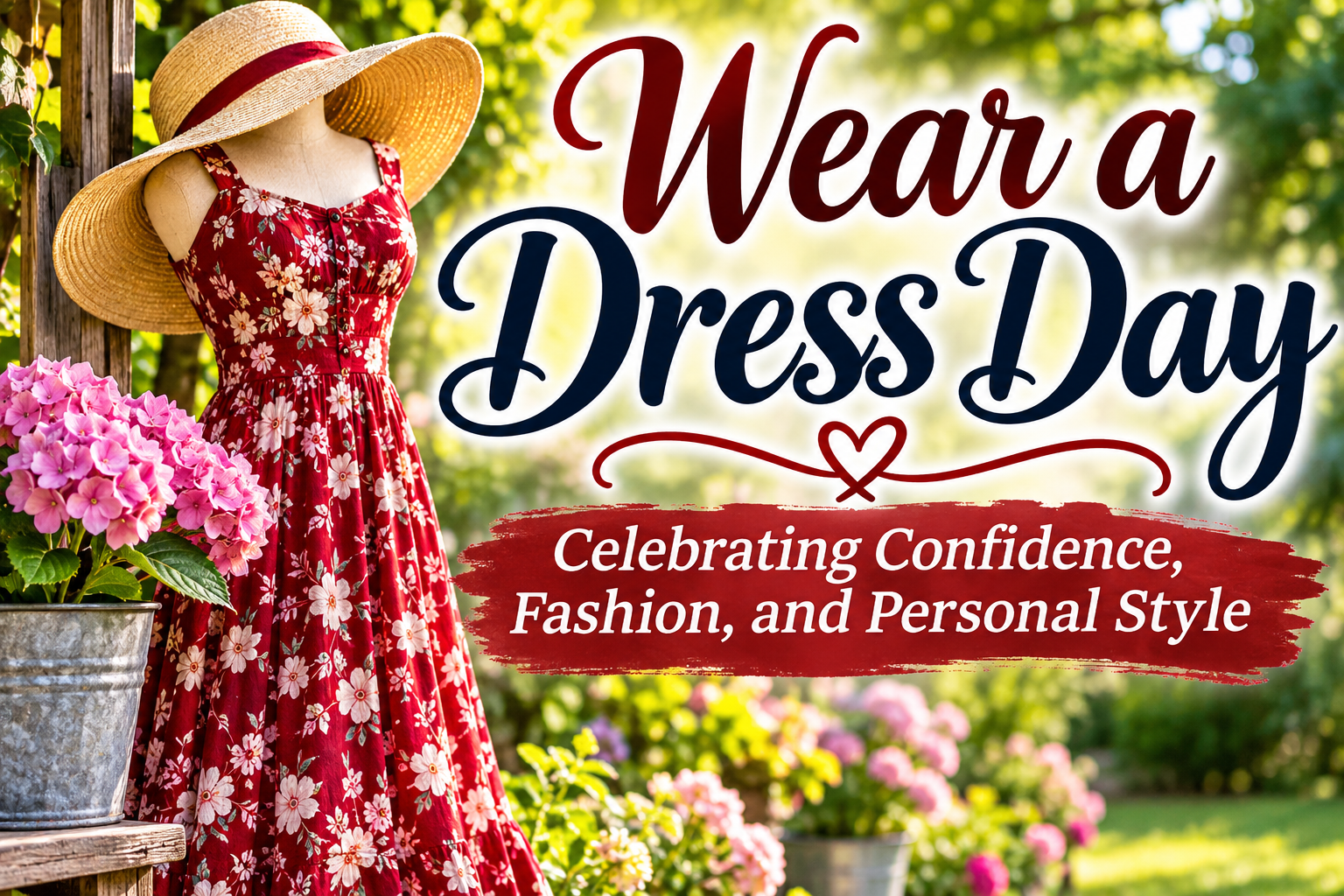
There is something special about putting on an outfit that makes you feel confident, comfortable, and ready to take on the world. Whether it is a flowing summer dress, a sophisticated evening gown, a casual sundress, or a favorite dress that has been hanging in the closet for years, clothing can be a wonderful form of personal expression.
Wear a Dress Day is a lighthearted celebration that encourages people to embrace the beauty, versatility, and individuality of dresses. It is an opportunity to appreciate fashion, celebrate personal style, and enjoy the simple pleasure of wearing something that makes you feel good.
Although dresses have been part of human fashion for centuries, this occasion is not just about clothing. It is about confidence, creativity, self-expression, and the freedom to dress in a way that reflects who you are.
When Is Wear a Dress Day?
Wear a Dress Day is commonly celebrated on June 1 and December 1, although different holiday calendars and communities may recognize the occasion differently.
The June celebration is often associated with welcoming warmer weather and enjoying lighter, colorful clothing. December offers an opportunity to celebrate dresses during the winter season, including holiday gatherings, festive occasions, and elegant winter fashion.
Both dates share a similar message: wear a dress because you enjoy it, because it makes you feel confident, or simply because you want to celebrate your personal style.
Unlike major national holidays, Wear a Dress Day is an informal observance rather than an official federal holiday.
The History of Wear a Dress Day
The exact origins of Wear a Dress Day are not clearly documented. There is no widely verified historical record identifying a single founder or explaining precisely when the celebration began.
However, the idea behind the occasion connects to the long and fascinating history of dresses.
For thousands of years, people across different civilizations have worn garments resembling dresses, robes, tunics, and gowns. These garments have served practical, cultural, religious, and fashionable purposes.
In ancient Egypt, lightweight linen clothing was popular because it helped people remain comfortable in the hot climate. In ancient Greece and Rome, draped garments such as tunics and chitons were common forms of dress.
During the Middle Ages, dresses and gowns often reflected a person’s social position, occupation, and access to expensive materials.
The Renaissance introduced elaborate fabrics, decorative details, and carefully structured clothing among wealthy Europeans.
By the nineteenth century, women’s fashion in many Western societies included dramatic changes in skirt shapes, waistlines, and dress construction.
The twentieth century brought some of the most recognizable transformations in modern dress fashion.
From the loose silhouettes of the 1920s to the elegant styles of the 1950s and the bold experimentation of the 1960s and 1970s, dresses became increasingly diverse.
Today, dresses are available in countless designs, lengths, fabrics, and styles, allowing people to choose clothing that suits their personality, comfort, and lifestyle.
Wear a Dress Day celebrates that variety and the freedom to enjoy it.
Why Do People Celebrate Wear a Dress Day?
People celebrate Wear a Dress Day for many different reasons.
For some, it is simply a fun excuse to wear a favorite outfit. For others, it represents confidence, individuality, cultural appreciation, or a love of fashion.
The occasion can also encourage people to step outside their usual routines.
Someone who normally wears jeans and a T-shirt might decide to try a dress for the day. Another person might rediscover a favorite outfit that has not been worn in years.
Some may choose an elegant dress for a special occasion, while others prefer something casual and comfortable.
There is no single correct way to participate.
The most important part of the celebration is choosing something that feels authentic to you.
10 Fun Ways to Celebrate Wear a Dress Day
Wear a Dress Day does not require an expensive shopping trip or an elaborate event. There are plenty of simple and enjoyable ways to participate.
1. Wear Your Favorite Dress
The easiest way to celebrate is to put on a dress you already love.
It might be something comfortable, elegant, colorful, or meaningful.
Choose an outfit that makes you feel good and enjoy wearing it throughout the day.
2. Try a New Style
If you usually wear the same types of clothing, consider experimenting with something different.
Try a maxi dress, wrap dress, shirt dress, sweater dress, or another design you have never worn before.
You might discover a new favorite.
3. Organize a Dress-Up Gathering
Invite friends or family members to celebrate with a casual dress-up event.
You could organize a brunch, afternoon tea, dinner, or small gathering where everyone is encouraged to wear a favorite dress.
The goal is to enjoy time together rather than compete over fashion.
4. Rediscover Something in Your Closet
Many people have clothing they rarely wear.
Take a few minutes to explore your closet and find a dress that deserves another opportunity.
Sometimes an old favorite can feel exciting again with different accessories.
5. Visit a Thrift Store
Secondhand shopping can be an affordable and environmentally conscious way to explore fashion.
Look for vintage dresses, unusual patterns, or classic designs.
You may find something unique while giving an existing garment a second life.
6. Learn About Fashion History
Spend time exploring how dresses have changed throughout history.
Discover the clothing traditions of different cultures, learn about influential designers, or examine the styles that defined different decades.
Fashion history offers a fascinating perspective on changing societies and personal expression.
7. Accessorize Your Outfit
A simple dress can look completely different depending on the accessories.
Experiment with scarves, belts, jewelry, handbags, jackets, or shoes.
Small changes can help create an entirely new appearance without purchasing another outfit.
8. Take a Special Photograph
Celebrate your outfit by taking a photograph.
You could create a simple portrait, take pictures with friends, or document your personal style.
Sharing photographs online is optional. The memory itself can be just as meaningful.
9. Donate Dresses You No Longer Wear
Consider donating gently used dresses to a local charity, clothing assistance program, or organization that helps people prepare for job interviews and special events.
A dress that no longer fits your needs could become something valuable to another person.
10. Celebrate Someone Else’s Style
Offer a sincere compliment to someone whose outfit you admire.
Recognizing another person’s creativity or confidence can make the day more enjoyable.
Fashion is often most meaningful when people feel comfortable expressing themselves without judgment.
Popular Types of Dresses to Wear
One of the reasons dresses remain popular is their versatility.
Different styles serve different purposes, from everyday comfort to formal celebrations.
The Little Black Dress
The little black dress is one of the most recognizable pieces in modern fashion.
Its popularity is often associated with twentieth-century designers, particularly Coco Chanel, who helped popularize simple black dresses as fashionable everyday clothing.
Today, the little black dress remains a common choice for dinners, parties, and other occasions.
The Maxi Dress
Maxi dresses typically extend toward the ankles or floor.
They are popular for their flowing appearance and comfortable fit.
Depending on the fabric and design, they can be worn casually or dressed up for special events.
The Sundress
Sundresses are commonly made with lightweight materials and designed for warmer weather.
They often feature bright colors, floral patterns, or relaxed silhouettes.
They are especially popular during spring and summer.
The Wrap Dress
Wrap dresses feature fabric that crosses over the body and fastens at the side or waist.
The modern wrap dress became especially influential during the 1970s through the work of designer Diane von Furstenberg.
Its adjustable design continues to make it a popular fashion choice.
The Shirt Dress
Shirt dresses borrow design elements from traditional button-down shirts.
They often include collars, buttons, and belts.
Their simple appearance makes them suitable for casual outings and some workplace settings.
The Sweater Dress
Sweater dresses are particularly popular during colder months.
Made from knitted materials, they offer warmth while maintaining the appearance of a dress.
They can be paired with boots, tights, coats, and scarves for winter outfits.
The Evening Gown
Evening gowns are designed for formal occasions such as galas, weddings, and elegant celebrations.
They often feature luxurious fabrics, decorative details, and longer silhouettes.
Although not an everyday choice for most people, they represent an important part of dress fashion.
The Meaning of Dresses Throughout History
Dresses have represented much more than fashion.
Throughout history, clothing has communicated information about culture, tradition, social expectations, economic circumstances, and personal identity.
In some societies, particular styles of dresses have been associated with ceremonies, celebrations, or important life events.
Wedding dresses are one familiar example.
While white wedding gowns became particularly fashionable in parts of the Western world during the nineteenth century, wedding clothing traditions vary widely across cultures.
In many communities, traditional dresses remain an important connection to family history and cultural heritage.
Dresses may also be passed down through generations, becoming treasured reminders of loved ones and meaningful occasions.
A garment worn at a wedding, graduation, family celebration, or other milestone can carry memories long after the event has passed.
This emotional connection helps explain why clothing can hold such personal significance.
Wear a Dress Day and Self-Confidence
Fashion and confidence often influence one another.
Wearing clothing that feels comfortable and reflects your personality can help you approach the day with a more positive attitude.
For some people, a favorite dress provides a sense of elegance or excitement.
For others, it represents independence, creativity, or the courage to try something unfamiliar.
Confidence does not require expensive clothing, designer labels, or following the latest trends.
It comes from feeling comfortable with your choices.
Wear a Dress Day offers a reminder that personal style should not be measured by someone else’s expectations.
There is no requirement to wear a particular size, color, brand, or design.
People have different body shapes, preferences, abilities, and comfort needs.
Fashion should offer possibilities rather than unnecessary pressure.
And although the holiday celebrates dresses, nobody should feel obligated to wear one.
The freedom to choose what you wear is an important part of personal expression.
How to Celebrate Wear a Dress Day in December
December provides a particularly festive opportunity to participate in Wear a Dress Day.
With cooler temperatures and holiday gatherings approaching, many people begin exploring seasonal clothing.
A sweater dress paired with warm boots can create a comfortable winter outfit.
A velvet dress might be suitable for a holiday dinner, while a simple long-sleeved dress can work for everyday activities.
Popular winter fashion colors often include burgundy, emerald green, navy blue, black, cream, and deep purple.
Accessories such as scarves, coats, tights, and jewelry can help make a dress appropriate for colder weather.
However, celebrating does not require buying anything new.
Wearing a dress already in your closet is just as meaningful.
The occasion can also become a family tradition, with relatives gathering for photographs or a special meal.
Interesting Facts About Dresses
The history of dresses includes several fascinating details.
-
Dresses have ancient roots. Dress-like garments have been worn in many civilizations for thousands of years.
-
Men have historically worn dress-like clothing. Tunics, robes, kilts, and other garments have been common in different societies.
-
Fashion silhouettes change over time. Skirt lengths, waistlines, and dress shapes have repeatedly evolved in response to cultural and social trends.
-
The little black dress became a fashion classic. Its versatility helped establish its lasting popularity.
-
Wrap dresses became especially fashionable in the 1970s. Diane von Furstenberg played a major role in their modern popularity.
-
Traditional dresses preserve cultural heritage. Many communities continue to wear distinctive garments during important celebrations.
-
Wedding dress colors vary around the world. White is not a universal wedding tradition.
-
Vintage fashion remains popular. Many people appreciate dresses from previous decades for their craftsmanship, distinctive styles, and historical character.
These facts demonstrate how dresses connect everyday fashion with a much larger cultural story.
How to Make Wear a Dress Day More Meaningful
While Wear a Dress Day is generally a fun and casual observance, it can also become an opportunity to reflect on individuality and kindness.
Clothing can influence how people are perceived, but it should never determine their worth.
A person’s character, compassion, integrity, and actions matter far more than the outfit they wear.
The day can encourage appreciation for different styles without criticizing anyone’s appearance.
It can also provide an opportunity to support local clothing businesses, independent designers, secondhand stores, and charitable organizations.
For families, the celebration might involve sharing stories about memorable outfits or looking through old photographs.
A dress worn by a mother, grandmother, or another loved one can carry a meaningful family history.
Remembering those stories helps preserve connections between generations.
Ultimately, the most meaningful celebrations are often the simplest.
Wear something you enjoy, appreciate the people around you, and allow others the same freedom to express themselves.
Frequently Asked Questions About Wear a Dress Day
Is Wear a Dress Day celebrated on June 1 or December 1?
Both June 1 and December 1 are commonly listed as Wear a Dress Day. Because the occasion is informal, recognition can vary among holiday calendars.
Is Wear a Dress Day an official holiday?
No. Wear a Dress Day is not an official United States federal holiday. It is an informal celebration of dresses, fashion, and personal expression.
Who created Wear a Dress Day?
The original creator is not clearly documented in reliable historical records. The celebration appears on various informal holiday calendars, but its precise beginnings remain uncertain.
Do you have to wear a dress to participate?
No. Participation is entirely optional. People can celebrate by learning about fashion history, appreciating different styles, donating clothing, or simply supporting others’ personal choices.
Can anyone celebrate Wear a Dress Day?
Yes. The occasion can be enjoyed by anyone interested in dresses, clothing history, creativity, or personal expression.
What should I wear for Wear a Dress Day in December?
Sweater dresses, long-sleeved dresses, velvet dresses, and layered outfits are popular choices for cooler weather. The best option depends on your personal style, the climate, and your plans.
Final Thoughts: Celebrate Your Style on Wear a Dress Day
Wear a Dress Day is a reminder that something as simple as choosing an outfit can become an opportunity for confidence, creativity, and enjoyment.
Throughout history, dresses have reflected changing cultures, traditions, and fashion trends. They have been worn during ordinary days, important celebrations, and unforgettable moments.
Today, they continue to offer countless ways for people to express themselves.
Whether you celebrate on June 1, December 1, or both, the occasion is about more than wearing a particular garment.
It is about appreciating individuality, embracing personal style, and recognizing that confidence does not come from a price tag or a fashion label.
You do not need the perfect dress, the perfect occasion, or anyone else’s approval to enjoy the day.
Sometimes, the best reason to wear something special is simply because it makes you happy.
Happy Wear a Dress Day! Celebrate your individuality, wear what makes you feel comfortable and confident, and remember that your personal style is yours to define.



Leave a Reply