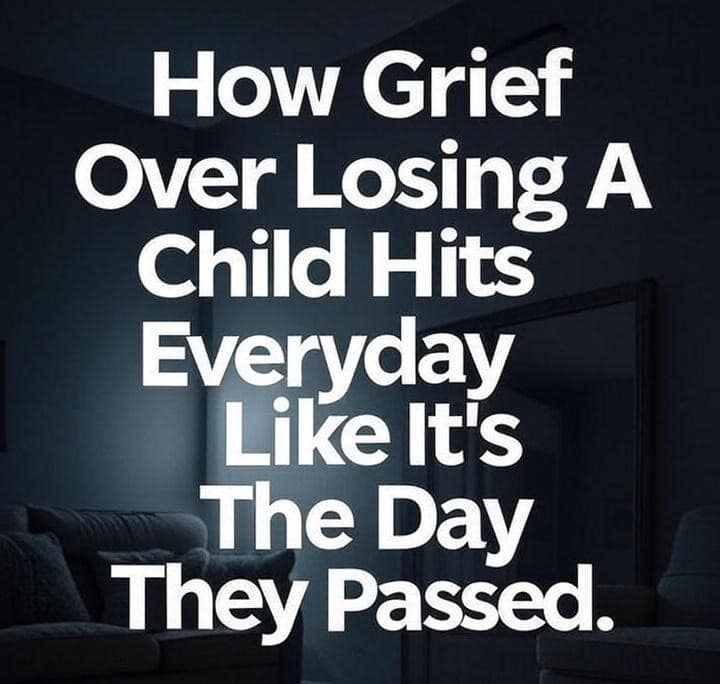
Losing a child is an unimaginable tragedy, a wound that never fully heals. For parents and families, the grief doesn’t fade with time—it lingers, resurfacing daily with the same raw intensity as the moment of loss. This article explores how the pain of losing a child permeates everyday life, reshaping routines, emotions, and perspectives in ways that are both profound and enduring.
The Ever-Present Weight of Loss
Grief over losing a child isn’t confined to anniversaries or milestones; it’s a constant companion. Parents describe waking up each morning to the same gut-punch realization: their child is gone. The world moves forward, but for them, time feels frozen in the moment of loss. Everyday activities—making breakfast, passing a playground, or hearing a familiar song—become triggers that pull them back to that devastating day. The pain doesn’t lessen; it becomes part of the fabric of their existence.
This persistent grief manifests in small, quiet moments as much as in overt emotional waves. A parent might see their child’s favorite cereal at the store and feel their heart shatter anew. Birthdays, holidays, or even random Tuesdays carry the same weight of absence. The world’s expectation to “move on” clashes with the reality that, for many, moving on feels like betraying their child’s memory.
The Physical and Emotional Toll
Grief is not just emotional—it’s physical. Parents often report exhaustion, sleeplessness, or a heaviness that makes even simple tasks feel monumental. The body remembers the trauma as vividly as the mind. Studies suggest that prolonged grief can lead to health issues like weakened immune systems or chronic stress, as the body remains in a state of heightened emotional alert.
Emotionally, the loss creates a complex interplay of guilt, anger, and sorrow. Parents may grapple with questions like, “Could I have done something differently?” or “Why them and not me?” These thoughts loop endlessly, resurfacing during quiet moments or in the face of life’s mundane routines. The joy of others—new babies, graduations, or family milestones—can feel like a cruel reminder of what was taken.
Navigating a Changed World
The world doesn’t stop for grief, but for bereaved parents, it’s forever altered. Social interactions become minefields. Friends may avoid mentioning the child, fearing it will “upset” the parent, unaware that silence can feel like erasure. Others offer well-meaning but painful platitudes like “They’re in a better place,” which rarely comfort and often alienate. Parents may withdraw, finding solace only in spaces where their grief is understood, like support groups or online communities of others who’ve lost children.
Daily routines are reshaped by absence. A child’s empty room, their untouched toys, or the quiet where their laughter once rang—these become sacred yet agonizing reminders. Some parents preserve their child’s space as a shrine; others can’t bear to look at it. There’s no right way to grieve, but every choice carries the weight of that first day’s pain.
Finding Ways to Carry the Grief
While the pain remains, many parents find ways to carry it. Some channel their grief into advocacy, creating foundations or raising awareness in their child’s name. Others find comfort in rituals—lighting a candle daily, writing letters to their child, or celebrating their memory through acts of kindness. These acts don’t diminish the grief but give it purpose, weaving the child’s presence into the fabric of their lives.
Support systems are critical. Therapy, grief counseling, or peer support groups offer spaces to process the unprocessable. Connecting with others who understand the unique pain of losing a child can ease the isolation, even if it doesn’t erase the hurt. Faith, for some, provides a framework to make sense of the senseless, though for others, loss shakes spiritual foundations.
The Unending Nature of Love and Loss
The grief of losing a child hits every day like it’s the day they passed because love doesn’t end with death. Parents continue to love their child as fiercely as they did when they were alive, and that love fuels the pain. Yet, it also fuels resilience. Many find that, over time, they learn to hold both the love and the grief, allowing moments of joy to coexist with sorrow.
There’s no timeline for healing because healing isn’t the right word. It’s about learning to live with the loss, carrying it as part of who they are. The world may see a parent going through the motions—working, smiling, living—but beneath it all, the grief remains, as fresh as that first unbearable day.
Conclusion
Losing a child redefines life in ways that are impossible to fully articulate. The grief is a daily companion, as vivid and piercing as the moment of loss. Yet, within that pain lies a testament to unbreakable love. For those grieving, every day is a step forward, not away from their child, but with them—carrying their memory, their love, and their absence in every heartbeat.
A Father’s Guide to Surviving the Loss of a Child
Leave a Reply