
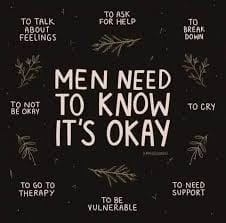
Men’s mental health is often shrouded in silence, overshadowed by societal expectations of stoicism and self-reliance. The stigma that equates emotional vulnerability with weakness has left countless men struggling alone, reluctant to seek help or even acknowledge their pain. It’s time to dismantle this outdated narrative and affirm that it’s not just okay for men to talk about their mental health—it’s essential.
The Weight of Silence
The pressure to “man up” starts early. Boys are taught to suppress tears, hide fears, and project strength, no matter the cost. This conditioning carries into adulthood, where men face a barrage of expectations: be the provider, the protector, the unflappable rock. But these roles don’t immunize anyone against anxiety, depression, or trauma. In fact, they often exacerbate them. According to the American Psychological Association, men are less likely than women to seek mental health treatment, yet they account for three-quarters of suicides in the U.S. The numbers tell a stark story: silence can be deadly.
Breaking the Stigma
Talking about mental health doesn’t mean broadcasting every thought or emotion. It’s about recognizing when you’re struggling and reaching out—whether to a friend, family member, or professional. It’s about understanding that admitting you’re not okay isn’t a failure; it’s a step toward reclaiming control. Therapy, once dismissed as a last resort, is gaining traction among men who see it as a tool for clarity and resilience, not a sign of defeat. Normalizing these conversations starts with small, honest moments: a check-in with a buddy, a candid talk with a partner, or even journaling to process what’s weighing you down.
A Cultural Shift
Cultural shifts are helping. Public figures—athletes, actors, musicians—are increasingly open about their mental health struggles, showing that strength and vulnerability aren’t mutually exclusive. Campaigns like Movember and Bell Let’s Talk amplify the message that seeking help is a sign of courage. Yet, the work isn’t done. Workplace cultures, family dynamics, and even casual banter can still reinforce the idea that men should bottle up their emotions. Challenging these norms means calling out toxic phrases like “tough it out” and creating spaces where men feel safe to be human.
Taking Action
For men reading this, here’s the truth: you don’t have to carry the weight alone. Your mental health matters as much as your physical health. If you’re feeling overwhelmed, start small—talk to someone you trust or explore resources like online therapy or support groups. If you’re supporting a man in your life, listen without judgment and encourage him to open up at his own pace. Change happens one conversation at a time.
Moving Forward
Society’s script for masculinity is being rewritten, and it’s on all of us to champion a version that includes emotional honesty. Men deserve to live fully, not just endure silently. Talking about mental health isn’t just okay—it’s a game-changer.
Leave a ReplyCancel reply