Blog

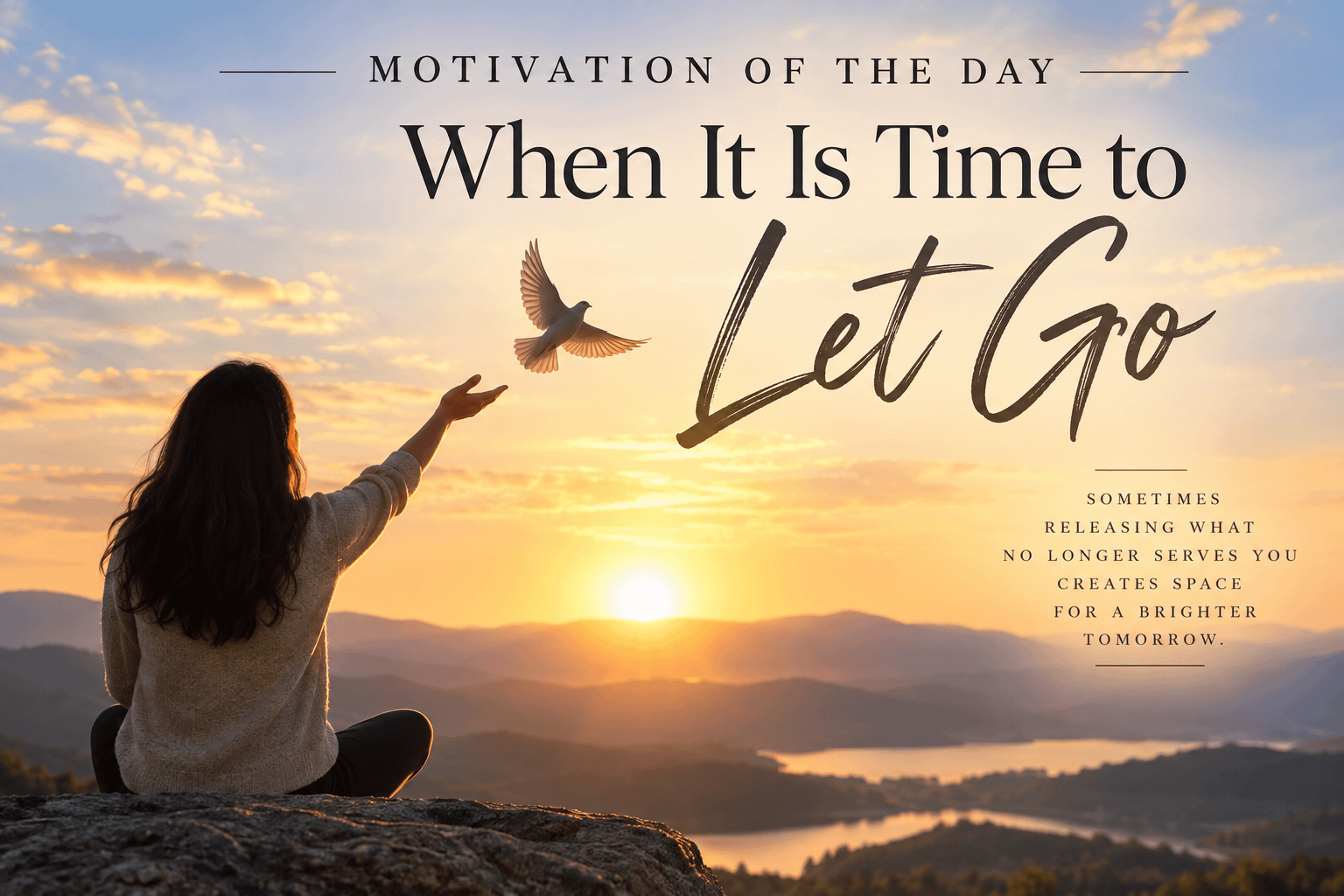
  • Motivation of the Day: When It Is Time to Let Go

    Motivation of the Day: When It Is Time to Let Go

    There comes a point in life when holding on takes more strength than walking away.

    We hold on because we remember how things used to be. We hold on because we believe things might change. We hold on because we have invested time, love, energy, hope, and pieces of ourselves into something we never imagined losing.

    Sometimes we hold on because letting go feels like admitting defeat.

    But letting go is not always giving up.

    Sometimes letting go is choosing yourself.

    Sometimes it is accepting that a chapter has ended, even though you desperately wanted another page.

    Sometimes it is finally understanding that you cannot force something to remain in your life when it has already begun to disappear.

    And sometimes the strongest decision you will ever make is saying:

    This hurts me more than it helps me, and I am finally ready to release it.

    You Cannot Carry Everything Forever

    Life gives us many things to carry.

    Memories.

    Responsibilities.

    Dreams.

    Relationships.

    Regrets.

    Disappointments.

    Expectations.

    Pain.

    Some things deserve to be carried because they make us stronger, remind us who we are, or connect us to the people we love.

    Other things slowly become weights.

    At first, you may not notice how heavy they have become. You simply adjust. You learn to function while carrying them.

    You wake up with the weight.

    You go to work with the weight.

    You smile while carrying it.

    You talk to people while carrying it.

    You lie awake at night carrying it.

    Eventually, something that was once only a small burden begins consuming your emotional energy.

    That is when you have to ask yourself an important question:

    Am I holding onto this because it still belongs in my life, or because I am afraid of what life will look like without it?

    The answer may be uncomfortable.

    But sometimes uncomfortable truths are exactly what we need before change can begin.

    Letting Go Does Not Erase What Happened

    One reason letting go can be difficult is because we sometimes believe releasing something means pretending it never mattered.

    That is not true.

    You can let go of someone and still appreciate the memories you shared.

    You can leave a situation and still be grateful for what it taught you.

    You can release an old dream without believing that dreaming was foolish.

    You can forgive yourself for mistakes without pretending those mistakes never happened.

    You can move forward without erasing your past.

    The past will always be part of your story.

    But it does not have to control the next chapter.

    There are people, places, seasons, dreams, and experiences that were important for a particular part of your life.

    They helped shape you.

    They taught you.

    They challenged you.

    They may even have changed you forever.

    But something being important once does not automatically mean it belongs in your life forever.

    Some things are chapters.

    They were never meant to become the entire book.

    Stop Trying to Force What No Longer Fits

    Many people exhaust themselves trying to repair things that cannot be repaired by one person alone.

    A relationship requires two people willing to work.

    Trust requires honesty.

    Friendship requires effort from both sides.

    Growth requires willingness.

    Change requires action.

    You cannot continue doing everyone’s part and expect a healthy outcome.

    You cannot force another person to care.

    You cannot force someone to communicate.

    You cannot force someone to respect you.

    You cannot force someone to appreciate you.

    You cannot force someone to choose you.

    And you cannot keep sacrificing your peace trying to convince someone of your worth.

    There comes a moment when you have done what you reasonably can.

    You have explained yourself.

    You have tried again.

    You have forgiven.

    You have waited.

    You have hoped.

    You have given another chance.

    Maybe several.

    Eventually, another chance becomes another opportunity for the same pain.

    That is when letting go may become an act of self-respect.

    Sometimes We Hold On to Who Someone Used to Be

    One of the hardest things about relationships is realizing that sometimes we are not holding onto the person standing in front of us.

    We are holding onto a memory.

    We remember the conversations.

    The laughter.

    The attention.

    The promises.

    The moments when everything felt right.

    And because those memories are powerful, we keep waiting for that version of the person to return.

    But eventually we have to look at what is happening now.

    Not what happened five years ago.

    Not what someone promised.

    Not what you hoped they would become.

    Look at what their actions are showing you today.

    People can change.

    Relationships can change.

    Circumstances can change.

    Sometimes things can be rebuilt.

    But you cannot build a future entirely from memories of the past.

    You have to respond to reality as it exists now.

    Let Go of the Need for an Explanation

    Sometimes you will never receive the explanation you deserve.

    You may never fully understand why someone hurt you.

    You may never know why someone left.

    You may never receive the apology you hoped for.

    You may never understand why a friendship ended, why an opportunity disappeared, or why someone suddenly changed.

    For a long time, you might search for answers.

    You replay conversations.

    You analyze messages.

    You think about what you could have done differently.

    But closure does not always arrive through someone else’s words.

    Sometimes closure is something you give yourself.

    You say:

    I may never understand everything that happened, but I refuse to spend the rest of my life waiting for an explanation before allowing myself to move forward.

    That is powerful.

    Because your healing should not depend entirely on someone who contributed to your pain.

    Let Go of Who You Used to Be

    Not everything we need to release involves another person.

    Sometimes we need to let go of an older version of ourselves.

    Maybe you made mistakes.

    Maybe you stayed somewhere longer than you should have.

    Maybe you trusted someone who betrayed that trust.

    Maybe you wasted time.

    Maybe you ignored warning signs.

    Maybe you were not the person you wish you had been.

    You cannot return to yesterday and rewrite it.

    But you can learn from it.

    Growth requires accepting that the person who made those mistakes does not have to remain the person you are today.

    You are allowed to change.

    You are allowed to grow.

    You are allowed to become wiser.

    You are allowed to stop punishing yourself for something you finally understand.

    Take the lesson.

    Leave the shame.

    Keep moving.

    Let Go of the Life You Thought You Would Have

    This may be one of the hardest forms of letting go.

    Most of us quietly create a picture of the future.

    We imagine who will be beside us.

    We imagine where we will live.

    We imagine what our family will look like.

    We imagine careers, celebrations, relationships, vacations, milestones, and countless ordinary moments.

    Then life happens.

    Plans change.

    Relationships end.

    People leave.

    Opportunities disappear.

    Unexpected events change everything.

    Suddenly you are standing in a life that looks nothing like the one you imagined.

    There is real grief in that.

    You are not only grieving what happened.

    Sometimes you are grieving everything that will never happen because of it.

    Those feelings deserve acknowledgment.

    But eventually, another question appears:

    What can I build from the life that remains?

    The future may not look the way you originally imagined.

    That does not automatically mean there is nothing meaningful ahead.

    Life can still surprise you.

    New relationships can appear.

    New opportunities can develop.

    New dreams can replace old ones.

    You can discover parts of yourself you never would have found if everything had gone according to your original plan.

    Different does not always mean worse.

    Sometimes different simply means unwritten.

    There Is a Difference Between Giving Up and Letting Go

    Giving up says:

    “I cannot do this.”

    Letting go can say:

    “I have done what I can, and this is no longer healthy for me.”

    Giving up can come from hopelessness.

    Letting go can come from wisdom.

    Giving up sometimes happens before we have truly tried.

    Letting go often happens after we have tried for far too long.

    Learning the difference matters.

    There are things in life worth fighting for.

    Dreams worth pursuing.

    Relationships worth repairing.

    Goals worth chasing.

    Difficult seasons worth enduring.

    But perseverance does not mean blindly holding onto everything forever.

    Wisdom means knowing what deserves another effort and what requires release.

    Strength is not measured only by how long you can hold on.

    Sometimes strength is measured by whether you are brave enough to finally open your hand.

    Make Room for Something New

    Imagine trying to carry several heavy boxes while someone offers you something valuable.

    You might want it.

    You might need it.

    But your hands are full.

    Life can work the same way.

    We become emotionally occupied by situations that ended years ago.

    We remain consumed by old resentment.

    We repeatedly revisit the same disappointments.

    We stay attached to people who have already moved on.

    Then we wonder why we cannot move forward.

    Sometimes the new chapter cannot fully begin because we are still standing in the doorway of the old one.

    Letting go creates space.

    Space for peace.

    Space for healing.

    Space for friendships.

    Space for opportunities.

    Space for love.

    Space for purpose.

    Space for becoming who you are supposed to become next.

    You do not know everything waiting for you.

    But you may never discover it if all of your energy remains focused on what is behind you.

    Letting Go May Hurt Before It Heals

    There is something important people do not always mention.

    Making the right decision does not guarantee that the decision will feel good immediately.

    You can walk away from something unhealthy and still miss it.

    You can know a relationship needed to end and still cry.

    You can understand that a door needed to close and still wish it had stayed open.

    You can choose yourself and still question whether you made the correct decision.

    Healing rarely moves in a straight line.

    One day you may feel powerful.

    The next day you may miss everything you released.

    That does not mean you made a mistake.

    It means you are human.

    Your heart sometimes takes longer to accept what your mind already understands.

    Give yourself that time.

    Forgiveness Can Be Part of Letting Go

    Forgiveness does not mean pretending something was acceptable.

    It does not mean allowing someone back into your life.

    It does not mean eliminating boundaries.

    It does not mean forgetting what happened.

    Sometimes forgiveness simply means refusing to allow bitterness to control you anymore.

    Resentment keeps you emotionally connected to something you may desperately want to leave behind.

    You replay what happened.

    You imagine different outcomes.

    You think about what the person deserves.

    Meanwhile, they continue occupying space in your mind.

    Forgiveness can become a declaration:

    What happened mattered, but it will not control the rest of my life.

    Forgiveness may happen slowly.

    That is okay.

    The goal is not pretending you were never hurt.

    The goal is reaching the point where the hurt is no longer driving your life.

    Stop Looking Back for Permission to Move Forward

    Sometimes we continue looking backward because a small part of us hopes something will change.

    Maybe they will call.

    Maybe they will apologize.

    Maybe the opportunity will return.

    Maybe everything will somehow become what it used to be.

    And occasionally, second chances do happen.

    But you cannot put your entire life on hold waiting for one.

    There are mornings you have not seen yet.

    There are conversations you have not had.

    There are people you have not met.

    There are places you have never visited.

    There are opportunities you cannot currently imagine.

    There may even be another version of yourself waiting to emerge.

    Do not sacrifice all of that because you are afraid to release yesterday.

    When It Is Time, Let Go

    You will probably never feel completely ready.

    There may never be a perfect moment.

    You may still have questions.

    You may still care.

    You may still remember.

    You may still wish things were different.

    But eventually you have to choose whether your past will continue controlling your future.

    Letting go does not mean the experience meant nothing.

    Sometimes it means it meant enough that you learned everything you could from it.

    Take the memories that make you smile.

    Take the lessons that made you wiser.

    Take the strength you discovered while surviving difficult moments.

    Take the clarity you gained.

    Take the person you have become.

    And leave behind whatever keeps you from becoming who you can still be.

    You have carried it long enough.

    You have replayed it long enough.

    You have questioned yourself long enough.

    You have waited long enough.

    You are allowed to put the weight down.

    You are allowed to walk toward something different.

    You are allowed to choose peace.

    You are allowed to start again.

    And you are allowed to believe that letting go of what no longer belongs in your life may create room for something you never expected to find.

    Sometimes the ending you fought against becomes the beginning you desperately needed.

    So when you know deep inside that it is time, do not be ashamed of walking away.

    Take the lesson.

    Keep the memories that deserve to remain.

    Release what you cannot change.

    Turn toward what is still possible.

    And keep moving forward.

    What are you holding onto today that might finally be time to let go?
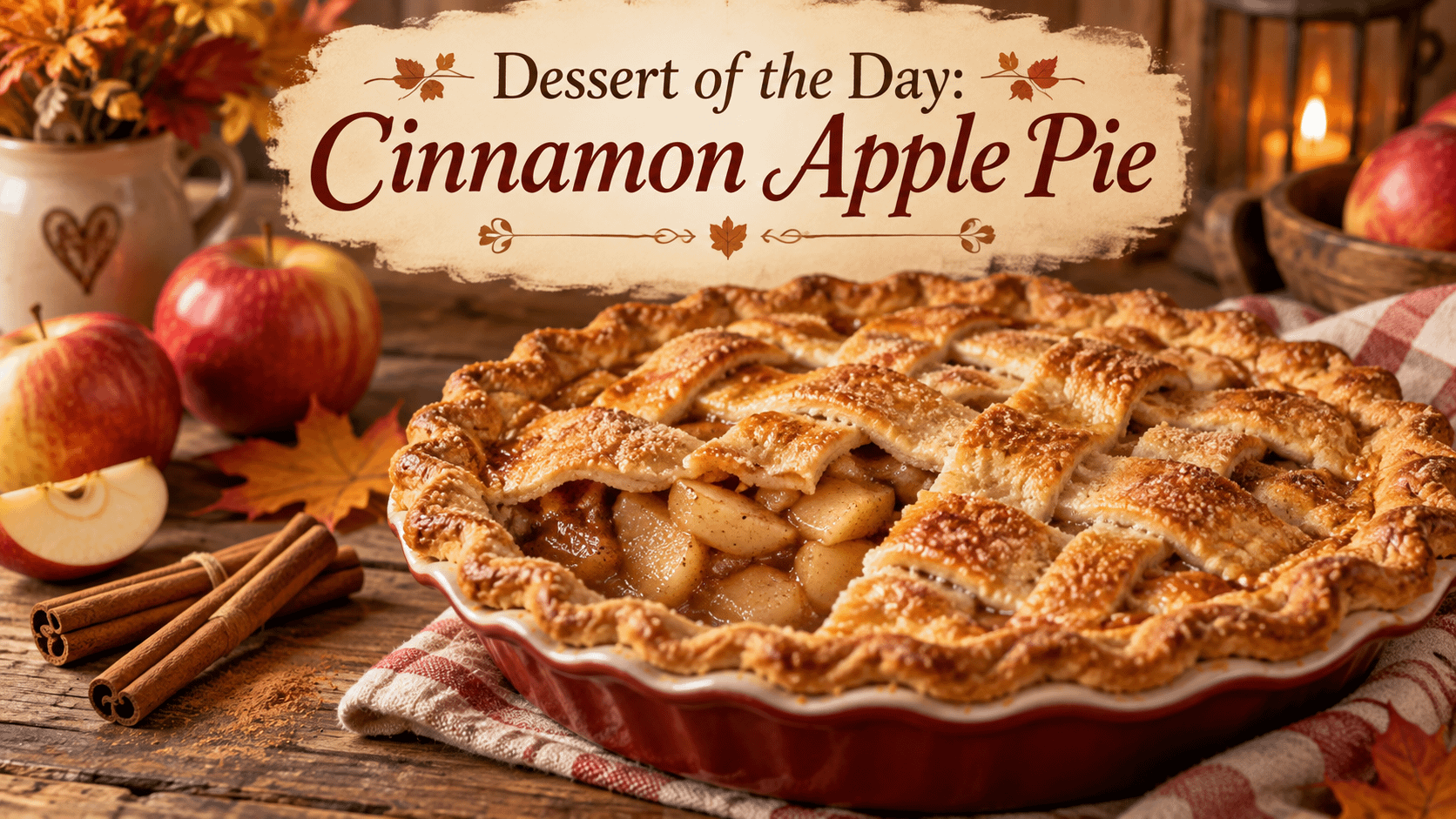
  • Dessert of the Day: Cinnamon Apple Pie

    Dessert of the Day: Cinnamon Apple Pie

    Few desserts feel as comforting, familiar, and timeless as a warm Cinnamon Apple Pie fresh from the oven. With tender apples, brown sugar, warm cinnamon, a hint of nutmeg, and a flaky golden crust, apple pie is the kind of dessert that instantly makes a kitchen feel warmer and a gathering feel more complete.

    There is something special about the aroma alone. As the pie bakes, cinnamon, butter, sugar, and apples fill the house with a fragrance that feels like fall afternoons, family dinners, holidays, and memories made around the table.

    Cinnamon Apple Pie does not need to be complicated to be memorable. The beauty of this dessert comes from simple ingredients working together. Sweet and slightly tart apples soften inside a buttery crust while cinnamon and brown sugar create a rich, caramel-like filling.

    Serve it warm on its own, add a scoop of vanilla ice cream, drizzle it with caramel sauce, or enjoy a leftover slice with coffee the next morning.

    However you serve it, Cinnamon Apple Pie deserves its place as today’s Dessert of the Day.

    Why Cinnamon Apple Pie Is Such a Classic

    Apple pie has endured for generations because it combines several things people naturally love in a dessert: sweetness, spice, buttery pastry, tender fruit, and contrasting textures.

    The filling becomes soft and juicy while still allowing the apples to retain enough structure that every slice has substance. Meanwhile, the crust adds a flaky, crisp contrast.

    Then there is the cinnamon.

    Cinnamon transforms ordinary apples into something completely different. Its warmth enhances the natural sweetness of the fruit without overpowering it.

    Add brown sugar, butter, nutmeg, and vanilla, and you have a filling that tastes rich enough for a holiday table but simple enough for an ordinary weekend dessert.

    Choosing the Best Apples for Apple Pie

    The apples you choose can make a noticeable difference in your finished pie.

    Some apples break down quickly when baked, while others remain firmer. Some are very sweet, while others bring a tart flavor that balances the sugar.

    Using more than one variety can create an especially flavorful pie.

    Good apple choices include:

    • Granny Smith
    • Honeycrisp
    • Braeburn
    • Pink Lady
    • Fuji
    • Golden Delicious
    • Jonagold

    Granny Smith apples are particularly popular because their tartness balances the sweetness of the filling. Honeycrisp apples bring sweetness and a pleasant texture.

    Combining the two gives you the best of both worlds.

    For example, you could use half Granny Smith and half Honeycrisp.

    Cinnamon Apple Pie Recipe

    Ingredients

    For the pie:

    • 2 refrigerated or homemade pie crusts
    • 6 to 7 medium apples
    • 3/4 cup packed brown sugar
    • 1/4 cup granulated sugar
    • 1 1/2 teaspoons ground cinnamon
    • 1/4 teaspoon ground nutmeg
    • 1/4 teaspoon salt
    • 3 tablespoons all-purpose flour
    • 1 teaspoon vanilla extract
    • 1 tablespoon lemon juice
    • 2 tablespoons butter, cut into small pieces

    For the topping:

    • 1 egg
    • 1 tablespoon milk
    • 1 tablespoon coarse or granulated sugar, optional

    Preparing the Apples

    Start by peeling and coring the apples.

    Slice them approximately 1/4-inch thick. Try to keep the slices relatively even so they cook at approximately the same rate.

    Place the sliced apples into a large mixing bowl.

    Add the lemon juice and toss gently. The lemon juice adds brightness while helping balance the sweetness of the pie.

    Next, add the brown sugar, granulated sugar, cinnamon, nutmeg, salt, flour, and vanilla.

    Gently toss everything together until the apples are evenly coated.

    Allow the mixture to rest for approximately 10 to 15 minutes.

    During this time, the sugar begins drawing moisture from the apples and creating the beginnings of that delicious cinnamon-spiced syrup.

    Preparing the Pie Crust

    Preheat your oven to 425°F.

    Place one pie crust into a 9-inch pie plate.

    Press it gently against the bottom and sides without stretching the dough.

    Leave a small amount of dough extending beyond the edge of the pie plate.

    Pour the cinnamon apple filling into the crust.

    Arrange the apples relatively evenly rather than dumping them into one large mound.

    Pour any remaining juices from the bowl over the apples.

    Dot the filling with the small pieces of butter.

    The butter melts while the pie bakes and adds richness to the filling.

    Adding the Top Crust

    Place the second pie crust over the filling.

    Trim excess dough if necessary, then fold the edges of the top and bottom crust together.

    Crimp the edges using your fingers or a fork.

    Cut several small slits into the top crust. These openings allow steam to escape while the pie bakes.

    For a more decorative presentation, you can also create a lattice crust by cutting the second crust into strips and weaving them over the filling.

    Both methods taste equally delicious.

    Egg Wash for a Golden Crust

    Whisk together one egg and one tablespoon of milk.

    Brush the mixture lightly over the top crust.

    Sprinkle a little coarse sugar over the crust if desired.

    The egg wash helps create that beautiful golden-brown bakery-style finish.

    Baking the Pie

    Bake the pie at 425°F for approximately 20 minutes.

    Then reduce the oven temperature to 375°F and continue baking for approximately 35 to 45 minutes.

    The pie is ready when the crust is golden brown and the filling is bubbling through the vents.

    If the edges of the crust begin browning too quickly, cover them loosely with strips of aluminum foil or a pie crust shield.

    The Hardest Part: Letting It Cool

    Fresh apple pie smells so good that waiting can feel nearly impossible.

    But cooling is important.

    Allow your Cinnamon Apple Pie to rest for at least 2 hours before slicing.

    As the pie cools, the filling thickens.

    Cutting into the pie immediately can cause the hot filling to run everywhere. It will still taste wonderful, but the slices will not hold together nearly as well.

    If you want the pie warm when serving, simply reheat individual slices afterward.

    Serve It Warm With Vanilla Ice Cream

    There may be no more classic combination than warm apple pie and cold vanilla ice cream.

    Place a warm slice of Cinnamon Apple Pie on a dessert plate and add a generous scoop of vanilla ice cream.

    The ice cream begins melting over the warm apples and buttery crust, creating a creamy sauce around the pie.

    For an even more indulgent dessert, drizzle caramel sauce over everything.

    Suddenly, traditional apple pie becomes an apple-caramel sundae.

    Cinnamon Apple Pie With Whipped Cream

    If ice cream feels too heavy, whipped cream is another perfect topping.

    A spoonful of freshly whipped cream adds a light, creamy contrast to the warm spices of the pie.

    You can even add a light sprinkle of cinnamon over the whipped cream for presentation.

    Add Caramel for Something Extra

    Apple and caramel are natural partners.

    Drizzle warm caramel sauce over each slice just before serving.

    Salted caramel works especially well because the salt provides contrast against the sweetness of the apples and brown sugar.

    You could also sprinkle chopped toasted pecans over the caramel for additional texture.

    Make It Even More Cinnamon-Forward

    If cinnamon is your favorite part of apple pie, you can easily increase its presence.

    Add another half teaspoon of cinnamon to the filling.

    You can also combine cinnamon with a small amount of apple pie spice.

    Apple pie spice often contains cinnamon along with nutmeg, allspice, ginger, or cloves.

    A little goes a long way, so start small.

    Try a Cinnamon Sugar Crust

    Before baking, sprinkle cinnamon sugar over the egg-washed crust.

    Combine approximately:

    • 1 tablespoon granulated sugar
    • 1/4 teaspoon cinnamon

    Sprinkle it lightly across the top crust.

    As the pie bakes, it creates a subtly sweet and crisp cinnamon crust.

    Avoid a Soggy Bottom Crust

    A few simple techniques can help prevent the bottom of your pie from becoming overly soft.

    First, avoid adding excessive liquid to the filling.

    Second, bake the pie on a lower oven rack where the bottom crust receives stronger heat.

    You can also place the pie on a preheated baking sheet.

    The hot sheet helps the bottom crust begin cooking immediately.

    Another helpful trick is sprinkling a very thin layer of flour or breadcrumbs across the bottom crust before adding the filling. They absorb some of the apple juices while the pie cooks.

    Homemade Crust or Store-Bought?

    Both work.

    If you enjoy baking from scratch, homemade pie crust gives you complete control over flavor and texture.

    A simple homemade crust made with flour, salt, butter, and ice water can be exceptionally flaky.

    However, refrigerated store-bought pie crust is convenient, consistent, and perfectly acceptable when you want homemade pie without spending additional time preparing dough.

    The filling is the star of this dessert, so choose whichever crust makes baking more enjoyable for you.

    Make It Ahead

    Cinnamon Apple Pie is a great make-ahead dessert.

    You can prepare it earlier in the day and allow it to cool completely before dinner.

    It can also be prepared a day ahead.

    Store the cooled pie covered at room temperature for approximately one day or refrigerate it for longer storage.

    When you’re ready to serve it, warm slices individually or place the entire pie into a low oven until heated through.

    How to Reheat Apple Pie

    To restore some of the crispness of the crust, reheating apple pie in the oven is usually better than microwaving it.

    For an individual slice, place it in an oven-safe dish and warm it at approximately 325°F for 8 to 12 minutes.

    For a larger portion of pie, it may take closer to 15 to 20 minutes.

    The microwave works when you’re in a hurry, but the crust will become softer.

    A Perfect Fall Dessert

    Cinnamon Apple Pie is delicious throughout the year, but there is something about fall that makes it especially satisfying.

    Cooler evenings, apple season, cinnamon spices, changing leaves, and warm desserts seem made for one another.

    It is perfect for:

    • Fall family dinners
    • Sunday desserts
    • Thanksgiving
    • Friendsgiving
    • Potlucks
    • Harvest celebrations
    • Christmas gatherings
    • Weekend baking
    • Dinner parties
    • Family reunions

    Sometimes you do not need a special occasion at all.

    A quiet evening and a craving for apple pie are enough.

    A Dessert That Feels Like Home

    Some desserts are impressive because they are elaborate.

    Apple pie is impressive for another reason.

    It feels familiar.

    Many people associate apple pie with grandparents, parents, holiday kitchens, family dinners, county fairs, neighborhood bakeries, or special memories from childhood.

    Food can carry memories.

    One bite can remind you of a place, person, or moment you have not thought about in years.

    That emotional connection is part of what makes traditional desserts so powerful.

    Cinnamon Apple Pie à la Mode

    If you want the ultimate version of this dessert, make it à la mode.

    Place a warm slice of pie into a shallow dessert bowl.

    Add one scoop of vanilla ice cream.

    Then drizzle caramel over the ice cream and pie.

    Finish with a tiny pinch of cinnamon.

    You get warm pie, cold ice cream, crisp crust, tender apples, melted caramel, and aromatic spices in every bite.

    It is simple, classic, and very difficult to beat.

    Optional Apple Pie Variations

    Once you master the basic recipe, there are countless ways to change it.

    Caramel Apple Pie

    Add caramel sauce to the filling before baking or drizzle caramel over the finished pie.

    Apple Cranberry Pie

    Add dried or fresh cranberries for tartness and color.

    Apple Pecan Pie

    Add chopped pecans to the filling for crunch.

    Maple Apple Pie

    Replace part of the sugar with pure maple syrup.

    Bourbon Apple Pie

    Add a small splash of bourbon to the apple mixture for a deeper flavor.

    Cinnamon Roll Apple Pie

    Use cinnamon-roll-inspired dough or glaze the finished pie with vanilla icing.

    Apple Crumble Pie

    Skip the traditional top crust and use a buttery brown sugar oat crumble instead.

    What to Drink With Cinnamon Apple Pie

    A comforting dessert deserves a comforting drink.

    Try serving Cinnamon Apple Pie with:

    • Fresh coffee
    • Hot chocolate
    • Chai tea
    • Black tea
    • Hot apple cider
    • Cold milk
    • Vanilla latte
    • Cinnamon coffee
    • Caramel coffee

    Coffee is especially good because its slight bitterness balances the sweetness of the pie.

    Tips for the Best Cinnamon Apple Pie

    For an especially good pie, remember a few simple rules.

    Use flavorful apples.

    Use enough cinnamon without completely overpowering the fruit.

    Do not slice the apples too thick.

    Allow the filling to rest briefly before assembling the pie.

    Bake until the filling is visibly bubbling.

    Protect the crust edges if they begin getting too dark.

    Most importantly, allow the finished pie time to cool before slicing.

    Those small details can turn a good apple pie into an excellent one.

    Dessert of the Day

    Today’s Cinnamon Apple Pie celebrates everything people love about classic homemade desserts.

    It does not rely on complicated ingredients or elaborate presentation.

    Instead, it takes apples, cinnamon, sugar, butter, and flaky pastry and transforms them into something comforting and unforgettable.

    Bake it for your family.

    Bring it to a gathering.

    Serve it after Sunday dinner.

    Make it for Thanksgiving.

    Or simply bake one because the weather is cooling down and your kitchen deserves to smell like cinnamon and apples.

    Then cut yourself a generous slice, add vanilla ice cream, pour a cup of coffee, and enjoy one of the most beloved desserts ever created.

    Sometimes the simplest desserts are the ones we remember the longest.

    Would you rather enjoy your Cinnamon Apple Pie warm with vanilla ice cream, covered in caramel sauce, or straight from the pie plate with nothing added at all?

  • Healthy Recipe of the Day: Marry Me Chicken Orzo Casserole

    Healthy Recipe of the Day: Marry Me Chicken Orzo Casserole

    There are some dinners that simply get the job done, and then there are dinners that make everyone at the table wonder when you are making them again.

    Marry Me Chicken Orzo Casserole belongs in the second category.

    Inspired by the popular Marry Me Chicken recipe, this casserole combines tender chicken, creamy orzo, sun-dried tomatoes, garlic, spinach, Parmesan, and Italian seasonings in one comforting dish. The result is rich and satisfying without requiring an overly complicated cooking process.

    For a healthier version, this recipe uses lean chicken breast, plenty of spinach, a moderate amount of Parmesan, and a lighter creamy sauce. You still get the comforting texture and bold flavor that make Marry Me Chicken so popular.

    Even better, everything comes together in one casserole dish, making this an excellent option for busy weeknights, meal preparation, or a relaxed family dinner.

    Why Is It Called “Marry Me Chicken”?

    The playful name comes from the idea that the dish tastes so good that someone might propose after eating it.

    Of course, there are no guarantees of wedding bells after dinner.

    What you can expect is a delicious combination of creamy sauce, Parmesan, garlic, herbs, chicken, and sun-dried tomatoes. Those ingredients create a savory, slightly tangy flavor that works beautifully with pasta.

    In this version, orzo replaces traditional pasta or a separate side dish. Because orzo cooks directly in the casserole, it absorbs the chicken broth, seasonings, tomato flavor, and creamy sauce.

    That means every spoonful is packed with flavor.

    Why You’ll Love This Healthy Marry Me Chicken Orzo Casserole

    One of the best things about casseroles is convenience. You can combine an entire meal in one dish and let the oven handle most of the work.

    This recipe also provides a good balance of protein, carbohydrates, vegetables, and satisfying fats.

    Chicken breast provides lean protein. Spinach adds vegetables and nutrients. Orzo provides the carbohydrates that turn the dish into a complete, filling dinner.

    The sun-dried tomatoes are especially important. Their concentrated tomato flavor adds sweetness, tanginess, and depth to the creamy sauce.

    Add garlic, basil, oregano, red pepper flakes, and Parmesan, and you have a casserole that tastes much more indulgent than its simple preparation suggests.

    Ingredients

    For the casserole:

    • 1½ pounds boneless, skinless chicken breasts
    • 1½ cups dry orzo
    • 3 cups low-sodium chicken broth
    • ½ cup half-and-half
    • ½ cup grated Parmesan cheese
    • ½ cup sun-dried tomatoes, drained and chopped
    • 3 cups fresh baby spinach
    • 4 cloves garlic, minced
    • 1 small yellow onion, finely chopped
    • 1 tablespoon olive oil
    • 1 teaspoon Italian seasoning
    • ½ teaspoon dried oregano
    • ½ teaspoon dried basil
    • ¼ teaspoon red pepper flakes, or more to taste
    • ½ teaspoon black pepper
    • ¼ teaspoon salt, adjusted to taste
    • Fresh basil or parsley for serving

    Step 1: Prepare the Chicken

    Preheat your oven to 375°F.

    Cut the chicken breasts into bite-sized pieces. Smaller pieces make the casserole easier to serve and help the chicken cook evenly alongside the orzo.

    Place the chicken in a large bowl and season it with Italian seasoning, oregano, basil, black pepper, and a small amount of salt.

    Remember that Parmesan cheese and sun-dried tomatoes can already contain a considerable amount of sodium, so you can always add additional salt after cooking if necessary.

    Step 2: Build the Flavor Base

    Heat the olive oil in a skillet over medium heat.

    Add the chopped onion and cook for approximately three to four minutes, until it begins to soften.

    Add the minced garlic and cook for another 30 seconds to one minute.

    Garlic burns quickly, so you only need to cook it until it becomes fragrant.

    Stir in the chopped sun-dried tomatoes.

    Cooking the tomatoes briefly with the garlic and onion helps distribute their concentrated flavor throughout the casserole.

    Step 3: Assemble the Casserole

    Lightly coat a large casserole dish with cooking spray.

    Add the uncooked orzo.

    Pour in the chicken broth and half-and-half, then stir in the onion, garlic, and sun-dried tomato mixture.

    Add the seasoned chicken pieces and gently stir everything together so the ingredients are evenly distributed.

    Cover the casserole tightly with aluminum foil.

    Step 4: Bake

    Bake the covered casserole for approximately 25 minutes.

    Carefully remove it from the oven and uncover it.

    Stir everything thoroughly, making sure to scrape along the bottom and sides of the casserole dish. Orzo releases starch as it cooks, which helps create the naturally creamy texture of the sauce.

    Check the chicken for doneness. Chicken should reach an internal temperature of 165°F.

    Depending on the size of your chicken pieces and the depth of your casserole dish, additional cooking time may be necessary.

    Step 5: Add the Spinach and Parmesan

    Stir the fresh spinach and Parmesan into the hot casserole.

    The spinach will begin wilting almost immediately.

    Return the casserole to the oven uncovered and bake for another 5 to 10 minutes, or until the orzo is tender, the chicken is fully cooked, and most of the liquid has been absorbed.

    If the orzo needs additional cooking but the casserole looks dry, stir in a small splash of warm chicken broth.

    Step 6: Let It Rest

    This step might be difficult because the casserole smells incredible when it comes out of the oven, but give it about five minutes before serving.

    The resting period allows the sauce to thicken.

    Orzo continues absorbing liquid after cooking, transforming what initially looks like a somewhat loose sauce into a wonderfully creamy casserole.

    Finish with chopped fresh basil or parsley.

    Making Marry Me Chicken Healthier

    Traditional versions of Marry Me Chicken can contain significant amounts of heavy cream, butter, cheese, and oil.

    Those ingredients aren’t inherently forbidden in a balanced diet, but reducing some of them allows you to create a lighter everyday dinner while maintaining plenty of flavor.

    This version relies on several strategies.

    Use chicken breast. Boneless, skinless chicken breast provides plenty of protein while remaining relatively lean.

    Replace heavy cream with half-and-half. You still get a creamy texture without needing a large quantity of heavy cream.

    Use Parmesan strategically. Parmesan has a strong savory flavor, so a relatively modest amount goes a long way.

    Add vegetables. Several handfuls of spinach practically disappear into the casserole while adding color and nutrition.

    Choose low-sodium broth. Parmesan and sun-dried tomatoes contribute salt, so starting with lower-sodium broth gives you better control over the final seasoning.

    Want Even More Vegetables?

    This casserole is incredibly adaptable.

    Spinach is an easy addition because it wilts directly into the sauce, but you aren’t limited to spinach.

    Try adding chopped zucchini, mushrooms, broccoli, asparagus, kale, bell peppers, or peas.

    If you’re using vegetables that release a lot of moisture, such as mushrooms or zucchini, sautéing them first can prevent the finished casserole from becoming watery.

    Broccoli and asparagus can be added during the later stages of baking so they retain some texture.

    Make It Spicier

    Red pepper flakes provide a subtle background heat that balances the creamy sauce.

    If you enjoy spicy food, increase the amount to ½ teaspoon or more.

    You could also add cayenne pepper or sliced fresh chili peppers.

    For a family meal, however, keeping the casserole mildly seasoned and placing additional red pepper flakes on the table allows everyone to control the heat themselves.

    What to Serve With Marry Me Chicken Orzo

    Because this casserole already contains chicken, pasta, spinach, and sauce, it can easily stand on its own.

    If you’d like something alongside it, keep the sides simple.

    A fresh garden salad with tomatoes and cucumbers provides a crisp contrast to the creamy casserole.

    Roasted broccoli, asparagus, Brussels sprouts, or green beans are also excellent choices.

    For something particularly refreshing, serve it with a simple tomato and cucumber salad dressed with lemon juice, olive oil, pepper, and fresh herbs.

    Meal Prep Friendly

    Marry Me Chicken Orzo Casserole also works well for meal preparation.

    Divide leftovers into individual airtight containers and refrigerate them after the casserole has cooled.

    The orzo will continue absorbing some of the sauce while refrigerated, so leftovers may be thicker than the freshly prepared casserole.

    When reheating, add a tablespoon or two of chicken broth or water before warming it. Stirring halfway through reheating can also help restore the creamy consistency.

    Properly refrigerated leftovers are best enjoyed within about three to four days.

    A Great Dinner for Busy Nights

    Healthy eating becomes much easier when meals don’t feel like punishment.

    You shouldn’t have to choose between food that supports your goals and food you actually look forward to eating.

    That’s what makes recipes like this so useful.

    Chicken and spinach provide nutritious building blocks, while Parmesan, garlic, sun-dried tomatoes, herbs, and creamy orzo provide the comfort-food experience.

    It’s satisfying enough for a Sunday family dinner but simple enough to make during the week.

    And because you’re preparing most of the meal in a single casserole dish, cleanup doesn’t become another major project after dinner.

    Healthy Recipe of the Day

    Marry Me Chicken Orzo Casserole proves that a healthier dinner can still be creamy, comforting, and packed with flavor.

    You get tender chicken, velvety orzo, savory Parmesan, vibrant spinach, sweet and tangy sun-dried tomatoes, and plenty of garlic and Italian herbs in every bite.

    Make it exactly as written the first time, then start experimenting.

    Add more vegetables.

    Turn up the spice.

    Increase the spinach.

    Try different herbs.

    That’s one of the advantages of home cooking—you control what goes into your meal.

    And while I can’t promise this casserole will result in an actual marriage proposal, there’s a pretty good chance someone will ask for seconds.

    Would you make Marry Me Chicken Orzo Casserole for someone you love, or would you keep the whole casserole for yourself?

  • Recipe of the Day: Kentucky Hot Honey Garlic Sliders

    Recipe of the Day: Kentucky Hot Honey Garlic Sliders

    If you love food that combines sweet, spicy, savory, buttery, and cheesy flavors, today’s Recipe of the Day deserves a spot on your table.

    Kentucky Hot Honey Garlic Sliders are loaded with juicy chicken coated in a sticky hot honey garlic sauce, layered with melted cheese, and tucked inside soft slider rolls brushed with seasoned garlic butter.

    Every bite starts with the sweetness of honey before the garlic and savory chicken come through. Then the heat slowly builds in the background. Add gooey cheese and buttery toasted rolls, and you have a tray of sliders that can disappear remarkably fast.

    These sliders are perfect for game day, parties, family dinners, potlucks, backyard gatherings, or an easy weekend meal. Serve them individually as appetizers or put several on a plate with fries, potato wedges, coleslaw, or a salad for dinner.

    Why You’ll Love These Sliders

    Sliders are one of those foods that prove a recipe doesn’t have to be complicated to be memorable.

    The secret to this version is the balance between hot honey and garlic. Honey provides sweetness and helps create that sticky glaze, while garlic adds a deep savory flavor. Hot sauce and red pepper flakes bring enough heat to make things interesting without completely overpowering the other ingredients.

    Then there’s the cheese.

    As the sliders bake, the cheese melts into the chicken while the bottoms of the rolls absorb some of the hot honey garlic sauce. Meanwhile, the tops become buttery and lightly toasted.

    The result is a slider that’s soft in the middle, slightly crisp around the edges, cheesy, sticky, sweet, spicy, and incredibly satisfying.

    Ingredients

    For the Chicken

    • 2 pounds boneless, skinless chicken breasts or thighs
    • 1 tablespoon olive oil
    • 1 teaspoon smoked paprika
    • 1 teaspoon garlic powder
    • 1 teaspoon onion powder
    • 1/2 teaspoon salt
    • 1/2 teaspoon black pepper

    For the Hot Honey Garlic Sauce

    • 1/2 cup honey
    • 1/4 cup hot sauce
    • 4 cloves garlic, finely minced
    • 2 tablespoons butter
    • 1 tablespoon apple cider vinegar
    • 1 tablespoon brown sugar
    • 1 teaspoon smoked paprika
    • 1/2 teaspoon crushed red pepper flakes, or more to taste
    • Pinch of salt

    For the Sliders

    • 12 soft slider rolls
    • 8 slices pepper jack, provolone, or Monterey Jack cheese
    • 2 tablespoons melted butter
    • 1 teaspoon garlic powder
    • 1/2 teaspoon dried parsley
    • 1 teaspoon sesame seeds, optional

    Step 1: Prepare the Chicken

    Preheat your oven to 375°F.

    Pat the chicken dry with paper towels. Season both sides with smoked paprika, garlic powder, onion powder, salt, and black pepper.

    Heat the olive oil in a large skillet over medium-high heat.

    Add the chicken and cook until browned on both sides and completely cooked through. Chicken should reach an internal temperature of 165°F.

    Remove it from the skillet and allow it to rest for several minutes.

    You can then chop the chicken into small pieces or shred it using two forks.

    Shredded chicken works especially well because all those little pieces grab onto the hot honey garlic sauce.

    Step 2: Make the Hot Honey Garlic Sauce

    Reduce the skillet to medium-low heat.

    Add the butter and minced garlic.

    Cook for about 30–60 seconds, stirring constantly, until the garlic becomes fragrant. Be careful not to burn it.

    Add the honey, hot sauce, apple cider vinegar, brown sugar, smoked paprika, red pepper flakes, and a small pinch of salt.

    Stir everything together.

    Allow the sauce to gently simmer for approximately 2–4 minutes.

    You’re looking for a slightly thickened, glossy sauce.

    Taste it carefully.

    Want more heat? Add additional hot sauce or crushed red pepper.

    Want it sweeter? Add another spoonful of honey.

    This ability to customize the sauce is one of the best parts of the recipe.

    Step 3: Coat the Chicken

    Return the chopped or shredded chicken to the skillet.

    Stir until every piece is thoroughly coated in the hot honey garlic sauce.

    Let everything cook together for another minute or two.

    The chicken should become glossy, sticky, and loaded with flavor.

    Try not to eat too much straight from the skillet. You’ll need some for the sliders.

    Step 4: Build the Sliders

    Lightly grease a baking dish.

    Using a large serrated knife, slice the entire package of slider rolls horizontally without separating the individual rolls.

    Place the bottom half into the baking dish.

    Add a layer of cheese.

    Spread the hot honey garlic chicken evenly over the cheese.

    Add another layer of cheese over the chicken.

    Place the top half of the rolls over everything.

    Step 5: Make the Garlic Butter Topping

    Combine the melted butter, garlic powder, and dried parsley.

    Brush the mixture generously over the tops of the rolls.

    Sprinkle with sesame seeds if desired.

    This simple topping makes a major difference. As the sliders bake, the butter sinks into the bread while the tops become golden and slightly crisp.

    Step 6: Bake

    Cover the baking dish loosely with aluminum foil.

    Bake at 375°F for approximately 10 minutes.

    Remove the foil and continue baking for another 5–8 minutes, or until the cheese has completely melted and the tops of the rolls are golden brown.

    Remove the sliders from the oven and allow them to rest for about 5 minutes.

    Slice between the individual rolls and serve warm.

    Make Them Extra Hot

    The standard recipe gives you a nice sweet-and-spicy balance, but heat lovers can easily take these sliders further.

    Add extra crushed red pepper flakes to the sauce, use a hotter variety of hot sauce, add sliced jalapeños to the sliders, or drizzle additional hot honey over the chicken before adding the top buns.

    You can even add fresh jalapeño slices after baking for a bright, fresh heat.

    Just remember that hot honey sliders should still have balance. You want to taste the honey, garlic, chicken, butter, and cheese—not just heat.

    Make Them Mild

    Cooking for people who aren’t big fans of spicy food?

    Reduce the hot sauce and leave out the crushed red pepper flakes.

    You can also use mozzarella, provolone, or Monterey Jack instead of pepper jack cheese.

    You’ll still have delicious honey garlic chicken sliders with just a mild kick.

    The Cheese Matters

    Pepper jack is an excellent choice if you want to emphasize the spicy side of these sliders.

    Provolone provides a milder flavor and fantastic melt.

    Monterey Jack is creamy and works beautifully with hot honey.

    Cheddar brings a sharper flavor.

    You can even combine cheeses. Try pepper jack and provolone together for a mixture of spice and creamy melted cheese.

    What to Serve With Kentucky Hot Honey Garlic Sliders

    Because these sliders pack plenty of flavor, simple sides work especially well.

    Try serving them with:

    • Crispy French fries
    • Seasoned potato wedges
    • Sweet potato fries
    • Coleslaw
    • Macaroni and cheese
    • Potato salad
    • Corn on the cob
    • Pickles
    • Onion rings
    • Garden salad
    • Fresh vegetables with ranch
    • Baked beans

    For game day, put them on a large platter alongside wings, nachos, chips, dips, and vegetables.

    Don’t Forget the Pickles

    If you’re a pickle fan, they’re fantastic with these sliders.

    The acidity cuts through the sweetness of the honey, richness of the cheese, and buttery rolls.

    You can place dill pickle slices directly inside each slider or serve pickle spears on the side.

    Bread-and-butter pickles are another interesting option because they emphasize the sweet-and-tangy character of the recipe.

    Shortcut Version

    Don’t have time to cook chicken from scratch?

    Use shredded rotisserie chicken.

    Prepare the hot honey garlic sauce in a skillet, add about 3–4 cups of shredded rotisserie chicken, and toss until coated.

    Then assemble and bake the sliders normally.

    It’s an easy shortcut that can turn this recipe into a quick weeknight dinner.

    Perfect for Game Day

    Kentucky Hot Honey Garlic Sliders were practically made for game-day food.

    They’re handheld, easy to share, simple to prepare in large batches, and packed with the kind of bold flavors people expect from party food.

    Better yet, you don’t have to stand over the stove making individual sandwiches.

    Build the entire tray, bake it, slice it, and put it on the table.

    If you’re expecting a crowd, make two trays. One can be mild and the other extra spicy.

    Labeling which is which might save someone a surprise.

    Make Them Ahead

    You can prepare much of this recipe ahead of time.

    Cook the chicken and prepare the hot honey garlic sauce earlier in the day. Toss them together and refrigerate the mixture in an airtight container.

    When you’re ready to eat, gently reheat the chicken before assembling the sliders.

    For the best texture, I recommend waiting until shortly before baking to assemble everything. This prevents the sauce from soaking into the bread for too long and making the bottoms soggy.

    Storing Leftovers

    If you somehow have leftovers, place them in an airtight container and refrigerate.

    They should keep for approximately 3–4 days when properly refrigerated.

    Reheat them in the oven or air fryer when possible. This helps restore some of the texture to the bread.

    The microwave works when you’re in a hurry, although the rolls will be softer.

    A Sweet, Spicy, Cheesy Combination

    What makes Kentucky Hot Honey Garlic Sliders so enjoyable isn’t one individual ingredient.

    It’s what happens when everything comes together.

    You get soft buttery bread.

    Then melted cheese.

    Then tender chicken covered in sticky honey, garlic, hot sauce, spices, and butter.

    The sweetness hits first. The savory garlic follows. Then the heat arrives.

    And just when you think you’ve figured out the flavor, you take another bite.

    That’s the beauty of hot honey.

    Sweet and spicy flavors naturally play against each other, and adding garlic, butter, chicken, and melted cheese turns that combination into serious comfort food.

    Recipe of the Day

    Kentucky Hot Honey Garlic Sliders are an easy way to turn ordinary chicken sliders into something much more exciting.

    Make them for dinner.

    Bring them to a potluck.

    Put them out during football season.

    Serve them at a birthday party.

    Or make a tray simply because you’re craving something sweet, spicy, buttery, cheesy, and messy in the best possible way.

    Just make sure there are plenty of napkins nearby.

    Would you keep your Kentucky Hot Honey Garlic Sliders sweet and mildly spicy, or turn up the heat until every bite has a serious kick?

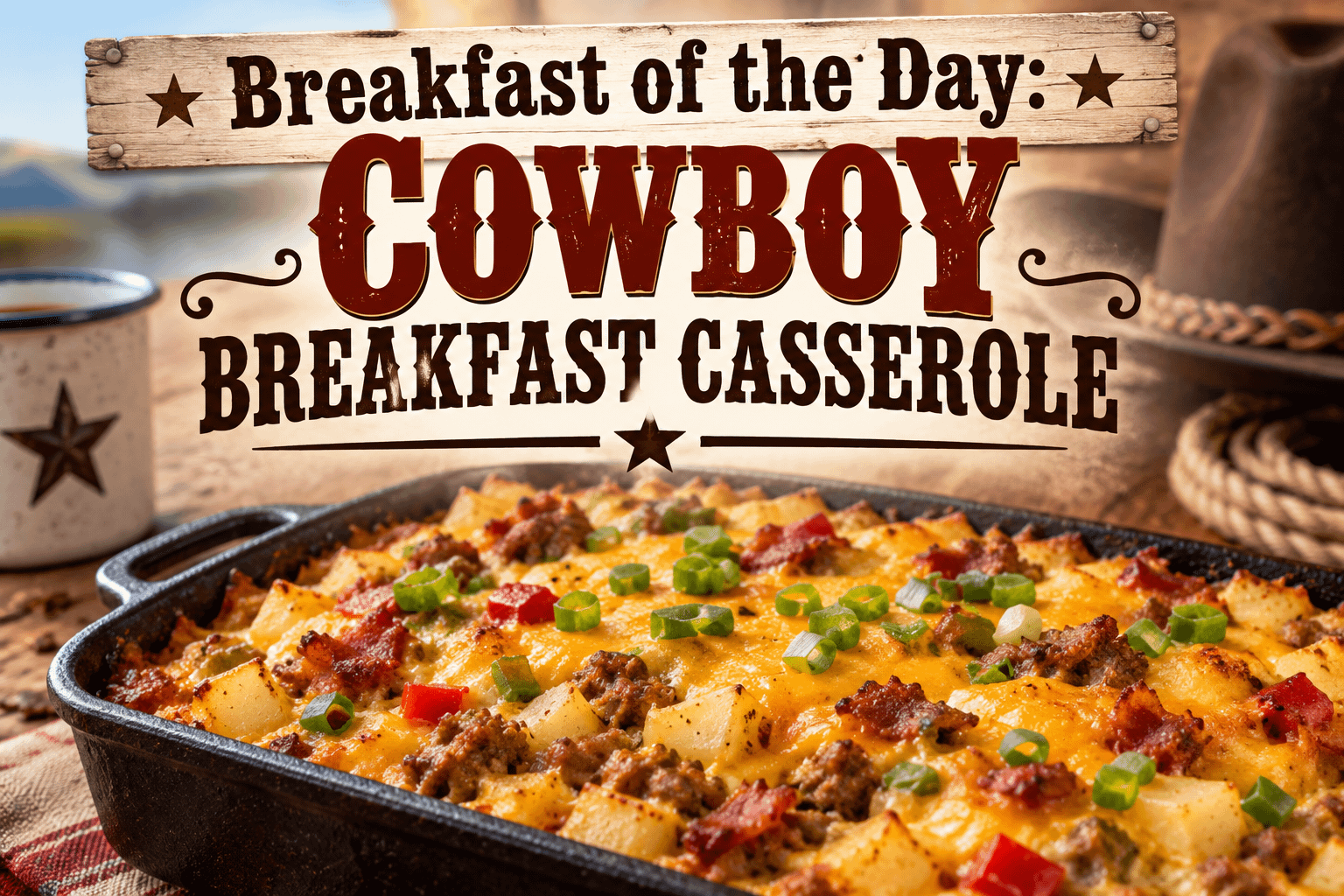
  • Breakfast of the Day: Cowboy Breakfast Casserole

    Breakfast of the Day: Cowboy Breakfast Casserole

    Some mornings call for something light and simple. Other mornings call for a breakfast that comes out of the oven bubbling hot, packed with meat, potatoes, eggs, and melted cheese.

    That is exactly what Cowboy Breakfast Casserole delivers.

    This hearty breakfast combines crispy hash browns, savory breakfast sausage, smoky bacon, fluffy eggs, peppers, onions, and plenty of melted cheese in one satisfying casserole. It is the kind of meal made for hungry mornings, weekend breakfasts, family gatherings, holidays, or anytime you want breakfast to feel like a feast.

    One of the best things about a breakfast casserole is that everything comes together in one dish. Instead of standing over the stove cooking eggs, potatoes, bacon, and sausage separately, you can assemble everything, slide it into the oven, and let the heat do most of the work.

    Even better, Cowboy Breakfast Casserole can be prepared ahead of time, making it an excellent choice when you have a busy morning coming.

    Why It’s Called a Cowboy Breakfast Casserole

    The name “cowboy” fits this casserole because there is nothing delicate about it.

    Cowboy-inspired meals are usually hearty, rustic, filling, and built around straightforward ingredients. Think potatoes, meat, eggs, cheese, onions, peppers, beans, biscuits, and other foods capable of satisfying a serious appetite.

    This casserole follows that tradition.

    Every serving gives you a little bit of everything: crispy potatoes on the bottom, seasoned sausage and bacon throughout the middle, tender vegetables, eggs holding everything together, and melted cheese covering the top.

    It is basically an entire country-style breakfast packed into a single baking dish.

    Cowboy Breakfast Casserole Recipe

    Prep Time: 20 minutes
    Cook Time: 45–55 minutes
    Total Time: About 1 hour 15 minutes
    Servings: 8–10

    Ingredients

    • 1 pound breakfast sausage
    • 6 slices bacon
    • 1 package (about 20–24 ounces) frozen shredded hash browns, thawed
    • 10 large eggs
    • 1 cup whole milk
    • 2 cups shredded cheddar cheese, divided
    • 1 cup shredded Monterey Jack cheese
    • 1 small yellow onion, diced
    • 1 red bell pepper, diced
    • 1 green bell pepper, diced
    • 2 tablespoons butter
    • 1 teaspoon garlic powder
    • 1 teaspoon smoked paprika
    • 1/2 teaspoon onion powder
    • 1/2 teaspoon black pepper
    • 1/2 teaspoon salt, or to taste
    • 2 green onions, sliced
    • Optional hot sauce for serving

    How to Make Cowboy Breakfast Casserole

    1. Prepare the Oven and Baking Dish

    Preheat your oven to 375°F.

    Lightly grease a 9-by-13-inch baking dish with butter or nonstick cooking spray.

    2. Cook the Bacon

    Cook the bacon in a large skillet until crispy.

    Transfer it to a paper-towel-lined plate and allow it to cool slightly. Once cooled, crumble or chop it into bite-sized pieces.

    Set it aside.

    3. Brown the Breakfast Sausage

    Using the same skillet, cook the breakfast sausage over medium heat.

    Break the sausage apart with a spatula as it cooks. Continue cooking until completely browned and no pink remains.

    Drain excess grease and transfer the sausage to a bowl.

    4. Cook the Peppers and Onion

    Melt the butter in the skillet.

    Add the diced onion and red and green bell peppers.

    Cook for approximately 4–5 minutes, stirring occasionally, until the vegetables begin to soften.

    You do not need to cook them completely because they will continue cooking in the oven.

    5. Build the Potato Layer

    Spread the thawed hash browns evenly across the bottom of the prepared baking dish.

    Season them lightly with some of the salt, pepper, garlic powder, and smoked paprika.

    For an even richer casserole, sprinkle about 1/2 cup of cheddar cheese over the potatoes.

    6. Add the Meat and Vegetables

    Spread the cooked breakfast sausage over the hash browns.

    Add the cooked peppers and onions.

    Sprinkle the crumbled bacon evenly over everything.

    At this point, the casserole should already look like a complete cowboy breakfast.

    7. Prepare the Egg Mixture

    In a large bowl, whisk together:

    • Eggs
    • Milk
    • Garlic powder
    • Onion powder
    • Smoked paprika
    • Salt
    • Black pepper

    Whisk until the eggs are completely combined.

    Pour the egg mixture slowly and evenly over the casserole.

    Give the baking dish a gentle shake so the egg mixture can work its way between the potatoes, meat, and vegetables.

    8. Add the Cheese

    Combine the remaining cheddar cheese and Monterey Jack.

    Sprinkle the cheese generously across the top.

    Do not worry about using too much cheese. A cowboy breakfast casserole is supposed to be hearty.

    9. Bake

    Place the casserole in the preheated oven.

    Bake uncovered for approximately 45–55 minutes, or until the center is set and the cheese is melted and lightly golden.

    If the cheese begins browning too quickly, loosely cover the casserole with aluminum foil during the final portion of baking.

    The casserole is ready when a knife inserted near the center comes out without runny egg mixture.

    10. Let It Rest

    Remove the casserole from the oven and allow it to rest for approximately 10 minutes before cutting.

    This gives the egg mixture time to finish setting and makes the casserole much easier to slice.

    Sprinkle sliced green onions over the top before serving.

    What Makes This Breakfast So Good?

    The secret is the combination of textures and flavors.

    The potatoes provide a hearty foundation. Sausage gives the casserole its savory country flavor, while bacon brings saltiness and smoke.

    The peppers and onions add freshness and a little sweetness.

    Then there are the eggs.

    They soak into the ingredients while baking and bind everything together into thick, satisfying slices.

    Finally, cheddar and Monterey Jack melt across the entire casserole.

    It is rich, cheesy, savory, smoky, and filling—the kind of breakfast capable of carrying you well into the afternoon.

    Turn Up the Heat

    Cowboys aren’t necessarily known for being afraid of a little heat.

    If you enjoy spicy breakfasts, this casserole is easy to kick up.

    Add diced jalapeños to the peppers and onions, use hot breakfast sausage instead of mild sausage, or add a pinch of cayenne pepper to the eggs.

    Pepper Jack can also replace Monterey Jack.

    Serve the finished casserole with hot sauce or spicy salsa.

    You could even add sliced pickled jalapeños across the top immediately before serving.

    Add Some Southwestern Flavor

    Another delicious variation is turning the basic recipe into a Southwestern Cowboy Breakfast Casserole.

    Add a drained can of diced green chiles and approximately one cup of drained black beans to the sausage mixture.

    You can also add corn, diced tomatoes, cilantro, or crushed tortilla chips.

    Season the eggs with cumin, chili powder, and smoked paprika.

    Serve each portion with salsa, avocado, sour cream, and fresh cilantro.

    Make It Extra Meaty

    This is already a meat-heavy breakfast, but you can take things even further.

    Try combining several breakfast meats.

    Use breakfast sausage, bacon, diced ham, and even sliced smoked sausage.

    Leftover steak is another fantastic addition.

    Dice cooked steak into bite-sized pieces and scatter it throughout the casserole before adding the eggs.

    That turns an already substantial breakfast into a serious meat lover’s meal.

    Make It Ahead the Night Before

    Cowboy Breakfast Casserole is especially useful when you know you are going to have a busy morning.

    Prepare the sausage, bacon, peppers, and onions the night before.

    Assemble the casserole in your baking dish, cover it tightly, and refrigerate overnight.

    The following morning, remove it from the refrigerator while your oven preheats.

    Then bake as directed.

    Because the casserole is starting cold, it may require a few additional minutes in the oven.

    This makes it particularly convenient for Christmas morning, Thanksgiving weekend, family reunions, overnight guests, or busy weekends.

    What to Serve With Cowboy Breakfast Casserole

    Because this casserole is already substantial, you do not need much alongside it.

    Fresh fruit provides a refreshing contrast to the rich sausage, bacon, potatoes, and cheese.

    Biscuits are another natural choice.

    Serve warm buttermilk biscuits with butter, honey, or sausage gravy.

    For an even bigger country breakfast, serve the casserole alongside:

    • Biscuits and gravy
    • Fresh fruit
    • Toast
    • English muffins
    • Cinnamon rolls
    • Fresh berries
    • Avocado slices
    • Salsa
    • Country gravy
    • Coffee
    • Orange juice

    And if you are serving brunch, the casserole works well as the centerpiece of a larger breakfast spread.

    Don’t Forget the Toppings

    The toppings are where everyone can customize their own serving.

    Set several options on the table and let everyone build their perfect plate.

    Try sour cream, salsa, chopped green onions, diced avocado, hot sauce, jalapeños, shredded cheese, chopped cilantro, or country gravy.

    A spoonful of salsa and sliced avocado can completely transform a serving.

    For something richer, pour warm sausage gravy over the top.

    A Great Breakfast for Feeding a Crowd

    One reason breakfast casseroles remain so popular is their convenience.

    Cooking individual eggs for ten people can become chaotic very quickly.

    With Cowboy Breakfast Casserole, everyone eats at approximately the same time.

    One large baking dish provides several generous portions, and doubling the recipe is easy when you have an especially large crowd.

    Prepare two casseroles and bake them together.

    You can even make them slightly different.

    Make one traditional casserole and one spicy Southwestern version.

    That gives guests choices without requiring you to cook individual meals.

    Using Leftovers

    Do not worry if you have leftovers.

    Cowboy Breakfast Casserole reheats surprisingly well.

    Store leftover portions in an airtight container in the refrigerator. When you’re ready for breakfast, heat an individual serving in the microwave until thoroughly warmed.

    You can also reheat larger portions in the oven.

    And leftovers do not necessarily have to remain casserole.

    Put a reheated slice inside a warm flour tortilla, add salsa and cheese, and you suddenly have an easy breakfast burrito.

    You can also chop leftover casserole and place it inside a toasted English muffin or biscuit for a hearty breakfast sandwich.

    Tips for the Best Cowboy Breakfast Casserole

    Make sure your hash browns are thawed before assembling the casserole. Frozen potatoes can release extra moisture and affect the final texture.

    Drain excess grease from the sausage and bacon. You want their flavor without turning the casserole greasy.

    Do not overcook the eggs. Remove the casserole once the center has set.

    Let the finished casserole rest before slicing. Those extra 10 minutes make a noticeable difference.

    And most importantly, customize it.

    Breakfast casseroles are extremely forgiving.

    If you have leftover ham, vegetables, cheese, potatoes, or cooked meat in the refrigerator, there is a good chance you can work them into the recipe.

    Why This Is a Breakfast Worth Waking Up For

    There is something comforting about waking up to the smell of breakfast cooking.

    Sizzling sausage.

    Smoky bacon.

    Potatoes crisping around the edges.

    Peppers and onions becoming tender.

    And cheese melting into a bubbling golden layer.

    Cowboy Breakfast Casserole brings all those familiar breakfast flavors together without requiring you to prepare half a dozen separate dishes.

    It is uncomplicated food designed to satisfy hungry people.

    That makes it perfect for slow Sunday mornings, holiday breakfasts, camping weekends, family gatherings, game days, or simply a morning when cereal isn’t going to cut it.

    Breakfast of the Day

    Today’s Breakfast of the Day: Cowboy Breakfast Casserole proves that sometimes bigger really is better.

    You get crispy potatoes, savory sausage, smoky bacon, colorful peppers, onions, fluffy eggs, and plenty of melted cheese in every serving.

    Prepare it fresh in the morning or assemble it the night before. Keep it traditional or load it with jalapeños and Southwestern flavors. Serve it alone or turn breakfast into a full country-style feast.

    Either way, bring an appetite.

    This isn’t a breakfast designed to leave you wondering what’s for lunch.

    What would you add to your Cowboy Breakfast Casserole—extra bacon, jalapeños, steak, sausage gravy, or even more cheese?

  • International Happy Goose Day: Celebrating the Charm, Character, and Importance of Geese

    International Happy Goose Day: Celebrating the Charm, Character, and Importance of Geese

    Every year on September 29, International Happy Goose Day gives us an opportunity to appreciate one of nature’s most recognizable, entertaining, and sometimes surprisingly complicated birds: the goose.

    Geese can be graceful as they glide quietly across a lake, impressive when they fly overhead in their famous V-shaped formations, and downright hilarious when they waddle across a park as though they own the place. They can also be loud, protective, curious, social, and remarkably intelligent.

    International Happy Goose Day is a lighthearted celebration, but it can also remind us to appreciate wildlife, learn more about the animals sharing our environment, and recognize just how fascinating geese really are.

    Why Celebrate Geese?

    For many people, geese are simply part of the scenery.

    You might see them swimming across a pond, resting beside a lake, grazing on grass, or flying overhead during seasonal migrations. Because they are so familiar, it can be easy to overlook how remarkable they are.

    Geese are highly social birds. They communicate with one another, form strong family relationships, protect their young, and cooperate during migration.

    Watch a family of geese closely and you may notice how attentive the adults are to their goslings. One parent may lead while another watches from behind, helping keep the family together.

    Their behavior provides a fascinating glimpse into cooperation and survival in the natural world.

    The Famous V Formation

    One of the most recognizable sights associated with geese is a flock flying in a V formation.

    There is a practical reason for it.

    Flying this way can help birds take advantage of aerodynamic effects created by the birds ahead of them. Instead of every goose doing all the work independently, the formation can make long-distance flight more efficient.

    The lead position can be demanding, so members of a flock may change positions during a journey.

    It is a remarkable example of cooperation.

    There is also something inspiring about watching a flock move together across the sky. Each bird has its place, yet the entire group is heading toward the same destination.

    Humans sometimes use the image as a metaphor for teamwork: people can often travel farther when they support one another rather than trying to carry every burden alone.

    Geese Are Excellent Communicators

    Anyone who has spent time around geese knows they are not exactly quiet.

    Honking is one of the ways geese communicate.

    Different vocalizations can help them maintain contact, signal danger, interact with family members, or communicate with the flock.

    Those calls become especially noticeable when a flock passes overhead.

    You may hear them before you even see them.

    Look toward the sky, and suddenly there they are—dozens of birds traveling together in an organized formation.

    Their voices are part of the experience.

    Geese Are Protective Parents

    A goose standing near its goslings should always be treated with respect and given plenty of space.

    Adult geese can become highly protective when they believe their young are threatened.

    What sometimes appears to humans as aggression can simply be defensive behavior from a parent protecting its family.

    This is particularly important to remember during spring and early summer, when goslings are common around ponds, lakes, parks, and other areas where geese nest.

    Admire them from a distance rather than approaching them.

    Wildlife does not need to be touched or handled to be appreciated.

    Sometimes the best way to enjoy an animal is simply to observe it respectfully.

    The Adorable Gosling Stage

    It is difficult not to smile when you see a group of fluffy goslings following their parents.

    Young geese are called goslings, and they begin exploring their surroundings relatively soon after hatching.

    Families frequently travel together as the goslings grow.

    Over time, those tiny bundles of yellow or gray fluff develop feathers and begin looking more like the adult geese around them.

    Watching that transformation can be especially enjoyable for people who regularly walk around the same local lake or park.

    One week the goslings seem tiny.

    A few weeks later, you may wonder how they grew so quickly.

    Geese Around the World

    There are numerous species of geese found across different parts of the world.

    In North America, one of the most familiar is the Canada goose, recognizable by its black head and neck, white cheek patch, and brownish body.

    Other goose species have their own distinctive colors, markings, habitats, and migration patterns.

    Some populations migrate tremendous distances, while others may remain in the same general area throughout much of the year.

    Their ability to adapt is one reason geese have become such a familiar presence around parks, golf courses, reservoirs, farmland, wetlands, and urban areas.

    Geese and Their Environment

    Geese are part of larger ecosystems.

    Like other wildlife, they interact with plants, water, predators, other birds, and their surrounding habitat.

    Wetlands are particularly important environments for many waterfowl species. These areas can provide food, nesting opportunities, resting places, and protection.

    International Happy Goose Day can therefore be more than simply celebrating a funny bird.

    It can be a reminder that healthy wildlife populations depend on healthy habitats.

    Protecting lakes, rivers, wetlands, and other natural spaces benefits far more than geese.

    Those environments support countless plants and animals.

    When Geese Become Our Neighbors

    Geese have become extremely comfortable living around people in many communities.

    You might find them at a city park, school field, golf course, office complex, neighborhood pond, or waterfront.

    This sometimes creates conflict.

    Large populations of geese can damage grass, leave significant amounts of droppings, or become defensive near nesting areas.

    The challenge is learning how humans and wildlife can share spaces responsibly.

    People should avoid disturbing nests, chasing birds, or approaching goslings. Local wildlife guidance should be followed when geese become a problem in public or private spaces.

    Respecting wildlife does not mean pretending conflicts never happen. It means dealing with those conflicts responsibly.

    Should You Feed Geese?

    Throwing food to geese may seem like a fun way to interact with them, but feeding wild animals is not always beneficial.

    Bread in particular has traditionally been associated with feeding ducks and geese, yet it offers limited nutritional value compared with their natural diet.

    Feeding wildlife can also encourage large numbers of birds to gather in one location, potentially changing their normal behavior.

    Rules vary from one park or community to another, so follow posted regulations and local wildlife recommendations.

    Often, the simplest way to celebrate geese is simply to watch them.

    Bring a camera or binoculars instead of a bag of bread.

    Fun Facts About Geese

    There is much more to geese than honking and waddling.

    Geese are strong flyers, and some populations travel considerable distances during migration. They are social animals and often maintain close relationships with mates and family members.

    Goslings can move around and follow their parents soon after hatching.

    Geese are also remarkably alert. Their watchful behavior has even contributed to their historical reputation as effective natural alarm systems.

    And while their walk might occasionally look awkward, put a goose in the water and the same bird suddenly appears incredibly graceful.

    That contrast is part of their charm.

    What Geese Can Teach Us About Teamwork

    International Happy Goose Day can also provide a surprisingly meaningful lesson.

    Think about that V formation again.

    One bird leads for a while.

    Others follow.

    Eventually, another can take its turn.

    The flock continues moving.

    There is something worth remembering in that image.

    Life does not always require us to be the person at the front.

    Sometimes we lead.

    Sometimes we follow.

    Sometimes we encourage someone who is struggling.

    And sometimes we are the one who needs help.

    Strength does not always mean traveling alone.

    There can be tremendous strength in allowing others to travel beside us.

    Slow Down and Notice Nature

    Modern life moves quickly.

    Phones buzz.

    Emails arrive.

    Responsibilities pile up.

    Schedules fill.

    It becomes easy to walk through the world without really noticing what is around us.

    Then a flock of geese flies overhead.

    For a few seconds, you might stop.

    You hear the honking.

    You look toward the sky.

    You watch the formation disappear into the distance.

    Those small moments can reconnect us with the natural world.

    You don’t necessarily need to travel to a national park or wilderness area to experience nature. Sometimes nature is waiting at the neighborhood pond.

    International Happy Goose Day provides a simple excuse to notice it.

    Ways to Celebrate International Happy Goose Day

    Celebrating doesn’t need to be complicated.

    Visit a local lake, wetland, nature preserve, or park and spend some time watching geese from a respectful distance. Bring binoculars and see how many different birds you can identify.

    Take photographs without disturbing the animals.

    Learn about goose species found in your region or read about their migration patterns.

    Families can turn the day into an educational activity by teaching children about goslings, habitats, migration, and respectful wildlife observation.

    You could also support an organization working to protect wetlands, birds, or local wildlife habitats.

    Even something as simple as picking up litter near a local park can make the celebration meaningful.

    Take the Perfect Goose Photograph

    Geese can make wonderful photography subjects.

    A goose swimming across calm water at sunrise can create a peaceful photograph. A flock flying against a colorful evening sky can be spectacular.

    Goslings following their parents provide another wonderful opportunity.

    Just remember that getting the photograph is never more important than respecting the animal.

    Use distance and patience.

    Wildlife photography is often better when the animals are behaving naturally rather than reacting to the photographer.

    Appreciate the Ordinary

    Perhaps one of the best lessons of International Happy Goose Day is learning to appreciate animals we normally overlook.

    People often become excited when they see rare wildlife.

    Geese rarely receive the same reaction because they are so familiar.

    But common does not mean uninteresting.

    Sometimes the things we see every day deserve another look.

    Watch a goose carefully.

    Notice how it communicates.

    Watch how families stay together.

    Observe how gracefully it moves across the water.

    Listen when a flock passes overhead.

    There is something remarkable happening right in front of us.

    We simply have to notice.

    Happy International Happy Goose Day!

    International Happy Goose Day may be one of the more unusual celebrations on the calendar, but that is exactly what makes days like this fun.

    It gives us permission to celebrate something simple.

    Today, appreciate the honking, waddling, swimming, flying characters that share our parks, lakes, wetlands, and skies.

    Learn something new about them.

    Watch them from a respectful distance.

    Take a picture.

    Enjoy the sight of a family of goslings.

    And the next time you hear a flock honking overhead, look up.

    For just a moment, forget everything else and watch them travel together across the sky.

    Happy International Happy Goose Day!

    What is your favorite memory of seeing geese—watching goslings at a lake, hearing a flock overhead, or having one hilariously decide that you were standing a little too close?

  • World Heart Day: Protecting the Heart That Keeps You Going

    World Heart Day: Protecting the Heart That Keeps You Going

    Every beat of your heart is doing something remarkable.

    Without being reminded, your heart continues working every minute of every day, circulating blood throughout your body and delivering the oxygen and nutrients your organs need. Yet many of us don’t give much thought to our heart health until something goes wrong.

    World Heart Day, observed every year on September 29, provides an opportunity to change that.

    It is a day dedicated to raising awareness about cardiovascular disease and encouraging people around the world to make choices that can help protect their hearts.

    But World Heart Day can also serve as something simpler and more personal: a reminder to appreciate your heart and begin taking better care of it.

    You don’t have to completely transform your life overnight. Small, consistent changes can make a meaningful difference.

    Why World Heart Day Matters

    Cardiovascular disease is a broad term covering conditions affecting the heart and blood vessels, including heart attacks and strokes.

    According to the World Health Organization, cardiovascular diseases remain the leading cause of death globally. Many cardiovascular problems are connected to risk factors that can potentially be prevented, treated, or better managed.

    These include tobacco use, unhealthy eating patterns, physical inactivity, high blood pressure, high cholesterol, diabetes, obesity, and harmful alcohol use.

    Some risk factors, such as age and family history, cannot be changed.

    Others can.

    That is one of the most important messages behind World Heart Day.

    You may not control every factor affecting your health, but there are steps you can take to give your heart a better chance of remaining healthy.

    Start With the Small Decisions

    When people hear “heart-healthy lifestyle,” they sometimes imagine dramatic diets, exhausting workouts, or giving up everything they enjoy.

    It doesn’t necessarily have to look like that.

    Heart health is influenced by the choices we repeatedly make.

    Taking a walk instead of spending another hour sitting down matters.

    Drinking water instead of another sugary beverage matters.

    Adding vegetables to dinner matters.

    Getting your blood pressure checked matters.

    Quitting smoking matters.

    Going to a medical appointment you’ve been putting off matters.

    One healthier decision may seem insignificant, but repeated over weeks, months, and years, those choices can become powerful habits.

    Move Your Body More

    Physical activity is one of the most valuable things you can do for your cardiovascular health.

    You don’t necessarily need a gym membership.

    Walking, swimming, cycling, dancing, gardening, recreational sports, and other activities that get you moving can all contribute to a more active lifestyle.

    For many adults, health guidelines recommend working toward at least 150 minutes of moderate-intensity aerobic activity each week, along with muscle-strengthening activities on two or more days.

    But don’t let that number discourage you if you are currently inactive.

    Start where you are.

    Walk for five or ten minutes.

    Stand up and move around periodically during the day.

    Take a slightly longer route through the store.

    Do some gentle movement while watching television.

    Gradually increase your activity as your health and abilities allow.

    Something is generally better than nothing, and consistency is more important than trying to become an athlete overnight.

    People with medical conditions, significant symptoms, or concerns about beginning exercise should talk with a healthcare professional about what level of activity is appropriate for them.

    Give Your Heart Better Fuel

    Food plays an important role in cardiovascular health.

    A heart-conscious eating pattern generally emphasizes foods such as fruits, vegetables, whole grains, beans, legumes, nuts, seeds, fish, and other nutrient-rich foods while limiting excessive sodium, added sugars, saturated fat, and heavily processed foods.

    That doesn’t mean every meal must be perfect.

    Think about improvement rather than perfection.

    Add fruit to breakfast.

    Include vegetables with lunch and dinner.

    Choose whole grains more often.

    Experiment with beans or lentils.

    Pay attention to portion sizes.

    Read nutrition labels.

    Cook at home more frequently when possible.

    Even favorite comfort foods can sometimes be prepared differently by reducing salt, using healthier cooking methods, or adding more vegetables.

    Healthy eating shouldn’t feel like punishment.

    The goal is to build an eating pattern you can realistically maintain.

    Know Your Blood Pressure

    High blood pressure is especially dangerous because someone can have it without experiencing obvious symptoms.

    Over time, uncontrolled high blood pressure can damage blood vessels and increase the risk of serious cardiovascular problems.

    That’s why knowing your numbers matters.

    Have your blood pressure checked regularly and discuss the results with your healthcare provider.

    If you’ve already been diagnosed with high blood pressure, follow the treatment plan recommended by your medical team.

    Lifestyle changes may help, but prescribed medications can also be an important part of controlling blood pressure.

    Don’t stop or change medication without speaking with the healthcare professional managing your treatment.

    Know More Than Your Blood Pressure

    Blood pressure isn’t the only number worth understanding.

    Depending on your age, medical history, and individual risk factors, your healthcare provider may recommend monitoring things such as cholesterol, blood glucose, and weight.

    Routine medical care can sometimes identify problems before you notice symptoms.

    Ask questions.

    Understand your results.

    If something is outside the recommended range, ask what you can realistically do about it.

    Being informed about your health gives you an opportunity to participate actively in protecting it.

    If You Smoke, Getting Help to Quit Matters

    Tobacco use is a major cardiovascular risk factor.

    Quitting can be difficult, particularly for people who have smoked for many years, but you don’t have to rely entirely on willpower.

    Healthcare professionals can discuss counseling, medications, nicotine-replacement options, and other resources that may improve your chances of successfully quitting.

    Even if you’ve tried before and returned to smoking, another attempt is worthwhile.

    A previous unsuccessful attempt doesn’t mean the next one will fail.

    Sleep Is Part of Heart Health

    Sleep sometimes gets ignored when people talk about healthy living.

    It shouldn’t.

    Consistently getting adequate, good-quality sleep supports overall health and is connected with cardiovascular well-being.

    Try maintaining a regular sleep schedule when possible.

    Reduce late-night screen time if it keeps you awake.

    Create a bedroom environment that supports sleep.

    And don’t ignore persistent problems such as loud snoring, gasping during sleep, excessive daytime sleepiness, or chronic insomnia.

    Those symptoms may deserve a conversation with a healthcare professional.

    Don’t Ignore Stress

    Life can be stressful.

    Work problems, financial pressure, relationship struggles, caregiving responsibilities, grief, loneliness, and unexpected changes can all take an emotional toll.

    While nobody can eliminate every source of stress, developing healthier ways of responding to it can support overall well-being.

    That might mean walking, exercising, praying, spending time outdoors, talking with someone you trust, practicing relaxation techniques, enjoying a hobby, listening to music, or seeking professional support when stress becomes overwhelming.

    Taking care of your emotional well-being is not separate from taking care of your physical health.

    They are connected.

    Learn the Warning Signs of a Heart Attack

    World Heart Day is also an opportunity to learn symptoms that should never be ignored.

    Heart attack symptoms can vary from person to person. Possible warning signs include chest pressure, squeezing, fullness, discomfort, or pain; discomfort spreading into the arm, shoulder, back, neck, or jaw; shortness of breath; nausea; unusual sweating; lightheadedness; or unusual fatigue.

    Not everyone experiences the dramatic chest pain commonly portrayed in movies.

    If you think you or someone else may be experiencing a heart attack, treat it as an emergency and seek emergency medical care immediately.

    Do not try to diagnose serious symptoms yourself or wait around hoping they disappear.

    Minutes can matter.

    Learn the Warning Signs of Stroke Too

    Stroke is another cardiovascular emergency.

    One helpful reminder is F.A.S.T.

    F — Face drooping: Ask the person to smile. Does one side of the face droop?

    A — Arm weakness: Ask the person to raise both arms. Does one drift downward?

    S — Speech difficulty: Is their speech slurred, strange, or difficult to understand?

    T — Time to call emergency services: If any of these symptoms appear suddenly, get emergency help immediately.

    Other sudden symptoms can include vision problems, difficulty walking, dizziness, loss of balance, confusion, numbness, weakness, or a severe unexplained headache.

    Don’t wait to see whether stroke symptoms improve.

    Get emergency help.

    Your Family History Matters

    Healthy habits can reduce cardiovascular risk, but they cannot erase every risk factor.

    Family history and genetics can matter.

    If close relatives experienced heart attacks, strokes, high blood pressure, high cholesterol, or other cardiovascular conditions—particularly at younger ages—tell your healthcare provider.

    That information may affect recommendations about screening and prevention.

    Knowing your family’s health history isn’t about worrying about what might happen.

    It’s about having better information so you can make informed decisions.

    Don’t Wait for a Health Scare

    One of the easiest traps to fall into is thinking:

    “I’ll start tomorrow.”

    I’ll exercise tomorrow.

    I’ll eat better next week.

    I’ll make the doctor’s appointment eventually.

    I’ll quit smoking someday.

    I’ll worry about my blood pressure when I’m older.

    The problem is that tomorrow has a habit of becoming next week, next month, and next year.

    World Heart Day can become your reason to stop postponing one important change.

    Not ten changes.

    Just one.

    Take a walk.

    Schedule a physical.

    Check your blood pressure.

    Prepare a healthier dinner.

    Drink more water.

    Get to bed earlier.

    Ask your doctor about your cardiovascular risk.

    One action today can become another action tomorrow.

    Heart Health Isn’t About Perfection

    Nobody lives perfectly.

    You might skip a workout.

    You might eat a meal that isn’t particularly healthy.

    You might stay up too late.

    You might go through stressful periods when taking care of yourself becomes more difficult.

    That doesn’t erase the progress you’ve made.

    Return to your healthy habits at the next opportunity.

    Long-term health isn’t determined by one dinner, one weekend, or one bad day.

    It is shaped by patterns.

    Build healthier patterns whenever you can.

    Make World Heart Day Personal

    Awareness days can easily become another date we scroll past on social media.

    World Heart Day deserves more than that.

    Use September 29 as your annual heart-health check-in.

    Ask yourself:

    When was the last time I had my blood pressure checked?

    Do I know my cholesterol numbers?

    Am I moving enough?

    Could my diet use some improvement?

    Am I smoking or using tobacco?

    Am I getting enough sleep?

    Have I been ignoring symptoms?

    When was my last medical checkup?

    What is one thing I can realistically improve?

    You don’t need perfect answers.

    You simply need enough awareness to identify your next step.

    Protect the Heart That Has Carried You This Far

    Think about everything your heart has carried you through.

    Every celebration.

    Every disappointment.

    Every relationship.

    Every difficult season.

    Every moment of laughter.

    Every moment of heartbreak.

    Every ordinary morning when you woke up and began another day.

    Your heart has continued beating through all of it.

    World Heart Day is an opportunity to return the favor.

    Take care of yourself.

    Move a little more.

    Choose nourishing foods more often.

    Know your numbers.

    Avoid tobacco.

    Prioritize sleep.

    Manage stress in healthy ways.

    Keep your medical appointments.

    Learn the warning signs of cardiovascular emergencies.

    And don’t assume you’re too young, too busy, or too healthy to think about your heart.

    You only have one.

    Treat it like something worth protecting.

    What is one change you can start making today to take better care of your heart?

  • National Biscotti Day: Celebrate the Classic Italian Cookie Made for Dipping

    National Biscotti Day: Celebrate the Classic Italian Cookie Made for Dipping

    September 29 is National Biscotti Day, a delicious celebration dedicated to one of Italy’s most recognizable baked treats. Crisp, crunchy, and perfect for dipping, biscotti have become a favorite companion for coffee, espresso, tea, hot chocolate, and even dessert wine.

    Unlike soft cookies that disappear after a couple of bites, biscotti are meant to be enjoyed slowly. Their firm texture encourages you to grab your favorite drink, sit down for a few minutes, and savor the combination.

    From traditional almond biscotti to chocolate-dipped varieties filled with cranberries, pistachios, hazelnuts, or other flavorful additions, there are countless ways to enjoy this twice-baked treat.

    National Biscotti Day is the perfect excuse to pour yourself a fresh cup of coffee and discover why this Italian classic has remained popular for generations.

    What Is Biscotti?

    Biscotti are crisp Italian cookies traditionally made using relatively simple ingredients such as flour, sugar, eggs, and almonds.

    Their distinctive texture comes from the way they are baked.

    Instead of shaping the dough into individual cookies before baking, biscotti dough is usually formed into long logs. The logs are baked until firm, removed from the oven, and allowed to cool slightly.

    They are then sliced diagonally into individual pieces.

    Those slices return to the oven for another round of baking.

    This second baking removes additional moisture and gives biscotti their famous dry, crunchy texture.

    In fact, the name itself reflects the baking process. The Italian word biscotti is associated with the idea of something being baked twice.

    That extra baking isn’t simply about creating crunch. Historically, removing moisture helped baked goods remain edible longer, making them useful for storage and travel.

    Today, however, most of us aren’t choosing biscotti because we need cookies that can survive a long journey.

    We’re choosing them because they’re delicious.

    The Italian Origins of Biscotti

    Biscotti have deep roots in Italian culinary history.

    The version most closely associated with modern biscotti is connected with Prato, a city in Tuscany, where almond-based cookies known as cantucci or cantuccini became particularly famous.

    Traditional Tuscan cantucci are commonly prepared with almonds and served with Vin Santo, a sweet Italian dessert wine.

    The cookies are dipped into the wine, allowing them to soften slightly while absorbing some of its flavor.

    As biscotti traveled beyond Italy, the basic concept began evolving.

    Bakers experimented with new ingredients, flavors, coatings, nuts, dried fruits, spices, and chocolate.

    Eventually, biscotti became especially popular as a coffeehouse treat.

    Today, you’ll find them displayed beside espresso machines and coffee counters around the world.

    Why Biscotti Are Perfect for Coffee

    There may be no better partner for biscotti than a hot cup of coffee.

    Because biscotti are intentionally dry and crunchy, dipping them into coffee transforms their texture.

    The outside begins to soften while the inside retains some crunch.

    At the same time, the cookie absorbs the flavor and aroma of the coffee.

    Chocolate biscotti paired with dark roast coffee can create a rich combination. Almond biscotti work beautifully with espresso. Vanilla biscotti can complement flavored coffee, while cinnamon varieties are especially satisfying during the cooler months.

    There really aren’t many rules.

    If you enjoy the combination, you’ve found the right pairing.

    And that is part of what makes National Biscotti Day so enjoyable.

    It gives you permission to experiment.

    Popular Biscotti Flavors

    Traditional almond biscotti may be the classic choice, but modern bakeries have taken biscotti in almost every direction imaginable.

    Some popular varieties include:

    • Almond biscotti
    • Chocolate biscotti
    • Chocolate chip biscotti
    • Double chocolate biscotti
    • Cranberry almond biscotti
    • Cranberry pistachio biscotti
    • Hazelnut biscotti
    • Lemon biscotti
    • Orange biscotti
    • Vanilla biscotti
    • Cinnamon biscotti
    • Pumpkin spice biscotti
    • Espresso biscotti
    • White chocolate cranberry biscotti
    • Chocolate-dipped almond biscotti

    You can also decorate biscotti by dipping one end into melted chocolate or drizzling chocolate across the top.

    White, milk, or dark chocolate can completely change the personality of the cookie.

    Homemade Almond Biscotti Recipe

    National Biscotti Day is a great opportunity to try making your own.

    Biscotti may look like something that requires professional baking skills, but the basic process is surprisingly approachable.

    Ingredients

    • 2 cups all-purpose flour
    • ¾ cup granulated sugar
    • 1 teaspoon baking powder
    • ¼ teaspoon salt
    • 3 large eggs
    • 1 teaspoon vanilla extract
    • ½ teaspoon almond extract
    • 1 cup almonds, roughly chopped

    Directions

    Preheat your oven to 350°F and line a baking sheet with parchment paper.

    In a medium bowl, combine the flour, baking powder, and salt.

    In another bowl, beat together the eggs and sugar until well combined. Add the vanilla and almond extracts.

    Gradually add the dry ingredients to the wet ingredients, mixing until a dough begins to form.

    Fold in the chopped almonds.

    Divide the dough into two portions and shape each portion into a long, slightly flattened log on the prepared baking sheet.

    Bake for approximately 25 minutes, or until the logs are lightly golden and firm.

    Remove them from the oven and allow them to cool for about 10 minutes.

    Using a sharp serrated knife, carefully slice the logs diagonally into cookies approximately ½ to ¾ inch thick.

    Place the slices cut-side down on the baking sheet.

    Bake for another 8 to 10 minutes, flip them over, and continue baking for another 8 to 10 minutes or until crisp.

    Allow the biscotti to cool completely.

    For an extra treat, dip one end into melted chocolate.

    The Secret to Great Biscotti

    The most important thing to remember when making biscotti is that crunchiness is intentional.

    Someone accustomed to traditional American cookies may remove them from the oven and think they’ve overbaked them.

    That’s usually exactly what biscotti are supposed to feel like.

    However, you can adjust the second baking time depending on how crunchy you prefer them.

    A shorter second bake produces a slightly softer cookie. Leaving the slices in the oven longer produces a firmer biscotti that’s particularly good for dipping.

    Another helpful trick is using a serrated bread knife when slicing the baked logs.

    A smooth knife can sometimes crush or crack the loaf, while a serrated knife allows you to gently saw through it.

    Fun Ways to Celebrate National Biscotti Day

    The easiest way to celebrate September 29 is obvious: eat some biscotti.

    Pick up your favorite variety from a bakery or coffee shop and pair it with your morning coffee.

    If you’ve never made biscotti from scratch, try baking a batch at home.

    You could even create several varieties.

    Make a traditional almond batch for the adults, chocolate chip biscotti for the kids, and chocolate-dipped biscotti for anyone who believes every dessert becomes better with chocolate.

    Another idea is to organize a biscotti-and-coffee tasting.

    Choose several biscotti flavors and pair them with different coffees, teas, or hot chocolates.

    You might discover a combination you never expected to enjoy.

    Give Biscotti as a Gift

    Homemade biscotti also make wonderful gifts.

    Because they’re firm and relatively dry, they can be easier to package than delicate cakes or soft desserts.

    Arrange several biscotti in a decorative bag, jar, box, or basket.

    Add coffee beans, tea bags, hot cocoa packets, or a coffee mug, and you’ve created a simple homemade gift.

    As fall begins and the holiday season approaches, biscotti can also be a great recipe to keep in mind for gift baskets.

    Cranberry pistachio biscotti, for example, naturally bring festive colors to the table.

    Chocolate-dipped biscotti can feel especially indulgent.

    Sometimes a homemade gift doesn’t need to be complicated to feel special.

    Biscotti and the Beginning of Fall

    National Biscotti Day arrives at a particularly good time of year.

    September 29 falls shortly after the official beginning of autumn in the Northern Hemisphere.

    Cooler mornings begin arriving in many places. Pumpkin, cinnamon, apple, caramel, maple, and other seasonal flavors return to kitchens and coffee shops.

    Suddenly, sitting down with a warm drink becomes a little more appealing.

    That makes biscotti an ideal fall treat.

    Try pumpkin spice biscotti with coffee, cinnamon biscotti with apple cider, chocolate biscotti with hot cocoa, or almond biscotti with a strong espresso.

    It’s a simple way to welcome the season.

    More Than Just a Cookie

    Food celebrations aren’t really about convincing ourselves that we need another excuse to eat dessert.

    They’re about appreciating the traditions, memories, cultures, and experiences connected to food.

    A small cookie can remind someone of visiting an Italian bakery with a grandparent.

    The smell of fresh coffee and almond biscotti might bring back memories of Sunday mornings.

    Someone else might remember discovering biscotti during a trip to Italy.

    For another person, it may simply be the snack they buy every morning on their way to work.

    Food becomes connected to our lives because we experience it alongside people, places, conversations, celebrations, and ordinary moments.

    Sometimes those ordinary moments become the memories we treasure most.

    Celebrate National Biscotti Day on September 29

    National Biscotti Day is a celebration of a simple Italian treat that has traveled far beyond its origins.

    What began as a practical twice-baked cookie has become a favorite companion for coffee and countless other drinks.

    Whether you prefer traditional almond biscotti, something loaded with chocolate, a fruit-and-nut combination, or your own homemade creation, September 29 is the perfect day to enjoy one.

    Visit a local bakery.

    Make a batch from scratch.

    Share some with your coworkers.

    Give a few to a neighbor.

    Or simply pour yourself a cup of coffee, grab a biscotti, find a comfortable place to sit, and enjoy a quiet moment.

    Sometimes the best celebrations really can be that simple.

    What is your favorite biscotti flavor, and what drink would you pair with it?

  • National Coffee Day: Celebrating the Drink That Helps Us Start the Day

    National Coffee Day: Celebrating the Drink That Helps Us Start the Day

    For millions of people, the day doesn’t truly begin until that first cup of coffee is poured. The smell of freshly brewed coffee drifting through the kitchen, the warmth of the mug in your hands, and that first satisfying sip have become familiar parts of the morning routine.

    On September 29, National Coffee Day celebrates one of America’s favorite beverages and the traditions, conversations, businesses, and memories that have grown around it.

    Whether you prefer your coffee black, loaded with cream and sugar, poured over ice, topped with foam, flavored with vanilla, or transformed into an elaborate espresso drink, National Coffee Day is the perfect excuse to enjoy your favorite cup.

    But coffee is more than caffeine.

    For many of us, coffee represents comfort, routine, friendship, conversation, and sometimes a few quiet minutes before the rest of the world wakes up.

    A Drink That Became Part of Everyday Life

    Coffee has a long history stretching back centuries.

    The coffee plant originated in Africa, particularly Ethiopia, and coffee drinking developed into an important tradition in Yemen and other parts of the Arabian Peninsula. Coffeehouses eventually became gathering places where people could meet, talk, exchange news, and conduct business.

    From there, coffee spread throughout Europe and eventually became deeply rooted in American culture.

    Today, coffee is available almost everywhere.

    You can brew a traditional pot at home, grab a cup at a neighborhood café, make espresso in your kitchen, stop at a drive-through coffee shop, or pick up a bottled cold brew from a grocery store.

    Yet despite all the changes in how coffee is prepared and served, the basic experience remains wonderfully simple:

    Coffee beans. Water. A cup. And a few minutes to enjoy it.

    Why Do We Love Coffee So Much?

    Caffeine is certainly part of the answer.

    Many people rely on coffee for an energy boost in the morning or during a long afternoon. But caffeine alone doesn’t explain the emotional connection people develop with coffee.

    Coffee becomes part of our routines.

    Think about the little rituals surrounding it.

    You wake up and start the coffee maker.

    You hear the machine brewing while getting ready for work.

    You smell the coffee filling the kitchen.

    You pour your favorite mug and sit down for a few quiet minutes.

    Those moments can provide a sense of familiarity before the demands of the day begin.

    Sometimes that first cup isn’t about waking up.

    It’s about having a moment to yourself.

    Coffee Brings People Together

    “Want to grab a coffee?”

    It’s one of the simplest invitations we can give someone.

    Coffee has become associated with conversation because coffee shops and kitchen tables provide natural places for people to slow down and talk.

    Friends catch up over coffee.

    Couples meet for their first dates at coffee shops.

    Coworkers brainstorm ideas while holding steaming mugs.

    Families gather around the kitchen table after dinner.

    People reconnect with someone they haven’t seen in years.

    And sometimes two people simply sit together without needing to say much at all.

    The coffee may only last twenty minutes, but the conversation can become a memory that lasts much longer.

    The Coffee Shop Experience

    Coffee shops have become modern gathering places.

    Some people stop in for five minutes on their way to work. Others bring laptops and stay for hours. Students study, writers work on their next project, friends meet for conversation, and business owners hold informal meetings.

    There is something inviting about the atmosphere.

    The sound of coffee being ground.

    Milk steaming behind the counter.

    Quiet conversations happening around the room.

    The smell of espresso.

    Someone sitting in the corner reading a book.

    A barista calling out another order.

    Every coffee shop develops its own personality.

    National Coffee Day is therefore also a good opportunity to recognize the independent cafés, roasters, baristas, farmers, distributors, and countless other people involved in getting coffee from the farm to your cup.

    There Is a Coffee for Almost Everyone

    One of the fun things about coffee is how many different ways it can be enjoyed.

    Traditional coffee drinkers might insist that a simple cup of black coffee is all anyone needs.

    Others strongly disagree.

    There are countless possibilities:

    • Drip coffee
    • Espresso
    • Americano
    • Cappuccino
    • Latte
    • Mocha
    • Macchiato
    • Cold brew
    • Iced coffee
    • Café au lait
    • Flat white
    • Frappé-style drinks
    • Flavored coffee
    • Decaffeinated coffee

    Then come the additions.

    Cream, milk, oat milk, almond milk, sugar, honey, flavored syrups, whipped cream, cinnamon, chocolate, caramel, vanilla, pumpkin spice—the possibilities seem endless.

    There isn’t one correct way to drink coffee.

    The best cup is simply the one you enjoy.

    Hot Coffee or Iced Coffee?

    This debate can become surprisingly serious.

    Traditionalists often want their coffee steaming hot regardless of the weather.

    Others will happily carry an iced coffee through the middle of winter.

    Cold brew has added another option. Because it is generally brewed using cold or room-temperature water over an extended period, it produces a different flavor profile from ordinary hot coffee that has simply been chilled.

    National Coffee Day is a good opportunity to experiment.

    If you normally drink hot coffee, try cold brew.

    If you usually order sweet flavored drinks, try a traditional cappuccino.

    If you’ve never had espresso by itself, give it a chance.

    You might discover a new favorite.

    Coffee and the Morning Routine

    There is something special about morning coffee.

    Before emails.

    Before traffic.

    Before appointments.

    Before responsibilities start piling up.

    There is the coffee.

    Those first few minutes of the morning can become a small daily ritual.

    You might drink it while watching the sunrise.

    You might read the news.

    You might pray.

    You might write down your plans for the day.

    You might sit quietly and think.

    Or you might simply enjoy the fact that nobody else in the house is awake yet.

    Not every meaningful moment needs to be dramatic.

    Sometimes happiness is sitting somewhere peaceful with a warm cup of coffee.

    Coffee and Memories

    Certain smells can immediately bring memories rushing back, and coffee is one of them.

    The smell of coffee brewing might remind someone of visiting their grandparents.

    Another person might remember sitting in a diner late at night talking with friends.

    Someone else remembers the coffee they drank every morning with their spouse.

    Maybe you remember your father sitting at the kitchen table with his favorite mug.

    Perhaps coffee reminds you of road trips, early mornings at work, family breakfasts, vacations, first dates, or conversations with someone you miss.

    These ordinary routines often become meaningful only after time has passed.

    A cup of coffee may seem insignificant in the moment.

    Years later, you may realize those quiet mornings were some of the moments you treasured most.

    Coffee Around the World

    Coffee isn’t just an American tradition.

    Cultures around the world have developed distinctive ways of preparing and enjoying it.

    Italian espresso culture emphasizes small, concentrated servings.

    Turkish coffee is traditionally prepared finely ground and unfiltered.

    Vietnamese coffee is famous for its strong coffee and sweetened condensed milk.

    Café de olla in Mexico is traditionally associated with spices and piloncillo.

    Cuban coffee is known for being strong and sweet.

    Ethiopian coffee traditions can involve elaborate ceremonies centered around hospitality and community.

    Each tradition reminds us that coffee can be much more than a beverage.

    It can be part of culture, identity, hospitality, and human connection.

    Supporting Your Local Coffee Shop

    National Coffee Day can also be a great reason to visit a local independent coffee shop.

    Small cafés often become important parts of their communities.

    The barista may know your usual order.

    You recognize other regular customers.

    Local artists might have their work displayed on the walls.

    Community organizations leave flyers near the entrance.

    Neighbors run into each other unexpectedly.

    These businesses provide something that can’t always be measured simply by how many cups of coffee they sell.

    They create gathering places.

    If you have a favorite neighborhood coffee shop, consider stopping by on National Coffee Day and showing them some support.

    Make Your Own Coffee Bar at Home

    You don’t have to leave the house to celebrate.

    Turn your kitchen into a miniature coffee shop.

    Brew your favorite coffee and put out several additions such as cinnamon, caramel, chocolate, vanilla syrup, whipped cream, milk, and flavored creamers.

    Invite friends or family members to create their own drinks.

    You could even experiment with homemade specialty coffees.

    Try combining coffee with chocolate and whipped cream for a simple mocha.

    Add cinnamon and vanilla to your regular morning coffee.

    Pour coffee over ice with milk and caramel.

    Or keep everything simple and enjoy freshly brewed black coffee.

    Sometimes simple really is best.

    Pair Your Coffee With Something Delicious

    Coffee becomes even better when accompanied by something good to eat.

    Try it with pancakes, waffles, French toast, cinnamon rolls, doughnuts, muffins, croissants, coffee cake, chocolate cake, cheesecake, cookies, biscotti, or your favorite breakfast sandwich.

    And despite the name, coffee doesn’t have to be limited to breakfast.

    An afternoon cup paired with dessert can be just as enjoyable.

    Take a Coffee Break

    National Coffee Day can also serve as a reminder that taking a short break isn’t necessarily wasted time.

    We spend so much of our lives rushing.

    There is always another email to answer, another task to complete, another place we need to be.

    Sometimes ten quiet minutes can make a difference.

    Put the phone down.

    Pour yourself some coffee.

    Sit somewhere comfortable.

    Look outside.

    Think.

    Pray.

    Talk with someone you care about.

    Or enjoy the silence.

    Then return to your day.

    The coffee break isn’t really about coffee.

    It’s about the break.

    Celebrate the People Behind Every Cup

    It’s easy to forget how much work goes into something we purchase for a few dollars.

    Coffee begins with farmers cultivating and harvesting coffee cherries. Beans must then be processed, transported, roasted, packaged, distributed, ground, brewed, and served.

    An enormous global network of people contributes to something many of us consume without thinking twice.

    National Coffee Day provides an opportunity to appreciate everyone involved in that process—from coffee farmers and roasters to delivery drivers and the barista preparing your morning latte.

    How to Celebrate National Coffee Day

    Celebrating doesn’t need to be complicated.

    Make your favorite coffee at home.

    Visit a local coffee shop you’ve never tried.

    Buy coffee for a coworker.

    Meet an old friend for coffee.

    Try a new brewing method.

    Experiment with a new flavor.

    Give a coffee shop gift card to someone.

    Learn about where your favorite beans were grown.

    Take a few extra minutes to enjoy your morning cup instead of rushing through it.

    Or perform one simple act of kindness.

    When you’re standing in line at the coffee shop, pay for the person behind you.

    You may never know what kind of day they’re having.

    A cup of coffee won’t solve all of life’s problems, but a small unexpected act of kindness can remind someone that good people are still out there.

    More Than Just a Cup of Coffee

    National Coffee Day may sound like another fun food-and-drink celebration, but coffee has become intertwined with countless parts of everyday life.

    It’s there during early mornings and late nights.

    It’s there during road trips.

    It’s there during difficult workdays.

    It’s there when friends reconnect.

    It’s there during first dates and long conversations.

    It’s there while we study, write, plan, think, pray, laugh, and occasionally stare blankly into space wondering how we’re going to survive the rest of the morning.

    Coffee doesn’t create those memories.

    The people and moments surrounding it do.

    The coffee simply happens to be there.

    Happy National Coffee Day!

    On September 29, pour yourself your favorite cup and enjoy it.

    Make it black.

    Add cream.

    Pour it over ice.

    Turn it into a latte.

    Add far too much whipped cream if that’s what makes you happy.

    Visit your favorite coffee shop, support a local business, buy someone else a cup, or spend a peaceful morning drinking coffee at home.

    Most importantly, slow down long enough to enjoy the moment.

    Because sometimes one of life’s simplest pleasures is also one of its best:

    A fresh cup of coffee, a comfortable place to sit, and a little time to enjoy it.

    How do you take your coffee—and who would you most enjoy sitting down and sharing a cup with today?

  • History & Culture of the Day – September 29

    History & Culture of the Day – September 29

    September 29 is a date filled with stories of war and peace, exploration and discovery, technological change, entertainment, sports, and cultural transformation. Like almost every day on the calendar, September 29 offers a window into different eras of human history and reminds us that the world we know today was shaped by countless decisions, discoveries, conflicts, and creative achievements.

    From ancient battles that altered the balance of power in the Mediterranean to the development of modern communications and cultural movements, September 29 provides an opportunity to look beyond a single event and consider the broader story of civilization.

    History is more than memorizing names and dates. It is the story of people—people who took risks, made mistakes, challenged established ideas, created art, fought wars, built communities, and imagined possibilities that had never existed before.

    Here is a journey through the history and culture associated with September 29.

    522 BC – Darius I and the Struggle for the Persian Throne

    One of the earliest major historical stories connected with September 29 comes from the ancient Persian world.

    Around 522 BC, Darius I emerged victorious during a period of political turmoil within the Persian Empire. According to the account Darius later recorded in the famous Behistun Inscription, he and several Persian nobles overthrew a ruler he identified as Gaumata, whom Darius claimed was an impostor pretending to be Bardiya, the brother of the previous king Cambyses II.

    The precise details surrounding these events remain debated by historians, especially because much of what is known comes from Darius himself.

    What is clear is that Darius eventually became one of the most important rulers of the Achaemenid Persian Empire.

    During his reign, the empire expanded and developed an increasingly sophisticated administrative system. Provinces known as satrapies helped organize the enormous territory, while roads and communication networks allowed information and officials to travel across vast distances.

    Darius also introduced administrative and economic reforms and oversaw major construction projects.

    His reign demonstrates something that appears repeatedly throughout history: gaining power is only one part of ruling. Maintaining a large and diverse civilization requires administration, transportation, communication, taxation, infrastructure, and political organization.

    More than 2,500 years later, historians continue studying the Persian Empire because of its extraordinary scale and influence.

    480 BC – The Battle of Salamis and the Ancient Mediterranean

    September 29 is traditionally associated in some chronologies with the Battle of Salamis, one of the most famous naval confrontations of the ancient world.

    The battle occurred during the Greco-Persian Wars when the Persian Empire under Xerxes I invaded Greece.

    The Persian forces possessed enormous resources, but Greek forces led primarily by Athens developed a strategy designed to take advantage of the narrow waters around Salamis.

    Greek ships known as triremes engaged the Persian fleet in confined waters where the larger Persian naval force had difficulty taking advantage of its numerical strength.

    The Greek victory became one of the defining moments of the conflict.

    The Battle of Salamis is remembered not simply because of the ships involved but because of what followed. The Persian invasion ultimately failed to conquer mainland Greece permanently.

    Greek civilization continued developing during the following generations, producing influential achievements in philosophy, politics, theater, architecture, mathematics, science, literature, and art.

    Figures such as Socrates, Plato, Aristotle, Sophocles, and others eventually emerged from this cultural environment.

    It would be too simplistic to claim that one naval battle alone created everything that followed. History rarely works that way.

    But Salamis demonstrates how individual military encounters can influence the direction of larger historical developments.

    61 BC – Pompey Celebrates a Roman Triumph

    Ancient Rome also enters the September 29 story.

    In 61 BC, the Roman general Pompey the Great celebrated an extraordinary triumph in Rome following his military campaigns in the eastern Mediterranean.

    A Roman triumph was far more than a military parade.

    It was one of the greatest honors the Roman Republic could give a victorious commander.

    The procession displayed captured treasures, prisoners, soldiers, symbols of conquered territories, and the wealth brought back from military campaigns.

    For ordinary Romans watching from the streets, a triumph was both entertainment and political theater.

    It communicated a message about Roman power.

    Rome was expanding rapidly during this period, and Pompey had become one of the most famous military leaders in the Republic.

    Yet his success also reflected a growing problem.

    Powerful generals were becoming increasingly influential politically because armies often developed strong personal loyalty to their commanders.

    Pompey would eventually become involved in the political struggles that helped destroy the Roman Republic.

    His alliance with Julius Caesar and Marcus Licinius Crassus—often called the First Triumvirate—temporarily dominated Roman politics.

    Eventually Pompey and Caesar became rivals.

    Their conflict erupted into civil war.

    Caesar defeated Pompey’s forces, and Pompey fled to Egypt, where he was killed in 48 BC.

    The spectacular triumph of 61 BC therefore becomes especially interesting in hindsight.

    A man celebrated as one of Rome’s greatest heroes would eventually become part of the political struggle that transformed Rome forever.

    1714 – The Birth of the Modern Enlightenment World

    September 29 also falls within an era when Europe was undergoing enormous intellectual and political transformation.

    The 18th century brought what became known as the Enlightenment.

    Thinkers increasingly questioned traditional assumptions about government, science, economics, religion, individual liberty, and human nature.

    Ideas about natural rights, representative government, freedom of expression, and constitutional limits on political authority gradually spread across Europe and the Atlantic world.

    These ideas would later influence major political revolutions, including the American Revolution and French Revolution.

    The Enlightenment was not a single movement with one unified philosophy. Its thinkers frequently disagreed.

    But collectively they helped establish an idea that remains central to modern society: institutions and traditions can be examined critically rather than simply accepted because they have existed for generations.

    That principle continues influencing politics, science, education, and culture.

    1789 – The United States Builds Its Federal Government

    September 1789 was one of the most important months in the early history of the United States.

    The new federal government established under the Constitution was still taking shape.

    During this period, Congress created many of the institutions necessary for the government to operate.

    The first Congress established executive departments, organized the federal judiciary, and debated amendments that would eventually become the Bill of Rights.

    The country was experimenting with something ambitious: creating a large republic governed by a written Constitution while balancing federal authority with the powers of individual states.

    The system was far from complete.

    Many Americans—including enslaved people, Native Americans, and most women—were excluded from political participation or denied fundamental rights.

    Understanding early American history therefore requires recognizing both the ideals expressed by the nation’s founding documents and the enormous gap between those ideals and the lived experiences of millions of people.

    That contradiction would shape American history for generations.

    1829 – London’s Metropolitan Police Begins Operating

    On September 29, 1829, London’s Metropolitan Police began operating.

    The organization was established following legislation championed by British Home Secretary Sir Robert Peel.

    The officers eventually became popularly known as “Bobbies,” a nickname derived from Peel’s first name.

    Modern urban policing was still developing during this period.

    Cities were growing rapidly because of industrialization, and governments faced new challenges involving crime, public disorder, poverty, transportation, and crowded neighborhoods.

    The Metropolitan Police became influential as other cities developed their own professional police organizations.

    Policing itself would evolve considerably over the following centuries and remains the subject of debates about public safety, civil liberties, accountability, community relationships, and government authority.

    The creation of London’s Metropolitan Police represents an important moment in the development of the modern city.

    1916 – John D. Rockefeller and the Age of Enormous Personal Wealth

    On September 29, 1916, newspapers reported that American industrialist John D. Rockefeller’s wealth had reached extraordinary levels, and he became widely described as the world’s first billionaire.

    Rockefeller built much of his fortune through Standard Oil.

    The company became one of the most powerful corporations in American history, controlling enormous portions of the petroleum refining and distribution industry.

    Rockefeller’s story represents both the opportunities and controversies of America’s Gilded Age.

    Industrialization created unprecedented wealth while transforming how Americans lived and worked.

    Railroads connected markets.

    Factories produced goods on massive scales.

    Oil powered new industries.

    Cities expanded dramatically.

    But the concentration of corporate power also produced public concern about monopolies and economic inequality.

    Standard Oil eventually became the subject of federal antitrust action and was ordered broken into separate companies in 1911.

    Rockefeller later became equally famous for philanthropy, donating enormous amounts of money to education, medicine, scientific research, and other causes.

    His life continues to symbolize the complicated relationship between capitalism, monopoly power, personal wealth, philanthropy, and social responsibility.

    Those questions remain remarkably familiar today.

    1954 – CERN and the Internationalization of Science

    September 29, 1954, marks an important moment in modern science with the establishment of CERN, the European Organization for Nuclear Research.

    Following the devastation of World War II, European scientists and political leaders wanted to rebuild scientific cooperation across national boundaries.

    CERN became one of the world’s leading centers for particle physics.

    Its researchers study some of the most fundamental questions imaginable.

    What is matter made of?

    What forces govern the universe?

    How did the universe develop?

    Decades later, CERN would become home to the Large Hadron Collider, the world’s most powerful particle accelerator.

    In 2012, scientists working with experiments at the collider announced the discovery of a particle consistent with the long-predicted Higgs boson.

    CERN also played an unexpected role in another technological revolution.

    In 1989, British computer scientist Tim Berners-Lee, working at CERN, proposed a system for organizing and sharing information among researchers.

    That project became the World Wide Web.

    What began as a method of sharing scientific information eventually transformed communication, business, entertainment, journalism, education, politics, and everyday life around the world.

    1960s – Television Changes Culture

    By the middle of the 20th century, television was becoming one of the most powerful cultural forces in history.

    Families increasingly gathered around televisions for entertainment, news, sports, and major national events.

    Television changed politics because candidates could communicate directly with millions of voters.

    It changed advertising because companies could demonstrate products inside people’s homes.

    It changed entertainment by creating national celebrities almost overnight.

    It changed news by allowing audiences to see events rather than simply read about them afterward.

    The cultural power once dominated by newspapers and radio increasingly had to share space with television.

    This transformation would later repeat itself with cable television, the internet, smartphones, social media, streaming services, podcasts, and online video.

    Every generation experiences communication technologies that seem revolutionary.

    Television was one of the most important.

    1962 – Canada Enters the Satellite Communications Era

    September 29, 1962, was an important day in Canadian technological history with the launch of Alouette 1.

    The satellite was designed to study Earth’s ionosphere.

    Its success made Canada one of the earliest nations to design and build its own satellite.

    The achievement came during the early years of the Space Age.

    Only five years earlier, the Soviet Union had shocked the world by launching Sputnik 1.

    The United States and Soviet Union quickly became locked in a competition for technological and scientific leadership.

    Other countries also began developing space programs and satellite technologies.

    Satellites eventually transformed modern civilization.

    Today they support weather forecasting, television broadcasting, telecommunications, navigation, scientific research, environmental monitoring, military operations, disaster response, and global positioning systems.

    Something that once seemed like futuristic technology became part of everyday life.

    1980s and 1990s – The Rise of Global Popular Culture

    By the late 20th century, culture was becoming increasingly international.

    Movies produced in one country could become worldwide hits.

    Musicians developed audiences across continents.

    Television programs crossed national borders.

    Professional sports leagues gained international fan bases.

    Video games became a major entertainment industry.

    Fashion trends moved rapidly between cities and countries.

    Then the internet accelerated everything.

    Culture was no longer shaped only by local communities or national media organizations.

    People could increasingly discover music, art, news, entertainment, and ideas from almost anywhere.

    The process continues today through streaming platforms, social networks, podcasts, online communities, and digital publishing.

    September 29 provides an opportunity to appreciate how dramatically cultural communication has changed within just a few generations.

    Michaelmas – An Ancient September Tradition

    September 29 also carries centuries of religious and cultural tradition.

    In Western Christianity, September 29 is associated with Michaelmas, traditionally the Feast of Saint Michael and All Angels.

    Saint Michael the Archangel has been an important figure in Christian tradition for centuries.

    Michaelmas became an important seasonal celebration in parts of Europe, particularly Britain and Ireland.

    Because it occurs near the autumn equinox, the holiday also became connected with the transition from summer into autumn.

    Historically, Michaelmas was associated with agricultural cycles, legal terms, rents, employment agreements, and university calendars.

    Certain British universities still use the term “Michaelmas term” for part of their academic year.

    This is a good example of how religious observances can become woven into the broader culture of a society.

    Even when traditions change, traces of them can survive through language, institutions, calendars, food, and customs.

    September 29 and the Arrival of Autumn

    Beyond specific historical events, September 29 carries a seasonal identity in much of the Northern Hemisphere.

    Autumn has begun.

    Days are becoming shorter.

    Temperatures begin falling.

    Leaves start changing color in many regions.

    Harvest traditions appear.

    Pumpkins, apples, cider, corn, squash, cinnamon, and other seasonal foods become increasingly common.

    Communities prepare for fall festivals, harvest celebrations, Halloween, Thanksgiving, and eventually the winter holiday season.

    For generations, autumn represented far more than changing scenery.

    Agricultural societies depended on successful harvests for survival.

    Families needed enough food stored to survive winter.

    A poor harvest could mean hunger or economic hardship.

    Modern supermarkets and global supply chains make seasonal food shortages less visible for many people, but autumn traditions still carry echoes of that agricultural past.

    How History Becomes Culture

    One of the most interesting lessons from September 29 is the relationship between history and culture.

    History records what happened.

    Culture determines what people remember, celebrate, debate, preserve, reinterpret, or sometimes forget.

    A battle becomes a legend.

    A religious observance becomes a seasonal tradition.

    A scientific laboratory creates technology that changes everyday communication.

    A business empire sparks debates about wealth and corporate power.

    A communications technology transforms entertainment.

    Each generation inherits pieces of the past and decides what those pieces mean.

    That is why studying history is never simply about looking backward.

    We are living inside the consequences of earlier decisions.

    Our laws came from earlier political struggles.

    Our technology came from earlier experiments.

    Our cities developed from earlier economic changes.

    Our traditions came from generations of cultural exchange.

    Even many everyday words, foods, celebrations, and customs have histories stretching back centuries.

    Why September 29 Matters

    There may not be one single event that completely defines September 29.

    That is exactly what makes exploring the date interesting.

    It connects ancient Persia, classical Greece, the Roman Republic, European traditions, industrialization, modern policing, enormous corporate fortunes, space exploration, particle physics, the World Wide Web, and centuries-old religious customs.

    At first, these subjects may seem unrelated.

    Together, however, they demonstrate how civilization develops.

    Military power shapes borders.

    Political institutions shape governments.

    Science expands human knowledge.

    Technology changes communication.

    Economic systems influence communities.

    Religion shapes traditions.

    Art and entertainment shape culture.

    And ordinary people carry pieces of all these things into the next generation.

    Remembering the People Behind the Dates

    History can sometimes feel distant because textbooks often reduce enormous events to a few sentences.

    But every historical event involved real people.

    Soldiers aboard ships at Salamis did not know how historians would describe their battle thousands of years later.

    Romans watching Pompey’s triumph could not know that their Republic would soon collapse into civil war.

    Scientists building early satellites could only imagine some of the technology that would eventually orbit Earth.

    Researchers using early computer networks at CERN could not fully anticipate how dramatically the World Wide Web would transform civilization.

    People live history before anyone knows that it will become history.

    The same is true today.

    Events happening around us may someday appear in textbooks, documentaries, museums, and history articles.

    We simply do not know which moments future generations will consider most important.

    History & Culture of the Day – September 29

    September 29 reminds us that human civilization is one enormous interconnected story.

    Ancient empires rose and fell.

    Cities expanded.

    Governments changed.

    Scientists explored the unknown.

    Inventors created technologies that reshaped society.

    Communities developed traditions that survived for generations.

    The world changed repeatedly, yet people continued doing what humanity has always done—learning, creating, competing, believing, questioning, remembering, and hoping.

    Studying history gives us the opportunity to understand how we arrived here.

    Studying culture helps us understand what people valued along the way.

    Together, they reveal something important: the past is never completely gone.

    It survives in our institutions, our traditions, our technology, our language, our communities, and the stories we continue telling.

    And September 29 is another chapter in that remarkable human story.

    Which historical event or cultural tradition connected with September 29 do you find most interesting?