Blog

  • Men’s Health Month: Strength Starts With Taking Care of Yourself

    Men’s Health Month: Strength Starts With Taking Care of Yourself

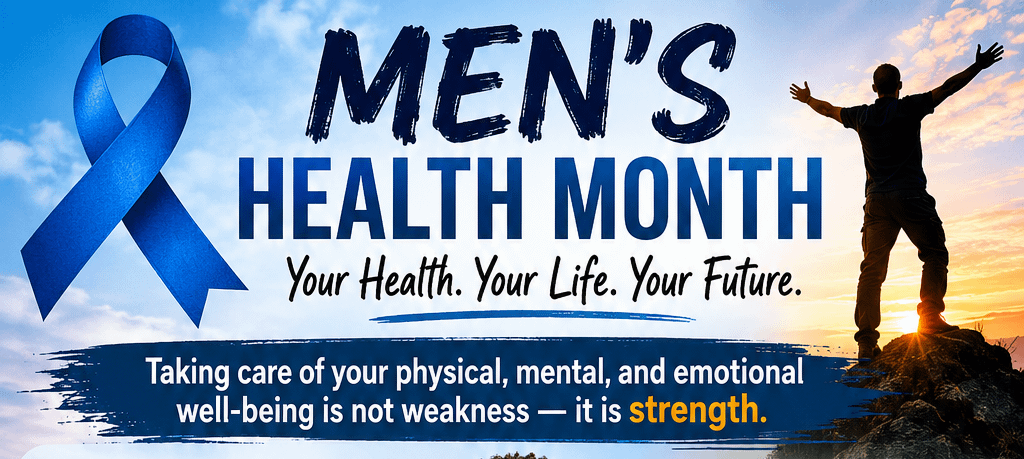
    Every June, Men’s Health Month serves as a reminder that taking care of your physical, mental, and emotional well-being is not weakness — it is responsibility. Too often, men are taught to push through pain, stay silent about struggles, and ignore warning signs in the name of toughness. But real strength comes from paying attention to your health before problems become emergencies.

    Men’s Health Month encourages men of all ages to focus on prevention, healthy habits, regular checkups, and honest conversations about mental and emotional wellness. It is about living longer, healthier, and more meaningful lives for yourself and for the people who depend on you.

    Why Men’s Health Matters

    Statistics continue to show that men are less likely than women to visit doctors regularly, seek mental health support, or talk openly about emotional struggles. Many wait until symptoms become severe before asking for help. Unfortunately, this delay can lead to serious health complications that might have been prevented or treated earlier.

    Heart disease, high blood pressure, diabetes, obesity, depression, and certain cancers continue to impact millions of men each year. Stress, poor sleep, unhealthy diets, lack of exercise, and emotional isolation also contribute to declining health and quality of life.

    Men’s Health Month shines a light on these issues while encouraging men to take small but important steps toward improvement.

    Physical Health Is More Than Appearance

    Good health is not about trying to look perfect. It is about feeling stronger, moving better, having energy, and protecting your future. Taking care of your body can start with simple daily habits such as:

    Drinking more water
    Getting regular exercise
    Eating balanced meals
    Prioritizing sleep
    Managing stress
    Scheduling routine medical checkups
    Reducing alcohol and tobacco use

    Even small lifestyle changes can create long-term benefits. Walking daily, stretching, improving nutrition, or getting better sleep can significantly improve overall health over time.

    Mental Health Deserves Equal Attention

    One of the most important conversations during Men’s Health Month is mental health. Many men carry emotional pain quietly because they fear judgment or believe they must handle everything alone. Stress, grief, anxiety, depression, loneliness, and burnout can affect anyone regardless of age or background.

    Mental health struggles are not signs of weakness. Speaking openly, seeking support, and allowing yourself to heal takes courage.

    Checking in on friends, family members, fathers, brothers, coworkers, and neighbors can make a real difference. Sometimes a simple conversation can help someone feel less alone during a difficult season of life.

    Preventive Care Saves Lives

    Preventive care remains one of the most overlooked areas of men’s health. Routine screenings and doctor visits can catch serious conditions early when treatment is often most effective.

    Men are encouraged to stay informed about:

    Blood pressure
    Cholesterol levels
    Blood sugar
    Heart health
    Prostate health
    Colon cancer screenings
    Skin checks
    Mental health evaluations

    Knowing your numbers and paying attention to changes in your body can save your life.

    Breaking the Silence

    For generations, many men were raised to “tough it out” and hide pain behind silence. But silence often leads to suffering in isolation. Men’s Health Month challenges outdated ideas about masculinity by reminding men that asking for help is one of the strongest things a person can do.

    Health is not just about surviving. It is about being present for your family, your friends, your goals, and your future. It is about giving yourself permission to heal, rest, grow, and live fully.

    Final Thoughts

    Men’s Health Month is more than a campaign — it is a reminder that every man matters. Your health matters. Your mental well-being matters. Your future matters.

    Whether you begin by scheduling a checkup, taking a walk, talking to someone you trust, or simply slowing down long enough to care for yourself, every step counts.

    Strong men are not the ones who ignore pain.
    Strong men are the ones who face it, manage it, and continue moving forward with courage, honesty, and purpose.

    Read More Holidays & National Days

  • National Dairy Month: Celebrating the Farmers, Families, and Foods That Bring Us Together

    National Dairy Month: Celebrating the Farmers, Families, and Foods That Bring Us Together

    Every June, Americans celebrate National Dairy Month, a time dedicated to recognizing the importance of dairy farming and the role dairy products play in our everyday lives. What began decades ago as a way to promote milk consumption during the warm summer months has evolved into a broader celebration of the hardworking dairy farmers who help feed communities nationwide.

    Dairy products remain staples in homes across the country. Milk, cheese, yogurt, butter, ice cream, and cream are ingredients that appear in countless meals, desserts, and traditions. Whether it is pouring milk over cereal, enjoying a cheeseburger at a backyard barbecue, or sharing ice cream with family on a summer evening, dairy continues to create moments that connect people together.

    The History of National Dairy Month

    National Dairy Month traces its roots back to 1937 when it was originally established as “National Milk Month.” The purpose was simple: encourage families to drink more milk during the summer when dairy production was high. Over time, the celebration expanded to honor the entire dairy industry and the many products made possible through dairy farming.

    Today, National Dairy Month recognizes not only the nutritional value of dairy foods but also the dedication of farmers who work long hours every day of the year. Dairy farming is not a seasonal job. Cows must be cared for daily, regardless of weather, holidays, or weekends. Behind every gallon of milk is a family committed to caring for animals, maintaining farms, and supporting local communities.

    Dairy’s Role in Nutrition

    Dairy products are widely known for providing important nutrients that support overall health. Milk contains calcium, protein, vitamin D, potassium, and other essential nutrients that contribute to strong bones and muscles. Yogurt provides probiotics that may support digestive health, while cheese offers protein and calcium in a convenient and flavorful form.

    For children, dairy products often play an important role in growth and development. For adults, dairy can be part of a balanced diet that supports bone health and energy. Even as dietary preferences evolve, dairy remains a major source of nutrition for millions of people worldwide.

    Supporting Local Dairy Farmers

    One of the most meaningful parts of National Dairy Month is recognizing the people behind the products. Dairy farmers often begin work before sunrise and continue long after sunset. Their days include feeding livestock, maintaining equipment, monitoring herd health, and ensuring milk quality and safety standards are met.

    Many dairy farms are family-owned operations passed down through generations. These farms support local economies by creating jobs, purchasing supplies locally, and contributing to rural communities. During National Dairy Month, many communities host farm tours, dairy festivals, milk tastings, and educational events that allow families to learn more about where their food comes from.

    Dairy in American Culture

    Few foods are as connected to comfort and tradition as dairy products. Cheese is a centerpiece of pizza nights and family dinners. Ice cream is synonymous with summer celebrations. Butter and cream help create favorite holiday recipes passed down through generations.

    Dairy products also play a major role in regional food identities across the United States. Wisconsin is famous for cheese production, while many rural communities across California, Idaho, New York, and Texas have thriving dairy industries that contribute significantly to agriculture and local business.

    Ways to Celebrate National Dairy Month

    There are many simple and enjoyable ways to celebrate National Dairy Month:

    Visit a local dairy farm or farmers market.
    Try a new cheese or yogurt flavor.
    Support local dairy producers and small businesses.
    Make homemade ice cream with family or friends.
    Learn more about sustainable dairy farming practices.
    Share favorite dairy-based recipes and meals.
    Thank local farmers for the work they do every day.

    Restaurants, schools, and grocery stores often join the celebration by featuring dairy-themed menus, promotions, and educational activities throughout June.

    Looking Toward the Future

    The dairy industry continues to evolve with advances in technology, sustainability, and animal care. Farmers are finding new ways to reduce environmental impact while improving efficiency and maintaining high-quality production standards. Modern dairy farming combines generations of agricultural tradition with innovation designed to meet the needs of future generations.

    National Dairy Month serves as a reminder that behind every meal is a network of hardworking individuals committed to feeding communities and preserving agricultural traditions. It is a celebration of nourishment, dedication, and the simple foods that continue to bring people together around the table.

    As summer begins and families gather for cookouts, vacations, and celebrations, National Dairy Month offers the perfect opportunity to appreciate the farmers, products, and traditions that make dairy such an important part of everyday life.

    Read More Holidays & National Days

  • National Zoo and Aquarium Month: Celebrating Wildlife, Conservation, and Wonder

    National Zoo and Aquarium Month: Celebrating Wildlife, Conservation, and Wonder

    Every June, National Zoo and Aquarium Month reminds us of the incredible role zoos and aquariums play in education, conservation, research, and family experiences. These places are far more than attractions—they are gateways to understanding the beauty, diversity, and fragility of life on Earth.

    From the roar of a lion to the graceful movement of a sea turtle, zoos and aquariums create unforgettable moments that inspire people of all ages to care about the natural world.

    More Than Entertainment

    Modern zoos and aquariums have evolved into centers of conservation and learning. Many organizations are deeply involved in protecting endangered species, rescuing injured animals, restoring habitats, and educating the public about environmental responsibility.

    Visitors are given the chance to see animals they may never encounter otherwise. That connection often sparks compassion and curiosity, especially in children. A single visit can inspire future veterinarians, marine biologists, wildlife photographers, conservationists, or simply people who grow up with a stronger appreciation for nature.

    Aquariums, in particular, help shine a light on the mysteries of the ocean. With much of Earth’s waters still unexplored, these institutions teach visitors about marine ecosystems, coral reefs, sharks, dolphins, jellyfish, and the importance of protecting our oceans from pollution and climate change.

    The Importance of Conservation

    Many species alive today are facing threats from habitat destruction, poaching, pollution, climate change, and human expansion. Zoos and aquariums across the world work together to protect vulnerable animals through breeding programs, scientific research, rescue operations, and public awareness campaigns.

    Some animals that once stood on the edge of extinction have been given a second chance because of conservation efforts supported by zoos and aquariums.

    These institutions also contribute to wildlife rehabilitation and rescue efforts during natural disasters, oil spills, and environmental emergencies. Their work often extends far beyond their gates and tanks.

    A Place for Families and Memories

    For many people, visits to zoos and aquariums become treasured family memories. Watching a child light up at seeing penguins for the first time or hearing the excitement during a dolphin presentation creates moments that stay with families forever.

    These experiences encourage conversations about empathy, responsibility, and caring for living creatures. They also provide an opportunity to disconnect from screens and reconnect with nature.

    Whether it is feeding giraffes, walking through a butterfly garden, touching stingrays, or standing in awe beneath a massive aquarium tunnel, these moments remind us how amazing the world truly is.

    How to Celebrate National Zoo and Aquarium Month

    There are many meaningful ways to celebrate this month:

    Visit a local zoo or aquarium
    Support wildlife conservation organizations
    Learn about endangered species
    Reduce plastic waste to help marine life
    Teach children about animal habitats and ecosystems
    Donate to rescue and rehabilitation programs
    Share educational wildlife content online
    Volunteer for environmental clean-up events

    Even small actions can make a difference in protecting the planet for future generations.

    Protecting the Future of Wildlife

    National Zoo and Aquarium Month is ultimately about awareness and responsibility. The animals we admire today depend on the choices humanity makes tomorrow.

    By supporting ethical zoos, accredited aquariums, and conservation programs, we help preserve wildlife and ecosystems around the world. We also help ensure future generations will continue to experience the wonder of seeing these incredible creatures up close.

    Nature is not separate from us—it is connected to every part of our lives. National Zoo and Aquarium Month is a reminder to appreciate that connection, protect it, and pass that respect forward.

    Because when we protect animals and oceans, we are also protecting the future of our planet.

    Read More Holidays & National Days

  • Inspiration of the Day: Chasing That Happy Man a Year From Now

    Inspiration of the Day: Chasing That Happy Man a Year From Now

    There comes a moment in life when you realize the person you are today is not necessarily the person you want to remain forever. Sometimes pain wakes us up. Sometimes heartbreak does. Sometimes exhaustion, loneliness, grief, disappointment, or failure forces us to look ahead and ask one important question:

    Who do I want to become a year from now?

    Not tomorrow.
    Not next week.
    Not when life becomes easier.
    A year from now.

    Somewhere ahead of you is a happier version of yourself. A stronger version. A calmer version. A version that sleeps better at night, smiles more naturally, and no longer carries every burden so heavily on their shoulders. That future version of you is not created by luck. He is built through daily choices, painful growth, quiet discipline, healing, and faith.

    The truth is, most people spend their lives chasing comfort while secretly hoping happiness somehow finds them along the way. But happiness is rarely something you stumble into. It is something you slowly build through the habits you create, the mindset you protect, and the people you allow into your life.

    The happy man a year from now is counting on the decisions you make today.

    He is hoping you keep going when you feel tired.

    He is hoping you stop settling for things that drain your spirit.

    He is hoping you stop talking yourself out of opportunities because of fear.

    He is hoping you finally believe you deserve peace too.

    Growth is uncomfortable because it asks you to leave behind familiar pain. Sometimes we cling to sadness because it feels safer than risking disappointment again. We stay stuck in routines that no longer serve us because change feels uncertain. But if you want to meet that happier version of yourself, you cannot keep living exactly the same way you always have.

    The next year can completely change your life.

    One year of healing can restore your confidence.
    One year of consistency can rebuild your health.
    One year of discipline can change your finances.
    One year of faith can transform your mindset.
    One year of courage can introduce you to people and opportunities that alter your entire future.

    The small things matter more than most people realize.

    Getting up when you want to quit.
    Taking the walk.
    Making the call.
    Praying through the doubt.
    Choosing kindness over bitterness.
    Learning to forgive yourself.
    Refusing to give up on your future.

    These moments seem small in real time, but they shape the man you become.

    The happy man a year from now is not perfect. He still has scars. He still remembers painful chapters. He still has difficult days. But he learned how to carry life differently. He learned how to breathe again. He learned how to stop surviving and start living.

    And maybe the most powerful part of all is this:

    That future version of yourself already exists in possibility.

    He is waiting for you to catch up to him.

    So today, take one step toward him.

    Not ten.
    Not a hundred.
    Just one.

    One healthier decision.
    One hopeful prayer.
    One honest conversation.
    One act of courage.
    One reason to believe tomorrow can be better than yesterday.

    Because a year from now, you will either thank yourself for not giving up… or wish you had started sooner.

    Start now.

    Keep chasing that happy man.

  • Medicare Fraud Prevention Week: Protecting Seniors, Protecting Healthcare

    Medicare Fraud Prevention Week: Protecting Seniors, Protecting Healthcare

    Every year, millions of Americans rely on Medicare for essential healthcare services, medications, and support. Unfortunately, scammers and dishonest providers often target Medicare beneficiaries through fraud, identity theft, and deceptive billing practices. Medicare Fraud Prevention Week serves as an important reminder that protecting your healthcare information is just as important as protecting your finances.

    Fraud against Medicare does not just impact the government—it affects taxpayers, healthcare providers, and most importantly, seniors who depend on these benefits for their well-being. Awareness and education are key to stopping these scams before they cause harm.

    What Is Medicare Fraud?

    Medicare fraud occurs when false information is intentionally used to receive unauthorized payments or benefits from Medicare. This can involve fake medical claims, stolen Medicare numbers, unnecessary medical procedures, or billing for services never provided.

    Common examples include:

    Billing Medicare for services or equipment never received
    Using someone else’s Medicare number
    Providers ordering unnecessary tests or procedures
    Offering “free” medical equipment in exchange for Medicare information
    Phone scams pretending to be Medicare representatives
    Identity theft involving Medicare cards and personal information

    Scammers often target older adults because they may trust official-sounding phone calls, mailers, or offers that appear legitimate.

    Warning Signs of Medicare Fraud

    Knowing the warning signs can help prevent fraud before it happens. Be cautious if:

    Someone asks for your Medicare number over the phone
    You receive bills for services you never used
    A provider pressures you into unnecessary treatments
    You are offered “free” medical equipment or genetic testing
    Calls threaten your benefits unless you provide information immediately
    Your Medicare statement contains unfamiliar charges

    Medicare will generally not call beneficiaries unexpectedly to request personal or financial information.

    How to Protect Yourself

    There are several simple but powerful ways to reduce your risk of becoming a victim of Medicare fraud.

    Protect Your Medicare Card

    Treat your Medicare card like a credit card. Never share your number with anyone except trusted healthcare providers.

    Review Medicare Statements

    Carefully check your Medicare Summary Notices (MSNs) and Explanation of Benefits statements for errors or suspicious charges.

    Be Cautious with Phone Calls

    Hang up on unsolicited callers requesting personal information or offering free services tied to Medicare.

    Avoid “Too Good to Be True” Offers

    Free braces, diabetic supplies, or cash incentives tied to Medicare are major red flags.

    Report Suspicious Activity

    If something feels wrong, report it immediately. Early reporting helps prevent further fraud and protects others.

    The Financial Cost of Fraud

    Healthcare fraud costs billions of dollars each year. Those losses can increase healthcare expenses, reduce available resources, and place unnecessary strain on the Medicare system. Preventing fraud helps preserve these benefits for future generations while protecting vulnerable individuals today.

    Family Members and Caregivers Play an Important Role

    Many seniors rely on family members or caregivers to help manage appointments, prescriptions, and medical paperwork. Loved ones can help by reviewing statements, monitoring unusual activity, and discussing common scams openly.

    A simple conversation about fraud awareness can prevent devastating financial or medical consequences.

    Technology and Modern Scams

    Today’s scammers use advanced tactics including fake websites, robocalls, spoofed phone numbers, and phishing emails. Fraud prevention now requires digital awareness in addition to traditional caution.

    Never click suspicious links, download unknown attachments, or provide Medicare information through unsecured websites.

    Building a Safer Healthcare Community

    Medicare Fraud Prevention Week is not only about protecting yourself—it is about protecting entire communities. Awareness campaigns, education programs, and public reporting systems all help reduce fraud and strengthen trust in healthcare systems.

    By staying informed, asking questions, and remaining cautious, individuals can become a powerful line of defense against fraud.

    Final Thoughts

    Medicare Fraud Prevention Week reminds us that awareness saves money, protects healthcare access, and safeguards vulnerable individuals from exploitation. Fraudsters rely on confusion, fear, and urgency. Knowledge, patience, and caution are the best tools for prevention.

    Protect your Medicare information, review your healthcare statements carefully, and speak up when something seems suspicious. One report can prevent countless others from becoming victims.

    Protecting Medicare starts with protecting each other.

    Read More Holidays & National Days
  • Motivation of the Day: B.E.A.S.T.

    Motivation of the Day: B.E.A.S.T.

    Some days require more than motivation.
    Some days require grit, toughness, discipline, and the willingness to keep moving forward when everything inside you wants to quit.

    That is where the mindset of B.E.A.S.T. comes in.

    B.E.A.S.T.
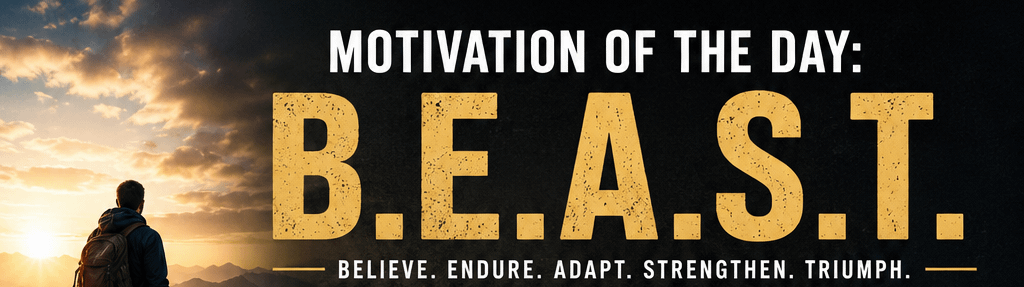
    Believe. Endure. Adapt. Strengthen. Triumph.
    Believe

    Everything begins with belief.

    Believe in your ability to overcome hard moments. Believe that setbacks are not the end of your story. Believe that growth is still possible even when life feels heavy, uncertain, or unfair.

    The people who survive difficult seasons are not always the strongest physically. They are often the ones who refuse to stop believing that tomorrow can still improve.

    Belief gives you the courage to take the next step.

    Endure

    Life will test you.

    There will be days when progress feels invisible. Days when exhaustion, grief, disappointment, stress, or loneliness try to convince you to give up. But endurance means continuing anyway.

    Real strength is often quiet.

    It is waking up and trying again.
    It is carrying pain without letting it destroy your character.
    It is continuing the journey even when the road gets steep.

    Endurance builds resilience one difficult moment at a time.

    Adapt

    Not every plan works out the way you expected.

    Sometimes life changes suddenly. Sometimes doors close. Sometimes people leave. Sometimes circumstances force you to rebuild from the ground up.

    Adapting does not mean giving up. It means learning how to move forward differently.

    The strongest people are not the ones who never face change. They are the ones who learn how to adjust without losing themselves in the process.

    Growth often begins when comfort ends.

    Strengthen

    Every challenge has the potential to make you stronger.

    Pain can sharpen wisdom. Failure can create discipline. Heartbreak can deepen compassion. Difficult seasons can reveal strengths you never knew you possessed.

    Strength is not about pretending everything is fine. It is about becoming stronger through what you survive.

    Every obstacle you overcome adds another layer to your character.

    Triumph

    Triumph is not always loud.

    Sometimes triumph is simply refusing to quit.
    Sometimes triumph is getting through another day.
    Sometimes triumph is rebuilding your life after everything fell apart.

    Victory comes in many forms.

    One day, the struggles that once felt impossible will become proof of how far you have come. The battles you are fighting today may eventually become the source of someone else’s inspiration tomorrow.

    Final Thoughts

    There is a beast inside every person who has ever faced adversity and refused to stay down.

    Feed that side of yourself today.

    Believe in your purpose.
    Endure the difficult moments.
    Adapt when life changes.
    Strengthen through every challenge.
    And eventually, triumph through perseverance.

    You are stronger than this moment.
    Keep going.

  • National CPR and AED Awareness Week: Every Second Matters

    National CPR and AED Awareness Week: Every Second Matters

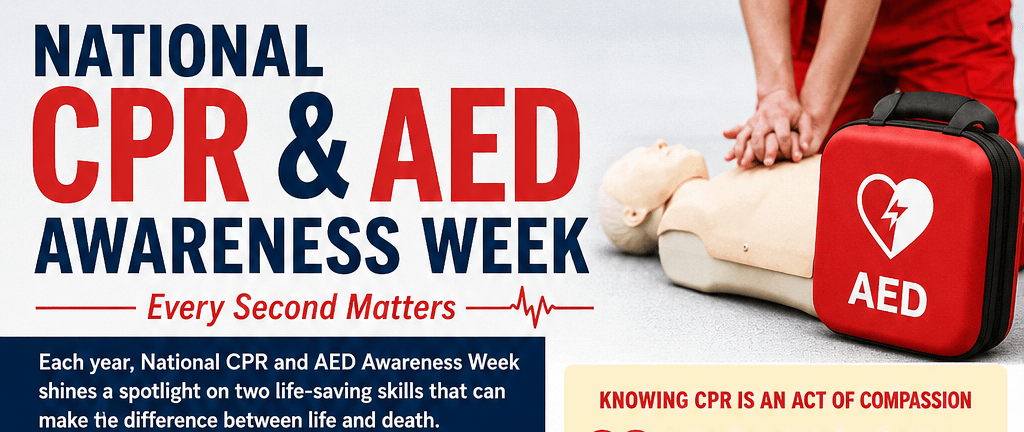
    Each year, National CPR and AED Awareness Week shines a spotlight on two life-saving skills that can make the difference between life and death: CPR (Cardiopulmonary Resuscitation) and the use of an AED (Automated External Defibrillator). This important awareness week serves as a reminder that emergencies can happen anywhere — at home, at work, at school, during sports events, or even while walking through a crowded store — and ordinary people have the power to save lives when they are prepared.

    Sudden cardiac arrest affects hundreds of thousands of people every year. It often strikes without warning, stopping the heart from pumping blood effectively to the brain and vital organs. When this happens, every second counts. Immediate CPR can help keep oxygen flowing through the body, while an AED can restore a normal heart rhythm through an electric shock. Together, these actions dramatically increase the chances of survival before emergency responders arrive.

    One of the biggest misconceptions is that CPR and AED use should only be handled by medical professionals. In reality, many lives are saved by bystanders — parents, coworkers, teachers, friends, coaches, and even strangers — who were willing to act quickly. Modern AED devices are designed with voice instructions that guide users step-by-step, making them accessible for people with little or no medical experience.

    National CPR and AED Awareness Week also highlights the importance of education and preparedness. Communities across the country use this week to host training sessions, workplace safety events, school demonstrations, and public awareness campaigns. These programs encourage people to learn basic CPR techniques, understand how AEDs work, and feel confident enough to step forward during an emergency.

    Knowing CPR is not just a skill — it is an act of compassion. It means being ready to help a loved one, neighbor, coworker, or complete stranger during one of the most critical moments of their life. Many survivors of cardiac arrest are alive today because someone nearby chose courage over fear and took action before paramedics arrived.

    Businesses, schools, churches, gyms, restaurants, and community centers are also encouraged to evaluate their emergency preparedness during this week. Having accessible AEDs, properly trained staff, and clear emergency response plans can save precious time when every moment matters. Awareness alone is important, but preparation is what truly saves lives.

    This week is also an opportunity to encourage families to talk openly about emergency situations. Children, teenagers, and adults alike can benefit from understanding what to do if someone collapses or stops breathing. Even learning how to call 911 effectively and locate an AED can make a significant impact during a crisis.

    National CPR and AED Awareness Week is ultimately about empowerment. It reminds us that saving a life is not always dependent on advanced medical equipment or years of professional training. Sometimes it begins with one person willing to step forward, remain calm, and act quickly.

    You never know whose life you may save someday — a friend, a coworker, a family member, or a stranger who becomes someone’s miracle story. Taking the time to learn CPR and AED use today could become the reason someone gets a second chance tomorrow.

    Read More Holidays & National Days
  • This Day in American History – June 1

    This Day in American History – June 1

    June 1 has marked many important moments in American history — from groundbreaking achievements in exploration and communication to moments that shaped culture, civil rights, and national identity. Across different generations, this day has reflected the innovation, struggles, courage, and resilience that continue to define the American story.

    Kentucky Becomes the 15th State – 1792

    On June 1, 1792, Kentucky officially became the 15th state admitted into the Union. Originally part of Virginia, Kentucky’s growing population and western expansion created the need for independent statehood. Known for its rolling hills, horse racing traditions, bourbon production, and frontier history, Kentucky would go on to play a major role in American agriculture, politics, and culture.

    The state also became the birthplace of one of America’s most influential presidents, Abraham Lincoln.

    The First American Spacewalk – 1965

    One of the most historic achievements in American space exploration occurred on June 1, 1965, when astronaut Edward White became the first American to walk in space during the Gemini 4 mission.

    Floating outside the spacecraft for approximately 23 minutes, White’s spacewalk represented a major milestone in the space race between the United States and the Soviet Union. The achievement demonstrated America’s growing capabilities in human spaceflight and helped pave the way for future missions, including the Apollo moon landings.

    The images of White drifting above Earth became iconic symbols of American ambition, courage, and technological progress.

    CNN Launches the 24-Hour News Era – 1980

    On June 1, 1980, CNN officially launched as the world’s first 24-hour television news network. Founded by Ted Turner, CNN changed how Americans consumed news forever.

    Before CNN, television news was largely limited to scheduled broadcasts. The network introduced around-the-clock live reporting, breaking news coverage, and instant global updates. This innovation transformed journalism and influenced media organizations around the world.

    Whether during elections, wars, natural disasters, or historic celebrations, CNN helped create the modern nonstop news cycle that continues today.

    Tennessee Williams Wins the Pulitzer Prize – 1952

    Celebrated playwright Tennessee Williams received the Pulitzer Prize for Drama on June 1, 1952, for his acclaimed work The Rose Tattoo.

    Williams became one of America’s greatest literary voices, known for emotionally powerful stories that explored human vulnerability, love, loss, and identity. His works helped shape modern American theater and inspired generations of writers and actors.

    The Beginning of Hurricane Season

    June 1 also marks the official start of the Atlantic hurricane season in the United States. For coastal communities, emergency services, and millions of Americans living near the Atlantic Ocean and Gulf Coast, this date represents preparation, awareness, and resilience.

    Over the decades, Americans have faced devastating storms while also demonstrating remarkable unity and strength during recovery efforts. Hurricane season serves as a reminder of both nature’s power and the importance of community support.

    A Day That Reflects American Progress

    Throughout history, June 1 has represented exploration, growth, innovation, and transformation. From statehood and space exploration to media revolutions and artistic achievement, the events connected to this day remind us how America continually evolves through courage, creativity, and determination.

    History is not only found in textbooks or monuments — it is built day by day through the actions of people willing to dream bigger, push boundaries, and shape the future.

    As another June 1 arrives, it offers an opportunity to reflect on how far the nation has come and how every generation contributes a new chapter to the American story.

    Read More History & Culture

  • Children’s Awareness Month: Protecting, Supporting, and Empowering Our Future

    Children’s Awareness Month: Protecting, Supporting, and Empowering Our Future

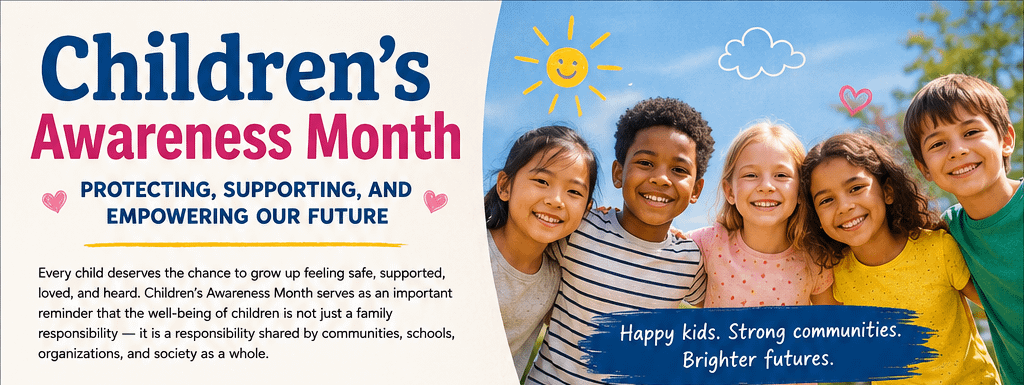
    Every child deserves the chance to grow up feeling safe, supported, loved, and heard. Children’s Awareness Month serves as an important reminder that the well-being of children is not just a family responsibility — it is a responsibility shared by communities, schools, organizations, and society as a whole.

    This month shines a spotlight on the physical, emotional, educational, and mental well-being of children while encouraging conversations about child safety, health, abuse prevention, emotional support, and equal opportunities for every child regardless of their background or circumstances.

    Why Children’s Awareness Month Matters

    Children are among the most vulnerable members of society. They rely on adults not only for basic needs but also for guidance, protection, encouragement, and emotional security. Unfortunately, many children face difficult challenges including poverty, neglect, bullying, violence, hunger, mental health struggles, and lack of access to proper education or healthcare.

    Children’s Awareness Month encourages communities to look beyond statistics and recognize the real lives affected by these issues every single day.

    It is also a time to celebrate children’s resilience, creativity, imagination, and potential. Investing in children today helps build stronger families, healthier communities, and a brighter future for generations to come.

    The Importance of Emotional Support

    One of the most overlooked needs of children is emotional support. Children may not always have the words to express anxiety, sadness, fear, or confusion. A caring conversation, a supportive adult, or simply listening without judgment can make a lasting impact on a child’s life.

    Parents, teachers, coaches, relatives, mentors, and community members all play a role in helping children feel valued and understood.

    Simple actions matter:

    Encouraging open communication
    Spending quality time together
    Praising effort and growth
    Teaching kindness and empathy
    Helping children feel safe expressing emotions
    Being present during difficult moments

    Children who feel emotionally supported are more likely to develop confidence, resilience, healthy relationships, and positive coping skills.

    Protecting Children From Harm

    Children’s Awareness Month also highlights the importance of protecting children from abuse, exploitation, neglect, and unsafe environments. Awareness and education are critical tools in prevention.

    Adults should learn to recognize warning signs that a child may need help, including:

    Sudden behavioral changes
    Withdrawal or isolation
    Fearfulness around certain individuals
    Unexplained injuries
    Declining school performance
    Anxiety, depression, or emotional distress

    Creating safe spaces where children feel comfortable speaking up can save lives and prevent long-term trauma.

    Communities can help by supporting child advocacy organizations, youth programs, mentoring initiatives, counseling services, and educational resources designed to protect and uplift children.

    Supporting Mental Health in Children

    Mental health awareness among children has become increasingly important in recent years. Many children quietly struggle with stress, anxiety, grief, trauma, loneliness, or depression.

    Children need reassurance that asking for help is a sign of strength, not weakness.

    Schools and families can help by:

    Encouraging healthy conversations about emotions
    Reducing stigma around mental health
    Providing access to counselors and support systems
    Teaching coping skills and emotional regulation
    Promoting healthy routines, sleep, exercise, and social connection

    Early support can make a tremendous difference in a child’s long-term emotional health and development.

    The Role of Community

    Strong communities create safer and healthier environments for children. Whether through volunteering, mentoring, coaching youth sports, supporting local schools, or simply being a positive role model, everyone has the ability to make a difference.

    Children thrive when they feel seen, valued, and supported by the people around them.

    This month is also a reminder to appreciate those who dedicate their lives to helping children — teachers, counselors, foster parents, healthcare workers, social workers, coaches, first responders, and countless others who advocate for children every day.

    How You Can Make a Difference

    During Children’s Awareness Month, consider taking small but meaningful actions:

    Volunteer with youth organizations
    Donate school supplies or books
    Support child advocacy programs
    Mentor a young person
    Check in on struggling families
    Encourage positive conversations with children
    Teach kindness, compassion, and respect
    Speak up when you see a child in need

    Sometimes the smallest act of care can become a turning point in a child’s life.

    Final Thoughts

    Children’s Awareness Month is ultimately about hope, compassion, and responsibility. Every child deserves the opportunity to feel safe, loved, encouraged, and empowered to pursue their dreams.

    When we protect children, support their emotional well-being, and invest in their future, we create stronger families, healthier communities, and a better world for everyone.

    The children of today are the leaders, parents, creators, and dreamers of tomorrow. The care and support we give them now can shape their lives forever.

    Read More Holidays & National Days

  • Recipe of the Day: Marry Me Chicken Orzo Casserole

    Recipe of the Day: Marry Me Chicken Orzo Casserole

    There are comfort meals, and then there are dishes so rich, creamy, and satisfying they instantly become part of your regular dinner rotation. Marry Me Chicken Orzo Casserole belongs in that second category. Inspired by the wildly popular “Marry Me Chicken” recipe known for its creamy sun-dried tomato sauce and tender chicken, this casserole version takes everything people love and turns it into a warm, baked one-pan masterpiece.

    Loaded with juicy chicken, flavorful herbs, parmesan cheese, tender orzo pasta, spinach, and a velvety garlic cream sauce, this casserole is the kind of meal that feels like a hug at the dinner table. It is hearty enough for a family dinner, impressive enough for guests, and easy enough for a weeknight meal.

    Why Is It Called “Marry Me Chicken”?

    The nickname comes from the idea that the dish is so delicious it could inspire a marriage proposal after the very first bite. Whether that is true or not, one thing is certain — the combination of creamy sauce, savory chicken, parmesan, garlic, and herbs creates a flavor profile that people instantly fall in love with.

    Turning it into a casserole with orzo makes it even better by adding a comforting baked texture and transforming the dish into a complete all-in-one meal.

    What Makes This Recipe Special?

    What separates Marry Me Chicken Orzo Casserole from other pasta bakes is the balance of flavors and textures. The orzo absorbs the creamy sauce while baking, creating a rich and almost risotto-like consistency. The sun-dried tomatoes add sweetness and tanginess, while spinach brings freshness and color to every bite.

    The result is creamy without feeling too heavy, comforting without being bland, and elegant without being complicated.

    Ingredients
    For the casserole:
    2 pounds boneless skinless chicken breasts or thighs, diced
    1 cup orzo pasta
    3 cloves garlic, minced
    1 small onion, diced
    1 cup chopped spinach
    1/2 cup sun-dried tomatoes, chopped
    2 cups chicken broth
    1 cup heavy cream
    1 cup freshly grated parmesan cheese
    1 teaspoon Italian seasoning
    1/2 teaspoon paprika
    Salt and black pepper to taste
    2 tablespoons olive oil
    1 cup shredded mozzarella cheese
    Optional garnish:
    Fresh basil
    Crushed red pepper flakes
    Extra parmesan cheese
    Directions
    Step 1: Prepare the chicken

    Preheat your oven to 375°F. In a large skillet, heat olive oil over medium heat. Season the chicken with salt, pepper, paprika, and Italian seasoning. Cook until lightly browned and mostly cooked through. Remove and set aside.

    Step 2: Build the flavor

    In the same skillet, sauté onions until softened. Add garlic and cook for about 30 seconds until fragrant. Stir in the sun-dried tomatoes and spinach, cooking until the spinach wilts.

    Step 3: Create the creamy sauce

    Pour in the chicken broth and heavy cream. Stir in parmesan cheese until melted and smooth. Add the orzo and return the chicken to the skillet.

    Step 4: Assemble the casserole

    Transfer everything into a greased baking dish. Top with mozzarella cheese and additional parmesan if desired.

    Step 5: Bake

    Bake uncovered for about 25–30 minutes, or until the orzo is tender and the top is golden and bubbly.

    Step 6: Serve

    Allow the casserole to rest for about 5 minutes before serving. Garnish with fresh basil and red pepper flakes for extra flavor.

    Perfect Pairings

    This casserole pairs wonderfully with:

    Garlic bread
    Caesar salad
    Roasted asparagus
    Steamed broccoli
    A crisp white wine or sparkling lemonade
    Tips for the Best Marry Me Chicken Orzo Casserole
    Use freshly grated parmesan

    Fresh parmesan melts better and creates a smoother sauce than pre-shredded cheese.

    Don’t overcook the chicken early

    The chicken continues cooking in the oven, so slightly undercooking it in the skillet helps keep it juicy.

    Add more vegetables

    Mushrooms, zucchini, or roasted red peppers work beautifully in this recipe.

    Make it ahead

    This casserole can be assembled ahead of time and refrigerated until ready to bake, making it perfect for busy evenings.

    Why Families Love This Recipe

    One of the best things about Marry Me Chicken Orzo Casserole is how universally loved it becomes. Kids enjoy the creamy cheesy texture, adults appreciate the bold garlic and parmesan flavors, and leftovers taste just as amazing the next day.

    It is the kind of recipe that feels homemade, comforting, and memorable all at once.

    Final Thoughts

    Marry Me Chicken Orzo Casserole is more than just another chicken dinner. It is a creamy, flavorful comfort dish packed with rich Italian-inspired ingredients that come together beautifully in one pan. Whether you are cooking for family, friends, or someone special, this recipe delivers warmth, flavor, and satisfaction with every bite.

    Some recipes simply fill you up. Others become favorites you crave again and again. This casserole definitely belongs in the second category.

    Read More Recipes