Blog

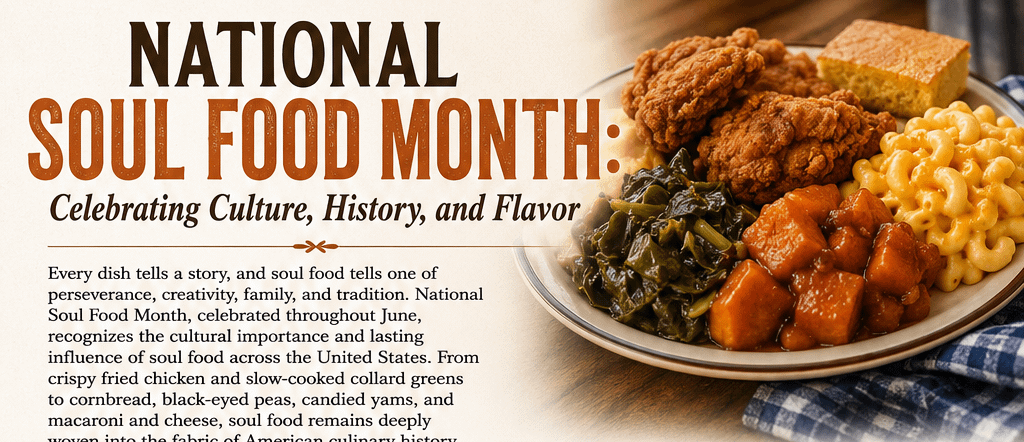
  • National Soul Food Month: Celebrating Culture, History, and Flavor

    National Soul Food Month: Celebrating Culture, History, and Flavor

    Every dish tells a story, and soul food tells one of perseverance, creativity, family, and tradition. National Soul Food Month, celebrated throughout June, recognizes the cultural importance and lasting influence of soul food across the United States. From crispy fried chicken and slow-cooked collard greens to cornbread, black-eyed peas, candied yams, and macaroni and cheese, soul food remains deeply woven into the fabric of American culinary history.

    The Origins of Soul Food

    Soul food traces its roots to the American South and the traditions of African Americans whose cooking techniques and recipes were shaped by African, Native American, and European influences. During slavery and the years that followed, African American families often had to create meals using limited and inexpensive ingredients. Through skill, seasoning, patience, and creativity, these humble ingredients were transformed into deeply flavorful and nourishing dishes.

    Many classic soul food staples emerged from this history, including:

    Fried chicken
    Catfish
    Smothered pork chops
    Hoppin’ John
    Collard greens
    Sweet potatoes
    Cornbread
    Gumbo
    Red beans and rice
    Peach cobbler
    Banana pudding

    These meals became symbols of comfort, family, and community.

    More Than Food

    Soul food is about more than what is served on the plate. It represents family reunions, Sunday dinners after church, holiday gatherings, neighborhood cookouts, and recipes handed down through generations. Many people remember grandparents standing over the stove, seasoning dishes “by feel” instead of measuring cups, creating meals filled with both flavor and love.

    For many African American families, cooking became a way to preserve heritage and pass down stories, values, and traditions. The kitchen became a place where memories were created and culture was protected.

    Soul Food’s Influence on American Cuisine

    Over the decades, soul food has influenced restaurants, chefs, and home cooking throughout the country. Southern comfort food, barbecue culture, Cajun cooking, and even modern fusion cuisine all carry elements inspired by soul food traditions.

    Today, celebrated chefs continue to honor these roots while also creating healthier and modern interpretations of classic dishes. Soul food restaurants remain popular gathering places where hospitality and community are just as important as the menu itself.

    Celebrating National Soul Food Month

    There are many ways to celebrate National Soul Food Month:

    Visit a local soul food restaurant
    Cook a family recipe at home
    Learn the history behind traditional dishes
    Support Black-owned restaurants and chefs
    Share meals with family and friends
    Teach younger generations about family recipes and traditions

    Many families also use this month to reconnect with their roots by recreating recipes that have been passed down for decades.

    Preserving Tradition for Future Generations

    As food trends change and modern lifestyles become busier, National Soul Food Month serves as an important reminder to preserve the recipes, stories, and traditions that define soul food culture. Every handwritten recipe card, every family gathering, and every shared meal helps keep these traditions alive.

    Soul food continues to evolve while still honoring its deep historical roots. It remains a celebration of resilience, culture, identity, and community — one plate at a time.

    Final Thoughts

    National Soul Food Month is a tribute to the generations who created something extraordinary out of hardship and turned cooking into an art form filled with heart and tradition. Whether enjoyed at a family table, neighborhood restaurant, or summer cookout, soul food continues to bring people together through flavor, comfort, and culture.

    This June, take time to appreciate the history behind the meals, support local soul food businesses, and celebrate the rich traditions that continue to nourish both body and soul.

    Read More Holidays & National Days

  • Your Loss When You Ignore Me

    Your Loss When You Ignore Me

    Every time you turn away,
    you lose a piece you’ll never replace.
    Not because I’m perfect,
    but because my heart was real in your space.

    I showed up with honesty,
    with loyalty you could trust.
    I carried conversations,
    while your silence gathered dust.

    You ignored the care I offered,
    the way I listened without pride.
    You overlooked the person
    who would’ve stayed right by your side.

    One day the quiet will echo,
    and you’ll notice what is gone.
    Not every soul waits forever
    after feeling unwanted for so long.

    I won’t beg to be remembered,
    or chase what refuses to see.
    But understand this clearly—
    your loss was never losing me.

    It was losing someone
    who truly cared deeply.

    Read More Poetry

  • Sometimes the Person Who’s Been There for Everyone Else Needs Someone to Be There for Them

    Sometimes the Person Who’s Been There for Everyone Else Needs Someone to Be There for Them

    There is a certain kind of exhaustion that doesn’t come from physical labor, lack of sleep, or long days at work. It comes from always being the person everyone leans on.

    The helper.
    The listener.
    The fixer.
    The encourager.
    The dependable one.

    The person who answers the phone no matter the hour. The one who checks on others first. The one who gives advice, support, comfort, and strength even while quietly fighting their own battles inside.

    People often assume that the strongest person in the room is doing just fine.

    But strength can be deceiving.

    Sometimes the person who smiles the most is hurting the deepest. Sometimes the person lifting everyone else up is barely holding themselves together. Sometimes the person who never asks for help has simply grown used to believing nobody notices when they need it.

    There are people walking through life carrying grief they never fully talk about, stress they hide behind humor, loneliness buried beneath responsibilities, and emotional exhaustion masked by kindness.

    And because they continue showing up for everyone else, people forget they are human too.

    The truth is, even the strongest hearts get tired.

    Even the people who give endless support need reassurance. Even the ones who comfort others need comfort themselves. Even the person who always says, “I’m okay,” sometimes wishes someone would look a little deeper and ask again.

    Being the dependable one can become isolating.

    You begin to feel like your purpose is to carry everyone else’s pain while keeping your own hidden. You become so focused on making sure others are alright that you stop asking yourself whether you are alright.

    And over time, that emotional weight becomes heavy.

    Not because helping others is wrong, but because nobody was meant to carry life alone.

    Support should not only flow one direction.

    The people who constantly pour into others also deserve someone willing to pour into them. They deserve someone who notices when their smile feels forced. Someone who checks in without needing a reason. Someone who listens without judgment. Someone who reminds them that they do not always have to be strong.

    Because strength is not pretending you never struggle.

    Real strength is allowing yourself to be human.

    It is admitting when you are tired. It is recognizing when your soul feels overwhelmed. It is understanding that needing support does not make you weak—it makes you real.

    Too often, society praises people for being endlessly selfless while ignoring the emotional cost that comes with constantly carrying others.

    But the caregivers need care too.
    The encouragers need encouragement too.
    The strong ones need support too.

    A simple message can matter more than you realize.

    “How are you really doing?”
    “I appreciate you.”
    “You don’t have to carry everything alone.”
    “I’m here for you too.”

    Sometimes those words reach a person who has spent far too long feeling invisible in their own pain.

    And maybe that is the reminder we all need today:

    Check on the strong friend.
    Check on the helper.
    Check on the person who never complains.
    Check on the one everyone depends on.

    Because sometimes the person who has been there for everyone else is quietly hoping someone will finally be there for them too.

    Read More Health & Wellness

  • National Iced Tea Month: Celebrating America’s Favorite Summer Refreshment

    National Iced Tea Month: Celebrating America’s Favorite Summer Refreshment

    Every June, tea lovers across the country raise a chilled glass to celebrate National Iced Tea Month, a refreshing tribute to one of America’s most beloved beverages. Whether sweetened Southern-style, infused with fresh fruit, or brewed with herbal blends, iced tea has become a timeless staple of warm-weather gatherings, backyard barbecues, front porch conversations, and relaxing summer afternoons.

    More than just a drink, iced tea represents comfort, hospitality, tradition, and creativity. National Iced Tea Month is the perfect opportunity to explore the history of iced tea, discover new flavors, and appreciate why this cool beverage continues to stand the test of time.

    The History of Iced Tea

    Tea itself has been enjoyed for thousands of years, originating in China before spreading throughout the world. However, iced tea became especially popular in the United States during the late 19th and early 20th centuries.

    One of the most famous moments in iced tea history happened during the 1904 World’s Fair in St. Louis. According to popular stories, tea merchant Richard Blechynden struggled to attract customers on a hot summer day while serving traditional hot tea. To adapt to the heat, he poured the tea over ice, creating a refreshing cold drink that quickly became a sensation.

    From that moment on, iced tea became deeply woven into American culture, especially throughout the South, where sweet tea evolved into a regional icon.

    Why Iced Tea Remains So Popular

    Part of iced tea’s lasting appeal comes from its versatility. It can be:

    Sweet or unsweetened
    Fruity or traditional
    Caffeinated or herbal
    Simple or gourmet
    Served plain or infused with mint, lemon, berries, peaches, or tropical flavors

    It’s also a beverage that brings people together. Families serve it at dinner tables, restaurants offer endless refills, and summer celebrations often include large pitchers of freshly brewed tea.

    For many people, the first sip of iced tea instantly feels like summer.

    Popular Types of Iced Tea
    Sweet Tea

    A Southern classic made with black tea and generous amounts of sugar while the tea is still hot. It’s smooth, sweet, and deeply refreshing.

    Unsweetened Tea

    Perfect for those who enjoy the natural flavor of brewed tea without added sugar.

    Arnold Palmer

    A refreshing combination of iced tea and lemonade named after legendary golfer Arnold Palmer.

    Fruit-Infused Tea

    Peach, raspberry, mango, strawberry, and watermelon iced teas continue to grow in popularity during the summer months.

    Herbal Iced Tea

    Caffeine-free blends like hibiscus, chamomile, mint, and rooibos create flavorful alternatives with unique tastes and aromas.

    Health Benefits of Tea

    Tea contains antioxidants and plant compounds that may support overall wellness. While sweetened varieties should be enjoyed in moderation, many teas offer benefits such as:

    Hydration
    Antioxidant support
    Reduced calorie alternatives to soda
    Natural flavor without artificial ingredients

    Green tea and herbal teas are especially popular among health-conscious consumers looking for refreshing beverage options.

    Fun Ways to Celebrate National Iced Tea Month

    There are countless ways to enjoy the celebration throughout June:

    Brew homemade iced tea recipes
    Try new tea blends or flavors
    Visit local tea shops and cafes
    Host an iced tea tasting party
    Make frozen tea popsicles
    Pair iced tea with summer meals and desserts
    Experiment with fresh fruit and herb infusions

    Many restaurants and beverage companies also introduce seasonal iced tea specials during the month.

    The Perfect Summer Tradition

    National Iced Tea Month reminds us that sometimes the simplest traditions are the most meaningful. A cold glass of tea on a warm afternoon can create moments of relaxation, connection, and comfort that feel timeless.

    Whether you prefer classic sweet tea, refreshing lemon tea, or creative fruit infusions, June is the perfect time to slow down, pour a glass over ice, and enjoy one of summer’s most iconic drinks.

    So this month, celebrate National Iced Tea Month by raising a glass to good conversations, warm sunshine, and the refreshing taste of summer itself.

    Read More Holidays & National Days

  • National Steakhouse Month: Celebrating America’s Love Affair with Steak

    National Steakhouse Month: Celebrating America’s Love Affair with Steak

    Every June, food lovers across the country celebrate National Steakhouse Month, a delicious tribute to one of America’s most beloved dining traditions. From sizzling ribeyes and perfectly marbled filet mignon to smoky New York strips and juicy porterhouses, steakhouses represent more than just a meal — they symbolize celebration, comfort, craftsmanship, and timeless hospitality.

    Whether you prefer an upscale dining experience with white tablecloths and wine pairings or a rustic local steakhouse with cowboy charm and grilled perfection, National Steakhouse Month is the perfect excuse to gather around the table and enjoy one of the great culinary experiences in American culture.

    The History Behind America’s Steakhouse Tradition

    The steakhouse has deep roots in American history. In the 19th century, as cattle ranching expanded across the Midwest and Texas, beef became a staple of the American diet. Chophouses and taverns began serving hearty cuts of beef to travelers, ranchers, railroad workers, and businessmen looking for filling meals after long days of work.

    By the early 1900s, legendary steakhouses were opening in major cities like New York, Chicago, and Kansas City. These establishments became known for their quality cuts, signature seasonings, strong cocktails, and unforgettable atmosphere. Over time, the American steakhouse evolved into a symbol of celebration — a place for birthdays, anniversaries, business deals, graduations, and family gatherings.

    Today, steakhouses continue to thrive because they blend tradition with flavor, offering timeless dishes that never go out of style.

    Why People Love Steakhouses

    There’s something special about walking into a steakhouse. The aroma of grilled beef, sizzling butter, garlic, and smoke instantly creates anticipation. The experience is about more than food — it’s about atmosphere, conversation, and connection.

    Steakhouses often focus on:

    Premium cuts of beef
    Expert grilling techniques
    Rich side dishes
    Signature sauces and seasonings
    Exceptional hospitality
    Classic cocktails and wine pairings

    For many people, a steak dinner represents comfort and reward. It’s a meal people look forward to and remember long after the plates are cleared.

    Popular Steak Cuts Worth Celebrating

    National Steakhouse Month is the perfect time to explore different cuts of steak and discover your personal favorite.

    Ribeye

    Known for its rich marbling and bold flavor, the ribeye is one of the most popular steaks in America. Its tenderness and juicy texture make it a steakhouse classic.

    Filet Mignon

    Tender, elegant, and lean, filet mignon is prized for its buttery texture. It’s often considered the luxury cut of steak.

    New York Strip

    A balance of tenderness and flavor, the New York strip offers a hearty bite with excellent texture and robust beef flavor.

    Porterhouse

    The king of steaks, the porterhouse combines both a strip steak and filet separated by a T-shaped bone. It’s perfect for sharing and ideal for serious steak lovers.

    T-Bone

    Similar to the porterhouse but slightly smaller, the T-bone delivers two steak experiences in one cut.

    Tomahawk Steak

    Known for its dramatic long bone presentation, the tomahawk steak has become a modern steakhouse favorite and social media sensation.

    Classic Steakhouse Side Dishes

    No steakhouse experience is complete without incredible side dishes. Some of the most iconic include:

    Garlic mashed potatoes
    Creamed spinach
    Baked potatoes loaded with butter and sour cream
    Macaroni and cheese
    Grilled asparagus
    Onion rings
    Caesar salad
    Sautéed mushrooms

    These sides complement the steak and turn a great meal into a memorable feast.

    The Art of Cooking the Perfect Steak

    Steakhouses are known for mastering the science of steak preparation. Great steaks begin with quality beef, proper seasoning, high heat, and precise timing.

    Popular steak temperatures include:

    Rare
    Medium rare
    Medium
    Medium well
    Well done

    Many chefs recommend medium rare to preserve tenderness and flavor, but the best steak is always the one cooked the way you personally enjoy it.

    Celebrating National Steakhouse Month at Home

    You don’t have to dine out to participate in National Steakhouse Month. Many people celebrate by creating their own steakhouse experience at home.

    Tips for a memorable steak night:

    Use high-quality beef
    Let the steak rest before cooking
    Season simply with salt and pepper
    Use a cast iron skillet or hot grill
    Let the steak rest after cooking
    Pair with your favorite sides and drinks

    Add candles, music, or a backyard grill setup to recreate the steakhouse atmosphere right at home.

    Supporting Local Steakhouses

    National Steakhouse Month is also a great opportunity to support local restaurants and family-owned establishments. Independent steakhouses often bring unique recipes, regional flavors, and generations of tradition to their communities.

    Dining local helps support:

    Small business owners
    Restaurant employees
    Local ranchers and suppliers
    Community economies

    Many local steakhouses become neighborhood gathering places where memories are made for years.

    More Than Just a Meal

    At its heart, National Steakhouse Month celebrates tradition, craftsmanship, hospitality, and togetherness. A steak dinner often marks life’s biggest moments — celebrations, reunions, accomplishments, and meaningful conversations shared across the table.

    In a fast-moving world, the steakhouse experience reminds people to slow down, savor the moment, and enjoy great food with the people who matter most.

    So this June, fire up the grill, reserve a table, or gather family and friends for a meal worth celebrating. National Steakhouse Month is the perfect time to appreciate one of America’s most iconic culinary traditions — one perfectly cooked steak at a time.

    Read More Holidays & National Days
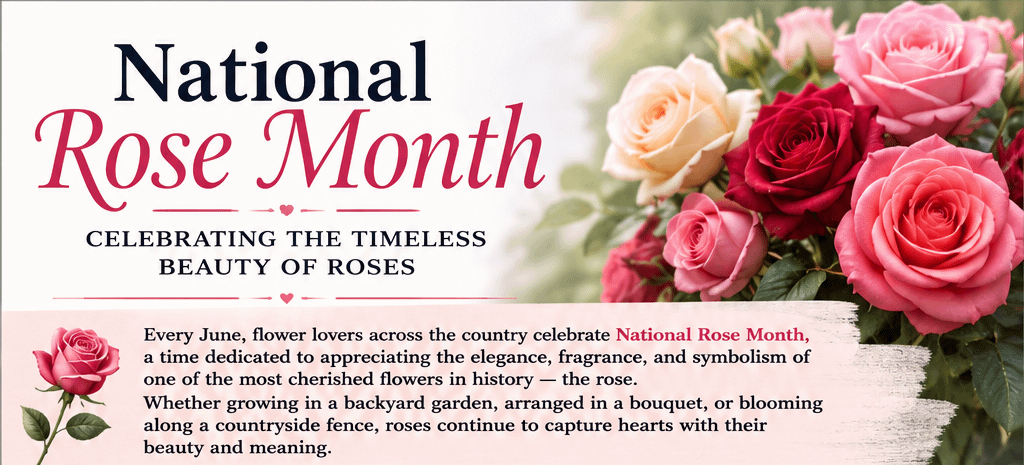
  • National Rose Month: Celebrating the Timeless Beauty of Roses

    National Rose Month: Celebrating the Timeless Beauty of Roses

    Every June, flower lovers across the country celebrate National Rose Month, a time dedicated to appreciating the elegance, fragrance, and symbolism of one of the most cherished flowers in history — the rose. Whether growing in a backyard garden, arranged in a bouquet, or blooming along a countryside fence, roses continue to capture hearts with their beauty and meaning.

    Roses have been admired for thousands of years and are often called the “queen of flowers.” Their popularity stretches across cultures, literature, art, music, and tradition. From weddings and anniversaries to memorials and celebrations, roses have become deeply connected to many of life’s most meaningful moments.

    The Meaning Behind Rose Colors

    One reason roses remain so beloved is the variety of emotions they represent through color:

    Red Roses symbolize love, passion, and deep respect.
    Pink Roses often represent admiration, gratitude, and gentleness.
    Yellow Roses stand for friendship, happiness, and positivity.
    White Roses symbolize purity, peace, and remembrance.
    Orange Roses reflect enthusiasm and excitement.
    Lavender Roses are associated with enchantment and uniqueness.

    Each color tells a story, making roses a powerful way to express feelings without words.

    A Flower with Deep Historical Roots

    Roses date back millions of years and have appeared throughout ancient civilizations, including Greece, Rome, Persia, and China. They were used in royal ceremonies, perfumes, medicine, and decorative art. Over time, roses became symbols of beauty, strength, and devotion.

    In the United States, the rose was officially named the national floral emblem in 1986. Today, countless varieties are grown worldwide, from hybrid teas and grandifloras to climbing roses and miniature blooms.

    Why National Rose Month Matters

    National Rose Month encourages people to slow down and appreciate nature’s beauty. In a fast-moving world, roses remind us to enjoy simple moments — tending a garden, smelling fresh flowers, or giving a bouquet to someone special.

    The month also highlights the importance of gardening, pollinators, and outdoor spaces that bring peace and joy to communities and families. Roses attract bees and butterflies while adding color and fragrance to parks, neighborhoods, and homes.

    Ways to Celebrate National Rose Month

    There are many meaningful ways to celebrate during June:

    Plant rose bushes in your yard or garden.
    Visit a botanical garden or rose festival.
    Gift roses to someone you appreciate.
    Learn about different rose varieties and their meanings.
    Photograph blooming roses in your community.
    Create rose-themed recipes, teas, or crafts.
    Spend time outdoors enjoying nature’s beauty.

    Even something as simple as stopping to admire a blooming rose can become a reminder to appreciate life’s small blessings.

    The Timeless Appeal of Roses

    Roses continue to inspire poets, artists, gardeners, and romantics because they represent both beauty and resilience. Despite their delicate appearance, roses thrive through changing seasons and difficult conditions, blooming again and again.

    That enduring spirit is part of why roses remain timeless. They remind us that beauty can grow through patience, care, and perseverance.

    As National Rose Month unfolds, it offers the perfect opportunity to celebrate not just flowers, but also love, kindness, remembrance, and the beauty found in everyday life. Whether in a grand garden or a single bloom on a kitchen table, roses continue to brighten hearts around the world.

    Read More Holidays & National Days
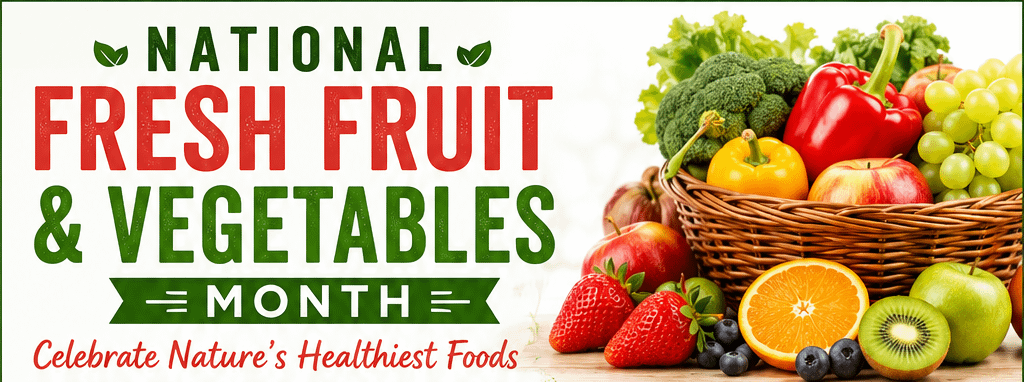
  • National Fresh Fruit and Vegetables Month: Celebrating Nature’s Healthiest Foods

    National Fresh Fruit and Vegetables Month: Celebrating Nature’s Healthiest Foods

    Every June, National Fresh Fruit and Vegetables Month encourages people across the country to enjoy the colorful, flavorful, and nutritious foods that nature provides. It is a time to appreciate the importance of healthy eating while highlighting the benefits of adding more fresh produce into everyday meals. From crisp apples and juicy berries to leafy greens and garden-fresh tomatoes, fruits and vegetables are essential to living a healthier and more energized life.

    Fresh produce is more than just food on a plate. It fuels the body with vitamins, minerals, antioxidants, and fiber that support overall wellness. Eating a variety of fruits and vegetables can help strengthen the immune system, improve digestion, support heart health, maintain healthy weight goals, and even boost mood and mental clarity. National Fresh Fruit and Vegetables Month serves as a reminder that small dietary changes can create long-lasting positive impacts on physical and emotional well-being.

    One of the best things about fresh fruits and vegetables is the incredible variety available during the summer season. June is filled with farmers markets, roadside stands, and grocery stores overflowing with seasonal favorites like strawberries, watermelon, peaches, cucumbers, zucchini, corn, and bell peppers. These foods are not only delicious, but they are often at their peak flavor and nutritional value during this time of year.

    This month is also an opportunity to support local farmers and communities. Purchasing fresh produce from local growers helps strengthen local economies while reducing the environmental impact of long-distance transportation. Farmers markets often provide fresher options than heavily processed or packaged foods, allowing consumers to enjoy produce that is harvested closer to peak ripeness.

    National Fresh Fruit and Vegetables Month is perfect for trying new recipes and healthy habits. Smoothies, salads, grilled vegetables, fruit parfaits, and homemade salsa are simple and flavorful ways to add more produce into daily meals. Families can also use this month as a chance to involve children in healthier eating by visiting farms, planting small gardens, or letting kids help prepare meals in the kitchen.

    Beyond nutrition, fresh fruits and vegetables bring color and creativity to everyday life. Bright oranges, deep greens, rich reds, and vibrant yellows make meals more visually appealing while offering a wide range of nutrients. Nutrition experts often recommend “eating the rainbow” because different colors of produce provide different health benefits.

    National Fresh Fruit and Vegetables Month also encourages people to rethink convenience and prioritize wellness. While processed foods may offer quick options, fresh produce provides natural energy without excess sugars, sodium, or unhealthy additives. Even simple choices like replacing chips with carrot sticks or drinking fruit-infused water instead of sugary sodas can make a meaningful difference over time.

    For those looking to improve their health journey, this month is an excellent starting point. Healthy eating does not have to be complicated or expensive. Simple habits such as adding fruit to breakfast, including vegetables with lunch and dinner, or choosing healthy snacks can gradually lead to lasting lifestyle improvements.

    As National Fresh Fruit and Vegetables Month is celebrated, it reminds everyone that good health often begins with simple, natural choices. By enjoying more fresh produce, supporting local agriculture, and making wellness a daily priority, people can nourish both body and mind while enjoying some of the most flavorful foods the season has to offer.

    This June, celebrate the abundance of nature by filling your plate with fresh fruits and vegetables and embracing the healthy benefits they bring to everyday life.

    Read More Holidays & National Days

  • Alzheimer’s & Brain Awareness Month: Understanding the Importance of Brain Health

    Alzheimer’s & Brain Awareness Month: Understanding the Importance of Brain Health

    Every June, Alzheimer’s & Brain Awareness Month shines a spotlight on one of the most important health challenges facing families across the world. The month is dedicated to raising awareness about Alzheimer’s disease, other forms of dementia, and the importance of maintaining brain health throughout every stage of life.

    For millions of individuals and families, Alzheimer’s is not just a medical condition — it is an emotional journey that changes relationships, routines, and everyday life. Awareness month serves as a reminder that education, compassion, research, and support matter more than ever.

    What Is Alzheimer’s Disease?

    Alzheimer’s Disease is a progressive brain disorder that slowly destroys memory, thinking skills, and the ability to carry out daily tasks. It is the most common cause of dementia, a broader term used to describe conditions involving memory loss and cognitive decline severe enough to interfere with everyday life.

    The disease gradually affects communication, reasoning, behavior, and physical functioning. In its later stages, individuals often require full-time care and support.

    Although Alzheimer’s most commonly affects older adults, it is not considered a normal part of aging.

    The Growing Impact on Families

    Alzheimer’s affects not only the person diagnosed but also spouses, children, relatives, friends, and caregivers. Families often experience emotional stress, financial strain, exhaustion, and grief while caring for someone living with dementia.

    Many caregivers devote countless hours to helping loved ones with medications, meals, appointments, personal care, and emotional comfort. The experience can be overwhelming, especially as symptoms progress over time.

    One of the hardest realities is watching memories slowly fade. Familiar faces, cherished traditions, and shared moments may become difficult for a loved one to recognize or remember. Yet even through memory loss, compassion, patience, and love continue to matter deeply.

    Common Warning Signs

    Recognizing early symptoms may help families seek medical guidance sooner. Common warning signs can include:

    Memory loss that disrupts daily life
    Difficulty completing familiar tasks
    Confusion with time or place
    Trouble finding words during conversations
    Poor judgment or decision-making
    Changes in mood or personality
    Withdrawal from social activities
    Repeating questions or stories frequently

    Experiencing occasional forgetfulness does not automatically mean someone has Alzheimer’s, but ongoing symptoms should be discussed with a healthcare professional.

    Supporting Brain Health

    While there is currently no cure for Alzheimer’s, research suggests that healthy lifestyle habits may help support overall brain health and potentially reduce cognitive decline risks.

    Healthy brain habits include:

    Staying physically active
    Eating balanced, nutritious meals
    Getting quality sleep
    Managing stress levels
    Remaining socially connected
    Challenging the mind through reading, puzzles, or learning
    Managing blood pressure, diabetes, and heart health
    Avoiding smoking and excessive alcohol use

    Small daily habits can make a meaningful difference over time.

    The Importance of Research and Awareness

    Scientists and medical researchers continue working to better understand Alzheimer’s disease, improve treatments, and search for preventive strategies and cures. Increased awareness helps encourage funding, participation in research studies, caregiver support programs, and community education.

    Awareness also helps reduce stigma. Many families quietly struggle with dementia-related challenges, often feeling isolated or misunderstood. Open conversations can help create more compassionate communities and stronger support systems.

    Ways to Participate During Alzheimer’s & Brain Awareness Month

    There are many meaningful ways people can support the cause during June:

    Wear purple, the color associated with Alzheimer’s awareness
    Share educational resources on social media
    Support caregivers in your community
    Volunteer with local organizations
    Donate to Alzheimer’s research efforts
    Check in on older relatives or neighbors
    Learn more about brain health and dementia prevention

    Even small acts of support and understanding can make a major impact for families facing Alzheimer’s.

    A Message of Compassion and Hope

    Alzheimer’s & Brain Awareness Month is ultimately about people — the parents, grandparents, spouses, siblings, and friends whose lives are touched by memory loss and cognitive decline. It is also about the caregivers who show incredible strength and dedication every day.

    Awareness creates understanding. Understanding creates compassion. And compassion helps families feel less alone in their journey.

    As research advances and awareness grows, there is hope for better treatments, improved care, and one day, a future without Alzheimer’s disease.

    Read More Holidays & National Days

  • Men’s Health Month: Strength Starts With Taking Care of Yourself

    Men’s Health Month: Strength Starts With Taking Care of Yourself

    Every June, Men’s Health Month serves as a reminder that taking care of your physical, mental, and emotional well-being is not weakness — it is responsibility. Too often, men are taught to push through pain, stay silent about struggles, and ignore warning signs in the name of toughness. But real strength comes from paying attention to your health before problems become emergencies.

    Men’s Health Month encourages men of all ages to focus on prevention, healthy habits, regular checkups, and honest conversations about mental and emotional wellness. It is about living longer, healthier, and more meaningful lives for yourself and for the people who depend on you.

    Why Men’s Health Matters

    Statistics continue to show that men are less likely than women to visit doctors regularly, seek mental health support, or talk openly about emotional struggles. Many wait until symptoms become severe before asking for help. Unfortunately, this delay can lead to serious health complications that might have been prevented or treated earlier.

    Heart disease, high blood pressure, diabetes, obesity, depression, and certain cancers continue to impact millions of men each year. Stress, poor sleep, unhealthy diets, lack of exercise, and emotional isolation also contribute to declining health and quality of life.

    Men’s Health Month shines a light on these issues while encouraging men to take small but important steps toward improvement.

    Physical Health Is More Than Appearance

    Good health is not about trying to look perfect. It is about feeling stronger, moving better, having energy, and protecting your future. Taking care of your body can start with simple daily habits such as:

    Drinking more water
    Getting regular exercise
    Eating balanced meals
    Prioritizing sleep
    Managing stress
    Scheduling routine medical checkups
    Reducing alcohol and tobacco use

    Even small lifestyle changes can create long-term benefits. Walking daily, stretching, improving nutrition, or getting better sleep can significantly improve overall health over time.

    Mental Health Deserves Equal Attention

    One of the most important conversations during Men’s Health Month is mental health. Many men carry emotional pain quietly because they fear judgment or believe they must handle everything alone. Stress, grief, anxiety, depression, loneliness, and burnout can affect anyone regardless of age or background.

    Mental health struggles are not signs of weakness. Speaking openly, seeking support, and allowing yourself to heal takes courage.

    Checking in on friends, family members, fathers, brothers, coworkers, and neighbors can make a real difference. Sometimes a simple conversation can help someone feel less alone during a difficult season of life.

    Preventive Care Saves Lives

    Preventive care remains one of the most overlooked areas of men’s health. Routine screenings and doctor visits can catch serious conditions early when treatment is often most effective.

    Men are encouraged to stay informed about:

    Blood pressure
    Cholesterol levels
    Blood sugar
    Heart health
    Prostate health
    Colon cancer screenings
    Skin checks
    Mental health evaluations

    Knowing your numbers and paying attention to changes in your body can save your life.

    Breaking the Silence

    For generations, many men were raised to “tough it out” and hide pain behind silence. But silence often leads to suffering in isolation. Men’s Health Month challenges outdated ideas about masculinity by reminding men that asking for help is one of the strongest things a person can do.

    Health is not just about surviving. It is about being present for your family, your friends, your goals, and your future. It is about giving yourself permission to heal, rest, grow, and live fully.

    Final Thoughts

    Men’s Health Month is more than a campaign — it is a reminder that every man matters. Your health matters. Your mental well-being matters. Your future matters.

    Whether you begin by scheduling a checkup, taking a walk, talking to someone you trust, or simply slowing down long enough to care for yourself, every step counts.

    Strong men are not the ones who ignore pain.
    Strong men are the ones who face it, manage it, and continue moving forward with courage, honesty, and purpose.

    Read More Holidays & National Days

  • National Dairy Month: Celebrating the Farmers, Families, and Foods That Bring Us Together

    National Dairy Month: Celebrating the Farmers, Families, and Foods That Bring Us Together

    Every June, Americans celebrate National Dairy Month, a time dedicated to recognizing the importance of dairy farming and the role dairy products play in our everyday lives. What began decades ago as a way to promote milk consumption during the warm summer months has evolved into a broader celebration of the hardworking dairy farmers who help feed communities nationwide.

    Dairy products remain staples in homes across the country. Milk, cheese, yogurt, butter, ice cream, and cream are ingredients that appear in countless meals, desserts, and traditions. Whether it is pouring milk over cereal, enjoying a cheeseburger at a backyard barbecue, or sharing ice cream with family on a summer evening, dairy continues to create moments that connect people together.

    The History of National Dairy Month

    National Dairy Month traces its roots back to 1937 when it was originally established as “National Milk Month.” The purpose was simple: encourage families to drink more milk during the summer when dairy production was high. Over time, the celebration expanded to honor the entire dairy industry and the many products made possible through dairy farming.

    Today, National Dairy Month recognizes not only the nutritional value of dairy foods but also the dedication of farmers who work long hours every day of the year. Dairy farming is not a seasonal job. Cows must be cared for daily, regardless of weather, holidays, or weekends. Behind every gallon of milk is a family committed to caring for animals, maintaining farms, and supporting local communities.

    Dairy’s Role in Nutrition

    Dairy products are widely known for providing important nutrients that support overall health. Milk contains calcium, protein, vitamin D, potassium, and other essential nutrients that contribute to strong bones and muscles. Yogurt provides probiotics that may support digestive health, while cheese offers protein and calcium in a convenient and flavorful form.

    For children, dairy products often play an important role in growth and development. For adults, dairy can be part of a balanced diet that supports bone health and energy. Even as dietary preferences evolve, dairy remains a major source of nutrition for millions of people worldwide.

    Supporting Local Dairy Farmers

    One of the most meaningful parts of National Dairy Month is recognizing the people behind the products. Dairy farmers often begin work before sunrise and continue long after sunset. Their days include feeding livestock, maintaining equipment, monitoring herd health, and ensuring milk quality and safety standards are met.

    Many dairy farms are family-owned operations passed down through generations. These farms support local economies by creating jobs, purchasing supplies locally, and contributing to rural communities. During National Dairy Month, many communities host farm tours, dairy festivals, milk tastings, and educational events that allow families to learn more about where their food comes from.

    Dairy in American Culture

    Few foods are as connected to comfort and tradition as dairy products. Cheese is a centerpiece of pizza nights and family dinners. Ice cream is synonymous with summer celebrations. Butter and cream help create favorite holiday recipes passed down through generations.

    Dairy products also play a major role in regional food identities across the United States. Wisconsin is famous for cheese production, while many rural communities across California, Idaho, New York, and Texas have thriving dairy industries that contribute significantly to agriculture and local business.

    Ways to Celebrate National Dairy Month

    There are many simple and enjoyable ways to celebrate National Dairy Month:

    Visit a local dairy farm or farmers market.
    Try a new cheese or yogurt flavor.
    Support local dairy producers and small businesses.
    Make homemade ice cream with family or friends.
    Learn more about sustainable dairy farming practices.
    Share favorite dairy-based recipes and meals.
    Thank local farmers for the work they do every day.

    Restaurants, schools, and grocery stores often join the celebration by featuring dairy-themed menus, promotions, and educational activities throughout June.

    Looking Toward the Future

    The dairy industry continues to evolve with advances in technology, sustainability, and animal care. Farmers are finding new ways to reduce environmental impact while improving efficiency and maintaining high-quality production standards. Modern dairy farming combines generations of agricultural tradition with innovation designed to meet the needs of future generations.

    National Dairy Month serves as a reminder that behind every meal is a network of hardworking individuals committed to feeding communities and preserving agricultural traditions. It is a celebration of nourishment, dedication, and the simple foods that continue to bring people together around the table.

    As summer begins and families gather for cookouts, vacations, and celebrations, National Dairy Month offers the perfect opportunity to appreciate the farmers, products, and traditions that make dairy such an important part of everyday life.

    Read More Holidays & National Days