
Chicken fried rice is one of the easiest and most satisfying meals you can make at home. With tender chicken, fluffy rice, colorful vegetables, scrambled eggs, and savory seasonings, it is a delicious way to turn simple ingredients into a complete dinner.
However, one of the biggest challenges when making homemade chicken fried rice is preventing the rice from becoming mushy, sticky, or soggy.
If you have ever tried making fried rice only to end up with a wet, clumpy mixture instead of the fluffy, slightly crispy rice served at your favorite Chinese restaurant, you are not alone.
The good news is that making restaurant-style chicken fried rice at home is easier than you might think.
The secret to making chicken fried rice without it getting mushy is using cold, cooked rice, controlling moisture, cooking over sufficiently high heat, and avoiding overcrowding the pan.
With the right ingredients and cooking techniques, you can make flavorful chicken fried rice with perfectly separated grains every time.
Why Does Chicken Fried Rice Turn Mushy?
Before learning how to make perfect chicken fried rice, it helps to understand why the rice sometimes becomes mushy.
Fried rice should have individual grains that are tender but firm, lightly coated in seasoning, and slightly toasted from the cooking process.
When too much moisture enters the pan, the rice begins to steam instead of fry.
Several common mistakes can cause this problem.
1. Using Freshly Cooked Rice
Freshly cooked rice contains more surface moisture and is usually soft and sticky.
When you immediately add hot rice to a skillet, the grains can clump together and become even softer as they absorb additional moisture.
This is one of the most common reasons homemade fried rice becomes mushy.
2. Adding Too Much Soy Sauce
Soy sauce provides the salty, savory flavor that makes fried rice delicious.
However, adding too much can introduce excess liquid.
Instead of coating the rice with flavor, the sauce can make it wet and sticky.
3. Overcrowding the Pan
When you put too many ingredients into a small skillet, the temperature drops.
The chicken, vegetables, and rice release moisture, which becomes trapped in the crowded pan.
Instead of frying, everything begins steaming.
4. Using Vegetables With Too Much Moisture
Vegetables such as zucchini, mushrooms, and frozen mixed vegetables can release water while cooking.
If that moisture is not cooked off before adding the rice, the finished dish can become soggy.
5. Stirring Too Much
Constantly stirring rice can break some of the grains and prevent them from developing lightly toasted surfaces.
While fried rice needs frequent tossing, allowing brief contact with the hot skillet helps improve its texture.
What Is the Best Rice for Chicken Fried Rice?
Choosing the right type of rice is one of the most important steps in making chicken fried rice.
Not all rice varieties behave the same way when fried.
Long-Grain White Rice
Long-grain white rice is one of the best choices for homemade fried rice.
Its grains tend to remain separate after cooking, making it easier to achieve a fluffy texture.
It also absorbs seasonings without becoming excessively sticky when properly prepared.
Jasmine Rice
Jasmine rice is another excellent option.
It has a delicate aroma, slightly soft texture, and pleasant flavor that pairs beautifully with chicken, eggs, and vegetables.
Although jasmine rice can be somewhat sticky, properly cooked and chilled jasmine rice works very well for fried rice.
Basmati Rice
Basmati rice produces long, separate grains and a relatively light texture.
It is a good option if you prefer fried rice that is especially fluffy.
Its distinctive aroma creates a slightly different flavor profile from traditional Chinese-style fried rice.
Brown Rice
Brown rice can also be used.
It has a chewier texture and a nuttier flavor than white rice.
Because the grains are firmer, brown rice often holds up well during stir-frying.
However, it generally takes longer to cook initially.
What Rice Should You Avoid?
Short-grain rice and glutinous rice are generally less suitable when your goal is fluffy, separated fried rice.
These varieties naturally contain more sticky starch characteristics and tend to clump together.
Best overall choice: Cold, cooked long-grain white rice or jasmine rice.
Why Is Day-Old Rice Better for Fried Rice?
You have probably heard that day-old rice is the secret to restaurant-style fried rice.
There is a good reason for this recommendation.
As cooked rice cools, its starch structure changes, and the grains become firmer.
Refrigeration also helps reduce surface moisture.
This makes the rice easier to separate and less likely to turn mushy when stir-fried.
Freshly cooked rice, on the other hand, is typically softer and more likely to stick together.
How to Prepare Rice the Day Before
For the best results:
-
Cook your rice according to the package directions.
-
Avoid adding excessive water.
-
Fluff the rice gently with a fork.
-
Spread it in a shallow layer to help it cool quickly.
-
Refrigerate promptly in a covered container.
-
Use the chilled rice the following day.
For food safety, refrigerate cooked rice within two hours, or within one hour if the surrounding temperature is above 90°F. Keep it at 40°F or below.
Cooked rice can contain Bacillus cereus spores, so it should not be left sitting at room temperature overnight.
Properly refrigerated rice can generally be kept for three to four days, although next-day rice is particularly convenient for fried rice.
How Do You Make Chicken Fried Rice Without It Getting Mushy? Easy Homemade Recipe
This simple chicken fried rice recipe uses everyday ingredients and straightforward cooking techniques.
The result is tender chicken, fluffy rice, lightly crisp vegetables, and delicious savory flavor.
Recipe details
Prep time
15 minutes
Cook time
15 minutes
Servings
4
Difficulty
Easy
Ingredients
For the chicken:
-
1 pound boneless, skinless chicken breast, diced
-
1 tablespoon soy sauce
-
1 teaspoon sesame oil
-
½ teaspoon garlic powder
-
¼ teaspoon black pepper
-
1 tablespoon vegetable oil
For the fried rice:
-
4 cups cold, cooked long-grain white rice
-
2 large eggs, lightly beaten
-
1 cup frozen peas and carrots, thawed and drained
-
½ cup diced onion
-
3 green onions, sliced
-
2 cloves garlic, minced
-
2 tablespoons low-sodium soy sauce
-
1 teaspoon sesame oil
-
2 tablespoons vegetable oil, divided
-
½ teaspoon ground ginger
-
Salt and black pepper to taste
Optional additions:
-
1 teaspoon oyster sauce
-
½ cup diced bell peppers
-
½ cup cooked corn
-
A pinch of red pepper flakes
-
Additional sliced green onions for garnish
Step-by-Step Instructions
Step 1: Prepare the Rice
Start with cold, cooked rice straight from the refrigerator.
Use your fingers or a fork to gently break apart any large clumps.
You want the rice grains separated before they enter the skillet.
Avoid adding water to loosen the rice because that introduces unnecessary moisture.
If the rice feels particularly wet, spread it on a tray and let it dry briefly in the refrigerator.
Step 2: Season the Chicken
Place the diced chicken in a mixing bowl.
Add the soy sauce, sesame oil, garlic powder, and black pepper.
Toss until the chicken is evenly coated.
Allow it to sit for about five minutes while preparing the remaining ingredients.
Cutting the chicken into small, evenly sized pieces helps it cook quickly.
Step 3: Cook the Chicken
Heat one tablespoon of vegetable oil in a large skillet or wok over medium-high heat.
Add the chicken in a single layer.
Cook for approximately five to seven minutes, stirring occasionally, until browned and fully cooked.
The chicken should reach an internal temperature of 165°F.
Remove the chicken from the skillet and set it aside.
Do not leave the cooked chicken in the skillet while preparing everything else, as it may become dry.
Step 4: Scramble the Eggs
Add a small amount of the remaining vegetable oil to the skillet.
Pour in the beaten eggs.
Allow them to begin setting before gently scrambling.
Cook until the eggs are fully set, then transfer them to a plate.
Cooking the eggs separately helps prevent them from coating the rice and creating a sticky texture.
Step 5: Cook the Vegetables
Add the remaining vegetable oil to the skillet.
Place the diced onion in the pan and cook for approximately two minutes.
Add the peas, carrots, and minced garlic.
Cook for another two to three minutes, stirring occasionally.
The vegetables should be heated through, with any released moisture mostly evaporated.
This step is especially important when using frozen vegetables.
Step 6: Add the Cold Rice
Increase the heat to medium-high or high, depending on your skillet and stove.
Add the cold rice to the pan.
Spread it into an even layer.
Allow it to cook undisturbed for approximately 30 to 60 seconds before tossing.
Continue stir-frying for three to five minutes.
The rice should become hot, slightly toasted, and evenly separated.
If your skillet is small, cook the rice in two batches to avoid overcrowding.
Step 7: Add the Seasonings
Drizzle the soy sauce around the rice rather than pouring it all into one spot.
Add the sesame oil and ground ginger.
Toss everything together until the rice is evenly coated.
Use only enough sauce to flavor the rice without making it wet.
Taste before adding additional salt.
Step 8: Return the Chicken and Eggs
Add the cooked chicken and scrambled eggs back into the skillet.
Gently toss everything together.
Cook for another one to two minutes, until all ingredients are thoroughly heated.
Add the sliced green onions just before removing the skillet from the heat.
Step 9: Serve Immediately
Transfer the chicken fried rice to serving bowls or plates.
Garnish with additional green onions if desired.
Serve while hot for the best flavor and texture.
The finished fried rice should have separated grains, tender chicken, and vegetables that are cooked but not soggy.
What Is the Secret to Restaurant-Style Chicken Fried Rice?
Restaurants often use powerful burners, large woks, and carefully prepared ingredients to produce fried rice with excellent texture.
Although home kitchens usually cannot match commercial wok temperatures, several techniques can help you achieve similar results.
Use a Large Skillet or Wok
A wide cooking surface allows moisture to evaporate more efficiently.
It also gives the rice enough room to make direct contact with the hot pan.
A large carbon steel wok works particularly well on a strong burner, but a wide skillet is often easier to use on a standard home stove.
Preheat the Pan
A properly heated skillet helps the rice fry instead of steam.
Allow the pan to heat before adding oil and ingredients.
Avoid heating an empty nonstick skillet over excessively high heat, and follow the manufacturer’s temperature recommendations.
Cook Ingredients Separately
Cooking the chicken, eggs, and vegetables separately gives you more control over their textures.
It also prevents excess moisture from accumulating in the pan.
Everything can be combined at the end.
Use Small Amounts of Sauce
Restaurant-style fried rice does not require large quantities of soy sauce.
A little goes a long way.
The goal is to season the grains, not soak them.
Let the Rice Toast
Allowing the rice to sit briefly against the hot cooking surface helps create slightly crisp edges.
This provides the pleasant contrast between tender and lightly toasted grains that makes fried rice so satisfying.
Can You Make Fried Rice With Freshly Cooked Rice?
Yes, you can make chicken fried rice with freshly cooked rice, but it requires additional preparation.
Day-old rice is usually easier to work with, yet fresh rice can still produce good results when properly cooled.
How to Use Fresh Rice for Fried Rice
First, cook the rice with the correct amount of water.
Avoid overcooking it.
Once the rice finishes cooking, fluff it gently.
Spread the rice across a large baking sheet in a thin layer.
Allow the steam to escape briefly, then place the baking sheet in the refrigerator to cool the rice quickly.
After approximately 30 to 60 minutes, depending on the amount and thickness of the rice, the grains may be cool and dry enough for frying.
The rice should be thoroughly chilled rather than simply left at room temperature.
For best results, use shallow portions and refrigerate promptly.
Although the texture may differ slightly from overnight rice, this method can work when you want fried rice the same day.
Should You Rinse Rice Before Making Fried Rice?
Rinsing uncooked rice can help reduce loose surface starch.
That starch contributes to stickiness.
For many long-grain white rice varieties, rinsing before cooking can help produce more separated grains.
Place the uncooked rice in a fine-mesh strainer and rinse it under cool running water.
Gently move the rice around until the water becomes less cloudy.
Then cook it according to the package instructions, adjusting water quantities if the directions require it.
However, some enriched rice products recommend not rinsing because doing so can remove added nutrients.
Always check the package instructions.
Once the rice has been cooked and chilled, there is no need to rinse it again before frying.
How Much Soy Sauce Should You Use in Chicken Fried Rice?
One of the easiest ways to ruin the texture of chicken fried rice is adding too much liquid seasoning.
For four cups of cooked rice, start with approximately two tablespoons of soy sauce.
This provides a savory flavor without overwhelming the dish.
You can always add a little more after tasting.
If you want a richer flavor without excessive moisture, consider combining small amounts of soy sauce with garlic, ginger, and a few drops of toasted sesame oil.
Oyster sauce can also provide extra depth, but use it sparingly.
Remember that soy sauce and oyster sauce both contribute sodium.
Using low-sodium soy sauce can make seasoning easier to control.
What Vegetables Work Best in Chicken Fried Rice?
The best vegetables for chicken fried rice are those that cook quickly and do not release excessive moisture.
Peas, carrots, onions, and green onions are traditional favorites.
Other good options include diced bell peppers, corn, finely chopped broccoli, and small amounts of shredded cabbage.
When using vegetables with higher water content, cook them separately until most of their moisture evaporates.
Frozen vegetables should be thawed and drained when possible.
Adding a large amount of icy vegetables directly to the rice can lower the pan temperature and cause steaming.
For the best texture, keep the vegetable pieces relatively small and uniform.
How Do You Keep Chicken Tender in Fried Rice?
Perfect fried rice needs more than fluffy rice.
The chicken should also remain tender and juicy.
Chicken breast is a popular choice because it is lean, cooks quickly, and absorbs seasonings well.
However, it can become dry if overcooked.
To prevent this, cut the chicken into evenly sized pieces and cook it separately from the rice.
Remove it from the skillet once it reaches 165°F.
Return it during the final minutes of cooking so it can heat through without spending too much time over high heat.
Boneless, skinless chicken thighs are another excellent option.
They contain more fat than chicken breast and often remain tender during stir-frying.
Both cuts work well, so the choice depends on your preference.
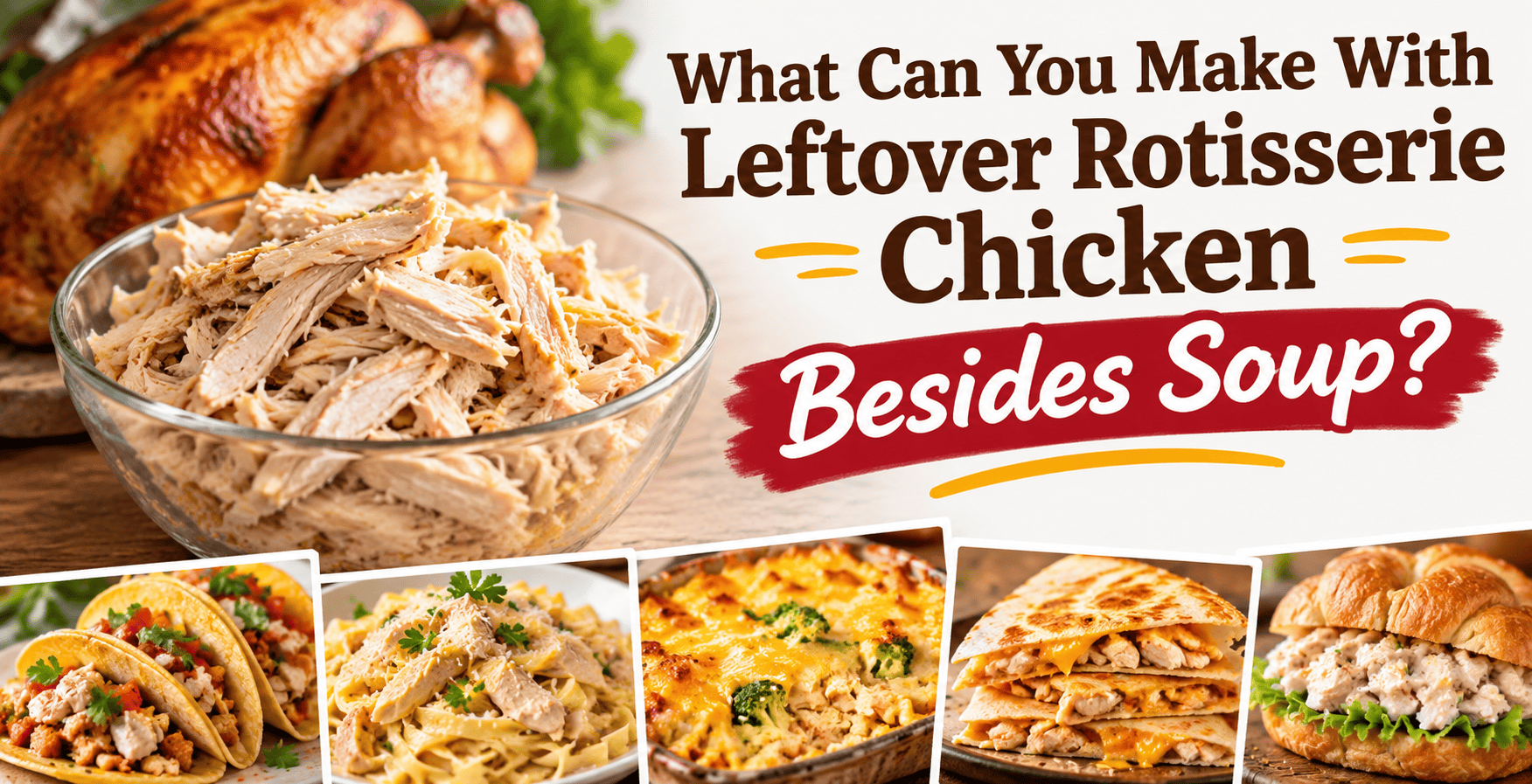
Can You Use Leftover Rotisserie Chicken for Fried Rice?
Absolutely.
Leftover rotisserie chicken is one of the easiest shortcuts for making homemade fried rice.
Because the chicken is already cooked, you can skip the raw chicken preparation and cooking steps.
Simply remove the meat from the bones and cut or shred it into bite-sized pieces.
Prepare the rice, eggs, and vegetables as usual.
Add the rotisserie chicken near the end and cook until thoroughly heated to 165°F.
Rotisserie chicken is often already seasoned, so taste the fried rice before adding extra salt or soy sauce.
This variation is especially convenient for busy weeknights.
It is also a practical way to use leftover chicken without making another soup, sandwich, or casserole.
How Do You Fix Mushy Chicken Fried Rice?
If your fried rice has already become mushy, there are a few things you can try.
Unfortunately, severely overcooked rice cannot always be restored to its original texture.
However, you may be able to improve the dish.
Spread the Rice Out
If the rice is only slightly wet, spread it into a thin layer in a large skillet.
Allow some of the excess moisture to evaporate over medium-high heat.
Avoid adding additional sauce.
Cook in Smaller Batches
Transfer half the rice to another bowl.
Fry the remaining portion until excess moisture evaporates.
Repeat with the second batch.
This gives the rice more room to fry.
Stop Stirring Constantly
Allow the rice to remain against the hot pan for short periods.
This can help dry and lightly toast some of the grains.
Be careful not to burn the rice.
Add More Properly Cooked Rice
If the dish is overly sauced but not badly overcooked, adding a small amount of cold, cooked rice may help balance the moisture and seasoning.
However, this works best when the original rice is merely wet rather than broken down and gummy.
Avoid Adding More Oil to Fix Excess Water
Extra oil does not remove moisture.
Adding too much can leave the fried rice greasy while the grains remain soft.
The better solution is to encourage evaporation and avoid further liquid additions.
Common Mistakes to Avoid When Making Chicken Fried Rice
Even experienced home cooks sometimes make mistakes when preparing fried rice.
Here are several things to watch for.
Using too much rice at once: A crowded pan traps steam and prevents proper frying.
Adding watery vegetables: Excess moisture makes the rice sticky and soft.
Cooking everything together from the beginning: Different ingredients need different cooking times.
Using too much sauce: A small amount of seasoning is usually enough.
Starting with overcooked rice: Rice that is already mushy will not improve significantly during frying.
Cooking over insufficient heat: A pan that is not hot enough encourages steaming rather than frying.
Leaving cooked rice at room temperature too long: Improper cooling can create food safety risks.
Avoiding these mistakes makes a noticeable difference in both flavor and texture.
Can You Make Chicken Fried Rice Ahead of Time?
Chicken fried rice can be prepared ahead of time, making it a convenient option for meal planning.
However, the texture is generally best immediately after cooking.
If you want to prepare ingredients in advance, consider cooking the rice the day before and storing it in the refrigerator.
You can also chop the vegetables and prepare the chicken ahead of time.
Store raw chicken separately from ready-to-eat ingredients to prevent cross-contamination.
When you are ready to eat, the cooking process takes approximately 15 minutes.
If you prefer to cook the entire dish in advance, refrigerate it promptly in shallow, covered containers.
Use refrigerated leftovers within three to four days.
How Do You Reheat Chicken Fried Rice Without Making It Mushy?
Reheating chicken fried rice correctly is important because adding too much water can ruin its texture.
Reheating in a Skillet
The skillet method is one of the best ways to preserve the texture.
Heat a small amount of oil in a skillet over medium-high heat.
Add the refrigerated fried rice and spread it evenly.
Stir-fry until the rice is thoroughly heated.
If the rice seems dry, add only a very small splash of water if necessary.
The goal is to warm the rice without steaming it excessively.
Reheating in the Microwave
Place the fried rice in a microwave-safe dish.
Cover it loosely with a microwave-safe lid.
Heat in short intervals, stirring between each interval to distribute heat evenly.
Avoid adding large amounts of water.
Reheat leftovers to an internal temperature of 165°F.
For the best quality and food safety, reheat only the portion you plan to eat rather than repeatedly heating and cooling the same batch.
Can You Freeze Chicken Fried Rice?
Yes, chicken fried rice freezes well when properly prepared and stored.
Allow the cooked fried rice to cool quickly, then divide it into individual portions.
Transfer the portions into freezer-safe containers or resealable freezer bags.
Remove as much excess air as practical.
Label each container with the date.
For best quality, use frozen chicken fried rice within approximately two to three months.
When ready to eat, reheat it from frozen or thaw it safely in the refrigerator.
Heat it thoroughly to 165°F before serving.
Freezing may slightly change the rice texture, but properly prepared fried rice usually reheats well.
What Can You Serve With Chicken Fried Rice?
Chicken fried rice is a complete meal on its own because it contains protein, carbohydrates, and vegetables.
However, it also pairs well with several side dishes.
Popular choices include steamed broccoli, stir-fried green beans, sautéed bok choy, cucumber salad, egg rolls, and Asian-style cabbage slaw.
For a lighter meal, serve smaller portions of fried rice alongside additional vegetables.
If you want a more substantial dinner, pair it with garlic shrimp, teriyaki chicken, or another stir-fried protein.
Because fried rice is already flavorful, simple side dishes often provide the best balance.
Frequently Asked Questions About Chicken Fried Rice
Why Is My Fried Rice Sticky Instead of Fluffy?
Fried rice becomes sticky when the rice contains too much moisture, has excess surface starch, or is overcooked.
Using chilled long-grain rice, avoiding excess sauce, and cooking in smaller batches can help keep the grains separated.
Do You Have to Use Cold Rice for Fried Rice?
Cold rice is strongly recommended but not absolutely required.
Fresh rice can work if it is properly cooked, spread out, and chilled before frying.
Cold rice is generally easier to handle because the grains are firmer.
Is Butter or Oil Better for Chicken Fried Rice?
Neutral cooking oils such as vegetable, canola, or avocado oil are practical choices for frying.
Butter adds flavor but can brown or burn more easily at high temperatures.
You can use a little butter toward the end of cooking for additional richness.
Why Does Restaurant Fried Rice Taste Better?
Restaurant fried rice often benefits from high cooking temperatures, efficient moisture evaporation, well-prepared rice, and balanced seasonings.
Some restaurants also use flavorful oils, aromatics, and savory sauces.
Home cooks can achieve excellent results by focusing on these same principles.
Should You Cook Chicken Before Adding It to Fried Rice?
Yes, cooking the chicken separately is generally the easiest method.
It allows you to confirm that the chicken is fully cooked while preventing the rice from becoming overcooked.
Can You Make Chicken Fried Rice Without Eggs?
Yes.
Simply omit the eggs and follow the remaining recipe.
You can add extra vegetables or chicken if desired.
How Do You Make Fried Rice Crispy?
Use cold rice, a hot skillet, and enough cooking space.
Spread the rice into a thin layer and allow it to cook briefly without stirring.
This encourages some grains to develop lightly toasted surfaces.
How Long Should You Fry Rice?
Once the chicken, eggs, and vegetables are prepared, the rice usually needs approximately three to five minutes of stir-frying, followed by another one to two minutes after combining the ingredients.
The exact cooking time depends on the quantity of rice, skillet size, and heat level.
Final Thoughts: How Do You Make Perfect Chicken Fried Rice Every Time?
Making chicken fried rice without it getting mushy comes down to a few simple but important techniques.
Start with properly cooked, chilled rice. Choose long-grain white rice or jasmine rice for the best balance of flavor and texture.
Use a large skillet or wok, keep the heat sufficiently high, and avoid overcrowding the cooking surface.
Cook the chicken, eggs, and vegetables separately so that each ingredient develops the right texture.
Add soy sauce gradually, and avoid introducing unnecessary moisture.
Most importantly, give the rice enough direct contact with the hot skillet to fry rather than steam.
With these techniques, you can transform leftover rice and simple ingredients into a delicious homemade dinner that rivals your favorite takeout.
The key to perfect chicken fried rice is not using more ingredients or complicated seasonings. It is controlling moisture, using the right rice, and cooking everything in the proper order.
Once you master those basics, fluffy, flavorful chicken fried rice can become one of the easiest and most reliable meals in your weekly dinner rotation.

Leave a Reply