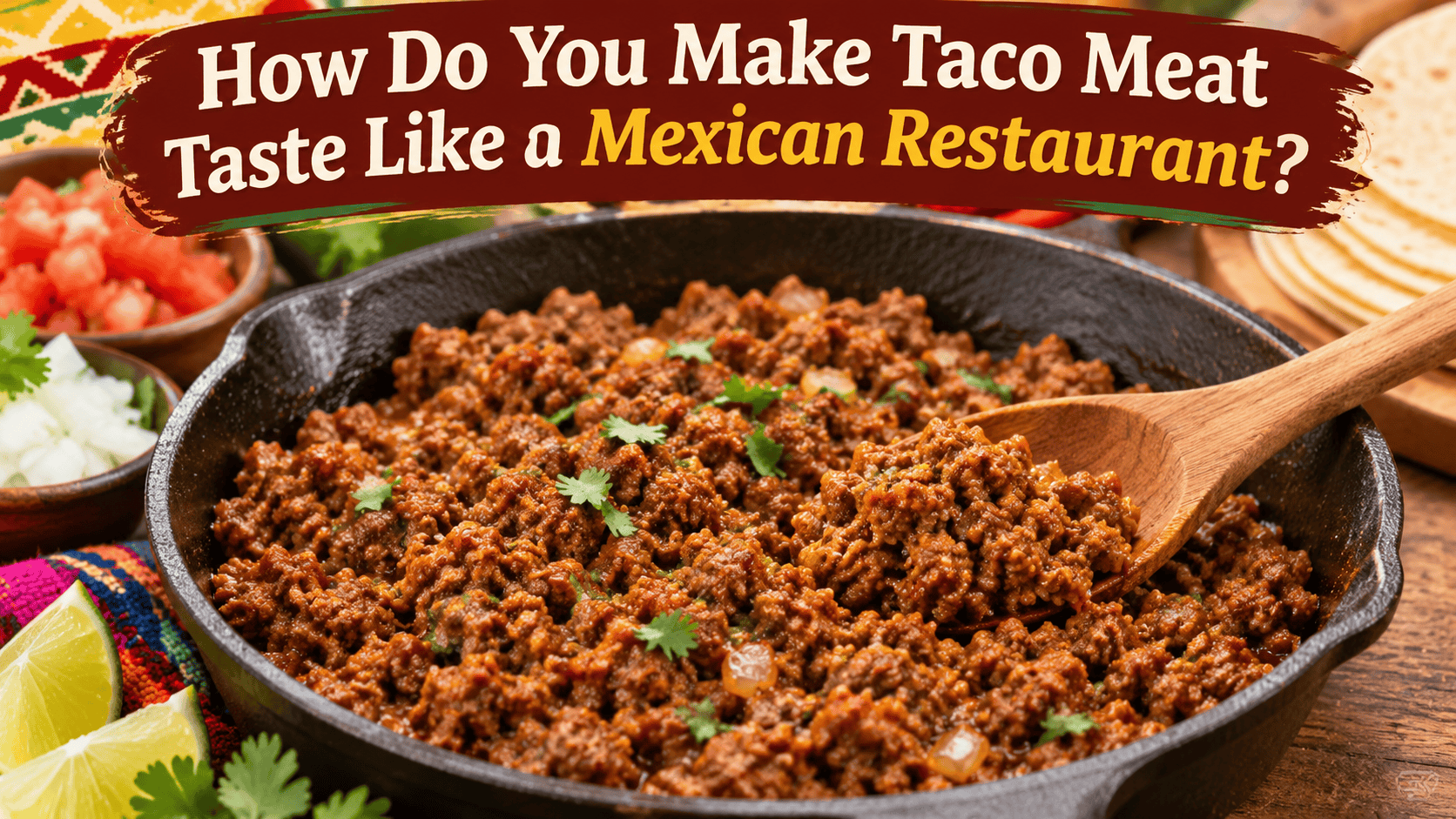
There is something special about the flavor of taco meat served at your favorite Mexican restaurant. The beef is tender, juicy, perfectly seasoned, and packed with rich flavors that seem difficult to recreate at home. Whether it is served inside a crispy taco shell, wrapped in a warm flour tortilla, or piled onto a plate of nachos, restaurant-style taco meat has a distinctive taste that makes every bite satisfying.
If you have ever made tacos at home and wondered why your ground beef does not taste quite like the meat from a Mexican restaurant, you are not alone. Many home cooks struggle to achieve the same balance of spices, moisture, texture, and depth of flavor.
The good news is that making restaurant-style taco meat at home is easier than you might think. The secret is not necessarily using expensive ingredients or complicated cooking techniques. Instead, it comes down to choosing the right beef, using a balanced combination of seasonings, properly browning the meat, and allowing everything to simmer together.
In this guide, you will learn how to make taco meat taste like a Mexican restaurant, which ingredients create the best flavor, common mistakes to avoid, and how to prepare delicious homemade taco meat that your family will want again and again.
What Makes Mexican Restaurant Taco Meat Taste Different?
Restaurant-style taco meat often tastes different from homemade taco meat because of the way it is seasoned, cooked, and prepared.
Many Mexican-American restaurants use a combination of ground beef, spices, broth, and aromatics to create a flavorful filling. Other Mexican restaurants and taquerias specialize in meats such as carne asada, carnitas, birria, or slow-cooked beef rather than seasoned ground beef.
For the familiar Mexican-American restaurant-style ground beef filling, several factors contribute to its flavor.
Balanced seasonings: Restaurants often combine chili powder, cumin, garlic, onion, oregano, and other spices rather than relying on one seasoning.
Proper browning: Cooking the beef until it develops browned bits creates a deeper, savory flavor.
Moisture: Adding broth or water helps distribute the seasonings and prevents the meat from becoming dry.
Slow simmering: Allowing the seasoned beef to cook gently gives the flavors time to blend.
Texture: Some restaurants use finely crumbled ground beef that absorbs seasoning evenly and fits perfectly into tacos.
Understanding these differences is the first step toward making better taco meat at home.
What Is the Secret Ingredient in Restaurant-Style Taco Meat?
There is no single secret ingredient used by every Mexican restaurant. However, several ingredients can make homemade taco meat taste richer and more authentic to the style you are trying to recreate.
One particularly useful ingredient is beef broth.
Instead of adding plain water to your taco meat, beef broth provides additional savory flavor. As the meat simmers, the broth combines with the seasonings and creates a rich coating around the ground beef.
Other ingredients that can improve the flavor include tomato paste, Mexican oregano, fresh garlic, and a small amount of lime juice.
Tomato paste adds depth and mild sweetness while helping the spices cling to the meat. Mexican oregano contributes an earthy, slightly citrusy flavor that complements cumin and chili peppers.
A small squeeze of lime juice at the end can brighten the finished dish without making it taste sour.
The key is using these ingredients in moderation so that they enhance the beef rather than overpower it.
The Best Ground Beef for Restaurant-Style Taco Meat
Choosing the right ground beef makes a noticeable difference in the flavor and texture of homemade tacos.
Ground beef with some fat generally produces juicier and more flavorful taco meat than extremely lean beef.
Two common choices are 80/20 and 85/15 ground beef.
80/20 ground beef contains approximately 80% lean meat and 20% fat. It provides rich flavor and stays juicy during cooking. This is an excellent choice for restaurant-style taco meat.
85/15 ground beef contains approximately 85% lean meat and 15% fat. It offers a good balance between flavor and a slightly leaner finished dish.
Very lean ground beef, such as 93/7, can also work, but it may require additional broth to prevent dryness.
For most homemade tacos, 80/20 ground beef is a reliable option.
After browning the beef, drain excess grease if necessary, but avoid removing every bit of fat. A small amount helps carry the flavors of the spices throughout the meat.
How to Make Taco Meat Taste Like a Mexican Restaurant
Making restaurant-style taco meat requires just a few everyday ingredients and a simple cooking method.
The following recipe produces tender, flavorful ground beef that works beautifully in tacos, burritos, nachos, quesadillas, and taco salads.
Restaurant-Style Mexican Taco Meat Recipe
Prep time: 10 minutes | Cook time: 20–25 minutes | Servings: 4–6
Ingredients
-
1 pound ground beef (80/20 recommended)
-
1 small yellow onion, finely diced
-
3 cloves garlic, minced
-
2 tablespoons chili powder
-
1½ teaspoons ground cumin
-
1 teaspoon smoked paprika
-
1 teaspoon Mexican oregano
-
½ teaspoon salt, plus more to taste
-
½ teaspoon black pepper
-
¼ teaspoon cayenne pepper (optional)
-
1 tablespoon tomato paste
-
½ cup low-sodium beef broth
-
1 teaspoon fresh lime juice
-
1 tablespoon olive oil, if needed
-
1 tablespoon masa harina (optional, for thickening)
Step-by-Step Instructions
Step 1: Heat the skillet
Place a large skillet over medium-high heat. If using lean ground beef, add a tablespoon of olive oil. For 80/20 ground beef, additional oil is usually unnecessary.
Allow the skillet to become hot before adding the meat.
Step 2: Brown the ground beef
Add the ground beef to the skillet and spread it into an even layer.
Let it cook undisturbed for approximately 2–3 minutes to develop a browned surface.
Break the meat into smaller pieces using a wooden spoon or spatula. Continue cooking until the beef is fully browned.
Drain excess grease if needed.
Step 3: Add the onion and garlic
Add the diced onion to the browned beef and cook for approximately 3–4 minutes, stirring occasionally.
Once the onion begins to soften, add the minced garlic and cook for another 30 seconds.
The onion adds mild sweetness while the garlic contributes a rich, savory aroma.
Step 4: Add the seasonings
Sprinkle the chili powder, cumin, smoked paprika, oregano, salt, black pepper, and optional cayenne pepper over the beef.
Stir thoroughly to distribute the seasonings evenly.
Cook for approximately 30–60 seconds, stirring constantly.
This brief cooking process helps release the aromatic compounds in the spices, creating a deeper flavor.
Step 5: Stir in the tomato paste
Add one tablespoon of tomato paste and stir until the meat is evenly coated.
Cook for another minute.
Tomato paste adds a subtle richness and helps create the flavorful coating commonly associated with Mexican-American restaurant taco meat.
Step 6: Add beef broth
Pour in ½ cup of beef broth and stir to combine.
Reduce the heat to medium-low and allow the meat to simmer gently for approximately 8–10 minutes.
Stir occasionally to prevent sticking.
As the liquid reduces, the seasonings will coat the beef and create a moist, flavorful filling.
Step 7: Adjust the texture
If the meat appears too dry, add a small splash of broth.
If the mixture contains too much liquid, continue simmering uncovered until it reaches your preferred consistency.
For a thicker, more cohesive restaurant-style filling, sprinkle in one tablespoon of masa harina while stirring and simmer for another 2–3 minutes. Add a splash of broth if it becomes too thick.
Step 8: Finish with lime juice
Once the taco meat is fully cooked and the liquid has reduced, turn off the heat.
Stir in one teaspoon of fresh lime juice.
Taste and adjust the salt or other seasonings as needed.
Serve immediately with your favorite tortillas and toppings.
What Spices Do Mexican Restaurants Use for Taco Meat?
Seasoning is one of the most important elements of restaurant-style taco meat.
Although recipes vary between restaurants, several spices are commonly used in Mexican-American taco fillings.
Chili Powder
Chili powder provides much of the familiar taco seasoning flavor.
American-style chili powder is usually a blend of ground dried chilies and other seasonings, including cumin, garlic, and oregano.
Different brands vary in heat and flavor, so choose one that matches your preferences.
Ground Cumin
Cumin contributes a warm, earthy flavor that is strongly associated with many Tex-Mex dishes.
It complements ground beef especially well.
However, too much cumin can overwhelm the other seasonings, so use it carefully.
Garlic
Fresh garlic adds a rich, aromatic flavor that makes taco meat taste more savory.
Garlic powder can be substituted when fresh garlic is unavailable.
Onion
Onion adds sweetness and depth.
Finely diced fresh onion works particularly well because it softens during cooking and blends into the meat.
Mexican Oregano
Mexican oregano has a slightly citrusy, earthy flavor that differs from Mediterranean oregano.
It complements chili peppers, cumin, and garlic.
If Mexican oregano is unavailable, regular oregano can be used in smaller quantities.
Smoked Paprika
Smoked paprika adds a gentle smoky flavor.
It is not necessary for every taco recipe, but it can make homemade ground beef taste richer.
Cayenne Pepper
Cayenne pepper adds heat.
Use a small amount for mild taco meat or increase it gradually if you prefer a spicier filling.
Why Does Restaurant Taco Meat Have a Finer Texture?
One noticeable difference between homemade taco meat and some restaurant taco fillings is the texture.
Restaurant-style ground beef is often finely crumbled, soft, and evenly coated in seasoning.
At home, ground beef sometimes cooks into large chunks that do not absorb the seasonings as evenly.
To achieve a finer texture, break the beef into small pieces while it cooks.
A potato masher can help create a more uniform crumble.
For an especially fine, soft filling, add a little broth after browning and continue breaking up the beef as it simmers.
Avoid turning the meat into a paste. The goal is a tender, finely crumbled texture that still has the character of ground beef.
Should You Add Water or Beef Broth to Taco Meat?
Both water and beef broth can be used to prepare taco meat, but they produce slightly different results.
Water helps distribute the seasonings and keeps the meat moist during simmering.
Beef broth performs the same function while contributing additional savory flavor.
For a richer restaurant-style filling, low-sodium beef broth is often the better choice.
Low-sodium broth also allows you to control the salt level more easily.
Start with approximately ½ cup of liquid for every pound of ground beef.
You can add more if necessary, but avoid using so much that the filling becomes soupy.
The finished taco meat should be moist and flavorful without excessive liquid collecting at the bottom of the skillet.
How Do You Make Taco Meat More Flavorful?
If your homemade taco meat tastes bland, several simple changes can improve it.
Brown the Beef Properly
One of the biggest mistakes home cooks make is constantly stirring the meat as soon as it enters the skillet.
Allowing the beef to sit briefly against the hot cooking surface encourages browning.
This creates a richer flavor through the Maillard reaction, the chemical process responsible for many of the savory aromas associated with browned meat.
Toast the Spices
Adding spices directly to the cooked beef and allowing them to heat briefly helps develop their aroma.
Be careful not to burn them.
Approximately 30–60 seconds is usually enough before adding liquid.
Use Fresh Seasonings
Ground spices gradually lose their flavor over time.
If your chili powder or cumin has been sitting in the pantry for several years, replacing it may noticeably improve your tacos.
Add Enough Salt
Salt enhances the natural flavor of the beef and helps bring the other ingredients together.
Taste the meat after simmering and adjust gradually.
Let the Meat Simmer
Giving the seasonings time to blend with the beef creates a more balanced flavor.
Even 8–10 minutes of gentle simmering can make a difference.
Finish With Something Fresh
A small squeeze of lime juice, chopped cilantro, or fresh diced onion can brighten the finished dish.
These ingredients help balance the richness of the beef.
Do Mexican Restaurants Use Taco Seasoning Packets?
Some restaurants may use prepared seasoning blends, but there is no universal practice.
Many kitchens create their own spice mixtures or season meat using individual ingredients.
Commercial taco seasoning packets can produce tasty results, but they vary in salt content, spice balance, and added thickeners.
Making your own seasoning gives you more control over the final flavor.
You can adjust the amount of cumin, garlic, chili powder, and heat to match the style of tacos you enjoy.
Homemade seasoning is also easy to prepare in larger batches and store for future meals.
How to Make Homemade Taco Seasoning
If you frequently prepare tacos, keeping a homemade seasoning blend in your pantry can save time.
Homemade Taco Seasoning Ingredients
-
3 tablespoons chili powder
-
2 teaspoons ground cumin
-
2 teaspoons smoked paprika
-
1 teaspoon garlic powder
-
1 teaspoon onion powder
-
1 teaspoon Mexican oregano
-
½ teaspoon black pepper
-
¼ teaspoon cayenne pepper (optional)
Combine all the ingredients in a small bowl and mix thoroughly.
Transfer the seasoning to an airtight container and store it in a cool, dry location.
For one pound of ground beef, start with approximately 2 tablespoons of the seasoning blend.
Add salt separately to taste.
You can increase the seasoning gradually depending on how strongly flavored you prefer your taco meat.
How Do You Make Taco Meat Taste Like a Taqueria?
If you want taco meat that tastes more like the beef served at a traditional Mexican taqueria, the preparation may be different.
Many taquerias serve chopped or shredded beef rather than the seasoned ground beef commonly found in Mexican-American restaurants.
Popular examples include carne asada, barbacoa, birria, and suadero.
These meats have distinct flavors and cooking methods.
Carne asada is typically grilled beef that is sliced or chopped before serving.
Barbacoa is generally slow-cooked until tender and can be seasoned with dried chilies, garlic, and other aromatics.
Birria is often prepared using a richly seasoned chili-based cooking liquid.
If you are specifically trying to recreate street tacos from a taqueria, using the appropriate cut of beef and cooking method may be more important than adding traditional ground beef taco seasoning.
For classic restaurant-style ground beef tacos, however, the skillet recipe provided earlier is an excellent starting point.
Common Mistakes That Make Homemade Taco Meat Taste Bland
Even a good recipe can produce disappointing results when certain cooking mistakes occur.
Using Too Little Seasoning
Ground beef needs enough seasoning to develop a bold flavor.
A light sprinkle of chili powder and cumin may not be sufficient for an entire pound of meat.
Use a balanced seasoning mixture and adjust after tasting.
Skipping the Browning Process
Cooking ground beef over low heat from the beginning can cause it to release moisture and steam rather than brown.
Browning the meat first creates more savory flavor.
Adding Too Much Water
Excess water can dilute the seasoning and leave the filling watery.
Use enough liquid to keep the meat moist, then simmer until the sauce reduces.
Not Simmering Long Enough
Serving the meat immediately after adding the spices can result in uneven seasoning.
Allow the mixture to simmer briefly so the flavors can combine.
Using Extremely Lean Beef Without Enough Moisture
Very lean ground beef can become dry.
If using lean beef, add broth as needed and avoid overcooking.
Forgetting to Taste Before Serving
Different chili powders, broths, and brands of ground beef can affect the final flavor.
Always taste the finished meat and adjust the seasoning.
How Do You Keep Taco Meat Moist and Juicy?
Moisture is essential for creating tender restaurant-style taco meat.
One effective method is to simmer the beef with a small amount of broth after browning.
This allows the meat to absorb some of the flavorful liquid while the remaining liquid forms a light coating.
Another important factor is avoiding excessive cooking.
Ground beef should reach a safe internal temperature of 160°F, but continuing to cook it aggressively after it is done can dry it out.
Once the meat is browned and safely cooked, reduce the heat and simmer gently with the seasonings and broth.
If preparing taco meat ahead of time, reserve a small amount of broth to stir into the meat when reheating.
This helps restore moisture and keeps the filling from becoming crumbly.
Can You Make Restaurant-Style Taco Meat in a Slow Cooker?
Yes, restaurant-style taco meat can be prepared using a slow cooker.
However, browning the beef in a skillet first is recommended for the best flavor and texture.
After browning, drain excess grease and transfer the meat to the slow cooker.
Add the onion, garlic, seasonings, tomato paste, and approximately ¼–½ cup of beef broth.
Stir thoroughly.
Cover and cook on low for approximately 2–3 hours, allowing the flavors to combine.
Because the beef is already cooked, the slow cooker is primarily being used to blend the seasonings and keep the meat warm.
Avoid adding excessive liquid because slow cookers retain moisture.
If the finished meat is too watery, transfer it to a skillet and simmer until the liquid reduces.
Can You Make Taco Meat Ahead of Time?
Restaurant-style taco meat is an excellent make-ahead meal because it reheats well.
In fact, some people find that the flavor becomes more balanced after the seasonings have had time to settle.
Prepare the taco meat according to the recipe and allow it to cool promptly.
Transfer it to an airtight container and refrigerate within two hours of cooking.
Properly refrigerated cooked ground beef generally keeps for 3–4 days.
For longer storage, freeze it in airtight containers or freezer-safe bags.
For best quality, use frozen cooked taco meat within approximately 2–3 months.
When reheating, add a splash of beef broth or water and warm the meat thoroughly to 165°F.
Stir occasionally to ensure even heating.
What Are the Best Toppings for Restaurant-Style Tacos?
Once you have prepared flavorful taco meat, choosing the right toppings can make your homemade tacos even better.
For Mexican-American restaurant-style tacos, popular toppings include shredded lettuce, diced tomatoes, shredded cheese, sour cream, salsa, and guacamole.
For a street-taco-inspired presentation, try finely diced white onion, fresh cilantro, lime wedges, and salsa verde.
Warm corn tortillas are especially popular for street-style tacos, while flour tortillas work well for soft tacos and burritos.
If using corn tortillas, warming them in a dry skillet can improve their flavor and flexibility.
For crispy tacos, fill the shells just before serving to prevent them from becoming soggy.
The best toppings are the ones that complement the meat without hiding its flavor.
What Can You Make With Leftover Taco Meat?
One of the biggest advantages of preparing restaurant-style taco meat is its versatility.
Leftover taco meat can be used in many different meals beyond traditional tacos.
Burritos: Wrap the beef with rice, beans, cheese, and salsa inside a warm flour tortilla.
Nachos: Spread tortilla chips on a baking sheet, add taco meat and cheese, and bake until the cheese melts.
Quesadillas: Place seasoned beef and shredded cheese between tortillas and cook until golden and crispy.
Taco salads: Serve the meat over lettuce with tomatoes, avocado, cheese, and your favorite dressing.
Loaded baked potatoes: Spoon warm taco meat over baked potatoes and finish with cheese and sour cream.
Taco bowls: Combine taco meat with rice, black beans, vegetables, and salsa.
Stuffed peppers: Mix the meat with cooked rice and cheese, stuff it into bell peppers, and bake until tender.
Preparing a double batch of taco meat can make weeknight dinners much easier.
Frequently Asked Questions
Why does Mexican restaurant taco meat taste better than homemade?
Restaurant taco meat often benefits from balanced seasonings, proper browning, sufficient moisture, and time for the flavors to combine. Some restaurants also use recipes that have been refined over many years.
What gives taco meat its authentic Mexican flavor?
There is no single authentic Mexican taco meat flavor because Mexican cuisine includes many regional preparations. Common ingredients include dried chilies, garlic, onion, cumin in some dishes, oregano, and fresh herbs. The meat and cooking technique also make a major difference.
How much taco seasoning should you use per pound of beef?
Start with approximately 2 tablespoons of homemade taco seasoning per pound of ground beef. Adjust according to the strength of your spices and personal preference.
Should you season ground beef before or after browning?
For this restaurant-style ground beef recipe, brown the beef first and then add the seasonings. This allows the meat to develop flavor through browning before the spices are incorporated.
What can you add to taco meat to make it taste richer?
Beef broth, tomato paste, fresh garlic, and properly toasted spices can add depth. A small amount of beef fat also helps create a satisfying flavor.
How do you make taco meat less greasy?
Use 85/15 ground beef or drain excess fat after browning. Leave just enough fat to help distribute the seasonings and keep the meat flavorful.
Can you use ground turkey instead of ground beef?
Yes. Ground turkey can be prepared using the same seasonings, but it generally has a lighter flavor. Adding a little olive oil, tomato paste, and broth can help create a richer filling. Cook ground turkey to 165°F.
Why is my taco meat dry?
Dry taco meat is often caused by using very lean beef, overcooking, or not adding enough moisture. A small amount of beef broth and gentle simmering can help improve the texture.
Final Thoughts: How Do You Make Taco Meat Taste Like a Mexican Restaurant?
Making taco meat taste like a Mexican restaurant is all about developing flavor through simple ingredients and proper cooking techniques.
Start with good-quality ground beef, brown it properly, and season it with a balanced mixture of chili powder, cumin, garlic, onion, and oregano. Add tomato paste and beef broth for richness, then allow the mixture to simmer until the meat becomes tender, juicy, and evenly coated in seasoning.
Pay attention to the texture, avoid adding too much liquid, and taste the meat before serving.
You do not need complicated ingredients or professional kitchen equipment to make delicious restaurant-style taco meat at home.
With the right combination of spices, moisture, and cooking time, you can transform an ordinary pound of ground beef into a flavorful taco filling that rivals your favorite Mexican-American restaurant.
Whether you are preparing a quick weeknight dinner, hosting Taco Tuesday, or feeding a crowd, this homemade taco meat recipe delivers the rich, savory flavor that makes restaurant-style tacos so satisfying.



Leave a Reply