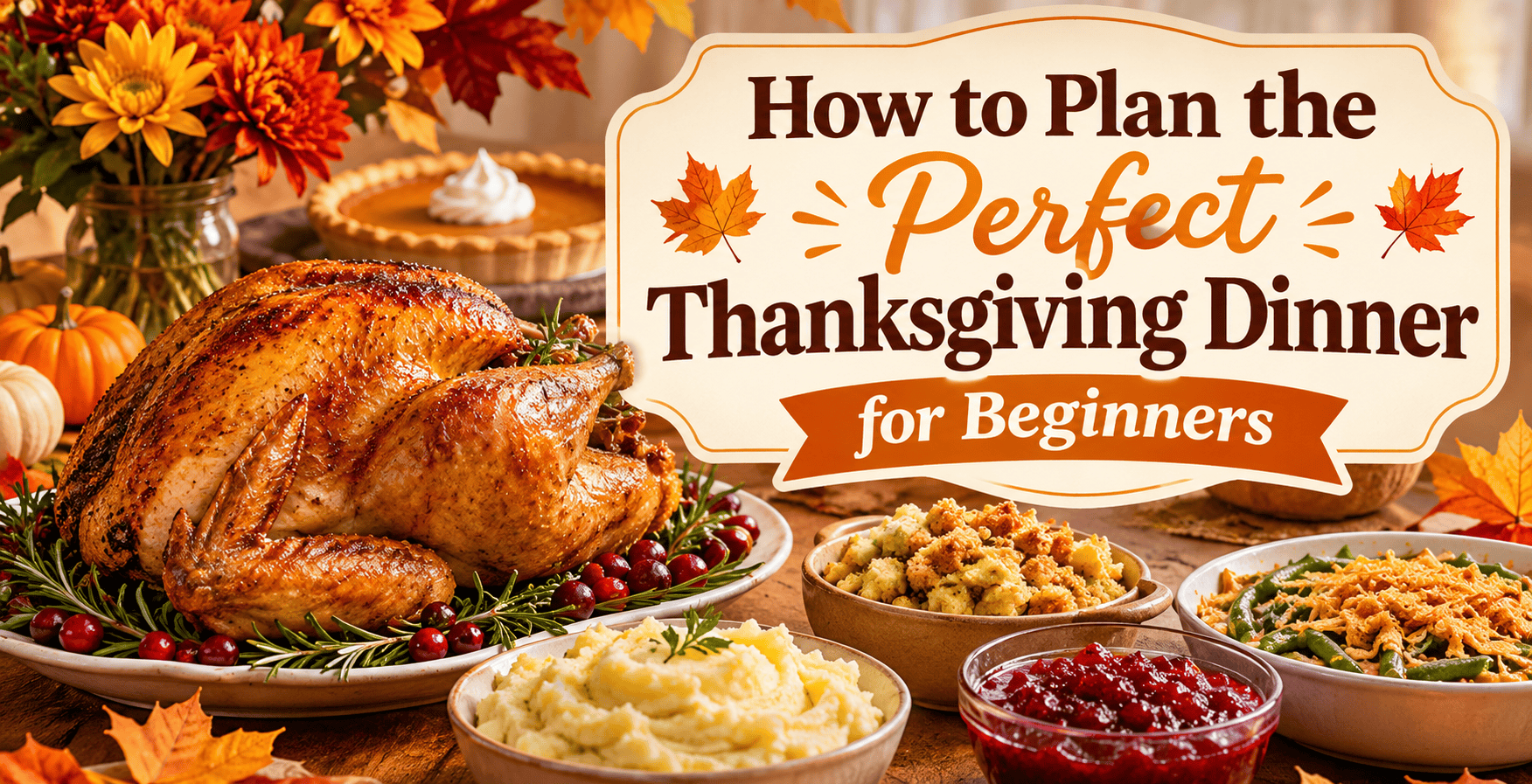
Thanksgiving is one of the most anticipated holidays of the year, bringing family and friends together around a table filled with delicious food, meaningful traditions, and unforgettable memories. However, if you are hosting Thanksgiving dinner for the first time, the thought of preparing an entire holiday meal can feel overwhelming.
From choosing the perfect turkey to coordinating side dishes, preparing desserts, and making sure everything is ready at the same time, there are plenty of details to consider.
The good news is that planning a Thanksgiving dinner does not have to be stressful, expensive, or complicated. With a little organization, a simple menu, and a realistic cooking schedule, even a complete beginner can prepare a wonderful holiday meal.
Whether you are hosting a small Thanksgiving gathering or preparing dinner for a larger family celebration, this beginner-friendly guide will walk you through everything you need to know.
1. Start Planning Your Thanksgiving Dinner Early
One of the biggest mistakes first-time Thanksgiving hosts make is waiting until the last minute to start planning.
Thanksgiving dinner involves several dishes, different cooking temperatures, and ingredients that may sell out as the holiday approaches.
Starting your preparations one to two weeks before Thanksgiving gives you plenty of time to organize everything.
What to do two weeks before Thanksgiving
-
Decide how many people you will invite.
-
Ask guests about food allergies and dietary restrictions.
-
Determine your Thanksgiving dinner budget.
-
Choose your main course and side dishes.
-
Check your kitchen equipment and serving dishes.
-
Decide whether guests will bring anything.
-
Make a preliminary grocery shopping list.
You do not need to prepare everything yourself. Thanksgiving is about spending time together, not proving that you can cook an entire feast without assistance.
If someone offers to bring a dessert, appetizer, or side dish, accepting their help can make your holiday much easier.
2. Decide How Many People You Are Feeding
Before choosing recipes or buying groceries, determine how many guests will attend Thanksgiving dinner.
The number of people you are feeding affects everything from the size of your turkey to the amount of mashed potatoes you need.
For beginners, a smaller Thanksgiving gathering is usually easier to manage.
Simple Thanksgiving serving guide
| Food | Suggested amount per person |
|---|---|
| Whole turkey | 1–1½ pounds raw, bone-in |
| Mashed potatoes | ½–¾ cup |
| Stuffing | ½–¾ cup |
| Green bean casserole | ½ cup |
| Cranberry sauce | ¼ cup |
| Dinner rolls | 1–2 rolls |
| Gravy | ¼ cup |
| Pumpkin pie | 1 slice |
These estimates are flexible. If your guests enjoy leftovers, consider preparing slightly larger portions.
For example, if you are hosting eight people, a 10- to 12-pound turkey is generally a reasonable choice.
Remember that a whole turkey includes bones, so its total weight does not represent the amount of edible meat.
3. Create a Simple Thanksgiving Dinner Menu
When planning your first Thanksgiving dinner, resist the temptation to prepare every traditional holiday dish.
A smaller menu with delicious, well-prepared food is better than an enormous menu that leaves you exhausted.
A beginner-friendly Thanksgiving dinner should include one main dish, three or four sides, bread, and one or two desserts.
Easy Thanksgiving dinner menu for beginners
Main course
– Oven-roasted turkey
Side dishes
-
Creamy mashed potatoes
-
Classic stuffing
-
Green bean casserole
-
Sweet potato casserole
-
Homemade or prepared turkey gravy
-
Cranberry sauce
Bread
– Soft dinner rolls with butter
Desserts
-
Pumpkin pie
-
Apple pie
Drinks
-
Sparkling apple cider
-
Iced tea
-
Water
-
Coffee
This menu provides the traditional flavors people associate with Thanksgiving without requiring complicated cooking techniques.
You can simplify it further by purchasing prepared rolls, cranberry sauce, or pies.
4. Set a Realistic Thanksgiving Dinner Budget
Thanksgiving dinner does not need to cost a fortune.
Planning your budget before shopping helps prevent unnecessary spending and reduces the temptation to purchase ingredients you will never use.
For a gathering of six to eight people, a reasonable starting budget might be $80 to $150, depending on local grocery prices, your menu, and ingredients already available at home.
Example Thanksgiving dinner budget
| Item | Estimated cost |
|---|---|
| Turkey | $20–$35 |
| Potatoes and ingredients | $8–$12 |
| Stuffing | $5–$10 |
| Green bean casserole | $8–$12 |
| Sweet potato casserole | $8–$15 |
| Gravy and cranberry sauce | $5–$10 |
| Dinner rolls | $4–$7 |
| Desserts | $12–$20 |
| Drinks | $5–$10 |
These are illustrative estimates rather than current store prices.
Ways to save money on Thanksgiving dinner
Buy store-brand ingredients whenever possible. Compare turkey promotions at different grocery stores, use seasonal vegetables, and choose recipes that share ingredients.
You can also prepare homemade dishes instead of purchasing expensive prepared foods, although some convenient store-bought items may be worth the time savings.
Another excellent option is organizing a Thanksgiving potluck, where each guest contributes one dish.
5. Choose the Right Turkey for Your Thanksgiving Dinner
For many families, turkey is the centerpiece of Thanksgiving dinner.
However, cooking a turkey can seem intimidating if you have never prepared one before.
Fortunately, roasting a turkey is easier than many beginners expect.
How much turkey should you buy?
A general guideline is to purchase approximately 1 to 1½ pounds of whole turkey per person.
For example:
-
4 guests: 6–8 pounds
-
6 guests: 8–10 pounds
-
8 guests: 10–12 pounds
-
10 guests: 12–15 pounds
-
12 guests: 14–18 pounds
For smaller gatherings, a turkey breast may be more practical than an entire turkey.
Fresh turkey vs. frozen turkey
Fresh turkey requires less advance preparation because you do not need to thaw it.
Frozen turkey is often convenient and can be purchased well before Thanksgiving, but it must be thawed safely.
Allow approximately 24 hours of refrigerator thawing for every 4 to 5 pounds of turkey, with the refrigerator at 40°F or below.
A 12-pound turkey generally requires about three days to thaw in the refrigerator. Allow additional time if needed, and never thaw a turkey on the kitchen counter.
6. Learn How to Roast a Thanksgiving Turkey
You do not need an elaborate recipe to make a flavorful Thanksgiving turkey.
A simple combination of butter or olive oil, herbs, and seasonings can produce delicious results.
Ingredients
-
1 whole turkey, approximately 10–12 pounds
-
½ cup softened butter
-
2 teaspoons garlic powder
-
2 teaspoons onion powder
-
1 teaspoon dried thyme
-
1 teaspoon dried rosemary
-
Black pepper to taste
-
Salt as appropriate for the turkey’s labeling
-
1 onion, quartered
-
1 lemon, halved
-
Fresh herbs, optional
Instructions
-
Preheat your oven to 325°F.
-
Remove the turkey packaging, neck, and giblets.
-
Pat the turkey dry with paper towels. Do not rinse raw turkey.
-
Mix softened butter with garlic powder, onion powder, thyme, rosemary, salt, and pepper.
-
Rub the seasoned butter over the turkey, including beneath the breast skin if possible.
-
Place the onion, lemon, and optional herbs loosely inside the cavity for flavor.
-
Position the turkey breast-side up on a rack in a roasting pan.
-
Roast until the thickest part of the breast, innermost thigh, and innermost wing reach 165°F, checking with a food thermometer and avoiding bones.
-
Remove the turkey from the oven and allow it to rest for approximately 20–30 minutes before carving.
A 10- to 12-pound unstuffed turkey may take approximately 2¾ to 3 hours at 325°F, but cooking time varies. Always rely on internal temperature rather than the clock.
For beginners, cooking stuffing separately is easier and helps avoid the additional food-safety challenges of stuffing a whole turkey.
7. Choose Easy Thanksgiving Side Dishes
Thanksgiving side dishes are just as important as the turkey.
The best beginner-friendly sides use simple ingredients and require minimal preparation.
Creamy mashed potatoes
Mashed potatoes are one of the easiest Thanksgiving dishes.
Peel and chop potatoes, boil until tender, then mash with butter, warm milk, salt, and pepper.
For additional flavor, add roasted garlic, sour cream, or cream cheese.
Classic stuffing
Traditional stuffing combines bread cubes, onions, celery, butter, broth, and herbs.
Using a prepared stuffing mix is perfectly acceptable for your first Thanksgiving dinner.
You can enhance its flavor with sautéed onions, celery, and fresh herbs.
Green bean casserole
Green bean casserole is another excellent beginner recipe.
Combine cooked or canned green beans with condensed cream of mushroom soup and a little milk.
Bake until hot and bubbling, then add crispy fried onions near the end of cooking.
Sweet potato casserole
Sweet potato casserole adds a comforting sweetness to the Thanksgiving table.
Mash cooked sweet potatoes with butter, cinnamon, and a little brown sugar.
Top with chopped pecans or marshmallows before baking.
Cranberry sauce
Cranberry sauce provides a tart contrast to the rich holiday dishes.
Homemade cranberry sauce usually requires only cranberries, sugar, and water or orange juice.
Store-bought cranberry sauce is another easy option.
8. Make Thanksgiving Desserts Ahead of Time
Dessert is one of the easiest parts of Thanksgiving dinner to prepare in advance.
Instead of spending Thanksgiving morning baking pies, make your desserts the day before.
Popular Thanksgiving desserts
-
Classic pumpkin pie
-
Homemade apple pie
-
Pecan pie
-
Sweet potato pie
-
Pumpkin cheesecake
-
Apple crisp
-
Pumpkin bread
For a beginner, pumpkin pie and apple crisp are excellent choices.
Pumpkin pie can be refrigerated after baking and cooling, while apple crisp can be prepared ahead and reheated before serving.
You can also purchase bakery-made desserts if you prefer to focus on preparing the main meal.
There is nothing wrong with combining homemade and store-bought food.
9. Create a Thanksgiving Grocery Shopping List
A well-organized grocery list makes Thanksgiving shopping much easier.
Group your ingredients by grocery store department so you do not waste time walking back and forth through the store.
Thanksgiving grocery checklist
Thanksgiving shopping checklist
0 of 30
Meat
Produce
Dairy and refrigerated
Pantry and canned goods
Bakery and desserts
Drinks and supplies
Shop for shelf-stable ingredients early, then purchase fresh produce and refrigerated items closer to Thanksgiving.
10. Follow a Simple Thanksgiving Preparation Timeline
One of the secrets to a successful Thanksgiving dinner is preparing as much as possible before the holiday.
Trying to cook every dish on Thanksgiving Day can quickly become overwhelming.
One week before Thanksgiving
Finalize your guest list, confirm the menu, purchase nonperishable groceries, and check your cooking equipment.
If using a frozen turkey, calculate when it needs to begin thawing.
Three days before Thanksgiving
Begin thawing a frozen turkey in the refrigerator if its size requires approximately three days. Larger birds need more time.
Purchase remaining groceries and make sure you have enough refrigerator space.
Two days before Thanksgiving
Prepare cranberry sauce, chop vegetables for stuffing, and organize serving dishes.
Check that your turkey is thawing properly.
One day before Thanksgiving
Bake desserts, prepare casseroles for refrigeration, and set the dining table.
Wash and prepare vegetables, organize your cooking utensils, and review the next day’s schedule.
Refrigerate perishable prepared foods promptly.
Thanksgiving Day
Focus on roasting the turkey, heating side dishes, preparing mashed potatoes, and serving dinner.
With much of the work already completed, Thanksgiving Day becomes far more manageable.
11. Use a Thanksgiving Day Cooking Schedule
Timing is one of the most challenging parts of hosting Thanksgiving dinner.
A cooking schedule helps ensure that your turkey, side dishes, and rolls are ready when everyone sits down.
Here is an example schedule for a Thanksgiving dinner served at 4:00 p.m., using a 10- to 12-pound unstuffed turkey.
| Time | Task |
|---|---|
| 10:30 a.m. | Organize ingredients and prepare turkey |
| 11:15 a.m. | Preheat oven |
| 11:30 a.m. | Put turkey in oven |
| 1:30 p.m. | Prepare potatoes and check other dishes |
| 2:00 p.m. | Begin checking turkey temperature |
| 2:30–3:00 p.m. | Target turkey finish window, if safely cooked |
| 3:00 p.m. | Rest turkey; heat prepared casseroles |
| 3:15 p.m. | Finish mashed potatoes and gravy |
| 3:30 p.m. | Warm rolls and check side dishes |
| 3:45 p.m. | Carve turkey and transfer food to serving dishes |
| 4:00 p.m. | Serve Thanksgiving dinner |
This schedule is an example, not a guarantee. Turkey cooking time and oven capacity vary, so build in extra time and adjust the side dishes around the turkey’s actual doneness.
If the turkey finishes early, keep it at a safe temperature until serving. If it runs late, prioritize safe cooking over the planned mealtime.
12. Prepare Your Thanksgiving Table the Night Before
A beautiful Thanksgiving table does not require expensive decorations.
Simple seasonal touches can create a warm, welcoming atmosphere.
Consider using a neutral tablecloth, autumn-colored napkins, small pumpkins, or a centerpiece made from seasonal greenery.
Place serving utensils next to the dishes they will be used with.
If you are hosting several people, a buffet-style setup may be easier than placing every dish on the dining table.
The most important thing is making your guests feel comfortable.
13. Avoid Common First-Time Thanksgiving Mistakes
Even experienced home cooks encounter challenges when preparing Thanksgiving dinner.
Knowing what to avoid can save beginners considerable frustration.
Trying too many new recipes
Thanksgiving is not the ideal time to experiment with ten complicated recipes.
Choose familiar ingredients and straightforward cooking methods.
Forgetting to thaw the turkey
A frozen turkey requires several days of safe thawing in the refrigerator.
Plan ahead rather than discovering on Thanksgiving morning that your turkey is still frozen.
Overcrowding the oven
Many Thanksgiving dishes require oven space.
Prepare casseroles ahead, use the stovetop for mashed potatoes, and warm dishes while the turkey rests.
Not using a food thermometer
A food thermometer is essential for determining when turkey is safely cooked.
Appearance, cooking time, and the color of the juices are not reliable substitutes.
Leaving food out too long
Refrigerate perishable Thanksgiving leftovers within two hours of serving. Keep hot foods at 140°F or above and cold foods at 40°F or below when they are being held for extended periods.
Forgetting to enjoy the holiday
A Thanksgiving dinner does not need to look like a professional food photograph.
Your guests are gathering to enjoy food and spend time together, not to judge every detail of your cooking.
14. Plan for Thanksgiving Leftovers
Thanksgiving leftovers are often just as enjoyable as the original meal.
Planning ahead ensures that extra food is stored safely and does not go to waste.
Refrigerate leftovers in shallow containers so they cool quickly.
Most cooked Thanksgiving leftovers, including turkey and stuffing, can be refrigerated for three to four days or frozen for longer storage.
Reheat leftovers to 165°F.
Easy Thanksgiving leftover ideas
-
Turkey and cranberry sandwiches
-
Turkey noodle soup
-
Turkey pot pie
-
Thanksgiving leftover casserole
-
Turkey and stuffing wraps
-
Mashed potato pancakes
-
Turkey and vegetable soup
-
Thanksgiving leftover sliders
Having storage containers ready before dinner makes cleanup easier.
15. Make Thanksgiving Dinner About Togetherness
It is easy to become so focused on cooking the perfect meal that you forget why Thanksgiving matters.
The holiday is an opportunity to gather with people you care about, share meaningful conversations, express gratitude, and create memories.
Not every Thanksgiving celebration looks the same.
Some people enjoy large family gatherings, while others prefer a quiet dinner with a few close friends. Some families celebrate with traditional turkey and stuffing, while others create their own food traditions.
For those who are missing loved ones during the holidays, Thanksgiving can also bring complicated emotions.
Leaving an empty chair, sharing a favorite memory, preparing a loved one’s favorite dish, or simply taking a quiet moment to remember them can be a meaningful part of the day.
There is no single correct way to celebrate Thanksgiving.
What matters most is creating an experience that feels comfortable, welcoming, and meaningful to the people around your table.
Frequently Asked Questions About Planning Thanksgiving Dinner
How far in advance should I start planning Thanksgiving dinner?
Ideally, begin planning one to two weeks before Thanksgiving. This provides enough time to choose recipes, organize groceries, and create a cooking schedule.
What is the easiest Thanksgiving dinner for beginners?
An easy Thanksgiving menu includes roasted turkey breast, mashed potatoes, prepared stuffing, green bean casserole, cranberry sauce, dinner rolls, and pumpkin pie.
This menu provides traditional Thanksgiving flavors without requiring an excessive amount of cooking.
How much food should I prepare for eight people?
For eight guests, consider a 10- to 12-pound whole turkey, approximately 4–6 cups each of mashed potatoes and stuffing, several cups of vegetables, eight to sixteen dinner rolls, and two pies.
Adjust quantities according to your guests’ appetites and whether you want leftovers.
What Thanksgiving dishes can I make the day before?
Pumpkin pie, cranberry sauce, many casseroles, chopped vegetables, and stuffing components can be prepared in advance.
Store prepared foods safely in the refrigerator until they are ready to be cooked or reheated.
What should I do if I do not have enough oven space?
Use your stovetop for potatoes, prepare cold dishes in advance, and heat casseroles after the turkey comes out of the oven.
A slow cooker can also help keep properly heated dishes warm.
Is it okay to buy prepared Thanksgiving food?
Absolutely. Store-bought pies, dinner rolls, stuffing mixes, and cranberry sauce can save time and make hosting much easier.
A successful Thanksgiving dinner is not determined by how many dishes you prepare from scratch.
How do I keep Thanksgiving dinner from becoming stressful?
Keep your menu simple, plan ahead, prepare dishes early, accept help from guests, and create a realistic cooking schedule.
Most importantly, allow yourself some flexibility when things do not go exactly as planned.
Final Thoughts: Your First Thanksgiving Dinner Does Not Have to Be Perfect
Planning your first Thanksgiving dinner may seem intimidating, but it becomes much easier when you break the process into manageable steps.
Start early, choose a simple menu, establish a realistic budget, and organize your grocery shopping. Prepare dishes ahead whenever possible and follow a cooking schedule that allows enough time for your turkey and side dishes.
Remember that Thanksgiving is not a competition to see who can prepare the most elaborate meal.
The best Thanksgiving dinners are often the ones filled with laughter, meaningful conversations, familiar flavors, and the comfort of being together.
Whether you are cooking for two people or hosting a table full of family and friends, the goal is the same: create a welcoming celebration where everyone feels appreciated.
Your turkey might not look exactly like the one in a cookbook. Your mashed potatoes might have a few lumps. You might even forget to put the cranberry sauce on the table until halfway through dinner.
And that is perfectly fine.
Because years from now, the people who shared Thanksgiving with you are far more likely to remember how they felt around your table than whether every dish turned out perfectly.
What is the one Thanksgiving dish you believe every holiday dinner should have?


Leave a Reply