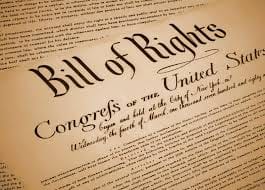
On September 25, 1789, the United States Congress took a historic step in shaping the nation’s future by passing the Bill of Rights. These first ten amendments to the U.S. Constitution were designed to safeguard individual liberties and protect citizens from government overreach, ensuring that the newly formed nation would remain rooted in freedom and justice.
The Bill of Rights was born out of compromise. During the Constitutional Convention, many delegates worried that the original Constitution lacked explicit protections for personal freedoms. Anti-Federalists, in particular, feared that without such guarantees, the federal government could grow too powerful and infringe on the rights of the people. Federalists, while initially hesitant, agreed that adding amendments would strengthen public trust in the new government.
James Madison, often called the “Father of the Constitution,” took the lead in drafting these amendments. Drawing inspiration from earlier documents like the Magna Carta, the English Bill of Rights, and state constitutions, Madison compiled a set of protections that reflected the values and demands of the American people.
The ten amendments that became known as the Bill of Rights guaranteed essential freedoms—such as freedom of speech, press, and religion—as well as protections like the right to bear arms, trial by jury, and safeguards against unreasonable searches and cruel punishments. Together, they became a cornerstone of American democracy.
Though passed by Congress in 1789, the amendments still required ratification by the states. This process concluded on December 15, 1791, when Virginia became the final state needed to approve them. From that day forward, the Bill of Rights has stood as a shield for individual liberty, guiding courts, lawmakers, and citizens through more than two centuries of challenges and change.
The passage of the Bill of Rights not only secured vital protections but also reinforced the principle that government derives its power from the consent of the governed. More than 230 years later, these amendments remain a defining feature of American identity—reminders that liberty, once won, must always be guarded.
Read More Holidays & National Days
Leave a Reply