Category: Uncategorized

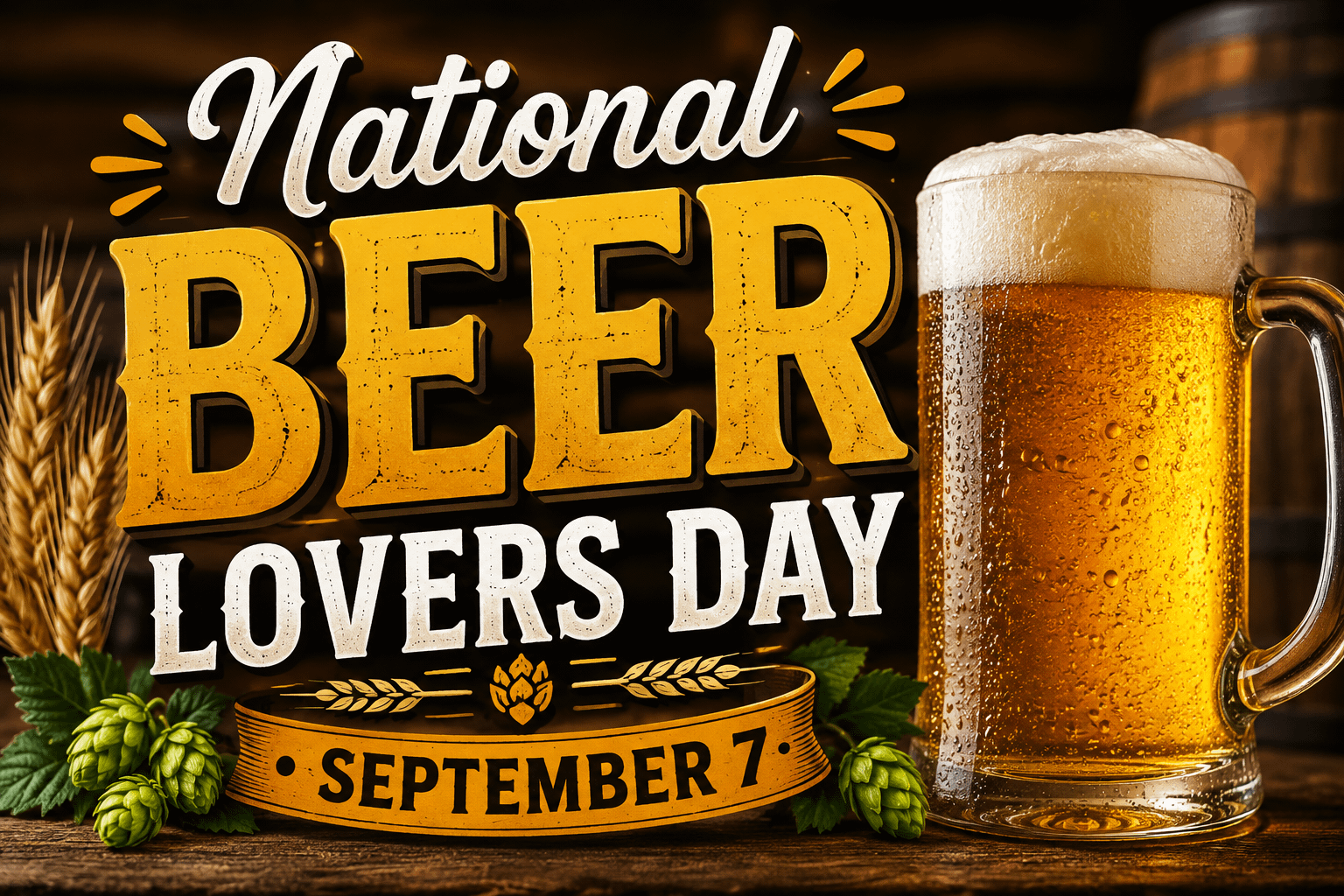
  • National Beer Lovers Day: Raise a Glass to the World of Beer

    National Beer Lovers Day: Raise a Glass to the World of Beer

    Every year on September 7, beer enthusiasts have an extra reason to raise a glass and celebrate National Beer Lovers Day. From crisp lagers and refreshing pilsners to bold IPAs, rich stouts, and creative craft brews, the day celebrates the incredible variety of beer and the people who enjoy it.

    Beer has been part of human culture for thousands of years. It has been enjoyed at celebrations, shared among friends, served alongside meals, and developed into a craft that continues to evolve. National Beer Lovers Day is an opportunity to appreciate that history while discovering something new.

    A Drink With Thousands of Years of History

    Beer is one of the world’s oldest fermented beverages. Evidence of beer-making stretches back thousands of years, with ancient civilizations developing their own methods of fermenting grains.

    Over time, brewing techniques became increasingly sophisticated. Different regions developed distinctive traditions based on locally available ingredients, climate, water, and cultural preferences.

    What began as a relatively simple fermented grain beverage eventually developed into the enormous variety of beer available today.

    What Makes Beer Beer?

    At its core, most beer begins with four basic ingredients:

    Water: The largest component of beer and an important influence on its final character.

    Malted grains: Barley is particularly common, although wheat, rye, oats, and other grains may also be used. Malt provides fermentable sugars and contributes flavor and color.

    Hops: These flowers can provide bitterness, aroma, and flavors ranging from floral and herbal to citrusy, tropical, piney, and earthy.

    Yeast: Yeast converts sugars into alcohol and carbon dioxide during fermentation while also contributing flavors and aromas of its own.

    Changing the ingredients, brewing process, fermentation conditions, and aging techniques can produce dramatically different beers.

    Explore Different Styles

    One of the best things about National Beer Lovers Day is the opportunity to explore the enormous variety available.

    Lager

    Lagers are often known for their clean, crisp character. They range from light and refreshing varieties to darker, maltier beers.

    Pilsner

    A pilsner is a type of pale lager traditionally associated with a refreshing finish and noticeable hop character. It can be an excellent choice for someone who prefers something crisp.

    India Pale Ale

    IPAs have become especially prominent in modern American craft brewing. Depending on the recipe, they may feature citrus, pine, tropical fruit, floral, resinous, or intensely bitter characteristics.

    Wheat Beer

    Wheat beers can be light, refreshing, and highly aromatic. Different brewing traditions may produce fruity, spicy, citrusy, or slightly tart characteristics.

    Porter

    Porters are darker beers commonly associated with roasted malt flavors. Depending on the brewery, you may encounter notes reminiscent of chocolate, coffee, caramel, or toasted bread.

    Stout

    Stouts are famous for their dark appearance and roasted flavors. While some are strong and heavy, others can be surprisingly smooth and approachable.

    Sour Beer

    For something completely different, sour beers intentionally incorporate tartness into the flavor profile. Some varieties also include fruit, creating combinations ranging from subtly refreshing to intensely sour.

    The Rise of American Craft Beer

    Beer culture in the United States has changed dramatically with the growth of independent and small breweries.

    Craft brewers have helped introduce drinkers to an extraordinary range of styles and ingredients. Walk into a modern brewery or taproom and you might encounter beer featuring mango, coffee, vanilla, chocolate, berries, citrus, coconut, peppers, spices, or barrel-aging techniques.

    Seasonal releases have also become part of beer culture. Pumpkin ales appear around fall, while winter may bring stronger and darker selections. Warmer months often inspire lighter lagers, wheat beers, fruit beers, and refreshing ales.

    National Beer Lovers Day is a fitting occasion to appreciate the creativity behind these brews.

    Beer and Food Pairings

    Beer can also complement food surprisingly well.

    A refreshing lager can pair nicely with pizza, burgers, grilled chicken, tacos, or fried foods.

    An IPA’s hop character may stand up well against spicy or strongly flavored dishes.

    Wheat beers can work beautifully alongside seafood, salads, chicken, and lighter meals.

    Porters and stouts can complement barbecue, smoked meats, hearty dishes, chocolate desserts, and other rich flavors.

    Experimenting with different combinations is part of the fun. You don’t need to be an expert—start with a beer you enjoy and see how its flavors change alongside different foods.

    Ways to Celebrate National Beer Lovers Day

    National Beer Lovers Day doesn’t require an elaborate celebration. You could visit a local brewery or taproom, order a flight of unfamiliar styles, enjoy your longtime favorite, organize a tasting with friends, or prepare a meal designed around a particular beer.

    It can also be a good day to support local breweries. Independent breweries frequently experiment with limited releases and regional ingredients that you might not find elsewhere.

    Another option is to learn more about brewing itself. Brewery tours can provide a fascinating look at how grain, hops, water, and yeast eventually become the beer poured into your glass.

    And if you don’t drink alcohol, you don’t necessarily have to sit this celebration out. The selection of non-alcoholic beers has expanded considerably, giving people more ways to experience beer-inspired flavors without traditional alcohol levels.

    Appreciate the Craft Behind the Glass

    It’s easy to forget how much work goes into producing a single beer.

    Brewers carefully select ingredients, develop recipes, manage temperatures, monitor fermentation, maintain equipment, test batches, and work to ensure consistency. Specialty and barrel-aged beers may require even more time and experimentation.

    National Beer Lovers Day can therefore be about more than simply drinking beer. It’s also an opportunity to appreciate brewing as a craft.

    Celebrate Responsibly

    If alcohol is part of your National Beer Lovers Day celebration, moderation matters. Eat something, drink water throughout the celebration, know your limits, and never drink and drive.

    There will always be another beer to try another day.

    Cheers to National Beer Lovers Day!

    Whether your favorite is an ice-cold lager, hop-forward IPA, smooth wheat beer, rich porter, dark stout, tart sour, or alcohol-free brew, September 7 is a day to celebrate the variety, history, creativity, and community surrounding beer.

    Try something you’ve never tasted before, revisit an old favorite, support a local brewery, pair a beer with a great meal, or simply enjoy a relaxing drink with good company.

    Raise your glass and toast to National Beer Lovers Day—cheers!

    What is your favorite type of beer, and which beer would you choose to celebrate National Beer Lovers Day?

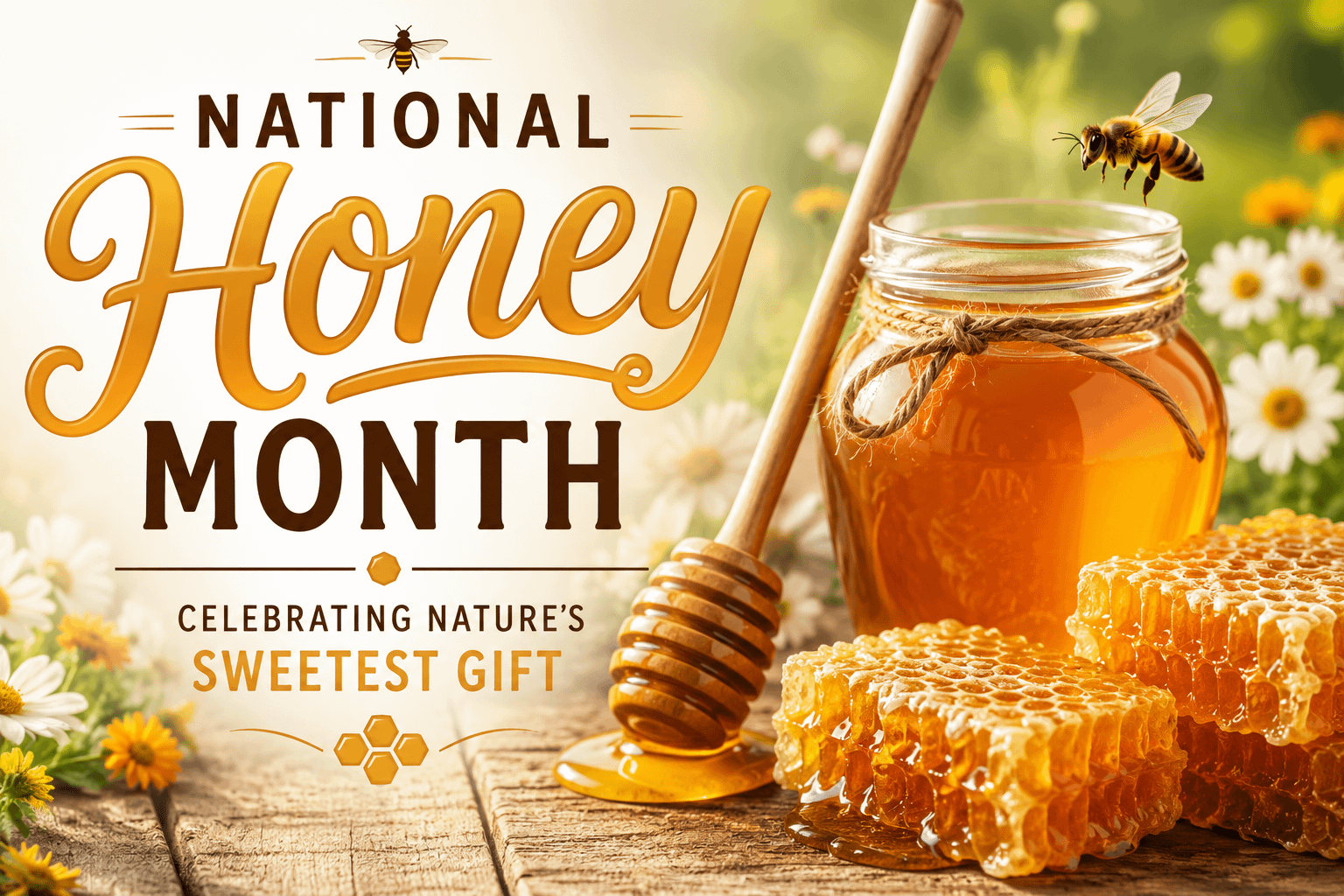
  • National Honey Month: A Sweet Celebration of Honey, Bees, and Beekeepers

    National Honey Month: A Sweet Celebration of Honey, Bees, and Beekeepers

    Every September brings a celebration that is naturally sweet: National Honey Month. It’s a time to appreciate one of nature’s most remarkable foods while also recognizing the hardworking honey bees and beekeepers who make it possible.

    Honey has been treasured for thousands of years. Long before refined sugar became common, people relied on honey to sweeten foods and drinks. But honey is much more than something to drizzle over biscuits or stir into tea. Its history, variety, culinary versatility, and connection to agriculture make National Honey Month worth celebrating.

    Why Is National Honey Month Celebrated in September?

    National Honey Month is observed throughout September, a fitting time because it traditionally coincides with the end of the major honey-harvesting season in many parts of the United States.

    By late summer and early fall, beekeepers have often completed much of their seasonal honey harvest. September therefore offers an opportunity to celebrate the year’s work while encouraging people to discover the many ways they can enjoy honey.

    It is also a chance to recognize the people behind the jars lining grocery store shelves and farmers market tables.

    Beekeeping requires patience, knowledge, observation, and an understanding of the natural world. Beekeepers monitor their colonies, protect the health of their bees, manage hives, harvest honey, and help support pollination.

    National Honey Month reminds us that every spoonful has a fascinating story behind it.

    Honey Is One of Nature’s Most Fascinating Foods

    The journey from flower to honey jar begins when worker bees visit flowers and collect nectar.

    The nectar is carried back to the hive, where it is transferred among bees and gradually transformed. Bees place it into the honeycomb and reduce its moisture content by circulating air with their wings. Once the honey has reached the proper consistency, the cells can be sealed with beeswax.

    The result is the thick, sweet substance people have enjoyed for generations.

    What makes the process especially remarkable is the enormous amount of work involved. A colony may visit countless flowers while gathering the nectar necessary to produce its honey supply.

    The next time you add a spoonful of honey to breakfast, it is worth remembering just how much activity took place before it reached your table.

    Honey Doesn’t All Taste the Same

    One of the best parts of National Honey Month is discovering that honey can have dramatically different flavors.

    Its taste, aroma, and appearance are influenced largely by the flowers from which bees collect nectar.

    Depending on where the bees forage, honey may be light and delicate, rich and bold, fruity, floral, earthy, or slightly spicy.

    Some varieties you might encounter include:

    • Clover honey — Mild, familiar, and versatile.
    • Orange blossom honey — Often light and fragrant with subtle citrus characteristics.
    • Wildflower honey — Flavor can vary considerably depending on the flowers available in a particular area.
    • Buckwheat honey — Darker and generally stronger in flavor.
    • Acacia honey — Typically light, mild, and slow to crystallize.
    • Sage honey — Usually mild and pleasantly sweet.

    Trying different varieties can be similar to tasting different coffees or chocolates. Once you start paying attention, you may notice flavors you never realized were there.

    Honey in the Kitchen

    Honey is incredibly versatile.

    Of course, it is wonderful drizzled over pancakes, waffles, biscuits, toast, oatmeal, yogurt, or fresh fruit. But its usefulness extends far beyond breakfast.

    Honey can be incorporated into marinades, salad dressings, sauces, baked goods, glazes, desserts, beverages, and savory dishes.

    Try adding honey to homemade barbecue sauce or brushing a honey glaze over chicken or salmon. Combine it with mustard for an easy honey-mustard sauce. Mix honey with lemon and warm water for a comforting beverage, or use a small amount to sweeten coffee or tea.

    It can also complement cheeses, nuts, apples, pears, berries, and other foods beautifully.

    September is a perfect month to experiment with honey in recipes you have never tried before.

    Honey and the Changing Seasons

    National Honey Month arrives at an especially appropriate moment.

    September represents the transition from summer into fall. Farmers markets are filled with late-summer produce, mornings begin feeling cooler, and many people start thinking about comforting autumn foods.

    Honey fits naturally into both seasons.

    You can use it in refreshing lemonade during the final warm days of summer and then stir it into hot tea when the first chilly evenings arrive.

    Honey also pairs wonderfully with many fall flavors, including apples, cinnamon, pumpkin, pecans, walnuts, sweet potatoes, and warm spices.

    A simple bowl of oatmeal topped with sliced apples, cinnamon, nuts, and a drizzle of honey can make an ordinary autumn morning feel special.

    Celebrating the Honey Bee

    National Honey Month wouldn’t exist without honey bees.

    While honey is the product we’re celebrating, bees themselves deserve recognition for their broader role in agriculture and ecosystems.

    Pollinators help many flowering plants reproduce. Bees visit flowers while searching for nectar and pollen, transferring pollen as they move between blossoms.

    This process supports the production of many fruits, vegetables, nuts, seeds, and other crops.

    That means celebrating honey can also become an opportunity to learn more about pollinators and the environments they need to thrive.

    Supporting Local Beekeepers

    One meaningful way to celebrate National Honey Month is by purchasing honey from a local beekeeper when possible.

    Visit a farmers market, farm stand, local food store, or community event and see whether locally produced honey is available.

    You may discover varieties that reflect flowers growing specifically in your region.

    Talking with a beekeeper can also be educational. Ask where the hives are located, what plants the bees commonly visit, when the honey was harvested, or how its flavor changes throughout the season.

    Buying local honey can turn a simple purchase into a connection with your community and the people working within its agricultural landscape.

    Why Does Honey Crystallize?

    Have you ever opened your pantry and discovered that your once-liquid honey has become thick or grainy?

    Don’t immediately assume something is wrong.

    Crystallization is a natural process.

    Honey contains natural sugars, particularly glucose and fructose. Over time, glucose can form crystals, causing honey to become thicker or more solid.

    Different types of honey crystallize at different speeds.

    If you prefer liquid honey, gently warming the container in warm water can often help dissolve the crystals. Avoid excessive heat, particularly if the honey is stored in plastic.

    Some people actually prefer crystallized honey because its thicker texture makes it easy to spread on toast, biscuits, and other foods.

    Honey Has a Remarkably Long History

    Human appreciation for honey goes back thousands of years.

    Ancient cultures collected and valued honey for food and other uses. Its sweetness made it particularly prized during eras when modern sweeteners weren’t readily available.

    Honey has appeared in foods, drinks, cultural traditions, and historical writings across civilizations.

    That long history makes opening a jar of honey surprisingly meaningful. You’re enjoying a food that people have valued across generations and continents.

    Technology may have changed dramatically, but our appreciation for sweetness hasn’t disappeared.

    Simple Ways to Celebrate National Honey Month

    You don’t need an elaborate celebration. September offers plenty of easy opportunities to appreciate honey.

    Try a honey variety you’ve never tasted before. Visit a farmers market and purchase a jar from a beekeeper. Make honey-glazed chicken for dinner. Bake honey bread or muffins. Add honey to your morning oatmeal. Create a homemade honey salad dressing. Prepare a cheese board with honey, fruit, and nuts.

    You could even organize a small honey tasting.

    Purchase several varieties and place a little of each on separate spoons or small dishes. Taste them side by side and compare their color, aroma, texture, and flavor.

    You may be surprised by how different they are.

    Plant Something for Pollinators

    National Honey Month can also inspire us to think beyond the honey jar.

    If you have a yard, garden, patio, balcony, or even a few containers, consider growing flowering plants that provide food for pollinators.

    The best choices depend on your region and growing conditions, so looking for native flowering plants suited to your area is a great place to start.

    Creating a landscape with flowers blooming at different times can provide pollinators with food across a longer portion of the year.

    Even a small garden can become part of a much larger network of habitat.

    Teach Children Where Honey Comes From

    National Honey Month provides a fun educational opportunity for families.

    Children may recognize honey from a squeeze bottle without understanding the incredible process behind it.

    Teach them about honey bees, flowers, nectar, pollen, honeycomb, queens, workers, drones, and beekeepers. Look for a local educational beekeeping event or visit a farm that offers demonstrations.

    Then finish the lesson with something delicious—perhaps honey on toast, yogurt with fruit and honey, or homemade honey muffins.

    Connecting food with its origins can help children develop a greater appreciation for agriculture and nature.

    Important: Honey should not be given to children younger than 12 months because of the risk of infant botulism.

    A Month to Appreciate the Little Things

    Perhaps National Honey Month carries a larger lesson.

    A jar of honey looks simple.

    Yet behind that jar are flowers, sunshine, rainfall, changing seasons, thousands of tiny journeys made by bees, carefully constructed honeycomb, and the work of beekeepers.

    Something ordinary becomes extraordinary when we understand how it was created.

    That’s part of what makes National Honey Month special.

    It encourages us to slow down long enough to appreciate something we might otherwise take for granted.

    Celebrate Something Naturally Sweet

    Throughout September, give honey a little extra appreciation.

    Drizzle it over breakfast. Experiment with it in a new recipe. Compare different varieties. Support a local beekeeper. Learn something new about honey bees. Plant flowers for pollinators.

    And when you open that next jar, remember that you’re holding the result of an extraordinary partnership between flowers, bees, nature, and people.

    National Honey Month is more than a celebration of sweetness—it’s a celebration of the remarkable natural process that brings that sweetness to our tables.

    What’s your favorite way to enjoy honey—drizzled over breakfast, stirred into tea, used in cooking, or straight from the spoon?

  • Dessert of the Day: No Bake Oreo Truffles

    Some desserts are impressive because they require hours of careful baking, complicated techniques, and a long list of ingredients. Others prove that something incredibly simple can be every bit as delicious.

    Today’s Dessert of the Day: No Bake Oreo Truffles definitely belongs in the second category.

    Rich, creamy, chocolatey, and perfectly bite-sized, Oreo truffles transform one of America’s most recognizable sandwich cookies into a decadent homemade candy-style dessert. The center is made by combining finely crushed Oreo cookies with softened cream cheese, while the outside gets covered in smooth melted chocolate.

    The result is a dessert with several delicious textures in every bite: a firm chocolate shell on the outside followed by a soft, creamy cookies-and-cream center.

    And perhaps the best part?

    You don’t even have to turn on the oven.

    The recipe that inspired today’s dessert comes from Fifteen Spatulas, where the truffles are made with only a handful of ingredients and can be customized with different chocolates, sprinkles, cookie crumbs, and other decorations.

    Whether you’re preparing something sweet for your family, putting together a holiday dessert platter, bringing dessert to a party, or simply looking for an excuse to eat Oreos, these little chocolate treats are worth trying.


    What Are Oreo Truffles?

    Oreo truffles are small dessert balls made primarily from crushed Oreo cookies and cream cheese.

    The two ingredients are blended together until they create a thick mixture that can be shaped into balls. Those balls are chilled briefly and then dipped into melted chocolate.

    Once the chocolate hardens, you have a bite-sized dessert that resembles a traditional chocolate truffle on the outside but contains a creamy Oreo filling on the inside.

    The concept is wonderfully simple.

    Oreos + cream cheese + chocolate = one seriously delicious dessert.

    The original Fifteen Spatulas recipe makes approximately 15 truffles, with about 15 minutes of preparation and another 15 minutes of chilling time.

    That means you can potentially have an impressive homemade dessert ready in around half an hour.


    Why You’ll Love No Bake Oreo Truffles

    There are plenty of reasons Oreo truffles have become such a popular homemade treat.

    They’re Incredibly Easy

    You don’t need advanced baking skills.

    There are no cake layers to level, no dough to proof, no complicated frosting techniques, and no worrying about whether something has been baked long enough.

    If you can crush cookies, mix ingredients, roll the mixture into balls, and dip them into chocolate, you can make Oreo truffles.

    You Only Need a Few Ingredients

    The basic recipe requires Oreos, cream cheese, and chocolate.

    Everything else is optional decoration.

    That makes Oreo truffles an excellent dessert when you want something impressive without purchasing a cart full of ingredients.

    No Oven Required

    No-bake desserts are particularly convenient when it’s hot outside or when your oven is already occupied preparing dinner.

    They’re also great when you simply don’t feel like baking.

    They’re Easy to Customize

    You can change the chocolate coating, decorations, toppings, Oreo flavors, and presentation.

    One basic recipe can become dozens of different-looking desserts.

    They’re Perfectly Portion-Sized

    Instead of slicing a large cake or pie, guests can simply grab an individual truffle.

    They’re perfect for dessert tables, potlucks, birthday parties, holiday gatherings, and cookie exchanges.


    Ingredients You’ll Need

    One of the greatest things about these truffles is the short ingredient list.

    For the original version, you’ll need approximately:

    • 25 original Oreo cookies
    • 4 ounces softened cream cheese
    • ½ cup chopped white chocolate
    • ½ cup chopped dark chocolate
    • Assorted sprinkles, optional

    The source recipe notes that you can use different chocolates for dipping, including white, milk, dark, or ruby chocolate.

    That flexibility makes it easy to customize your batch.


    Why Regular Oreos Work Best

    When standing in the cookie aisle, you might be tempted to grab Double Stuf Oreos.

    More filling sounds better, right?

    Not necessarily for truffles.

    The original recipe recommends avoiding Double Stuf because the additional creme filling can make the truffle mixture too soft. Regular Oreos provide a better cookie-to-filling balance for creating a mixture that holds its shape.

    Save the Double Stuf cookies for snacking and stick with regular Oreos for this recipe.


    Step-by-Step: How to Make No Bake Oreo Truffles

    Step 1: Crush the Oreos

    Place approximately 25 Oreo cookies into a food processor.

    Process the cookies until they’ve been reduced to very fine crumbs.

    You don’t want large pieces of cookie remaining.

    The finer the crumbs, the smoother and more consistent your finished truffle filling will be.

    Keep processing until the cookie mixture becomes extremely fine and begins clumping together.


    Step 2: Add the Cream Cheese

    Add 4 ounces of softened cream cheese to your crushed Oreos.

    Softened cream cheese is important because it blends much more easily with the cookie crumbs.

    Process everything together.

    Eventually, the mixture should begin collecting together into a large clump.

    That’s exactly what you want.

    The Oreo crumbs and cream cheese have now transformed into your truffle filling.


    Step 3: Portion the Mixture

    A cookie scoop is especially helpful here.

    Scoop approximately equal amounts of the Oreo mixture.

    The original recipe suggests making approximately 1-inch truffle balls, which creates a convenient bite-sized serving.

    Using a scoop also makes your finished truffles look more uniform.

    Don’t have one?

    No problem.

    You can simply use a spoon and estimate each portion.


    Step 4: Roll Them Into Balls

    Place each portion between your palms and gently roll it into a smooth ball.

    Don’t worry if they’re not absolutely perfect.

    Homemade desserts don’t need to look like they came off an assembly line.

    Place each finished ball onto a baking sheet or tray lined with parchment paper.


    Don’t Skip the Chilling Step

    Once you’ve rolled all the Oreo balls, place them in the refrigerator for approximately 15 minutes.

    This step might seem unnecessary, but it makes the chocolate-dipping process much easier.

    The colder filling becomes slightly firmer and holds together better when submerged in warm melted chocolate.

    Use those 15 minutes to prepare your chocolate and decorations.


    Choosing Your Chocolate

    Here’s where you can really personalize your Oreo truffles.

    Dark Chocolate

    Dark or bittersweet chocolate is an excellent choice because Oreo filling is already quite sweet.

    The slight bitterness of darker chocolate creates contrast and keeps the dessert from becoming overwhelmingly sweet.

    Milk Chocolate

    Milk chocolate is ideal if you’re looking for a classic, creamy chocolate flavor.

    This version is definitely for serious chocolate lovers.

    White Chocolate

    White chocolate creates perhaps the most dramatic visual contrast.

    Imagine a bright white truffle sprinkled with dark Oreo crumbs.

    It’s a beautiful cookies-and-cream presentation.

    Mix and Match

    Can’t decide?

    Don’t.

    Make several varieties.

    Dip some truffles in dark chocolate, some in milk chocolate, and others in white chocolate.

    Arrange them together on a platter and suddenly your simple three-ingredient dessert looks like an elaborate chocolate collection.


    How to Melt the Chocolate

    Chocolate can burn surprisingly quickly, so don’t rush this step.

    The source recipe recommends microwaving the chocolate in approximately 30-second intervals, stirring between intervals.

    Stop heating when only a few small pieces remain and allow the residual heat to finish melting them as you stir.

    You can also use a double boiler if that’s your preferred method.

    The goal is smooth, fluid chocolate that’s easy to use for dipping.


    The Fun Part: Dipping the Truffles

    Take your chilled Oreo balls from the refrigerator.

    Drop one into your melted chocolate.

    Turn it gently until the entire ball is covered.

    Lift it out using a fork and allow the excess chocolate to drip back into the bowl.

    Place the coated truffle back onto your parchment-lined tray.

    Continue until you’ve dipped the entire batch.

    Don’t worry if the first couple aren’t beautiful.

    Chocolate dipping becomes easier as you go.


    Decorating Your Oreo Truffles

    Before the chocolate completely hardens, add your decorations.

    This is where you can transform a simple Oreo truffle into something that looks like it came from a specialty candy shop.

    Crushed Oreos

    Crush a few additional cookies and sprinkle the crumbs over the freshly dipped chocolate.

    This might be the perfect topping because people immediately know what’s hiding inside.

    Chocolate Drizzle

    Allow your first chocolate coating to harden.

    Then melt a contrasting chocolate and drizzle thin lines across the top.

    Try:

    White chocolate over dark chocolate

    or

    Dark chocolate over white chocolate

    The contrasting colors create an elegant appearance with very little additional work.

    Sprinkles

    Sprinkles make these perfect for practically any celebration.

    Choose colors based on the occasion.

    Crushed Candy Canes

    During Christmas, crushed peppermint candy canes add color, crunch, and a festive peppermint flavor.

    Crushed Oreos, sprinkles, candy canes, and additional chocolate drizzle are among the topping ideas suggested by the original recipe.


    Turn Oreo Truffles Into a Holiday Tradition

    One recipe can easily become a year-round dessert simply by changing the decorations.

    Valentine’s Day

    Use red, pink, and white sprinkles.

    Try white chocolate with a pink or red drizzle.

    They could make an easy homemade Valentine’s gift.

    Easter

    Use pastel sprinkles or pastel-colored decorations.

    Arrange the truffles in a basket alongside other Easter candy.

    Fourth of July

    Red, white, and blue sprinkles instantly transform them into a patriotic party dessert.

    Halloween

    Use orange, purple, green, and black decorations.

    White chocolate truffles can even be decorated to resemble little ghosts.

    Thanksgiving

    Try warm autumn-colored sprinkles or a chocolate-and-caramel presentation.

    Christmas

    This might be the ultimate season for Oreo truffles.

    Decorate them with red and green sprinkles, crushed peppermint, white chocolate drizzle, or festive candy decorations.

    Arrange several varieties together inside a holiday tin and you have a homemade edible gift.


    Birthday Oreo Truffles

    Forget waiting for a holiday.

    Oreo truffles make fantastic birthday treats.

    Dip them in chocolate and cover them with colorful birthday sprinkles.

    You could even coordinate the sprinkle colors with the birthday party theme.

    For children’s parties, let kids decorate their own truffles.

    Set out small bowls containing:

    • Sprinkles
    • Oreo crumbs
    • Mini chocolate chips
    • Colored sugar
    • Chocolate drizzle
    • Crushed cookies

    Then let everyone create their own masterpiece.


    Oreo Truffle Flavor Variations

    The original Oreo version is hard to beat, but once you understand the basic concept, you can experiment.

    Mint Oreo Truffles

    Use mint-flavored Oreos and dark chocolate.

    This combination would be especially good around Christmas or St. Patrick’s Day.

    Golden Oreo Truffles

    Swap chocolate Oreos for Golden Oreos and coat them with white chocolate.

    You’ll get a completely different vanilla-forward dessert.

    Peanut Butter Oreo Truffles

    Use peanut butter-flavored sandwich cookies when available or incorporate complementary peanut butter decorations.

    Chocolate and peanut butter rarely disappoint.

    Birthday Cake Oreo Truffles

    Use a birthday-inspired Oreo flavor and coat the finished truffles in white chocolate and rainbow sprinkles.

    Extra Chocolate Oreo Truffles

    Chocolate cookies.

    Chocolate filling.

    Chocolate coating.

    Chocolate drizzle.

    Sometimes there’s simply no reason to hold back.


    Create an Oreo Truffle Dessert Board

    If you’re serving a crowd, don’t stop at one variety.

    Create an entire Oreo truffle dessert board.

    Arrange groups of different truffles around a large platter:

    Dark Chocolate Oreo Truffles

    White Chocolate Oreo Truffles

    Milk Chocolate Oreo Truffles

    Oreo Crumb Truffles

    Sprinkle-Covered Truffles

    Chocolate Drizzle Truffles

    Fill empty spaces with whole Oreos, strawberries, pretzels, marshmallows, or other bite-sized sweets.

    It’s an easy way to turn a simple recipe into the centerpiece of your dessert table.


    Perfect for Parties and Gatherings

    One reason Oreo truffles work so well at parties is their size.

    There’s no slicing.

    There’s no serving.

    There’s very little mess.

    Guests simply grab one and enjoy.

    They’re especially good for:

    • Birthday parties
    • Holiday celebrations
    • Potlucks
    • Office parties
    • Baby showers
    • Bridal showers
    • Graduation celebrations
    • Game-day gatherings
    • Family reunions
    • Cookie exchanges
    • Dessert buffets
    • Movie nights

    The source recipe also notes that these truffles travel well, making them convenient for gatherings away from home.


    Oreo Truffles Make Wonderful Homemade Gifts

    Food gifts don’t have to be complicated.

    Place several Oreo truffles into a decorative box, small tin, or treat container.

    Separate layers with parchment or wax paper.

    Tie the package with ribbon and add a small handwritten card.

    Suddenly you’ve created a thoughtful homemade gift that looks like something from a chocolate shop.

    They’re especially nice for:

    Teachers.

    Neighbors.

    Coworkers.

    Friends.

    Hosts.

    Family members.

    Holiday gift exchanges.

    Sometimes a homemade treat says more than something grabbed from a store shelf.


    How to Serve Oreo Truffles

    There are two particularly good ways to enjoy these treats.

    Straight From the Refrigerator

    Cold Oreo truffles have a firmer center and crisp chocolate shell.

    They’re especially satisfying if you enjoy chilled chocolate desserts.

    Closer to Room Temperature

    Allow them to sit out briefly and the center becomes softer and creamier.

    The source recipe suggests taking refrigerated truffles out about 30 to 60 minutes before eating if you prefer them less chilled. Because they contain cream cheese, however, they shouldn’t remain at room temperature for extended periods.


    How to Store No Bake Oreo Truffles

    Because Oreo truffles contain cream cheese, refrigeration is important.

    Place them inside an airtight container.

    If you’re stacking multiple layers, place parchment or wax paper between the layers.

    According to the original recipe, Oreo truffles can be refrigerated for up to one week.

    That makes them an excellent make-ahead dessert.

    Prepare them a day or two before your event and you have one less thing to worry about on party day.


    Can You Freeze Oreo Truffles?

    Yes.

    This is another reason they’re such a convenient dessert.

    The original recipe says Oreo truffles can be stored in an airtight container in the freezer for up to two months. They can then be thawed overnight in the refrigerator or for roughly an hour on the counter before serving.

    You could make a large batch and keep some tucked away for future dessert emergencies.

    And yes, dessert emergencies are absolutely real.


    Tips for Making the Best Oreo Truffles

    Use Softened Cream Cheese

    Cold cream cheese won’t blend as smoothly.

    Allow it to soften first.

    Crush the Cookies Thoroughly

    You want extremely fine Oreo crumbs rather than chunks.

    The smoother your cookie mixture, the smoother your truffle filling.

    Keep the Truffles Similar in Size

    A cookie scoop makes this much easier.

    Uniform truffles also look better when arranged together.

    Chill Before Dipping

    Those 15 minutes in the refrigerator make a difference.

    Cold truffles are easier to handle.

    Don’t Overheat Your Chocolate

    Use short microwave intervals and stir frequently.

    Chocolate can go from perfectly melted to scorched very quickly.

    Work Quickly With Decorations

    If you’re adding sprinkles or cookie crumbs, do so while the coating is still wet enough for the decorations to stick.

    Make Several Chocolate Varieties

    Different coatings make one batch look much more impressive.


    Why Bite-Sized Desserts Are So Much Fun

    There’s something irresistible about miniature desserts.

    Maybe it’s because you don’t have to commit to an enormous slice of cake.

    Maybe it’s because having “just one more” seems completely reasonable.

    Or maybe it’s simply because bite-sized desserts are fun.

    Oreo truffles fit perfectly into that category.

    They’re small enough to enjoy in a couple of bites but rich enough to satisfy a serious dessert craving.


    A Dessert Kids Can Help Make

    Oreo truffles can also be a fun family kitchen activity.

    Adults can handle melting the chocolate while children help with safer tasks such as rolling the Oreo mixture or adding decorations.

    Give everyone their own bowl of sprinkles and let creativity take over.

    The finished truffles don’t need to look identical.

    In fact, seeing all the different designs might be part of the fun.


    Why This Dessert Works

    Great desserts usually depend on balance.

    Oreo truffles have plenty of it.

    You get the recognizable cocoa flavor of Oreo cookies.

    Cream cheese adds richness and creates that soft, almost cheesecake-like interior.

    Chocolate creates a firm outer shell.

    And optional toppings introduce crunch, color, additional flavor, and visual appeal.

    Each component is simple.

    Together, they’re something special.


    No Baking, No Complicated Techniques, No Problem

    Not every homemade dessert needs to involve measuring flour, cracking eggs, preheating an oven, watching timers, and hoping everything rises correctly.

    Sometimes you want dessert without all the work.

    That’s exactly where No Bake Oreo Truffles shine.

    A package of cookies.

    Some cream cheese.

    A bowl of melted chocolate.

    A little creativity.

    That’s really all it takes.


    Dessert of the Day: No Bake Oreo Truffles

    🍪 Main Flavor: Cookies and cream

    🍫 Coating: White, milk, dark, or ruby chocolate

    🧁 Dessert Type: No-bake bite-sized treat

    ⏱️ Total Time: About 30 minutes, including chilling

    🎉 Perfect For: Birthdays, holidays, parties, gifting, potlucks, and family dessert nights

    ❄️ Storage: Refrigerate in an airtight container

    Best Feature: An incredibly simple dessert that looks far more impressive than the effort required


    Final Thoughts

    Today’s Dessert of the Day: No Bake Oreo Truffles is proof that sometimes the simplest recipes deliver the biggest smiles.

    There’s no oven.

    There’s no complicated ingredient list.

    There’s no advanced baking technique.

    Instead, you’re taking a cookie people already love and transforming it into something even more decadent.

    Underneath that smooth chocolate shell is a rich, creamy Oreo center that delivers cookies-and-cream flavor in every bite.

    Make them with dark chocolate for something a little less sweet.

    Cover them with white chocolate and Oreo crumbs for a beautiful cookies-and-cream presentation.

    Decorate them with colorful sprinkles for birthdays.

    Add crushed peppermint for Christmas.

    Make several varieties and create an entire dessert platter.

    Or forget the special occasion entirely and make a batch because it’s Tuesday and Oreo truffles sound good.

    That’s reason enough.

    Sometimes dessert doesn’t need to be complicated.

    Sometimes all you need are Oreos, cream cheese, chocolate, and a little room in the refrigerator.

    And when the result looks this good and tastes this indulgent, it’s easy to understand why Oreo truffles have become such a beloved no-bake treat.

    If a tray of Oreo truffles was sitting in front of you right now, which would you grab first: dark chocolate, milk chocolate, white chocolate, or one covered in Oreo crumbs and sprinkles?