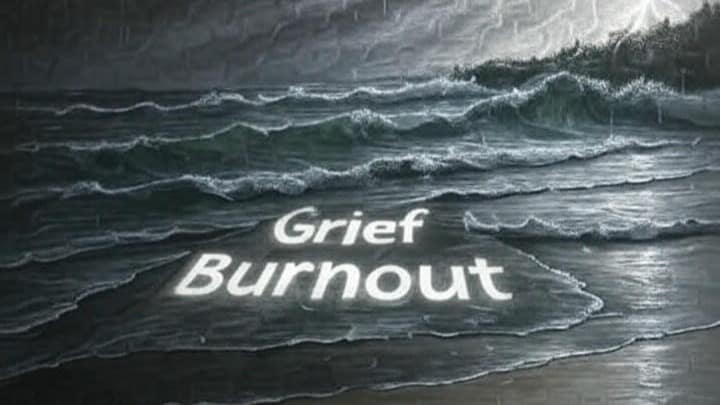
Grief is a deeply personal journey, often filled with waves of emotions that ebb and flow over time. While it’s natural to experience sadness, anger, or longing after a loss, there’s a lesser-known phenomenon that can emerge when grief becomes overwhelming: grief burnout. This state of emotional, mental, and physical exhaustion can leave individuals feeling disconnected, drained, and unable to cope with the weight of their loss. In this article, we’ll explore what grief burnout is, its signs and symptoms, contributing factors, and practical strategies to manage and heal from it.
What Is Grief Burnout?
Grief burnout occurs when the prolonged emotional toll of grieving depletes a person’s mental and physical reserves. Unlike typical grief, which may gradually lessen over time, grief burnout feels like hitting a wall—an inability to process emotions or engage with life as you once did. It often arises during significant moments, such as anniversaries, holidays, or other milestones, when memories and emotions resurface with intensity.
Grief burnout is not a clinical diagnosis but rather a term used to describe the overwhelming exhaustion that accompanies prolonged or complicated grief. It can affect anyone, whether they’re mourning the loss of a loved one, a relationship, a job, or even a sense of normalcy. The emotional labor of navigating grief, combined with life’s ongoing demands, can push individuals into a state of burnout where they feel stuck, detached, or unable to move forward.
Signs and Symptoms of Grief Burnout
Grief burnout manifests in a variety of ways, impacting physical health, emotional well-being, and cognitive functioning. Here are some common signs to watch for:
Emotional Symptoms
Emotional Numbness or Detachment: Feeling disconnected from loved ones or losing interest in activities that once brought joy.
Mood Swings: Experiencing sudden shifts in emotions, such as irritability, sadness, or anger, often without a clear trigger.
Anxiety or Overwhelm: Feeling constantly on edge, anxious, or unable to handle even small tasks.
Guilt or Shame: Struggling with feelings of guilt for not “moving on” or for experiencing moments of happiness.
Physical Symptoms
Chronic Fatigue: Feeling exhausted despite adequate rest, as if your energy reserves are depleted.
Headaches or Muscle Tension: Persistent physical discomfort, such as tension headaches or body aches, often linked to stress.
Sleep Disturbances: Trouble falling asleep, staying asleep, or experiencing restless nights filled with vivid dreams or nightmares.
Changes in Appetite: Eating too much or too little, often as a response to emotional distress.
Cognitive Symptoms
Difficulty Concentrating: Feeling scattered or unable to focus on tasks, conversations, or decisions.
Memory Issues: Struggling to recall details or feeling mentally foggy.
Intrusive Thoughts: Being overwhelmed by recurring memories or thoughts about the loss, especially during triggering moments like anniversaries.
Behavioral Symptoms
Social Withdrawal: Pulling away from friends, family, or social activities due to emotional overload.
Neglecting Responsibilities: Letting go of daily tasks, such as work, household chores, or self-care, because they feel too overwhelming.
Increased Irritability: Snapping at others or feeling easily frustrated, even in situations that wouldn’t normally bother you.
If these symptoms resonate with you, it’s important to recognize that you’re not alone. Grief burnout is a common experience, especially when life’s demands amplify the weight of loss.
What Contributes to Grief Burnout?
Grief burnout doesn’t happen overnight; it’s the result of multiple factors piling up over time. Understanding these contributors can help you identify why you might be feeling this way and take steps toward healing. Here are some key factors:
1. Prolonged or Complicated Grief
Grief that lingers without resolution—sometimes called complicated grief—can drain emotional resources. This might happen if the loss was sudden, traumatic, or if there were unresolved issues with the person or situation lost. The constant effort to process these complex emotions can lead to burnout.
2. Triggering Events
Special days, such as birthdays, anniversaries, or holidays, often intensify feelings of grief. These moments can bring back vivid memories, making it feel as though the loss is happening all over again. The emotional energy required to navigate these triggers can push someone into burnout.
3. Lack of Support
Grieving in isolation or without adequate support can exacerbate feelings of overwhelm. If you feel like you can’t share your emotions or if others expect you to “move on” before you’re ready, the pressure can contribute to burnout.
4. Life’s Ongoing Demands
Grief doesn’t happen in a vacuum. Balancing work, family, finances, or other responsibilities while grieving can feel like an impossible task. The effort to “keep it together” for others or meet external expectations can deplete your energy reserves.
5. Unaddressed Mental Health Issues
Pre-existing conditions like anxiety, depression, or chronic stress can make it harder to cope with grief. These conditions can amplify the emotional and physical toll, making burnout more likely.
6. Cultural or Societal Expectations
In some cultures or communities, there’s an unspoken timeline for grief, where people are expected to “get over” their loss within a certain period. This pressure can lead to suppressed emotions, which build up over time and contribute to burnout.
Strategies for Managing Grief Burnout
While grief burnout can feel overwhelming, there are practical steps you can take to ease the burden and begin to heal. These strategies focus on self-compassion, support, and small, manageable changes.
1. Acknowledge Your Feelings
The first step is to recognize and validate your emotions. Grief burnout often stems from trying to push through or suppress feelings. Allow yourself to feel sadness, anger, or even moments of joy without judgment. Journaling or talking to a trusted friend can help you process these emotions.
2. Prioritize Self-Care
Grief can take a toll on your body and mind, so small acts of self-care can make a big difference. Focus on:
Sleep: Create a calming bedtime routine to improve rest.
Nutrition: Eat balanced meals, even if they’re simple, to support your energy levels.
Movement: Gentle activities like walking or yoga can reduce stress and release tension.
Rest: Give yourself permission to take breaks and say no to non-essential tasks.
3. Set Boundaries
Protect your emotional energy by setting boundaries with others. This might mean declining invitations to events that feel overwhelming or letting loved ones know you need space. Communicate your needs clearly and without guilt.
4. Seek Support
You don’t have to navigate grief burnout alone. Consider:
Therapy or Counseling: A licensed therapist, especially one trained in grief counseling, can help you process your emotions and develop coping strategies.
Support Groups: Connecting with others who have experienced similar losses can provide validation and a sense of community.
Trusted Loved Ones: Share your feelings with a friend or family member who listens without judgment.
5. Create Rituals for Special Days
Anniversaries and holidays can be particularly triggering, but creating meaningful rituals can help you honor your loss while managing emotions. Examples include lighting a candle, writing a letter to the person you’ve lost, or visiting a special place. These acts can provide closure and a sense of connection.
6. Practice Mindfulness
Mindfulness techniques, such as deep breathing, meditation, or grounding exercises, can help you stay present and reduce anxiety. Even a few minutes a day can help calm your mind and body.
7. Break Tasks Into Smaller Steps
If you’re feeling scattered or overwhelmed, break daily tasks into smaller, manageable steps. For example, instead of tackling an entire to-do list, focus on one task at a time, like making a meal or responding to an email. Celebrate small wins to build momentum.
8. Consider Professional Help
If grief burnout is severely impacting your daily life, it may be worth consulting a mental health professional. They can assess whether you’re experiencing complicated grief, depression, or another condition that requires targeted treatment, such as therapy or medication.
When to Seek Help
While grief burnout is a normal response to prolonged emotional stress, it’s important to recognize when it’s time to seek professional support. Consider reaching out to a therapist or doctor if:
Symptoms persist for several weeks or worsen over time.
You’re experiencing suicidal thoughts or feelings of hopelessness.
You’re unable to function in daily life, such as going to work or caring for yourself.
Physical symptoms, like chronic pain or severe fatigue, don’t improve with self-care.
Moving Forward with Compassion
Grief burnout is a reminder that healing from loss is not a linear process. It’s okay to feel overwhelmed, and it’s okay to take time to care for yourself. By acknowledging your emotions, seeking support, and practicing self-compassion, you can begin to rebuild your emotional reserves and find moments of peace amidst the pain.
If you’re struggling with grief burnout, know that you’re not alone. The journey through grief is unique for everyone, but with time, support, and care, it’s possible to find a path toward healing. Reach out to loved ones, lean on professional resources, and give yourself permission to grieve in your own way and at your own pace.
A Father’s Guide to Surviving the Loss of a Child
Leave a Reply