
Mocktails have become a popular alternative to traditional alcoholic drinks, offering refreshing flavors, creative combinations, and beautiful presentations without alcohol. However, not every mocktail fits into a ketogenic lifestyle. Many traditional mocktails contain fruit juices, sugary syrups, sweetened sodas, and other ingredients that can quickly increase carbohydrate intake.
If you follow a keto diet, understanding what makes a mocktail keto-friendly can help you enjoy delicious drinks without consuming unnecessary sugar or carbohydrates.
The good news is that making keto-friendly mocktails is surprisingly simple. With the right ingredients, natural flavors, and low-carb sweeteners, you can create refreshing beverages that taste just as satisfying as traditional mocktails.
Whether you are new to keto, looking for healthier drink alternatives, or simply trying to reduce your sugar intake, this guide explains everything you need to know about making mocktails that fit your nutritional goals.
What Is a Keto-Friendly Mocktail?
A keto-friendly mocktail is a nonalcoholic mixed drink made with ingredients that are low in carbohydrates and contain little or no added sugar.
Unlike traditional mocktails, which often rely on fruit juice, lemonade, sweetened mixers, and flavored syrups, keto mocktails use ingredients that provide flavor without significantly increasing carbohydrate content.
The ketogenic diet generally focuses on reducing carbohydrate intake while emphasizing fats and moderate protein consumption. Many people following a standard keto diet aim for approximately 20–50 grams of carbohydrates daily, although individual targets vary.
Because drinks can contribute to daily carbohydrate totals, choosing low-carb beverages becomes an important part of maintaining a ketogenic eating pattern.
A typical keto-friendly mocktail contains:
-
A sugar-free liquid base
-
Low-carbohydrate flavoring ingredients
-
A keto-compatible sweetener when needed
-
Fresh herbs, citrus, or spices
-
Ice and optional low-carb garnishes
The goal is to create a flavorful beverage without relying on large amounts of sugar.
Why Are Regular Mocktails Often High in Carbohydrates?
Many people assume that mocktails are automatically healthy because they do not contain alcohol. However, alcohol-free does not necessarily mean sugar-free or low-carb.
Traditional mocktail recipes frequently include ingredients that contain significant amounts of natural or added sugars.
For example, a tropical mocktail might combine pineapple juice, orange juice, grenadine, and lemon-lime soda. Although these ingredients produce a delicious drink, they can also contribute substantial carbohydrates.
Common high-carbohydrate mocktail ingredients include:
-
Regular fruit juices
-
Grenadine syrup
-
Simple syrup
-
Sweetened lemonade
-
Regular tonic water
-
Sweetened coconut cream
-
Regular soda
-
Agave nectar
-
Honey
-
Sweetened drink concentrates
Even ingredients marketed as natural can contain enough sugar to make a drink unsuitable for someone following a strict ketogenic diet.
The key difference between a traditional mocktail and a keto mocktail is not necessarily the flavor. It is the carbohydrate content of the ingredients used to create that flavor.
What Ingredients Make a Mocktail Keto-Friendly?
Choosing the right ingredients is the foundation of creating a successful keto mocktail.
Fortunately, many common beverages, herbs, fruits, and flavorings can be incorporated into low-carb recipes.
1. Sparkling Water and Club Soda
Sparkling water and plain club soda are among the best bases for keto-friendly mocktails.
They generally contain zero carbohydrates, zero sugar, and zero calories.
Their carbonation creates a refreshing drinking experience similar to traditional mixed drinks.
You can combine sparkling water with:
-
Fresh lime juice
-
Lemon slices
-
Cucumber
-
Mint leaves
-
Basil
-
Sugar-free flavored syrups
-
Small amounts of muddled berries
Unsweetened flavored sparkling waters can also provide variety without adding carbohydrates.
Always check the nutrition label because some sparkling beverages contain added sugars.
2. Fresh Lemon and Lime Juice
Fresh citrus juice is one of the easiest ways to add flavor to keto mocktails.
Lemon and lime juice provide acidity, brightness, and freshness without requiring large quantities of sugar.
Although both contain natural carbohydrates, the small amounts typically used in mocktails can fit into a low-carb diet.
For example, one tablespoon of fresh lime juice contains approximately one gram of total carbohydrates.
A squeeze of lemon or lime can transform plain sparkling water into a refreshing drink.
Citrus also pairs well with herbs, cucumber, ginger, and berries.
3. Low-Carb Berries
Not all fruits are equally suitable for keto-friendly beverages.
Some fruits contain considerably more sugar than others, making portion size important.
Berries are popular choices because they can provide strong flavor in relatively small quantities.
Good options include:
-
Raspberries
-
Blackberries
-
Strawberries
-
Small amounts of blueberries
Muddling two or three raspberries into sparkling water can provide color, sweetness, and flavor without adding a large amount of carbohydrates.
However, using an entire cup of berries in one drink can significantly increase the carbohydrate content.
Moderation is essential.
4. Fresh Herbs
Fresh herbs are excellent additions to keto mocktails because they provide flavor and aroma with minimal carbohydrates in typical serving amounts.
Popular choices include mint, basil, rosemary, thyme, and sage.
Mint creates a cooling sensation that works particularly well with lime and cucumber.
Basil adds a slightly sweet, aromatic flavor that complements strawberries and lemon.
Rosemary provides an earthy, sophisticated taste that pairs beautifully with citrus.
Fresh herbs also make homemade mocktails feel more like beverages served at a restaurant or cocktail bar.
5. Sugar-Free Flavorings
Sugar-free flavorings can help recreate traditional mocktail recipes without the carbohydrates found in regular syrups.
Examples include:
-
Sugar-free vanilla syrup
-
Sugar-free raspberry syrup
-
Sugar-free coconut syrup
-
Unsweetened flavored extracts
-
Sugar-free ginger flavoring
However, not every product labeled sugar-free is automatically ideal for keto.
Some products contain sugar alcohols, fillers, or other ingredients that contribute carbohydrates or affect blood glucose differently.
Reading ingredient lists and nutrition labels is important.
What Are the Best Sweeteners for Keto Mocktails?
Sweeteners are often necessary when making mocktails because many traditional recipes depend on sugar to balance tart citrus flavors.
Fortunately, several low-carb sweeteners can provide sweetness without adding substantial digestible carbohydrates.
Stevia
Stevia is a plant-derived sweetener that contains little or no digestible carbohydrates in its pure form.
It is significantly sweeter than regular sugar, so only a small amount is needed.
Stevia works well in lemonade-style mocktails, berry spritzers, and citrus drinks.
Some people notice a slightly bitter aftertaste, particularly when using too much.
Monk Fruit Sweetener
Monk fruit sweetener is another popular keto-compatible option.
Pure monk fruit extract provides sweetness without the carbohydrates found in table sugar.
It works particularly well in fruity mocktails and homemade sugar-free syrups.
Commercial monk fruit products are frequently blended with other ingredients, so check the label before purchasing.
Erythritol
Erythritol is a sugar alcohol commonly used in low-carb recipes.
It contributes very few calories and generally has a minimal effect on blood glucose.
However, it may not dissolve as easily as regular sugar in cold beverages.
A powdered version or a properly dissolved syrup may work better.
Large amounts can cause digestive discomfort in some people.
Allulose
Allulose is a low-calorie sweetener that behaves similarly to sugar in many recipes.
It dissolves well and can be useful for preparing homemade mocktail syrups.
Allulose generally has little effect on blood glucose and contributes minimal usable energy.
For many homemade mocktails, liquid stevia, monk fruit blends, or allulose are convenient choices.
Which Fruits Should You Avoid in Keto Mocktails?
Fruit can add wonderful flavor to mocktails, but certain varieties contain enough natural sugar to make carbohydrate control difficult.
Fruits and fruit juices that require particular attention include pineapple, mango, grapes, bananas, and large servings of orange juice.
These fruits are not inherently unhealthy. They simply contain more carbohydrates than many people following keto prefer to consume in a single beverage.
For example, pineapple juice may provide a tropical flavor, but a full cup can contain approximately 30 grams of carbohydrates.
Instead of using large amounts of pineapple juice, consider using a sugar-free pineapple flavoring with sparkling water and fresh lime.
Similarly, a strawberry mocktail can be made using a few fresh strawberries rather than a large serving of sweetened strawberry puree.
The goal is to preserve flavor while reducing sugar.
How Many Carbs Should a Keto Mocktail Have?
There is no universal carbohydrate limit that officially defines a keto mocktail.
However, many people prefer drinks containing approximately 0–5 grams of net carbohydrates per serving.
Practical carbohydrate guide per serving
| 0–2 g net carbs | Very low-carb option |
| 3–5 g net carbs | Often easy to fit into keto |
| 6–10 g net carbs | Requires more careful planning |
| Over 10 g net carbs | May use a substantial portion of a daily carb allowance |
Net carbohydrates are commonly calculated by subtracting dietary fiber from total carbohydrates. Some keto approaches also adjust for certain sugar alcohols, although their effects differ.
For packaged ingredients, pay attention to serving sizes and sweetener types.
A mocktail containing four grams of net carbohydrates may fit comfortably into one person’s keto diet while being less suitable for someone following a stricter carbohydrate limit.
Five Easy Keto-Friendly Mocktail Recipes
Making keto mocktails at home does not require expensive equipment or complicated ingredients.
These five simple recipes demonstrate how everyday ingredients can create refreshing low-carb beverages.
1. Keto Cucumber Lime Spritzer
This refreshing mocktail combines crisp cucumber with bright lime and sparkling water.
Ingredients
-
1 cup plain sparkling water
-
3 cucumber slices
-
1 tablespoon fresh lime juice
-
4 fresh mint leaves
-
Ice cubes
-
Optional keto-friendly sweetener
Instructions
-
Add cucumber slices and mint leaves to a glass.
-
Gently muddle to release their flavors.
-
Add lime juice and your preferred sweetener.
-
Fill the glass with ice.
-
Pour sparkling water over the ingredients.
-
Stir gently and serve.
Estimated net carbohydrates: Approximately 1–2 grams per serving, depending on cucumber quantity and sweetener.
2. Keto Raspberry Lemon Fizz
This colorful mocktail delivers a refreshing combination of tart lemon and fresh raspberries.
Ingredients
-
1 cup unsweetened sparkling water
-
3 fresh raspberries
-
1 tablespoon fresh lemon juice
-
Liquid stevia to taste
-
Ice cubes
Instructions
-
Place raspberries in a glass.
-
Gently crush them with a spoon.
-
Add lemon juice and stevia.
-
Fill with ice.
-
Top with sparkling water.
-
Stir and garnish with a raspberry.
Estimated net carbohydrates: Approximately 2 grams per serving.
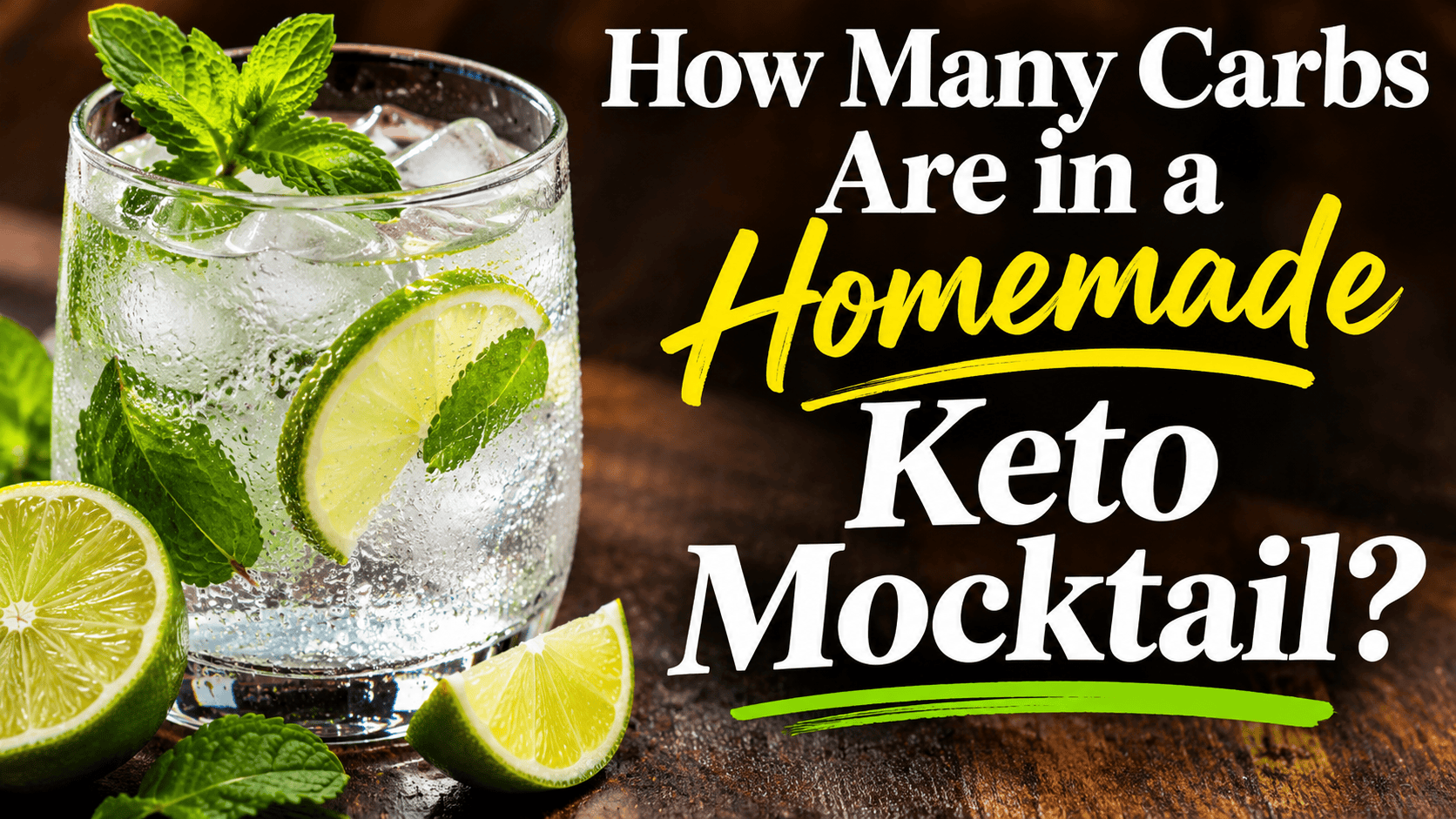
3. Keto Mint Mojito Mocktail
A traditional mojito-inspired drink can easily be transformed into a keto-friendly beverage.
Ingredients
-
1 cup club soda
-
6 fresh mint leaves
-
1 tablespoon fresh lime juice
-
Keto-friendly sweetener to taste
-
Crushed ice
Instructions
-
Place mint leaves in a tall glass.
-
Add lime juice and sweetener.
-
Gently muddle the mint.
-
Fill the glass with crushed ice.
-
Pour club soda over the mixture.
-
Stir and garnish with fresh mint.
Estimated net carbohydrates: Approximately 1 gram per serving.
4. Keto Strawberry Basil Cooler
Strawberries and basil create a refreshing combination that feels both sweet and sophisticated.
Ingredients
-
1 cup sparkling water
-
2 medium strawberries
-
3 fresh basil leaves
-
1 teaspoon lemon juice
-
Keto-friendly sweetener if desired
-
Ice cubes
Instructions
-
Slice the strawberries.
-
Add strawberries and basil to a glass.
-
Gently muddle the ingredients.
-
Add lemon juice and ice.
-
Pour sparkling water over the mixture.
-
Stir and serve immediately.
Estimated net carbohydrates: Approximately 2–3 grams per serving.
5. Keto Ginger Lime Sparkler
This simple drink delivers a bold, refreshing ginger flavor.
Ingredients
-
1 cup unsweetened sparkling water
-
1 tablespoon fresh lime juice
-
¼ teaspoon freshly grated ginger
-
Monk fruit sweetener to taste
-
Ice cubes
Instructions
-
Add grated ginger and lime juice to a glass.
-
Stir in monk fruit sweetener.
-
Fill the glass with ice.
-
Add sparkling water.
-
Stir gently.
-
Strain if you prefer a smoother drink.
Estimated net carbohydrates: Approximately 1–2 grams per serving.
All nutritional estimates are approximate and depend on the exact ingredients and quantities used.
Can You Use Diet Soda in Keto Mocktails?
Yes, many diet sodas can be used in keto-friendly mocktails because they contain little or no sugar and carbohydrates.
Diet lemon-lime soda, sugar-free ginger ale, and other zero-sugar beverages can serve as convenient mixers.
However, it is important to distinguish between diet soda and regular soda.
Regular lemon-lime soda often contains substantial added sugar, while zero-sugar versions typically use nonnutritive sweeteners.
Some people prefer avoiding artificial sweeteners, while others find diet soda useful for maintaining a low-carbohydrate eating pattern.
Ultimately, the choice depends on individual preferences and dietary goals.
Is Coconut Water Keto-Friendly for Mocktails?
Coconut water is often marketed as a natural, refreshing beverage.
However, it contains naturally occurring sugars and carbohydrates.
A full cup of unsweetened coconut water may contain approximately 9 grams of carbohydrates, depending on the brand.
That amount can represent a meaningful portion of a strict keto carbohydrate allowance.
If you enjoy coconut flavor, consider using a small amount of coconut water mixed with sparkling water or a sugar-free coconut flavoring.
Unsweetened coconut milk beverages can also be useful, but their carbohydrate content varies by product.
Always check the label.
Are Store-Bought Mocktails Keto-Friendly?
Some ready-to-drink mocktails are compatible with keto, but many contain added sugar.
Packaging terms such as natural, organic, alcohol-free, and low-calorie do not necessarily mean low-carb.
When choosing a bottled or canned mocktail, examine the nutrition information carefully.
Look for total carbohydrates, added sugars, serving size, and the ingredients used for sweetness.
A beverage advertised as containing no added sugar may still contain substantial natural sugars from fruit juice.
For the greatest control over ingredients, homemade mocktails are often the simplest option.
Common Mistakes When Making Keto Mocktails
Even when using generally low-carb ingredients, certain mistakes can increase the carbohydrate content of a drink.
Using Too Much Fruit
A few berries may fit comfortably into a keto mocktail, but large amounts of fruit puree can significantly increase carbohydrates.
Use small portions to provide flavor rather than making fruit the primary liquid ingredient.
Assuming All Sugar-Free Products Are Carb-Free
Some sugar-free syrups and drink mixes contain carbohydrates from other ingredients.
Always check the nutrition label.
Using Regular Tonic Water
Tonic water is commonly mistaken for plain sparkling water.
However, regular tonic water usually contains added sugar.
Choose diet or zero-sugar tonic water when making keto-friendly mocktails.
Forgetting About Garnishes
Large fruit garnishes, candied citrus, sugar-coated glass rims, and sweetened cherries can add carbohydrates.
Use fresh herbs, citrus zest, or small fruit slices instead.
Adding Too Much Sweetener
Keto-friendly sweeteners can be useful, but excessive amounts may create an unpleasant aftertaste.
Start with a small amount and adjust gradually.
How Do You Make a Keto Mocktail Taste Better?
One of the biggest challenges when making sugar-free mocktails is creating balanced flavor.
Sugar traditionally softens acidity and bitterness. Without it, drinks may taste overly tart or flat.
The solution is to balance several flavor elements.
Acidity: Lemon and lime juice create brightness.
Sweetness: Keto-compatible sweeteners soften sharp flavors.
Aroma: Fresh herbs, citrus zest, and spices add complexity.
Texture: Crushed ice, sparkling water, and blended ingredients change the drinking experience.
Temperature: Serving mocktails properly chilled improves their refreshing qualities.
For example, a simple mixture of sparkling water and lime juice may taste too sour. Adding a small amount of monk fruit sweetener and fresh mint can create a much more balanced beverage.
Experimenting with different combinations is part of the enjoyment of making mocktails at home.
Can You Drink Keto Mocktails Every Day?
For many people, low-carb mocktails can be enjoyed regularly as part of a balanced eating pattern.
Drinks made primarily with water, sparkling water, fresh herbs, and small amounts of citrus are generally low in carbohydrates.
However, daily consumption should still take into account the ingredients used.
Some sugar-free sweeteners may cause digestive discomfort when consumed in large quantities.
Acidic drinks may also contribute to tooth enamel erosion with frequent exposure, especially when sipped continuously throughout the day.
Plain water should remain an important source of hydration.
Keto mocktails can provide variety, but they do not need to replace ordinary water.
Frequently Asked Questions About Keto-Friendly Mocktails
What is the main difference between a keto mocktail and a regular mocktail?
The main difference is carbohydrate content. Keto mocktails avoid or minimize sugary juices, syrups, and mixers, replacing them with low-carb ingredients and sugar-free alternatives.
Can a mocktail be keto-friendly without artificial sweeteners?
Yes. Fresh herbs, citrus, cucumber, and small amounts of berries can provide enough flavor to create a refreshing mocktail without any added sweetener.
Is lemon juice allowed in keto mocktails?
Yes. Fresh lemon juice contains some natural carbohydrates, but small quantities can generally fit into a ketogenic eating plan.
What is the lowest-carb mocktail base?
Plain water, sparkling water, and club soda are among the lowest-carb options because they generally contain zero carbohydrates.
Can keto mocktails contain fruit?
Yes. Small portions of lower-carb fruits, especially raspberries, blackberries, and strawberries, can add flavor while keeping carbohydrates relatively low.
Are keto mocktails good for weight loss?
Keto mocktails can help reduce calorie and sugar intake when they replace higher-calorie sugary beverages. However, drinking keto mocktails does not automatically cause weight loss. Overall dietary intake, activity, and other factors still matter.
Do keto mocktails help maintain ketosis?
A mocktail containing very few digestible carbohydrates is less likely to interfere with ketosis than a high-sugar drink. However, whether someone remains in ketosis depends on their overall carbohydrate intake and individual metabolism.
Final Thoughts: What Really Makes a Mocktail Keto-Friendly?
A mocktail becomes keto-friendly when it delivers enjoyable flavor while keeping sugar and carbohydrate content low enough to fit into a ketogenic eating plan.
The most important factor is choosing the right ingredients.
Sparkling water, fresh citrus, herbs, cucumber, small portions of berries, and keto-compatible sweeteners can transform ordinary beverages into refreshing low-carb creations.
You do not need complicated recipes, expensive ingredients, or specialized bartending equipment to make delicious keto mocktails.
A few simple ingredients, balanced flavors, and a little creativity are often all it takes.
Whether you prefer a refreshing cucumber spritzer, a fruity raspberry fizz, or a classic mint mojito-inspired drink, there are plenty of ways to enjoy mocktails without relying on added sugar.
The secret to a great keto mocktail is simple: maximize flavor, minimize sugar, and keep carbohydrates within your personal daily goals.
With that approach, you can enjoy flavorful, refreshing, alcohol-free drinks while staying consistent with your keto lifestyle.

Leave a Reply