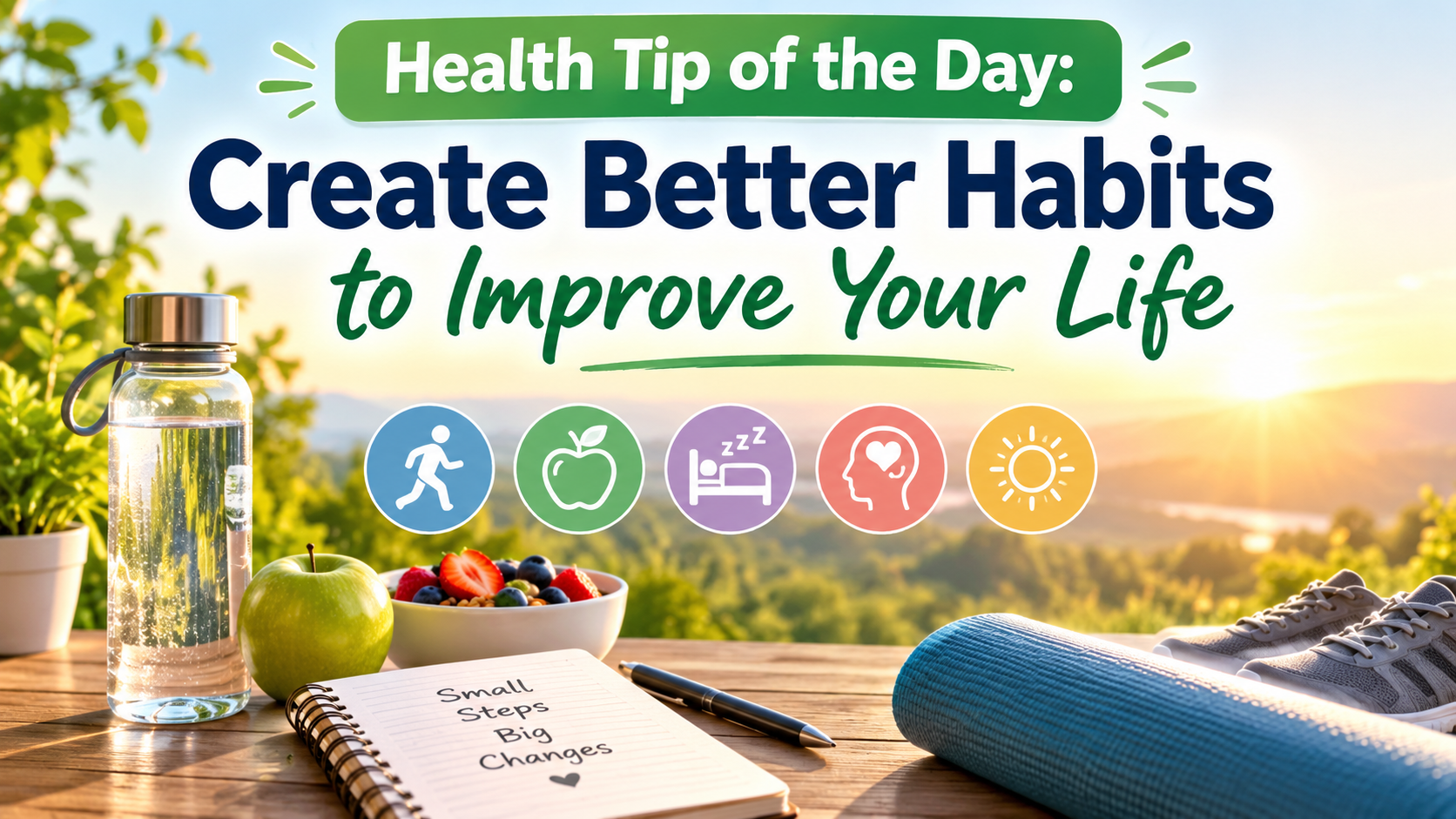
Small Daily Changes Can Lead to a Healthier, Happier, and More Fulfilling Future
Improving your life does not always require a dramatic transformation. Sometimes, the most meaningful changes begin with the smallest decisions you make each day. The way you start your morning, the foods you eat, how you manage stress, the amount of sleep you get, and even the thoughts you allow yourself to focus on can influence your overall health and happiness.
Creating better habits is one of the most effective ways to improve your physical health, mental well-being, emotional balance, and quality of life. While motivation may inspire you to begin making changes, consistency is what helps those changes become a lasting part of your daily routine.
The good news is that you do not have to change everything overnight. You do not need a perfect schedule, an expensive gym membership, or a completely different lifestyle to begin improving your health.
You simply need to start making better choices, one day at a time.
Today’s Health Tip of the Day focuses on how creating healthier habits can improve your life, why consistency matters more than perfection, and practical steps you can take to build routines that support your long-term well-being.
Why Healthy Habits Matter
Your daily habits influence more than you might realize.
Many of the things you do throughout the day happen automatically. You wake up, reach for your phone, prepare your morning drink, eat familiar foods, follow your usual routines, and eventually go to bed.
These repeated behaviors shape your lifestyle.
Some habits support your health, while others may gradually work against it.
For example, regularly getting enough sleep can improve your concentration, energy, and emotional well-being. On the other hand, consistently sacrificing sleep may leave you feeling exhausted, irritable, and less motivated.
Similarly, making physical activity part of your routine can strengthen your muscles, support cardiovascular health, and improve your mood.
Healthy habits can help you:
-
Maintain better physical health.
-
Improve your energy throughout the day.
-
Support emotional and mental well-being.
-
Reduce the risk of certain chronic diseases.
-
Develop greater self-discipline.
-
Improve sleep quality.
-
Manage everyday stress.
-
Build confidence in yourself.
-
Create a more balanced lifestyle.
-
Improve your overall quality of life.
The most important thing to remember is that your habits do not have to be perfect to be beneficial.
Small improvements, repeated consistently, can make a meaningful difference over time.
1. Start Your Morning With a Positive Routine
How you begin your morning can influence the rest of your day.
When you wake up feeling rushed, immediately check your phone, or begin worrying about everything you need to accomplish, you may start the day feeling overwhelmed.
Creating a healthier morning routine can help you feel more organized, focused, and prepared.
Consider developing a routine that includes drinking water, opening the curtains to let in natural light, stretching gently, eating a nutritious breakfast, and taking a few moments to collect your thoughts.
You might also spend a few minutes reading something encouraging, praying, journaling, or simply enjoying a quiet moment before beginning your responsibilities.
You do not need to wake up at five in the morning or follow an elaborate schedule.
A positive morning routine should work with your lifestyle rather than create additional pressure.
Healthy habit to try: Spend the first ten minutes of your morning doing something that supports your physical or emotional well-being before checking social media.
2. Make Drinking Water a Daily Priority
Water is essential for maintaining normal body functions.
Your body depends on adequate hydration to regulate temperature, transport nutrients, support digestion, and maintain normal physical performance.
When you do not drink enough fluids, you may experience symptoms such as thirst, headaches, fatigue, or difficulty concentrating.
One simple way to improve your hydration habits is to keep a reusable water bottle nearby throughout the day.
You can also drink water with meals, choose water more often instead of sugary beverages, and increase your fluid intake when exercising or spending time in hot weather.
Individual hydration needs vary depending on activity level, climate, health conditions, and other factors. Some people also need to limit fluids for medical reasons.
Healthy habit to try: Begin your morning with a glass of water and make water your usual beverage with meals.
3. Move Your Body Every Day
Physical activity is one of the most valuable habits you can develop.
Regular movement supports heart health, muscle strength, flexibility, balance, and mental well-being.
Unfortunately, many people believe exercise only counts when it involves intense workouts, running several miles, or spending an hour at the gym.
That simply is not true.
Walking around your neighborhood, gardening, dancing, swimming, stretching, or performing gentle chair exercises can all contribute to a more active lifestyle.
For most adults, general physical activity guidelines recommend working toward at least 150 minutes of moderate-intensity aerobic activity each week, along with muscle-strengthening activities on two days.
However, you do not have to reach those recommendations immediately.
If you have been inactive, beginning with just five or ten minutes of comfortable movement can be a reasonable starting point.
Choose activities that match your abilities, and increase gradually. People with significant mobility limitations or medical concerns may benefit from individualized guidance.
Healthy habit to try: Add a short walk or another comfortable form of movement to your daily routine.
4. Improve Your Eating Habits Without Extreme Dieting
Healthy eating does not require eliminating every food you enjoy.
Instead, focus on creating a balanced eating pattern that provides your body with the nutrients it needs.
A nutritious diet generally includes a variety of vegetables, fruits, whole grains, protein-rich foods, and sources of healthy fats.
Simple improvements can include adding vegetables to dinner, choosing whole-grain foods more often, preparing meals at home, and reducing how frequently you consume heavily sweetened beverages.
It can also help to pay attention to hunger and fullness cues rather than eating automatically because you are bored, stressed, or distracted.
Remember that occasional treats can fit into a balanced eating pattern.
Food should provide nourishment and enjoyment, not become a constant source of guilt.
Healthy habit to try: Add one nutritious food to a meal you already enjoy instead of trying to change your entire diet overnight.
5. Create a Consistent Sleep Schedule
Sleep is not a luxury. It is an essential part of maintaining good health.
During sleep, your body carries out important processes involved in recovery, memory, immune function, and overall well-being.
Most adults need at least seven hours of sleep each night, although individual needs vary.
Developing a consistent bedtime routine can help support better sleep.
Try going to bed and waking up at approximately the same time each day. Keep your bedroom comfortable, dark, and quiet whenever possible.
Reducing caffeine late in the day and limiting stimulating activities before bedtime may also help.
If you frequently struggle with sleep, consider whether stress, irregular schedules, medications, or underlying health conditions might be contributing.
Persistent insomnia, loud snoring, or breathing interruptions during sleep deserve medical attention.
Healthy habit to try: Establish a regular bedtime and create a relaxing 30-minute routine before going to sleep.
6. Learn to Manage Stress in Healthier Ways
Stress is a normal part of life, but prolonged or overwhelming stress can affect both physical and emotional health.
It may contribute to headaches, muscle tension, difficulty sleeping, irritability, and problems concentrating.
Although you cannot eliminate every stressful situation, you can develop healthier ways to respond.
Helpful strategies may include deep breathing, spending time outdoors, talking with someone you trust, practicing mindfulness, listening to music, or taking short breaks throughout the day.
Sometimes, managing stress also means recognizing when you have taken on too many responsibilities.
You do not have to say yes to every request or solve every problem immediately.
Learning to establish healthy boundaries is an important part of protecting your well-being.
Healthy habit to try: Set aside five minutes each day to disconnect from distractions and practice slow, comfortable breathing.
7. Replace Negative Self-Talk With Encouragement
The way you speak to yourself can influence your confidence, motivation, and emotional health.
If you constantly criticize yourself for mistakes, compare your progress with others, or focus only on what you have not accomplished, making positive changes may feel more difficult.
Developing healthier self-talk does not mean pretending everything is wonderful.
It means learning to acknowledge challenges without defining yourself by them.
Instead of saying, “I always fail when I try to improve,” consider telling yourself, “I am learning how to build better habits, and progress takes practice.”
Rather than believing one difficult day has ruined your progress, remind yourself that tomorrow provides another opportunity.
Self-compassion can help you respond to setbacks constructively.
Healthy habit to try: When you catch yourself thinking something unnecessarily harsh about yourself, replace it with a more balanced and encouraging statement.
8. Spend Less Time on Your Phone and More Time Being Present
Technology can make everyday life easier, but excessive or poorly timed screen use can interfere with sleep, physical activity, relationships, and personal responsibilities.
Constant notifications and endless scrolling can also make it difficult to concentrate.
Creating healthier technology habits begins with becoming more intentional about when and why you use your devices.
Consider keeping your phone away during meals, turning off unnecessary notifications, and establishing screen-free periods throughout the day.
You might use that extra time to read, exercise, enjoy a hobby, spend time outdoors, or connect with someone important to you.
The goal is not necessarily to eliminate technology.
It is to make sure technology serves your life rather than constantly interrupting it.
Healthy habit to try: Create one 30-minute period each day when you put your phone aside and focus on something meaningful.
9. Make Time for Relationships That Support Your Well-Being
Human connection plays an important role in emotional health.
Supportive relationships can provide encouragement, companionship, and a sense of belonging.
However, maintaining meaningful connections often requires intentional effort.
Busy schedules, stress, grief, and personal challenges can make it easy to withdraw from others.
Even small gestures can help strengthen relationships.
Sending a thoughtful message, calling a friend, checking on a family member, or spending time with someone you care about can make a difference.
Healthy relationships also involve mutual respect, communication, and boundaries.
Not every relationship will be equally supportive, and it is reasonable to protect yourself from consistently harmful interactions.
Healthy habit to try: Reach out to one person each week simply to ask how they are doing or let them know you are thinking about them.
10. Practice Gratitude Without Ignoring Life’s Difficulties
Gratitude can help you notice meaningful and positive experiences that might otherwise go overlooked.
It does not mean ignoring sadness, denying pain, or pretending that difficult circumstances do not exist.
You can be grateful for something good while still acknowledging that other parts of your life are challenging.
For example, you might appreciate a peaceful morning, a supportive friend, a good meal, or a small accomplishment.
Keeping a gratitude journal can provide an opportunity to reflect on these moments.
Research suggests that gratitude practices may offer modest benefits for well-being, although results vary from person to person.
Healthy habit to try: Before going to bed, write down one thing you appreciated about your day, even if it was something small.
11. Set Realistic Goals You Can Actually Maintain
One of the biggest mistakes people make when trying to improve their lives is attempting too many changes at once.
They decide to exercise every day, eliminate unhealthy foods, wake up earlier, stop using social media, and completely reorganize their schedules.
Although enthusiasm can be helpful, overly ambitious changes can quickly become exhausting.
A more sustainable approach is to focus on one or two manageable goals.
Instead of promising to exercise for an hour every day, begin with ten minutes three times a week.
Instead of completely changing your eating habits, start by preparing one additional nutritious meal at home each week.
Specific, achievable goals make it easier to measure progress and build confidence.
As your habits become more established, you can gradually introduce additional improvements.
Healthy habit to try: Choose one habit you want to develop this week and make the first step small enough to fit comfortably into your routine.
12. Stop Expecting Perfection
One of the most important lessons in building healthy habits is understanding that consistency does not require perfection.
There will be days when you feel tired, overwhelmed, distracted, or unmotivated.
You might skip a workout, eat differently than planned, stay up too late, or forget a goal.
That does not erase the progress you have already made.
A single difficult day does not define your future.
Instead of abandoning your routine after a setback, return to your habits when you can.
Think about healthy living as a long-term commitment rather than a short-term challenge.
The goal is not to create a flawless lifestyle.
The goal is to develop routines that support your well-being most of the time.
Healthy habit to try: When you miss a planned activity, avoid criticizing yourself. Identify one simple action that will help you return to your routine.
How Long Does It Take to Build a Healthy Habit?
You may have heard that developing a new habit takes exactly 21 days.
However, habit formation is more complicated than that.
Research suggests that the time required for a behavior to become automatic varies considerably depending on the person, the behavior, and the circumstances.
Some simple habits may become easier within several weeks, while more complicated routines can take months.
Repetition, a consistent environment, and realistic expectations are important.
For example, if you want to develop a walking habit, you might plan to walk immediately after lunch each day.
Connecting the new behavior to something you already do creates a reminder.
Over time, repeating that action in a familiar situation can make it feel more natural.
Do not become discouraged if a habit takes longer to develop than expected.
What matters is finding a routine you can continue practicing.
A Simple 7-Day Plan to Start Building Better Habits
You do not need to transform your entire lifestyle in one week. This plan is designed to introduce small, manageable changes.
Your 7-Day Healthy Habits Challenge
Interactive checklist
0 of 7 completed
0%
Remember that this challenge is a starting point, not a test.
You can adjust each activity according to your health, schedule, and abilities. If you miss a day, simply continue when you are ready.
How to Make Healthy Habits Stick
Developing better habits becomes easier when you create an environment that supports your goals.
Start by making the desired behavior convenient.
If you want to drink more water, keep a water bottle within reach. If you want to eat more nutritious snacks, make them readily available. If you want to walk regularly, place your comfortable walking shoes somewhere visible.
You can also connect new habits to existing routines.
For example, stretch gently after brushing your teeth, practice gratitude before bedtime, or take a short walk after finishing lunch.
Tracking progress can help some people stay motivated. A calendar, notebook, or simple checklist can remind you of the effort you have already invested.
It is also helpful to celebrate small achievements.
Completing a short workout, preparing a balanced meal, or maintaining a bedtime routine for several nights may not seem extraordinary, but those actions represent meaningful progress.
Most importantly, choose habits that fit your actual life.
A healthy routine should be sustainable enough to continue during ordinary weeks, not just when everything is going perfectly.
The Connection Between Healthy Habits and Mental Well-Being
Healthy living involves more than physical fitness.
Your emotional health deserves the same attention as your physical health.
Daily routines can provide structure, especially during stressful or uncertain periods.
Regular movement, sufficient sleep, meaningful relationships, and balanced nutrition may all contribute to better emotional well-being.
However, healthy habits are not a substitute for professional treatment when someone is experiencing persistent depression, anxiety, or other mental health concerns.
There may also be seasons of life when simply getting through the day requires tremendous effort.
During those times, smaller goals may be more appropriate.
Getting out of bed, eating a nourishing meal, spending a few minutes outside, or reaching out for support can all be worthwhile steps.
Improvement does not always look the same for everyone.
Sometimes, progress means accomplishing more.
Other times, it means recognizing your limits and giving yourself the rest and support you need.
Why Small Changes Can Lead to Big Improvements
Imagine making just one small improvement to your daily routine.
Perhaps you begin walking for ten minutes each morning.
After several weeks, walking starts to feel more familiar. You may decide to increase the duration slightly or add another day.
You might then become interested in improving your sleep, preparing more nutritious meals, or managing stress more effectively.
One healthy habit can create opportunities to develop others.
However, positive changes are not always immediate or easy to notice.
Some benefits may appear quickly, while others develop gradually.
That is why it helps to focus on the actions you can control rather than expecting dramatic results within a particular timeframe.
You cannot guarantee that every habit will produce a specific outcome.
But you can give yourself a better opportunity to support your health through consistent, evidence-informed choices.
Final Thoughts: A Better Life Begins With Better Daily Choices
Creating better habits is not about becoming a completely different person.
It is about taking better care of the person you already are.
You deserve routines that support your health, protect your peace of mind, and help you enjoy your life.
You deserve time to rest, opportunities to grow, and the freedom to make progress without constantly criticizing yourself.
Some days will be productive. Other days will be difficult.
There will be moments when motivation comes easily and moments when even the smallest task feels challenging.
What matters is continuing to make choices that support your well-being whenever possible.
You do not have to change everything today.
Start with one glass of water, one nutritious meal, one short walk, one peaceful moment, or one encouraging thought.
Allow those small actions to become part of your routine.
Over time, you may discover that improving your life is less about making one extraordinary decision and more about making ordinary, healthier decisions repeatedly.
Today’s Health Tip of the Day Reminder:
You do not have to be perfect to improve your life. Every healthy choice is an opportunity to care for yourself, build a stronger foundation, and move toward a better tomorrow. Start small, stay consistent, and remember that meaningful progress takes time.
What is one healthy habit you would like to start today that could make a positive difference in your life?



Leave a Reply