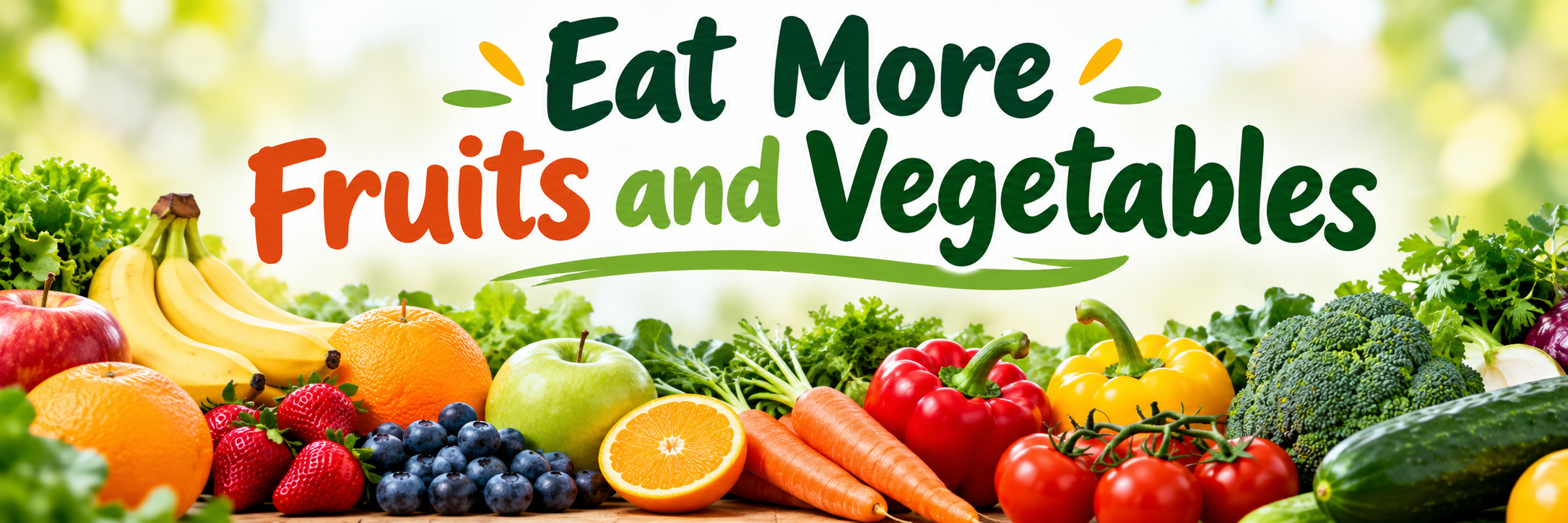
Eating more fruits and vegetables is one of the simplest and most effective ways to improve your overall health. These natural foods provide essential vitamins, minerals, fiber, antioxidants, and other nutrients that help your body function properly.
Whether your goal is to lose weight, improve digestion, support your heart, increase your energy, or simply feel better every day, adding more fruits and vegetables to your diet can make a meaningful difference.
The good news is that eating healthier does not require expensive ingredients, complicated meal plans, or drastic lifestyle changes. Sometimes, improving your health begins with something as simple as adding a banana to breakfast, enjoying a salad with lunch, or including an extra serving of vegetables with dinner.
Small changes can lead to lasting improvements when they become part of your daily routine.
Why Eating More Fruits and Vegetables Matters
Fruits and vegetables are among the most nutrient-dense foods available. They provide important nutrients while generally being relatively low in calories.
Many also contain significant amounts of water and dietary fiber, which can help you feel satisfied after eating.
A diet rich in fruits and vegetables is associated with a lower risk of several chronic health conditions, including cardiovascular disease and certain cancers.
They also contribute to healthy digestion, immune function, and overall well-being.
Unlike highly processed foods that may contain large amounts of added sugar, sodium, and unhealthy fats, whole fruits and vegetables provide nutrients your body needs without many unnecessary additions.
The more variety you include in your meals, the broader the range of beneficial nutrients you can receive.
1. Support Better Heart Health
Your heart works continuously to keep blood circulating throughout your body. Providing it with the right nutrients is an important part of maintaining cardiovascular health.
Many fruits and vegetables contain potassium, fiber, and antioxidants that support heart health.
Potassium helps regulate blood pressure by balancing some of sodium’s effects in the body.
Fiber, particularly soluble fiber found in foods such as apples, citrus fruits, and certain vegetables, can help lower LDL cholesterol.
Some excellent heart-healthy choices include:
- Apples
- Oranges
- Berries
- Spinach
- Broccoli
- Tomatoes
- Sweet potatoes
- Leafy greens
Eating these foods regularly as part of a balanced diet can contribute to better cardiovascular health over time.
2. Help Maintain a Healthy Weight
If you are trying to lose weight or maintain your current weight, fruits and vegetables can be valuable additions to your meals.
Many vegetables are low in calories but high in volume, allowing you to enjoy satisfying portions without consuming excessive calories.
Their fiber and water content can also help promote fullness.
For example, replacing a portion of calorie-dense side dishes with roasted vegetables or a fresh salad can reduce the overall calorie content of a meal.
Choosing a whole apple instead of a sugary snack may also help satisfy your appetite while providing beneficial nutrients.
However, weight management depends on your overall eating habits, physical activity, sleep, and other individual factors.
Fruits and vegetables are helpful tools, not magical weight-loss solutions.
The goal should be to create a sustainable eating pattern rather than follow restrictive diets.
3. Improve Digestive Health
Your digestive system depends on fiber to function efficiently.
Fiber helps support regular bowel movements and contributes to a healthy digestive environment.
Fruits and vegetables provide different types of fiber, including soluble and insoluble fiber.
Soluble fiber absorbs water and can help soften stools, while insoluble fiber adds bulk and helps move waste through the digestive tract.
Fiber also supports beneficial bacteria living in your intestines.
Some excellent fiber-rich choices include pears, raspberries, apples with their skins, broccoli, carrots, peas, and Brussels sprouts.
When increasing your fiber intake, do so gradually and drink enough water to reduce the likelihood of bloating or digestive discomfort.
4. Strengthen Your Immune System
Your immune system protects your body against infections and helps maintain overall health.
Fruits and vegetables provide vitamins and minerals that support normal immune function.
Vitamin C, for example, contributes to immune cell function and helps protect cells from oxidative damage.
Foods rich in vitamin C include oranges, strawberries, kiwi, bell peppers, and broccoli.
Vitamin A also supports immune function and helps maintain healthy skin and tissues.
Carrots, sweet potatoes, spinach, and other colorful vegetables contain carotenoids that the body can convert into vitamin A.
Eating a variety of these foods helps provide the nutrients your immune system needs.
However, no single fruit or vegetable can prevent every illness.
Good nutrition works alongside adequate sleep, physical activity, hygiene, and preventive healthcare.
5. Support Healthy Skin
Healthy skin begins with more than skincare products.
What you eat also contributes to your skin’s health and appearance.
Vitamin C supports collagen production, which helps maintain skin structure.
Vitamin A supports normal skin cell development, while antioxidants help protect cells against oxidative stress.
Water-rich fruits and vegetables can also contribute to your daily fluid intake.
Some beneficial choices include watermelon, cucumbers, strawberries, tomatoes, carrots, and leafy greens.
Although eating more fruits and vegetables will not eliminate wrinkles or reverse aging, a nutrient-rich diet supports normal skin health.
6. Support Energy and Everyday Wellness
Feeling energized throughout the day depends on many factors, including sleep, hydration, physical activity, and adequate nutrition.
Fruits and vegetables provide carbohydrates, vitamins, minerals, and other nutrients involved in normal body functions.
Bananas, oranges, berries, and apples make convenient snacks that can provide carbohydrates for energy.
Vegetables such as spinach, peas, and potatoes contribute important minerals and vitamins.
Pairing fruit with protein or healthy fats, such as yogurt or nuts, can also create a more satisfying snack.
Rather than relying on sugary drinks or heavily processed snacks, consider incorporating more whole foods into your daily routine.
Consistent, balanced nutrition helps support your body’s everyday energy needs.
7. Reduce the Risk of Chronic Disease
One of the strongest reasons to eat more fruits and vegetables is their association with long-term health.
Research consistently links diets rich in fruits and vegetables with a lower risk of cardiovascular disease and certain other chronic conditions.
Their benefits come from a combination of nutrients, including fiber, potassium, vitamins, and naturally occurring plant compounds.
Different fruits and vegetables offer different nutritional advantages.
That is why variety matters.
Eating broccoli every day is beneficial, but combining broccoli with berries, carrots, tomatoes, leafy greens, and other produce provides a wider range of nutrients.
No individual food guarantees protection against disease, but healthier dietary patterns can contribute to better long-term outcomes.
How Many Fruits and Vegetables Should You Eat Every Day?
A useful general goal for many adults is approximately five servings of fruits and vegetables each day.
For someone following a 2,000-calorie eating pattern, dietary guidance commonly recommends approximately:
- 2 cups of fruit daily
- 2½ cups of vegetables daily
Individual needs vary depending on age, sex, activity level, and calorie requirements.
A serving might include a medium apple, a cup of raw vegetables, half a cup of cooked vegetables, or a cup of berries, depending on the food and the measurement system being used.
You do not have to eat everything at once.
Spreading fruits and vegetables across breakfast, lunch, dinner, and snacks makes meeting your goals easier.
Eat the Rainbow: Why Different Colors Matter
<text preserveWhitespace>{“”}</text>
One of the easiest ways to improve nutritional variety is to eat fruits and vegetables in different colors.
Different colors often indicate the presence of different plant pigments and nutrients.
Red fruits and vegetables: Tomatoes, strawberries, watermelon, and red bell peppers provide nutrients such as vitamin C and various antioxidants.
Orange and yellow produce: Carrots, sweet potatoes, mangoes, and oranges provide carotenoids, vitamin C, and other beneficial nutrients.
Green vegetables: Spinach, kale, broccoli, and asparagus provide nutrients such as folate, vitamin K, and fiber.
Blue and purple produce: Blueberries, blackberries, purple cabbage, and eggplant contain plant compounds such as anthocyanins.
White and brown produce: Cauliflower, mushrooms, onions, and garlic provide a variety of vitamins, minerals, fiber, and other plant compounds.
You do not need every color at every meal.
Instead, aim to include different colors throughout the week.
10 Easy Ways to Eat More Fruits and Vegetables
Improving your eating habits does not have to be difficult. These simple strategies can help you incorporate more produce into your everyday meals.
- Add fruit to breakfast. Include berries with oatmeal, banana slices with cereal, or fresh fruit alongside eggs.
- Include vegetables with lunch. Add lettuce, tomatoes, cucumbers, or spinach to sandwiches and wraps.
- Make half your plate fruits and vegetables. This simple visual approach can help you build more balanced meals.
- Keep fresh fruit visible. Place a bowl of apples, oranges, or bananas where you will see them.
- Choose vegetables for snacks. Carrots, celery, bell peppers, and cucumber slices pair well with hummus or yogurt-based dips.
- Add vegetables to your favorite recipes. Mix spinach into pasta, mushrooms into sauces, or extra vegetables into soups.
- Use frozen produce. Frozen fruits and vegetables are convenient, often affordable, and can be nutritious alternatives to fresh produce.
- Prepare vegetables in advance. Washing and cutting vegetables ahead of time makes healthy choices more convenient.
- Try one new fruit or vegetable each week. Experimenting with unfamiliar produce can keep meals interesting.
- Make smoothies with whole fruits. Blend berries, bananas, and spinach with plain yogurt or milk for a nutritious option that retains the fiber of whole produce.
Fresh, Frozen, or Canned: Which Is Best?
Many people assume fresh produce is always healthier, but that is not necessarily true.
Fresh, frozen, and canned fruits and vegetables can all contribute to a nutritious diet.
Fresh produce offers excellent flavor and texture, especially when eaten in season.
Frozen produce is often processed shortly after harvesting, helping preserve many important nutrients. It is convenient and reduces food waste.
Canned produce can be affordable and practical, particularly when fresh options are unavailable.
When buying canned vegetables, look for low-sodium or no-salt-added varieties when possible.
For canned fruits, choose products packed in water or their own juice rather than heavy syrup.
The healthiest option is often the one you can afford, enjoy, and consistently include in your meals.
A Simple Daily Meal Plan With More Fruits and Vegetables
Here is an example of how you can naturally include more produce throughout the day.
Breakfast: Scrambled eggs with spinach and tomatoes, served with fresh strawberries.
Morning snack: An apple with a small handful of almonds.
Lunch: Grilled chicken salad with mixed greens, cucumbers, carrots, and bell peppers.
Afternoon snack: Carrot sticks with hummus.
Dinner: Baked salmon or another protein of your choice with roasted broccoli, sweet potatoes, and a side salad.
Evening snack: A small bowl of blueberries or another favorite fruit.
This is only an example. Your meals should reflect your nutritional needs, budget, preferences, and lifestyle.
Common Mistakes to Avoid
Even when trying to eat healthier, certain habits can reduce the benefits of adding more produce.
One common mistake is relying heavily on fruit juice instead of whole fruit.
Although 100% fruit juice can provide some nutrients, whole fruit generally contains more fiber and is often more filling.
Another mistake is covering vegetables with large amounts of butter, salt, or calorie-dense sauces.
You can still enjoy flavorful vegetables by using herbs, spices, lemon juice, olive oil, and different cooking techniques.
It is also important not to assume that all vegetables must be eaten raw.
Cooking can make certain nutrients more accessible, and cooked vegetables may be easier for some people to digest.
Finally, avoid making drastic dietary changes overnight.
Gradually increasing your fruit and vegetable intake is often easier to maintain.
Healthy Eating Does Not Have to Be Expensive
One reason people struggle to eat more produce is the belief that healthy food costs too much.
However, there are practical ways to enjoy fruits and vegetables while staying within a budget.
Buying seasonal produce can reduce costs.
Frozen vegetables are often less expensive than fresh options and last much longer.
Canned beans, tomatoes, carrots, and other vegetables can also provide affordable ingredients for nutritious meals.
Planning meals around produce that is on sale helps reduce unnecessary spending.
You can also limit food waste by freezing leftover fruits for smoothies or using extra vegetables in soups and casseroles.
Healthy eating is not about buying the most expensive organic products or specialty ingredients.
It is about making nutritious choices that work for your circumstances.
Small Changes Create Lasting Results
One of the biggest mistakes people make when trying to improve their health is believing they must change everything immediately.
The truth is that lasting improvements often begin with small, manageable steps.
Start by adding one extra serving of vegetables to dinner.
After that becomes a habit, include fruit with breakfast.
Eventually, add vegetables to lunch or choose produce for an afternoon snack.
Over time, these simple choices can become natural parts of your routine.
You do not need a perfect diet to improve your health.
Consistency matters more than perfection.
Every healthy choice is an opportunity to provide your body with the nutrients it needs.
Final Thoughts: Make Fruits and Vegetables Part of Your Everyday Life
Eating more fruits and vegetables is a simple but powerful way to support your health.
From improving digestion and supporting heart health to helping maintain a healthy weight and providing essential nutrients, these foods offer benefits that extend throughout your body.
You do not need to follow complicated diets or eliminate every food you enjoy.
Instead, focus on adding more nutritious foods to the meals you already eat.
Choose an apple instead of a sugary snack occasionally. Add broccoli to dinner. Enjoy berries with breakfast. Try a new vegetable when shopping for groceries.
Each small decision can help build a healthier lifestyle.
Better health is not built through one perfect meal. It is built through the choices you make consistently, day after day.
What is your favorite fruit or vegetable, and what is one simple way you could add more of it to your daily meals?


Leave a Reply