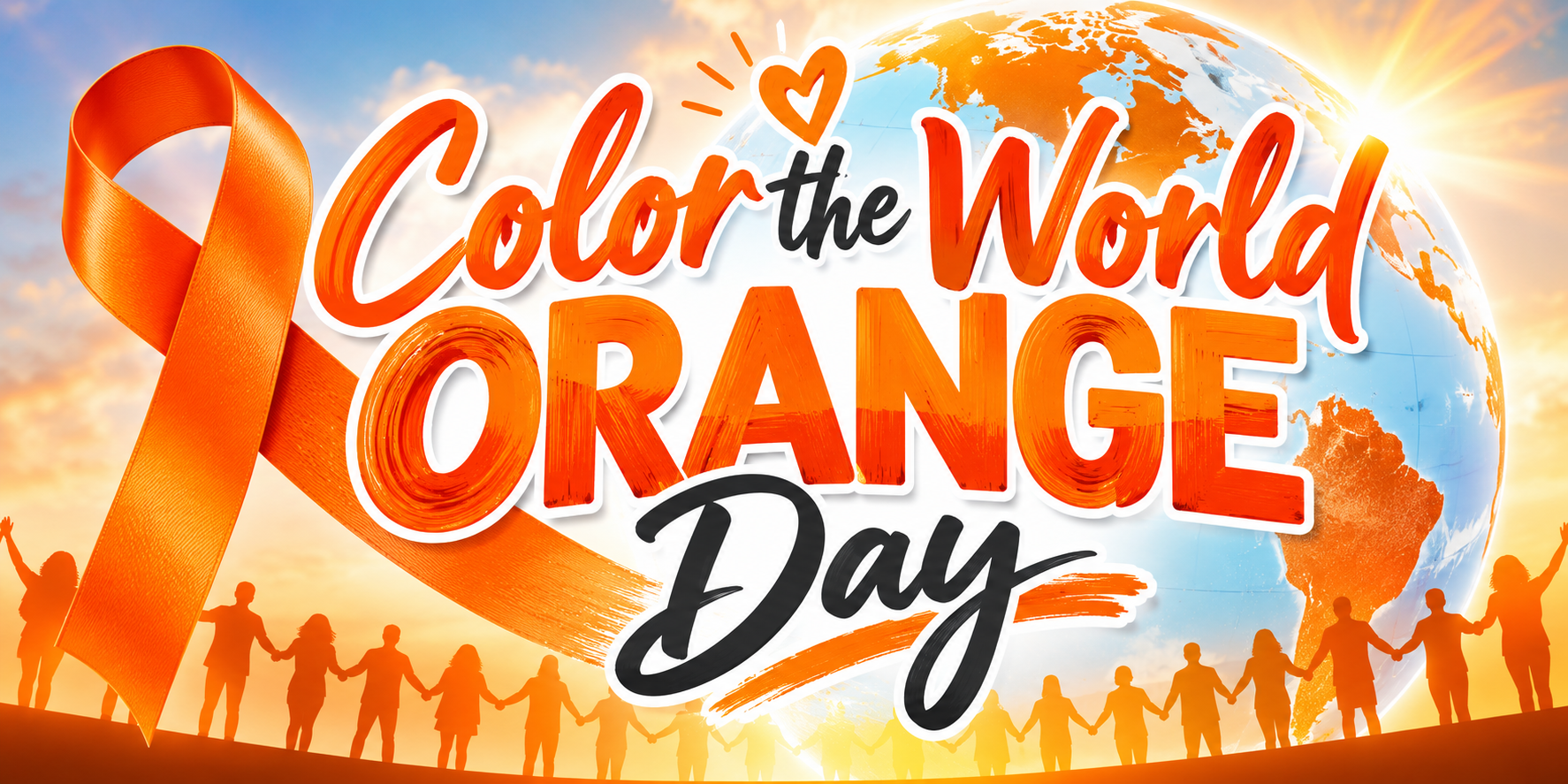
Every year, on the first Monday of November, people around the world come together to recognize Color the World Orange Day, a special observance dedicated to raising awareness about Complex Regional Pain Syndrome (CRPS), a chronic pain condition that can dramatically change a person’s life.
Orange is more than just a bright, cheerful color on this day. It represents awareness, strength, courage, hope, and solidarity with people who live with CRPS and the challenges they face every day.
For those living with chronic pain, the struggle is not always visible. Many individuals endure intense physical discomfort, emotional exhaustion, and limitations that others may never fully understand. Color the World Orange Day reminds us that even when someone’s pain cannot be seen, their suffering is real, and their voice deserves to be heard.
In 2026, Color the World Orange Day falls on Monday, November 2.
What Is Color the World Orange Day?
Color the World Orange Day is an annual awareness event observed on the first Monday of November to bring attention to Complex Regional Pain Syndrome, commonly known as CRPS.
The day encourages individuals, families, healthcare professionals, organizations, and communities to wear orange, share educational information, and support those affected by the condition.
The primary goals of Color the World Orange Day include:
-
Increasing public awareness about CRPS.
-
Helping people recognize the symptoms of the condition.
-
Encouraging earlier diagnosis and appropriate treatment.
-
Supporting individuals living with chronic pain.
-
Promoting compassion and understanding.
-
Encouraging research into better treatment options.
-
Reminding people with CRPS that they are not alone.
While orange may be associated with autumn, pumpkins, and changing leaves, its meaning on this day goes much deeper.
It becomes a symbol of unity for people whose daily lives are affected by pain.
What Is Complex Regional Pain Syndrome (CRPS)?
Complex Regional Pain Syndrome is a chronic pain condition that usually affects an arm, leg, hand, or foot.
It often develops after an injury, surgery, fracture, or another medical event. However, the severity and duration of the pain can be significantly greater than what would typically be expected from the original injury.
CRPS involves changes in how the nervous system processes pain and may also affect circulation, movement, temperature regulation, and inflammation.
There are two traditionally recognized types:
CRPS Type I: Develops without a confirmed injury to a specific peripheral nerve. It may occur after a fracture, sprain, surgery, or other physical trauma.
CRPS Type II: Occurs when there is an identifiable injury to a peripheral nerve.
Both types can produce significant pain and interfere with everyday activities.
Although CRPS is considered uncommon, its effects can be devastating for those who experience it.
Understanding the Symptoms of CRPS
One of the challenges of Complex Regional Pain Syndrome is that symptoms can vary widely between individuals.
Some people experience constant pain, while others experience symptoms that fluctuate over time.
Common symptoms include:
1. Severe, Persistent Pain
The most recognizable symptom of CRPS is ongoing pain that is disproportionate to the original injury.
People may describe the pain as burning, stabbing, throbbing, or intensely aching.
Even light contact with clothing or bedding may cause severe discomfort.
2. Swelling and Inflammation
Affected areas may become swollen, making movement uncomfortable or difficult.
Swelling may fluctuate throughout the day or change as the condition progresses.
3. Changes in Skin Color
The affected limb may appear red, purple, pale, or blotchy.
These changes can occur because of alterations in circulation and nervous system function.
4. Temperature Changes
A person with CRPS may notice that one hand or foot feels unusually hot or cold compared with the opposite limb.
Temperature differences can sometimes be significant.
5. Sensitivity to Touch
Ordinary sensations that most people barely notice can become extremely painful.
Something as simple as a handshake, a gentle touch, or wearing shoes may trigger discomfort.
6. Limited Movement
Pain, stiffness, weakness, and changes in muscle function can make movement difficult.
Over time, some individuals experience reduced mobility and difficulty completing everyday tasks.
7. Changes in Hair, Nails, and Skin
CRPS can sometimes cause changes in nail growth, hair growth, skin texture, and sweating.
These physical changes are additional signs that the condition affects more than pain perception alone.
Recognizing these symptoms matters because early medical evaluation and appropriate treatment may improve outcomes.
Why CRPS Awareness Is So Important
Many people have never heard of Complex Regional Pain Syndrome until they or someone they love receives a diagnosis.
This lack of awareness can contribute to misunderstanding, delayed recognition, and feelings of isolation.
Unlike a broken bone or a visible wound, chronic pain is often difficult for others to understand.
Someone living with CRPS may appear healthy while experiencing significant pain.
They may smile during conversations, attend family gatherings, or attempt to work while struggling physically.
Unfortunately, invisible conditions are sometimes met with skepticism.
People may hear comments such as:
“Are you sure it hurts that badly?”
“You look fine to me.”
“Maybe you just need to exercise more.”
“Shouldn’t you be better by now?”
Although these statements may not always be intended to cause harm, they can make someone living with chronic pain feel dismissed or misunderstood.
Color the World Orange Day encourages us to replace judgment with compassion.
We do not have to experience another person’s pain to believe them.
The Emotional Impact of Living With Chronic Pain
CRPS affects more than the body.
Living with persistent pain can influence nearly every part of a person’s life, including emotional health, relationships, employment, independence, and personal identity.
Imagine waking up every morning uncertain whether you will be able to complete activities that once seemed effortless.
Simple tasks such as cooking breakfast, getting dressed, cleaning the house, or walking to the mailbox may become exhausting challenges.
Over time, these limitations can contribute to frustration, sadness, anxiety, loneliness, and emotional fatigue.
Some individuals may experience grief over the life they had before their condition developed.
They may miss activities they once enjoyed, careers they worked hard to build, or the independence they previously took for granted.
This emotional struggle deserves recognition.
Chronic pain and mental health are closely connected, but that does not mean the pain is imaginary or simply psychological.
People living with CRPS deserve support for both their physical symptoms and their emotional well-being.
Why Orange Was Chosen as the Awareness Color
Orange is a bold, energetic color that naturally attracts attention.
For Color the World Orange Day, it serves as a recognizable symbol of CRPS awareness.
Orange can also represent several meaningful qualities.
Hope: The belief that better treatments, increased understanding, and improved quality of life are possible.
Strength: The determination required to face daily challenges while living with chronic pain.
Courage: The willingness to continue moving forward despite uncertainty and discomfort.
Unity: The connection between individuals, families, caregivers, and advocates working toward greater awareness.
Visibility: A reminder that people with invisible illnesses deserve to be seen, heard, and understood.
Wearing orange may seem like a small gesture, but when communities participate together, that simple action can help start important conversations.
How to Celebrate Color the World Orange Day
There are many meaningful ways to participate in Color the World Orange Day, whether you personally live with CRPS, know someone affected by it, or simply want to support greater awareness.
1. Wear Orange
One of the easiest ways to participate is to wear something orange.
It could be an orange shirt, ribbon, bracelet, scarf, or pair of shoes.
When someone asks why you are wearing orange, use the opportunity to explain the importance of CRPS awareness.
A simple conversation can help someone learn about a condition they may never have heard of before.
2. Share CRPS Awareness on Social Media
Social media can be a powerful tool for spreading awareness.
Consider sharing educational information about CRPS, explaining its symptoms, or posting a message of support.
You can use hashtags such as:
#ColorTheWorldOrange
#CRPSAwareness
#ComplexRegionalPainSyndrome
#ChronicPainAwareness
#InvisibleIllness
Encourage others to share your message so more people can learn about the condition.
3. Listen to Someone Living With Chronic Pain
Sometimes the most meaningful support does not involve giving advice.
It involves listening.
If someone shares their experience with CRPS, allow them to explain their challenges without interrupting, questioning their symptoms, or offering quick solutions.
You may not be able to take away their pain, but you can help them feel less alone.
4. Learn More About CRPS
Education is one of the most valuable ways to participate.
Take time to understand what CRPS is, how it affects the nervous system, and why treatment can be complicated.
The more people understand chronic pain conditions, the easier it becomes to create supportive communities.
5. Support CRPS Research and Advocacy
Research plays an important role in improving diagnosis, treatment, and long-term outcomes.
Consider supporting reputable organizations dedicated to CRPS education, patient advocacy, and medical research.
Even sharing accurate educational information can contribute to greater public understanding.
6. Encourage Community Participation
Schools, workplaces, healthcare facilities, and community organizations can participate by encouraging people to wear orange.
Local awareness activities might include educational presentations, orange-themed decorations, or community conversations about chronic pain.
The goal is not simply to make everything orange.
It is to make CRPS more visible.
7. Show Compassion Through Small Acts of Kindness
If you know someone living with CRPS, consider offering practical assistance.
Perhaps they need help with groceries, transportation, household chores, or preparing a meal.
Instead of assuming what they need, ask how you can help.
Small gestures can make an enormous difference when someone is dealing with persistent pain.
Living With an Invisible Illness: The Pain Others Cannot See
One of the most important messages behind Color the World Orange Day is that not every disability or medical condition is immediately visible.
We often associate illness with outward signs.
A cast indicates a broken bone.
A bandage suggests an injury.
A wheelchair may indicate mobility challenges.
But many people live with medical conditions that cannot be identified simply by looking at them.
CRPS is one example.
Someone may be experiencing severe pain while appearing perfectly healthy to others.
This disconnect can lead to misunderstanding.
A person might cancel plans because their symptoms have worsened.
They may need to sit down frequently, avoid certain activities, or limit physical contact.
Others may mistakenly interpret these behaviors as laziness, disinterest, or exaggeration.
Awareness helps challenge these assumptions.
It reminds us that every person carries experiences we may know nothing about.
A little patience and understanding can make someone feel respected rather than judged.
How Families and Friends Can Support Someone With CRPS
When someone develops a chronic medical condition, their entire family may experience changes.
Daily routines may need to be adjusted.
Responsibilities may shift.
Financial pressures may increase.
Relationships may face new challenges.
Family members and friends can provide valuable support by approaching these changes with patience and compassion.
Believe Their Experience
You do not need to understand exactly what CRPS feels like to acknowledge that someone’s pain is real.
Avoid minimizing symptoms or comparing their experience with someone else’s.
Respect Their Limitations
Some days may be better than others.
A person who can participate in an activity today may struggle with the same activity tomorrow.
Recognize that fluctuating symptoms are part of many chronic pain conditions.
Offer Practical Assistance
Help with tasks that have become difficult.
However, remember that independence is important.
Ask before stepping in, and respect the person’s preferences.
Encourage Appropriate Medical Care
Support them in seeking qualified healthcare professionals familiar with chronic pain and CRPS.
Treatment plans should be individualized and may involve physical rehabilitation, pain management, psychological support, and other medical approaches.
Continue Including Them
One of the most painful consequences of chronic illness can be social isolation.
Continue inviting someone to family gatherings, celebrations, and activities, even if they sometimes decline.
Let them know their presence matters.
Can Complex Regional Pain Syndrome Be Treated?
Although there is currently no guaranteed cure for CRPS, treatments are available that may help manage symptoms and improve function.
Treatment is often most effective when started early and tailored to the individual.
Depending on the person’s condition, healthcare professionals may recommend several approaches.
Physical and occupational therapy: Carefully guided rehabilitation can help maintain movement, improve function, and reduce disability.
Medication: Certain medications may be used to address pain and associated symptoms, depending on the individual’s needs.
Pain management techniques: Some patients may benefit from specialized pain treatments, including selected interventional procedures.
Psychological support: Counseling and pain-coping strategies can help individuals manage the emotional burden of chronic pain.
Specialized medical care: Complex cases may benefit from multidisciplinary teams familiar with CRPS.
No single treatment works for everyone, and recovery experiences vary.
Some individuals improve substantially, while others continue to experience long-term symptoms.
The important message is that people living with CRPS deserve access to informed medical care, ongoing support, and realistic hope.
Anyone experiencing persistent, severe, or unusual pain after an injury or surgery should seek medical evaluation rather than attempting to diagnose the condition themselves.
The Importance of Hope When Living With Chronic Pain
Hope can take many forms.
For someone living with CRPS, hope might mean finding a treatment that reduces pain.
It might mean regaining enough mobility to enjoy a favorite activity.
It could involve returning to work, spending more time with family, or simply having a more comfortable day.
Hope does not require pretending that everything is fine.
It does not mean ignoring suffering or forcing someone to remain positive.
Instead, hope can mean recognizing that life still holds possibilities, even when circumstances have changed.
Some days, strength may look like accomplishing a difficult task.
Other days, strength may mean resting, asking for help, or acknowledging personal limitations.
There is no single definition of courage when living with chronic illness.
Every person’s experience is different, and every meaningful achievement deserves recognition.
The Connection Between Chronic Pain and Compassion
Color the World Orange Day carries a lesson that extends beyond CRPS.
It reminds us to be more compassionate toward people whose struggles we cannot see.
We never truly know everything another person is experiencing.
The individual standing beside us at the grocery store may be managing severe pain.
A coworker may be struggling with exhaustion caused by a chronic condition.
A neighbor may be adjusting to a medical diagnosis that has completely changed their daily life.
These experiences are not always visible.
That is why compassion should never depend on whether someone’s suffering can be easily recognized.
Kindness costs very little, but its impact can be extraordinary.
A supportive conversation, an offer of assistance, or a willingness to listen can help someone feel valued.
When we approach others with understanding, we create communities where people feel safer discussing their challenges.
Why Awareness Days Still Matter
Some people may wonder whether wearing a particular color for one day can genuinely make a difference.
The answer lies in what awareness can inspire.
A single orange shirt may encourage a conversation.
That conversation may lead someone to research CRPS.
Greater knowledge may help a family recognize concerning symptoms and seek medical evaluation.
Public awareness can also encourage advocacy, fundraising, and support for research.
Awareness days are not solutions by themselves.
They are opportunities to begin conversations that might otherwise never happen.
Color the World Orange Day gives individuals living with CRPS a moment of public recognition.
It tells them that their experiences matter and that people are working to better understand their condition.
But meaningful support should continue long after November 2.
Making CRPS Awareness a Year-Round Commitment
While Color the World Orange Day occurs once a year, the challenges associated with CRPS do not disappear when the observance ends.
People living with chronic pain continue navigating their symptoms throughout the year.
That is why awareness should become an ongoing commitment.
We can continue educating ourselves, supporting research, challenging misconceptions, and showing compassion to those affected by chronic illnesses.
We can also become more thoughtful about the language we use when discussing pain and disability.
Instead of questioning whether someone is really suffering, we can ask how they are doing.
Instead of assuming they should have recovered by now, we can recognize that medical conditions follow different paths.
Instead of focusing only on what someone can no longer do, we can appreciate their abilities, contributions, and individuality.
These changes may seem small, but they help create a more inclusive and understanding world.
A Message to Those Living With CRPS
To everyone living with Complex Regional Pain Syndrome:
Your pain deserves to be taken seriously.
Your experiences deserve to be heard.
Your limitations do not determine your worth.
You should not have to prove your suffering to receive compassion.
There may be days when you feel exhausted, frustrated, or misunderstood. There may be moments when the future feels uncertain.
You deserve support during those moments just as much as you deserve encouragement during the better days.
You are more than your diagnosis.
You are a person with dreams, relationships, memories, talents, and a story that matters.
Color the World Orange Day is an opportunity for the world to recognize your challenges, acknowledge your courage, and stand beside you.
You deserve understanding every day of the year.
Final Thoughts: Let’s Color the World Orange With Compassion
Color the World Orange Day is more than an opportunity to wear a bright color.
It is a reminder that millions of people live with chronic pain conditions, including CRPS, that are often misunderstood or overlooked.
By increasing awareness, educating ourselves, supporting research, and listening to those affected, we can help create a world where invisible illnesses receive greater recognition.
On November 2, 2026, consider wearing orange, sharing information about CRPS, or reaching out to someone living with chronic pain.
You may not be able to change their medical condition, but you can help change how they experience the world around them.
Sometimes, the greatest gift we can offer another person is simply to believe them, listen without judgment, and remind them that they matter.
One color can start a conversation. One conversation can build understanding. And greater understanding can help change lives.
How will you help spread awareness, compassion, and hope this Color the World Orange Day?



Leave a Reply