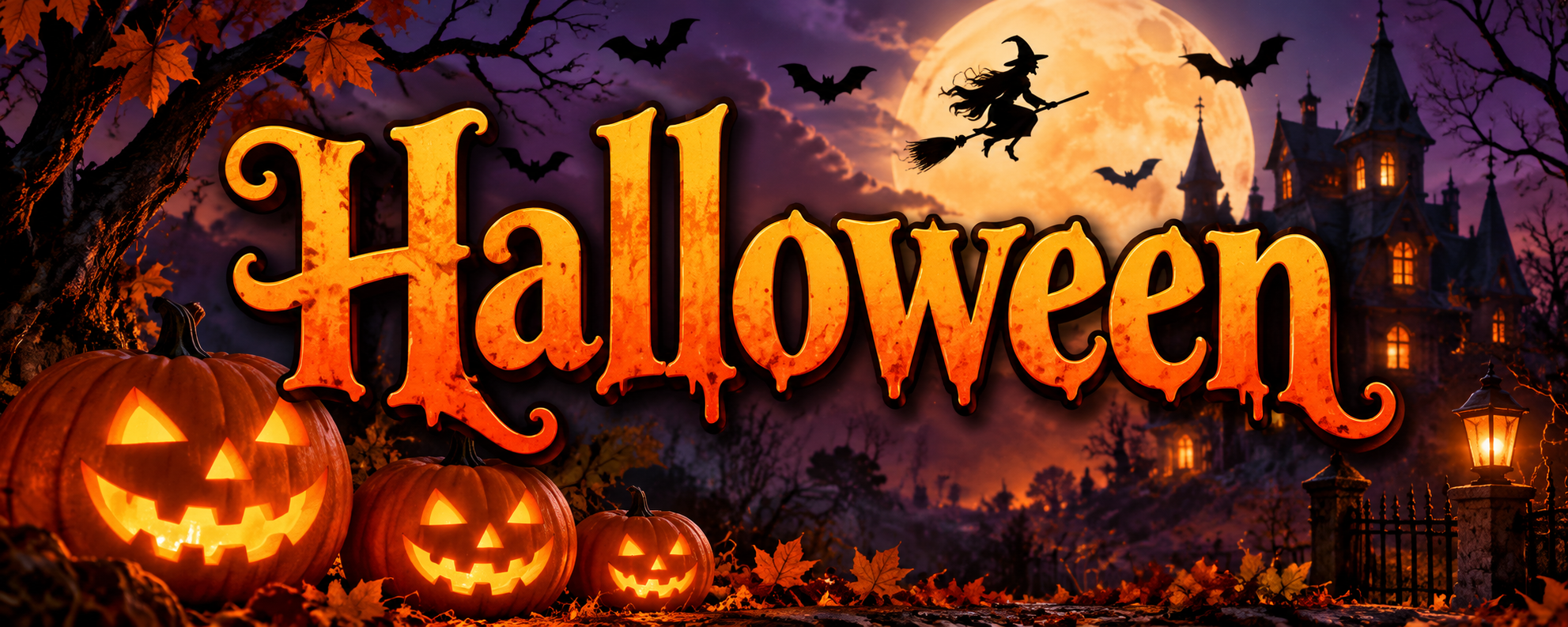
Every year on October 31, neighborhoods transform into a world of glowing jack-o’-lanterns, spooky decorations, creative costumes, haunted houses, and children eagerly collecting candy. Halloween is one of the most recognizable celebrations of the year, bringing together ancient traditions, mysterious legends, family activities, and modern entertainment.
For some people, Halloween is all about scary movies, ghosts, witches, and things that go bump in the night. For others, it is an opportunity to dress up, decorate their homes, carve pumpkins, and spend quality time with family and friends.
But Halloween is much more than costumes and candy. Behind this popular holiday lies a fascinating history stretching back centuries, filled with cultural traditions, folklore, religious influences, and celebrations that have evolved across generations.
So, where did Halloween come from, why do we celebrate it on October 31, and how did it become the holiday we know today?
Let’s explore the history, meaning, traditions, and lasting popularity of Halloween.
What Is Halloween?
Halloween is an annual celebration observed on October 31. It is widely associated with costumes, trick-or-treating, pumpkin carving, spooky decorations, haunted attractions, and supernatural folklore.
The word Halloween comes from All Hallows’ Eve, referring to the evening before All Saints’ Day, a Christian observance held on November 1.
Over time, Halloween developed into a combination of religious traditions, seasonal celebrations, community gatherings, and popular entertainment.
Today, Halloween is celebrated in several countries, particularly the United States, Canada, Ireland, and the United Kingdom.
Although traditions vary by location, the central themes often include imagination, mystery, remembrance, and community.
The Ancient Origins of Halloween
The Celtic Festival of Samhain
One of the most frequently discussed influences on Halloween is the ancient Celtic festival known as Samhain, traditionally associated with the end of the harvest season and the beginning of winter.
Samhain was observed around the transition from October to November, marking an important turning point in the agricultural calendar.
For ancient Celtic communities, this seasonal change represented the movement from the lighter half of the year into the darker months.
According to traditions recorded in later Irish literature and folklore, Samhain was also associated with supernatural activity and encounters between the human world and the Otherworld.
People gathered for seasonal celebrations, feasts, and communal activities.
Fire played an important role in some Samhain traditions, although the precise customs practiced in ancient times are difficult to reconstruct.
Modern accounts sometimes describe Samhain as the night when the boundary between the living and the dead became especially thin. This is a familiar interpretation, but the historical evidence is more complex than many popular Halloween stories suggest.
Nevertheless, Samhain remains an important part of understanding the seasonal and folkloric background of Halloween.
The Influence of Christianity
Christian observances also played a significant role in shaping Halloween.
All Saints’ Day, celebrated on November 1 in Western Christianity, honors saints and those recognized for their faith.
The evening before became known as All Hallows’ Eve.
November 2 is observed by many Christians as All Souls’ Day, a time to remember and pray for the faithful departed.
Together, these observances became associated with remembrance, mortality, and spiritual reflection.
Over the centuries, customs surrounding the autumn season, Christian observances, and local folklore influenced one another.
Halloween did not emerge from a single tradition or event. Instead, it developed gradually through a complicated mixture of cultural and religious influences.
Why Is Halloween Celebrated on October 31?
Halloween falls on October 31 because it is the evening before All Saints’ Day.
The date also corresponds closely with the traditional timing of Samhain, which marked the transition into winter in parts of the Celtic world.
These overlapping seasonal and religious associations helped establish October 31 as a night connected with mystery, remembrance, and celebration.
Today, the date remains fixed regardless of which day of the week it falls on.
In 2026, Halloween falls on Saturday, October 31.
How Halloween Came to America
Halloween traditions arrived in North America through several waves of European immigration.
Irish and Scottish immigrants were especially influential in spreading customs involving disguises, seasonal gatherings, supernatural stories, and festive activities.
During the nineteenth century, particularly amid increased Irish immigration, Halloween became more visible in American communities.
Early celebrations often included parties, storytelling, fortune-telling games, and neighborhood gatherings.
By the late nineteenth and early twentieth centuries, Halloween increasingly developed into a community-centered holiday.
Schools, churches, and neighborhood organizations began hosting celebrations designed to bring families together.
Over time, costumes, candy, decorations, and organized trick-or-treating became central features.
By the middle of the twentieth century, Halloween had become a major American celebration.
Today, it is an important cultural and commercial event, with seasonal products, entertainment, attractions, and festivities appearing weeks before October 31.
The History of Trick-or-Treating
One of Halloween’s most beloved traditions is trick-or-treating.
Every year, children dress in costumes and travel from house to house, hoping to fill their bags with candy.
But where did this tradition begin?
Trick-or-treating has several possible historical influences.
Souling
In parts of medieval Britain, a custom known as souling involved people visiting homes and receiving food, sometimes in exchange for prayers for the dead.
Small baked goods known as soul cakes were associated with this tradition.
Although souling is often mentioned as an ancestor of trick-or-treating, historians do not consider the connection entirely straightforward.
Guising
Another important influence was guising, practiced in Scotland and Ireland.
Children and young people dressed in disguises and visited neighboring homes, sometimes performing songs, jokes, or other activities in exchange for treats.
This custom shares recognizable features with modern trick-or-treating.
Trick-or-Treating in America
The familiar American practice developed during the twentieth century.
Communities increasingly encouraged organized Halloween activities as an alternative to destructive pranks.
Following World War II, trick-or-treating became particularly widespread as suburban neighborhoods expanded and candy became more readily available.
Today, the tradition remains one of Halloween’s biggest attractions for families.
Why Do We Carve Pumpkins on Halloween?
Few symbols represent Halloween more clearly than a glowing jack-o’-lantern.
Pumpkin carving is connected to Irish and British folklore, especially stories about a mysterious figure often called Stingy Jack.
The Legend of Stingy Jack
According to versions of the Irish folktale, Jack was a clever trickster who repeatedly deceived the Devil.
After his death, Jack was denied entry into both Heaven and Hell and was left wandering with a burning ember to light his way.
He placed the ember inside a hollowed-out vegetable, creating a lantern.
The story became associated with mysterious lights and the figure known as Jack of the Lantern, or jack-o’-lantern.
The legend has several variations, and it should be understood as folklore rather than historical fact.
From Turnips to Pumpkins
Before pumpkins became the preferred choice, people in Ireland and Scotland carved lanterns from turnips and other root vegetables.
When immigrants brought their customs to North America, pumpkins proved especially suitable for carving.
They were larger, easier to hollow out, and abundant during autumn.
Over time, the carved pumpkin became one of Halloween’s most recognizable decorations.
Today, jack-o’-lanterns range from simple smiling faces to elaborate artistic creations.
Why Do People Wear Halloween Costumes?
Halloween costumes have a long and varied history.
Disguises appeared in older European seasonal customs, including guising traditions.
Masks and costumes also became associated with supernatural folklore and community celebrations.
In modern Halloween culture, dressing up allows people to temporarily become someone or something entirely different.
Popular costumes include:
-
Witches, ghosts, vampires, and skeletons
-
Superheroes and comic book characters
-
Movie and television personalities
-
Historical figures
-
Animals and fantasy creatures
-
Funny, creative, and homemade characters
Halloween costumes have also changed with popular culture.
A character featured in a successful movie or television series can quickly become one of the season’s most popular costume choices.
For many people, the best part of Halloween is the creativity involved in designing and wearing a costume.
Why Are Ghosts, Witches, and Skeletons Associated With Halloween?
Halloween’s spooky imagery developed from centuries of folklore, religious symbolism, literature, and entertainment.
Ghosts
Ghost stories have long been connected to questions about death and the possibility of an afterlife.
Because Halloween occurs near traditional observances remembering the dead, ghosts became closely associated with the holiday.
Witches
Witches became prominent Halloween figures through European folklore, historical beliefs about witchcraft, and later fictional portrayals.
Modern Halloween witches are often depicted wearing pointed hats, flying on broomsticks, and brewing mysterious potions.
These familiar images are products of evolving folklore and popular culture rather than accurate representations of historical people accused of witchcraft.
Skeletons
Skeletons represent mortality and the human body’s physical remains.
Their connection to Halloween reflects the holiday’s longstanding association with death and remembrance.
Black Cats
Black cats have appeared in European superstitions involving witches, luck, and supernatural powers.
Although these associations survive in Halloween decorations, black cats are ordinary animals and do not bring bad luck.
Bats
Bats are associated with Halloween because of their nocturnal behavior, mysterious appearance, and connections to vampire stories.
These creatures have become familiar features of spooky decorations and haunted-house displays.
The Meaning Behind Halloween Colors
Orange, black, purple, and green dominate Halloween decorations.
Each color contributes to the holiday’s distinctive atmosphere.
Orange represents autumn, pumpkins, falling leaves, and the harvest season.
Black symbolizes nighttime, darkness, mystery, and the unknown.
Purple is commonly used in modern Halloween designs to suggest magic, fantasy, and mystery.
Green frequently appears in imagery involving monsters, witches, bubbling potions, and supernatural creatures.
Together, these colors create the recognizable visual identity of Halloween.
Popular Halloween Traditions
Halloween has developed into a holiday filled with activities for people of all ages.
1. Pumpkin Carving
Families gather to design and carve jack-o’-lanterns, often displaying their finished creations on porches and windowsills.
2. Trick-or-Treating
Children visit participating homes to collect candy while showing off their costumes.
3. Haunted Houses
Haunted attractions feature eerie lighting, unsettling sound effects, theatrical characters, and carefully designed scares.
4. Halloween Parties
Costume contests, themed foods, decorations, music, and games make Halloween parties popular among both children and adults.
5. Scary Movie Nights
Horror movies and Halloween-themed films have become seasonal traditions.
Some people enjoy frightening classics, while others prefer family-friendly entertainment.
6. Corn Mazes and Pumpkin Patches
Autumn farms often offer pumpkin picking, hayrides, corn mazes, and other seasonal attractions.
7. Decorating Homes
Many households decorate with spiderwebs, skeletons, tombstones, ghosts, pumpkins, and colorful lights.
Some neighborhoods become destinations because of their elaborate displays.
8. Halloween Baking
Pumpkin cookies, caramel apples, decorated cupcakes, candy treats, and seasonal desserts bring another dimension to the celebration.
Halloween Around the World
Although Halloween is particularly popular in North America, related celebrations and seasonal customs exist elsewhere.
Ireland
Ireland maintains a strong connection to Halloween’s historical traditions.
Celebrations may include costumes, bonfires, games, storytelling, and festive gatherings.
Scotland
Scottish Halloween traditions have included guising, games, and seasonal celebrations.
Some communities continue to preserve elements of these older customs.
Canada
Halloween in Canada closely resembles celebrations in the United States, with trick-or-treating, costumes, decorations, and community events.
United Kingdom
Halloween celebrations have grown in visibility, although customs and participation vary by region.
Mexico
Mexico celebrates Día de los Muertos, or Day of the Dead, primarily on November 1 and 2.
Although it occurs near Halloween and shares some imagery involving death, Día de los Muertos is a distinct cultural tradition centered on honoring deceased loved ones.
Families may create memorial altars, display photographs, prepare favorite foods, and visit cemeteries.
It is important to recognize that Día de los Muertos is not simply a Mexican version of Halloween.
How Halloween Became a Major Commercial Holiday
Halloween has grown into a major seasonal industry.
Retailers begin displaying costumes, decorations, candy, and party supplies well before October 31.
The holiday generates spending across several categories, including costumes, home decorations, entertainment, food, and seasonal attractions.
Social media has also influenced Halloween’s popularity.
People share pumpkin-carving tutorials, decorating ideas, costume inspiration, recipes, and videos of elaborate haunted displays.
For businesses, Halloween creates opportunities to offer seasonal products and experiences.
For families, it provides a reason to participate in traditions and make memories together.
Halloween and the Entertainment Industry
Halloween has become deeply connected to movies, television, literature, and popular entertainment.
Classic horror characters such as Dracula, Frankenstein’s monster, and the Wolf Man remain popular costume inspirations.
Modern horror franchises have introduced other recognizable characters, including Michael Myers, Jason Voorhees, and Freddy Krueger.
Family-friendly Halloween entertainment also remains popular.
Films such as Hocus Pocus, Halloweentown, and The Nightmare Before Christmas have become seasonal favorites for many viewers.
The holiday’s entertainment appeal comes from its ability to combine fear with imagination.
People can enjoy suspense, mystery, and fictional danger in controlled settings while knowing that the experience is meant to be entertaining.
Halloween Activities for Families
Halloween does not have to involve frightening decorations or scary movies.
Families can celebrate in many creative ways.
A pumpkin-decorating contest allows everyone to participate without needing carving tools.
Halloween-themed baking offers opportunities to make cookies, cupcakes, and other festive treats.
A family movie night can feature age-appropriate films and homemade snacks.
Neighborhood costume parades and community festivals provide opportunities for children to celebrate with friends.
Families can also organize scavenger hunts, craft activities, and backyard Halloween games.
The most meaningful celebrations are often the ones that bring people together.
Halloween Safety Tips
Halloween should be enjoyable, but a few precautions can help keep celebrations safe.
-
Choose costumes that fit properly and do not create tripping hazards.
-
Use reflective accessories or lights when walking after dark.
-
Cross streets at designated crossings and remain alert to traffic.
-
Supervise young children while trick-or-treating.
-
Check collected treats for packaging problems and age-related choking hazards.
-
Use battery-operated lights instead of open flames inside pumpkins.
-
Keep walkways clear of decorations that could cause falls.
-
Make sure costumes and masks allow adequate visibility.
For families with pets, keeping candy and potentially hazardous decorations out of reach is also important.
A little preparation can make Halloween safer and more enjoyable for everyone.
The Emotional Side of Halloween: Memories, Traditions, and Loved Ones
Halloween is often presented as a holiday filled with laughter, excitement, and celebration.
But for some people, it also brings a sense of nostalgia or sadness.
Holidays have a powerful way of bringing memories to the surface.
A familiar costume, an old photograph, a favorite Halloween movie, or the sight of children walking through the neighborhood can remind someone of a loved one who is no longer here.
Parents may remember taking their children trick-or-treating, carving pumpkins together, or watching their excitement as Halloween approached.
When someone important is missing, these familiar traditions can feel different.
For grieving families, Halloween may become a reminder of moments they wish they could experience again.
There is nothing wrong with feeling happiness and sadness during the same holiday.
Some people choose to honor loved ones by displaying photographs, preparing a favorite treat, lighting a battery-operated candle, or continuing a tradition they once shared.
Others prefer a quiet evening.
Halloween does not have to look the same every year.
Sometimes, celebrating means creating new memories. Other times, it means holding close the memories that will always matter.
Fun Facts About Halloween
Halloween has a surprising collection of historical and cultural details.
The name has religious roots. Halloween is a shortened form of All Hallows’ Eve.
Pumpkins were not the original jack-o’-lanterns. Turnips and other root vegetables were carved in older European traditions.
Halloween costumes existed long before modern costume stores. Disguises were part of older seasonal celebrations.
Trick-or-treating became especially popular in twentieth-century America. It developed into a widespread neighborhood tradition after World War II.
Candy corn has been around since the nineteenth century. It became closely associated with autumn and Halloween.
Halloween falls on the same date every year. Unlike some holidays, October 31 never changes.
Not everyone celebrates Halloween the same way. Some people enjoy spooky entertainment, others focus on family activities, and some choose not to participate for religious, cultural, or personal reasons.
Why Do People Love Halloween So Much?
Halloween offers something that few other holidays can provide: the freedom to escape everyday routines and embrace imagination.
For one night, ordinary neighborhoods become mysterious places filled with colorful characters, glowing pumpkins, and festive decorations.
Children get to experience the excitement of dressing up and collecting treats.
Adults can revisit childhood traditions, decorate their homes, attend parties, or enjoy horror entertainment.
Families can create memories through simple activities such as pumpkin carving, baking, and watching movies together.
Halloween also encourages creativity.
There are countless ways to decorate a home, design a costume, or prepare themed food.
Unlike holidays centered around a single traditional meal or ceremony, Halloween can be celebrated in many different ways.
That flexibility is one reason it continues to appeal to different generations.
The True Spirit of Halloween
Although Halloween is famous for frightening costumes and supernatural imagery, its lasting appeal goes beyond scares.
At its heart, Halloween is also about tradition, creativity, community, and shared experiences.
It is about the excitement children feel when choosing costumes.
It is about neighbors opening their doors to offer treats.
It is about families carving pumpkins, decorating their homes, and enjoying autumn evenings together.
It is about storytelling, imagination, and the memories that connect generations.
Halloween has changed significantly throughout history, but its ability to bring people together has remained an important part of its identity.
Final Thoughts: Celebrating the Magic of Halloween
Halloween is a holiday with a fascinating past and a constantly evolving present.
From ancient seasonal traditions and Christian observances to modern costumes, trick-or-treating, and haunted attractions, October 31 reflects centuries of cultural change.
Today, Halloween means different things to different people.
For some, it is a night of excitement and adventure. For others, it is a celebration of creativity, family traditions, and cherished memories.
Whether you spend Halloween handing out candy, watching scary movies, carving pumpkins, attending a party, or enjoying a quiet evening at home, the holiday offers an opportunity to embrace the season in your own way.
And while the costumes may change, the decorations may grow more elaborate, and new traditions may emerge, one thing remains certain:
Halloween continues to capture our imaginations because it brings together mystery, memories, laughter, and the excitement of the unexpected.
Happy Halloween!
A Question for Readers
What is your favorite Halloween memory or tradition? Do you enjoy dressing up, carving pumpkins, watching scary movies, or spending the evening with family and friends?
Share your favorite Halloween experience in the comments.

Leave a Reply