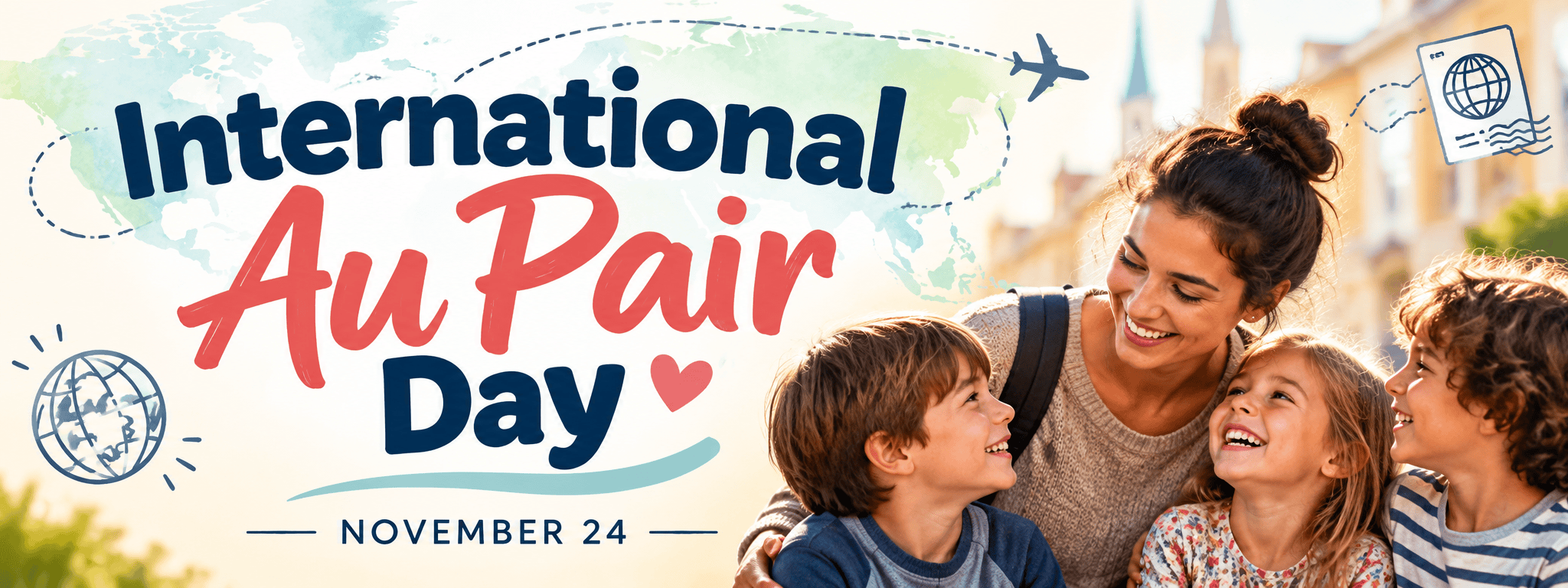
Every year on November 24, people around the world recognize International Au Pair Day, a celebration dedicated to the young people who travel beyond their home countries to experience new cultures, learn languages, and become part of families across the globe. This special observance highlights the important role au pairs play in promoting cultural understanding, supporting host families, and building meaningful international friendships.
Being an au pair is much more than living in another country or helping care for children. It is an opportunity to discover a different way of life, share traditions, develop independence, and form relationships that can last a lifetime.
International Au Pair Day reminds us that some of the most valuable lessons in life come from stepping outside our comfort zones, embracing cultural differences, and learning from people whose experiences are different from our own.
What Is International Au Pair Day?
International Au Pair Day is observed annually on November 24 to recognize the contributions of au pairs and celebrate the cultural exchange opportunities that au pair programs provide.
The observance was established in 2019 by the International Au Pair Association (IAPA), an organization dedicated to supporting quality au pair and cultural exchange programs worldwide.
The date, November 24, was selected to commemorate the signing of the European Agreement on Au Pair Placement on November 24, 1969. This agreement helped establish an international framework for au pair arrangements, including expectations concerning living conditions, responsibilities, and cultural exchange.
International Au Pair Day celebrates the spirit of international friendship and acknowledges the experiences of au pairs, host families, and organizations that help make these exchanges possible.
Although it is not an official United Nations observance or a public holiday, it has become a meaningful occasion within the international au pair community.
What Is an Au Pair?
An au pair is typically a young adult who travels to another country to live with a host family while helping with childcare and participating in cultural exchange.
The term au pair comes from French and means “on equal terms.” The expression reflects the idea that an au pair should be welcomed as a member of the household rather than treated simply as a domestic employee.
Au pairs generally receive accommodation, meals, and pocket money or a stipend in exchange for providing an agreed amount of childcare assistance. The exact requirements vary depending on the country and its laws.
Common au pair responsibilities may include:
-
Helping children prepare for school.
-
Supervising playtime and recreational activities.
-
Assisting with children’s meals.
-
Supporting age-appropriate educational activities.
-
Helping children practice another language.
-
Taking children to approved activities.
-
Assisting with light household tasks directly related to childcare.
An important distinction is that au pair programs are intended to provide cultural exchange opportunities alongside childcare assistance.
Au pairs should have appropriate personal time, reasonable responsibilities, and opportunities to experience the culture of their host country.
The History of International Au Pair Day
The modern au pair concept developed in Europe as young people began traveling abroad to improve their language skills and experience everyday life in another country.
Rather than staying in hotels or attending formal programs exclusively, these travelers lived with local families and participated in household life.
This arrangement created opportunities for language learning, cultural understanding, and personal development.
The European Agreement of 1969
One important milestone occurred on November 24, 1969, when the European Agreement on Au Pair Placement was opened for signature.
The agreement recognized the unique position of au pairs, whose arrangements combine aspects of cultural exchange, family life, and practical assistance.
It addressed matters such as working arrangements, accommodation, personal time, and the relationship between au pairs and host families.
Although the agreement was not adopted universally, it helped shape discussions about appropriate protections and standards.
The Establishment of International Au Pair Day
In 2019, the International Au Pair Association introduced International Au Pair Day to recognize the importance of au pair exchanges.
The celebration provided an opportunity for au pairs to share their stories, host families to express appreciation, and organizations to promote responsible cultural exchange.
Today, the occasion encourages conversations about international friendship, personal growth, and the importance of treating au pairs fairly and respectfully.
Why International Au Pair Day Matters
International Au Pair Day represents more than appreciation for childcare assistance. It celebrates the relationships and experiences that can develop when people from different cultures share everyday life.
1. Promoting Cultural Understanding
Living with a family in another country offers an opportunity to learn about cultural traditions firsthand.
Au pairs experience local celebrations, family customs, food, language, and everyday routines.
At the same time, host families learn about the au pair’s home country, traditions, and personal experiences.
These exchanges can challenge stereotypes and encourage greater respect for cultural differences.
2. Encouraging Language Learning
Language learning is one of the most valuable aspects of many au pair experiences.
Au pairs often improve their communication skills through daily conversations, language classes, and interactions with their host families.
Children may also benefit from exposure to another language.
Even simple exchanges involving greetings, songs, and everyday expressions can introduce children to new ways of communicating.
3. Supporting Families
Au pairs can provide meaningful assistance to families balancing work, school, and household responsibilities.
Their involvement may help children maintain routines, participate in activities, and receive additional attention throughout the day.
However, successful arrangements depend on clearly defined expectations, appropriate schedules, and respect for the au pair’s rights.
4. Building Independence and Confidence
Moving to another country can be challenging.
Au pairs must adjust to unfamiliar environments, navigate cultural differences, and develop relationships with people they have only recently met.
These experiences can strengthen problem-solving abilities, communication skills, confidence, and independence.
For many young adults, the experience becomes an important stage of personal development.
5. Creating Lifelong Relationships
One of the most meaningful outcomes of cultural exchange is the possibility of lasting friendships.
Some au pairs remain close to their host families long after their placements end.
They may return for visits, exchange holiday greetings, celebrate important milestones, and continue sharing memories across international borders.
These relationships demonstrate how meaningful human connections can extend beyond nationality and geography.
The Benefits of Becoming an Au Pair
Becoming an au pair can offer young adults opportunities that extend far beyond international travel.
Experiencing Everyday Life in Another Country
Tourists often experience a destination through attractions, restaurants, and short visits.
Au pairs have an opportunity to understand the rhythms of everyday life.
They may participate in family celebrations, visit neighborhood markets, attend community events, and experience traditions that ordinary travelers might never encounter.
Developing Valuable Skills
Au pairs can develop practical and interpersonal skills, including communication, adaptability, time management, responsibility, and conflict resolution.
These abilities may prove useful in future educational and professional opportunities.
Discovering New Perspectives
Living abroad often encourages people to reconsider familiar assumptions.
An au pair may discover different approaches to education, parenting, family relationships, food, and community life.
These experiences can encourage empathy and a broader understanding of the world.
Making International Friendships
Many au pairs meet other young adults participating in cultural exchange programs.
These friendships provide companionship, emotional support, and opportunities to explore new places together.
International friendships can also become lasting connections that enrich personal and professional lives.
How Host Families Benefit From Au Pair Programs
Host families also have opportunities to learn and grow through cultural exchange.
Children may develop greater curiosity about other countries, become familiar with new languages, and learn to appreciate differences.
Parents may gain new perspectives on family traditions and cultural practices.
The experience can also introduce families to celebrations, recipes, music, and customs they might not otherwise encounter.
Most importantly, a positive au pair arrangement can create a supportive environment where everyone feels respected and included.
However, cultural exchange works best when both sides recognize that the relationship involves responsibilities as well as benefits.
Host families should provide clear communication, appropriate living conditions, agreed compensation, personal time, and a welcoming environment.
Challenges Au Pairs May Face
Although becoming an au pair can be rewarding, the experience is not without challenges.
International Au Pair Day also provides an opportunity to recognize the difficulties that some participants encounter.
Homesickness and Loneliness
Living far from family and friends can be emotionally difficult.
Au pairs may miss familiar surroundings, cultural traditions, and important events happening back home.
Maintaining communication with loved ones and developing friendships in the host country can help reduce feelings of isolation.
Language Barriers
Even participants who have studied a language may struggle with everyday conversations.
Misunderstandings can occur when discussing schedules, childcare responsibilities, or household expectations.
Patience and respectful communication are essential.
Cultural Differences
Different countries may have different expectations concerning meals, privacy, discipline, punctuality, and family routines.
What seems ordinary in one culture may be unfamiliar in another.
Open discussions can help both au pairs and host families understand these differences.
Unfair Working Conditions
Some au pairs experience excessive responsibilities, inadequate personal time, or unclear expectations.
Because au pairs often live in their host family’s home, it can be difficult to separate personal time from assigned duties.
Responsible programs should establish appropriate protections and provide ways to report concerns or request assistance.
International Au Pair Day is an opportunity to emphasize that cultural exchange should never come at the expense of personal safety, dignity, or fair treatment.
How International Au Pair Day Is Celebrated
People celebrate International Au Pair Day in different ways depending on their communities, organizations, and personal experiences.
Some celebrations focus on appreciation, while others emphasize cultural education and international friendship.
Sharing Au Pair Experiences
Current and former au pairs may share stories about their experiences abroad.
These stories often highlight memorable adventures, friendships, cultural discoveries, and personal achievements.
Host Family Appreciation
Host families may recognize their au pairs through thoughtful gestures, shared meals, or expressions of gratitude.
A simple thank-you can acknowledge the time, energy, and care an au pair contributes to family life.
Cultural Activities
Families and au pairs may celebrate by preparing traditional foods, sharing music, discussing cultural customs, or participating in language-learning activities.
These experiences reinforce the cultural exchange purpose of au pair programs.
Community Gatherings
Au pair organizations and local communities may arrange social events, educational discussions, or cultural celebrations.
Such gatherings allow participants to connect with others who understand the rewards and challenges of living abroad.
Social Media Celebrations
People also use social media to share photographs, memories, and messages celebrating international friendship.
The hashtag #InternationalAuPairDay can help connect participants and supporters across different countries.
Interesting Facts About Au Pairs
International Au Pair Day offers an opportunity to discover some interesting details about the au pair experience.
The term has French origins. The expression au pair means “on equal terms,” reflecting the intended relationship between an au pair and a host family.
Au pair arrangements vary internationally. Countries have different requirements involving age limits, visas, compensation, language study, childcare hours, and placement duration.
Cultural exchange is central to the experience. An au pair arrangement is intended to provide opportunities for personal development and cultural learning, not simply childcare.
November 24 has historical significance. The date marks the signing of the European Agreement on Au Pair Placement in 1969.
International Au Pair Day began in 2019. The International Au Pair Association established the observance to celebrate au pairs and the value of international cultural exchange.
How to Make an Au Pair Experience Successful
A successful au pair experience requires cooperation, communication, and mutual respect.
For au pairs, preparation is essential. Learning about the host country’s customs, understanding program requirements, and discussing expectations before arrival can make the transition easier.
Host families should clearly explain schedules, responsibilities, household rules, and available support.
Both sides should feel comfortable discussing concerns and resolving misunderstandings respectfully.
It is also important to recognize the au pair’s need for independence.
Having opportunities to study, make friends, explore the surrounding community, and enjoy personal time contributes to a more meaningful cultural exchange.
When everyone approaches the experience with patience and consideration, the arrangement has a stronger foundation for success.
The Importance of Cultural Exchange in Today’s World
In an increasingly connected world, cultural understanding remains essential.
Technology allows people to communicate across continents, but meaningful understanding often develops through personal relationships.
Sharing meals, celebrating holidays, learning languages, and participating in everyday family activities can create connections that go beyond what books or online resources alone can provide.
Au pair programs offer one way for individuals to experience these connections firsthand.
They also demonstrate that people from different backgrounds often share similar hopes and values.
Families everywhere want their children to feel safe, supported, and loved. Young adults around the world seek opportunities to learn, grow, and build meaningful futures.
Recognizing these shared experiences can encourage compassion and respect across cultural boundaries.
International Au Pair Day celebrates the idea that learning about another culture can help us better understand our own.
Ways You Can Recognize International Au Pair Day
You do not have to be an au pair or host family to appreciate the meaning behind this observance.
You can participate by learning about cultural exchange opportunities, exploring traditions from another country, or expressing gratitude to someone who has helped bridge cultural differences.
Families can encourage children to learn about different languages, foods, holidays, and customs.
Educators can use the occasion to discuss international friendship and cultural understanding.
Former au pairs can reconnect with host families or friends they met during their experiences abroad.
Even a simple conversation about another person’s culture can reflect the spirit of the day.
The purpose is not merely to celebrate travel. It is to recognize the value of understanding people whose backgrounds and experiences differ from our own.
Final Thoughts: Celebrating Connections Beyond Borders
International Au Pair Day, observed every November 24, is a celebration of cultural exchange, personal growth, and the relationships that connect people across the world.
It honors young adults who leave familiar surroundings to experience life in another country while supporting families and learning new traditions.
It also recognizes host families who open their homes and provide opportunities for meaningful cultural exchange.
The true value of the au pair experience cannot always be measured through language skills, travel experiences, or professional development.
Sometimes, its greatest value is found in the relationships that remain long after the experience has ended.
A child who learns to appreciate another culture, a young adult who discovers greater independence, or a family that gains a lifelong international friendship represents the lasting impact of cultural exchange.
International Au Pair Day reminds us that borders may separate countries, but kindness, respect, friendship, and understanding can bring people together.
Have you ever been an au pair, welcomed one into your family, or participated in an international cultural exchange? What did the experience teach you about other cultures and the importance of human connection?


Leave a Reply