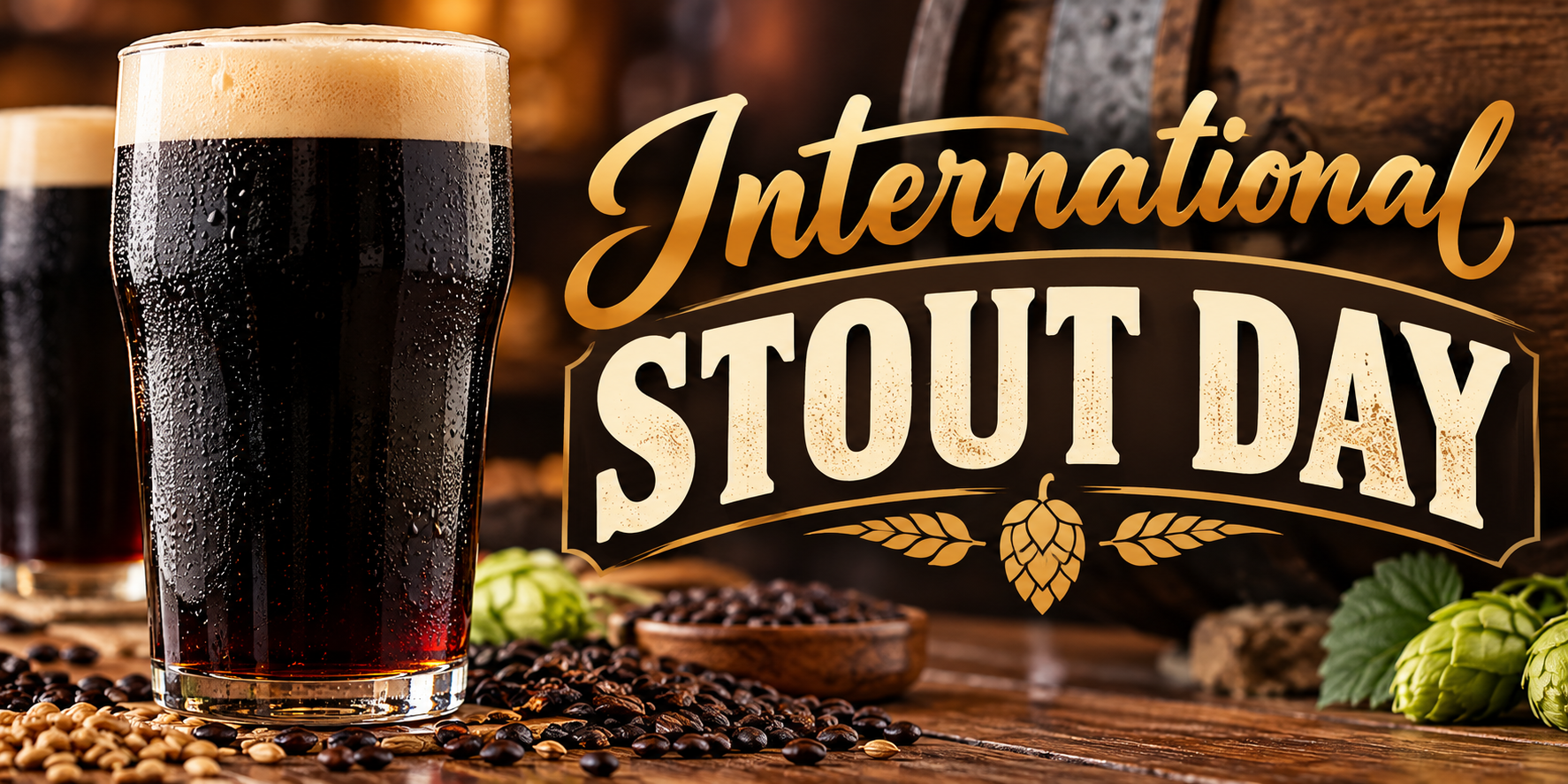
International Stout Day is a celebration of one of the world’s most distinctive and beloved beer styles. Known for its dark appearance, rich flavors, creamy textures, and fascinating history, stout beer has earned a special place in brewing traditions around the globe.
Whether you enjoy a classic Irish dry stout, a sweet milk stout, a chocolate stout, or a bold imperial stout, International Stout Day offers an opportunity to explore the craftsmanship, history, and culture behind this remarkable beverage.
Observed annually on the first Thursday of November, International Stout Day brings together beer enthusiasts, breweries, pubs, and curious newcomers to appreciate the creativity and tradition that make stout beer unique.
In 2026, International Stout Day falls on Thursday, November 5.
What Is International Stout Day?
International Stout Day is an informal worldwide celebration dedicated to stout beer and the brewers who produce it.
The observance encourages people to discover different stout varieties, learn about brewing traditions, support independent breweries, and appreciate the complexity of dark beer.
Unlike many beer-related celebrations that focus primarily on drinking, International Stout Day also recognizes the artistry and innovation involved in brewing.
From traditional Irish pubs to modern craft breweries, stout has evolved into a diverse category offering something for nearly every beer enthusiast.
The occasion is also an opportunity to learn how ingredients such as roasted barley, chocolate malt, oats, coffee, and specialty grains influence a beer’s flavor, aroma, appearance, and texture.
When Is International Stout Day Celebrated?
International Stout Day takes place every year on the first Thursday in November.
Upcoming dates include:
-
November 5, 2026
-
November 4, 2027
-
November 2, 2028
-
November 1, 2029
-
November 7, 2030
Its placement in November makes it particularly fitting for people who enjoy darker, richer beers during the cooler autumn months.
Although International Stout Day is not an official public holiday, it has become a recognized celebration among craft beer enthusiasts and brewing communities.
The History of International Stout Day
International Stout Day was established in 2011 to celebrate stout beer and encourage appreciation for the style.
The celebration was created by beer writer and enthusiast Erin Peters, also known as The Beer Goddess.
The idea was simple: dedicate a day to recognizing the history, diversity, and craftsmanship of stout.
Since its introduction, International Stout Day has attracted participation from breweries, pubs, restaurants, and beer lovers in different parts of the world.
Craft breweries often recognize the occasion with special releases, tasting events, limited-edition beers, and educational activities.
Social media has also helped spread awareness, allowing enthusiasts to share their favorite stouts, brewing experiences, and recommendations.
What began as a celebration of one beer style has become an opportunity to appreciate centuries of brewing history.
What Exactly Is Stout Beer?
Stout is a dark beer style traditionally associated with roasted malt or roasted barley.
Its color typically ranges from deep brown to nearly black, while its flavor can include notes of coffee, chocolate, caramel, toasted bread, and roasted grain.
However, not all stouts taste alike.
Some are dry, light-bodied, and relatively low in alcohol. Others are sweet, creamy, full-bodied, or exceptionally strong.
The ingredients, brewing methods, fermentation techniques, and aging processes all influence the finished beer.
One common misconception is that dark beer is always heavier or stronger than pale beer.
In reality, some traditional dry stouts contain less alcohol than many popular pale ales and IPAs.
Stout’s dark appearance comes primarily from the grains used during brewing rather than its alcohol content.
The Fascinating History of Stout Beer
The origins of stout can be traced to British brewing traditions, particularly the development of porter in eighteenth-century London.
Porter became popular among working-class drinkers and was associated with laborers, including the porters who transported goods throughout the city.
Brewers eventually began producing stronger versions of porter.
The word “stout” originally referred to strength rather than a particular beer color or style.
Stronger porters were sometimes described as stout porters.
Over time, the terminology evolved, and stout became recognized as a distinct beer category.
During the eighteenth and nineteenth centuries, stout gained popularity in Ireland and other parts of Europe.
Irish breweries helped establish the dry stout tradition that remains internationally recognized today.
One of the most influential names in stout history is Guinness, whose brewing heritage dates to 1759 in Dublin, Ireland.
The brewery’s dark beers became closely associated with Irish brewing culture and helped introduce stout to audiences worldwide.
Today, stout continues to evolve as brewers experiment with ingredients, aging methods, and creative flavor combinations.
The Most Popular Types of Stout Beer
1. Irish Dry Stout
Irish dry stout is one of the most recognizable stout varieties.
It is known for its dark color, roasted character, relatively dry finish, and often creamy texture.
Common flavor notes include roasted coffee, dark chocolate, and toasted grain.
Guinness Draught is a well-known example.
2. Milk Stout
Milk stout, also called sweet stout, traditionally contains lactose, a sugar derived from milk.
Because standard brewing yeast does not readily ferment lactose, it contributes sweetness and body to the finished beer.
Milk stouts often feature chocolate, caramel, and creamy flavors.
Despite the name, milk stout does not necessarily contain liquid milk, but it is not suitable for people avoiding dairy when lactose is used.
3. Oatmeal Stout
Oatmeal stout incorporates oats into the brewing process.
Oats can contribute a smooth mouthfeel, fuller body, and silky texture.
These beers often have balanced roasted flavors with hints of chocolate, coffee, and toasted grain.
4. Imperial Stout
Imperial stout is generally stronger and more intensely flavored than traditional stout varieties.
These beers may feature rich notes of dark chocolate, espresso, dried fruit, molasses, and roasted malt.
Some imperial stouts are aged in wooden barrels to develop additional complexity.
5. Chocolate Stout
Chocolate stout emphasizes cocoa-like flavors.
Brewers may create these characteristics through specialty malts, actual cocoa, or a combination of ingredients.
The result can range from bittersweet dark chocolate to a rich, dessert-like beer.
6. Coffee Stout
Coffee stout combines roasted beer flavors with coffee characteristics.
Some brewers add brewed coffee or coffee beans, while others rely on roasted grains to create coffee-like notes.
These beers can showcase espresso, mocha, or freshly roasted coffee flavors.
7. Oyster Stout
Oyster stout is a traditional variation associated with the historical pairing of stout and oysters.
Some modern versions actually incorporate oysters or oyster shells during brewing, while others simply use the name to describe a beer intended to accompany seafood.
Why Is Stout Beer So Dark?
One of the defining characteristics of stout is its deep brown or black appearance.
This color primarily comes from roasted grains.
During the malting and roasting process, grains develop darker pigments and complex flavors through chemical reactions associated with heating.
These roasted ingredients contribute both color and recognizable stout characteristics.
Depending on the recipe, the finished beer may display a tan, brown, or creamy foam head.
Despite its appearance, stout can be surprisingly refreshing and easy to drink.
Its darkness alone does not determine its strength, sweetness, or heaviness.
What Does Stout Beer Taste Like?
Stout offers a wide range of flavors depending on the variety and brewing techniques.
Common characteristics include:
-
Coffee and espresso
-
Dark chocolate and cocoa
-
Caramel and toffee
-
Roasted nuts
-
Toasted bread
-
Molasses
-
Vanilla
-
Dark fruit
-
Smoky or roasted grain notes
Dry stouts generally emphasize roasted bitterness and a crisp finish.
Milk stouts tend to be sweeter and smoother.
Imperial stouts may deliver intense, layered flavors and a warming alcohol character.
This variety makes stout an interesting beer category for people who enjoy exploring different flavor profiles.
How Is Stout Beer Made?
Although recipes vary, stout production follows the basic brewing process used for many other beers.
Step 1: Selecting the grains
Brewers choose a combination of base malts and specialty grains.
Roasted barley and dark malts help create the color and flavor associated with stout.
Step 2: Mashing
The grains are mixed with heated water to convert starches into fermentable sugars.
The resulting sweet liquid is called wort.
Step 3: Boiling
The wort is boiled, and hops are added to provide bitterness, flavor, and balance.
Some recipes incorporate additional ingredients during this stage.
Step 4: Fermentation
Yeast converts fermentable sugars into alcohol and carbon dioxide.
Fermentation conditions help determine the beer’s final character.
Step 5: Conditioning
The beer is allowed to mature and develop its flavors.
Some stouts benefit from extended conditioning or barrel aging.
Step 6: Packaging and serving
Finished stout may be packaged in cans, bottles, or kegs.
Certain varieties use nitrogen or a nitrogen-carbon dioxide gas blend to produce a particularly smooth texture and dense foam.
How to Celebrate International Stout Day
There are several enjoyable ways to recognize International Stout Day while learning more about beer and brewing traditions.
Explore different stout varieties
Consider comparing the characteristics of Irish dry stout, oatmeal stout, milk stout, and imperial stout.
Pay attention to aroma, texture, sweetness, bitterness, and finish.
Support a local brewery
Independent breweries often experiment with creative stout recipes.
International Stout Day provides an opportunity to learn about local brewing traditions and the people behind the products.
Learn about brewing history
Explore how porter developed into stout and how Irish, British, and modern American brewing traditions influenced the style.
Prepare a stout-inspired meal
Stout can be used in cooking to add roasted depth to savory dishes and desserts.
Popular options include stout beef stew, chocolate stout cake, and stout-based barbecue sauces.
Host a responsible tasting
For adults of legal drinking age, a small tasting can focus on comparing aromas and flavors rather than consuming large quantities.
Offer food, water, and alcohol-free alternatives, and ensure everyone has a safe way home.
Share your appreciation
International Stout Day is also an opportunity to share brewing facts, recipes, and historical information with friends or online communities.
You do not need to drink alcohol to appreciate the history and craftsmanship behind stout beer.
The Best Foods to Pair With Stout Beer
Stout’s roasted and sometimes sweet characteristics make it a versatile companion for food.
| Food | Why it pairs well |
|---|---|
| Beef stew | Roasted flavors complement savory, slow-cooked meat |
| Grilled steak | Malt richness balances charred flavors |
| Chocolate cake | Cocoa notes echo chocolate and roasted malt |
| Oysters | A traditional pairing, especially with dry stout |
| Aged cheddar | Sharp cheese contrasts with malt sweetness |
| Barbecue ribs | Roasted and caramelized flavors complement each other |
| Vanilla ice cream | Creamy sweetness contrasts with stout’s roasted bitterness |
Pairing success depends on the specific stout.
A dry stout may work particularly well with oysters, while a sweeter chocolate stout may complement dessert.
Can Stout Beer Be Used in Cooking?
Absolutely.
Stout is a popular cooking ingredient because its roasted flavors can add depth and complexity to certain recipes.
It is especially useful in hearty dishes, sauces, and baked desserts.
Popular stout-inspired recipes
Stout beef stew: Stout adds roasted richness to a slow-cooked combination of beef, vegetables, and herbs.
Chocolate stout cake: Dark beer enhances cocoa flavors and can contribute moisture to the finished cake.
Stout barbecue sauce: Stout can provide depth to sauces containing tomatoes, molasses, brown sugar, and spices.
Stout-braised short ribs: Slow cooking with stout can produce a deeply flavored braising liquid.
Stout brownies: Roasted malt flavors can complement dark chocolate in rich brownies.
Cooking does not necessarily remove all alcohol from beer, so people avoiding alcohol should choose suitable substitutes.
Interesting Facts About Stout Beer
1. Stout and porter share a common history. The distinction between the two styles developed gradually.
2. Dark beer is not necessarily stronger. Some dry stouts have relatively modest alcohol content.
3. The word stout originally referred to strength. It was not always associated with dark beer.
4. Roasted grains create many signature flavors. Coffee and chocolate notes can develop without adding actual coffee or chocolate.
5. Nitrogen can create a creamy texture. Nitrogenated stouts often have a dense, smooth foam head.
6. Some stouts are aged in whiskey or bourbon barrels. Barrel aging can introduce vanilla, oak, and other flavor characteristics.
7. Oysters and stout have a long culinary association. The pairing dates back to British and Irish food traditions.
8. Stout can be used in desserts. Its roasted character pairs particularly well with chocolate.
9. Not all stouts contain lactose. Traditional dry stouts generally do not rely on lactose for sweetness.
10. Stout is brewed worldwide. Brewers across Europe, North America, Africa, Asia, and other regions produce their own interpretations.
Why International Stout Day Matters to Craft Beer Culture
International Stout Day represents more than appreciation for a dark beer.
It recognizes the history, experimentation, and craftsmanship that have shaped brewing for centuries.
Stout demonstrates how a traditional beverage can evolve while maintaining connections to its origins.
From classic Irish recipes to innovative modern craft releases, the style continues to inspire brewers.
The occasion also highlights the importance of small breweries and the creativity they bring to local communities.
For consumers, it provides an opportunity to discover unfamiliar flavors, learn about brewing techniques, and better understand the work behind each finished beer.
The Growing Creativity of Modern Stout Brewing
Modern craft brewers have expanded the boundaries of traditional stout recipes.
Some incorporate coffee, cocoa nibs, vanilla beans, cinnamon, coconut, or other ingredients.
Others experiment with barrel aging, blending, and different fermentation techniques.
Dessert-inspired stouts have become a recognizable part of contemporary craft beer culture.
These beers may draw inspiration from familiar foods such as chocolate cake, tiramisu, oatmeal cookies, or caramel desserts.
However, traditional styles remain equally important.
Many enthusiasts continue to appreciate the balance and simplicity of a classic Irish dry stout.
The coexistence of traditional and experimental brewing is one of the reasons stout remains such a diverse and enduring beer category.
Celebrating International Stout Day Responsibly
International Stout Day is intended to celebrate appreciation, craftsmanship, and community.
Responsible consumption is an important part of that celebration.
Stout alcohol content varies considerably, and stronger imperial versions can contain substantially more alcohol than traditional dry stouts.
Anyone choosing to drink should be mindful of serving sizes, alcohol content, medications, and personal health considerations.
Never drink and drive.
For those who prefer not to consume alcohol, nonalcoholic stout varieties, brewery tours, brewing history, and stout-inspired food provide other ways to participate.
The celebration is ultimately about discovering and appreciating a distinctive brewing tradition.
Frequently Asked Questions About International Stout Day
Is International Stout Day a real holiday?
International Stout Day is an informal international observance celebrated by beer enthusiasts, breweries, and pubs. It is not an official government holiday.
Who created International Stout Day?
International Stout Day was established in 2011 by beer writer Erin Peters, known as The Beer Goddess.
When is International Stout Day in 2026?
International Stout Day falls on Thursday, November 5, 2026.
What is the difference between stout and porter?
Stout and porter share historical roots and many similar ingredients. Modern distinctions vary by brewer, although stouts are often associated with stronger roasted flavors.
Is stout stronger than regular beer?
Not necessarily. Some dry stouts contain less alcohol than many pale ales, while imperial stouts can be considerably stronger.
Does stout always taste like coffee?
No. Roasted grains may create coffee-like flavors, but stout can also feature chocolate, caramel, oats, vanilla, fruit, and other characteristics.
Is stout only popular in Ireland?
No. Although Ireland has a strong stout tradition, the beer style is brewed and enjoyed worldwide.
Can you celebrate International Stout Day without drinking?
Yes. Learning about brewing history, trying stout-inspired recipes, supporting local businesses, and exploring alcohol-free alternatives are all ways to participate.
Final Thoughts: Raising a Glass to Stout’s Rich Tradition
International Stout Day is a celebration of history, craftsmanship, creativity, and the remarkable diversity of one of the world’s most recognizable beer styles.
From its roots in British porter brewing to its association with Irish pubs and its continued evolution through modern craft breweries, stout has maintained an important place in beer culture.
Its deep color, roasted character, and wide range of flavors make it a fascinating beverage to explore.
Whether you appreciate the simplicity of a traditional dry stout, the smoothness of an oatmeal stout, or the complexity of an imperial stout, November 5, 2026, is an opportunity to recognize the people and traditions behind this distinctive beer.
International Stout Day reminds us that every beer style has a story, and stout’s story is especially rich.
What’s your favorite type of stout beer: a classic Irish dry stout, a creamy milk stout, a chocolate stout, or a bold imperial stout?


Leave a Reply