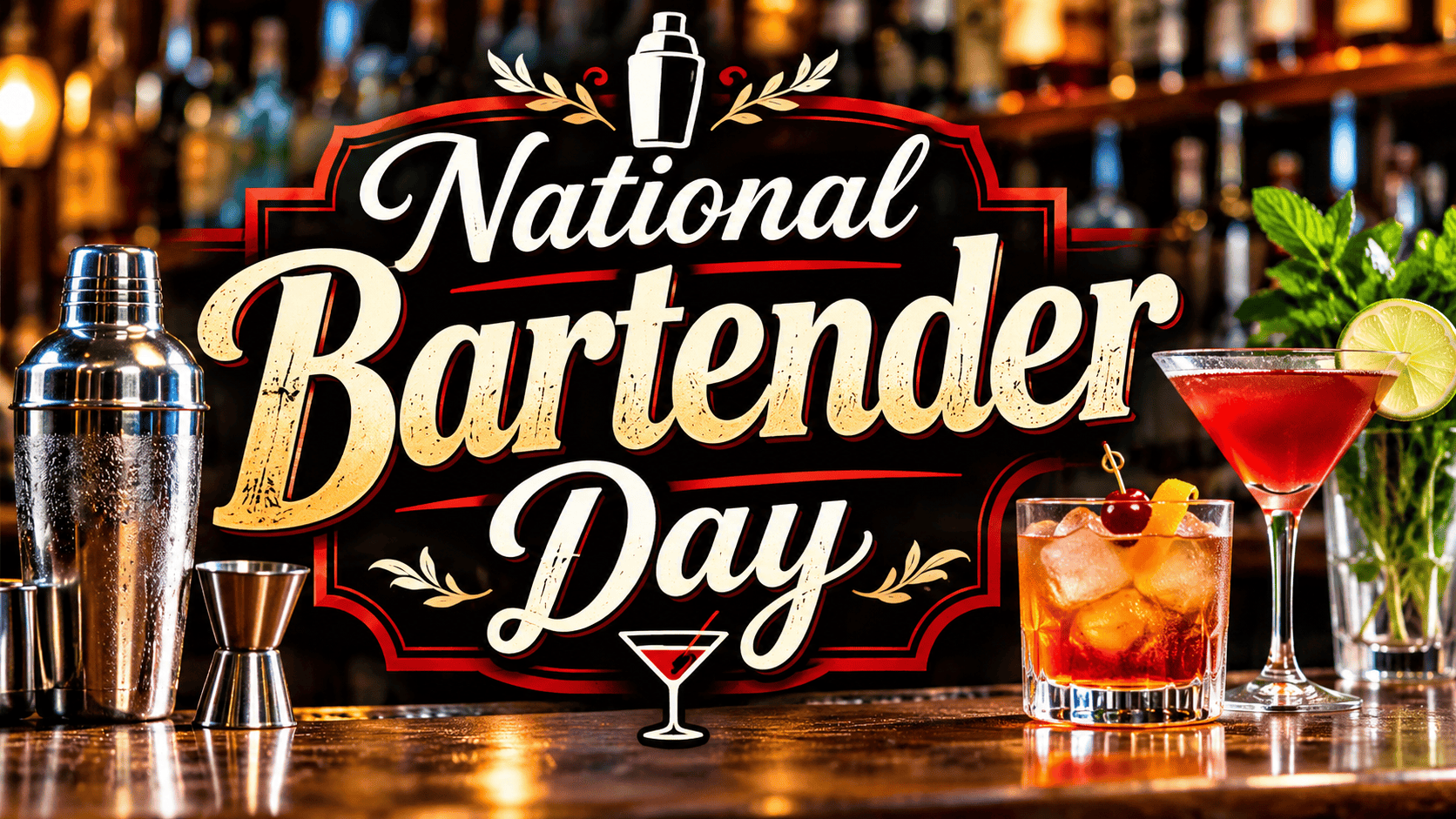
Every great bar has something special that keeps people coming back. Sometimes it is the atmosphere, sometimes it is the drinks, and sometimes it is the person standing behind the counter who remembers your name, knows your favorite cocktail, and makes you feel welcome.
National Bartender Day is a celebration of those hardworking individuals who do much more than mix drinks and serve customers. Bartenders are entertainers, conversationalists, skilled professionals, and often the people responsible for creating unforgettable experiences.
Whether they are crafting an elaborate cocktail, pouring a perfectly chilled beer, or simply offering a friendly smile after a difficult day, bartenders play an important role in hospitality.
National Bartender Day gives us an opportunity to recognize their dedication, creativity, patience, and the countless ways they contribute to our social experiences.
When Is National Bartender Day?
National Bartender Day is celebrated annually on the first Friday in December.
2026: Friday, December 4
2027: Friday, December 3
2028: Friday, December 1
The celebration takes place during the holiday season, when restaurants, bars, hotels, and entertainment venues often experience increased customer traffic.
It is a fitting time to recognize bartenders who work long hours helping others enjoy celebrations, holiday gatherings, and special occasions.
What Is National Bartender Day?
National Bartender Day is an observance dedicated to appreciating bartenders and recognizing the important work they perform throughout the hospitality industry.
Although bartending is often associated with preparing alcoholic beverages, the profession requires a much broader range of abilities.
Successful bartenders must understand customer service, beverage preparation, cleanliness, inventory management, responsible alcohol service, and the ability to work efficiently under pressure.
They also need strong communication skills and the ability to interact with people from different backgrounds.
A bartender might serve hundreds of customers during a busy shift while remembering orders, managing payments, preparing drinks, and maintaining a welcoming environment.
National Bartender Day reminds us that the person behind the bar is an essential part of the experience.
The History of National Bartender Day
National Bartender Day was established in 2011 through an initiative associated with Sailor Jerry Spiced Rum to recognize bartenders and encourage appreciation for their work.
The observance helped draw attention to the skills, personalities, and contributions of bartenders who serve communities across the country.
While National Bartender Day is a relatively modern celebration, the profession itself has a history stretching back thousands of years.
People have served fermented beverages in social gathering places since ancient civilizations.
Over time, taverns, inns, public houses, saloons, and modern cocktail bars developed into important gathering places.
Bartending gradually evolved from simply serving beverages into a specialized profession requiring knowledge, technique, creativity, and hospitality.
Today, bartenders work in neighborhood establishments, luxury hotels, restaurants, resorts, cruise ships, entertainment venues, and private events.
Their influence extends beyond the beverages they prepare, helping shape the atmosphere and identity of the establishments where they work.
The History of Bartending in America
Bartending has played a fascinating role in American culture.
Colonial America and Early Taverns
During colonial times, taverns served as important centers for communication, business, and community gatherings.
Travelers stopped at taverns for food, beverages, lodging, and conversation.
These establishments frequently hosted discussions about politics, commerce, and local events.
The people serving beverages helped maintain welcoming spaces where communities could connect.
The Rise of the American Saloon
During the 1800s, saloons became increasingly common throughout the United States.
They were particularly associated with growing cities, mining towns, railroad communities, and the American West.
Bartenders served whiskey, beer, and other popular beverages while managing establishments that often became social centers.
The image of the bartender standing behind a polished wooden bar became a recognizable part of American culture.
The Golden Age of Cocktails
The nineteenth century also witnessed the development of American cocktail culture.
One influential figure was Jerry Thomas, a bartender widely recognized for helping popularize professional cocktail preparation.
In 1862, Thomas published How to Mix Drinks, or The Bon-Vivant’s Companion, one of the earliest influential American bartending guides.
His work helped document cocktail recipes and established bartending as a craft worthy of study and professional recognition.
Classic drinks such as the Manhattan, Old Fashioned, and various punches became part of America’s developing cocktail traditions.
Prohibition and the Underground Bar
The Prohibition era, lasting from 1920 until 1933, dramatically changed American drinking culture.
The nationwide prohibition on the manufacture, sale, and transportation of alcoholic beverages led to the growth of illegal drinking establishments commonly known as speakeasies.
Bartenders continued preparing beverages in underground establishments, while some American bartenders pursued opportunities abroad.
Prohibition influenced cocktail culture and contributed to the mythology surrounding secret bars and hidden drinking establishments.
The Modern Bartending Renaissance
During the late twentieth and early twenty-first centuries, interest in craft cocktails increased.
Bartenders began emphasizing fresh ingredients, traditional recipes, premium spirits, homemade syrups, and innovative presentation.
Modern cocktail culture also brought renewed attention to historical techniques and classic drinks.
Today, bartending combines traditional knowledge with contemporary creativity.
Why Bartenders Deserve Recognition
Bartending is often more demanding than customers realize.
Behind every well-prepared drink is a combination of preparation, knowledge, physical effort, and attention to detail.
1. Bartenders Work Long and Demanding Hours
Many bartenders work evenings, weekends, and holidays.
Their busiest shifts frequently occur when other people are relaxing or celebrating.
Standing for extended periods, carrying supplies, cleaning equipment, and serving customers can make the profession physically demanding.
2. They Remember More Than Drink Recipes
Experienced bartenders often remember regular customers, favorite beverages, and personal preferences.
These details help create a welcoming atmosphere.
A familiar face behind the bar can make an establishment feel more comfortable and inviting.
3. They Handle Difficult Situations
Bartenders occasionally encounter impatient customers, disagreements, and challenging social situations.
They must remain professional while protecting their own safety and the well-being of others.
Responsible alcohol service also requires recognizing signs of intoxication and knowing when to refuse additional drinks.
4. They Are Skilled Craftspeople
Preparing a quality cocktail involves more than combining ingredients.
Bartenders must understand flavor balance, temperature, dilution, presentation, and technique.
Their knowledge can transform ordinary ingredients into memorable beverages.
5. They Help Create Lasting Memories
Birthdays, anniversaries, weddings, reunions, and holiday celebrations frequently involve bartenders.
Their hospitality contributes to the atmosphere of these occasions.
Sometimes the smallest gestures, such as remembering a favorite drink or offering a thoughtful recommendation, make the biggest impression.
Essential Skills Every Great Bartender Needs
Professional bartending requires a combination of technical expertise and interpersonal abilities.
Mixology knowledge: Understanding spirits, mixers, garnishes, and cocktail preparation techniques is essential.
Customer service: Friendly, attentive service helps customers feel valued.
Multitasking: Busy shifts require managing several orders while maintaining accuracy.
Communication: Bartenders must communicate effectively with customers, coworkers, and management.
Time management: Efficient preparation helps keep service moving during crowded periods.
Responsible service: Recognizing intoxication and following applicable alcohol laws protects customers and establishments.
Creativity: Developing unique drinks and adapting recipes allows bartenders to express their individual style.
Cleanliness: Maintaining sanitary equipment and preparation areas is fundamental to safe beverage service.
The best bartenders combine these abilities naturally, making difficult work appear effortless.
Famous Cocktails That Showcase Bartending Skills
Many classic cocktails demonstrate the techniques and creativity associated with professional bartending.
The Old Fashioned
A traditional Old Fashioned typically combines whiskey, sugar, bitters, and a small amount of water from dilution.
Its simplicity highlights the importance of ingredient balance and careful preparation.
The Martini
The Martini is one of the most recognizable cocktails in the world.
Traditionally prepared with gin and dry vermouth, it demonstrates the importance of chilling, dilution, and precise proportions.
The Margarita
A classic Margarita combines tequila, orange liqueur, and lime juice.
Its balance of sweetness, acidity, and spirit makes it a favorite among cocktail enthusiasts.
The Mojito
The Mojito features rum, lime, mint, sugar, and soda water.
Proper preparation requires gently releasing the mint’s aroma without excessively crushing the leaves.
The Manhattan
The Manhattan combines whiskey, sweet vermouth, and bitters.
It is a classic stirred cocktail that rewards careful measurement and attention to temperature.
The Whiskey Sour
A Whiskey Sour traditionally combines whiskey, lemon juice, and sugar.
Some variations include egg white or a suitable alternative to create a silky texture and foamy presentation.
Each of these cocktails demonstrates how technique, ingredient selection, and experience influence the final result.
How to Celebrate National Bartender Day
There are several meaningful ways to recognize bartenders on their special day.
Thank Your Favorite Bartender
A sincere thank-you is one of the easiest ways to show appreciation.
Let your bartender know that you recognize the effort they put into providing excellent service.
Leave a Generous Tip
Where tipping is customary, consider leaving a little extra for outstanding service.
Bartenders often depend on gratuities as an important part of their income.
A thoughtful tip can communicate appreciation for their hard work.
Visit a Local Bar or Restaurant
Support a favorite neighborhood establishment or explore a locally owned business.
Ordering a favorite beverage, including a nonalcoholic option, can be a simple way to participate.
Share a Positive Review
Online reviews can help hospitality professionals and businesses attract new customers.
If a bartender consistently provides excellent service, consider mentioning their work in a positive review.
Learn About Bartending
Explore the history of classic cocktails, discover traditional preparation methods, or learn about the tools used behind the bar.
Understanding the profession can create a greater appreciation for the skill involved.
Celebrate With a Mocktail
National Bartender Day does not require consuming alcohol.
Bartenders also prepare creative nonalcoholic beverages using fresh fruit, herbs, syrups, sparkling water, and other ingredients.
Ordering a carefully prepared mocktail is another excellent way to recognize their craftsmanship.
Interesting Facts About Bartenders
Bartending has a rich history filled with fascinating traditions and innovations.
1. Jerry Thomas helped popularize American mixology. His 1862 bartending guide became an important reference for cocktail preparation.
2. The word cocktail has been used for more than two centuries. One famous early printed definition appeared in an American newspaper in 1806.
3. Ice transformed cocktail culture. The expansion of commercial ice harvesting and distribution during the nineteenth century made chilled beverages more accessible.
4. Bartending tools have specialized purposes. Shakers, strainers, jiggers, muddlers, and mixing glasses help professionals achieve consistent results.
5. Not every cocktail should be shaken. Drinks containing only spirits and similar ingredients are frequently stirred, while those containing citrus juice are commonly shaken.
6. Garnishes can influence flavor. Citrus peels, herbs, and other garnishes contribute aromas that affect the drinking experience.
7. Bartending competitions exist around the world. Professional bartenders compete in categories involving creativity, technique, presentation, and speed.
8. Flair bartending combines performance and skill. Some bartenders incorporate coordinated bottle handling and theatrical techniques into their service.
9. Nonalcoholic cocktails are an important part of modern bartending. Many establishments offer sophisticated alcohol-free drinks.
10. Responsible service is a major professional responsibility. Bartenders must follow local regulations and help prevent alcohol-related harm.
The Difference Between a Bartender and a Mixologist
The terms bartender and mixologist are sometimes used interchangeably, but they can emphasize different aspects of beverage service.
A bartender generally focuses on preparing and serving beverages while providing customer service and managing bar operations.
A mixologist typically emphasizes cocktail development, ingredient experimentation, flavor combinations, and specialized preparation techniques.
However, these roles frequently overlap.
Many professional bartenders possess extensive mixology knowledge, and skilled mixologists often work directly with customers.
Neither title automatically indicates greater professionalism or ability.
Both require dedication, experience, and an understanding of beverage preparation.
The Importance of Responsible Bartending
One of the most important responsibilities of a bartender is helping maintain a safe environment.
Professional bartenders must understand applicable alcohol laws and recognize situations in which continued service could create risks.
Responsible bartending includes checking identification when required, recognizing signs of intoxication, refusing service when necessary, and helping customers identify safe transportation options.
It also means respecting customers who choose not to drink alcohol.
A welcoming bar should provide enjoyable experiences for everyone, including designated drivers and guests who prefer alcohol-free beverages.
National Bartender Day is an opportunity to recognize not only creativity and hospitality but also the responsibility that comes with serving alcohol.
How Bartenders Bring Communities Together
Bars and restaurants have long served as gathering places.
They provide environments where friends reconnect, families celebrate milestones, coworkers relax after demanding days, and strangers sometimes become friends.
Bartenders often help establish the atmosphere that makes these interactions possible.
Their professionalism and personalities can influence whether customers feel comfortable returning.
In smaller communities, longtime bartenders may become familiar faces who recognize generations of local residents.
Some participate in charitable events, fundraisers, neighborhood celebrations, and community initiatives.
Others help create inclusive spaces where people from different backgrounds can socialize.
While their primary responsibilities involve hospitality and beverage service, their contributions can extend into the broader community.
The Challenges of Working Behind the Bar
Although bartending can be rewarding, the profession comes with significant challenges.
Long shifts can be physically exhausting, particularly during busy weekends and holiday seasons.
Bartenders frequently work while others enjoy time off with friends and family.
They may also experience unpredictable income, demanding customer interactions, late-night schedules, and stressful working conditions.
Maintaining professionalism during difficult situations requires patience and emotional discipline.
These challenges make recognition particularly meaningful.
Customers can contribute to a more respectful working environment by treating bartenders courteously, ordering patiently, following establishment policies, and respecting service decisions.
Simple acts of consideration can make demanding shifts more manageable.
National Bartender Day and the Holiday Season
December is one of the busiest periods for many hospitality businesses.
Holiday parties, family gatherings, corporate celebrations, and seasonal events bring customers into restaurants and bars.
Bartenders frequently play important roles in these occasions by preparing seasonal drinks and helping guests enjoy festive experiences.
Popular holiday beverages may include peppermint-inspired cocktails, cranberry mocktails, spiced cider, eggnog variations, and warm winter drinks.
The season also presents opportunities for creative menus featuring cinnamon, citrus, chocolate, ginger, and other seasonal flavors.
National Bartender Day provides a timely reminder to appreciate hospitality workers during a period when their workloads may increase.
Frequently Asked Questions About National Bartender Day
Is National Bartender Day Celebrated Every Year?
Yes. National Bartender Day is observed annually on the first Friday in December.
Is National Bartender Day a Federal Holiday?
No. National Bartender Day is an informal observance rather than an official federal holiday.
Businesses generally maintain their normal operating schedules.
Who Created National Bartender Day?
National Bartender Day was established in 2011 through a promotional initiative associated with Sailor Jerry Spiced Rum.
What Is the Best Way to Celebrate National Bartender Day?
Thanking a bartender, tipping appropriately, supporting a local establishment, or sharing a positive review are meaningful ways to participate.
Do You Have to Drink Alcohol to Celebrate?
No. Customers can order mocktails, sodas, coffee, or other nonalcoholic beverages while recognizing the work of bartenders.
What Makes a Great Bartender?
A great bartender combines beverage knowledge, communication skills, professionalism, efficiency, creativity, and responsible service.
Is National Bartender Day the Same as World Bartender Day?
No. National Bartender Day is observed on the first Friday in December, while World Bartender Day is commonly celebrated on February 24.
Final Thoughts: Celebrating the People Who Make Every Drink Special
National Bartender Day is about more than cocktails, beer, or the establishments where people gather.
It is about recognizing the hardworking individuals who help turn ordinary moments into memorable experiences.
Bartenders bring together creativity, patience, professionalism, and hospitality in a profession that requires far more skill than many people realize.
They work through busy evenings, demanding weekends, and holiday celebrations while helping customers feel welcome and appreciated.
Whether someone is celebrating a special occasion, meeting friends, or simply enjoying a refreshing nonalcoholic beverage, the person behind the bar can make a meaningful difference.
On December 4, 2026, take a moment to recognize the bartenders who help make your favorite establishments special.
Offer a sincere thank-you, show respect for their work, and acknowledge the dedication that goes into every shift.
Because behind every great bar is someone whose hard work deserves to be celebrated.
Leave a Reply