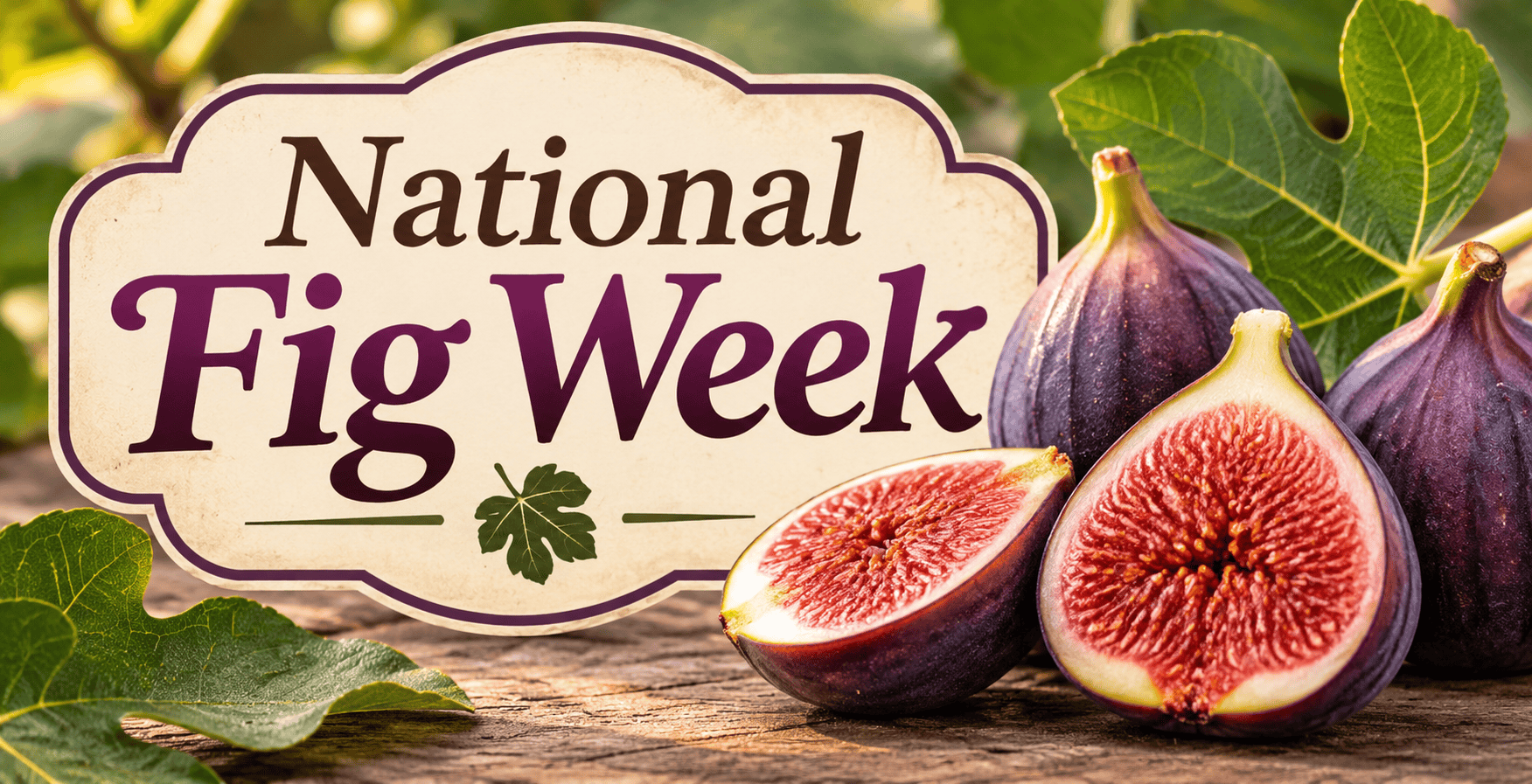
Every fruit has its own unique flavor, history, and nutritional value, but few have a story as fascinating as the fig. National Fig Week is a wonderful opportunity to celebrate one of the world’s oldest cultivated fruits, explore its health benefits, and discover delicious ways to enjoy it.
From ancient civilizations to modern kitchens, figs have been appreciated for thousands of years. Their naturally sweet flavor, soft texture, and impressive versatility make them a favorite ingredient in everything from breakfast dishes and salads to baked goods and gourmet appetizers.
Whether you enjoy fresh figs straight from the tree, dried figs as a convenient snack, or fig preserves spread over warm toast, National Fig Week encourages everyone to appreciate this remarkable fruit.
What Is National Fig Week?
National Fig Week is a food observance celebrated during the first week of November, highlighting the history, nutritional benefits, culinary versatility, and agricultural importance of figs.
The celebration encourages people to learn more about figs, try new recipes, and recognize the farmers who grow and harvest this distinctive fruit.
Although National Fig Week is not a federal holiday, it provides an enjoyable opportunity for food lovers, home cooks, gardeners, and health-conscious individuals to discover why figs deserve more attention.
Figs have been part of human diets for thousands of years, making them much more than an ordinary seasonal fruit. They represent a connection between ancient agricultural traditions and the foods we continue to enjoy today.
When Is National Fig Week Celebrated?
National Fig Week is observed during the first week of November each year.
In 2026, that corresponds to November 1–7.
The celebration arrives during the fall season, when comforting recipes, holiday baking, and seasonal gatherings become increasingly popular.
While fresh fig availability depends on the growing region and season, dried figs and fig preserves make it possible to enjoy their flavor throughout the year.
November is also an excellent time to experiment with figs in Thanksgiving appetizers, autumn desserts, and homemade holiday treats.
The Fascinating History of Figs
Figs have one of the longest agricultural histories of any fruit.
Archaeological evidence suggests that people cultivated figs in the Middle East thousands of years ago, possibly even before the widespread cultivation of certain cereal grains.
The common fig, scientifically known as Ficus carica, originated in a region extending from western Asia into the Mediterranean.
Ancient civilizations valued figs for their sweetness, nutritional qualities, and ability to be preserved through drying.
Figs in Ancient Egypt
Figs were an important part of the diet in ancient Egypt.
They were eaten fresh, dried for storage, and included in meals enjoyed by different levels of Egyptian society.
Because dried figs could be stored for extended periods, they were especially valuable in a world without modern refrigeration.
Figs also appeared in Egyptian art and burial traditions, reflecting their cultural importance.
Figs in Ancient Greece
Ancient Greeks considered figs an important food.
They were commonly eaten alongside bread, olives, and other Mediterranean staples.
Figs were associated with abundance, prosperity, and the agricultural richness of the region.
Their natural sweetness made them particularly desirable before refined sugar became widely available.
Figs in Ancient Rome
The Romans also appreciated figs and helped spread their cultivation throughout parts of Europe.
Figs became common in Roman diets and were eaten fresh, dried, or incorporated into various dishes.
Roman agricultural writers documented methods for growing and preserving figs, demonstrating their importance as a cultivated food.
Figs in America
Figs eventually reached North America through European settlement and agricultural expansion.
Spanish missionaries helped introduce fig cultivation to California during the eighteenth century.
The Mission fig became especially associated with California’s agricultural history.
Today, California remains the primary commercial producer of figs in the United States.
What Makes Figs Unique?
Figs are unlike many other fruits because of their unusual structure.
What we commonly call a fig fruit is technically a specialized structure known as a syconium.
Inside this structure are numerous tiny flowers that develop into the small, seedlike parts responsible for the fig’s distinctive texture.
This unusual botanical arrangement makes figs one of nature’s most fascinating foods.
Fresh figs typically have delicate skin, soft flesh, and a sweet flavor that can resemble honey, berries, or caramel.
Their color varies depending on the variety, ranging from green and yellow to purple and nearly black.
Popular Types of Figs
Several varieties of figs are enjoyed around the world.
1. Black Mission Figs
Black Mission figs are known for their dark purple skin and sweet, richly flavored flesh.
They are popular for eating fresh, drying, and making preserves.
2. Brown Turkey Figs
Brown Turkey figs have brownish-purple skin and a mild, pleasantly sweet flavor.
They are frequently enjoyed fresh and work well in salads and desserts.
3. Kadota Figs
Kadota figs typically have greenish-yellow skin and lighter-colored flesh.
Their mild sweetness makes them useful for preserves, baking, and fresh eating.
4. Calimyrna Figs
Calimyrna figs are recognized for their golden skin, nutty flavor, and substantial texture.
They are especially popular as dried figs.
5. Adriatic Figs
Adriatic figs often have pale green skin and striking pink or red flesh.
Their sweetness makes them excellent for fresh eating, desserts, and homemade jam.
Each variety offers a slightly different flavor and texture, making National Fig Week an ideal time to try something new.
Health Benefits of Eating Figs
Figs contain several nutrients that contribute to a balanced diet.
Although they should not be considered a miracle food, they can be a nutritious addition to meals and snacks.
1. Figs Provide Dietary Fiber
Figs contain dietary fiber, which supports normal digestive function.
Fiber helps promote regular bowel movements and contributes to a healthy digestive system.
Dried figs are a particularly concentrated source of fiber because much of their water has been removed.
2. Figs Contain Important Minerals
Figs provide minerals such as potassium, calcium, magnesium, and copper.
These nutrients support various functions throughout the body, including normal muscle activity, nerve signaling, and bone health.
3. Figs Contain Antioxidant Compounds
Figs contain plant compounds, including polyphenols, that have antioxidant properties.
Antioxidants help protect cells against oxidative stress.
The amount and types of these compounds can vary depending on the fig variety and how it is processed.
4. Figs Can Support Heart-Healthy Eating
Figs contain potassium and fiber, both of which can contribute to a heart-healthy dietary pattern.
Potassium helps support normal blood pressure regulation, while fiber is an important component of a balanced diet.
However, eating figs alone does not prevent or treat heart disease.
5. Figs Offer Natural Sweetness
Figs are naturally sweet, making them useful in recipes where some added sugar might otherwise be needed.
Chopped dried figs can add sweetness to oatmeal, homemade snack bars, and baked goods.
Because dried figs contain concentrated natural sugars, portion size remains important.
6. Figs Can Contribute to Bone Health
Figs contain calcium, magnesium, and other minerals involved in maintaining healthy bones.
Although figs should not replace major dietary sources of calcium, they can contribute to overall nutrient intake.
Fresh Figs vs. Dried Figs: What’s the Difference?
Both fresh and dried figs offer nutritional benefits, but they differ in texture, sweetness, and storage requirements.
Fresh figs contain more water, have a delicate texture, and provide fewer calories per equal weight than dried figs.
They are delicious eaten alone, sliced into salads, or served with cheese.
Dried figs have a chewy texture and a more concentrated sweetness.
Because their water content is reduced, dried figs contain more calories, sugar, and fiber per equal weight than fresh figs.
They are convenient for snacking, baking, and adding to recipes throughout the year.
Neither option is automatically better. The best choice depends on personal preference, nutritional needs, and how the figs will be used.
15 Delicious Ways to Celebrate National Fig Week
One of the best ways to celebrate National Fig Week is by bringing figs into your kitchen.
Here are fifteen tasty ideas worth trying.
1. Fresh Fig and Goat Cheese Salad
Combine sliced fresh figs with mixed greens, crumbled goat cheese, walnuts, and balsamic vinaigrette.
The combination of sweet, tangy, and savory flavors creates an elegant fall salad.
2. Homemade Fig Jam
Simmer chopped figs with lemon juice, sugar, and a little water until thickened.
Spread the finished jam over toast, biscuits, or English muffins. Refrigerate promptly unless using a tested shelf-stable canning recipe.
3. Fig and Prosciutto Flatbread
Top flatbread with sliced figs, prosciutto, mozzarella, and fresh arugula.
Bake until the cheese melts and finish with a light drizzle of balsamic glaze.
4. Honey-Roasted Figs
Cut fresh figs in half and place them in a baking dish.
Drizzle lightly with honey and roast until tender.
Serve with Greek yogurt or vanilla ice cream.
5. Fig and Walnut Oatmeal
Add chopped dried figs, toasted walnuts, cinnamon, and a splash of milk to warm oatmeal.
This simple combination makes a comforting autumn breakfast.
6. Fig-Stuffed Chicken Breast
Fill chicken breasts with chopped figs, goat cheese, and fresh herbs.
Bake until the chicken reaches a safe internal temperature of 165°F.
7. Fig and Brie Crostini
Toast baguette slices and top them with creamy Brie cheese and fig preserves.
Warm briefly until the cheese softens.
8. Homemade Fig Bars
Prepare soft cookie bars filled with homemade fig filling.
These make a delicious alternative to packaged fig cookies.
9. Fig and Almond Breakfast Smoothie
Blend fresh figs with almond milk, Greek yogurt, cinnamon, and a little vanilla.
The result is a creamy breakfast drink with natural sweetness.
10. Fig and Arugula Pizza
Top pizza dough with mozzarella, fresh figs, caramelized onions, and arugula.
The balance of sweet and savory flavors creates a distinctive homemade pizza.
11. Dark Chocolate-Dipped Figs
Dip dried figs halfway into melted dark chocolate.
Place them on parchment paper and allow the chocolate to set.
12. Fig and Pecan Muffins
Fold chopped dried figs and pecans into homemade muffin batter.
Add cinnamon or nutmeg for extra fall flavor.
13. Fig Balsamic Glaze
Simmer fig preserves with balsamic vinegar until slightly thickened.
Use the glaze over roasted vegetables, grilled chicken, or pork tenderloin.
14. Fig and Cheese Charcuterie Board
Arrange fresh and dried figs with cheeses, crackers, nuts, and grapes.
This makes an attractive appetizer for holiday gatherings.
15. Old-Fashioned Fig Cake
Bake a moist spice cake using chopped figs, cinnamon, nutmeg, and pecans.
Serve with a light vanilla glaze for a comforting Southern-inspired dessert.
How to Choose Fresh Figs
Fresh figs are delicate and highly perishable, so choosing them carefully is important.
Look for figs that feel slightly soft when gently pressed but are not mushy.
Their skin should be mostly intact, without extensive bruising or signs of mold.
A ripe fig often has a noticeable sweet aroma.
Avoid figs that smell sour or fermented.
Unlike some fruits, figs do not continue to ripen significantly after being harvested, so selecting ripe fruit is important.
How to Store Figs Properly
Proper storage helps preserve the flavor and texture of figs.
Storing Fresh Figs
Fresh figs should be refrigerated and eaten as soon as possible, ideally within a few days.
Place them in a shallow container to prevent crushing.
Wash them gently just before eating rather than before storing.
Storing Dried Figs
Keep dried figs in an airtight container in a cool, dry location, following the package’s storage instructions.
Refrigeration can help maintain quality, particularly after opening or in warm and humid conditions.
Freezing Figs
Fresh figs can also be frozen for later use.
Wash and dry them, remove the stems, and arrange them on a baking sheet.
Once frozen, transfer them to freezer-safe containers or bags.
Frozen figs work particularly well in smoothies, sauces, and baked recipes.
Interesting Facts About Figs
Figs have several fascinating characteristics that make them stand out from other fruits.
- Figs have been cultivated for thousands of years. They are among humanity’s earliest domesticated food plants.
- Figs are botanically unusual. Their flowers develop inside the structure commonly called the fruit.
- Some figs rely on specialized wasps for pollination. However, many commercially grown common fig varieties produce fruit without pollination.
- Fig trees can live for many decades. Under favorable conditions, some survive much longer.
- Figs appear in ancient religious and historical writings. They have symbolized abundance, prosperity, and peace in different cultures.
- Dried figs were valuable before refrigeration. Drying made them easier to transport and store.
- Fig leaves are distinctive. Their broad, lobed shape makes fig trees recognizable.
- Figs are versatile ingredients. They can complement sweet desserts, savory meats, cheeses, and salads.
These facts demonstrate why figs have maintained their popularity across generations and cultures.
The Importance of Fig Farming
National Fig Week is also an opportunity to recognize the agricultural work involved in producing figs.
Growing figs requires knowledge of soil conditions, irrigation, pruning, harvesting, and pest management.
Fig trees generally thrive in climates with warm summers and relatively mild winters.
California’s Mediterranean-style growing conditions make parts of the state particularly suitable for commercial fig production.
Farmers must carefully handle fresh figs because their delicate skin makes them vulnerable to bruising and damage.
Harvesting at the appropriate stage of ripeness is especially important for maintaining quality.
Supporting fig growers helps recognize the agricultural traditions that have made this fruit available to generations of consumers.
How to Grow Your Own Fig Tree
For people who enjoy gardening, growing a fig tree can be a rewarding experience.
Fig trees can produce delicious fruit while adding attractive foliage to a landscape.
Choose the Right Variety
Select a fig variety suited to your local climate.
Some varieties tolerate cooler conditions better than others.
Provide Plenty of Sunlight
Most fig trees grow best with at least six to eight hours of direct sunlight daily.
Use Well-Drained Soil
Fig trees prefer soil that drains well.
Waterlogged conditions can damage their roots.
Water Consistently
Young trees generally need regular watering while becoming established.
Established trees may tolerate some dry conditions, but adequate moisture is important during fruit development.
Prune When Necessary
Pruning helps maintain tree size, remove damaged branches, and improve overall structure.
The best pruning method depends on the variety and growing conditions.
With proper care, a fig tree can provide homegrown fruit for many years.
Creative Ways to Celebrate National Fig Week
National Fig Week does not require an elaborate celebration.
Simple activities can make the occasion enjoyable and educational.
Try a new fig recipe. Experiment with a dish you have never prepared before.
Taste different fig varieties. Compare the flavors of fresh Black Mission, Brown Turkey, or other available figs.
Visit a farmers market. Look for locally grown figs or products made with figs.
Make homemade fig preserves. Prepare a small refrigerator batch to enjoy with breakfast or desserts.
Learn about fig history. Explore how ancient civilizations cultivated and used figs.
Introduce figs to your family. Offer a fig-based snack or dessert to someone who has never tried them.
Support fig growers. Purchase figs or fig products from farms and agricultural businesses.
Share your favorite recipe. Encourage friends and family to discover new ways to enjoy this fruit.
The goal is simply to appreciate the flavor, history, and versatility of figs.
Why Figs Are Perfect for Fall Recipes
Figs pair especially well with many flavors associated with autumn.
Their sweetness complements cinnamon, nutmeg, ginger, honey, maple syrup, and toasted nuts.
They also work beautifully with savory ingredients such as goat cheese, Brie, roasted squash, onions, and fresh herbs.
Dried figs are particularly convenient during the fall because they are widely available and easy to incorporate into holiday cooking.
A handful of chopped figs can transform ordinary stuffing, breakfast oatmeal, or homemade bread into something special.
For Thanksgiving gatherings, figs can be included in appetizers, side dishes, and desserts.
They add a touch of natural sweetness and a distinctive texture that makes familiar recipes feel a little more festive.
National Fig Week and Healthy Eating
Celebrating National Fig Week can also encourage people to explore more fruit varieties as part of their everyday diets.
Eating a variety of fruits helps provide different vitamins, minerals, fiber, and beneficial plant compounds.
Figs can be incorporated into balanced meals without requiring major changes to eating habits.
For example, adding sliced fresh figs to plain yogurt can create a naturally sweet breakfast.
Pairing dried figs with nuts can provide a convenient snack containing carbohydrates, fiber, and healthy fats.
Fresh figs can also replace some sweeter toppings in salads or breakfast dishes.
People who monitor carbohydrate intake should remember that figs, particularly dried figs, contain natural sugars.
Moderation and overall dietary balance remain important.
Final Thoughts: Celebrate the Natural Sweetness of National Fig Week
National Fig Week is more than a celebration of a delicious fruit. It is an opportunity to appreciate thousands of years of agricultural history, explore nutritious foods, and discover new flavors in the kitchen.
From ancient Egypt and Greece to modern California farms, figs have remained an important part of food culture across generations.
Their distinctive sweetness, soft texture, and versatility make them an excellent ingredient for everything from simple snacks to elegant holiday meals.
Whether you enjoy fresh figs, bake homemade fig bars, prepare a savory fig appetizer, or plant a fig tree in your garden, there are countless ways to participate in this annual celebration.
This National Fig Week, consider trying something new and sharing the experience with family or friends.
Sometimes the most memorable food discoveries come from appreciating ingredients that people have enjoyed for thousands of years.
What is your favorite way to enjoy figs—fresh from the tree, dried as a snack, baked into a dessert, or made into homemade fig preserves?


Leave a Reply