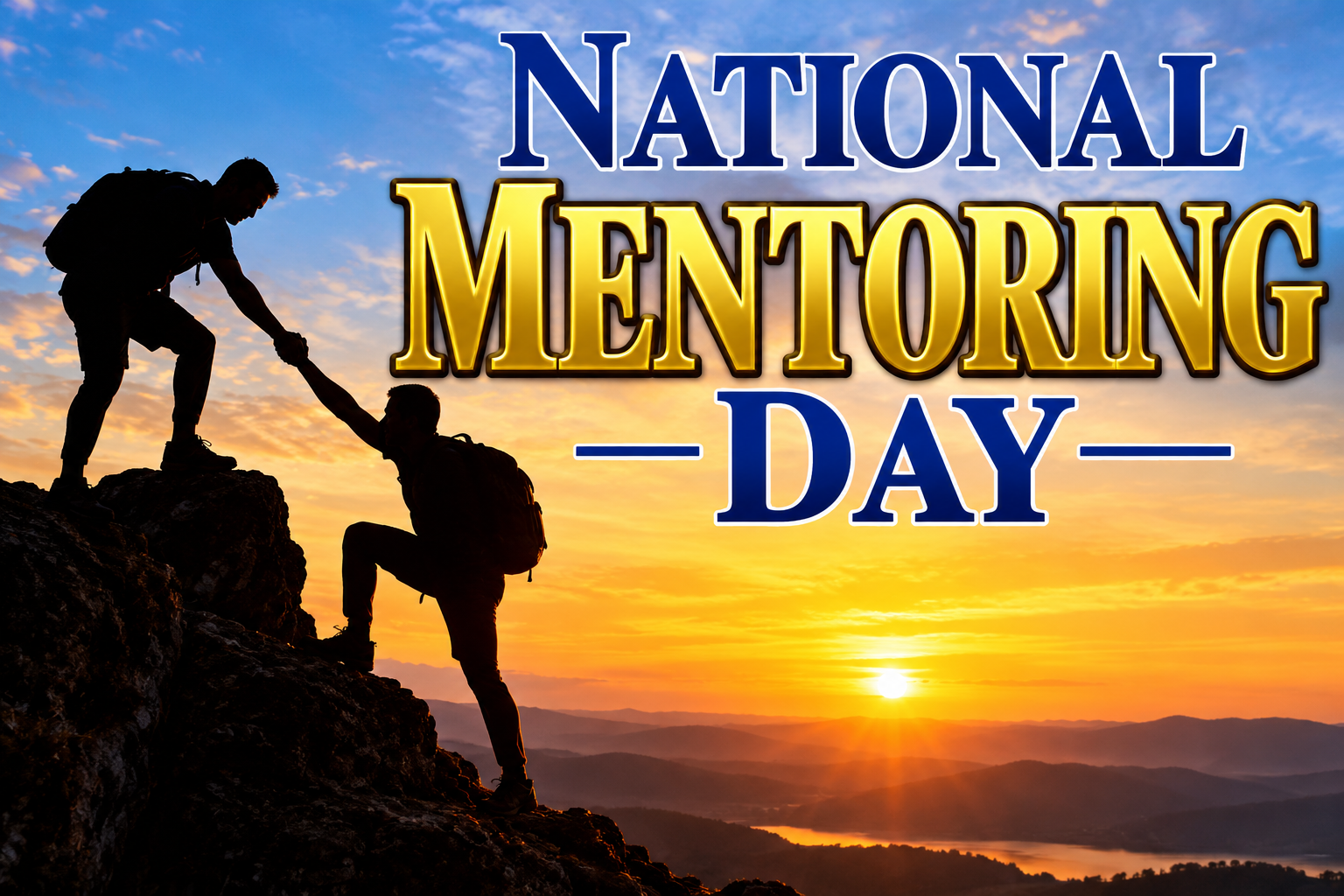
Every year on October 27, National Mentoring Day celebrates the incredible impact that mentors have on individuals, communities, workplaces, and future generations. It is a day dedicated to recognizing the people who take time out of their lives to guide, encourage, support, and inspire others to become the best versions of themselves.
Mentoring is about much more than giving advice. It is about building relationships, sharing experiences, offering encouragement, and helping someone discover their potential. Whether it is a teacher guiding a student, a manager supporting an employee, a parent teaching a child, or a friend helping someone through a difficult time, mentoring can change lives in ways that last for generations.
National Mentoring Day reminds us that everyone has something valuable to share and that even the smallest act of guidance can make a meaningful difference.
When Is National Mentoring Day?
National Mentoring Day is observed annually on October 27.
The celebration encourages individuals, businesses, schools, organizations, and communities to recognize the importance of mentoring and the positive influence mentors have on people’s lives.
National Mentoring Day 2026 falls on Tuesday, October 27.
Although mentoring happens throughout the year, this special day provides an opportunity to celebrate mentors, express gratitude, and encourage more people to participate in mentoring relationships.
The History of National Mentoring Day
National Mentoring Day was founded in the United Kingdom in 2014 by Chelsey Baker, a mentoring advocate and business mentor.
The initiative was created to recognize the importance of mentoring and encourage individuals and organizations to support others through guidance, knowledge sharing, and meaningful relationships.
Over time, National Mentoring Day has gained international attention, inspiring people from different backgrounds and industries to celebrate the positive impact of mentoring.
The observance highlights mentoring in education, business, personal development, community leadership, and other areas of life.
Although the celebration is relatively new, the concept of mentoring has existed for thousands of years.
Throughout history, experienced individuals have passed their knowledge, skills, and wisdom to younger generations. From traditional apprenticeships to modern professional mentoring programs, guidance and encouragement have always played an important role in human development.
Today, mentoring continues to help people overcome challenges, discover opportunities, and achieve goals they may never have believed possible.
Why National Mentoring Day Matters
National Mentoring Day is important because it reminds us that personal growth rarely happens entirely on our own.
Behind many successful individuals are people who offered encouragement, shared knowledge, opened doors, or simply believed in them when they struggled to believe in themselves.
Mentoring provides opportunities for people to learn from experience rather than having to navigate every challenge alone.
A mentor can help someone build confidence, develop new skills, make better decisions, and understand that setbacks do not define their future.
Mentoring also strengthens communities by encouraging cooperation, compassion, and shared responsibility.
When people invest their time and knowledge in others, they help create a culture where success is not limited to individuals but becomes something that can be shared.
What Is a Mentor?
A mentor is someone who provides guidance, encouragement, knowledge, and support to another person.
Mentors often draw upon their personal experiences, professional expertise, or life lessons to help others navigate challenges and pursue opportunities.
A mentor does not necessarily need to be older, wealthier, or more successful than the person receiving guidance.
What matters most is the willingness to listen, share experiences, offer constructive feedback, and support another person’s growth.
Some mentors provide guidance over many years, while others make a difference through a single conversation or meaningful experience.
The most effective mentors understand that their role is not to control another person’s decisions but to help that person develop the confidence and knowledge to make their own choices.
Different Types of Mentoring
Mentoring takes many forms, and each can provide unique benefits depending on someone’s needs and circumstances.
1. Educational Mentoring
Teachers, tutors, counselors, and experienced students often serve as mentors by helping young people develop academic skills, confidence, and motivation.
Educational mentors can encourage students to explore their interests, overcome learning difficulties, and pursue educational opportunities.
2. Career Mentoring
Career mentors help individuals navigate professional development, workplace challenges, and long-term career goals.
They may provide advice about job opportunities, leadership skills, networking, or professional growth.
3. Youth Mentoring
Youth mentoring connects young people with supportive adults who can provide encouragement, positive role models, and guidance.
These relationships can help young people develop confidence, communication skills, and a stronger sense of belonging.
4. Business Mentoring
Business mentors support entrepreneurs, small business owners, and professionals who want to improve their skills or grow their organizations.
They may share insights about leadership, financial planning, marketing, customer relationships, and overcoming business challenges.
5. Personal Development Mentoring
Personal development mentors help individuals work toward meaningful goals, develop healthy habits, and strengthen their confidence.
These relationships often focus on personal growth, motivation, and learning from life experiences.
6. Peer Mentoring
Peer mentoring occurs when individuals with similar experiences or backgrounds support one another.
It demonstrates that mentoring does not always require a traditional teacher-and-student relationship.
Sometimes the most valuable guidance comes from someone who understands exactly what another person is experiencing.
The Benefits of Having a Mentor
Having a mentor can provide meaningful advantages throughout different stages of life.
Greater confidence: Mentors encourage individuals to recognize their strengths and believe in their abilities.
Improved decision-making: Learning from someone else’s experiences can help people consider different perspectives before making important choices.
Personal growth: Mentoring encourages self-reflection, goal-setting, and continuous improvement.
Professional development: Career and business mentors can help individuals identify opportunities and develop valuable skills.
Emotional encouragement: A supportive mentor can provide reassurance during challenging times.
Accountability: Mentors can help individuals remain focused on their goals and recognize their progress.
Although mentoring cannot guarantee success, a positive mentoring relationship can provide valuable support throughout life’s journey.
The Qualities of a Great Mentor
Not everyone who offers advice automatically becomes a great mentor.
Effective mentoring requires patience, understanding, compassion, and a genuine commitment to helping another person succeed.
Great mentors typically demonstrate several important qualities.
They listen carefully rather than immediately offering solutions. They understand that every individual has different goals, challenges, and circumstances.
They provide honest feedback while remaining respectful and encouraging.
They celebrate progress, including small accomplishments that might otherwise go unnoticed.
They recognize that mistakes are part of learning and help others understand how to grow from setbacks.
Most importantly, great mentors understand that mentoring is not about receiving recognition.
It is about making a positive difference in another person’s life.
How to Celebrate National Mentoring Day
There are many meaningful ways to participate in National Mentoring Day, whether you already have a mentor or are interested in helping someone else.
1. Thank a Mentor
Reach out to someone who has positively influenced your life.
A phone call, handwritten letter, text message, or simple expression of gratitude can remind that person how much their guidance meant to you.
2. Become a Mentor
Consider sharing your knowledge, skills, and experiences with someone who could benefit from your support.
Schools, community organizations, professional associations, and youth programs may offer mentoring opportunities.
3. Share Your Mentoring Story
Talk about someone who helped shape your life or career.
Sharing positive mentoring experiences can inspire others to seek guidance or become mentors themselves.
4. Support a Mentoring Organization
Look for reputable mentoring programs in your community.
You may be able to contribute through volunteering, donations, professional expertise, or community partnerships.
5. Encourage Someone
Mentoring does not always begin with a formal program.
Sometimes it starts by listening to someone, recognizing their potential, or encouraging them to pursue a goal.
6. Recognize Mentors in Your Community
Celebrate teachers, coaches, volunteers, business leaders, and community members who consistently support others.
Public recognition can remind mentors that their efforts are appreciated.
7. Make Mentoring an Ongoing Commitment
National Mentoring Day should be more than a single day of appreciation.
Consider how you can make guidance, encouragement, and knowledge sharing part of your everyday life.
How to Become a Better Mentor
Becoming a better mentor begins with understanding that every person has different needs and aspirations.
Start by listening to the person you are mentoring. Ask thoughtful questions about their goals, interests, challenges, and expectations.
Share your experiences without assuming that your path is the only correct one.
Offer constructive feedback that helps the individual recognize opportunities for improvement.
Be patient when progress takes longer than expected.
Encourage independence rather than creating unnecessary dependence.
Maintain appropriate boundaries, respect confidentiality, and recognize when someone may need specialized support beyond your experience.
Above all, remember that mentoring is built on trust.
A meaningful mentoring relationship develops when both individuals feel respected, valued, and understood.
The Lasting Impact of Mentoring
One of the most powerful aspects of mentoring is that its influence often extends far beyond the original relationship.
A student encouraged by a teacher may eventually become an educator who inspires hundreds of others.
An employee supported by a manager may grow into a leader who creates opportunities for future generations.
A young person guided by a caring adult may eventually become a mentor for someone facing similar challenges.
This creates a positive cycle of encouragement, learning, and opportunity.
The true value of mentoring cannot always be measured through awards, promotions, or achievements.
Sometimes its greatest impact is helping someone believe that their life has value, their dreams matter, and their future holds possibilities.
Mentoring Is About Making a Difference
National Mentoring Day carries an important message: you do not have to be famous, wealthy, or extraordinarily successful to make a difference in someone’s life.
Your experiences, kindness, encouragement, and willingness to listen may be exactly what another person needs.
A mentor may never fully understand how much their words or actions influence another person’s future.
Sometimes a simple conversation becomes a turning point.
Sometimes encouragement gives someone the courage to try again.
And sometimes believing in someone during their darkest moments helps them discover strength they never knew they possessed.
Final Thoughts on National Mentoring Day
National Mentoring Day, celebrated every October 27, reminds us of the extraordinary power of ordinary people who choose to help others.
Mentoring is not about having every answer or living a perfect life. It is about sharing what we have learned, offering support when it is needed, and helping others recognize their own potential.
Whether you are a mentor, have benefited from mentoring, or are considering becoming one, this day is an opportunity to appreciate the relationships that help us grow.
The lessons we share today may inspire someone tomorrow, and the encouragement we offer may continue influencing lives long after we are gone.
You may never know how many lives you have changed simply by taking the time to believe in someone.
As National Mentoring Day approaches, think about the people who helped guide your journey and consider how you can offer that same encouragement to someone else.
Who has been the most influential mentor in your life, and what is the most important lesson they taught you?


Leave a Reply