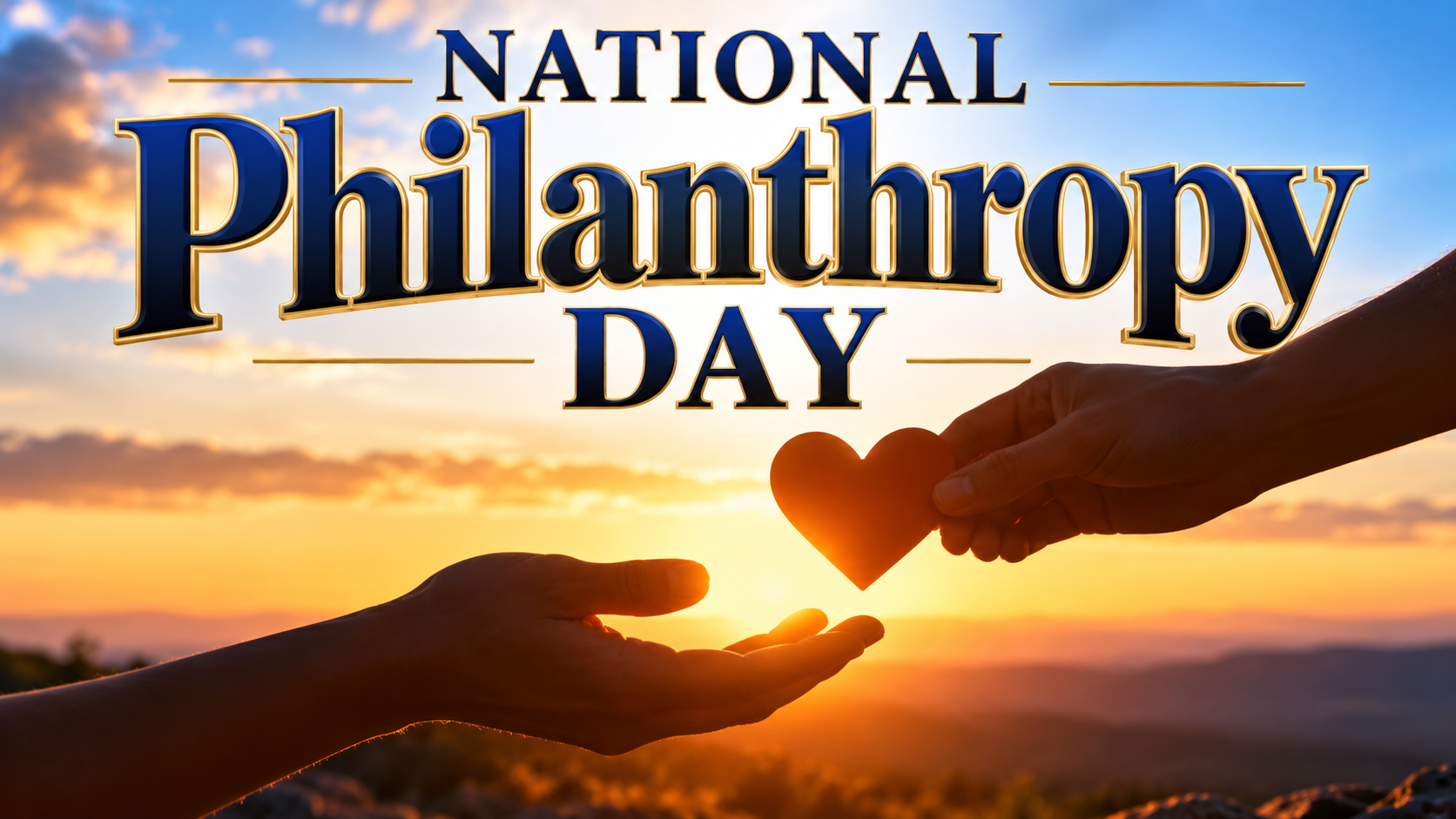
Every year on November 15, people across the United States and beyond celebrate National Philanthropy Day, a special occasion dedicated to recognizing the generosity, compassion, and kindness of individuals and organizations that work to make the world a better place.
Philanthropy is about much more than donating money. It is about giving your time, sharing your talents, supporting meaningful causes, and helping others when they need it most. Whether someone contributes millions of dollars to charity or spends an afternoon volunteering at a local food bank, every act of generosity has the potential to change lives.
National Philanthropy Day reminds us that making a difference does not require wealth, fame, or extraordinary resources. Sometimes, the smallest acts of kindness create the greatest impact.
When Is National Philanthropy Day Celebrated?
National Philanthropy Day is observed annually on November 15.
National Philanthropy Day 2026 falls on Sunday, November 15, 2026.
The celebration recognizes the contributions of donors, volunteers, nonprofit organizations, community leaders, and everyday individuals who dedicate themselves to improving the lives of others.
It is also an opportunity to encourage more people to become involved in charitable activities and community service.
Although November 15 is the official observance date, many organizations hold fundraising events, volunteer activities, award ceremonies, and community celebrations throughout November.
What Is National Philanthropy Day?
National Philanthropy Day is a celebration of charitable giving and the positive influence philanthropy has on communities around the world.
The word philanthropy comes from Greek roots associated with the love of humanity.
At its heart, philanthropy means caring about the well-being of others and taking meaningful action to improve their lives.
Philanthropy can take many forms, including:
-
Donating money to charitable organizations.
-
Volunteering at homeless shelters or food banks.
-
Supporting educational scholarships.
-
Helping families experiencing financial hardship.
-
Raising awareness about important social issues.
-
Donating clothing, food, or household supplies.
-
Supporting medical research and healthcare programs.
-
Mentoring young people.
-
Organizing community fundraising events.
-
Offering emotional support to someone experiencing difficult circumstances.
Every contribution matters because philanthropy is ultimately about people helping people.
The History of National Philanthropy Day
National Philanthropy Day was developed through the efforts of the Association of Fundraising Professionals, formerly known as the National Society of Fund Raising Executives.
The idea was to establish a special day recognizing the importance of charitable giving and honoring the individuals who make nonprofit organizations and community programs possible.
In 1986, President Ronald Reagan signed a proclamation recognizing November 15 as National Philanthropy Day.
The observance helped bring national attention to the important role philanthropy plays in American society.
Since then, National Philanthropy Day has grown into a celebration recognized by fundraising professionals, nonprofit organizations, volunteers, and charitable supporters in communities across North America and elsewhere.
Today, events often honor outstanding philanthropists, charitable foundations, nonprofit leaders, corporations, and volunteers whose contributions have made meaningful differences.
However, the spirit of the day extends far beyond formal recognition ceremonies.
It celebrates anyone who chooses generosity over indifference and compassion over selfishness.
Why National Philanthropy Day Matters
National Philanthropy Day serves as a reminder that communities become stronger when people work together.
Charitable organizations provide essential services that many individuals and families depend on every day.
Food banks help feed families experiencing hunger. Homeless shelters provide temporary safety and support. Educational programs create opportunities for children and adults. Medical charities fund research and provide assistance to people facing serious illnesses.
Behind these efforts are individuals who believe that helping others is worth their time, energy, and resources.
Philanthropy also encourages a sense of connection and shared responsibility.
When people contribute to their communities, they demonstrate that the struggles of others matter.
A donation may provide groceries for a struggling family. A volunteer may help a student develop confidence. A fundraising campaign may support someone recovering from a devastating tragedy.
These actions might seem small individually, but together they can create lasting change.
Philanthropy Is About More Than Money
One of the biggest misconceptions about philanthropy is that only wealthy people can become philanthropists.
While large financial donations can support important projects, money is only one part of charitable giving.
A person who volunteers several hours each week can make an enormous difference.
Someone who prepares meals for a sick neighbor is demonstrating generosity.
A retired professional who mentors young adults is sharing valuable knowledge and experience.
Even offering encouragement to someone who feels forgotten can represent the compassionate spirit behind philanthropy.
There are three especially meaningful ways people contribute.
Giving Your Time
Time is one of the most valuable gifts anyone can offer.
Volunteering at a community organization, helping an elderly neighbor, or participating in a neighborhood cleanup can improve the lives of others.
Unlike money, time cannot be replaced. Choosing to spend it helping someone demonstrates genuine commitment and care.
Sharing Your Talents
Everyone has abilities that can benefit others.
Teachers can tutor students. Writers can help nonprofit organizations communicate their missions. Business owners can mentor entrepreneurs. Artists can donate creative work to fundraising campaigns.
Sharing skills allows individuals to make meaningful contributions without necessarily spending money.
Giving Financial Support
Financial contributions help charitable organizations maintain programs, purchase supplies, and reach more people.
Even modest donations can be valuable, especially when many supporters contribute together.
A person does not need to donate hundreds or thousands of dollars to participate in philanthropy.
Giving within one’s means is what matters.
The Importance of Supporting Local Communities
Some of the most meaningful philanthropic opportunities exist close to home.
Local nonprofit organizations often work directly with families, children, seniors, and individuals experiencing difficult circumstances.
Supporting these organizations helps strengthen the places where we live.
Community philanthropy might involve organizing a school supply drive, collecting winter coats, sponsoring youth activities, or supporting a neighborhood food pantry.
Local businesses can also participate by donating products, hosting fundraising nights, or sponsoring community programs.
When residents, businesses, and nonprofit organizations work together, they create stronger relationships and build communities where people feel supported.
National Philanthropy Day encourages everyone to recognize the needs that exist around them.
Sometimes, making a difference begins simply by asking a neighbor or community organization what kind of help would be most useful.
How Philanthropy Changes Lives
The true impact of philanthropy cannot always be measured in dollars.
Consider a child who receives school supplies because someone donated to a community program.
Those supplies may help the child feel prepared and confident in the classroom.
Imagine a family struggling to afford groceries.
A food pantry supported by charitable donations may provide enough assistance to help them through a difficult week.
Think about someone experiencing grief, loneliness, or emotional hardship.
A volunteer who listens, offers companionship, or connects that person with support may provide something just as valuable as financial assistance.
These examples demonstrate that generosity often creates effects that extend beyond the immediate recipient.
When people receive kindness, they may become inspired to help others.
One compassionate action can encourage another, creating a ripple effect throughout a community.
10 Meaningful Ways to Celebrate National Philanthropy Day
There are countless ways to participate in National Philanthropy Day, regardless of your financial situation or schedule.
1. Donate to a Meaningful Cause
Choose a charitable organization that supports something important to you.
It might focus on childhood education, hunger relief, animal welfare, medical research, veterans, or families experiencing hardship.
2. Volunteer Your Time
Spend a few hours helping at a food bank, community center, animal shelter, or nonprofit organization.
Even a small amount of time can make a difference.
3. Support a Local Food Pantry
Donate nonperishable food, hygiene products, or other items requested by a local pantry.
These organizations often depend on community generosity to serve families.
4. Organize a Fundraiser
Bring friends, coworkers, or neighbors together to raise money for a worthy cause.
Fundraisers can include community dinners, bake sales, charity walks, or online donation campaigns.
5. Help Someone in Need
Look for opportunities to assist someone experiencing hardship.
This could mean delivering groceries, helping with transportation, or offering practical assistance.
6. Donate Clothing and Household Items
Gently used clothing, blankets, and household essentials may benefit families rebuilding their lives.
Check with receiving organizations to determine what they currently need.
7. Recognize a Volunteer
Thank someone who regularly gives their time to support others.
Volunteers often work quietly without expecting recognition.
A sincere expression of gratitude can mean a great deal.
8. Teach Children About Giving
Encourage children to participate in age-appropriate charitable activities.
Helping prepare donations or participating in community service can teach compassion and responsibility.
9. Support a Small Nonprofit
Smaller charitable organizations may have limited resources and depend heavily on local supporters.
Consider finding an organization whose mission connects with your values.
10. Make Generosity a Regular Habit
National Philanthropy Day should not be the only time we think about helping others.
Consider committing to one act of generosity every week or month.
Consistency can make charitable giving a meaningful part of everyday life.
The Emotional Rewards of Helping Others
Philanthropy benefits recipients, but it can also bring meaning and connection to those who give.
Helping others may strengthen relationships, encourage gratitude, and create a greater sense of purpose.
Volunteering can introduce people to new friendships and communities.
Participating in charitable activities may also help individuals feel connected to something larger than themselves.
For someone who has experienced personal hardship, supporting others can sometimes become a meaningful way to honor their own experiences or the memory of someone they love.
However, generosity should never become an obligation that causes financial or emotional strain.
Healthy philanthropy involves giving in ways that respect personal limits.
Sometimes, the most meaningful contribution is simply being present for someone who needs companionship.
Honoring Loved Ones Through Philanthropy
One particularly meaningful form of philanthropy involves honoring the memory of someone who has passed away.
Families may establish scholarships, organize charitable events, volunteer for causes their loved ones supported, or make donations in their memory.
These acts allow love and remembrance to inspire something positive in the lives of others.
A parent grieving the loss of a child might support an organization that helps children or families.
Someone who lost a loved one to illness may contribute to medical research or patient assistance programs.
Others may simply perform acts of kindness in remembrance of someone whose life touched their own.
Philanthropy cannot erase grief or replace someone who has died.
But for some people, it can provide a meaningful way to continue expressing love while helping others.
There is something powerful about knowing that a person’s memory continues to inspire compassion.
How Businesses Can Participate in National Philanthropy Day
Businesses have opportunities to support philanthropic efforts while strengthening their relationships with local communities.
A company might sponsor a nonprofit event, organize an employee volunteer day, or donate a portion of proceeds from selected products or services.
Businesses can also contribute professional expertise, equipment, supplies, or meeting spaces.
Small businesses should not feel that they must compete with the charitable budgets of large corporations.
A neighborhood restaurant providing meals to volunteers or a local shop collecting donations can make a meaningful contribution.
The most effective efforts begin with understanding what a charitable organization actually needs.
By working collaboratively with nonprofit leaders, businesses can ensure their contributions provide practical benefits.
Making Philanthropy Part of Everyday Life
Although National Philanthropy Day occurs once a year, its message deserves attention throughout the year.
Generosity does not have to involve elaborate fundraising campaigns or major charitable commitments.
It can begin with everyday decisions.
Choose to help when someone is struggling. Share resources when possible. Encourage people who are working to improve their communities.
Look for opportunities to support causes that reflect your values.
Perhaps most importantly, remember that philanthropy should come from genuine compassion rather than a desire for recognition.
Some of the greatest acts of generosity happen quietly.
They may never appear in newspaper headlines or receive public awards.
Yet those actions can still change someone’s life.
The Lasting Message of National Philanthropy Day
National Philanthropy Day celebrates something that every community needs: people who care enough to make a difference.
It recognizes generous donors, dedicated volunteers, nonprofit professionals, charitable organizations, and ordinary individuals who choose to help others.
But the deeper message is that everyone has something valuable to offer.
You do not need to be wealthy to be generous.
You do not need to be famous to inspire others.
And you do not need to change the entire world to make a meaningful difference.
Sometimes, changing one person’s day, easing one family’s burden, or offering hope during a difficult moment is enough.
The true measure of philanthropy is not how much we give, but the compassion and positive impact behind our actions.
This November 15, celebrate National Philanthropy Day by finding one meaningful way to help someone else.
Because when kindness becomes action, even the smallest contribution can leave a lasting legacy.
How will you celebrate National Philanthropy Day this year, and what charitable cause or act of kindness means the most to you?


Leave a Reply