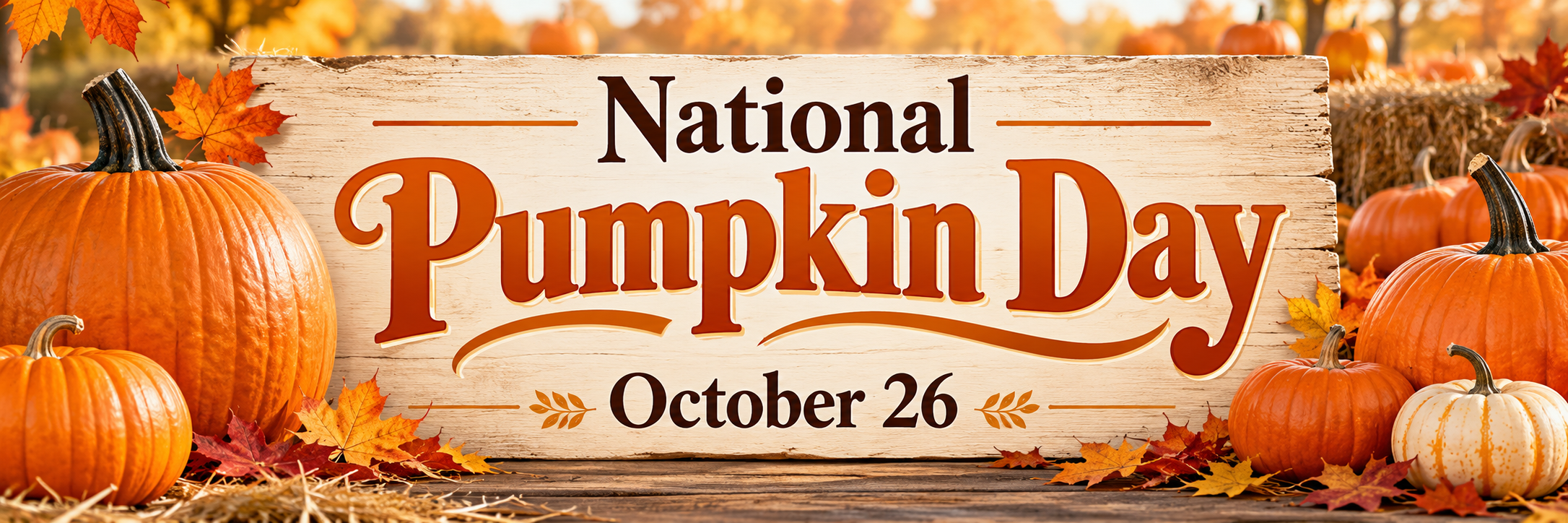
Every year on October 26, National Pumpkin Day gives us the perfect opportunity to celebrate one of autumn’s most recognizable and beloved symbols: the pumpkin. From colorful pumpkin patches and glowing jack-o’-lanterns to homemade pumpkin pies and comforting seasonal drinks, pumpkins have become an essential part of the fall season.
There is something special about seeing pumpkins decorating front porches, lining country roads, and filling farmers’ markets as the leaves begin to change. They remind us of cooler temperatures, family traditions, harvest celebrations, and the simple pleasures that make autumn such a memorable time of year.
But pumpkins are much more than Halloween decorations or ingredients for Thanksgiving desserts. They have a fascinating history, impressive nutritional benefits, and an important place in American agriculture and culture.
Whether you enjoy carving pumpkins, baking seasonal treats, visiting pumpkin patches, or simply decorating your home for fall, National Pumpkin Day is an occasion worth celebrating.
When Is National Pumpkin Day?
National Pumpkin Day is celebrated annually on October 26, just five days before Halloween.
In 2026, National Pumpkin Day falls on a Monday.
The timing couldn’t be more appropriate. By late October, pumpkin patches are busy, Halloween decorations are everywhere, and families are preparing for one of autumn’s most exciting holidays.
Unlike some officially designated national observances, National Pumpkin Day is an informal celebration. Its precise origins are not well documented, but its popularity reflects America’s longstanding love of pumpkins.
The holiday encourages people to appreciate pumpkins in all their forms, from the fields where they grow to the delicious dishes they inspire.
The Fascinating History of Pumpkins
Pumpkins have been part of human history for thousands of years.
Long before pumpkins became associated with Halloween, Indigenous peoples in the Americas cultivated and consumed pumpkins and other squash.
Archaeological evidence indicates that domesticated squash existed in parts of the Americas thousands of years ago, with some early examples dating back approximately 10,000 years.
Pumpkins belong to the Cucurbita genus, which includes squash and gourds. Botanically speaking, pumpkins are fruits because they develop from flowers and contain seeds.
Native American communities used squash as an important food source. Squash could be roasted, dried, stored, and prepared in different ways, making it valuable during seasons when fresh food was less readily available.
When European settlers arrived in North America, they encountered pumpkins and incorporated them into their diets.
Over time, pumpkin-based recipes became increasingly popular, eventually contributing to the pumpkin pies, breads, soups, and other foods enjoyed today.
Pumpkins also became closely connected with American harvest celebrations, eventually earning their place as one of the most recognizable symbols of autumn.
How Pumpkins Became a Halloween Tradition
One of the most interesting aspects of pumpkin history is its connection to Halloween.
The tradition of carving jack-o’-lanterns has roots in Irish folklore.
An old Irish legend tells the story of Stingy Jack, a character who tricked the Devil and was condemned to wander with only a burning ember to light his way.
According to folklore, people began carving frightening faces into turnips and other root vegetables to ward off wandering spirits.
When Irish immigrants brought these traditions to America, they discovered that pumpkins were larger, easier to carve, and widely available.
Pumpkins eventually replaced turnips as the preferred material for jack-o’-lanterns.
Today, pumpkin carving is one of the most popular Halloween traditions in the United States.
Families gather around kitchen tables to design funny faces, spooky expressions, and elaborate artwork before placing candles or battery-operated lights inside their creations.
For many people, carving pumpkins is about more than Halloween decorations. It is about spending time together, creating memories, and continuing traditions passed down through generations.
Why Pumpkins Are the Perfect Symbol of Autumn
Few things represent autumn as clearly as pumpkins.
Their bright orange color complements the changing leaves, golden sunsets, and warm seasonal decorations that make fall so beautiful.
Pumpkins also represent the harvest season, a time traditionally associated with gratitude, preparation, and celebrating the rewards of hard work.
They appear everywhere during autumn, including:
- Pumpkin patches and farms
- Front porches and garden displays
- Fall festivals and farmers’ markets
- Halloween parties and haunted attractions
- Thanksgiving dinner tables
- Seasonal coffee shops and bakeries
- Autumn weddings and family gatherings
Pumpkins create a sense of warmth and nostalgia.
For children, they may represent exciting trips to the pumpkin patch and the anticipation of Halloween.
For adults, pumpkins often bring back memories of childhood, family celebrations, and simpler times.
That emotional connection helps explain why pumpkins remain such an important part of fall traditions.
10 Fun Facts About Pumpkins
Pumpkins are full of interesting surprises.
1. Pumpkins Are Fruits
Although pumpkins are commonly treated as vegetables in cooking, they are botanically classified as fruits because they contain seeds.
2. Pumpkins Are Mostly Water
Fresh pumpkin flesh contains approximately 90% water, making pumpkins surprisingly high in moisture.
3. Pumpkins Come in Many Colors
Not all pumpkins are orange. Depending on the variety, pumpkins can be white, yellow, green, blue-gray, and even nearly black.
4. Pumpkins Can Grow to Enormous Sizes
Competitive growers have produced giant pumpkins weighing more than 2,000 pounds. Some record-setting pumpkins have exceeded 2,700 pounds.
5. Pumpkin Flowers Are Edible
Pumpkin blossoms can be stuffed, fried, or incorporated into different recipes.
6. Pumpkin Seeds Are Nutritious
Pumpkin seeds contain protein, magnesium, zinc, healthy fats, and other nutrients.
7. Illinois Is a Major Pumpkin-Producing State
Illinois is especially important to the American pumpkin-processing industry, producing large quantities of pumpkins used in canned pumpkin products.
8. Pumpkins Grow on Vines
Pumpkin plants produce sprawling vines that can spread across large areas of farmland or gardens.
9. Pumpkins Belong to the Squash Family
Pumpkins are closely related to other winter squash varieties, including butternut squash and acorn squash.
10. Pumpkin Carving Wasn’t Always Done With Pumpkins
Before pumpkins became popular in America, people in Ireland and Scotland carved turnips and other vegetables into lanterns.
The Health Benefits of Eating Pumpkin
Pumpkins are not just delicious. They can also be a nutritious addition to a balanced diet.
Pumpkin flesh contains several important vitamins, minerals, and antioxidants.
Rich in Vitamin A
Pumpkin contains beta-carotene, a plant pigment that the body can convert into vitamin A.
Vitamin A supports normal vision, immune function, and healthy skin.
Provides Dietary Fiber
Pumpkin contains fiber, which supports digestive health and can help promote feelings of fullness.
Contains Antioxidants
Pumpkin provides carotenoid antioxidants, including beta-carotene, that help protect cells from oxidative damage.
Naturally Low in Calories
Plain cooked pumpkin is relatively low in calories, making it useful in soups, vegetable dishes, and other nutritious recipes.
Supports a Balanced Diet
Pumpkin also provides potassium and vitamin C, along with smaller amounts of other nutrients.
However, it is important to remember that pumpkin desserts and specialty drinks may contain significant amounts of added sugar and fat. The nutritional benefits of plain pumpkin do not automatically make every pumpkin-flavored product healthy.
Delicious Ways to Enjoy Pumpkin on National Pumpkin Day
One of the best ways to celebrate National Pumpkin Day is by enjoying delicious pumpkin-inspired foods.
1. Classic Pumpkin Pie
A traditional fall favorite made with pumpkin purée, cinnamon, nutmeg, ginger, and a flaky crust.
Pumpkin pie is especially popular during Thanksgiving, but there is no reason to wait until November to enjoy it.
2. Homemade Pumpkin Bread
Moist, flavorful, and filled with warm spices, pumpkin bread makes a wonderful breakfast, snack, or dessert.
Add walnuts, pecans, or chocolate chips for extra flavor.
3. Creamy Pumpkin Soup
Pumpkin soup combines the natural sweetness of pumpkin with savory ingredients such as onions, garlic, vegetable broth, and herbs.
It is especially comforting on chilly autumn evenings.
4. Pumpkin Spice Latte
A seasonal coffee favorite featuring espresso, steamed milk, pumpkin spice, and often pumpkin purée or flavored syrup.
For many coffee lovers, the arrival of pumpkin spice drinks signals the unofficial beginning of fall.
5. Roasted Pumpkin Seeds
Instead of throwing away the seeds after preparing a pumpkin, clean them, season them, and roast them until crisp.
They make a delicious snack and can be seasoned with salt, garlic powder, cinnamon, or other favorite spices.
Other delicious pumpkin-inspired foods include pumpkin pancakes, pumpkin muffins, pumpkin cheesecake, pumpkin cookies, pumpkin oatmeal, and pumpkin smoothies.
How to Celebrate National Pumpkin Day
There are countless ways to enjoy October 26, whether you prefer outdoor adventures, family activities, or a relaxing day at home.
Visit a Local Pumpkin Patch
One of the best ways to celebrate National Pumpkin Day is by visiting a pumpkin patch.
Many farms offer seasonal attractions such as hayrides, corn mazes, petting zoos, and fall-themed activities.
Walking through rows of pumpkins and choosing the perfect one can become a memorable family tradition.
Carve or Decorate a Pumpkin
Gather your family or friends for a pumpkin-decorating afternoon.
You can carve traditional jack-o’-lanterns, paint creative designs, or decorate pumpkins with ribbons, stickers, and other craft supplies.
For younger children, painting pumpkins may be a safer alternative to carving.
Bake Something With Pumpkin
Celebrate by making pumpkin pie, pumpkin bread, or another seasonal treat.
Homemade baking fills the house with comforting aromas and creates opportunities to share something special with others.
Decorate Your Home for Autumn
Use pumpkins of different sizes and colors to create seasonal displays.
Combine pumpkins with hay bales, colorful leaves, decorative lanterns, and fall flowers to create a welcoming atmosphere.
Support Local Farmers
Buying pumpkins from local farms or farmers’ markets can support agricultural businesses and help keep seasonal traditions alive.
Host a Pumpkin-Themed Gathering
Invite friends and family over for a small celebration featuring pumpkin-inspired foods, fall decorations, and seasonal games.
You could even organize a pumpkin-carving contest or a pumpkin dessert competition.
How to Choose the Perfect Pumpkin
Whether you are buying a pumpkin for carving, cooking, or decorating, choosing the right one can make a difference.
For carving, look for a pumpkin with a sturdy stem, relatively smooth surface, and a flat enough bottom to sit securely.
Avoid pumpkins with soft spots, deep cracks, or visible signs of decay.
For cooking, choose varieties intended for culinary use, often labeled sugar pumpkins or pie pumpkins.
These varieties generally have a texture and flavor better suited to baking and cooking than large decorative carving pumpkins.
Remember that the stem is not a handle. Carry pumpkins from underneath to prevent the stem from breaking.
Store uncut pumpkins in a cool, dry, well-ventilated location away from excessive moisture.
Pumpkin Carving Safety Tips
Pumpkin carving is a fun family activity, but safety should always come first.
Adults should handle sharp carving tools, particularly when young children are participating.
Consider using pumpkin-carving kits designed for the activity rather than large kitchen knives.
Place pumpkins on a stable work surface and carve away from your body.
For illuminated jack-o’-lanterns, battery-operated LED lights are a safer option than open flames, especially around children, pets, and flammable decorations.
Never leave a candle-lit pumpkin unattended.
The Environmental Benefits of Using Pumpkins Responsibly
National Pumpkin Day is also an opportunity to think about reducing seasonal food waste.
Every autumn, many pumpkins are purchased for decoration and eventually discarded.
Instead of automatically throwing pumpkins into the trash, consider more environmentally responsible alternatives.
Unpainted, untreated pumpkins that have not spoiled may be suitable for composting. Remove candles, wax, stickers, and other decorations first.
Pumpkin seeds from clean, food-safe pumpkins can be roasted for snacks or saved for planting when appropriate.
Pumpkin flesh from varieties intended for cooking can be used in recipes, provided the pumpkin has been handled and stored safely.
Avoid cooking with pumpkins that have been carved and left outdoors, as they may have been exposed to bacteria, insects, and other contaminants.
You can also check whether local farms or community composting programs accept leftover pumpkins.
Small choices like these can help make seasonal celebrations less wasteful.
Why National Pumpkin Day Is About More Than Pumpkins
Although National Pumpkin Day may seem like a simple celebration, it represents something meaningful about the changing seasons.
Autumn reminds us that life moves through different stages.
Leaves change color, temperatures begin to fall, and the natural world prepares for winter.
Pumpkins symbolize the harvest, the results of patience, growth, and the passing of time.
For many families, seasonal traditions provide a sense of connection and belonging.
A visit to a pumpkin patch might become an annual tradition that children remember for years.
Baking pumpkin pie may remind someone of a parent or grandparent who prepared the same recipe every Thanksgiving.
Carving pumpkins may bring back memories of childhood laughter, family gatherings, and evenings spent together.
These traditions matter because they create moments worth remembering.
Sometimes the simplest activities become the memories we treasure most.
Creating New Fall Traditions and Remembering Old Ones
One of the most meaningful ways to celebrate National Pumpkin Day is to create traditions that bring people together.
Not every tradition needs to be elaborate or expensive.
Something as simple as making pumpkin pancakes for breakfast, decorating a front porch, or taking an autumn walk can become special when shared with people we love.
For those who are missing someone during the holiday season, familiar autumn traditions can also bring a mixture of comfort and sadness.
A pumpkin patch might remind someone of a loved one who once walked beside them.
A favorite pumpkin recipe might bring back memories of family gatherings that will never be quite the same.
There is room for both remembrance and celebration.
Continuing a tradition, adapting it, or beginning something new can be a meaningful way to honor the past while making space for new experiences.
National Pumpkin Day reminds us that the beauty of autumn is not found only in the decorations or seasonal foods, but also in the memories and connections associated with them.
National Pumpkin Day and the Spirit of Gratitude
As October approaches its end and November draws closer, National Pumpkin Day also offers a reminder to appreciate life’s simple blessings.
The harvest season has long been associated with gratitude.
For generations, agricultural communities have celebrated successful harvests and the food produced through months of hard work.
Today, even people who have never grown a pumpkin can appreciate the effort required to bring food from farms to their tables.
National Pumpkin Day is an opportunity to recognize farmers, enjoy seasonal foods, and appreciate the natural beauty surrounding us.
It can also encourage us to slow down.
In a world where life often feels rushed, taking an afternoon to carve a pumpkin, bake a pie, or spend time outdoors can be a welcome reminder that happiness is often found in ordinary moments.
Frequently Asked Questions About National Pumpkin Day
When Is National Pumpkin Day in 2026?
National Pumpkin Day is Monday, October 26, 2026.
Is National Pumpkin Day a Federal Holiday?
No. National Pumpkin Day is an informal observance, not a United States federal holiday.
Why Do We Celebrate National Pumpkin Day?
The day celebrates pumpkins, their agricultural and cultural significance, and their role in autumn traditions, cooking, and Halloween activities.
Are Pumpkins Fruits or Vegetables?
Botanically, pumpkins are fruits because they develop from flowers and contain seeds. In cooking, they are frequently treated as vegetables.
Can You Eat Halloween Pumpkins?
Some carving pumpkins are edible, but culinary pumpkin varieties usually have better flavor and texture. Do not eat pumpkins that have been carved and displayed outdoors.
What Is the Difference Between National Pumpkin Day and National Pumpkin Pie Day?
National Pumpkin Day is celebrated on October 26, while National Pumpkin Pie Day is commonly observed on December 25.
Final Thoughts: Celebrating the Simple Joys of Autumn
National Pumpkin Day on October 26 is a celebration of one of fall’s most beloved traditions.
From the fascinating history of pumpkin cultivation to the creativity of Halloween carving and the comforting flavors of seasonal recipes, pumpkins have earned their place in American autumn culture.
But perhaps the greatest thing about National Pumpkin Day is its ability to bring people together.
It encourages families to spend time with one another, supports local farms, inspires creativity, and reminds us to appreciate the changing seasons.
Whether you spend the day visiting a pumpkin patch, baking a homemade pie, decorating your home, or simply enjoying the beauty of autumn, take a moment to appreciate what makes this season special.
Because sometimes the greatest memories begin with something as simple as picking out a pumpkin.
Happy National Pumpkin Day!
What’s your favorite pumpkin tradition: carving jack-o’-lanterns, visiting a pumpkin patch, baking pumpkin pie, or enjoying a pumpkin spice latte?


Leave a Reply