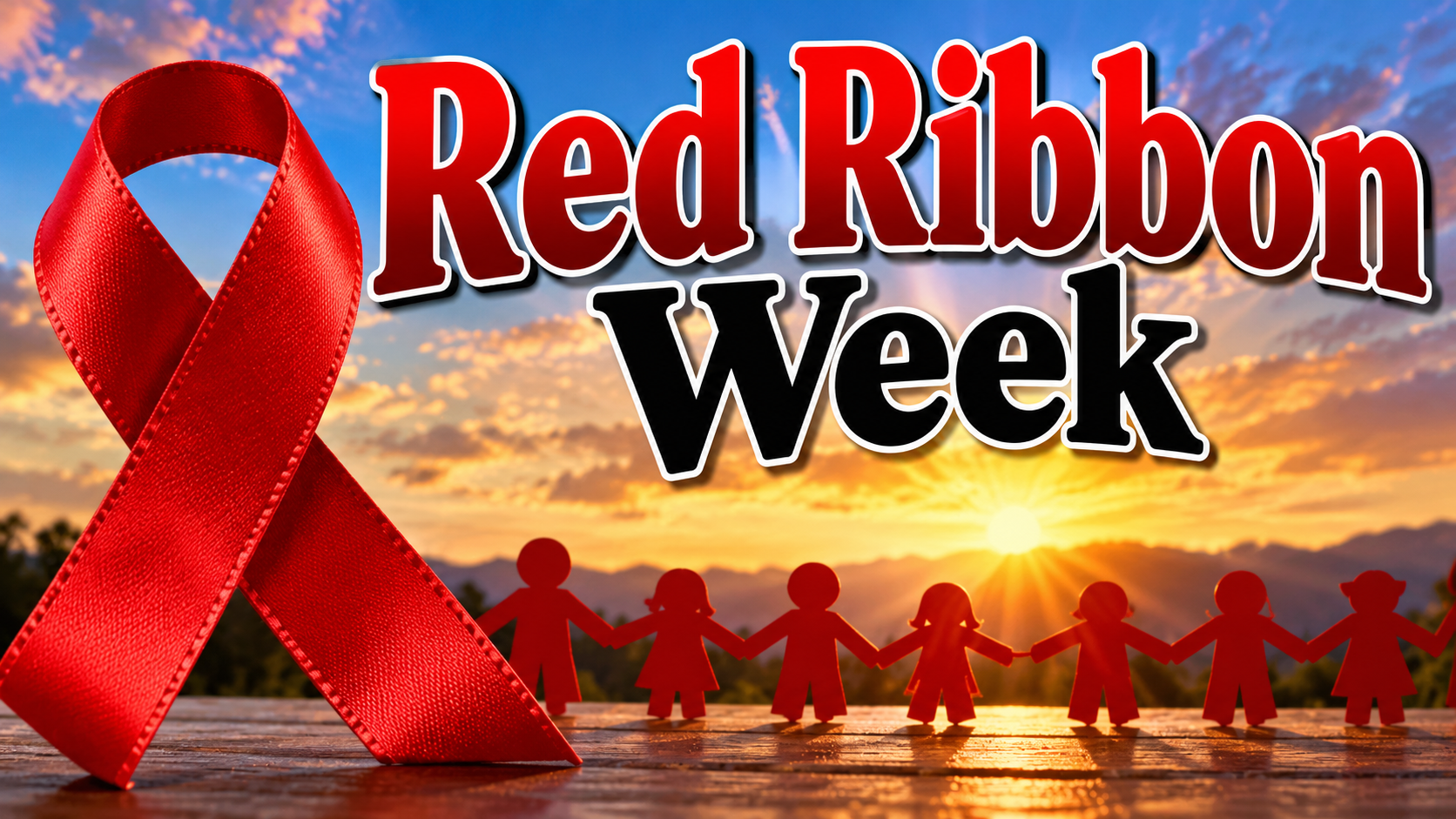
Every year, communities across the United States come together to celebrate Red Ribbon Week, a national campaign dedicated to drug prevention, education, and encouraging healthy, drug-free lifestyles. Schools, families, businesses, and community organizations participate in this important observance to help young people understand the dangers of drug misuse and the importance of making positive choices.
Observed annually from October 23 through October 31, Red Ribbon Week is more than a week of wearing red ribbons or participating in school activities. It is an opportunity to start meaningful conversations, promote healthy decision-making, remember those whose lives have been affected by drugs, and inspire future generations to make choices that protect their health and well-being.
The campaign also honors the memory of a courageous Drug Enforcement Administration (DEA) special agent whose tragic death helped inspire a nationwide movement.
When Is Red Ribbon Week?
Red Ribbon Week takes place every year from October 23 through October 31.
In 2026, the observance runs from Friday, October 23, through Saturday, October 31.
During these nine days, schools and communities organize educational activities, awareness campaigns, assemblies, and special events designed to encourage drug prevention and healthy living.
Although Red Ribbon Week officially lasts nine days, its message is intended to make a difference throughout the entire year.
The observance emphasizes that preventing substance misuse requires ongoing education, strong relationships, supportive communities, and informed decisions.
The History of Red Ribbon Week
The origins of Red Ribbon Week date back to 1985 and the tragic death of DEA Special Agent Enrique “Kiki” Camarena.
Camarena was a dedicated federal law enforcement officer who worked to combat drug trafficking and protect communities from the harmful effects of illegal drugs.
While working in Mexico, Camarena was kidnapped, tortured, and murdered by individuals connected to drug trafficking organizations.
His death shocked the nation and inspired people to take a stronger stand against drug-related violence and substance misuse.
Following his death, friends, family members, and community supporters began wearing red ribbons to honor his memory and demonstrate their commitment to drug prevention.
The red ribbon quickly became a symbol of remembrance, courage, and the determination to create safer communities.
In 1988, the National Family Partnership helped launch the first nationwide Red Ribbon Week campaign, transforming a grassroots movement into one of America’s most recognized drug prevention awareness initiatives.
Today, millions of students and community members participate in Red Ribbon Week activities annually.
Why Is Red Ribbon Week Important?
Red Ribbon Week serves several important purposes.
First, it raises awareness about the dangers associated with substance misuse, including addiction, overdose, impaired judgment, health complications, and the effects that substance use disorders can have on individuals and families.
Second, it encourages children and teenagers to develop the knowledge and confidence necessary to make healthy decisions.
Third, it reminds parents, teachers, and community leaders that prevention is a shared responsibility.
Finally, it creates opportunities for open conversations about peer pressure, emotional health, personal responsibility, and the importance of seeking help when needed.
Substance misuse can affect people of every age, background, and community. Prevention education helps individuals recognize risks and understand that support and treatment are available.
Red Ribbon Week also provides an opportunity to replace stigma and judgment with education, understanding, and compassion.
What Does the Red Ribbon Symbolize?
The red ribbon represents several powerful messages.
Remembrance: It honors Enrique “Kiki” Camarena and others whose lives have been lost to drug-related violence and substance misuse.
Awareness: It encourages communities to recognize the dangers of substance misuse and the importance of prevention.
Commitment: It represents a personal and collective dedication to making healthy choices.
Unity: It brings families, schools, and organizations together around a shared goal.
Hope: It symbolizes the belief that education, prevention, treatment, and community support can help create healthier futures.
Wearing a red ribbon may seem like a small gesture, but it can spark important conversations and demonstrate solidarity with people working to prevent substance misuse.
The Importance of Drug Prevention Education
Education is one of the most important tools available for preventing substance misuse.
Young people face many challenges as they grow, including peer pressure, stress, curiosity, social expectations, and the desire to fit in.
Without accurate information and supportive guidance, they may struggle to recognize potentially harmful situations.
Effective prevention education goes beyond simply telling children to avoid drugs.
It helps them develop practical life skills, including critical thinking, emotional regulation, healthy communication, and the ability to make independent decisions.
Students benefit from learning how substances can affect the brain and body, how addiction develops, and why experimenting with certain drugs can carry serious risks.
They should also understand that not every substance carries the same risks and that prescribed medications have legitimate medical uses when taken as directed.
Accurate, age-appropriate information builds trust and helps young people make informed choices.
Understanding the Dangers of Substance Misuse
Substance misuse can lead to significant physical, emotional, and social consequences.
Some substances interfere with normal brain function, affecting judgment, coordination, memory, and decision-making.
Repeated use of certain substances can increase the risk of developing a substance use disorder, a medical condition that may require professional treatment.
Potential consequences include:
-
Physical and mental health complications.
-
Increased risk of accidental injuries.
-
Problems with school or work performance.
-
Strained relationships with family and friends.
-
Financial and legal difficulties.
-
Dependence and addiction.
-
Increased risk of overdose and death.
It is important to recognize that substance use disorders are treatable medical conditions, not signs of personal weakness or moral failure.
People experiencing addiction deserve access to compassionate care, evidence-based treatment, and opportunities for recovery.
Prevention and treatment are complementary parts of building healthier communities.
How Schools Celebrate Red Ribbon Week
Schools play a central role in Red Ribbon Week because they provide opportunities to reach students with educational messages and positive encouragement.
Many schools organize special activities throughout the observance.
1. Wear Red Day
Students, teachers, and staff wear red clothing to demonstrate their commitment to healthy, drug-free lifestyles.
Some schools distribute red ribbons or wristbands as reminders of the campaign’s message.
2. Drug Prevention Assemblies
Schools invite educators, healthcare professionals, counselors, or community representatives to discuss substance misuse prevention.
These presentations may focus on healthy choices, resisting peer pressure, and recognizing when someone needs help.
3. Poster and Art Contests
Students create posters, drawings, and artwork promoting prevention and positive decision-making.
Art projects allow children to express their understanding of healthy living in creative ways.
4. Classroom Discussions
Teachers organize age-appropriate discussions about decision-making, friendship, personal safety, and emotional well-being.
These conversations help students understand how their choices can influence their futures.
5. Spirit Week Activities
Schools often create themed dress-up days to encourage participation.
Examples include wearing red, dressing as a favorite superhero, or participating in a school-color day.
These activities can make prevention messages more memorable while building school spirit.
6. Community Service Projects
Students participate in volunteer activities that promote responsibility, compassion, and community involvement.
Service projects help young people recognize the positive influence they can have on others.
The Role of Parents in Drug Prevention
Parents and caregivers have a powerful influence on how children understand substance use and personal responsibility.
Although schools provide valuable education, prevention begins with consistent communication and supportive relationships at home.
Parents can help their children by creating an environment where questions and concerns are welcomed.
Instead of relying on fear or punishment, families can focus on honest conversations and realistic information.
Children should feel comfortable discussing difficult situations without immediately fearing judgment.
Parents can also establish clear expectations about substance use while explaining the reasons behind those expectations.
Knowing their children’s friends, understanding their activities, and maintaining regular communication can help parents recognize changes in behavior or emotional well-being.
Most importantly, parents can model healthy coping strategies and demonstrate how to handle stress without misusing substances.
Strong family relationships are important protective factors, although no family can completely eliminate every risk.
Teaching Children to Handle Peer Pressure
Peer pressure is one of the challenges that young people may encounter during childhood and adolescence.
The desire to be accepted can sometimes influence decisions that conflict with personal values or safety.
Red Ribbon Week provides an opportunity to teach children practical ways to respond to uncomfortable situations.
Young people can practice simple responses such as:
“No thanks. I’m not interested.”
“That’s not something I want to do.”
“I have other plans.”
They can also learn that leaving a situation, contacting a trusted adult, or spending time with supportive friends are healthy choices.
Confidence develops through practice, encouragement, and knowing that they have people who will support them.
Teaching children to establish boundaries helps them protect their well-being in many areas of life, not just substance use.
Mental Health and Substance Misuse Prevention
Mental health and substance misuse are closely connected, making emotional well-being an important part of prevention education.
Some individuals turn to alcohol or other substances while attempting to cope with anxiety, depression, trauma, loneliness, or overwhelming stress.
However, substance use can worsen emotional difficulties and create additional health problems.
Helping young people develop healthy coping skills can reduce certain risk factors associated with substance misuse.
These skills may include exercise, creative activities, talking with trusted people, practicing relaxation techniques, and seeking professional support when necessary.
Schools and families should also work to reduce the stigma surrounding mental health challenges.
Children and teenagers need to understand that asking for help is a sign of self-awareness and courage.
Supporting mental health is not a guarantee against substance misuse, but it is an important part of a comprehensive prevention approach.
The Importance of Positive Role Models
Young people learn from the actions of the adults and peers around them.
Parents, teachers, coaches, mentors, and community leaders can influence how children approach difficult decisions.
Positive role models demonstrate responsibility, respect, honesty, and healthy ways of managing challenges.
They also show that making mistakes does not have to define someone’s future.
When young people see adults admitting mistakes, seeking help, and making positive changes, they learn valuable lessons about accountability and personal growth.
Community mentorship programs, extracurricular activities, and supportive relationships can provide young people with additional sources of guidance.
Having trusted adults who listen and care can make a meaningful difference in a child’s development.
How Communities Can Support Red Ribbon Week
Red Ribbon Week is not limited to schools.
Entire communities can participate by promoting awareness, education, and support.
Local businesses can display red ribbons and share prevention messages.
Libraries can organize educational exhibits or provide resources about substance misuse prevention.
Community centers can host family workshops, youth activities, and discussions with qualified professionals.
Faith-based organizations can offer encouragement, mentorship, and support for families affected by addiction.
Healthcare providers can help educate the public about substance use disorders, overdose prevention, and available treatment options.
Community organizations can also work together to create safe recreational opportunities for young people.
These partnerships strengthen prevention efforts and remind families that they do not have to face difficult challenges alone.
Ten Meaningful Ways to Celebrate Red Ribbon Week
There are many ways individuals, families, and organizations can participate in Red Ribbon Week.
1. Wear a red ribbon. Display the symbol to show support for substance misuse prevention and awareness.
2. Start a family conversation. Discuss healthy choices, peer pressure, and personal safety.
3. Attend a community event. Participate in educational programs or awareness activities.
4. Create prevention artwork. Encourage children to express positive messages through drawings and posters.
5. Recognize positive role models. Thank teachers, mentors, counselors, and community leaders who support young people.
6. Share educational information. Help others understand the risks associated with substance misuse using accurate, age-appropriate information.
7. Encourage healthy hobbies. Promote sports, reading, music, volunteering, and other meaningful activities.
8. Support recovery efforts. Show compassion toward people receiving treatment or working toward recovery.
9. Volunteer locally. Participate in programs that support children, families, and community well-being.
10. Continue the conversation. Make prevention and healthy decision-making part of everyday life rather than limiting them to one week.
Red Ribbon Week and the Power of Personal Choices
Every person makes decisions that influence their future.
Some choices may seem insignificant at the moment but can have lasting consequences.
Red Ribbon Week encourages young people to recognize the importance of thinking carefully about their actions.
However, healthy decision-making is not simply about having enough willpower.
A person’s environment, mental health, relationships, access to support, and exposure to substances can all influence risk.
That is why prevention works best when education is combined with supportive families, safe communities, and access to appropriate services.
Children should learn that they have the right to establish boundaries, ask questions, and seek guidance.
They should also understand that needing help does not make someone a failure.
Healthy decisions are easier to make when people have the information, resources, and support they need.
Remembering Families Affected by Addiction
Behind every conversation about substance misuse are real individuals and families whose lives may have been deeply affected.
Some families have watched loved ones struggle with addiction.
Others have experienced financial hardship, broken relationships, medical emergencies, or the devastating loss of someone they love.
For these families, Red Ribbon Week may carry a deeply personal meaning.
It can be a time to remember loved ones, acknowledge painful experiences, and encourage others to seek support before a crisis occurs.
It is important to approach these conversations with sensitivity.
Addiction does not erase a person’s worth, and families affected by substance use disorders deserve compassion rather than blame.
Recovery is possible, and many individuals rebuild their lives through treatment, supportive relationships, and continued care.
For families who have lost someone, remembrance and awareness can become meaningful ways to honor a loved one’s life.
Red Ribbon Week reminds communities that behind prevention statistics are people whose stories matter.
Why Prevention Must Continue Beyond October
Although Red Ribbon Week takes place in October, substance misuse prevention is a year-round responsibility.
A single awareness campaign cannot eliminate addiction or every risk associated with substance use.
Lasting prevention requires consistent effort from families, schools, healthcare providers, and communities.
Educational programs should continue throughout the school year.
Parents should maintain open conversations as their children grow.
Community organizations should provide safe activities, mentorship, and access to reliable information.
Healthcare systems should make evidence-based treatment and recovery services accessible to people who need them.
Public awareness should also include the importance of recognizing overdose emergencies and seeking immediate medical assistance.
When communities maintain these efforts beyond October, Red Ribbon Week becomes more than an annual tradition.
It becomes part of an ongoing commitment to public health and safety.
Building a Healthier Future for the Next Generation
Every child deserves the opportunity to grow up in an environment that supports physical health, emotional well-being, and personal development.
Creating that environment requires more than warning young people about drugs.
It means helping them develop confidence, build meaningful relationships, manage stress, and recognize their own potential.
It means providing education that is accurate rather than frightening.
It means listening when children have questions and responding with patience.
It means supporting individuals experiencing addiction while continuing to promote prevention.
Most importantly, it means recognizing that communities become stronger when people work together.
Red Ribbon Week offers an opportunity to renew that commitment.
Each conversation, educational activity, supportive relationship, and act of compassion can contribute to a healthier future.
The Lasting Legacy of Enrique “Kiki” Camarena
The story of Enrique “Kiki” Camarena remains central to the meaning of Red Ribbon Week.
His dedication to combating drug trafficking and his tragic death inspired a movement that continues decades later.
What began as a tribute involving red ribbons grew into a national campaign that reaches students, families, and communities across the country.
His legacy reminds us that meaningful change often begins with individuals who are willing to stand for something important.
Today, the red ribbon represents not only remembrance but also the continuing responsibility to protect future generations through education, awareness, and community involvement.
Final Thoughts: Red Ribbon Week Is About Hope, Awareness, and a Better Tomorrow
Red Ribbon Week, observed annually from October 23 through October 31, is an important reminder that healthy communities are built through education, compassion, and collective responsibility.
It honors the memory of Enrique “Kiki” Camarena while encouraging young people to make informed decisions and recognize the importance of their health and futures.
The campaign also reminds families that conversations about substance misuse should be honest, supportive, and ongoing.
Preventing substance misuse is not simply about telling someone what to avoid. It is about helping people understand their choices, build confidence, develop healthy relationships, and access support when challenges arise.
A red ribbon may be a small symbol, but the message behind it is powerful.
Every child deserves guidance. Every family deserves support. Every person experiencing addiction deserves compassion and access to care.
And every community has an opportunity to make a difference.
This Red Ribbon Week, wear red, start a conversation, support prevention, and help build a future where more people have the opportunity to live healthy, fulfilling lives.
A Question for Readers
What is one thing parents, schools, or communities can do to help young people make healthier choices and prevent substance misuse?
Leave a Reply