Thanksgiving is a time for family, gratitude, delicious meals, and plenty of food. From roasted turkey and creamy mashed potatoes to stuffing, casseroles, and pumpkin pie, holiday tables are often filled with more food than anyone can finish in one sitting.
But what happens to all that food after the celebration ends?
For many households, Thanksgiving leftovers become sandwiches, soups, casseroles, and quick meals throughout the weekend. While enjoying leftovers is one of the best parts of the holiday, there comes a point when keeping them in the refrigerator is no longer safe.
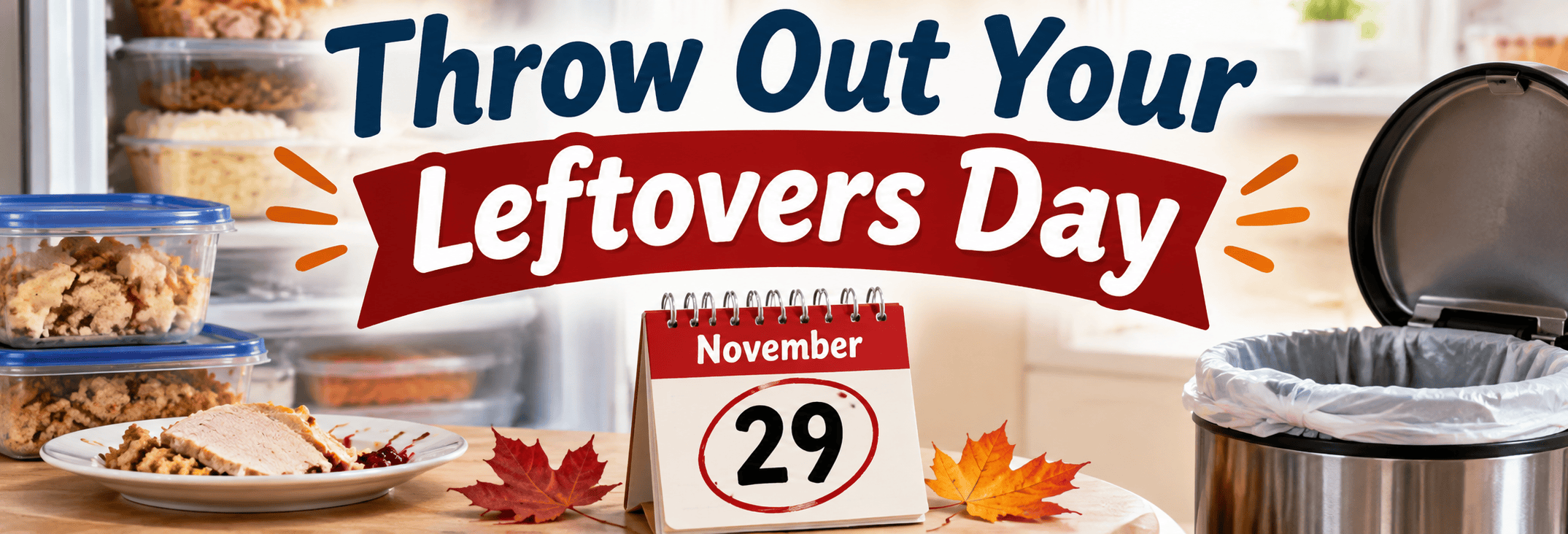
That is where Throw Out Your Leftovers Day, observed annually on November 29, comes in.
This unusual food-related observance encourages people to take a closer look at what is hiding in their refrigerators, throw away food that is no longer safe to eat, and develop better food storage habits.
Although throwing away food might not sound like something worth celebrating, the day carries an important message about food safety, reducing waste, and keeping our kitchens clean.
What Is Throw Out Your Leftovers Day?
Throw Out Your Leftovers Day is an informal annual observance celebrated on November 29. It encourages households to inspect their refrigerated leftovers, identify foods that may have spoiled, and discard anything that is no longer safe to consume.
The observance falls during the Thanksgiving season in the United States, when refrigerators are often packed with leftover turkey, stuffing, vegetables, gravy, desserts, and other holiday favorites.
While many Thanksgiving dishes can be safely enjoyed for several days when stored properly, they do not last forever.
The purpose of Throw Out Your Leftovers Day is not to encourage unnecessary food waste. Instead, it reminds people that keeping food beyond its safe storage period can increase the risk of foodborne illness.
It is also an opportunity to organize the refrigerator, make room for fresh groceries, and rethink how much food we prepare during future celebrations.
When Is Throw Out Your Leftovers Day?
Throw Out Your Leftovers Day is observed every year on November 29.
The date is particularly relevant because it comes shortly after Thanksgiving in the United States.
However, Thanksgiving does not fall on the same calendar date every year. It is celebrated on the fourth Thursday of November, meaning November 29 can arrive anywhere from one to six days after Thanksgiving.
That distinction matters because food safety depends on how long food has been stored, not simply on the arrival of a particular holiday.
For example, in 2026, Thanksgiving falls on November 26. Throw Out Your Leftovers Day arrives just three days later, meaning properly refrigerated Thanksgiving leftovers may still be safe to eat.
The day should therefore serve as a reminder to inspect your food and follow proper storage guidelines rather than automatically throwing away everything in the refrigerator.
The History of Throw Out Your Leftovers Day
Unlike Thanksgiving, which has centuries of historical traditions, Throw Out Your Leftovers Day is a relatively obscure modern observance.
Its exact origin, founder, and first official celebration are not well documented.
The holiday appears to have developed as part of the growing popularity of informal national days that encourage people to recognize everyday activities and habits.
Its placement immediately after the Thanksgiving holiday makes practical sense.
Thanksgiving is one of America’s biggest food-centered celebrations, and preparing large quantities of food often leads to substantial leftovers.
As food safety awareness has increased, so has the importance of educating households about refrigeration, storage temperatures, expiration dates, and the dangers of keeping perishable foods too long.
Throw Out Your Leftovers Day brings attention to those concerns in a lighthearted and memorable way.
Although it is not an official federal holiday, its message is useful for anyone who regularly stores cooked meals in the refrigerator.
Why Throwing Out Old Leftovers Matters
It can be tempting to keep leftovers for as long as possible, especially after spending time and money preparing a holiday meal.
However, food that looks perfectly normal can sometimes contain harmful bacteria.
Improper storage, extended refrigeration, and repeated exposure to warm temperatures can increase the risk of foodborne illness.
Here are several reasons why checking your leftovers is important.
1. Preventing Foodborne Illness
One of the biggest reasons to discard old leftovers is to reduce the risk of food poisoning.
Certain bacteria can multiply in improperly stored food without causing noticeable changes in its appearance, smell, or taste.
Eating contaminated food may lead to symptoms such as nausea, vomiting, diarrhea, stomach cramps, and fever.
Young children, older adults, pregnant people, and individuals with weakened immune systems can be especially vulnerable to serious complications.
Proper food storage and timely disposal are simple ways to protect everyone in the household.
2. Keeping Your Refrigerator Clean
Refrigerators can quickly become overcrowded during the holidays.
Containers of turkey, stuffing, vegetables, sauces, and desserts may take up nearly every available shelf.
When food is pushed toward the back of the refrigerator, it becomes easy to forget what is there.
Throw Out Your Leftovers Day provides a reason to remove old containers, clean spills, wipe down shelves, and reorganize your food.
A cleaner refrigerator also makes it easier to identify what needs to be eaten first.
3. Reducing Unnecessary Food Waste
Although the name suggests throwing food away, the observance can actually encourage better food management.
By identifying why leftovers went uneaten, households can make smarter decisions about future meal preparation.
Perhaps too much stuffing was prepared, too many side dishes were offered, or certain foods were never particularly popular.
Recognizing these patterns can help families prepare more realistic portions and reduce waste during future holidays.
4. Making Room for Fresh Food
After Thanksgiving, many families begin preparing for Christmas and other winter celebrations.
Cleaning out the refrigerator creates space for fresh produce, dairy products, ingredients, and meals.
It also provides an opportunity to organize food so that older items are used before newer purchases.
How Long Are Thanksgiving Leftovers Safe to Eat?
One of the most important questions surrounding Throw Out Your Leftovers Day is how long cooked food can safely remain in the refrigerator.
According to general USDA food safety guidance, most cooked leftovers should be refrigerated at 40°F or below and consumed within three to four days.
Here is a helpful guide for common Thanksgiving foods.
| Thanksgiving leftover | Refrigerator storage |
|---|---|
| Cooked turkey | 3–4 days |
| Cooked ham | Varies by type; many cooked leftovers last 3–4 days |
| Mashed potatoes | 3–4 days |
| Cooked stuffing | 3–4 days |
| Cooked green bean casserole | 3–4 days |
| Cooked sweet potatoes | 3–4 days |
| Homemade gravy | 3–4 days |
| Cooked macaroni and cheese | 3–4 days |
| Pumpkin pie | Generally 3–4 days refrigerated |
| Fruit pie | Depends on ingredients and storage |
These recommendations assume food was handled properly, refrigerated promptly, and maintained at a safe temperature.
Perishable food should generally be refrigerated within two hours of preparation or serving, or within one hour when temperatures are above 90°F.
If food has been left out too long, refrigeration afterward does not necessarily make it safe.
Important: Never rely on smell, appearance, or tasting food to determine whether leftovers are safe. Harmful bacteria may be present even when food seems normal.
10 Ways to Celebrate Throw Out Your Leftovers Day
You do not need an elaborate celebration to participate in this unusual national day.
In fact, the best way to observe it is by developing simple habits that make your kitchen safer and more organized.
1. Clean Out Your Refrigerator
Start by removing leftover containers and checking how long each item has been stored.
Discard foods that have exceeded recommended storage times or were not refrigerated properly.
2. Check Food Storage Dates
Look for labels showing when meals were prepared.
If containers are not labeled, think carefully about when the food was cooked and whether it was stored safely.
When the storage history is uncertain, the safest choice may be to discard it.
3. Organize Your Refrigerator Shelves
Arrange foods so older items are visible and easy to reach.
Keeping leftovers toward the front of the refrigerator can help prevent them from being forgotten.
4. Freeze Safe Leftovers
If you have food that is still within its safe refrigeration period but will not be eaten soon, freeze it.
Cooked turkey, soups, casseroles, and many other dishes freeze well.
Freezing food promptly can help preserve its quality and prevent unnecessary waste.
5. Label Your Containers
Use labels or masking tape to write the preparation date on leftover containers.
This small habit eliminates much of the guesswork involved in deciding whether food is still safe.
6. Clean Refrigerator Shelves
Remove spills, crumbs, and sticky residue.
Use an appropriate cleaning solution and follow the refrigerator manufacturer’s recommendations.
7. Plan Meals Around Safe Leftovers
Before throwing away food that is still safe, consider incorporating it into another meal.
Turkey soup, turkey sandwiches, and vegetable casseroles are familiar ways to use Thanksgiving leftovers.
8. Review Your Thanksgiving Portions
Think about which dishes disappeared quickly and which remained untouched.
Use that information to prepare more accurate quantities next year.
9. Check Your Freezer
Look through frozen foods and identify items that have been stored for extended periods.
Properly frozen food at 0°F can remain safe indefinitely, although quality may decline over time. Check packaging, dates, and freezer conditions before deciding what to keep.
10. Teach Your Family About Food Safety
Use the day to explain safe food handling practices to children and other household members.
Understanding refrigeration temperatures, proper storage, and expiration guidance can help everyone make safer decisions.
What Should You Do With Leftovers That Are Still Safe?
Not every leftover needs to go into the trash on November 29.
If food was refrigerated promptly and remains within the recommended storage period, there are plenty of ways to enjoy it.
Make Turkey Soup
Leftover turkey can become a comforting soup with broth, vegetables, herbs, and noodles or rice.
It is an excellent way to create another meal from Thanksgiving ingredients.
Prepare Turkey Sandwiches
A classic Thanksgiving turkey sandwich can include sliced turkey, cranberry sauce, stuffing, and bread.
It is one of the simplest ways to enjoy holiday leftovers.
Create a Thanksgiving Casserole
Combine safe leftover turkey, vegetables, stuffing, and gravy in a baking dish.
Heat the casserole thoroughly until the center reaches 165°F.
Make Mashed Potato Patties
Leftover mashed potatoes can be mixed with eggs, seasonings, and a little flour before being shaped into patties and cooked until heated through.
Freeze Individual Portions
Divide safe leftovers into smaller freezer-safe containers.
Individual portions make convenient meals during busy weekdays and reduce the temptation to keep food in the refrigerator too long.
When reheating leftovers, use a food thermometer to ensure they reach an internal temperature of 165°F.
Common Leftover Storage Mistakes to Avoid
Many people make food storage mistakes without realizing it.
One common mistake is leaving food on the kitchen counter for several hours after a meal.
Another is placing large quantities of hot food into deep containers, where the center may cool too slowly.
Dividing food into shallow containers allows it to cool more quickly in the refrigerator.
Other common mistakes include repeatedly reheating the same large batch of food, failing to label containers, keeping the refrigerator too warm, and assuming food is safe simply because it smells fine.
Maintaining a refrigerator temperature of 40°F or below and a freezer temperature of 0°F or below is essential.
A refrigerator thermometer can help verify that food is being stored at the proper temperature.
How to Reduce Food Waste During the Holidays
Throw Out Your Leftovers Day also provides an opportunity to think about how much food Americans waste during holiday celebrations.
Large gatherings often encourage generous meal preparation, but preparing too much food can lead to unnecessary expenses and discarded ingredients.
One of the easiest ways to reduce waste is to plan portions based on the number of guests.
Consider how many side dishes are necessary and whether guests will realistically eat everything being prepared.
Shopping with a grocery list can also prevent unnecessary purchases.
Another helpful strategy is to provide guests with containers for safely stored leftovers.
If food is divided and refrigerated promptly, guests may be able to take portions home for another meal.
Freezing suitable foods before they reach the end of their recommended refrigerator storage period can further reduce waste.
The goal is not to eliminate leftovers entirely.
Instead, it is to make sure the food we prepare is enjoyed safely rather than forgotten until it must be discarded.
Interesting Facts About Leftovers and Food Safety
Food storage has changed dramatically throughout history.
Before modern refrigeration became common, households relied on techniques such as salting, smoking, drying, fermenting, and preserving foods to extend their usability.
Today, refrigerators and freezers allow people to store cooked meals more conveniently, but temperature control remains essential.
Here are a few interesting facts about leftovers:
-
Refrigeration slows bacterial growth but does not stop it completely.
-
Freezing at 0°F prevents bacterial growth while food remains frozen, but it does not reliably kill all harmful microorganisms.
-
Leftovers should generally be reheated to an internal temperature of 165°F.
-
Shallow containers help large quantities of cooked food cool more quickly.
-
Food can contain harmful bacteria without showing obvious signs of spoilage.
-
The four-day refrigerator guideline is a general limit for many cooked leftovers, not a guarantee that improperly handled food is safe.
-
Proper labeling and meal planning can help households reduce food waste and grocery expenses.
These facts demonstrate why food safety awareness remains important even in modern kitchens.
Frequently Asked Questions About Throw Out Your Leftovers Day
Is Throw Out Your Leftovers Day a real holiday?
Yes, it is recognized as an informal food-related observance on November 29. However, it is not an official United States federal holiday, and its origins are not clearly documented.
Do I have to throw away all my Thanksgiving leftovers on November 29?
No. Food that has been stored properly and remains within its recommended safe storage period does not need to be discarded simply because of the date.
How many days can Thanksgiving turkey stay in the refrigerator?
Cooked turkey can generally remain refrigerated for three to four days when stored promptly at 40°F or below.
Can I freeze Thanksgiving leftovers after three days?
Yes, provided the leftovers were handled safely and have remained properly refrigerated. Freezing them before the end of their recommended refrigerator storage period is preferable.
Is it safe to eat leftovers after five days?
Most cooked leftovers are recommended for consumption within three to four days of refrigeration. Keeping them longer increases food safety concerns, even if they appear normal.
Can reheating old leftovers make them safe again?
Not necessarily. Reheating can kill many harmful bacteria, but it may not eliminate certain toxins produced when food has been stored improperly.
What is the best way to avoid wasting Thanksgiving leftovers?
Prepare realistic portions, refrigerate food promptly, label containers, plan leftover meals, and freeze food that will not be eaten within the recommended storage period.
Why Throw Out Your Leftovers Day Is Worth Remembering
At first glance, Throw Out Your Leftovers Day might seem like a humorous holiday designed around cleaning out the refrigerator.
However, its message goes beyond simply throwing away old food.
It reminds us to appreciate the meals we prepare, protect our families from foodborne illness, and make thoughtful decisions about food waste.
Thanksgiving is about gratitude, and that gratitude can extend to the food we purchase, prepare, share, and store.
By taking a few minutes to inspect leftovers, organize the refrigerator, and plan future meals more carefully, households can develop habits that save money, reduce waste, and improve food safety.
Sometimes, even the simplest national observances can encourage meaningful changes in our everyday routines.
Final Thoughts
Throw Out Your Leftovers Day, celebrated annually on November 29, is a timely reminder that delicious holiday meals should also be handled responsibly.
Whether you are sorting through Thanksgiving turkey, checking containers of mashed potatoes, or making room for fresh groceries, this unusual observance offers the perfect opportunity to refresh your refrigerator and improve your food storage habits.
Remember that the goal is not to throw away perfectly good food. It is to recognize when leftovers are no longer safe, preserve what can still be enjoyed, and prevent unnecessary waste in the future.
A clean refrigerator, safer meals, and smarter food planning are all good reasons to recognize this day.
How do you usually handle your Thanksgiving leftovers? Do you turn them into new meals, freeze them for later, or find yourself throwing away more food than you intended?

Leave a Reply