
Halloween is a season filled with haunted houses, ghost stories, mysterious legends, and spooky traditions. Among the most fascinating places associated with the holiday are old cemeteries. With their weathered tombstones, towering trees, ancient monuments, and centuries of history, historic burial grounds have become popular destinations for people seeking an eerie Halloween experience.
From candlelit cemetery tours to historical ghost walks, old graveyards attract visitors who want to explore the mysteries of the past. Some come hoping to encounter something supernatural, while others are interested in forgotten stories, unusual burial customs, and the lives of people who lived generations ago.
But why did old cemeteries become such popular Halloween attractions?
The answer involves a combination of ancient beliefs about death, changing burial traditions, Gothic literature, ghost stories, Victorian mourning customs, and the modern fascination with haunted places.
Understanding this history reveals why cemeteries continue to hold such a powerful place in Halloween culture.
The Ancient Connection Between Halloween and the Dead
The relationship between Halloween and burial grounds begins with the holiday’s historical association with death and remembrance.
Halloween developed from several overlapping cultural and religious traditions, including the ancient Gaelic festival of Samhain and the Christian observances of All Saints’ Day and All Souls’ Day.
Samhain marked the transition from the harvest season into winter. In traditional Gaelic culture, this period was associated with supernatural activity, spirits, and encounters with beings from the Otherworld.
Later folklore increasingly connected Halloween night with the idea that the boundary between the living and the dead was unusually thin.
Although Samhain was not originally a cemetery-centered festival, its supernatural associations helped establish themes that eventually became central to Halloween.
Christian traditions also contributed to the connection.
All Saints’ Day, celebrated on November 1 in many Western Christian churches, honors saints and those recognized for their holiness. All Souls’ Day, observed on November 2 in many Christian traditions, focuses on remembering and praying for the departed.
In various parts of Europe, families visited graves, offered prayers, lit candles, and remembered deceased relatives during this period.
These traditions helped establish the late October and early November season as a time closely associated with death, memory, and the afterlife.
Over time, cemeteries became natural settings for stories and activities connected with Halloween.
Why Old Cemeteries Feel So Mysterious
Old cemeteries possess an atmosphere that modern attractions often attempt to recreate.
Unlike artificial haunted houses, historic graveyards contain genuine reminders of people who lived and died long ago.
Many feature crumbling stone markers, elaborate statues, iron fences, moss-covered monuments, and narrow pathways winding between graves.
The passing of time adds to their mysterious appearance.
Names become difficult to read. Dates disappear beneath weathered surfaces. Family burial plots become overgrown, and forgotten inscriptions raise questions about the people buried beneath them.
Visitors may encounter tombstones dating back hundreds of years, each representing a life with its own history.
The physical environment contributes to the experience.
Large trees cast shadows across pathways. Fallen leaves cover old graves. Wind moves through branches, creating unfamiliar sounds in otherwise quiet surroundings.
At night, limited visibility can make ordinary objects appear strange or threatening.
A leaning tombstone might resemble a figure standing in the darkness. A moving branch can create the impression of someone approaching.
These natural effects help explain why cemeteries became favorite settings for frightening stories.
Their atmosphere combines historical authenticity with the human imagination.
The Influence of European Graveyard Folklore
European folklore played an important role in shaping the frightening reputation of cemeteries.
For centuries, people told stories about ghosts, restless spirits, graveyard apparitions, and supernatural encounters near burial places.
Some legends described spirits returning because of unfinished business. Others involved individuals who had been wronged, improperly buried, or unable to find peace.
Churchyards and cemeteries frequently appeared in stories about supernatural warnings, mysterious lights, and encounters with the dead.
These tales reflected older cultural beliefs about death and the afterlife.
Before modern scientific explanations became widespread, unusual sounds, lights, and experiences were sometimes interpreted as evidence of supernatural activity.
Cemeteries were particularly suitable locations for such stories because they represented the physical boundary between the living and the deceased.
Folklore also associated certain burial grounds with curses, unusual monuments, and mysterious deaths.
As these stories passed from generation to generation, some cemeteries developed reputations as haunted locations.
Today, many Halloween cemetery tours incorporate these legends into their storytelling.
However, it is important to distinguish documented history from local folklore. A cemetery’s reputation for hauntings does not establish that supernatural events actually occurred there.
How Gothic Literature Made Graveyards Frightening
The rise of Gothic literature during the late eighteenth and nineteenth centuries significantly influenced the modern image of haunted cemeteries.
Gothic fiction emphasized darkness, mystery, death, abandoned buildings, supernatural possibilities, and psychological fear.
Graveyards became powerful symbols within this literary tradition.
Writers used cemeteries to create suspense and explore themes involving mortality, grief, revenge, and the unknown.
One influential work was Frankenstein, published by Mary Shelley in 1818.
Although the novel is not primarily a cemetery ghost story, its themes of death, bodily remains, and the attempt to overcome mortality helped shape later horror traditions.
Another important influence was Dracula, published by Bram Stoker in 1897.
Its association with tombs, coffins, the undead, and nighttime terror reinforced the connection between burial places and supernatural horror.
Earlier graveyard poetry also helped establish the cemetery as a place for contemplation and mystery.
Thomas Gray’s Elegy Written in a Country Churchyard, published in 1751, explored death and the lives of ordinary people buried in a rural churchyard.
Although the poem was reflective rather than frightening, it contributed to the literary importance of burial grounds.
As Gothic stories became popular, cemeteries increasingly appeared in plays, illustrations, and eventually motion pictures.
These portrayals helped transform real burial grounds into familiar symbols of horror.
Victorian Cemeteries and the Fascination With Death
The Victorian era played an especially important role in shaping the appearance of many historic cemeteries.
During the nineteenth century, elaborate mourning customs became prominent in Britain and influenced practices elsewhere.
Families sometimes wore mourning clothing for extended periods, commissioned memorial portraits, preserved keepsakes, and purchased decorative grave monuments.
Cemetery architecture also changed.
Large landscaped burial grounds became increasingly common as growing cities faced overcrowding in traditional churchyards.
These new cemeteries were often designed with winding paths, ornamental trees, impressive entrances, sculptures, and elaborate family tombs.
Some resembled public parks.
One famous example is Highgate Cemetery in London, established in 1839.
Its Victorian tombs, Gothic architecture, and atmospheric landscape later contributed to its reputation as one of England’s most intriguing historic cemeteries.
In the United States, the rural cemetery movement similarly transformed burial grounds into landscaped environments that people visited for reflection and recreation.
Mount Auburn Cemetery in Massachusetts, dedicated in 1831, became an influential example.
Although these cemeteries were created primarily for burial, remembrance, and contemplation, their dramatic architecture eventually made them attractive settings for historical tours and Halloween-related storytelling.
The elaborate symbolism of Victorian monuments also fascinated later generations.
Carved angels, broken columns, urns, clasped hands, and other memorial designs offered visual reminders of mortality.
For modern Halloween visitors, these features can appear mysterious or even frightening, though their original purpose was often religious, sentimental, or commemorative.
How Ghost Stories Turned Cemeteries Into Attractions
One of the biggest reasons old cemeteries became Halloween destinations is the popularity of ghost stories.
Nearly every historic community has legends involving mysterious figures, unexplained noises, unusual deaths, or people believed to haunt particular locations.
Cemeteries often became central to these narratives.
A grave belonging to a person who died under unusual circumstances might inspire a supernatural legend.
An old monument could become associated with a tragic love story.
A burial vault might develop a reputation for strange sounds or nighttime sightings.
Some legends began as local storytelling traditions, while others were popularized through newspapers, books, and later television programs.
As ghost stories became a form of entertainment, communities discovered that visitors were interested in hearing them in the locations where the events supposedly occurred.
Guided ghost walks provided an opportunity to combine history with suspense.
Visitors could explore old burial grounds while learning about local figures, historical events, and supernatural folklore.
Halloween became an especially popular time for these experiences because audiences were already interested in spooky entertainment.
Today, some cemetery tours focus primarily on documented history, while others emphasize legends and theatrical storytelling.
Both approaches can attract people interested in the mysterious atmosphere of old burial grounds.
The Rise of Cemetery Tours in America
Historic cemeteries in the United States became increasingly recognized as cultural and educational attractions during the twentieth century.
Preservation organizations, historical societies, and cemetery associations began offering guided walks to introduce visitors to important local figures and burial traditions.
These tours often highlighted military veterans, politicians, artists, business leaders, and ordinary residents whose lives shaped their communities.
Some programs explored cemetery architecture and gravestone symbolism.
Others featured costumed interpreters portraying historical individuals.
As Halloween tourism grew, certain organizations developed seasonal programs that combined historical education with ghost stories and nighttime atmosphere.
Cities known for their historic architecture and supernatural folklore became particularly associated with cemetery tourism.
New Orleans, Savannah, Charleston, and Boston are among the American cities where historic burial grounds contribute to local heritage tourism.
Not every cemetery permits nighttime visits or Halloween activities, however. Many remain active burial places with restrictions designed to protect graves and respect families.
Why New Orleans Cemeteries Became Famous
New Orleans is one of America’s best-known destinations for cemetery tourism.
Its historic burial grounds are particularly distinctive because of their above-ground tombs, family vaults, and elaborate monuments.
The city’s low elevation, high water table in many areas, cultural traditions, and historical burial practices contributed to the development of these distinctive cemetery landscapes.
One of the most famous is St. Louis Cemetery No. 1, established in 1789.
The cemetery is associated with several notable historical figures, including Marie Laveau, who became famous for her connection to Louisiana Voodoo traditions.
Stories about Laveau helped make the cemetery a prominent destination for visitors interested in local folklore.
New Orleans also has a long tradition of ghost stories, supernatural legends, and cultural practices involving remembrance of the dead.
The combination of historic tombs, distinctive architecture, and storytelling has made its cemeteries particularly appealing during Halloween.
However, access to some historic cemeteries is restricted, and visitors must follow applicable tour and preservation rules.
Savannah and the Reputation of Haunted Burial Grounds
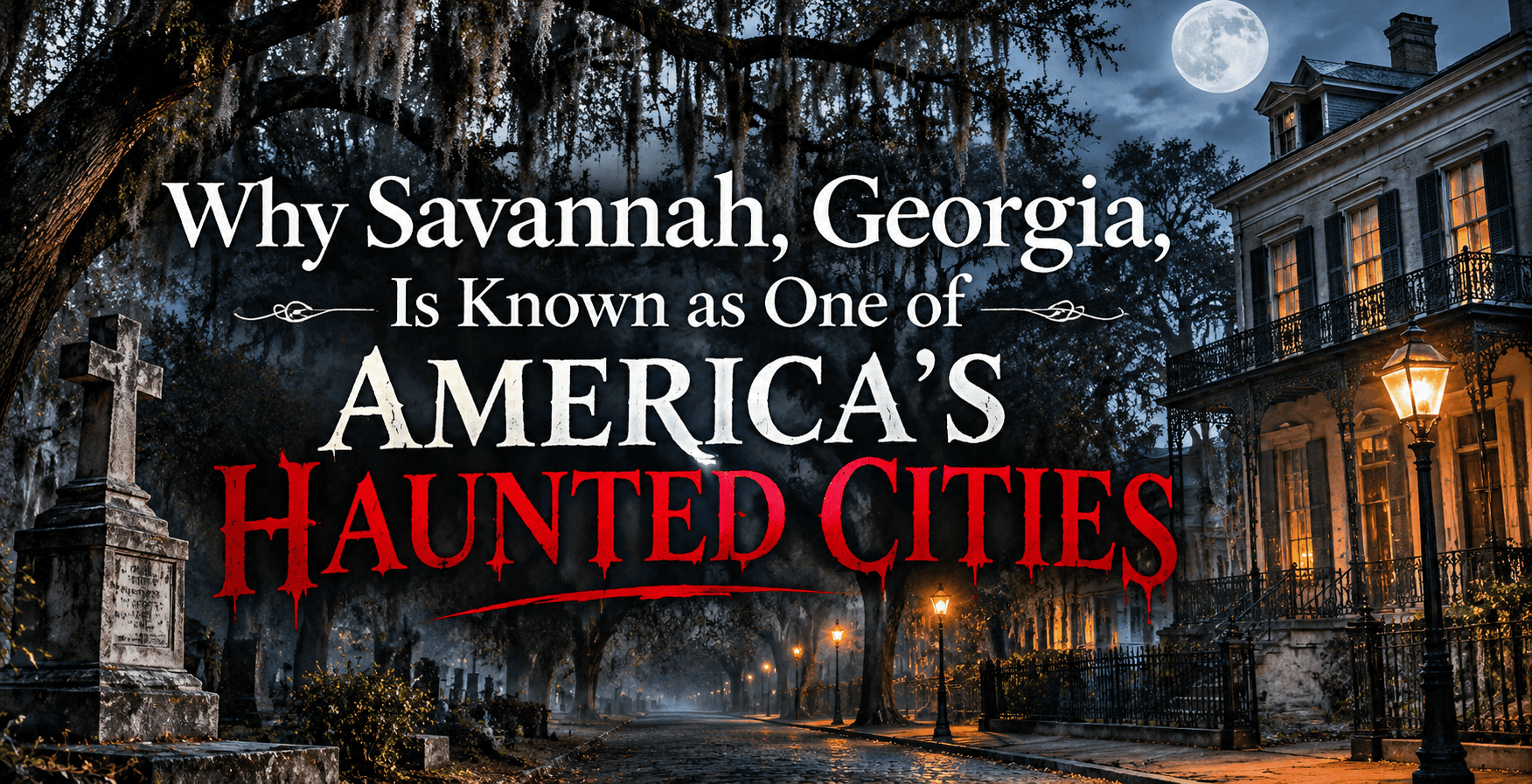
Savannah, Georgia, is another city strongly associated with haunted history.
Its historic buildings, old oak trees, Spanish moss, and centuries-old burial grounds create an atmosphere that attracts visitors interested in ghost stories.
One of the city’s best-known burial grounds is Bonaventure Cemetery.
Originally developed as a plantation burial ground and later established as a public cemetery, Bonaventure became known for its beautiful landscape and elaborate memorial sculptures.
The cemetery’s appearance has made it a popular destination for photography, historical exploration, and cemetery tourism.
Savannah’s Colonial Park Cemetery is another historic location frequently discussed in local ghost lore.
The cemetery contains graves connected to the city’s early history and has long been associated with stories about its past.
During Halloween, Savannah’s broader ghost-tour industry attracts visitors interested in the city’s legends.
These experiences demonstrate how historic cemeteries can contribute to a community’s reputation as a haunted destination, even when the stories themselves are based on folklore rather than verified supernatural events.
The Influence of Horror Movies and Television
Motion pictures helped make cemeteries recognizable Halloween settings.
Early horror films frequently used tombstones, mausoleums, and graveyards to establish a frightening atmosphere.
As horror cinema developed, cemeteries became familiar locations for stories involving vampires, zombies, ghosts, and other supernatural creatures.
One especially influential example is Night of the Living Dead.
The film’s opening cemetery sequence helped establish an enduring association between graveyards and zombie horror.
Later films and television programs continued using cemeteries as settings for supernatural encounters.
Music videos, Halloween decorations, and haunted attractions adopted similar imagery.
Artificial tombstones, skeletons emerging from graves, cemetery gates, and fog-covered burial plots became standard Halloween decorations.
These portrayals strengthened the public association between cemeteries and frightening entertainment.
For many people, visiting a real historic cemetery during Halloween offers an opportunity to experience an atmosphere similar to the settings they have seen in horror films.
Unlike movie sets, however, actual cemeteries contain real graves and memorials that deserve respectful treatment.
Why People Enjoy Cemetery Tours at Halloween
The popularity of cemetery attractions reflects several different human interests.
Some visitors enjoy the excitement of being frightened.
Others appreciate the opportunity to explore local history in an unusual setting.
Old cemeteries also encourage curiosity about people whose lives have been largely forgotten.
Reading a weathered inscription can raise questions about the individual buried there.
What was their life like? What challenges did they face? What was their community like when they were alive?
Historical tours can answer some of these questions and introduce visitors to stories that might otherwise disappear.
Cemetery visits also offer opportunities to learn about changing attitudes toward death.
Gravestones reveal information about religious beliefs, family relationships, artistic traditions, and social history.
In this way, cemetery tourism can be educational as well as atmospheric.
Halloween provides an occasion when people who might not ordinarily visit a historic cemetery become interested in exploring one.
The Psychology Behind Cemetery Fear
Why do cemeteries seem frightening to so many people?
Part of the answer involves the human response to death and uncertainty.
Cemeteries are physical reminders of mortality. They confront visitors with questions about life, death, and what happens afterward.
These subjects can create discomfort even when there is no immediate danger.
Darkness adds another psychological element.
When visibility is limited, the brain must interpret incomplete visual information.
Ordinary shadows and movements may appear unfamiliar or threatening.
Silence can also heighten awareness.
In a quiet cemetery, a sudden noise may seem unusually loud or startling.
Popular culture adds expectations about what might happen.
Someone who has watched ghost movies or heard cemetery legends may be more likely to interpret an unexplained sound as something supernatural.
This does not mean that the experience is evidence of a haunting.
Rather, it demonstrates how environment, imagination, and cultural expectations can influence perception.
Halloween cemetery attractions often draw on these psychological effects to create suspense.
Cemetery Symbolism and Halloween Decorations
Many familiar Halloween decorations borrow directly from historic cemetery imagery.
Tombstones, skeletons, crosses, mausoleums, and graveyard gates frequently appear in haunted-house displays.
These symbols became recognizable because of their longstanding associations with death and remembrance.
Some traditional gravestone carvings also have meanings that modern visitors may not immediately understand.
For example:
-
Angels often symbolize spiritual protection, mourning, or hope for the afterlife.
-
Broken columns may represent a life cut short.
-
Clasped hands can symbolize farewell, reunion, or relationships.
-
Urns are traditional symbols of death and mourning.
-
Weeping willow trees commonly represent sorrow and remembrance.
-
Skulls and hourglasses in older funerary art can remind viewers of mortality and the passage of time.
The meanings of these symbols can vary according to period, religion, and local tradition.
Halloween decorations often transform them into frightening imagery, even though their original purpose was frequently solemn or comforting.
Understanding these symbols helps visitors appreciate the historical significance behind familiar Halloween designs.
The Importance of Respecting Historic Cemeteries
Although old cemeteries can be fascinating Halloween destinations, they are not simply outdoor haunted attractions.
They are burial grounds where real people have been laid to rest.
Many remain active places of mourning and remembrance.
Families may continue visiting graves to honor loved ones, even in cemeteries that attract tourists.
For this reason, respectful behavior is essential.
Visitors should remain on designated pathways where required, avoid touching fragile monuments, and never remove objects from graves.
Historic tombstones can be extremely vulnerable to damage.
Even leaning against an old marker can create a risk of breaking or destabilizing it.
Visitors should also respect posted hours, photography restrictions, and cemetery regulations.
Unauthorized nighttime entry can be both disrespectful and unlawful.
Organized historical tours provide a better opportunity to explore these locations while supporting preservation efforts.
When conducted responsibly, cemetery tourism can help communities protect important historic sites.
Tour revenue, educational programs, and public interest may contribute to restoration and maintenance.
How Cemetery Tourism Helps Preserve History
One positive result of interest in historic cemeteries is increased awareness of preservation.
Many old burial grounds face serious challenges.
Weathering, erosion, vegetation, vandalism, and neglect can damage monuments over time.
Some cemeteries contain graves belonging to individuals whose stories have received little historical attention.
Preservation organizations work to document burial records, restore damaged monuments, and research the lives of those buried there.
Public tours can help introduce visitors to this work.
They may also raise funds for maintenance and conservation.
Historical cemetery programs sometimes highlight communities that were excluded from traditional historical narratives.
These may include formerly enslaved individuals, immigrants, laborers, women, and other residents whose contributions deserve recognition.
By exploring their stories, visitors can develop a broader understanding of local history.
The popularity of Halloween cemetery tours can therefore create opportunities for education and preservation when the programs are managed thoughtfully.
Are Old Cemeteries Really Haunted?
One of the most common questions surrounding historic cemeteries is whether ghosts actually haunt them.
Stories of cemetery hauntings have existed for generations.
People have reported seeing shadowy figures, hearing unexplained sounds, or experiencing unusual sensations near graves.
Some stories involve specific individuals believed to remain connected to their burial places.
Others describe mysterious lights or apparitions appearing at night.
However, there is no reliable scientific evidence establishing that cemeteries are inhabited by ghosts.
Many reported experiences can have ordinary explanations involving lighting, weather, wildlife, sounds, and human perception.
That does not make the folklore historically unimportant.
Ghost stories reveal how communities have understood death, loss, fear, and the unknown.
Even when supernatural claims cannot be verified, the legends themselves can become meaningful parts of local cultural history.
For many visitors, the attraction lies not in proving that ghosts exist but in experiencing the mystery of a place filled with history.
Why Old Cemeteries Remain Popular Today
Old cemeteries continue to attract Halloween visitors because they offer something different from modern haunted houses.
Their history is real.
The monuments, inscriptions, and burial sites connect visitors directly to earlier generations.
Unlike temporary Halloween decorations, historic cemeteries contain authentic architecture and cultural artifacts.
They also offer experiences that appeal to different interests.
History enthusiasts can learn about the past.
Architecture lovers can appreciate unusual monuments and elaborate tombs.
Folklore fans can explore local legends.
Visitors interested in Halloween can experience the atmosphere of a place long associated with mystery.
Social media, travel photography, and heritage tourism have also introduced historic cemeteries to new audiences.
Images of dramatic mausoleums, moss-covered graves, and Gothic sculptures can generate interest in visiting these locations.
However, their lasting appeal comes from something deeper than their appearance.
Cemeteries remind people that every generation leaves stories behind.
They encourage reflection on the lives that came before us and the ways those lives continue to shape our communities.
The Difference Between Historic Cemeteries and Haunted Attractions
It is important to recognize that a historic cemetery and a commercial haunted attraction serve different purposes.
A haunted attraction is designed primarily to entertain visitors through staged scares, special effects, costumes, and suspense.
A cemetery exists primarily as a place of burial, mourning, and remembrance.
Some historic cemeteries host carefully managed Halloween programs, but many do not.
Others offer educational tours throughout the year without presenting themselves as haunted locations.
The distinction matters because real burial sites should never be treated as props.
The most responsible cemetery experiences acknowledge the people buried there and preserve the dignity of their memorials.
Ghost stories may add interest, but documented history should remain distinguishable from speculation and legend.
When that balance is maintained, Halloween cemetery tours can be both entertaining and respectful.
Final Thoughts
Old cemeteries became popular Halloween attractions through centuries of changing beliefs, cultural traditions, and storytelling.
Ancient associations between autumn and the supernatural helped establish the seasonal connection. Christian remembrance traditions reinforced the importance of honoring the dead during late October and early November.
European ghost folklore, Gothic literature, Victorian cemetery architecture, and horror movies later strengthened the image of graveyards as mysterious places.
Modern cemetery tours brought these influences together, transforming some historic burial grounds into destinations for Halloween visitors.
Yet the true fascination of old cemeteries goes beyond ghost stories.
Behind every weathered tombstone is a person who once lived, loved, struggled, and belonged to a community.
The monuments that appear eerie in the moonlight were often created as expressions of grief, devotion, and remembrance.
Perhaps that is why historic cemeteries remain so compelling during Halloween. They bring together the mystery of death and the enduring human desire to remember those who came before us.
Would you visit an old cemetery on Halloween night to hear its history and ghost stories, or would you rather explore it during the daylight?
Leave a Reply