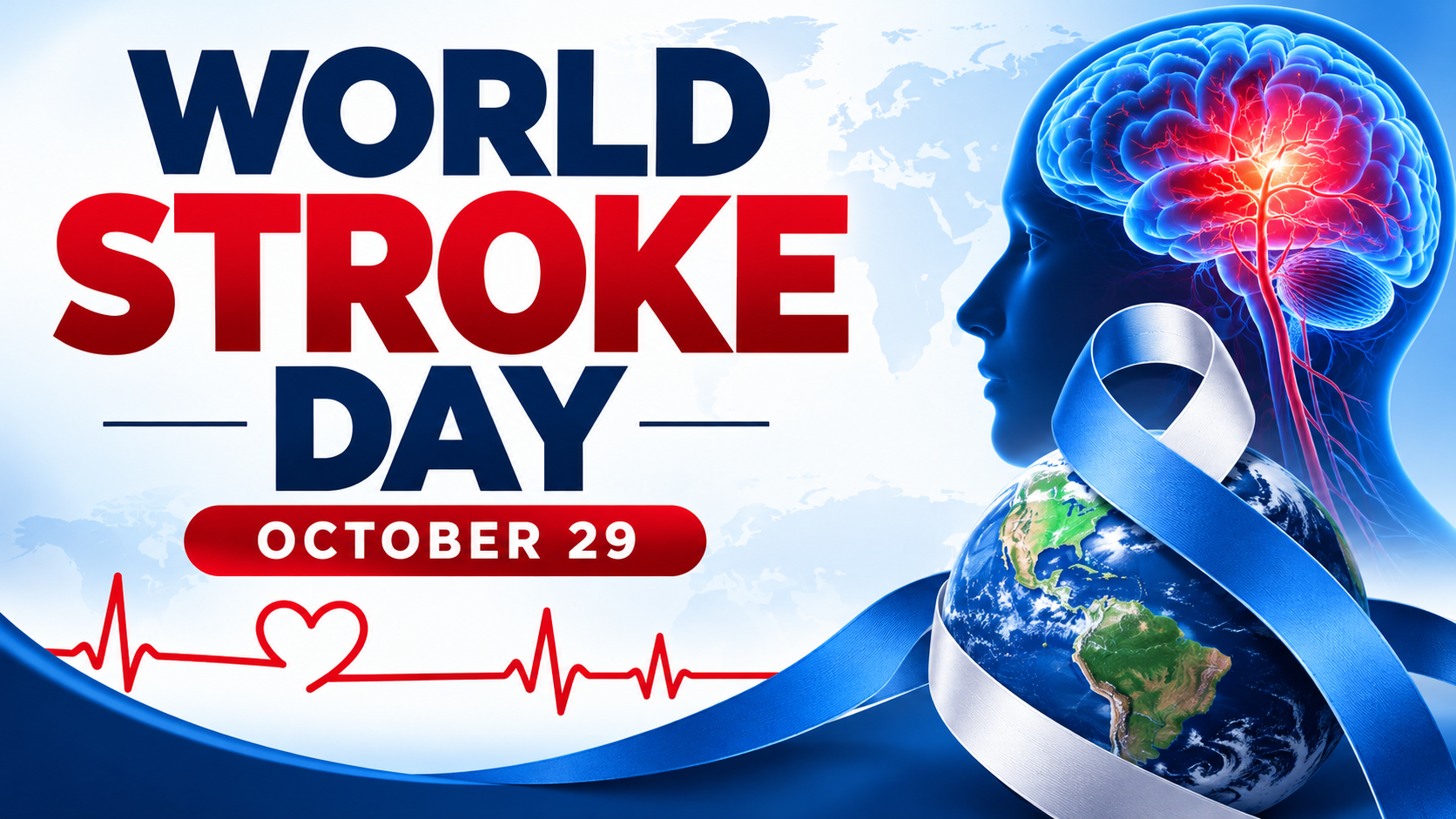
Every year on October 29, people around the world observe World Stroke Day, an important global health awareness event dedicated to educating the public about strokes, recognizing warning signs, preventing risk factors, and supporting survivors and their families.
A stroke can happen suddenly, without warning, and can change someone’s life in a matter of minutes. It can affect a person’s ability to speak, walk, remember, communicate, or perform everyday activities. In severe cases, a stroke can result in permanent disability or death.
However, there is an important message everyone should understand: many strokes can be prevented, and recognizing the symptoms quickly can save lives.
World Stroke Day reminds us that knowledge, awareness, healthy lifestyle choices, and immediate medical attention can make a tremendous difference.
Whether you have personally experienced a stroke, know someone who has survived one, or simply want to protect your health, understanding this condition is essential.
When Is World Stroke Day?
World Stroke Day is observed annually on October 29.
The awareness campaign is organized internationally by the World Stroke Organization, which works to improve stroke prevention, treatment, rehabilitation, and support.
The day encourages individuals, healthcare professionals, communities, and governments to take action against one of the world’s leading causes of death and long-term disability.
World Stroke Day focuses on several important goals:
-
Educating people about the causes and warning signs of strokes.
-
Encouraging healthier lifestyle choices.
-
Promoting early recognition and emergency treatment.
-
Improving access to stroke care and rehabilitation.
-
Supporting stroke survivors and their caregivers.
-
Raising awareness about the long-term challenges of recovery.
The message is simple but powerful: recognizing a stroke and acting quickly can save a life.
What Is a Stroke?
A stroke occurs when blood flow to part of the brain is interrupted or when a blood vessel in the brain ruptures.
The brain depends on a continuous supply of oxygen and nutrients delivered through the bloodstream. When that supply is disrupted, brain cells can begin to die within minutes.
Because different areas of the brain control different functions, the effects of a stroke depend on which part of the brain is affected and how much damage occurs.
A stroke may affect:
-
Speech and communication.
-
Memory and concentration.
-
Balance and coordination.
-
Vision.
-
Movement and muscle strength.
-
Emotional regulation.
-
Swallowing and other essential functions.
Some people recover significantly, while others experience lifelong physical, cognitive, or emotional challenges.
This is why immediate medical attention is so important.
The Three Main Types of Stroke
Understanding the different types of strokes can help explain why emergency medical treatment is necessary.
1. Ischemic Stroke
An ischemic stroke occurs when a blood clot or another blockage prevents blood from reaching part of the brain.
This is the most common type of stroke, accounting for approximately 87% of strokes.
Blockages may develop because of blood clots, narrowed arteries, or fatty deposits that interfere with circulation.
Treatment may involve medications that dissolve blood clots or procedures that physically remove certain clots.
The sooner appropriate treatment begins, the greater the opportunity to protect brain tissue.
2. Hemorrhagic Stroke
A hemorrhagic stroke occurs when a blood vessel in or around the brain ruptures, causing bleeding.
The bleeding can damage brain tissue and increase pressure inside the skull.
High blood pressure, weakened blood vessels, and certain vascular abnormalities can contribute to this type of stroke.
Treatment depends on the cause and location of the bleeding and may involve medication, specialized procedures, or surgery.
3. Transient Ischemic Attack (TIA)
A transient ischemic attack, often called a mini-stroke, occurs when blood flow to part of the brain is temporarily blocked.
Symptoms may resemble those of a stroke but usually resolve within minutes or hours.
However, a TIA should never be ignored.
A TIA is a medical emergency and an important warning sign that a more serious stroke could occur.
Even when symptoms disappear, immediate emergency evaluation is necessary.
Recognizing the Warning Signs of a Stroke
One of the most important messages of World Stroke Day is that everyone should learn how to recognize stroke symptoms.
A stroke can occur at home, at work, while shopping, during exercise, or even while sleeping.
Knowing what to look for could help you save the life of a family member, friend, coworker, or stranger.
Remember B.E. F.A.S.T.
The acronym B.E. F.A.S.T. is an easy way to remember common warning signs.
B
Balance
Sudden dizziness, loss of balance, or difficulty walking.
E
Eyes
Sudden vision loss, blurred vision, or double vision.
F
Face
One side of the face droops or appears uneven when smiling.
A
Arms
Sudden weakness or numbness, especially on one side of the body.
S
Speech
Slurred speech, difficulty speaking, or trouble understanding others.
T
Time
Call 911 immediately if any of these symptoms appear suddenly.
Other warning signs can include a sudden severe headache with no known cause, confusion, or unexpected difficulty coordinating movements.
Not every stroke produces all these symptoms.
Even one sudden warning sign is enough to seek emergency assistance.
Never wait to see whether symptoms disappear.
What Should You Do If Someone Is Having a Stroke?
When someone shows signs of a stroke, every minute matters.
Here are the most important actions to take.
-
Call 911 immediately. Do not attempt to diagnose the condition yourself or wait for symptoms to improve.
-
Record when symptoms began. If the exact time is unknown, note when the person was last known to be well.
-
Keep the person safe and comfortable. Help them avoid falling and follow the emergency dispatcher’s instructions.
-
Do not give food, drinks, aspirin, or other medication unless emergency professionals direct you to. Swallowing may be impaired, and some medications can worsen bleeding.
-
Do not drive the person to the hospital yourself. Emergency medical services can begin assessment and direct the patient to appropriate stroke care.
-
Stay with the person until help arrives. Watch for changes in breathing, consciousness, and symptoms, and follow dispatcher guidance.
Rapid treatment may reduce brain damage and improve the chances of recovery.
Why Is Stroke Awareness So Important?
Stroke remains a major public health concern worldwide.
According to widely reported global estimates, approximately 12 million people experience a first stroke each year, and millions die from stroke-related causes.
Many survivors experience lasting disabilities that affect their independence, employment, relationships, and quality of life.
Stroke does not only affect older adults.
Although risk generally increases with age, strokes can occur in younger adults, teenagers, and even children.
This means stroke education is relevant to everyone.
Awareness also matters because people sometimes mistake stroke symptoms for exhaustion, intoxication, migraines, or temporary illness.
Recognizing the difference and seeking emergency care can prevent dangerous delays.
What Causes a Stroke?
A stroke may result from several medical conditions and risk factors.
Some risk factors cannot be changed, such as age, family history, and certain inherited conditions.
However, many important risk factors can be managed.
High Blood Pressure
High blood pressure is one of the leading risk factors for stroke.
Over time, excessive pressure can damage blood vessels and increase the likelihood of blockages or bleeding.
Because high blood pressure often has no noticeable symptoms, regular monitoring is essential.
High Cholesterol
Elevated cholesterol can contribute to fatty deposits inside arteries.
These deposits may narrow blood vessels and increase the likelihood of blood clots.
Diabetes
Diabetes can damage blood vessels over time, particularly when blood sugar levels remain poorly controlled.
Managing diabetes helps reduce the risk of stroke and other cardiovascular complications.
Smoking
Smoking damages blood vessels, increases clotting risk, and contributes to cardiovascular disease.
Quitting smoking can substantially improve long-term health.
Atrial Fibrillation
Atrial fibrillation, commonly called AFib, is an irregular heart rhythm that can allow blood clots to form inside the heart.
If a clot travels to the brain, it may cause an ischemic stroke.
Appropriate treatment can significantly reduce this risk.
Physical Inactivity and Obesity
Limited physical activity and excess body weight can contribute to high blood pressure, diabetes, and other stroke risk factors.
Increasing physical activity and making sustainable lifestyle changes can help.
Excessive Alcohol Consumption
Heavy drinking can raise blood pressure and contribute to other health conditions associated with stroke.
Reducing alcohol consumption can lower certain cardiovascular risks.
10 Ways to Reduce Your Risk of Stroke
Although not every stroke is preventable, there are practical steps people can take to protect their health.
1. Monitor Your Blood Pressure
Have your blood pressure checked regularly and work with a healthcare professional to keep it within an appropriate range.
2. Eat a Heart-Healthy Diet
Choose meals that emphasize vegetables, fruits, whole grains, beans, nuts, and healthy protein sources.
Limit excess sodium, highly processed foods, and saturated fats.
3. Exercise Regularly
For many adults, a useful goal is at least 150 minutes of moderate-intensity aerobic activity per week, along with muscle-strengthening activities.
Choose activity appropriate for your health and abilities.
4. Stop Smoking
Avoid cigarettes and other tobacco products. Ask a healthcare professional about proven smoking cessation support if needed.
5. Manage Diabetes
Follow your treatment plan, monitor blood sugar as recommended, and attend routine medical appointments.
6. Control Cholesterol
Know your cholesterol levels and discuss whether dietary changes or medication are appropriate.
7. Maintain a Healthy Weight
Focus on gradual, sustainable changes rather than extreme diets.
Even modest improvements in weight and metabolic health can be beneficial.
8. Limit Alcohol
Drinking less alcohol, or avoiding it entirely, can support better blood pressure and overall health.
9. Get Adequate Sleep
Consistent, restorative sleep supports cardiovascular health.
Discuss loud snoring, breathing interruptions during sleep, or excessive daytime sleepiness with a healthcare professional, since sleep apnea is associated with increased stroke risk.
10. Attend Regular Medical Checkups
Routine healthcare visits can identify high blood pressure, diabetes, abnormal heart rhythms, and other conditions before serious complications develop.
Prevention is not about perfection. It is about making consistent decisions that protect your long-term health.
What Happens After Someone Survives a Stroke?
Surviving a stroke can mark the beginning of a challenging recovery journey.
Some people experience relatively minor effects and regain their abilities quickly.
Others require months or years of rehabilitation and ongoing assistance.
Recovery depends on several factors, including the severity of the stroke, the affected brain region, how quickly treatment began, and the person’s overall health.
Physical Rehabilitation
Physical therapy can help survivors improve strength, movement, balance, and coordination.
For some, rehabilitation means learning to walk independently again.
For others, it means improving mobility, reducing fall risk, or adapting to physical limitations.
Speech and Language Therapy
Stroke can affect the brain’s language and communication centers.
Some survivors experience aphasia, which may interfere with speaking, understanding language, reading, or writing.
Speech-language therapy can help individuals develop communication skills and strategies.
Occupational Therapy
Occupational therapy focuses on everyday activities such as dressing, bathing, preparing meals, and returning to meaningful routines.
Therapists may also recommend adaptive equipment or home modifications.
Cognitive Recovery
Some stroke survivors experience changes in memory, attention, decision-making, or problem-solving.
Cognitive rehabilitation can help people develop strategies to manage these challenges.
Emotional Recovery
The emotional effects of stroke deserve just as much attention as the physical effects.
Survivors may experience frustration, anxiety, depression, fear, anger, or grief over changes in independence.
Emotional support, counseling, rehabilitation, and social connection can all play important roles in recovery.
The Emotional Impact of Stroke on Families
A stroke does not affect only the person who experiences it.
It can change the daily lives of spouses, children, parents, siblings, friends, and caregivers.
Families may suddenly find themselves managing medical appointments, financial concerns, transportation, medication schedules, and personal care responsibilities.
The transition can be overwhelming.
A person who was once completely independent may need assistance with activities they previously handled without thinking.
Loved ones may struggle to adjust to changes in personality, communication, mobility, or memory.
Some families also experience a form of grief as they adjust to a life that looks different from the one they expected.
This does not mean they love the survivor any less.
It means they are navigating a significant and sometimes painful change.
Support for caregivers is essential. They need opportunities to rest, ask questions, express emotions, and receive assistance.
No family should feel that they must face stroke recovery alone.
How to Support Someone Recovering From a Stroke
Supporting a stroke survivor requires patience, compassion, and understanding.
Every recovery journey is different.
Some people regain abilities quickly, while others need long-term assistance.
Helpful ways to offer support include:
-
Listen without rushing. Allow extra time for someone who has difficulty communicating.
-
Encourage independence. Offer help when needed without automatically taking over every task.
-
Celebrate small victories. Progress may happen gradually, and meaningful improvements deserve recognition.
-
Help with appointments and transportation. Practical assistance can reduce stress.
-
Respect emotional changes. Recovery may involve frustration, sadness, and uncertainty.
-
Encourage rehabilitation. Support consistent participation in recommended therapy.
-
Include survivors in social activities. Avoid allowing physical limitations to become social isolation.
-
Support caregivers. Offer meals, errands, respite, or other assistance when possible.
Sometimes the greatest gift is simply continuing to show up.
Can Younger People Have Strokes?
One of the most common misconceptions about stroke is that it affects only elderly individuals.
Although older adults face higher risks, younger people can also experience strokes.
Stroke in younger adults may be associated with high blood pressure, heart conditions, blood-clotting disorders, certain vascular abnormalities, or other medical causes.
Some strokes occur in people without obvious risk factors.
This is why sudden neurological symptoms should never be dismissed because someone seems too young to have a stroke.
Regardless of age, symptoms such as sudden weakness, speech difficulty, vision changes, or loss of balance require immediate emergency evaluation.
Common Myths About Stroke
Misinformation can delay treatment and create unnecessary confusion.
Myth 1: Strokes Only Happen to Older People
Fact: Stroke can occur at any age, although risk increases with age.
Myth 2: A Stroke Always Causes Severe Pain
Fact: Many strokes occur without pain. Sudden weakness, numbness, speech problems, or vision changes may be the only noticeable symptoms.
Myth 3: If Symptoms Go Away, Everything Is Fine
Fact: Temporary symptoms may indicate a TIA, which requires immediate emergency evaluation.
Myth 4: Stroke Recovery Ends After a Few Months
Fact: Recovery can continue for months or years. Progress varies considerably between individuals.
Myth 5: Nothing Can Be Done to Prevent a Stroke
Fact: Managing blood pressure, diabetes, cholesterol, smoking, heart conditions, and other risk factors can substantially reduce stroke risk.
Myth 6: You Should Wait to See Whether Someone Gets Better
Fact: Delaying emergency treatment can increase the risk of permanent brain damage.
How Can You Participate in World Stroke Day?
World Stroke Day provides an opportunity for individuals and communities to make a meaningful difference.
You do not need to be a healthcare professional to help raise awareness.
Consider participating in these ways:
Share the B.E. F.A.S.T. Warning Signs
Teach family members, friends, and coworkers how to recognize common stroke symptoms.
A simple conversation could someday save someone’s life.
Encourage Preventive Health Screenings
Remind loved ones about routine blood pressure checks, diabetes screening, and cardiovascular health appointments.
Make a Healthy Lifestyle Commitment
Use October 29 as an opportunity to begin one positive health change.
You might choose to walk more often, reduce sodium intake, stop smoking, or establish a consistent sleep routine.
Support Stroke Survivors
Reach out to someone recovering from a stroke.
Ask how they are doing, offer assistance, or simply spend time together.
Recognize Caregivers
Caregivers often provide tremendous physical and emotional support while receiving little recognition.
A thoughtful message, practical assistance, or an offer to help with daily responsibilities can make a difference.
Raise Awareness in Your Community
Schools, workplaces, community organizations, and local groups can share stroke education materials and encourage preventive healthcare.
Awareness becomes more powerful when knowledge is shared.
Why Every Second Matters During a Stroke
When a stroke interrupts blood flow to the brain, brain cells may begin dying within minutes.
The phrase “Time is brain” reflects the urgency of obtaining emergency treatment.
Certain treatments for ischemic stroke are highly time-sensitive.
For eligible patients, clot-dissolving medications may be given within a limited window after symptoms begin. Some patients may also qualify for mechanical thrombectomy, a procedure that removes a clot from a large blood vessel, sometimes up to 24 hours after they were last known to be well.
Eligibility depends on medical evaluation and brain imaging.
These treatments are not appropriate for every stroke, especially strokes caused by bleeding.
That is why immediate medical assessment is critical.
Waiting at home can eliminate treatment opportunities.
Even if someone wakes up with stroke symptoms or cannot identify exactly when symptoms began, emergency evaluation is still essential.
The Importance of Hope During Stroke Recovery
A stroke can dramatically change someone’s life, but it does not erase their identity, value, or potential.
Recovery may be physically exhausting and emotionally difficult.
There may be days when progress feels slow, when frustration becomes overwhelming, or when the future seems uncertain.
Yet meaningful improvement is possible.
For one survivor, progress might mean walking across a room without assistance.
For another, it might mean speaking a complete sentence, remembering an important detail, or returning to a favorite hobby.
Some people may not regain every ability they once had, but they can still experience purpose, connection, independence, and fulfillment.
The support of loved ones, healthcare professionals, therapists, and communities can make the recovery journey less isolating.
Hope does not require pretending that recovery is easy.
It means recognizing that life can still hold meaningful possibilities after a major medical event.
World Stroke Day Reminds Us to Care for One Another
World Stroke Day is more than a date on the calendar.
It is a reminder that our health matters, that prevention deserves attention, and that understanding medical emergencies can make a life-saving difference.
Many people assume they will always have time to improve their health.
They put off medical appointments, ignore warning signs, or postpone lifestyle changes until tomorrow.
But tomorrow is never guaranteed.
Taking care of ourselves today can help protect the moments we hope to share with the people we love.
It is also important to remember those whose lives have been changed by stroke.
Survivors deserve understanding, dignity, encouragement, and access to appropriate care.
Families deserve support.
Caregivers deserve recognition.
And communities deserve access to education that helps people recognize emergencies before it is too late.
Final Thoughts: Awareness Today Can Save a Life Tomorrow
World Stroke Day, observed every October 29, reminds us that education and timely action can save lives.
Learning the warning signs of stroke takes only a few minutes, but that knowledge may become invaluable during an emergency.
Preventive healthcare, healthier lifestyle choices, and appropriate management of medical conditions can reduce stroke risk.
Equally important is supporting people whose lives have already been affected by stroke.
A survivor’s journey does not end when they leave the hospital. Recovery, adaptation, and emotional healing may continue for years.
This World Stroke Day, make a commitment to learn the warning signs, share what you know, and take one meaningful step toward better health.
Remember B.E. F.A.S.T. — Balance, Eyes, Face, Arms, Speech, Time.
If stroke symptoms suddenly appear, call 911 immediately.
Because sometimes the difference between tragedy and survival begins with one person recognizing that something is wrong and taking action.
One moment of awareness. One emergency call. One life that may be saved.
A Question for Readers
Have you or someone you love ever been affected by a stroke, and what is one important lesson you wish more people understood about stroke prevention, recovery, or recognizing the warning signs?

Leave a Reply