Blog

  • National Sausage Month: Celebrating a Flavorful Food Tradition

    National Sausage Month: Celebrating a Flavorful Food Tradition

    October is filled with the flavors of fall, but it is also a time to celebrate one of the most versatile and beloved foods around: sausage. National Sausage Month gives food lovers an entire month to appreciate the many varieties, cooking traditions, recipes, and regional specialties that have made sausage a favorite around the world.

    From sizzling breakfast sausage served alongside eggs to Italian sausage simmering in tomato sauce, bratwurst fresh from the grill, spicy andouille in a pot of gumbo, or smoked sausage tossed into a hearty skillet dinner, sausage can take on countless flavors and forms.

    National Sausage Month is about more than eating sausage. It is also an opportunity to explore culinary traditions, experiment with new recipes, support local butchers and sausage makers, and discover varieties you may have never tried before.

    What Is National Sausage Month?

    National Sausage Month is observed during October, celebrating sausage and the enormous variety of ways it is produced, seasoned, cooked, and enjoyed.

    Sausage has been part of food traditions for centuries. Before modern refrigeration, people needed reliable methods for preserving meat. Salting, curing, smoking, and drying meat helped extend its usable life, and sausage became one practical way to make use of different cuts of meat.

    Over generations, sausage making developed into a culinary tradition of its own.

    Different cultures created distinctive sausages using locally available meats, spices, herbs, smoking techniques, and preparation methods. The result is the remarkable variety we enjoy today.

    Some sausages are mild.

    Others are fiery hot.

    Some are smoked for hours.

    Others are fresh and meant to be cooked immediately.

    There are breakfast sausages, grilling sausages, dried sausages, chicken sausages, turkey sausages, pork sausages, beef sausages, and plant-based alternatives.

    That variety is one reason an entire month devoted to sausage can be surprisingly fun.

    A Food With a Long History

    The basic concept behind sausage is ancient: combine chopped or ground meat with seasonings and preserve or cook it in a convenient form.

    For much of history, wasting food could mean the difference between having enough to eat and going hungry. Sausage making offered a practical way to use meat efficiently while producing something flavorful.

    As techniques developed, communities began creating their own versions.

    Certain herbs might become associated with one region. A particular pepper could define another. Some communities became known for smoking their sausages, while others specialized in curing or drying them.

    Eventually, sausage became more than a preservation method.

    It became part of local identity.

    Recipes were handed down through families, butchers developed signature seasoning blends, and certain sausages became closely associated with particular cities, regions, and countries.

    Today, walking through a well-stocked butcher shop or international market can feel like taking a culinary trip around the world.

    Popular Types of Sausage

    One of the best ways to celebrate National Sausage Month is to try something different.

    Italian sausage is commonly seasoned with ingredients such as fennel, garlic, and other spices. Sweet or mild Italian sausage works beautifully with peppers and onions, pasta, pizza, soups, and sandwiches. Hot Italian sausage adds red pepper and additional heat.

    Bratwurst is strongly associated with German cooking traditions and has become especially popular for grilling. Serve bratwurst on a roll with mustard and sauerkraut, or pair it with potatoes and vegetables.

    Andouille is a smoked sausage closely associated in the United States with Louisiana cooking. Its bold flavor makes it an important ingredient in dishes such as gumbo and jambalaya.

    Kielbasa is a term associated with Polish sausage traditions. Different varieties exist, but smoked kielbasa has become especially popular for easy skillet meals, soups, casseroles, and grilled dishes.

    Chorizo comes in different regional styles. Mexican-style chorizo is generally fresh and heavily seasoned, while Spanish chorizo is typically cured and seasoned prominently with paprika. Because the styles are different, they aren’t always interchangeable in recipes.

    Breakfast sausage is a familiar American favorite, often seasoned with herbs such as sage along with pepper and other spices. Patties and links are classic companions to eggs, pancakes, biscuits, and breakfast sandwiches.

    These are only a few examples. Sausage traditions stretch across Europe, Asia, Africa, Latin America, and beyond.

    Why Sausage Is So Versatile

    One reason sausage remains so popular is convenience.

    Because the meat is already seasoned, sausage can add substantial flavor to a recipe without requiring a long list of additional ingredients.

    Take a simple skillet meal.

    Slice smoked sausage and cook it with potatoes, onions, and bell peppers. With a little seasoning, you have a hearty dinner prepared with relatively little work.

    Or remove Italian sausage from its casing, brown it, and add tomato sauce. Suddenly you have the foundation for pasta, lasagna, baked ziti, or stuffed shells.

    Breakfast sausage can be transformed into biscuits and gravy, breakfast burritos, casseroles, sandwiches, or breakfast pizza.

    Sausage can be grilled, roasted, sautéed, simmered, baked, smoked, or incorporated into soups and stews.

    Few foods can move so easily from breakfast to lunch to dinner.

    Sausage and the Backyard Grill

    October may bring cooler temperatures, but grilling season does not have to end when summer does.

    Sausages are excellent for outdoor cooking because they pair naturally with many traditional grilling sides.

    Bratwurst with sauerkraut and mustard is a classic combination. Italian sausage with grilled peppers and onions makes a filling sandwich. Smoked sausage can be sliced and placed on skewers with vegetables.

    You can even create a sausage tasting platter.

    Grill several different varieties, slice them into smaller pieces, and serve them with different mustards, sauces, pickles, cheeses, and breads.

    It turns an ordinary meal into an opportunity for everyone to discover a new favorite.

    Sausage for Breakfast

    National Sausage Month should not be limited to dinner.

    Breakfast may be one of the best times to enjoy sausage.

    The classic combination of sausage, eggs, and potatoes is only the beginning.

    Try making a breakfast skillet with sausage, diced potatoes, peppers, onions, cheese, and eggs. You could also prepare breakfast burritos filled with scrambled eggs, sausage, potatoes, cheese, and salsa.

    For something comforting, make homemade sausage gravy and serve it over warm biscuits.

    Breakfast sandwiches are another easy option. Layer a sausage patty with egg and cheese on an English muffin, biscuit, bagel, or toasted roll.

    For larger gatherings, sausage works wonderfully in breakfast casseroles because they can often be assembled ahead of time and baked when needed.

    Easy Dinner Ideas for National Sausage Month

    You don’t need complicated recipes to celebrate.

    A few simple ingredients can turn sausage into a satisfying meal.

    Try sausage with roasted potatoes and vegetables. Place sliced sausage, potatoes, onions, bell peppers, and your favorite vegetables on a sheet pan, season them, and roast everything together.

    Another option is sausage and pasta. Brown Italian sausage, combine it with tomato sauce, and toss it with your favorite pasta. Add mozzarella or Parmesan for extra richness.

    For cooler October evenings, make sausage and bean soup. Combine sausage with beans, tomatoes, vegetables, broth, herbs, and spices for a filling one-pot dinner.

    You can also make sausage-stuffed peppers, sausage pizza, sausage and rice, sausage gumbo, sausage chili, sausage casseroles, or grilled sausage sandwiches.

    The possibilities are nearly endless.

    Create a Sausage and Peppers Sandwich

    One of the simplest meals to make during National Sausage Month is the classic sausage and peppers sandwich.

    Cook Italian sausage until it reaches a safe internal temperature. In a separate pan, sauté sliced onions and bell peppers until tender and slightly caramelized.

    Combine everything together and allow the flavors to mingle for several minutes.

    Place the mixture inside a toasted roll.

    You can keep it simple or add marinara sauce and melted provolone or mozzarella.

    It is messy, filling, flavorful, and perfect for a casual dinner.

    Host a Sausage-Tasting Night

    Want to make National Sausage Month more social?

    Invite friends or family over for a sausage-tasting dinner.

    Choose several varieties representing different culinary traditions. Depending on what is available locally, you might include bratwurst, Italian sausage, kielbasa, chicken sausage, andouille, or another regional specialty.

    Prepare small portions of each.

    Then create a condiment station with mustard, barbecue sauce, sauerkraut, relish, grilled onions, peppers, pickles, hot sauce, and other toppings.

    Add breads, cheeses, roasted potatoes, salads, or grilled vegetables.

    You could even have everyone choose the sausage they would most like to cook with again.

    It is an easy way to turn dinner into an experience.

    Support Local Butchers and Sausage Makers

    National Sausage Month can also be an opportunity to support local businesses.

    Independent butcher shops and specialty meat markets may produce sausages using their own recipes and seasoning combinations.

    Ask what they make in-house.

    You might discover a sausage flavored with garlic and herbs, jalapeño and cheese, apple, maple, barbecue spices, or another creative combination.

    Shopping locally also gives you an opportunity to ask questions about preparation.

    A knowledgeable butcher can often suggest cooking methods, serving ideas, and pairings.

    Try Making Homemade Sausage

    For adventurous home cooks, October can be a great time to learn the basics of sausage making.

    You do not necessarily need to begin by stuffing sausage into casings.

    Start with sausage patties.

    Ground pork, chicken, turkey, or another suitable ground meat can be combined with seasonings to create homemade breakfast sausage or other styles.

    Experimenting with seasonings allows you to control the flavor.

    Garlic, sage, fennel, paprika, black pepper, crushed red pepper, thyme, rosemary, and other spices can produce dramatically different results.

    Just remember that ground meats require careful handling and proper cooking.

    Food Safety Matters

    Sausage should always be stored, handled, and cooked according to appropriate food-safety practices.

    Fresh raw sausage is not the same as fully cooked or cured sausage. Read the package carefully so you know whether the product requires cooking.

    The USDA recommends cooking raw ground pork, beef, lamb, and veal sausages to an internal temperature of 160°F, while sausages made from ground poultry should reach 165°F.

    A food thermometer is the most reliable way to check.

    Avoid relying only on color because appearance does not always tell you whether meat has reached a safe temperature.

    Sausage Can Be Part of Many Different Meals

    Sausage is often thought of as a hearty comfort food, but portion size and preparation can make a significant difference.

    Chicken and turkey sausages may offer different nutritional profiles from traditional pork or beef versions. Plant-based sausage alternatives are another option for people who prefer not to eat meat.

    Pair sausage with vegetables, beans, whole grains, salads, or other nutrient-rich foods to create a more balanced meal.

    Because sodium and saturated-fat levels can vary considerably between products, reading nutrition labels can help you compare options.

    National Sausage Month doesn’t require eating sausage every day. It can simply be an excuse to explore the enormous variety available and enjoy it in ways that fit your preferences.

    Ways to Celebrate National Sausage Month

    There are plenty of ways to participate throughout October:

    • Try a sausage variety you have never eaten before.
    • Grill bratwurst for friends or family.
    • Make sausage and peppers for dinner.
    • Cook biscuits and sausage gravy for breakfast.
    • Visit a local butcher or specialty meat shop.
    • Make a hearty sausage soup on a cool evening.
    • Prepare sausage and vegetable skewers.
    • Make homemade sausage patties.
    • Explore sausage dishes from another culture.
    • Host a sausage-tasting night.
    • Add sausage to homemade pizza.
    • Prepare a sausage breakfast casserole.
    • Experiment with different mustards and toppings.
    • Share your favorite sausage recipe with friends or family.

    The point is not simply to eat more sausage. It is to appreciate the variety of traditions and recipes surrounding this surprisingly diverse food.

    Celebrating Food Traditions

    Food has a remarkable ability to connect people.

    Certain smells can remind us of childhood breakfasts. A particular recipe can bring back memories of family gatherings. Grilling outside can remind us of summer evenings with friends.

    Sausage appears in many of those everyday food memories.

    It might be breakfast sausage cooking on Sunday morning, bratwurst sizzling at a backyard barbecue, Italian sausage at a family dinner, or smoked sausage simmering in a favorite pot of soup.

    These dishes become more than food because of the people and moments connected to them.

    That is part of what makes food celebrations enjoyable.

    They encourage us to appreciate familiar foods while also giving us an excuse to try something new.

    Celebrate National Sausage Month This October

    National Sausage Month is a celebration of flavor, variety, tradition, and creativity in the kitchen.

    Whether you prefer smoky kielbasa, spicy andouille, grilled bratwurst, sweet Italian sausage, traditional breakfast links, chicken sausage, or another favorite, October provides plenty of opportunities to enjoy it.

    Fire up the grill, pull out the skillet, experiment with a new recipe, or visit a local butcher and discover something different.

    Most importantly, share the experience with someone else.

    After all, some of the best food memories aren’t created by what is on the plate.

    They’re created by the people sitting around the table.

    What is your favorite kind of sausage, and what is your favorite way to cook it?
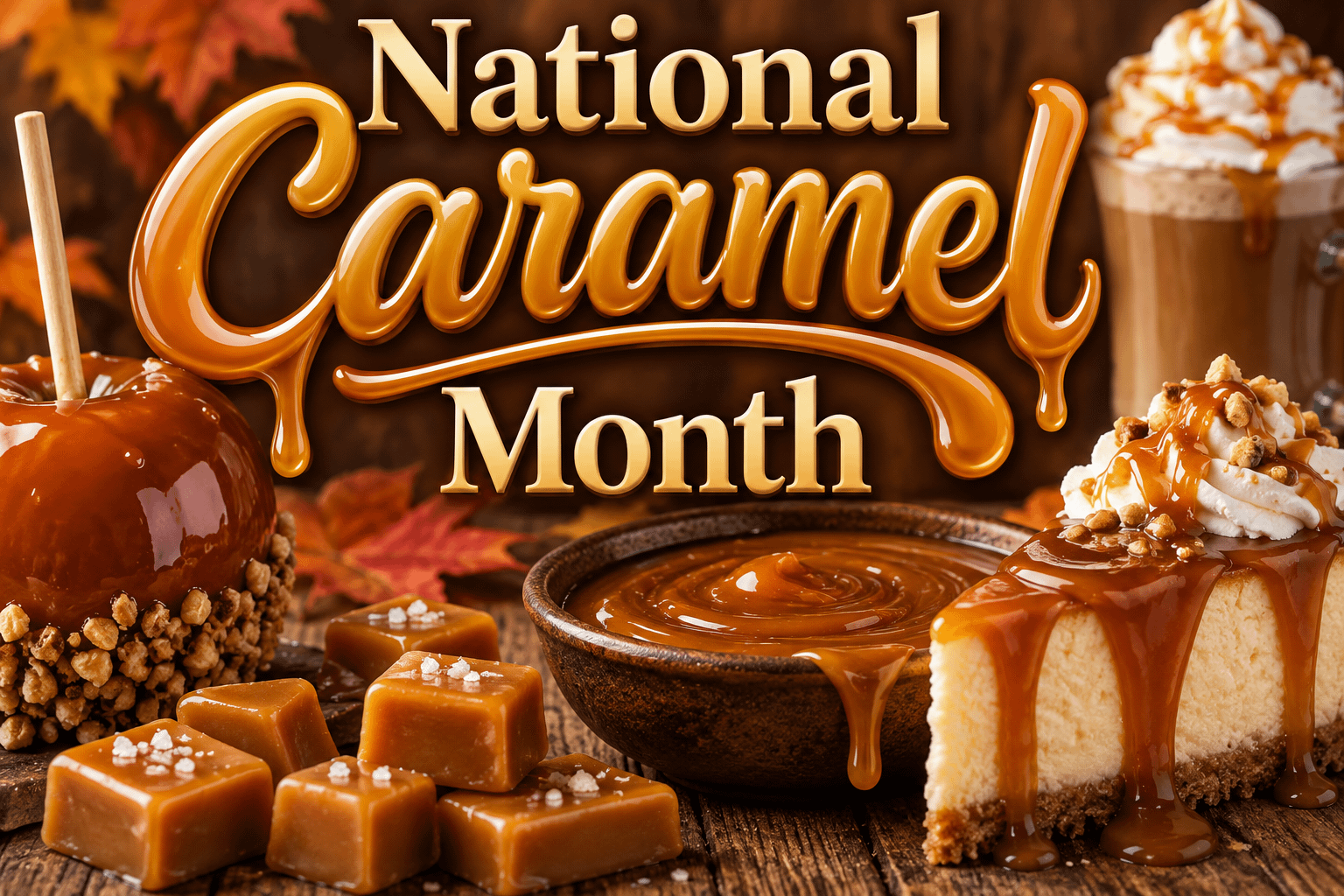
  • National Caramel Month: Celebrating the Sweet, Golden Flavor We Love

    National Caramel Month: Celebrating the Sweet, Golden Flavor We Love

    There is something unmistakably comforting about caramel. Its rich golden color, buttery sweetness, and deep toasted flavor can transform an ordinary dessert into something unforgettable. Whether it is drizzled over ice cream, wrapped around a crisp apple, swirled into coffee, baked into a cheesecake, or enjoyed as a soft and chewy candy, caramel has earned a special place in the world of sweets.

    National Caramel Month, celebrated throughout October, gives caramel lovers an entire month to enjoy this classic treat and discover new ways to use it.

    October is an especially fitting time to celebrate caramel. The arrival of cooler weather brings cravings for warm desserts, baked apples, hot drinks, cinnamon, pumpkin, chocolate, and other comforting fall flavors. Caramel pairs beautifully with nearly all of them.

    So grab your favorite caramel treat and celebrate one of the sweetest flavors around.

    What Is Caramel?

    Caramel begins with something remarkably simple: sugar.

    When sugar is heated, it gradually melts and undergoes a series of chemical reactions that change its color, aroma, and flavor. The result is the characteristic golden-to-deep-amber sweetness associated with caramel.

    Depending on how caramel is prepared, ingredients such as butter, heavy cream, milk, vanilla, or salt may be added. These additions can turn caramelized sugar into everything from a thin dessert sauce to thick caramel candy.

    The flavor can range from intensely toasted and slightly bitter to buttery, creamy, and extremely sweet.

    That versatility is one reason caramel appears in so many different foods.

    Caramel Comes in Many Forms

    When someone says “caramel,” they could be talking about several very different treats.

    There are chewy caramel candies individually wrapped and enjoyed one bite at a time. There is smooth caramel sauce poured over desserts. Hard caramelized sugar creates the brittle topping on crème brûlée, while caramel can also become a creamy filling inside chocolates.

    Then there is salted caramel, which has become one of the most popular variations. A touch of salt contrasts with the sweetness and can make the caramel’s deeper flavors stand out.

    Caramel can be soft, chewy, crunchy, gooey, creamy, or pourable.

    Few flavors are quite as versatile.

    Why Caramel and Fall Belong Together

    Caramel can be enjoyed throughout the year, but autumn seems made for it.

    One of the most recognizable fall combinations is the caramel apple. Crisp, slightly tart apples provide the perfect contrast to sweet, sticky caramel.

    But that is only the beginning.

    Caramel pairs wonderfully with many flavors associated with fall, including apples, pears, pumpkin, cinnamon, pecans, walnuts, maple, vanilla and warm spices.

    Imagine a warm apple crisp fresh from the oven with vanilla ice cream slowly melting over the top and caramel sauce drizzled across everything.

    Or picture a slice of pumpkin cheesecake finished with salted caramel and toasted pecans.

    Those are the kinds of comforting desserts that make cool autumn evenings feel a little warmer.

    The Classic Caramel Apple

    It would be difficult to celebrate caramel in October without talking about caramel apples.

    The basic idea is wonderfully simple: take a whole apple, insert a stick, and coat the fruit in warm caramel.

    But caramel apples can become much more elaborate.

    After dipping the apple in caramel, you can roll or drizzle it with chopped peanuts, pecans, crushed cookies, chocolate chips, sprinkles, shredded coconut or melted chocolate.

    You can even create a caramel apple bar at a fall gathering. Slice several varieties of apples and let everyone dip the pieces into warm caramel before adding their favorite toppings.

    It is easier to eat than a whole caramel apple and allows everyone to create their own combination.

    Caramel and Chocolate: A Perfect Partnership

    Chocolate and caramel are two flavors that seem destined to be together.

    Chocolate provides richness and sometimes a touch of bitterness, while caramel adds buttery sweetness.

    Combine the two and you get countless dessert possibilities.

    Chocolate caramel brownies, caramel-filled chocolates, chocolate caramel cheesecake, caramel chocolate cookies, chocolate-covered caramels, caramel fudge and chocolate caramel cake are only a few examples.

    Add a little sea salt and the combination becomes even more complex.

    A warm chocolate brownie topped with vanilla ice cream, caramel sauce, chocolate sauce, and a pinch of sea salt is a simple dessert that can feel incredibly indulgent.

    Salted Caramel Changed Everything

    Traditional caramel had already been popular for generations, but salted caramel introduced many people to a different way of experiencing the flavor.

    Instead of trying to make caramel purely sweet, salt provides contrast.

    The combination of sweet and salty can make caramel taste richer and more balanced. Salt can also emphasize some of the toasted notes created when sugar caramelizes.

    Today, salted caramel appears almost everywhere.

    You can find it in coffee drinks, cookies, brownies, ice cream, cupcakes, cheesecakes, candy, popcorn, milkshakes and countless other treats.

    You can also make salted caramel at home simply by adding sea salt to homemade caramel sauce.

    Caramel in Your Morning Coffee

    National Caramel Month does not have to wait until dessert.

    Caramel is one of the most popular flavors to add to coffee.

    A little caramel sauce can turn an ordinary cup of coffee into something that feels like a coffeehouse treat.

    Try combining coffee with milk or cream, caramel and a sprinkle of cinnamon. For an iced version, pour everything over ice and finish it with whipped cream and a small caramel drizzle.

    Caramel also pairs well with vanilla, chocolate, hazelnut, cinnamon and pumpkin flavors.

    During October, a caramel pumpkin coffee can bring several classic fall flavors together in one cup.

    Bake Something With Caramel

    October is a wonderful month to turn on the oven and start baking again.

    National Caramel Month provides plenty of inspiration.

    Try baking caramel apple bread, salted caramel cookies, caramel pecan brownies, caramel cinnamon rolls, apple caramel cheesecake, caramel bread pudding or a caramel pear crisp.

    You do not necessarily have to make caramel from scratch.

    Store-bought caramel sauce or individually wrapped caramels can make many recipes much easier. Melted caramel candies can be incorporated into desserts, used as fillings, or drizzled over finished baked goods.

    Even a basic boxed brownie mix can become something special when caramel is swirled through the batter before baking.

    Make Homemade Caramel Sauce

    Making caramel at home can seem intimidating, but the basic ingredients are simple.

    A typical caramel sauce uses sugar along with butter and heavy cream, often finished with vanilla and a little salt.

    The key is paying close attention to the sugar as it caramelizes. The difference between beautifully amber caramel and burned sugar can happen quickly.

    Once finished and cooled appropriately, homemade caramel sauce can be used on ice cream, pancakes, waffles, cheesecake, brownies, bread pudding, apple pie and countless other desserts.

    A jar of homemade caramel sauce can also make a thoughtful seasonal gift.

    Create a Caramel Sundae Night

    One of the easiest ways to celebrate National Caramel Month is with an ice cream sundae night.

    Start with vanilla, chocolate, coffee, or another favorite ice cream. Warm some caramel sauce and put out a collection of toppings.

    You could include chopped nuts, crushed cookies, chocolate chips, brownie pieces, pretzels, whipped cream, bananas, sliced apples, sprinkles and cherries.

    Then everyone can build their own caramel creation.

    For the ultimate version, add both hot fudge and warm caramel.

    Sometimes the simplest celebrations are the most enjoyable.

    Caramel Popcorn for Movie Night

    Caramel popcorn is another classic way to enjoy the flavor.

    The combination of crunchy popcorn and sweet caramel makes it difficult to stop after one handful.

    Make a large bowl for a movie night or fall gathering.

    You can also create your own snack mix by combining caramel popcorn with pretzels, nuts, chocolate candies, cereal pieces or mini marshmallows.

    The sweet-and-salty combination makes it especially addictive.

    Caramel for Breakfast

    Caramel may normally be considered a dessert flavor, but National Caramel Month gives you an excuse to experiment.

    Try caramel apple pancakes topped with sautéed cinnamon apples and a light caramel drizzle.

    French toast can be topped with bananas, pecans and caramel.

    Caramel cinnamon rolls can turn an ordinary weekend morning into something special.

    You could even make an apple-caramel oatmeal by adding diced apples, cinnamon and a modest drizzle of caramel sauce.

    It may not be an everyday breakfast, but celebrations are supposed to be fun.

    Host a Caramel Dessert Party

    If you really love caramel, dedicate an entire dessert table to it.

    Invite friends or family members and ask everyone to bring something featuring caramel.

    One person might bring caramel brownies. Another could make caramel apple cheesecake. Someone else might bring caramel popcorn, caramel cookies or chocolate-covered caramels.

    Add coffee, hot chocolate and apple cider to complete the fall atmosphere.

    It is a simple theme that offers almost endless possibilities.

    Easy Ways to Celebrate National Caramel Month

    You do not need an elaborate celebration. Pick one or two caramel experiences throughout October and enjoy them.

    You could make homemade caramel sauce, visit a local candy shop, dip caramel apples with your family, bake salted caramel cookies, add caramel to your coffee, make caramel popcorn for movie night, try a new caramel dessert, or surprise someone with their favorite caramel candy.

    National food celebrations are ultimately about having a little fun and enjoying flavors that bring people together.

    A Flavor Connected to Memories

    Food has an incredible ability to bring memories rushing back.

    Sometimes a particular flavor reminds us of childhood, family gatherings, holidays, fairs, festivals, or people we love.

    Caramel can carry many of those memories.

    Maybe it reminds you of getting a caramel apple at a fall festival.

    Perhaps it was the caramel candies your grandparents always kept in a bowl.

    Maybe it is the smell of an apple pie baking in the kitchen or the sundae your family made on Friday nights.

    These memories are part of what makes food meaningful.

    We are not simply tasting sugar, butter, chocolate, apples, or spices.

    We are sometimes tasting moments from our lives.

    Celebrate the Sweetness of October

    October brings cooler evenings, changing leaves, pumpkins, Halloween celebrations, warm drinks, and plenty of opportunities to gather around the table.

    National Caramel Month fits perfectly into that atmosphere.

    You can keep things simple with a piece of caramel candy or go all out with a homemade salted caramel cheesecake. You can dip apples with your children, make caramel popcorn for a movie, bake something for a neighbor, or sit down with a caramel coffee and enjoy a quiet autumn morning.

    There is no single correct way to celebrate.

    Caramel has been enjoyed in countless forms because something so simple can become incredibly delicious. Sugar, heat, and a few additional ingredients can create a flavor that is sweet, buttery, toasted, comforting, and unmistakable.

    So throughout October, give yourself permission to enjoy a little extra sweetness.

    Try a new recipe. Revisit an old favorite. Share a dessert with someone you care about. Make a batch of caramel apples. Pour a little caramel over your ice cream.

    And celebrate National Caramel Month one delicious bite at a time.

    What is your favorite way to enjoy caramel—caramel apples, salted caramel, candy, coffee, ice cream, or something completely different?

  • I’m Just Me Because Month: Celebrating the Freedom to Be Yourself

    I’m Just Me Because Month: Celebrating the Freedom to Be Yourself

    There is something powerful about being able to look at yourself and say, “This is who I am.”

    Not who other people expect you to be. Not who society tells you that you should become. Not the version of yourself you created simply to make everyone else comfortable.

    Just you.

    I’m Just Me Because Month, observed during October, is a celebration of individuality, authenticity, self-acceptance, and the freedom to embrace the person you truly are. It encourages us to stop measuring our lives against everyone else’s and recognize that we don’t need to justify every part of who we are.

    Sometimes the best explanation for why you think, dream, laugh, love, create, dress, speak, or live the way you do is incredibly simple:

    I’m just me because I’m me.

    And that is enough.

    What Is I’m Just Me Because Month?

    I’m Just Me Because Month is centered around the idea that individuality should be celebrated rather than hidden.

    Every person carries a combination of experiences, memories, personality traits, strengths, weaknesses, interests, dreams, fears, and beliefs that makes them different from everyone else.

    Yet many people spend enormous amounts of energy trying to fit in.

    We compare ourselves with friends.

    We compare careers.

    We compare relationships.

    We compare appearances.

    We compare houses, cars, vacations, families, accomplishments, social media followers, and almost every other measurable part of life.

    Eventually, comparison can make us feel as though being ourselves isn’t enough.

    This month offers a different message:

    You don’t have to become someone else to have value.

    You can continue growing and improving while still accepting yourself today.

    You Were Never Supposed to Be Everyone Else

    Imagine how boring the world would be if everyone thought the same way, enjoyed the same things, pursued the same dreams, and had exactly the same personality.

    Our differences make life interesting.

    Some people are naturally outgoing. Others prefer quiet conversations with a few people they trust.

    Some people dream about traveling the world. Others dream about building a peaceful life close to home.

    Some people want to lead businesses. Others want to create art, raise families, teach children, serve their communities, build things, cook meals, write stories, or simply live meaningful lives surrounded by people they love.

    There isn’t one correct blueprint for a fulfilling life.

    Your path doesn’t have to resemble someone else’s path to matter.

    Stop Apologizing for Being Yourself

    Many people learn to apologize for parts of themselves.

    “Sorry, I’m quiet.”

    “Sorry, I’m emotional.”

    “Sorry, I talk too much.”

    “Sorry, I’m different.”

    “Sorry, I don’t like that.”

    “Sorry, I need some time alone.”

    Of course, apologizing is important when we genuinely hurt someone or make a mistake.

    But being yourself isn’t automatically something requiring an apology.

    You are allowed to have preferences.

    You are allowed to establish boundaries.

    You are allowed to change your mind.

    You are allowed to enjoy things other people don’t understand.

    You are allowed to walk away from situations that aren’t healthy for you.

    And you are allowed to become a different version of yourself as you grow.

    Authenticity Doesn’t Mean Refusing to Grow

    Self-acceptance sometimes gets confused with refusing to change.

    They aren’t the same thing.

    Saying, “This is who I am,” doesn’t mean saying, “I will never improve.”

    Growth is part of being human.

    We make mistakes. We learn. We mature. We discover things about ourselves that we didn’t understand years ago.

    Sometimes growth requires admitting that certain habits, behaviors, or attitudes aren’t helping us anymore.

    You can love yourself while working on yourself.

    You can accept yourself while acknowledging your weaknesses.

    You can be proud of how far you’ve come while recognizing that you still have somewhere to go.

    Authenticity means the growth belongs to you.

    You’re changing because you want to become healthier, wiser, kinder, stronger, or more fulfilled—not simply because someone wants you to become a copy of them.

    Stop Comparing Your Journey

    Comparison can steal happiness incredibly quickly.

    You might feel satisfied with your life until you see someone else’s.

    Suddenly their success makes your accomplishments feel smaller.

    Their relationship makes yours seem inadequate.

    Their home makes yours seem unimpressive.

    Their appearance makes you question your own.

    Their progress makes you wonder why you’re supposedly falling behind.

    But you’re comparing your entire life with a small portion of theirs.

    Especially online.

    Social media often shows celebrations without struggles, accomplishments without failures, smiles without tears, and destinations without the difficult journey required to reach them.

    Your life isn’t behind because someone else reached something before you.

    Life isn’t a race where everyone starts at the same place and follows the same course.

    Your timeline belongs to you.

    Your Imperfections Are Part of Your Story

    Most of us can easily identify things we’d like to change about ourselves.

    Maybe there are mistakes you wish you could erase.

    Maybe there are opportunities you wish you’d taken.

    Maybe there are relationships you wish you’d handled differently.

    Maybe you’ve experienced failure.

    Maybe life has left scars—some visible and others known only to you.

    Being yourself doesn’t mean pretending those things never happened.

    It means understanding that your past helped create the person standing here today.

    Your mistakes can teach you.

    Your failures can humble you.

    Your heartbreak can deepen your compassion.

    Your struggles can reveal strength you didn’t know you possessed.

    Your scars don’t necessarily make you less valuable.

    Sometimes they simply prove you’ve lived.

    You Don’t Need Everyone to Understand You

    One of the hardest lessons in life is realizing that not everyone will understand you.

    Some people won’t understand your dreams.

    Some won’t understand your personality.

    Others won’t understand why certain things matter so deeply to you.

    You could spend your entire life explaining yourself and still never receive everyone’s approval.

    That’s exhausting.

    There comes a point when you have to decide whose life you’re living.

    You can listen to advice. You can learn from criticism. You can consider other perspectives.

    But ultimately, you have to live with the choices you make.

    Trying to satisfy everyone usually results in losing pieces of yourself along the way.

    Find the People Who Appreciate the Real You

    Being yourself becomes easier when you’re surrounded by people who don’t constantly make you feel like you need to perform.

    Healthy relationships create room for honesty.

    You don’t have to pretend everything is perfect.

    You don’t have to hide every insecurity.

    You don’t have to carefully calculate every word because you’re terrified that revealing the real you will cause someone to leave.

    The right people may challenge you when necessary, but they won’t require you to erase your personality to earn their acceptance.

    They appreciate your laughter.

    Your strange sense of humor.

    Your passions.

    Your stories.

    Your quirks.

    Your quiet moments.

    Even some of those little things about yourself that you once believed nobody would understand.

    Those relationships remind us that authenticity can create deeper connections than pretending ever could.

    Give Other People the Same Freedom

    Celebrating individuality isn’t only about accepting yourself.

    It’s also about allowing other people to be themselves.

    Sometimes we expect others to think, behave, or communicate exactly as we would.

    But people experience life differently.

    Someone else’s personality doesn’t have to make sense to you before you respect it.

    Their interests don’t need your approval.

    Their dreams don’t need to match yours.

    Their way of expressing happiness may look completely different from yours.

    Acceptance works both ways.

    When we want the freedom to be ourselves, we should be willing to give others room to be themselves too—provided that individuality isn’t being used as an excuse to mistreat others.

    Rediscover Who You Are

    Sometimes life changes us so much that we lose track of ourselves.

    Responsibilities pile up.

    Relationships change.

    Careers consume our attention.

    People leave.

    Dreams change.

    Loss happens.

    Years pass.

    One day, you might realize you’ve spent so much time surviving, working, helping others, or meeting expectations that you’ve forgotten what actually makes you happy.

    I’m Just Me Because Month can become an opportunity to rediscover that person.

    Ask yourself:

    What makes me laugh?

    What brings me peace?

    What do I enjoy doing when nobody else is watching?

    What dreams have I abandoned?

    What parts of myself have I hidden because I was worried about being judged?

    What would I try if I wasn’t afraid of failing?

    You might be surprised by your answers.

    Celebrate the Little Things That Make You Different

    Individuality isn’t always something dramatic.

    Sometimes it’s found in tiny details.

    Maybe you put ketchup on something everyone insists shouldn’t have ketchup.

    Maybe you love terrible movies.

    Maybe you sing loudly while driving.

    Maybe you collect unusual objects.

    Maybe you tell corny jokes.

    Maybe you prefer staying home on Friday night.

    Maybe you love waking up before sunrise.

    Maybe your music playlist jumps from country to rock to classical music without warning.

    Those little preferences are pieces of your personality.

    Life becomes much more enjoyable when we stop worrying whether every harmless thing we enjoy looks cool to somebody else.

    Ways to Celebrate I’m Just Me Because Month

    There doesn’t have to be an elaborate celebration. Instead, use the month as an opportunity to practice greater self-awareness and self-acceptance.

    Try doing something you’ve always wanted to do without worrying whether anyone else thinks it’s interesting.

    Write down ten things you genuinely like about yourself.

    Spend less time comparing your life with social media.

    Reconnect with an old hobby.

    Wear something that makes you feel confident.

    Set a boundary you’ve been afraid to establish.

    Tell someone what you genuinely appreciate about their personality.

    Forgive yourself for an old mistake you’ve been carrying for too long.

    Most importantly, spend some time getting comfortable with the person you see in the mirror.

    You Are More Than Other People’s Opinions

    People will have opinions about you.

    Some will be fair.

    Some won’t.

    Some will come from people who genuinely care about you.

    Others will come from people who barely know you.

    If you build your identity entirely around other people’s opinions, your sense of worth will constantly change depending on who happens to be speaking.

    Instead, learn who you are.

    Know what you value.

    Understand what matters to you.

    Recognize your strengths.

    Acknowledge your weaknesses.

    Learn from your mistakes.

    And continue becoming the person you want to be.

    When you know yourself, other people’s opinions don’t automatically disappear—but they no longer have to define you.

    Becoming Comfortable in Your Own Skin

    There is tremendous freedom in reaching the point where you don’t feel the need to constantly prove yourself.

    You don’t need to be the funniest person in the room.

    The richest.

    The most successful.

    The most attractive.

    The most popular.

    You don’t need everyone to notice you.

    Sometimes peace comes from realizing you don’t have to win a competition you were never required to enter.

    You can simply live.

    Love people.

    Learn things.

    Make mistakes.

    Laugh.

    Cry.

    Create memories.

    Help someone.

    Chase dreams.

    Change directions.

    Start over.

    And enjoy whatever time you’re given.

    I’m Just Me Because I’m Me

    Maybe that’s ultimately what this month represents.

    You don’t need a complicated explanation for every part of yourself.

    You are the result of everything you’ve experienced—the beautiful moments, painful moments, victories, failures, people you’ve loved, people you’ve lost, dreams you’ve chased, mistakes you’ve made, and lessons you’ve learned along the way.

    You’re still changing.

    You’re still learning.

    You’re still becoming.

    But right now, at this moment, you’re you.

    And there is only one person on Earth who can live your particular life.

    You.

    So during I’m Just Me Because Month, give yourself permission to stop trying to become everybody else’s idea of who you should be.

    Improve where you need to improve.

    Apologize when you’ve done something wrong.

    Learn from your mistakes.

    Treat people with kindness.

    Keep growing.

    But don’t lose yourself trying to earn acceptance from everyone around you.

    Stand confidently in your individuality.

    Celebrate what makes you different.

    Give others the freedom to do the same.

    And when someone wonders why you’re exactly the person you are, maybe you don’t need an elaborate answer.

    Sometimes the answer can simply be:

    I’m just me because I’m me.

    And maybe that’s one of the most freeing things you can ever learn to say.

    What is one thing about yourself that you’ve finally learned to accept, appreciate, or even love?

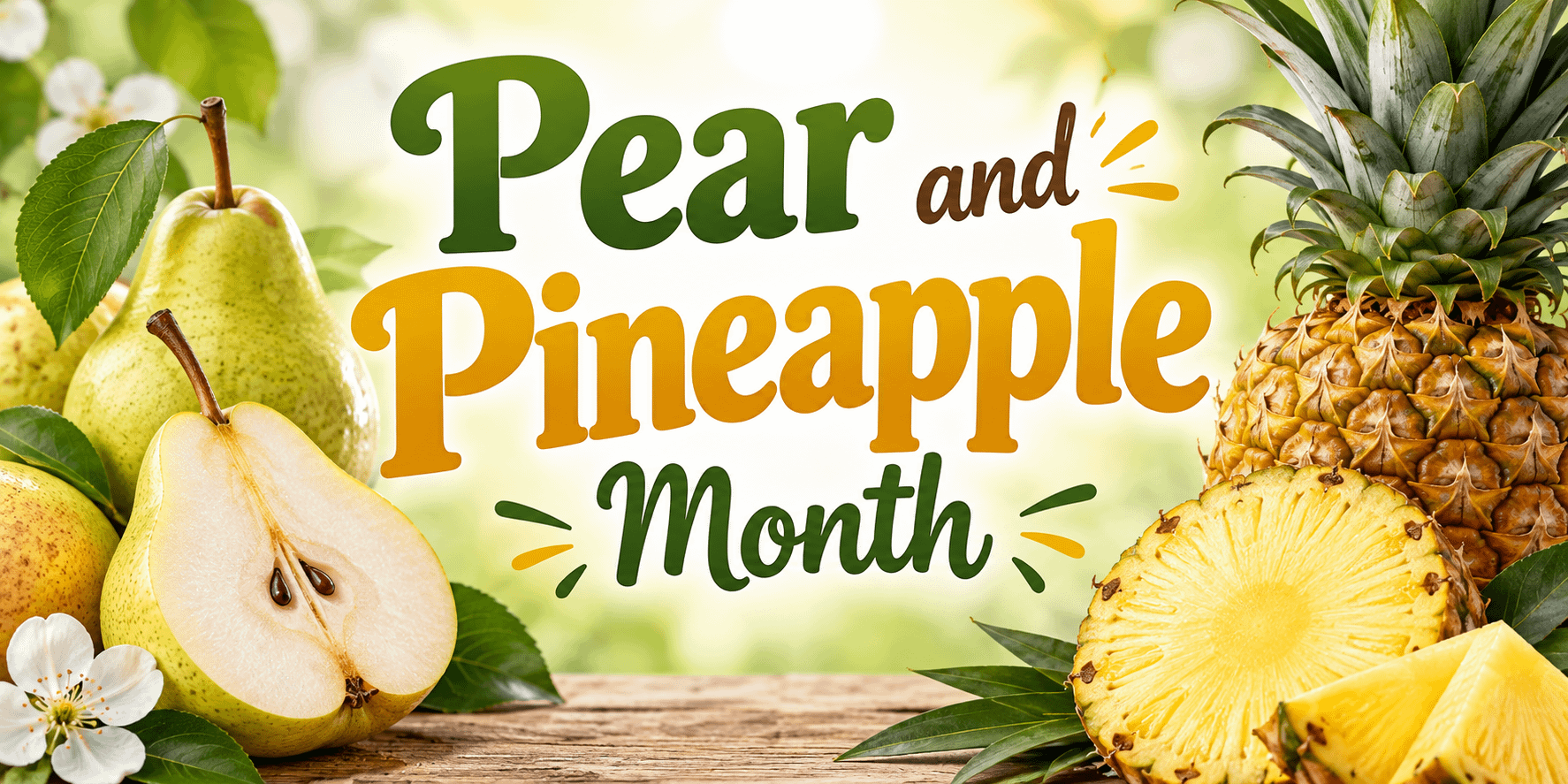
  • Pear and Pineapple Month: Celebrating Two Sweet and Delicious Fruits

    Pear and Pineapple Month: Celebrating Two Sweet and Delicious Fruits

    Some fruits are best known for being refreshing, others for their sweetness, and others for the many ways they can be used in the kitchen. Pears and pineapples manage to bring all of those qualities together.

    Pear and Pineapple Month is a wonderful opportunity to appreciate two fruits that may seem very different but have plenty in common. Both are naturally sweet, versatile, nutritious, and delicious whether eaten fresh or incorporated into recipes.

    Pears bring a soft, delicate sweetness that fits perfectly with the cooler days of fall. Pineapples provide a bright tropical flavor that can make almost any day feel a little warmer.

    From breakfast and desserts to salads, drinks, sauces, and savory meals, there are countless ways to enjoy these two fruits.

    Two Fruits From Very Different Worlds

    One of the interesting things about celebrating pears and pineapples together is just how different they are.

    Pears grow on trees and have been cultivated for thousands of years. Their soft flesh and mild sweetness have made them popular throughout many parts of the world.

    Pineapples are tropical plants. Instead of growing on trees, the fruit develops from a cluster of flowers on a relatively low-growing plant. Its distinctive appearance, juicy interior, and sweet-tart flavor have made pineapple one of the world’s most recognizable tropical fruits.

    Put the two together, and you get an interesting celebration of the incredible variety nature provides.

    The Beauty of the Pear

    Pears sometimes don’t receive as much attention as apples, oranges, bananas, or berries, but they deserve a place among our favorite fruits.

    A properly ripened pear has a wonderfully tender texture and naturally sweet flavor. Depending on the variety, it may taste floral, buttery, crisp, juicy, or slightly spicy.

    There are numerous varieties of pears, including Bartlett, Anjou, Bosc, Comice, and Asian pears.

    Each brings something different to the table.

    Bartlett pears are juicy and sweet, making them excellent for eating fresh and using in desserts. Bosc pears tend to have firmer flesh and hold their shape particularly well when baked or poached. Asian pears are noticeably crisp and can almost resemble an apple in texture.

    Trying several varieties during Pear and Pineapple Month can help you discover just how diverse pears really are.

    The Tropical Flavor of Pineapple

    Pineapple has an entirely different personality.

    Cut into a ripe pineapple and you’re greeted with a juicy golden interior and an unmistakable tropical aroma.

    Its flavor combines sweetness with noticeable acidity, which is one reason pineapple works in so many different dishes.

    It can provide sweetness in desserts while adding acidity and brightness to savory foods.

    Fresh pineapple can be enjoyed by itself, added to fruit salads, blended into smoothies, grilled, incorporated into salsa, or used as part of a marinade.

    And, of course, pineapple has earned a famously controversial place as a pizza topping.

    Whether you love pineapple on pizza or wouldn’t let it anywhere near your slice, there is no denying that people have strong opinions about it.

    Nutritional Benefits of Pears

    Pears aren’t just delicious.

    They’re also a nutritious addition to a balanced diet.

    A medium pear provides dietary fiber along with vitamin C and other nutrients. Much of a pear’s fiber is associated with its skin, so eating the fruit unpeeled after washing it is an easy way to enjoy more of what the fruit naturally provides.

    Fiber is particularly important because it contributes to normal digestive health and can help make meals and snacks more satisfying.

    Pears also contain plenty of water, making fresh fruit an enjoyable way to add variety to a diet.

    Instead of thinking about individual foods as miracle ingredients, it’s more useful to see fruits such as pears as part of an overall eating pattern built around variety and balance.

    Nutritional Benefits of Pineapple

    Pineapple has its own nutritional strengths.

    It is particularly known as a source of vitamin C and also provides manganese along with smaller amounts of other nutrients.

    Pineapple naturally contains bromelain, a group of enzymes capable of breaking down proteins. This characteristic is one reason fresh pineapple can behave differently from many other fruits when used in cooking.

    It is also why fresh pineapple is sometimes used in marinades.

    Like pears, pineapple contains water and fiber, although the amount of fiber depends on how the fruit is prepared.

    Eating whole pieces of pineapple generally preserves more fiber than drinking pineapple juice.

    Fresh Fruit Makes a Simple Snack

    You don’t need a complicated recipe to celebrate Pear and Pineapple Month.

    Sometimes the easiest option is the best.

    Slice a ripe pear and enjoy it on its own. Cut fresh pineapple into chunks and refrigerate them for a refreshing snack.

    You could also combine the two.

    Try a fruit bowl containing diced pear, pineapple, strawberries, blueberries, grapes, oranges, or whatever other fruits you have available.

    A little fresh lime juice can provide an additional burst of flavor.

    Pear and Pineapple Breakfast Ideas

    Breakfast offers plenty of opportunities to use both fruits.

    Add diced pears to oatmeal with cinnamon, walnuts, and a drizzle of honey. Pear slices also work wonderfully on toast with nut butter.

    Pineapple can be blended into smoothies with banana, mango, strawberries, or Greek yogurt.

    For something more substantial, make a yogurt parfait with alternating layers of yogurt, granola, pears, and pineapple.

    You can even make a tropical oatmeal bowl by combining pineapple with coconut and banana.

    Breakfast doesn’t always need to be complicated. Adding fresh fruit to something you already eat can completely change the flavor.

    Bake Something With Pears

    Pears are fantastic for baking because heat intensifies their natural sweetness and softens their texture.

    Some delicious ideas include:

    • Pear crisp
    • Pear cobbler
    • Pear cake
    • Pear muffins
    • Pear bread
    • Pear turnovers
    • Pear pie
    • Cinnamon-baked pears
    • Pear cheesecake
    • Pear bread pudding

    One of the easiest desserts is simply a baked pear.

    Cut the pear in half, remove the core, sprinkle it with cinnamon, and bake until tender. Add chopped nuts, oats, yogurt, or a small amount of honey if desired.

    It proves that dessert doesn’t necessarily need dozens of ingredients to be satisfying.

    Make a Tropical Pineapple Dessert

    Pineapple is equally comfortable at the dessert table.

    Pineapple upside-down cake may be one of the most recognizable pineapple desserts, but that’s only the beginning.

    You could make pineapple coconut cake, pineapple cheesecake, pineapple sorbet, pineapple muffins, pineapple bread, grilled pineapple, or pineapple parfaits.

    Grilled pineapple is particularly simple.

    Heat transforms the fruit, concentrating some of its sweetness while adding lightly caramelized flavors.

    Serve grilled pineapple by itself or pair it with yogurt, ice cream, cinnamon, toasted coconut, or other fruit.

    Combine Pear and Pineapple

    Why choose one when you can use both?

    Pears and pineapples can work surprisingly well together because the mild sweetness of pear balances pineapple’s stronger sweet-and-tart personality.

    Try combining them in a homemade fruit salsa.

    Dice pear and pineapple and mix them with lime juice and other ingredients such as red onion, cilantro, or jalapeño, depending on the flavor you’re looking for.

    For a sweeter version, leave out the savory ingredients and combine the fruits with berries, mango, or citrus.

    Pear and pineapple can also be combined in smoothies, fruit salads, baked desserts, chutneys, and homemade sauces.

    Add Fruit to Savory Meals

    Fruit doesn’t belong exclusively in desserts.

    Pears work beautifully in salads, particularly when paired with leafy greens, nuts, cheese, and vinaigrette.

    Try sliced pear with spinach, walnuts, and crumbled cheese for a combination of sweet, savory, creamy, and crunchy textures.

    Pineapple is famous for crossing into savory territory.

    It can be incorporated into salsa, stir-fries, rice dishes, tacos, barbecue sauces, and grilled meals.

    The sweetness of pineapple can complement smoky, spicy, salty, and tangy flavors.

    That’s one reason pineapple works especially well with barbecue-style dishes.

    Blend a Pear-Pineapple Smoothie

    One easy way to celebrate the month is with a smoothie featuring both fruits.

    Combine pear, pineapple, banana, yogurt, and ice in a blender. Add milk or your preferred alternative until you reach the consistency you like.

    For additional tropical flavor, add mango or coconut.

    For something greener, blend in a handful of spinach. Its mild flavor can disappear surprisingly well behind the sweetness of the fruit.

    Smoothies are also a convenient way to experiment. Adjust the ingredients until you create your own favorite combination.

    How to Tell When a Pear Is Ripe

    Choosing ripe fruit makes an enormous difference.

    Many pears ripen after harvesting. One common method for checking ripeness is to gently press near the neck of the pear with your thumb.

    If it yields slightly, the pear may be ready to eat.

    If it is extremely hard, give it additional time at room temperature.

    Once pears reach your preferred ripeness, refrigeration can help slow further ripening.

    Don’t wait until the entire fruit becomes extremely soft. Depending on the variety, that can mean you’ve waited too long.

    Choosing a Pineapple

    Picking a pineapple can sometimes feel like a guessing game.

    Look for fruit that appears fresh and healthy rather than dried out or badly damaged. A ripe pineapple often gives off a pleasant sweet aroma near its base.

    The exterior color can vary depending on the variety and growing conditions, so color alone isn’t always a perfect indicator.

    The fruit should generally feel firm rather than excessively soft.

    Once you cut into it, the flesh should look juicy and inviting.

    Reduce Food Waste

    Celebrating fruits is also an opportunity to think about reducing food waste.

    If pears are becoming too ripe to eat the way you normally prefer them, don’t immediately throw them away.

    Use them in smoothies, sauces, baked goods, oatmeal, or desserts.

    Extra pineapple can be frozen for future smoothies or frozen treats.

    Cut fruit into manageable pieces, freeze it, and transfer the frozen pieces into an appropriate freezer container.

    Later, you have fruit ready whenever you’re craving a smoothie.

    Finding ways to use ripe produce instead of discarding it saves food and money.

    Try Something You’ve Never Made Before

    Monthly food celebrations can be more than an excuse to eat something delicious.

    They can encourage experimentation.

    Maybe you’ve eaten pears your entire life but have never tried poaching them.

    Maybe you regularly buy pineapple but have never grilled it.

    Perhaps you’ve never made homemade pineapple salsa or baked pears with cinnamon.

    Choose one recipe or preparation method you’ve never attempted before.

    You may discover a new favorite.

    Make It a Family Activity

    Pear and Pineapple Month can also become a simple family activity.

    Visit a grocery store or farmers market and look for different varieties of pears. Bring several home and hold a taste test.

    Cut each variety into slices and compare sweetness, texture, aroma, and juiciness.

    You can do something similar with pineapple products by comparing fresh pineapple with frozen or canned versions.

    Children can participate in preparing fruit bowls, parfaits, smoothies, or other age-appropriate recipes with adult supervision.

    Food becomes more interesting when people participate in preparing it.

    A Celebration of Simple Foods

    We often spend so much time searching for complicated recipes that we overlook the pleasure of simple ingredients.

    A perfectly ripe pear doesn’t require much improvement.

    Neither does a juicy piece of fresh pineapple.

    Both remind us that some of the most enjoyable foods are naturally simple.

    At the same time, their versatility means you can transform them into countless dishes whenever you want something more creative.

    That combination makes Pear and Pineapple Month worth celebrating.

    Celebrate Pear and Pineapple Month Your Way

    There isn’t one correct way to participate.

    Enjoy a pear with breakfast.

    Cut pineapple for an afternoon snack.

    Bake a pear crisp.

    Make pineapple salsa.

    Blend the two fruits into a smoothie.

    Grill pineapple at your next cookout.

    Try a pear variety you’ve never tasted.

    Create a tropical fruit salad for your family.

    Or invent an entirely new recipe combining both fruits.

    The purpose of a food celebration doesn’t have to be complicated. Sometimes it’s simply an invitation to appreciate foods we may normally walk past without giving them much thought.

    Final Thoughts

    Pear and Pineapple Month brings together two fruits from very different culinary worlds.

    Pears offer delicate sweetness, satisfying texture, and wonderful possibilities for everything from fresh snacks to comforting fall desserts. Pineapples deliver bold tropical flavor and an impressive ability to move between sweet and savory recipes.

    Together, they remind us how much variety can come from something as simple as fruit.

    So during Pear and Pineapple Month, bring home a few pears and a fresh pineapple. Eat them as they are, experiment with a new recipe, add them to breakfast, bake something sweet, or combine them into your own creation.

    Sometimes celebrating the season can be as simple as cutting into a piece of fresh fruit and enjoying what nature has provided.

    Which do you prefer—the soft sweetness of a ripe pear or the bright tropical flavor of pineapple?

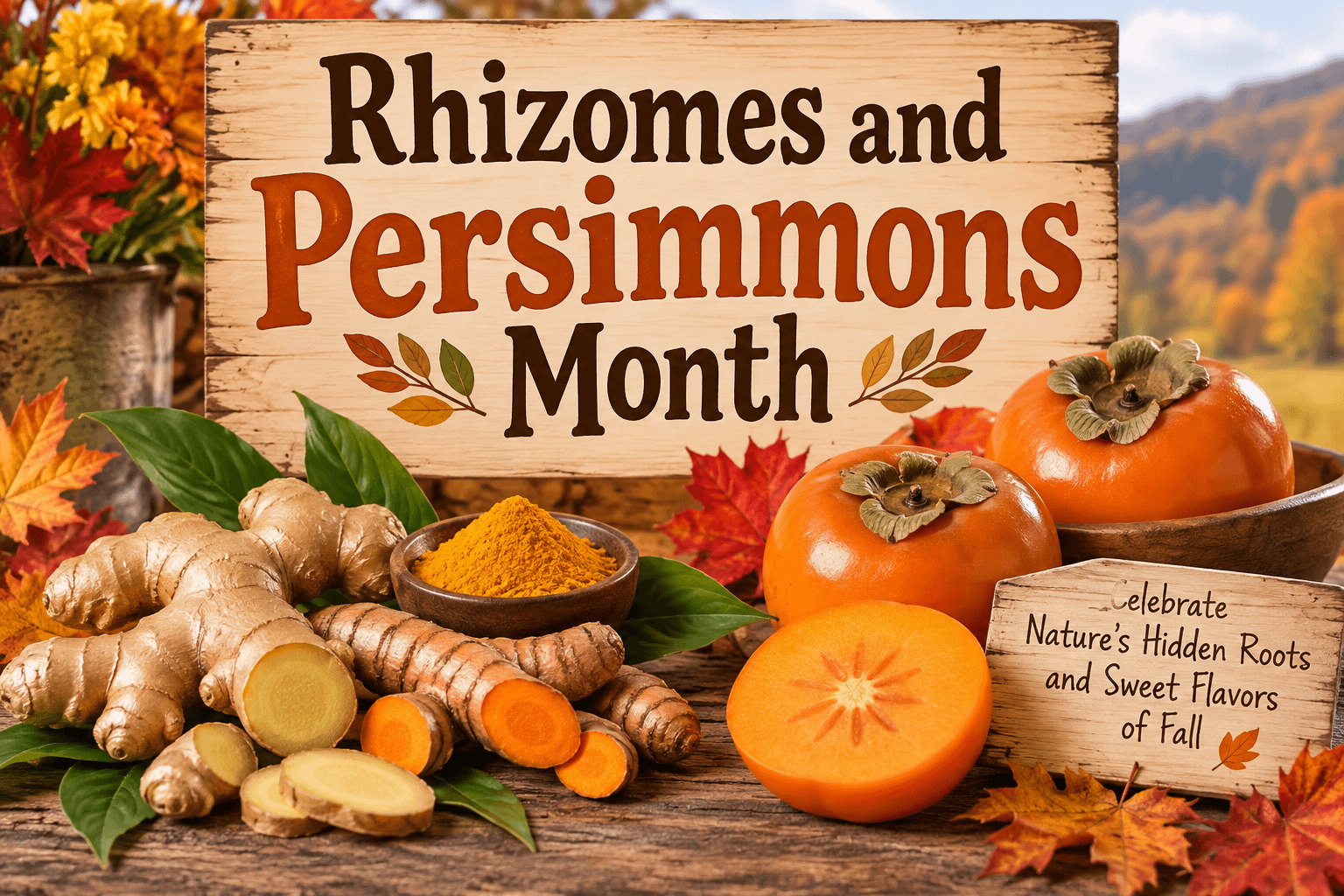
  • Rhizomes and Persimmons Month: Celebrating the Hidden Roots and Sweet Flavors of Fall

    Rhizomes and Persimmons Month: Celebrating the Hidden Roots and Sweet Flavors of Fall

    October is filled with the colors, aromas, and flavors of autumn. Pumpkins appear on porches, apples fill farmers markets, and comforting spices begin making their way into everything from baked goods to warm drinks. But among October’s many food celebrations is one of the more unusual observances of the season: Rhizomes and Persimmons Month.

    Observed throughout October, Rhizomes and Persimmons Month celebrates two very different groups of foods. Rhizomes grow largely underground and include familiar culinary ingredients such as ginger and turmeric, while persimmons grow on trees and become brilliant orange fruits as autumn arrives.

    At first, they may seem like an unlikely combination. One hides beneath the soil while the other hangs brightly from tree branches. One often brings spice, warmth, and earthiness to recipes, while the other offers natural sweetness.

    Together, however, they provide a wonderful reminder of just how diverse the fall harvest can be.

    What Exactly Is a Rhizome?

    The word rhizome may sound unfamiliar, but chances are you have eaten one many times.

    A rhizome is a modified underground plant stem. Unlike an ordinary root, a rhizome can produce new shoots and roots from its nodes. Plants use these underground structures to store nutrients and spread.

    Some rhizomes have also become important culinary ingredients.

    Two of the best-known edible examples are ginger and turmeric. Ginger is valued for its distinctive spicy, slightly citrusy flavor, while turmeric is famous for its earthy flavor and brilliant golden-yellow color. Both have important places in cuisines around the world.

    Other plants that grow from rhizomes include certain varieties of bamboo, lotus, galangal, and many ornamental plants.

    It is important, however, not to assume that every rhizome is edible. Some plants with rhizomes should never be eaten, so proper identification matters.

    Ginger: One of the World’s Most Versatile Rhizomes

    Ginger may be the perfect ingredient to experiment with during Rhizomes and Persimmons Month.

    Fresh ginger has a powerful aroma and a flavor that can be simultaneously spicy, warm, citrusy, and slightly sweet. That complexity allows it to work in an enormous range of recipes.

    Fresh ginger can be grated into stir-fries, curries, marinades, soups, sauces, and salad dressings. It can also be steeped in hot water for tea.

    Then there is ginger’s sweeter side.

    Gingerbread, ginger cookies, pumpkin desserts, cakes, muffins, and other fall treats frequently use ground ginger to create the warm flavor people associate with cooler weather.

    October is therefore an ideal time to rediscover ginger.

    Try adding freshly grated ginger to an ordinary recipe and notice how quickly its aroma transforms the dish.

    Turmeric: The Golden Rhizome

    Turmeric is another rhizome that deserves attention this month.

    Its brilliant golden color makes it immediately recognizable. Turmeric is commonly dried and ground into a powder and is widely used in Indian, Middle Eastern, Southeast Asian, and other cuisines.

    Turmeric can be incorporated into curries, rice dishes, soups, roasted vegetables, marinades, sauces, and beverages.

    Fresh turmeric can also be used much like fresh ginger, although its intense color can easily stain cutting boards, clothing, countertops, and hands.

    One of the joys of Rhizomes and Persimmons Month is simply becoming more adventurous with ingredients such as turmeric. You don’t necessarily need an elaborate recipe. Something as simple as adding turmeric to roasted vegetables or experimenting with it in a soup can introduce an entirely different flavor profile.

    What Are Persimmons?

    If rhizomes represent the hidden side of the autumn harvest, persimmons represent its colorful side.

    Persimmons are beautiful fruits that often develop striking orange or reddish-orange colors as they ripen.

    Their flavor can range from mildly sweet to incredibly rich and almost honey-like depending on the variety and ripeness.

    Two varieties you’re particularly likely to encounter are Fuyu and Hachiya persimmons.

    Fuyu persimmons are generally squat and rounded. They can be eaten while still relatively firm and have a crisp texture that makes them easy to slice and enjoy much like an apple.

    Hachiya persimmons are more elongated or heart-shaped. They are highly astringent before fully ripening and are generally enjoyed when extremely soft, at which point the flesh develops a rich, almost custard-like texture.

    Knowing which variety you purchased can make the difference between a delicious experience and a surprisingly unpleasant one.

    Why Some Persimmons Make Your Mouth Feel Dry

    Anyone who has bitten into an unripe astringent persimmon probably remembers the experience.

    Instead of the sweetness you expected, your mouth suddenly feels incredibly dry and puckered.

    That sensation comes from tannins in the fruit.

    As an astringent persimmon ripens, its character changes dramatically. What was once unpleasantly puckering becomes wonderfully soft and sweet.

    Waiting for a Hachiya persimmon to become properly ripe requires patience, but the transformation is part of what makes the fruit fascinating.

    Fuyu persimmons offer a much easier introduction because they can usually be enjoyed while firm.

    Enjoying Persimmons Fresh

    Sometimes the simplest way to celebrate seasonal produce is the best.

    Wash a ripe persimmon, slice it, and taste it on its own.

    Fuyu persimmons are particularly convenient for snacking. Slice them into wedges or thin rounds and enjoy them plain.

    They can also be added to a fall fruit plate alongside apples, pears, grapes, and pomegranate seeds.

    Try adding sliced persimmon to yogurt or oatmeal in the morning.

    You can also combine persimmons with greens, nuts, cheese, and a tangy dressing for an autumn salad.

    The fruit’s vibrant orange color makes even simple dishes look like something created specifically for fall.

    Baking With Persimmons

    Persimmons can become even more interesting when used in desserts.

    Soft persimmon pulp can be incorporated into breads, muffins, cakes, puddings, cookies, and other baked goods.

    Its natural sweetness and moisture can give baked desserts a rich texture.

    Persimmon bread is an especially fitting October or November treat. Add familiar fall spices such as cinnamon, nutmeg, ginger, or cloves and the kitchen quickly begins smelling like autumn.

    You can also experiment with persimmon muffins, persimmon cake, persimmon cookies, or homemade preserves.

    For someone who has never cooked with persimmons, Rhizomes and Persimmons Month provides the perfect excuse to try.

    When Rhizomes Meet Persimmons

    Perhaps the most interesting way to celebrate the month is to bring its two stars together.

    Ginger and persimmon naturally complement each other.

    Persimmons provide sweetness while ginger contributes warmth and a little bite.

    Imagine a ginger-persimmon smoothie made with ripe persimmon, fresh ginger, yogurt, and cinnamon.

    Or try persimmon ginger muffins, combining sweet fruit with warm spice.

    A persimmon and ginger chutney could accompany roasted meats or vegetables.

    You could even make a seasonal salad featuring sliced Fuyu persimmons with a ginger-based dressing.

    The point isn’t necessarily to follow traditional combinations. Part of the fun is experimenting.

    A Fall Persimmon and Ginger Smoothie

    For a simple seasonal drink, try combining:

    • 1 ripe persimmon
    • 1 banana
    • A small piece of fresh ginger
    • 1 cup milk or your preferred alternative
    • ½ teaspoon cinnamon
    • A handful of ice

    Blend everything until smooth.

    Adjust the amount of ginger depending on how strong you want the flavor. A small amount adds warmth without overpowering the sweetness of the fruit.

    It’s an easy introduction to exactly what this October celebration represents—two very different ingredients working together.

    Visit a Farmers Market

    Rhizomes and Persimmons Month is also a good reason to visit a local farmers market.

    Instead of immediately purchasing your usual produce, spend a little time looking for something unfamiliar.

    If persimmons are available, ask the grower which variety they are selling and how they recommend eating them.

    Look for fresh ginger or turmeric as well.

    Talking directly with farmers can teach you things about seasonal produce that you might never learn while quickly walking through a grocery store.

    You might even discover a new favorite ingredient.

    Try Growing Rhizomes

    Gardeners can take the celebration one step further.

    Several rhizomatous plants can be fascinating to grow because much of the action takes place beneath the soil.

    Ginger and turmeric are especially interesting examples. Under appropriate growing conditions, the underground rhizomes expand while leafy shoots develop above the soil.

    Growing them provides a completely different appreciation for ingredients that are normally encountered cleaned and packaged in a supermarket.

    Even if you don’t have a large garden, learning about how rhizomes grow can make you appreciate the remarkable systems plants use to survive and reproduce.

    Persimmons and the Beauty of Autumn

    Persimmons also have value beyond the kitchen.

    A persimmon tree filled with bright orange fruit can be a spectacular autumn sight.

    While many trees are losing their leaves, persimmons can appear like glowing ornaments against increasingly bare branches.

    That visual contrast captures something special about fall.

    Autumn is often associated with endings—leaves falling, temperatures dropping, daylight shortening, and gardens slowing down.

    Yet harvest season is also filled with abundance.

    Persimmons remind us that even as one season begins fading, nature continues producing something beautiful.

    The Mystery Behind the Celebration

    Unlike some national food observances with clearly documented founders or organizations, the precise origin of Rhizomes and Persimmons Month is unclear. National Day Calendar says it is still researching the observance’s origins, while other holiday references similarly note that a founder has not been clearly identified.

    That doesn’t prevent people from enjoying the idea behind it.

    In fact, its unusual combination may be exactly what makes the observance memorable.

    There are countless celebrations dedicated to familiar foods such as pizza, cookies, coffee, and desserts. Rhizomes and Persimmons Month encourages us to pay attention to ingredients that might otherwise receive considerably less attention.

    Ways to Celebrate Rhizomes and Persimmons Month

    Throughout October, challenge yourself to experience these foods in new ways. Pick up a persimmon you’ve never tried before, cook with fresh ginger instead of powdered ginger, experiment with turmeric, bake a persimmon dessert, or combine persimmons and ginger in the same recipe.

    You could also visit a farmers market, research the different types of rhizomes growing around the world, learn the difference between Fuyu and Hachiya persimmons, or share your culinary experiments using #RhizomesAndPersimmonsMonth.

    The celebration doesn’t have to be complicated.

    Sometimes appreciating food simply means slowing down long enough to notice where it comes from, how it grows, and how many possibilities it offers.

    From Beneath the Soil to the Autumn Tree

    There is something beautifully fitting about celebrating rhizomes and persimmons together.

    Rhizomes remind us that some of nature’s most valuable treasures develop where we cannot see them.

    Persimmons demonstrate the opposite. Their bright fruit can become one of autumn’s most visible displays.

    One grows quietly underground.

    The other shines brightly above it.

    Yet both eventually reach our kitchens and give us opportunities to experiment with new flavors, recipes, and traditions.

    Celebrate Something Different This October

    October already gives us plenty to celebrate, but Rhizomes and Persimmons Month encourages us to look beyond the most familiar flavors of fall.

    Pick up a piece of fresh ginger.

    Experiment with turmeric.

    Slice into a crisp Fuyu persimmon.

    Wait patiently for a Hachiya persimmon to become perfectly soft.

    Bake something you’ve never made before.

    Most importantly, use the month as an opportunity to appreciate the incredible variety nature provides.

    From the spicy rhizomes hidden beneath the earth to the brilliant orange persimmons hanging from autumn trees, October’s harvest is filled with discoveries waiting to be tasted.

    Have you ever cooked with fresh rhizomes or persimmons, and what would you like to make with them this fall?

  • Rhubarb Month: Celebrating the Tart and Colorful Taste of a Classic Favorite

    Rhubarb Month: Celebrating the Tart and Colorful Taste of a Classic Favorite

    Rhubarb may not always receive the same attention as strawberries, apples, peaches, or blueberries, but this uniquely tart plant has earned a devoted following of its own. Rhubarb Month is a wonderful opportunity to celebrate its unmistakable flavor, colorful stalks, fascinating history, and the many delicious recipes that can be made with it.

    For generations, rhubarb has appeared in home gardens, farmers markets, kitchens, pies, jams, sauces, and family recipes. Its naturally sour flavor may be surprising when tasted by itself, but combine rhubarb with sugar, strawberries, apples, or warm spices and something wonderful happens.

    Whether you grew up eating homemade rhubarb pie or have never cooked with rhubarb before, this month is a perfect excuse to discover everything this unusual plant has to offer.

    What Exactly Is Rhubarb?

    One of the most interesting things about rhubarb is that although it is frequently treated like a fruit in cooking, rhubarb is botanically a vegetable.

    The edible portion is the thick stalk, which can range in color from pale green and pink to deep red. Color isn’t necessarily a reliable indicator of sweetness, so bright-red stalks aren’t automatically sweeter than greener varieties.

    Raw rhubarb has an intensely tart and acidic flavor. Because of this, it is usually cooked with sugar or combined with naturally sweeter ingredients.

    There is also an important safety rule everyone should know:

    Eat the stalks, not the leaves.

    Rhubarb leaves contain substances, including relatively high concentrations of oxalic acid, that make them unsafe to eat. The leaves should be removed and discarded before preparing rhubarb.

    The stalks, however, can be transformed into an impressive variety of foods.

    A Plant With a Long History

    Rhubarb’s story stretches back centuries.

    Long before it became associated with pies and desserts, varieties of rhubarb were valued in parts of Asia for medicinal purposes. Over time, rhubarb made its way into Europe and eventually became increasingly popular as a food.

    Its culinary possibilities expanded dramatically as sugar became more readily available. Suddenly, cooks had an effective way to balance rhubarb’s intense tartness.

    Eventually, rhubarb became strongly associated with baked desserts, particularly pies.

    In fact, rhubarb became so closely connected with pie-making that it was sometimes nicknamed the “pie plant.”

    That nickname still makes perfect sense today.

    Why Rhubarb and Strawberries Work So Well Together

    Ask someone to name a rhubarb dessert and there’s a good chance they’ll immediately say strawberry-rhubarb pie.

    It is one of those classic food combinations that seems almost made for each other.

    Rhubarb provides acidity and tartness, while ripe strawberries bring natural sweetness and a familiar fruity flavor. When sugar is added and the ingredients are cooked together, the result can be sweet, tart, juicy, and wonderfully aromatic.

    The combination works in far more than pie.

    Strawberries and rhubarb can be used together in:

    • Crisps and crumbles
    • Cobblers
    • Compotes
    • Jams and preserves
    • Muffins
    • Cakes
    • Tarts
    • Sauces
    • Breakfast toppings
    • Yogurt parfaits
    • Homemade syrups
    • Frozen desserts

    But strawberries aren’t rhubarb’s only good partner.

    Rhubarb also works beautifully with apples, raspberries, oranges, ginger, cinnamon, vanilla, honey, and other complementary flavors.

    The Classic Rhubarb Pie

    Few dishes celebrate rhubarb better than homemade rhubarb pie.

    Chopped rhubarb is typically combined with sugar and a thickening ingredient before being placed inside a pastry crust. As the pie bakes, the firm stalks soften and release their juices.

    The filling develops that distinctive balance between sweetness and tartness.

    Serve a warm slice with vanilla ice cream, whipped cream, or simply enjoy it on its own.

    For many people, rhubarb pie isn’t merely dessert.

    It is nostalgia.

    It can bring back memories of grandparents’ kitchens, backyard gardens, family gatherings, community dinners, farmers markets, and recipes passed down through generations.

    That connection between food and memory is one reason traditional ingredients like rhubarb remain special.

    Rhubarb Crisp: An Easy Alternative

    If making pie crust isn’t your thing, rhubarb crisp may become your new favorite dessert.

    Chopped rhubarb can be lightly sweetened and placed into a baking dish before being covered with a crumbly topping made from ingredients such as oats, flour, brown sugar, butter, and cinnamon.

    Bake everything until the fruit mixture is bubbling and the topping becomes golden.

    The contrast is fantastic: soft, tart rhubarb underneath and a sweet, crunchy topping above.

    Add a scoop of vanilla ice cream while the crisp is still warm and you’ve created an easy dessert that feels comforting and homemade.

    Rhubarb Isn’t Just for Dessert

    Desserts receive most of the attention, but rhubarb can be much more versatile.

    Its natural acidity makes it interesting in savory preparations as well.

    Rhubarb can be turned into chutney and paired with roasted or grilled foods. It can be incorporated into sauces and glazes or combined with spices for a sweet-and-sour accompaniment.

    You can experiment with rhubarb in dishes such as savory chutneys, barbecue-style sauces, relishes, vinaigrettes, marinades, and fruit-based sauces.

    This is where Rhubarb Month becomes especially fun.

    Instead of making the same familiar dessert, experiment with a completely different use for rhubarb.

    Rhubarb for Breakfast

    Rhubarb can even find its way onto the breakfast table.

    Cook chopped rhubarb gently with a little sweetener until it breaks down into a soft compote. You can add strawberries, apples, orange zest, vanilla, cinnamon, or ginger depending on the flavor you want.

    Spoon the finished compote over oatmeal, yogurt, pancakes, waffles, French toast, or granola.

    It is a simple way to turn an ordinary breakfast into something different.

    You can also bake rhubarb into muffins, breakfast cakes, quick breads, and scones.

    Rhubarb Drinks and Syrups

    Another creative way to enjoy rhubarb is through homemade syrup.

    Rhubarb can be simmered with water and sugar until its flavor and color are released. After straining and cooling the mixture, the resulting syrup can become the foundation for numerous drinks.

    Try adding rhubarb syrup to sparkling water or lemonade. It can also be incorporated into mocktails and other specialty drinks.

    Combine rhubarb with flavors such as strawberry, raspberry, lemon, lime, orange, mint, basil, ginger, or vanilla.

    Its tart character can prevent drinks from becoming overwhelmingly sweet.

    Growing Rhubarb

    Rhubarb is also an interesting plant for gardeners.

    It is a perennial in climates where growing conditions are suitable, meaning an established plant can return year after year.

    Rhubarb generally prefers fertile, well-drained soil and enough room to develop. Mature plants can become quite large.

    Gardeners should allow plants to become established before harvesting heavily. When harvesting, take the stalks while leaving enough of the plant intact to continue growing.

    Again, remember that the leaves should not be eaten.

    For gardeners who enjoy perennial edible plants, rhubarb can become a long-lasting part of the garden.

    Choosing Fresh Rhubarb

    If you don’t grow your own rhubarb, look for it at grocery stores, farm stands, farmers markets, or produce markets when it is available.

    Choose stalks that appear fresh and firm rather than limp or badly damaged.

    Don’t automatically reject stalks because they aren’t deep red. Rhubarb comes in different varieties and colors, and greener stalks can still be perfectly good for cooking.

    Once you bring rhubarb home, keep it refrigerated until you’re ready to use it.

    Wash the stalks and trim away the ends and any remaining leaves before cooking.

    Freezing Rhubarb for Later

    One of the easiest ways to extend your enjoyment of rhubarb is to freeze it.

    Wash and dry the stalks, trim them, and cut them into pieces. Spread the pieces on a baking sheet and freeze them before transferring them to freezer-safe containers or bags.

    Freezing the pieces separately first helps prevent them from becoming one giant frozen clump.

    Having frozen rhubarb available means you don’t have to wait for fresh rhubarb whenever you’re craving a pie, crisp, sauce, or compote.

    Make Homemade Rhubarb Jam

    Jam is another traditional way to preserve rhubarb.

    Strawberry-rhubarb jam is especially popular because the two flavors complement each other so naturally.

    Spread it over toast, biscuits, English muffins, or scones. Add a spoonful to yogurt or oatmeal. It can even make a simple homemade gift for friends and family.

    If you plan to preserve jam for shelf storage, follow a tested canning recipe and proper food-safety procedures rather than improvising processing times or ingredient ratios.

    A Food That Connects Generations

    Perhaps one of the nicest things about Rhubarb Month is the opportunity to revisit older recipes.

    Food has an extraordinary ability to carry memories across generations.

    A handwritten recipe card may look simple, but the recipe itself might contain decades of family history.

    Maybe your grandmother made rhubarb pie every year.

    Maybe your parents grew rhubarb behind the house.

    Maybe strawberry-rhubarb jam always appeared at breakfast.

    Or perhaps rhubarb is completely new to you.

    Either way, preparing an old-fashioned ingredient creates an opportunity to appreciate how food traditions survive.

    Recipes are shared. Techniques are taught. Stories are told.

    Eventually, a dish that belonged to one generation becomes part of the next.

    Ways to Celebrate Rhubarb Month

    Celebrating doesn’t have to be complicated. Pick up some fresh rhubarb and make something you’ve never tried before. Bake a traditional rhubarb pie, prepare strawberry-rhubarb crisp, cook homemade compote, experiment with rhubarb syrup, or make a savory chutney.

    If someone in your family has an old rhubarb recipe, ask them about it.

    Better yet, make it together.

    You could even organize a small rhubarb tasting and compare several recipes. Serve pie, jam, crisp, muffins, and a rhubarb drink and let everyone discover their favorite.

    Gardeners might celebrate by planting rhubarb or learning how to care for an existing patch.

    And if you’ve never tasted rhubarb at all, this month provides the perfect reason to finally give it a chance.

    A Tart Ingredient Worth Celebrating

    Rhubarb doesn’t need to be the most famous ingredient in the produce section to be worth celebrating.

    Its distinctive tart flavor is exactly what makes it special.

    Rhubarb can become a warm homemade pie, a bubbling fruit crisp, a jar of strawberry-rhubarb jam, a refreshing syrup, a breakfast compote, or an unexpected savory sauce.

    It also carries something recipes can’t always measure: tradition.

    For generations, people have harvested rhubarb from gardens, carried bundles into their kitchens, added sugar, and transformed those tart stalks into foods their families looked forward to eating.

    Rhubarb Month gives us an opportunity to keep those traditions alive while creating a few new ones of our own.

    So grab some rhubarb, pull out your favorite recipe—or experiment with something completely different—and discover just how much this humble, colorful plant can bring to the table.

    What’s your favorite way to enjoy rhubarb: pie, crisp, jam, strawberry-rhubarb dessert, or something completely different?

  • National ADHD Awareness Month: Understanding ADHD, Breaking Stigmas, and Supporting Those Who Live With It

    National ADHD Awareness Month: Understanding ADHD, Breaking Stigmas, and Supporting Those Who Live With It

    Every October, ADHD Awareness Month provides an opportunity to learn more about attention-deficit/hyperactivity disorder, challenge misconceptions, and show greater understanding toward the millions of children and adults whose lives are affected by ADHD.

    ADHD is often reduced to stereotypes about being distracted, restless, forgetful, or unable to sit still. But ADHD is far more complex than those descriptions suggest. It can influence attention, organization, impulse control, emotional regulation, time management, motivation, relationships, school, work, and everyday responsibilities.

    For some people, ADHD creates difficulties that are obvious to everyone around them. For others, much of the struggle happens quietly.

    A person may appear successful while privately working incredibly hard to stay organized. Someone may constantly worry about forgetting appointments, losing important items, missing deadlines, or disappointing people. A child who seems not to be listening may actually be struggling to regulate attention. An adult who repeatedly procrastinates may desperately want to begin a task but have difficulty initiating it.

    ADHD Awareness Month is therefore about more than recognizing a diagnosis. It is about understanding people.

    What Is ADHD?

    Attention-deficit/hyperactivity disorder is a neurodevelopmental disorder. Symptoms typically begin during childhood, although ADHD can continue through adolescence and adulthood.

    ADHD is generally associated with persistent patterns of inattention and/or hyperactivity and impulsivity that interfere with functioning or development.

    Someone experiencing inattentive symptoms may have difficulty maintaining attention, organizing tasks, following through on responsibilities, remembering everyday activities, or keeping track of belongings.

    Hyperactivity and impulsivity can appear as restlessness, excessive talking, difficulty waiting, interrupting others, acting before considering consequences, or feeling an internal need to stay busy.

    Not everyone with ADHD experiences it in exactly the same way.

    Some people primarily experience inattentive symptoms. Others experience more hyperactive and impulsive symptoms. Many experience a combination.

    The way ADHD appears can also change throughout a person’s life.

    A hyperactive child does not necessarily become an obviously hyperactive adult. Instead, that restlessness might become an internal feeling of constantly needing to do something, difficulty relaxing, frequently changing activities, or having racing thoughts.

    ADHD Is Not Simply a Lack of Effort

    One of the most damaging misconceptions about ADHD is that people experiencing it simply need to “try harder.”

    They may hear:

    “Just focus.”

    “Stop procrastinating.”

    “Why can’t you remember?”

    “You’re not applying yourself.”

    “Just get organized.”

    These statements make complicated challenges sound like simple choices.

    Someone with ADHD may care deeply about completing a responsibility while still struggling to begin it. They might understand exactly what needs to be done yet have difficulty organizing the individual steps necessary to accomplish it.

    Repeated criticism can eventually affect someone’s confidence.

    Imagine spending years being told that you are lazy, careless, irresponsible, disruptive, or unmotivated when you are genuinely trying.

    Eventually, some people begin believing those descriptions.

    Awareness can help replace judgment with understanding.

    Instead of immediately asking, “Why aren’t you trying harder?” we can ask, “What is making this difficult, and what might help?”

    That small change in perspective can make an enormous difference.

    ADHD Doesn’t Disappear When Childhood Ends

    ADHD is frequently associated with children, particularly school-aged children. However, adults can have ADHD as well.

    Some adults were diagnosed during childhood. Others may not recognize their symptoms until much later.

    An adult with ADHD might struggle with managing schedules, remembering appointments, paying bills on time, completing household responsibilities, maintaining organization, meeting deadlines, regulating emotions, or balancing multiple responsibilities.

    Some develop elaborate strategies to compensate.

    They may depend heavily on calendars, alarms, notes, reminders, routines, designated locations for important belongings, or other organizational systems.

    From the outside, that person might appear extremely organized.

    What others may not see is how much effort is required to maintain that organization.

    ADHD Can Look Different From Person to Person

    There is no single picture of what someone with ADHD looks like.

    One person may be energetic and constantly moving.

    Another may be quiet and frequently lost in thought.

    One student may interrupt the teacher repeatedly.

    Another may sit quietly while mentally drifting away from the lesson.

    One adult may have a cluttered desk and dozens of unfinished projects.

    Another may become extremely structured because they have learned that strict organization helps them function.

    This variety is one reason stereotypes can be harmful.

    When people expect ADHD to look only one particular way, individuals whose symptoms appear differently may be overlooked or misunderstood.

    The Emotional Side of Living With ADHD

    Discussions about ADHD often focus on concentration and hyperactivity, but the emotional experience deserves attention too.

    Repeatedly forgetting something important can be frustrating.

    Missing deadlines can create anxiety.

    Interrupting someone accidentally can cause embarrassment.

    Falling behind despite working hard can create feelings of inadequacy.

    Years of criticism can damage self-esteem.

    Some people with ADHD describe feeling as though they are constantly trying to catch up with everyone else.

    Others may wonder why tasks that seem easy for other people require so much effort from them.

    That emotional burden matters.

    Support should therefore include more than strategies for productivity. Compassion, patience, encouragement, and acceptance can be equally important.

    ADHD and Relationships

    ADHD can also affect relationships.

    For example, forgetting an important conversation might be interpreted as not caring. Becoming distracted while someone is speaking might appear disrespectful. Difficulty completing household responsibilities might create tension between partners.

    Understanding ADHD doesn’t mean ignoring responsibility or dismissing problems.

    Instead, understanding allows people to address the actual problem rather than assuming negative intentions.

    Communication can help.

    Partners, friends, family members, and coworkers can discuss what strategies make everyday interactions easier. Written reminders, shared calendars, clearly defined responsibilities, routines, and direct communication can sometimes reduce misunderstandings.

    Most importantly, people should avoid defining someone’s character by their symptoms.

    Forgetting does not automatically mean someone doesn’t care.

    Difficulty focusing doesn’t mean someone isn’t interested.

    Struggling with organization doesn’t make someone irresponsible as a person.

    Understanding the difference can protect relationships.

    Recognizing Strengths Alongside Challenges

    Awareness should never romanticize the genuine difficulties ADHD can cause. At the same time, a diagnosis should not become someone’s entire identity.

    People with ADHD have individual talents, personalities, interests, and abilities just like everyone else.

    Some may be highly creative.

    Some thrive in fast-moving environments.

    Others become deeply absorbed in subjects that interest them.

    Some are excellent problem-solvers.

    Others bring enthusiasm, humor, curiosity, persistence, imagination, or unconventional thinking to the people around them.

    ADHD does not automatically create these qualities, and every person is different. But focusing exclusively on someone’s difficulties can prevent us from recognizing everything else that person brings into the world.

    A diagnosis explains part of someone’s experience.

    It does not define their worth.

    Supporting Children With ADHD

    Children with ADHD especially need adults who understand that behavior can communicate an unmet need or difficulty.

    A child who struggles to sit still may benefit from appropriate movement opportunities.

    A student overwhelmed by a large assignment might perform better when the assignment is divided into smaller steps.

    Visual schedules, predictable routines, organizational tools, clear expectations, positive reinforcement, and appropriate school accommodations can sometimes help.

    But perhaps one of the most important things adults can provide is encouragement.

    Children frequently remember the messages they hear about themselves.

    If they constantly hear that they are difficult, lazy, annoying, careless, or a problem, those messages can become part of their self-image.

    Children need accountability, but they also need adults who recognize their effort.

    They need someone who says:

    “I see you trying.”

    “Let’s figure out what works.”

    “One difficult day doesn’t define you.”

    “We’ll work through this together.”

    Those messages can last a lifetime too.

    Supporting Adults With ADHD

    Adults deserve the same compassion.

    We often assume adulthood means someone should automatically know how to manage every responsibility. But becoming an adult does not erase ADHD.

    Practical systems can be valuable.

    Calendars and phone reminders can reduce reliance on memory. Breaking large projects into smaller steps can make starting easier. Creating designated locations for keys, wallets, medications, and other necessities can reduce the frustration of constantly searching for things.

    Timers can help make time more visible.

    Written checklists can reduce the mental burden of remembering multiple responsibilities.

    Some people benefit from professional treatment and support as well. Treatment varies according to the individual and may include medication, behavioral approaches, psychotherapy, education, skills training, accommodations, or combinations of strategies developed with qualified professionals.

    There isn’t one universal approach that works for everyone.

    Words Matter

    One of the easiest ways to participate in ADHD Awareness Month is simply to think about how we talk about ADHD.

    Avoid using ADHD as shorthand for ordinary distraction.

    People sometimes say things like, “I’m so ADHD today,” because they misplaced their keys or became distracted.

    Everyone occasionally loses focus.

    Everyone forgets things.

    Everyone procrastinates sometimes.

    ADHD involves persistent symptoms that can significantly interfere with important areas of life.

    Using the term casually can unintentionally minimize what people living with ADHD experience.

    We can also challenge stereotypes when we hear them.

    ADHD isn’t simply bad behavior.

    It isn’t automatically caused by poor parenting.

    It isn’t something everyone can overcome through willpower.

    And having ADHD does not mean someone lacks intelligence, ambition, or potential.

    Education replaces myths with understanding.

    When Someone Is Struggling

    If someone tells you that ADHD is making life difficult, resist immediately giving advice.

    Sometimes the most helpful response is listening.

    Ask what they need.

    Maybe they need practical assistance.

    Maybe they need encouragement.

    Maybe they need professional support.

    Maybe they simply need someone who believes them.

    There is tremendous power in being able to say, “I don’t completely understand what you’re experiencing, but I’m willing to listen.”

    We don’t need to personally experience someone’s struggle before treating that struggle with compassion.

    Why Awareness Matters

    Awareness matters because misunderstanding has consequences.

    A misunderstood child may spend years believing something is wrong with their character.

    A struggling teenager may become discouraged about school.

    An overwhelmed adult may believe they are simply failing at responsibilities everyone else seems capable of handling.

    Greater awareness can encourage people to seek appropriate evaluation and support rather than living for years with unanswered questions.

    It can help teachers recognize that different students may require different approaches.

    It can help families communicate more effectively.

    It can help workplaces understand reasonable accommodations.

    And it can help society replace stereotypes with knowledge.

    Awareness Should Continue Beyond October

    Awareness months are valuable because they bring attention to important issues, but ADHD doesn’t disappear when October ends.

    Understanding should continue throughout the year.

    We can continue learning.

    We can continue listening to people who live with ADHD.

    We can challenge misinformation.

    We can encourage people who are struggling.

    We can recognize effort even when the result isn’t perfect.

    And we can remember that a person is always more than a diagnosis.

    A Month for Understanding, Acceptance, and Support

    National ADHD Awareness Month reminds us that awareness isn’t simply knowing what the letters ADHD stand for.

    Real awareness means recognizing the human experience behind the diagnosis.

    It means understanding that someone may be working much harder than we realize.

    It means replacing “Why can’t you just do it?” with “What would make this easier?”

    It means recognizing challenges without overlooking strengths.

    It means allowing people to ask for help without embarrassment.

    And it means creating families, schools, workplaces, and communities where neurological differences are met with understanding rather than judgment.

    For anyone living with ADHD, your challenges deserve to be taken seriously, but they are not the entirety of who you are. Your life is made up of your relationships, experiences, talents, dreams, personality, mistakes, accomplishments, hopes, and countless qualities that cannot be summarized by a diagnosis.

    And for everyone else, ADHD Awareness Month offers a simple challenge:

    Learn a little more. Judge a little less. Listen a little longer.

    Because sometimes the greatest support we can give another person begins with making the effort to understand what we cannot see.

    How could we become more understanding and supportive of people living with ADHD—not only during ADHD Awareness Month, but throughout the entire year?

  • National Fire Prevention Month: Protecting the People and Places We Love

    National Fire Prevention Month: Protecting the People and Places We Love

    Every October, National Fire Prevention Month serves as an important reminder that many fires can be prevented—and that a few minutes of preparation can make an enormous difference when an emergency happens.

    Fire safety is something most of us know is important, but it is also easy to put off. We may assume a fire will never happen in our home. We may hear the smoke alarm chirping and tell ourselves we’ll replace the battery later. We might leave something cooking while we walk into another room for “just a minute.”

    Most days, nothing happens.

    But fire doesn’t give us the luxury of preparation once it has already started.

    National Fire Prevention Month is an opportunity to look around our homes, workplaces, and communities and ask a simple question:

    Are we prepared?

    Fire prevention isn’t about living in fear. It’s about taking reasonable precautions to protect the people, pets, memories, and possessions that matter to us.

    Why Fire Prevention Matters

    A house fire can develop quickly. Smoke can spread throughout a home, visibility can disappear, and familiar rooms and hallways can suddenly become difficult to navigate.

    That is why preparation needs to happen before an emergency.

    Working smoke alarms, clear exits, responsible cooking habits, properly maintained electrical equipment, and a practiced escape plan can all contribute to a safer home.

    Fire prevention is especially important because many everyday activities involve potential fire hazards.

    Cooking dinner.

    Lighting candles.

    Using space heaters.

    Charging electronics.

    Running appliances.

    Using fireplaces.

    Storing gasoline or other flammable materials.

    Most of these things are perfectly normal parts of life. The goal isn’t to eliminate everything that could possibly create a fire. The goal is to understand the risks and use these items responsibly.

    Smoke Alarms Can Give You Critical Warning

    One of the simplest fire-safety steps is making sure your home has working smoke alarms.

    Smoke alarms provide early warning that something may be wrong, giving people precious time to react and escape.

    Make sure alarms are installed where recommended for your home, and test them regularly according to the manufacturer’s instructions. Replace batteries when necessary, and replace alarms themselves when they reach the end of their recommended service life.

    Never ignore a smoke alarm that repeatedly chirps.

    That sound may be annoying, especially in the middle of the night, but it could indicate that the battery or alarm needs attention.

    Make fixing it a priority rather than simply disconnecting the alarm.

    Create a Home Fire Escape Plan

    Imagine waking up in the middle of the night to the sound of a smoke alarm.

    Would everyone in your household know what to do?

    Would children know where to go?

    Would everyone know an alternative exit if the usual route were blocked?

    Would someone know who is responsible for helping a family member who needs assistance?

    Would everyone know where to meet outside?

    These questions are much easier to answer before an emergency than during one.

    Create a household fire escape plan and make sure everyone understands it.

    Identify possible exits from bedrooms and common areas. Keep escape routes clear of clutter and furniture. Choose a designated meeting location outside the home where everyone can gather after escaping.

    Once outside, stay outside.

    Never return to a burning building to retrieve a phone, wallet, photograph, computer, pet, or other possession. Alert firefighters if someone or a pet may still be inside.

    Practice your escape plan periodically so it becomes familiar.

    Cooking Requires Your Attention

    The kitchen is one of the most important places to practice fire prevention.

    When you’re frying, grilling, broiling, or otherwise cooking with high heat, remain attentive. If you need to leave the kitchen, turn off the cooking equipment when appropriate rather than assuming you’ll be back before anything happens.

    Keep potentially combustible objects away from burners and hot surfaces.

    That includes things such as:

    • Dish towels
    • Paper towels
    • Food packaging
    • Oven mitts
    • Wooden utensils
    • Curtains
    • Grocery bags

    Keeping the cooking area clear is a small habit that can reduce unnecessary risk.

    Children and pets should also be kept a safe distance from hot cooking surfaces.

    Be Careful With Candles

    Candles can create a peaceful atmosphere, but an open flame deserves attention.

    Keep burning candles away from curtains, bedding, paper, decorations, furniture, and other combustible materials.

    Place them on stable surfaces where they cannot easily be knocked over.

    Never leave burning candles unattended, and extinguish them before leaving a room or going to sleep.

    Battery-operated flameless candles can provide a similar atmosphere without an exposed flame and may be worth considering in situations where traditional candles aren’t necessary.

    Use Space Heaters Safely

    When temperatures begin dropping in the fall and winter, portable heaters often come out of storage.

    Give space heaters plenty of room.

    Keep clothing, blankets, bedding, furniture, curtains, paper, and other combustible materials away from them according to the manufacturer’s safety recommendations.

    Place heaters on stable surfaces where they are unlikely to tip over.

    Follow the manufacturer’s instructions regarding electrical connections, placement, and operation.

    And don’t treat a portable heater as something that can simply run indefinitely without attention.

    Pay Attention to Electrical Warning Signs

    Electrical problems shouldn’t be ignored.

    A damaged cord, unusually hot outlet, repeated circuit problem, burning smell, sparking appliance, or discolored electrical outlet may indicate something that needs professional attention.

    Don’t continue using damaged electrical equipment because it “still works.”

    Replace damaged cords and equipment when appropriate, and have potentially serious electrical problems evaluated by a qualified professional.

    Extension cords should also be used appropriately rather than becoming permanent substitutes for adequate household wiring.

    Avoid overloading outlets, power strips, and circuits.

    Keep Matches and Lighters Away From Children

    Children are naturally curious.

    Something as simple as a lighter can become dangerous in inexperienced hands.

    Store matches and lighters where young children cannot access them, and teach children that these items are tools for adults rather than toys.

    Fire safety education should be age appropriate, but children should understand one important lesson early:

    If they discover matches, a lighter, smoke, or fire, they should tell an adult immediately.

    Don’t Forget About Your Garage

    Fire prevention shouldn’t stop at the kitchen or bedroom.

    Garages, sheds, workshops, and storage areas may contain gasoline, propane, paints, solvents, oils, cleaning chemicals, and other potentially hazardous materials.

    Store flammable and combustible materials according to their labels and applicable safety recommendations.

    Keep gasoline and similar fuels in approved containers and away from ignition sources.

    Clutter can also become a problem.

    Keeping storage areas organized doesn’t only make them look better. It can help prevent combustible materials from accumulating around heat sources or electrical equipment.

    Fireplace and Chimney Safety

    If your home has a fireplace, wood stove, or similar heating system, maintenance matters.

    Chimneys and heating equipment should be inspected and maintained as appropriate for the system.

    Use a protective screen or appropriate enclosure around fireplaces to help contain sparks and embers.

    Ashes may remain hot longer than people realize, so follow proper procedures when removing and disposing of them.

    Never assume ashes are completely cold simply because the fire went out hours earlier.

    Close Before You Doze

    Another simple habit worth remembering is closing bedroom doors before going to sleep.

    A closed door may help slow the movement of smoke, heat, and fire into a room, potentially providing additional time during a fire.

    It’s such a small action that it is easy to overlook.

    Close the door.

    Go to sleep.

    And make it part of your family’s nighttime routine.

    Fire Safety Includes Pets

    Pets are part of our families, so include them in your emergency planning.

    Know where pets are likely to hide when frightened. Keep collars, leashes, or carriers accessible when practical, and think ahead about how you would evacuate them.

    However, human safety remains the priority during an active fire.

    If you escape and your pet remains inside, tell firefighters. Do not put yourself in danger by returning to a burning structure.

    Teach Children What Smoke Alarms Sound Like

    Adults may immediately recognize the sound of a smoke alarm.

    Young children may not.

    Some children may become frightened or confused when an alarm activates, especially if they wake up suddenly.

    Let children hear the alarm during planned tests so they recognize the sound.

    Teach them what they should do when they hear it.

    They should know where to go, how to leave the home, and where the family’s outdoor meeting location is.

    Most importantly, teach them never to hide during a fire.

    Plan for Family Members Who Need Assistance

    Every household is different.

    Someone may have limited mobility.

    Someone may have difficulty hearing an alarm.

    A young child may need assistance.

    An older adult may move slowly.

    Someone may depend on medical equipment.

    These realities should be considered when developing your fire escape plan.

    Determine ahead of time who may need help and how that assistance will be provided.

    Preparation should reflect the actual needs of the people living in the home.

    Know What to Do If a Fire Starts

    If a fire occurs, your priority is getting to safety.

    Leave as quickly and safely as possible and call emergency services from a safe location.

    Don’t waste valuable time collecting belongings.

    Don’t assume you can control a growing fire.

    Don’t return inside after escaping.

    Fire extinguishers can be useful in certain situations, but they aren’t substitutes for evacuation. Anyone considering using one should understand how to operate it and recognize when attempting to fight a fire would put them in greater danger.

    When in doubt, get out.

    Possessions can be replaced.

    People cannot.

    Fire Prevention at Work

    National Fire Prevention Month isn’t only about home safety.

    Businesses, restaurants, offices, schools, churches, warehouses, and other workplaces should also review their fire-safety procedures.

    Employees should know where emergency exits are located and understand what to do when an alarm sounds.

    Exit routes should remain accessible rather than being blocked by boxes, furniture, equipment, deliveries, or other materials.

    Fire extinguishers and other safety equipment should be properly maintained, and employees who are expected to use emergency equipment should receive appropriate training.

    Businesses should also take fire drills seriously.

    An emergency plan isn’t very useful if nobody knows what it says.

    Take a Fire-Safety Walk Through Your Home

    National Fire Prevention Month provides a perfect reason to spend 15 or 20 minutes inspecting your home.

    Walk from room to room.

    Look at your smoke alarms.

    Check your exits.

    Look around your stove.

    Inspect electrical cords.

    Check heaters.

    Look at candles and fireplaces.

    Examine the garage.

    Consider where matches and lighters are stored.

    Think about how every person in the home would escape.

    You don’t need to transform your entire home in one afternoon.

    Start with the biggest risks and correct what you can.

    Small improvements add up.

    Prevention Is an Act of Love

    Fire prevention can sound like a collection of rules, inspections, alarms, and emergency procedures.

    But underneath all of it is something much more personal.

    It’s about protecting people.

    You test the smoke alarm because someone you love sleeps down the hallway.

    You create an escape plan because you want your children to know what to do.

    You check the stove because your family is sitting in the next room.

    You replace the damaged electrical cord because your home contains memories that cannot truly be replaced.

    You practice fire safety because the people around you matter.

    That is what National Fire Prevention Month is really about.

    Don’t Wait for an Emergency to Prepare

    Emergencies rarely happen at convenient times.

    A fire isn’t going to wait until everyone is awake, dressed, prepared, and standing next to the nearest exit.

    Preparation gives us a better chance of responding when circumstances aren’t ideal.

    This October, use National Fire Prevention Month as your reminder to make fire safety a priority.

    Test your smoke alarms.

    Review your escape routes.

    Talk with your family.

    Check potential hazards.

    Practice your emergency plan.

    Correct the little problems you’ve been meaning to fix.

    You may never need that preparation—and hopefully you never will.

    But fire prevention isn’t something we do because we’re expecting a fire.

    We do it because the people and places we love are worth protecting.

    What is one fire-safety improvement you can make in your home today?

  • Porktober: Celebrating Pork, Comfort Food, and Delicious Fall Cooking

    Porktober: Celebrating Pork, Comfort Food, and Delicious Fall Cooking

    October brings cooler weather, changing leaves, football weekends, harvest celebrations, and the return of hearty comfort food. It is also the perfect time to celebrate Porktober, a month dedicated to enjoying the versatility, flavor, and tradition of pork.

    From sizzling bacon at breakfast to pulled pork sandwiches at a weekend gathering, pork has found its way into countless dishes and culinary traditions. It can be smoked low and slow, roasted until tender, grilled over an open flame, cooked in a skillet, added to soups and stews, or transformed into an impressive centerpiece for a family dinner.

    Porktober is an opportunity to experiment with new recipes, revisit old favorites, and appreciate just how many different meals can begin with pork.

    What Is Porktober?

    Porktober is an informal celebration of pork during October. The playful combination of “pork” and “October” makes the month an ideal time to highlight pork dishes, cooking techniques, and recipes.

    October naturally fits the theme.

    As temperatures begin dropping in many parts of the country, people often move away from lighter summer meals and toward warm, satisfying dishes. Slow cookers come back out of the cupboard. Dutch ovens return to the stove. Smokers work overtime on football weekends.

    Pork works beautifully with all of them.

    Pork also pairs exceptionally well with many flavors associated with autumn, including apples, maple, cinnamon, sage, rosemary, sweet potatoes, squash, cranberries, mustard, and smoky barbecue seasonings.

    That makes Porktober more than an excuse to eat pork. It can become an entire month of seasonal cooking.

    The Incredible Variety of Pork

    One reason pork remains so popular is its versatility.

    Different cuts provide completely different cooking experiences.

    Pork chops are convenient for weeknight dinners and can be grilled, baked, pan-seared, or breaded.

    Pork tenderloin is lean and cooks relatively quickly, making it useful when you want something that feels special without spending hours in the kitchen.

    Pork shoulder, sometimes sold as pork butt or Boston butt depending on the cut and labeling, is famous for slow cooking and barbecue. Given enough time, the meat becomes tender enough to shred for sandwiches, tacos, nachos, and many other dishes.

    Pork ribs are practically their own category of cooking. Smoking, grilling, baking, dry rubs, barbecue sauces, and regional techniques create seemingly endless variations.

    Ham can become the centerpiece of a holiday meal while leftovers can be used for sandwiches, soups, omelets, casseroles, and breakfast dishes.

    Then there is bacon.

    Few ingredients can transform an ordinary recipe as quickly as crispy bacon. It appears at breakfast, on burgers, in salads, wrapped around vegetables or meats, and crumbled over baked potatoes.

    With so many possibilities, you could prepare pork throughout October without making the same type of meal twice.

    Pork and the Flavors of Fall

    Pork and autumn ingredients are natural partners.

    One of the classic combinations is pork and apples.

    A juicy pork chop served with sautéed apples and onions delivers a combination of savory, sweet, and slightly tart flavors. Add cinnamon, thyme, sage, or rosemary and the dish immediately feels like fall.

    Maple is another excellent pairing.

    A maple glaze can add sweetness to pork tenderloin, ham, or pork chops. When combined with Dijon mustard, garlic, or a little acidity, maple creates a balanced glaze rather than simply making the meat sweet.

    Sweet potatoes work beautifully alongside roasted pork, especially when seasoned with herbs and spices.

    Pork can also be incorporated into hearty fall soups. Sausage and potato soup, ham and bean soup, split pea soup with ham, and pork chili are satisfying options when temperatures begin falling.

    Fall cooking is largely about warmth, aroma, and comfort.

    Pork fits naturally into that atmosphere.

    Start Porktober With Breakfast

    Why wait until dinner?

    Porktober can begin first thing in the morning.

    A traditional breakfast of bacon, eggs, potatoes, and toast is always an option, but there are plenty of ways to get creative.

    Try breakfast burritos filled with scrambled eggs, sausage, cheese, potatoes, and salsa.

    Make a breakfast casserole with eggs, sausage, cheese, vegetables, and bread or hash browns. Prepare it the night before and bake it the following morning.

    Create a breakfast sandwich with bacon, fried egg, cheddar cheese, and a toasted English muffin or biscuit.

    Or go big with biscuits and sausage gravy.

    Weekend breakfasts are particularly suited to Porktober because you have a little more time to cook and enjoy the meal.

    Pulled Pork: A Porktober Essential

    If one dish deserves a place in a Porktober celebration, pulled pork has a strong case.

    Pork shoulder becomes incredibly tender when cooked slowly. It can be prepared in a smoker, oven, slow cooker, or pressure cooker depending on the recipe and equipment available.

    Seasoning can be as simple or complicated as you want.

    A basic dry rub might contain brown sugar, paprika, garlic powder, onion powder, salt, black pepper, and a little cayenne.

    After cooking, shred the pork and serve it with barbecue sauce.

    Then decide what to do with the leftovers.

    Pulled pork sandwiches are only the beginning.

    Use pulled pork for:

    • Tacos
    • Burritos
    • Quesadillas
    • Nachos
    • Pizza
    • Loaded baked potatoes
    • Macaroni and cheese
    • Breakfast hash
    • Grilled cheese sandwiches
    • Sliders

    One large pork shoulder can become several completely different meals.

    Porktober and Football Season

    October also means football season, which gives Porktober another natural connection.

    Game-day food and pork were practically made for each other.

    Think about a table filled with ribs, pulled pork sliders, sausage bites, bacon-wrapped appetizers, nachos covered with shredded pork, and bowls of chili.

    These foods are easy to share and perfect for feeding a crowd.

    A pulled pork slider station can be particularly fun.

    Set out shredded pork, slider rolls, several barbecue sauces, pickles, coleslaw, sliced onions, jalapeños, and cheese. Everyone can build their own sandwich.

    The same idea works with pork tacos.

    Put everything on the table and let guests create their own combinations.

    Fire Up the Grill

    Summer may officially be over, but that doesn’t mean grilling season has to end.

    Cool October evenings can actually make outdoor cooking more enjoyable.

    Pork chops are excellent on the grill. A simple marinade using olive oil, garlic, herbs, and a little acidity can provide plenty of flavor.

    Pork tenderloin can also be grilled whole and sliced before serving.

    And, of course, there are ribs.

    Ribs invite experimentation. Try a traditional barbecue sauce one weekend and a dry rub the next. Experiment with sweet, smoky, spicy, tangy, or mustard-based flavors.

    Porktober gives you an entire month to discover which style you like best.

    Bring Out the Slow Cooker

    October is also the unofficial return of slow-cooker season.

    Few things are better than coming home and discovering dinner has essentially cooked itself.

    Pork shoulder is an obvious choice, but there are many possibilities.

    Try slow-cooker pork with apples and onions.

    Make pork carnitas.

    Prepare barbecue pulled pork.

    Cook pork with potatoes, carrots, onions, and herbs for a comforting one-pot meal.

    You can even use leftover ham in slow-cooked soups and beans.

    Slow cooking is especially useful during busy weeks because larger recipes often produce enough food for several meals.

    Explore Pork Around the World

    Porktober can also become an opportunity to explore international cuisine.

    Pork appears in food traditions around the world.

    Mexican cuisine offers carnitas, al pastor, and numerous pork tacos and stews.

    Cuban cooking includes roast pork seasoned with citrus, garlic, and herbs.

    Italian cuisine uses pork in sausages, cured meats, pasta dishes, and hearty sauces.

    German cuisine features sausages, pork roasts, schnitzel-style preparations, and dishes served alongside potatoes, cabbage, or sauerkraut.

    Chinese cuisine includes numerous roasted, braised, stir-fried, and barbecue-style pork dishes.

    Filipino cuisine features dishes such as pork adobo and lechon.

    American barbecue alone provides dramatically different pork traditions depending on where you travel.

    Trying recipes inspired by different cuisines can turn Porktober into a culinary adventure.

    A Simple Porktober Dinner Idea

    For an easy seasonal meal, try apple and herb pork chops.

    Season pork chops with salt, pepper, garlic powder, and thyme.

    Sear them in a hot skillet until browned, then remove them temporarily.

    Add sliced onions and apples to the skillet and cook until they begin to soften.

    Add a small amount of broth, apple cider, or another recipe-appropriate cooking liquid and scrape up the flavorful browned bits from the bottom of the pan.

    Return the pork chops to the skillet and finish cooking them until they reach a safe internal temperature.

    Serve with mashed potatoes, roasted sweet potatoes, green beans, or roasted Brussels sprouts.

    It is simple, comforting, and packed with autumn flavor.

    Make Porktober a Family Tradition

    Food celebrations become more meaningful when they create memories.

    Consider turning Porktober into an annual family tradition.

    Choose one October weekend for a big barbecue.

    Have everyone bring a different pork dish.

    Hold a friendly rib or pulled-pork cook-off.

    Try one new pork recipe every week throughout the month.

    Create a family recipe book containing everyone’s favorites.

    You could even have each family member choose one pork dinner for the month.

    Traditions do not have to be complicated. Sometimes a tradition begins simply because everyone enjoyed something enough to do it again the following year.

    Don’t Forget the Leftovers

    One of the best things about pork is how easily leftovers can become completely new meals.

    Yesterday’s pork roast can become today’s sandwiches.

    Pulled pork can become tacos.

    Ham can become breakfast.

    Cooked pork can be incorporated into fried rice, casseroles, soups, quesadillas, sandwiches, or pizza.

    Planning for leftovers can also make weekly meal preparation easier.

    Instead of cooking an entirely new protein every night, prepare a larger portion once and transform it into several meals.

    That saves time while keeping dinner interesting.

    Food Safety Matters

    Whenever you’re preparing pork, proper handling and cooking are important.

    Wash your hands before and after handling raw meat, avoid cross-contamination between raw pork and ready-to-eat foods, refrigerate leftovers promptly, and use a food thermometer rather than relying only on appearance to determine doneness.

    Different pork products and preparations may have different safe-temperature recommendations, so follow current food-safety guidance for the particular cut or product you’re preparing.

    Good food should be both delicious and safely prepared.

    Celebrate Porktober Your Way

    There isn’t one correct way to celebrate Porktober.

    Maybe your perfect October meal is a rack of ribs coming off the smoker.

    Maybe it is pork chops and apples cooking in a cast-iron skillet.

    Maybe it is a plate of bacon and eggs on a cold Saturday morning.

    Perhaps it is pulled pork piled onto a sandwich while you’re watching football.

    Or maybe Porktober becomes your excuse to finally try a pork recipe from another part of the world.

    That variety is what makes the celebration fun.

    October already gives us so many reasons to gather around the table. Porktober simply adds another one.

    So fire up the grill, uncover the slow cooker, heat the skillet, or turn on the oven. Try an old favorite or discover something completely new.

    Happy Porktober!

    What is the one pork dish you could eat again and again without ever getting tired of it?

  • National Dessert Month: Celebrating the Sweetest Month of the Year

    National Dessert Month: Celebrating the Sweetest Month of the Year

    October brings cooler weather, colorful leaves, pumpkin patches, Halloween celebrations, and the unmistakable feeling that fall has arrived. But there is another delicious reason to enjoy the month: National Dessert Month.

    For anyone with a sweet tooth, October offers the perfect excuse to celebrate cakes, pies, cookies, brownies, cheesecakes, ice cream, pastries, puddings, cobblers, and just about every other dessert imaginable.

    Dessert is more than something sweet we eat after dinner. Desserts are connected to birthdays, holidays, family gatherings, traditions, childhood memories, celebrations, and sometimes simple moments of comfort at the end of a long day.

    National Dessert Month is an opportunity to enjoy your favorites, discover something new, and perhaps even pull out an old family recipe that hasn’t been made in years.

    What Is National Dessert Month?

    National Dessert Month is celebrated throughout October as a month-long appreciation of desserts in all their wonderful varieties.

    Unlike a celebration devoted to one specific food, National Dessert Month leaves plenty of room for creativity. One day you might bake chocolate chip cookies. Another day could mean apple pie, cheesecake, brownies, or a bowl of ice cream.

    You can celebrate elaborate homemade creations or something as simple as your favorite store-bought cookie.

    The point isn’t how complicated the dessert is.

    It’s enjoying something sweet and appreciating the memories, traditions, and people that can accompany it.

    Why We Love Dessert

    There’s something about dessert that feels like a celebration.

    Think about some of life’s biggest occasions. Birthday parties have cakes. Weddings often have beautifully decorated wedding cakes. Thanksgiving tables are filled with pumpkin, apple, and pecan pies. Christmas brings cookies, candies, fudge, and family recipes.

    Even ordinary occasions can become memorable when dessert is involved.

    A parent baking cookies with a child can become a cherished childhood memory. Grandparents may pass down recipes that remain in families for generations. Friends can spend an evening talking over coffee and cheesecake.

    Sometimes dessert isn’t really about the dessert at all.

    It’s about who was sitting beside you when you ate it.

    Desserts Connect Us to Our Memories

    Food has an incredible ability to bring memories rushing back.

    The smell of an apple pie baking might remind you of your grandmother’s kitchen. Chocolate cake may take you back to childhood birthdays. A certain cookie recipe might remind you of Christmas mornings with your family.

    These memories can remain powerful decades later.

    Recipes can become part of a family’s history.

    A handwritten recipe card covered with flour stains and faded ink may look insignificant to someone else, but to the family who owns it, that little piece of paper can be priceless.

    When we continue making those recipes, we aren’t simply preparing food.

    We’re continuing traditions.

    We’re remembering people.

    We’re keeping pieces of our past alive.

    That makes National Dessert Month a wonderful time to search through old cookbooks, recipe boxes, notebooks, or family collections and rediscover something meaningful.

    Classic Desserts Worth Celebrating

    There are countless possibilities during National Dessert Month, but certain desserts have earned their place as timeless favorites.

    Apple pie is especially fitting for October. Warm apples, cinnamon, sugar, and flaky pastry capture the flavors of autumn beautifully.

    Chocolate cake remains a celebration classic. Whether topped with buttercream, chocolate ganache, or simply powdered sugar, few desserts say “special occasion” quite like cake.

    Cheesecake offers almost endless variations, including classic New York-style, strawberry, chocolate, caramel, pumpkin, and countless combinations.

    Chocolate chip cookies prove that desserts don’t have to be complicated. Few things beat a warm cookie fresh from the oven with melted chocolate throughout.

    Brownies fall somewhere between cake and candy-like indulgence. Some people love them cakey while others insist a brownie should be dense, rich, and fudgy.

    Ice cream isn’t limited to summertime. Vanilla, chocolate, strawberry, caramel, coffee, mint chocolate chip, butter pecan, and hundreds of other flavors make it a year-round favorite.

    And then there are cobblers, cupcakes, doughnuts, pastries, cinnamon rolls, bread pudding, banana pudding, crème brûlée, tiramisu, cannoli, macarons, churros, fudge, truffles, and many more.

    You could eat a different dessert every day in October and barely begin exploring what’s available.

    October Is Perfect for Fall Desserts

    National Dessert Month couldn’t arrive at a better time.

    October is filled with ingredients and flavors practically made for baking.

    Pumpkin becomes one of the stars of the season. Pumpkin pie may receive most of the attention, but pumpkin can also be used in cheesecake, bread, muffins, cookies, cupcakes, cinnamon rolls, and cakes.

    Apples are another fall favorite.

    Apple crisp, apple cobbler, caramel apples, apple dumplings, apple cheesecake, and classic apple pie are all excellent choices.

    Then there are the spices.

    Cinnamon, nutmeg, ginger, cloves, and allspice can transform an ordinary dessert into something that immediately feels like autumn.

    Other fall favorites include maple syrup, caramel, pecans, walnuts, cranberries, pears, sweet potatoes, and brown sugar.

    Add a cup of coffee, tea, cider, or hot chocolate, and you have a perfect October treat.

    Bake Something You’ve Never Made Before

    National Dessert Month is also an invitation to experiment.

    It’s easy to repeatedly make desserts we already know. This October, consider challenging yourself to make something you’ve never attempted.

    Maybe you’ve always wanted to bake a cheesecake from scratch.

    Perhaps you’ve never tried homemade cinnamon rolls.

    You could learn to make tiramisu, crème brûlée, macarons, cannoli, bread pudding, or a traditional dessert from another culture.

    Not everything has to turn out perfectly.

    Sometimes the fun is simply trying.

    And occasionally, a recipe you make on a whim becomes a new family favorite.

    Explore Desserts From Around the World

    Dessert is universal, but every culture has developed its own sweet traditions.

    Italy is famous for desserts such as tiramisu, cannoli, panna cotta, and gelato.

    France has given the world crème brûlée, macarons, éclairs, madeleines, and countless pastries.

    Mexico is known for favorites including churros, flan, tres leches cake, and arroz con leche.

    Greece offers treats such as baklava and loukoumades.

    Japan has desserts featuring ingredients such as matcha, mochi, sweet red bean paste, and fresh fruit.

    India has beloved sweets including gulab jamun, jalebi, kulfi, and kheer.

    The United States has its own enormous collection of regional and traditional desserts, including apple pie, pecan pie, banana pudding, key lime pie, Boston cream pie, brownies, cheesecake, cobblers, and countless others.

    National Dessert Month can become a culinary trip around the world without ever leaving your kitchen.

    Turn Dessert Into Family Time

    One of the best ways to celebrate is by getting other people involved.

    Instead of simply buying dessert, make something together.

    Children can help measure ingredients, mix batter, decorate cupcakes, cut cookies into shapes, or add toppings to ice cream.

    Adults can recreate family recipes together or organize a dessert night where everyone contributes something.

    The kitchen doesn’t have to remain perfectly clean.

    The cookies don’t have to look professional.

    The cake doesn’t have to resemble something from a bakery window.

    The memories are more important.

    Years later, people may not remember exactly what the cookies looked like.

    They may remember laughing while making them.

    Host a Dessert Night

    October is a great month for a dessert gathering.

    Invite friends, relatives, coworkers, or neighbors and ask everyone to bring their favorite dessert.

    You might end up with a table covered with cookies, brownies, pies, cakes, cheesecake, cupcakes, pastries, and other treats.

    You could even choose a theme.

    Have a chocolate dessert night where everything contains chocolate.

    Hold a fall dessert competition featuring apples, pumpkin, cinnamon, maple, or caramel.

    Create an international dessert night where everyone chooses a sweet from another country.

    Or keep things simple and have everyone bring the dessert they love most.

    The desserts get people through the door.

    The conversations and time spent together are what make the evening memorable.

    Support a Local Bakery

    You don’t have to be a baker to participate in National Dessert Month.

    October can also be a wonderful opportunity to support local bakeries, cafés, restaurants, doughnut shops, ice cream parlors, and other small businesses.

    Try somewhere you’ve never visited.

    Ask what their most popular dessert is.

    Instead of automatically ordering your usual favorite, try something different.

    Small businesses often create seasonal desserts during October, making it a great time to discover limited-time pumpkin, apple, cinnamon, maple, and caramel creations.

    You might discover a new favorite while supporting someone in your community.

    Bring Back an Old Family Recipe

    One particularly meaningful way to celebrate National Dessert Month is to recreate a dessert connected to someone important in your life.

    Maybe your mother made a particular cake.

    Perhaps your grandfather had a favorite pie.

    Maybe your grandmother had a cookie recipe everyone requested during the holidays.

    Those recipes can carry stories.

    If older relatives are still around, ask them about the foods they remember from childhood.

    Ask who taught them to cook.

    Ask about recipes that have disappeared from family gatherings.

    Then write them down.

    Recipes can be lost surprisingly quickly when they’re never recorded. Preserving them gives future generations something tangible that connects them to their family’s history.

    Desserts Don’t Have to Be Complicated

    Celebrating National Dessert Month doesn’t mean spending hours in the kitchen.

    Simple desserts can be just as enjoyable.

    Fresh berries with whipped cream can make an easy treat.

    Fruit with yogurt and granola can satisfy a craving for something sweet.

    A scoop of ice cream topped with nuts and fruit takes only minutes.

    You could make chocolate-dipped strawberries, frozen yogurt bark, baked apples with cinnamon, banana-based frozen treats, or a simple parfait.

    Sometimes the best dessert is simply the one you enjoy.

    31 Ways to Celebrate National Dessert Month

    Since October has 31 days, you could turn National Dessert Month into a month-long adventure.

    Here are a few ideas to get started:

    1. Bake chocolate chip cookies.
    2. Try a dessert you’ve never eaten before.
    3. Make an old family recipe.
    4. Visit a local bakery.
    5. Bake an apple pie.
    6. Make brownies from scratch.
    7. Try a dessert from another country.
    8. Make homemade whipped cream.
    9. Bake cupcakes and decorate them.
    10. Have an ice cream sundae night.
    11. Make pumpkin bread.
    12. Share dessert with a neighbor.
    13. Bake cinnamon rolls.
    14. Make cheesecake.
    15. Try a new chocolate dessert.
    16. Make caramel apples.
    17. Bake cookies with your family.
    18. Visit an ice cream shop.
    19. Make bread pudding.
    20. Try a seasonal bakery special.
    21. Bake a cobbler.
    22. Make your favorite childhood dessert.
    23. Ask someone for a family recipe.
    24. Make homemade pudding.
    25. Try a fruit-based dessert.
    26. Have a dessert potluck.
    27. Make something with pumpkin.
    28. Make something with apples.
    29. Share a favorite recipe with someone.
    30. Recreate a dessert connected to a special memory.
    31. Celebrate Halloween with your favorite sweet treat.

    You don’t need to do all 31. Even choosing a few can make October a little sweeter.

    The Sweetness Is Often in the Memories

    Dessert may seem like a simple pleasure, but food becomes deeply connected to the stories of our lives.

    We remember birthday cakes and wedding cakes.

    We remember holiday cookies.

    We remember grandma’s pie.

    We remember baking with our children.

    We remember late-night ice cream runs with friends.

    We remember sitting around tables long after dinner was finished because nobody wanted the conversation to end.

    Eventually, those ordinary moments become memories.

    That’s one of the beautiful things about food.

    A recipe can survive generations.

    A familiar aroma can suddenly make someone feel like they’re back in a kitchen they haven’t seen for decades.

    A single bite can remind us of someone we love.

    Celebrate National Dessert Month Your Way

    There is no single correct way to celebrate National Dessert Month.

    Bake something extravagant.

    Make a three-ingredient dessert.

    Visit your favorite bakery.

    Try something you’ve never tasted.

    Teach your children how to make your favorite recipe.

    Pull out an old recipe card and make something you haven’t had in years.

    Invite friends over for dessert and coffee.

    Or simply enjoy a slice of cake after dinner.

    National Dessert Month reminds us that life has room for a little sweetness.

    And sometimes the best desserts aren’t remembered because they were perfect.

    They’re remembered because of the people, places, celebrations, and stories surrounding them.

    So this October, grab your mixing bowls, preheat the oven, visit your favorite bakery, or reach for the dessert you’ve been craving.

    Then enjoy every bite.

    What dessert could you eat again and again and never get tired of?