Blog

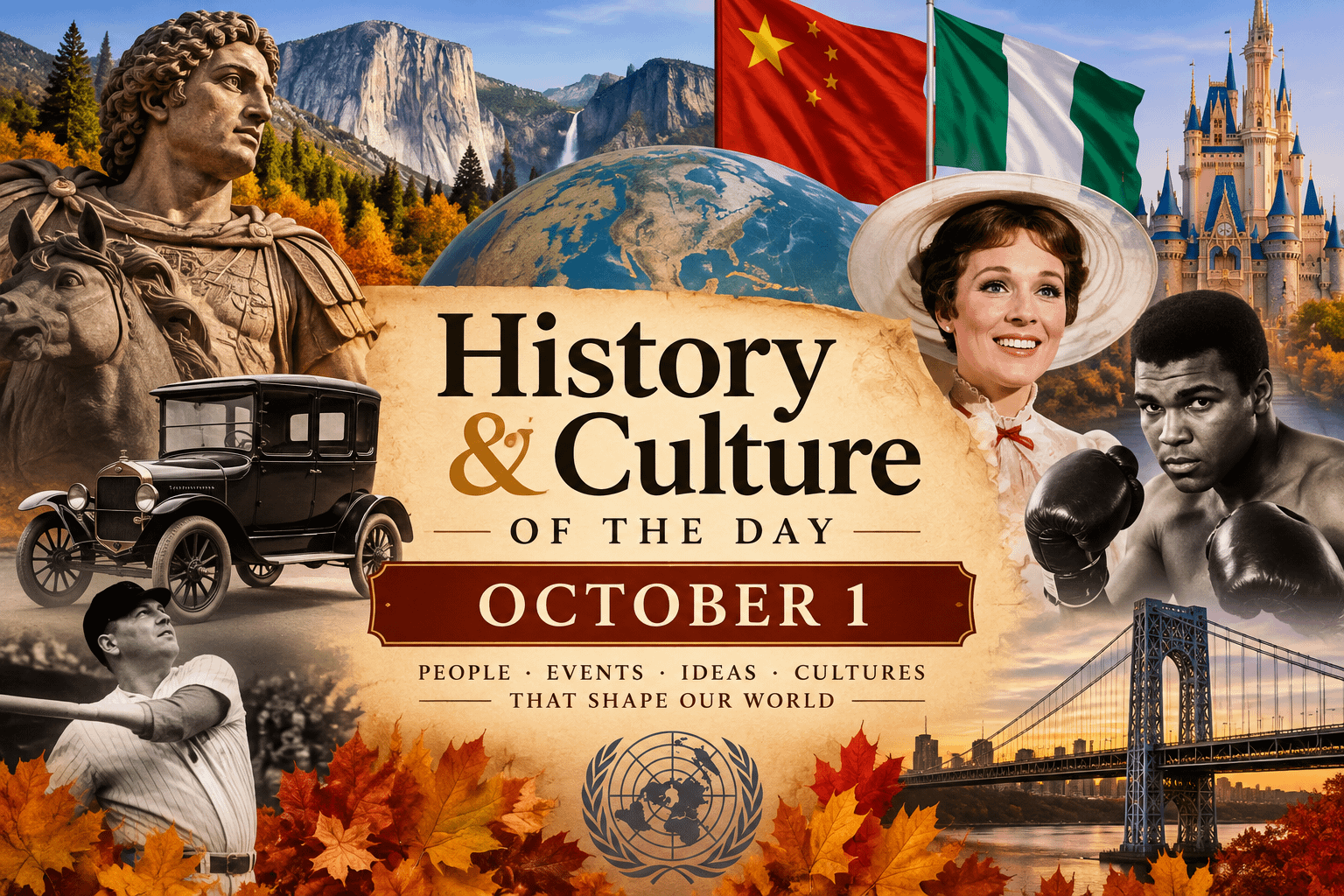
  • History & Culture of the Day – October 1

    History & Culture of the Day – October 1

    October 1 marks the beginning of a new month and, in many parts of the Northern Hemisphere, a deeper step into autumn. It is a day connected to independence movements, cultural traditions, music, innovation, social change, and moments that have influenced the way people live today.

    From the birth of influential leaders and entertainers to major milestones in transportation and international history, October 1 offers a fascinating look at how individual events can become part of a much larger cultural story.

    Here is a journey through some of the history and culture connected to October 1.

    331 BC – The Battle of Gaugamela

    One of the ancient world’s most significant military confrontations is traditionally dated to October 1, 331 BC.

    Alexander the Great of Macedonia faced the forces of Persian king Darius III at the Battle of Gaugamela, near what is now northern Iraq.

    Alexander’s victory was a decisive moment in his campaign against the Persian Empire. It helped open the way for Macedonian control over major Persian centers and contributed to the enormous expansion of Alexander’s empire.

    The consequences went far beyond military conquest.

    As Alexander’s armies moved across Egypt, Persia, Central Asia, and toward India, Greek language, philosophy, art, architecture, and customs interacted with the cultures already established throughout these regions.

    The centuries that followed became known for the spread of Hellenistic culture—a blending of Greek traditions with Egyptian, Persian, Middle Eastern, and Asian influences.

    It is an early example of how conquest, migration, trade, and political change can also reshape culture.

    1890 – Yosemite National Park Is Established

    October 1, 1890, became an important date in the history of conservation when legislation established Yosemite National Park in California.

    The spectacular landscape of Yosemite—including granite cliffs, waterfalls, giant sequoias, forests, and valleys—had already attracted artists, photographers, naturalists, and travelers.

    Conservation advocates helped convince Americans that places of extraordinary natural beauty deserved protection.

    Yosemite eventually became much more than a tourist destination. It became an important symbol of the American conservation movement and helped shape the country’s evolving idea of national parks.

    The park also has a much older human history.

    Indigenous peoples lived in and around the Yosemite region for thousands of years before the establishment of the national park. Understanding Yosemite’s history therefore means recognizing both the modern conservation movement and the Native communities whose relationships with the land stretch back generations.

    Today, Yosemite remains one of the most recognizable landscapes in the United States.

    1903 – The First Modern World Series Begins

    Baseball history reached an important milestone on October 1, 1903, when the first modern World Series began.

    The Pittsburgh Pirates of the National League faced the Boston Americans of the American League.

    The championship was structured as a best-of-nine series rather than today’s familiar best-of-seven format.

    Boston ultimately won the series five games to three.

    The event helped establish what would become one of America’s most enduring sports traditions.

    Over the following decades, the World Series became deeply woven into American popular culture. Families gathered around radios and later televisions to follow the games. Baseball stars became national celebrities, and championship moments became shared memories passed from one generation to another.

    October baseball remains one of the sport’s defining traditions.

    1908 – The Ford Model T Is Introduced

    October 1, 1908, is closely associated with one of the most influential automobiles ever produced: the Ford Model T.

    The Model T helped transform transportation in the United States.

    Automobiles existed before it, but cars were still beyond the financial reach of many ordinary families. Henry Ford and the Ford Motor Company sought to create a reliable automobile that could eventually be produced and sold on a much larger scale.

    The Model T became enormously successful.

    Its impact extended far beyond the automobile industry.

    As car ownership expanded, American communities began changing around the automobile. Roads improved. Gas stations, roadside restaurants, motels, repair shops, and other businesses emerged.

    People could live farther from their workplaces and travel greater distances for recreation.

    The automobile helped reshape American geography and culture.

    The Model T therefore represents more than an old car. It symbolizes a major shift toward personal mobility and mass consumer culture.

    1924 – Jimmy Carter Is Born

    James Earl Carter Jr. was born October 1, 1924, in Plains, Georgia.

    Carter would eventually become the 39th president of the United States, serving from 1977 to 1981.

    Before entering national politics, he served in the U.S. Navy and later returned to Georgia, where he became involved in business and public service. He served as governor of Georgia before winning the presidency in 1976.

    After leaving the White House, Carter remained internationally prominent through humanitarian, diplomatic, public-health, and election-monitoring work.

    He also became closely associated with Habitat for Humanity, regularly participating in home-building projects.

    Carter lived to the age of 100, dying on December 29, 2024.

    His long post-presidential life became a notable part of his public legacy.

    1931 – The George Washington Bridge Opens

    Another major transportation milestone occurred on October 1, 1931, when the George Washington Bridge opened to traffic.

    Connecting Manhattan with Fort Lee, New Jersey, across the Hudson River, the bridge represented an impressive achievement in engineering.

    At the time of its completion, its main suspension span was the longest in the world.

    The bridge became increasingly important as automobile travel expanded.

    Today, it remains a vital transportation connection in the New York metropolitan region and an enduring example of early 20th-century American infrastructure.

    Bridges are often more than engineering projects. They can change commuting patterns, economic relationships, population growth, and the ways neighboring communities interact.

    The George Washington Bridge did exactly that.

    1935 – Julie Andrews Is Born

    Dame Julie Andrews was born October 1, 1935, in England.

    Her remarkable voice and acting career made her one of the most recognizable performers of the 20th century.

    Andrews achieved enormous fame through stage and film, particularly with performances in Mary Poppins and The Sound of Music.

    Her portrayal of Mary Poppins earned her the Academy Award for Best Actress.

    But her cultural influence goes beyond individual awards.

    Songs and scenes from her films have been introduced to generation after generation of children and families. The Sound of Music, in particular, became one of the most enduring movie musicals ever produced.

    Andrews later expanded her career through writing, voice acting, and other creative projects.

    Her October 1 birthday provides an opportunity to recognize the lasting cultural influence of musical theater and film.

    1949 – The People’s Republic of China Is Proclaimed

    October 1, 1949, is one of the most consequential dates in modern Chinese history.

    On that day, Mao Zedong proclaimed the establishment of the People’s Republic of China in Beijing following years of civil war.

    October 1 subsequently became celebrated as China’s National Day.

    The creation of the People’s Republic dramatically changed China’s political system and influenced international relations throughout the Cold War and beyond.

    Modern China has since developed into one of the world’s most populous countries and largest economies, making the events of October 1, 1949, significant not only to Chinese history but also to global history.

    1960 – Nigeria Gains Independence

    October 1 is also a major national celebration in Nigeria.

    On October 1, 1960, Nigeria gained independence from Britain.

    The country’s independence represented another major milestone in the wave of decolonization that transformed Africa during the mid-20th century.

    Nigeria is extraordinarily diverse, with hundreds of ethnic groups and languages and rich traditions in music, literature, art, religion, cuisine, and storytelling.

    Since independence, Nigerian culture has achieved growing international influence.

    Nigerian writers have earned global recognition, while Nigerian music—particularly Afrobeats—has become a major force in international popular culture.

    Nigeria’s film industry, commonly known as Nollywood, has also become one of the world’s most prolific filmmaking industries.

    For Nigerians around the world, October 1 is therefore both a historical anniversary and an important cultural celebration.

    1961 – Roger Maris Hits Home Run Number 61

    October 1, 1961, produced one of baseball’s legendary moments.

    New York Yankees outfielder Roger Maris hit his 61st home run of the season.

    The achievement surpassed Babe Ruth’s famous total of 60 home runs from 1927, although the circumstances became the subject of considerable discussion because the American League schedule had expanded from 154 to 162 games.

    Regardless of the controversy surrounding the record at the time, Maris’s accomplishment became part of baseball history.

    His 61-home-run season remained the American League single-season record for more than six decades, until Aaron Judge hit 62 home runs in 2022.

    The story of Maris also illustrates how sports records become cultural markers.

    Numbers such as 60, 61, and 62 became more than statistics—they became chapters in baseball history.

    1971 – Walt Disney World Opens

    October 1, 1971, marked a major moment in American entertainment and tourism when Walt Disney World opened in Florida.

    The centerpiece of the new resort was the Magic Kingdom.

    The project represented an enormous expansion of Walt Disney’s vision beyond the original Disneyland in California.

    Although Walt Disney died in 1966 and never saw the Florida resort completed, the project continued under the leadership of his brother Roy O. Disney.

    Walt Disney World eventually grew into a massive resort destination featuring theme parks, hotels, restaurants, entertainment districts, transportation systems, and recreational attractions.

    Its influence can be seen throughout the modern tourism and theme-park industries.

    The resort also became deeply embedded in American popular culture. For millions of families, a trip to Disney World became associated with childhood memories, celebrations, vacations, and family traditions.

    1975 – The Thrilla in Manila

    One of boxing’s most famous fights occurred on October 1, 1975.

    Muhammad Ali faced Joe Frazier for the third time in Quezon City, Philippines, in a bout remembered as the “Thrilla in Manila.”

    Ali and Frazier had already developed one of the greatest rivalries in sports history.

    Their third fight was extraordinarily demanding for both men.

    After 14 punishing rounds, Frazier’s trainer Eddie Futch stopped the fight before the 15th round, giving Ali the victory.

    The fight became legendary not simply because of who won, but because of the endurance displayed by both fighters.

    Ali and Frazier’s rivalry remains an important part of boxing history and American sports culture.

    1982 – EPCOT Opens

    Exactly eleven years after Walt Disney World opened, another major Disney attraction debuted on October 1.

    EPCOT Center opened October 1, 1982.

    The park’s concept differed significantly from the Magic Kingdom.

    Its original attractions emphasized technology, transportation, agriculture, energy, communication, imagination, and visions of the future.

    Another major area celebrated countries and cultures through international pavilions.

    EPCOT reflected an era of optimism about technological innovation and the possibility of creating a better future through science, communication, and international understanding.

    Although the park has changed considerably over the decades, its distinctive identity remains part of theme-park history.

    1988 – National Coming Out Day Is Conceived

    October also became associated with an important LGBTQ+ cultural observance.

    National Coming Out Day was first observed on October 11, 1988, but its origins are connected to activism following the 1987 National March on Washington for Lesbian and Gay Rights.

    The observance was developed by activists Robert Eichberg and Jean O’Leary.

    Although it does not fall on October 1 itself, the beginning of October now also marks the start of LGBTQ+ History Month in the United States, making the month an occasion for examining LGBTQ+ people, movements, culture, and historical experiences.

    October 1 Around the World

    October 1 carries different meanings depending on where you are.

    For Nigeria, it is Independence Day.

    For China, it is National Day.

    October 1 is also observed internationally as the United Nations’ International Day of Older Persons, established to encourage greater awareness of issues affecting older adults and recognize their contributions to society.

    These observances demonstrate something important about history: the same date can carry entirely different meanings for different communities.

    For one country, October 1 represents independence.

    For another, political transformation.

    For sports fans, it might recall a legendary baseball record or boxing match.

    For travelers and families, it might bring to mind Yosemite or Walt Disney World.

    The Cultural Meaning of October

    October 1 also has significance simply because it begins a month strongly associated with seasonal change.

    In much of the Northern Hemisphere, October means cooler temperatures, changing leaves, shorter days, harvest traditions, pumpkins, apples, corn mazes, festivals, and preparations for Halloween.

    Many cultures have long celebrated harvest seasons.

    Before modern supermarkets and global food distribution, successful harvests could determine whether communities had sufficient food to survive the coming winter.

    That reality inspired festivals, religious observances, communal meals, and traditions of gratitude.

    Many modern autumn celebrations have evolved far beyond their agricultural origins, but the connection between fall and harvest remains visible.

    Pumpkin patches, apple picking, farmers markets, harvest festivals, and seasonal foods continue traditions rooted in humanity’s relationship with the land.

    Why October 1 Matters

    The events connected to October 1 reveal how history is created in many different ways.

    Sometimes history is made through war and political transformation.

    Sometimes it happens through independence movements.

    Sometimes it arrives through technology, transportation, sports, entertainment, conservation, or art.

    Consider just how different the stories of October 1 are.

    Alexander the Great reshaped the ancient world.

    Yosemite became part of America’s conservation legacy.

    The Model T helped transform transportation.

    Nigeria celebrated independence.

    Roger Maris changed baseball’s record books.

    Muhammad Ali and Joe Frazier created an unforgettable sports moment.

    Walt Disney World transformed family entertainment and tourism.

    Each story belongs to a different place and period, yet they all share the same date.

    That is what makes exploring history day by day so interesting.

    A date on the calendar may appear ordinary until we discover everything that happened on it.

    History Is More Than Dates

    History is often taught as a collection of names, dates, wars, presidents, inventions, and major events.

    But history is really the story of people.

    It is the story of what people created, destroyed, discovered, protected, celebrated, challenged, and passed down.

    Culture tells another part of that story.

    Music, food, movies, sports, celebrations, language, architecture, traditions, and shared experiences show us how people understood their world.

    October 1 reminds us that history and culture are constantly connected.

    A bridge changes how people travel.

    A car changes where people live.

    A national park changes how society thinks about nature.

    A movie becomes a family tradition.

    A sporting achievement becomes a story grandparents tell grandchildren.

    An independence celebration becomes part of national identity.

    History does not remain trapped in the past.

    Its effects continue into the present.

    Remembering October 1

    As October begins, it offers an opportunity to look backward while also recognizing the beginning of another season.

    The stories connected to October 1 stretch from the ancient world to modern entertainment, from battlefields to baseball fields, and from independence celebrations to national parks.

    Some events changed nations.

    Others changed industries.

    Some created records.

    Others created traditions.

    Together, they demonstrate the enormous variety contained within a single day of human history.

    Tomorrow will bring another collection of stories, anniversaries, achievements, birthdays, cultural milestones, and moments worth remembering.

    That is one of the most fascinating things about studying history.

    Every day has a story.

    Which moment from October 1 history do you find the most interesting?

  • This Day in American History – October 1

    This Day in American History – October 1

    October 1 has witnessed several important moments in American history. From the protection of one of the nation’s most spectacular landscapes to an automobile that transformed everyday life, the growth of the civil rights movement, a student protest that helped redefine political expression on college campuses, and the opening of one of America’s most famous destinations, October 1 offers a fascinating look at how the United States has changed.

    Some events from this date became symbols of progress and innovation. Others remind us of conflict, tragedy, and the continuing struggles that have shaped American society.

    Here are some of the most significant events that happened on October 1 in American history.

    1890 – Yosemite National Park Is Established

    One of the most important conservation milestones in American history occurred on October 1, 1890, when legislation establishing Yosemite National Park was signed by President Benjamin Harrison.

    The designation made Yosemite the third national park in the United States, following Yellowstone and Sequoia.

    Located in California’s Sierra Nevada, Yosemite is famous for its granite cliffs, towering waterfalls, giant sequoias, mountain meadows, and wilderness.

    The story of Yosemite’s protection actually began decades earlier.

    In 1864, during the Civil War, President Abraham Lincoln signed legislation granting Yosemite Valley and the Mariposa Grove to California with the condition that the land be preserved for public use and recreation.

    That action became an important early step in the American conservation movement.

    But conservationists believed more of the surrounding wilderness needed protection. Naturalist John Muir became one of the most influential advocates for preserving Yosemite and its surrounding ecosystem. Congress eventually approved legislation protecting a much larger area.

    On October 1, 1890, Yosemite National Park officially came into existence.

    The park initially protected more than 1,500 square miles, including Tuolumne Meadows, the high country and Hetch Hetchy, along with lands surrounding Yosemite Valley.

    The creation of Yosemite helped strengthen the idea that certain extraordinary landscapes should be protected not simply for economic development but for future generations.

    Today, Yosemite remains one of America’s most recognizable national parks and an enduring symbol of the nation’s conservation movement.

    1908 – The Ford Model T Reaches the Public

    October 1, 1908, marked another major turning point in American history when Ford Motor Company made its revolutionary Model T available to the public.

    The Model T would eventually change transportation, manufacturing, employment, cities, roads and American culture.

    Ford Motor Company wanted to build an automobile that ordinary Americans could eventually afford.

    Early automobiles were expensive and largely limited to wealthy customers. Henry Ford envisioned something different: a durable, relatively simple vehicle that could be produced efficiently and sold to a much larger population.

    The Model T became that automobile.

    According to Ford’s historical account, the first Model T was shipped to its first customer on October 1, 1908.

    The Library of Congress also records that the first Model T was delivered on October 1, 1908.

    The automobile itself was important, but Ford’s manufacturing methods would become equally significant.

    Mass-production techniques and eventually the moving assembly line allowed automobiles to be produced much faster and at lower cost.

    Over time, automobiles became accessible to millions of American families.

    The effects extended far beyond Ford Motor Company.

    Cars changed where Americans could live, where they could work and how they traveled. New roads and highways were constructed. Gas stations, repair shops, roadside restaurants, motels and other businesses appeared to serve America’s growing population of motorists.

    The automobile eventually helped reshape the physical landscape of the United States.

    The Model T became one of the symbols of that transformation.

    1957 – “In God We Trust” Appears on U.S. Paper Currency

    Another change in American life associated with this era was the appearance of the national motto, “In God We Trust,” on paper currency.

    Congress had passed legislation in 1955 requiring the motto on United States currency. The phrase was also formally declared the national motto in 1956.

    The motto first appeared on paper money on Series 1957 $1 silver certificates.

    The phrase itself had appeared on American coins much earlier, beginning during the Civil War era.

    Its expansion to paper currency came during the Cold War, when religious language increasingly became part of official American symbolism.

    Today, “In God We Trust” remains printed on U.S. currency and is still the official national motto.

    1962 – James Meredith Integrates the University of Mississippi

    October 1, 1962, became an important date in the history of the American civil rights movement when James Meredith enrolled at the University of Mississippi.

    Meredith, a Black Air Force veteran, had applied to the previously segregated university.

    His attempt to enroll became a national confrontation over segregation, federal authority and civil rights.

    A federal court ordered the university to admit Meredith, but Mississippi officials resisted his enrollment.

    President John F. Kennedy’s administration eventually intervened to enforce the federal court order.

    Violence erupted on the campus as opponents of integration confronted federal authorities. Two people were killed during the unrest, and many others were injured.

    Federal marshals and troops were used to restore order and protect Meredith.

    On October 1, Meredith attended classes.

    His enrollment became another important challenge to the system of racial segregation that had dominated much of the American South.

    The episode also demonstrated that federal court decisions regarding civil rights could require direct federal enforcement when state governments resisted them.

    Meredith later graduated from the University of Mississippi in 1963.

    His actions became part of the broader civil rights struggle that included school integration, voting rights campaigns, sit-ins, Freedom Rides, marches and challenges to discriminatory laws throughout the country.

    1964 – The Berkeley Free Speech Movement Takes Off

    Two years later, October 1 became associated with another major movement in American history.

    On October 1, 1964, students at the University of California, Berkeley gathered around a police car after campus police arrested Jack Weinberg for political activity on campus.

    Thousands of students eventually surrounded the vehicle.

    For roughly 32 hours, protesters prevented the police car from leaving while students climbed onto the car to make speeches.

    The confrontation became a defining event in what became known as the Free Speech Movement.

    UC Berkeley students had been protesting university restrictions on political advocacy and organizing on campus.

    The movement was closely connected to the civil rights activism of the era. Some Berkeley students had participated in civil rights campaigns and returned to campus determined to continue political organizing.

    The events of October 1 helped transform the dispute into a national story.

    UC Berkeley describes the movement as beginning in 1964 when students challenged university restrictions on political activities. The protests eventually contributed to changes in university policies regarding political speech and advocacy.

    The October 1 confrontation became particularly symbolic. Berkeley records that thousands gathered following Weinberg’s arrest, beginning a 32-hour protest around the police car.

    The Free Speech Movement influenced student activism far beyond Berkeley.

    College campuses increasingly became important centers of political activity during the 1960s, particularly around civil rights, the Vietnam War and other social issues.

    1971 – Walt Disney World Opens in Florida

    October 1, 1971, brought an entirely different kind of milestone.

    Walt Disney World opened in central Florida.

    The initial development included the Magic Kingdom, the Contemporary Resort, the Polynesian Village Resort and other recreational facilities.

    The project had been years in the making.

    Walt Disney had already transformed family entertainment with Disneyland, which opened in California in 1955.

    But he wanted to create something much larger in Florida.

    Disney quietly acquired enormous amounts of land in central Florida during the 1960s. The project eventually became known as Walt Disney World.

    Walt Disney died in 1966, several years before the Florida resort opened.

    His brother Roy Disney helped oversee completion of the project and named the development Walt Disney World in honor of his brother.

    When the gates opened on October 1, 1971, visitors entered a resort that would eventually grow far beyond the original Magic Kingdom.

    Over the following decades, additional theme parks, hotels, restaurants, shopping districts and entertainment venues were constructed.

    Walt Disney World became one of the most recognizable tourism destinations in the United States and played a major role in transforming central Florida’s economy and tourism industry.

    2017 – The Las Vegas Mass Shooting

    October 1 also carries the memory of one of the darkest nights in recent American history.

    On October 1, 2017, a gunman opened fire from the Mandalay Bay hotel onto people attending the Route 91 Harvest music festival in Las Vegas.

    Sixty victims ultimately died, and hundreds more were injured by gunfire or in the chaos surrounding the attack.

    The shooting became the deadliest mass shooting by a lone gunman in modern U.S. history.

    The tragedy affected thousands of survivors, family members, first responders and members of the Las Vegas community.

    In the years since the attack, October 1 has become a day of remembrance in Las Vegas and beyond, honoring those who were killed and the people whose lives were permanently changed.

    October 1 Shows Many Sides of the American Story

    Few dates demonstrate the range of American history quite like October 1.

    In 1890, the country expanded its commitment to preserving extraordinary natural landscapes by establishing Yosemite National Park.

    In 1908, the Ford Model T helped begin a transportation revolution that would reshape how Americans lived and traveled.

    In the middle of the 20th century, the country continued debating fundamental questions involving civil rights, freedom, religion and the relationship between citizens and institutions.

    James Meredith’s enrollment at the University of Mississippi represented a significant moment in the struggle against segregation.

    Two years later, students at Berkeley demanded greater freedom to participate in political advocacy on their campus.

    Then, in 1971, the opening of Walt Disney World represented another side of American culture—the growth of entertainment, tourism and large-scale themed experiences.

    And the tragedy of October 1, 2017, remains a solemn reminder that history also contains moments of devastating loss.

    Why Remember This Day?

    Studying history is about more than memorizing names and dates.

    Each event tells us something about the people who lived through it.

    The creation of Yosemite demonstrates how Americans began thinking differently about conservation and the preservation of wilderness.

    The Model T illustrates the power of technological innovation and mass production to transform everyday life.

    The integration of the University of Mississippi shows the enormous resistance civil rights activists faced—and the role that individuals, courts and the federal government played in dismantling legally enforced segregation.

    The Berkeley Free Speech Movement illustrates how young Americans helped reshape debates about political participation and expression.

    Walt Disney World’s opening demonstrates how entertainment and tourism became enormous parts of modern American culture.

    And remembering the victims of the Las Vegas shooting ensures that historical timelines never reduce human tragedy to nothing more than statistics.

    History is ultimately the story of people.

    It is the story of people challenging old systems, creating new technologies, protecting natural wonders, demanding rights, building businesses, creating entertainment and enduring unimaginable tragedy.

    October 1 in American History

    From the granite cliffs of Yosemite to the streets created for America’s automobile age, from a university campus in Mississippi to student protesters gathered around a police car in Berkeley, October 1 has left its mark across the American story.

    Some October 1 events changed laws.

    Others changed technology.

    Some changed culture.

    Others changed individual lives forever.

    Together, they demonstrate something important about studying American history: the country we know today was created through thousands of moments—some celebrated, some controversial, some tragic—that accumulated over generations.

    Every date on the calendar contains pieces of that larger story.

    October 1 is no exception.

    Which October 1 event do you think had the greatest lasting impact on American life?

  • Mocktail of the Day: Apple Cider Sangria

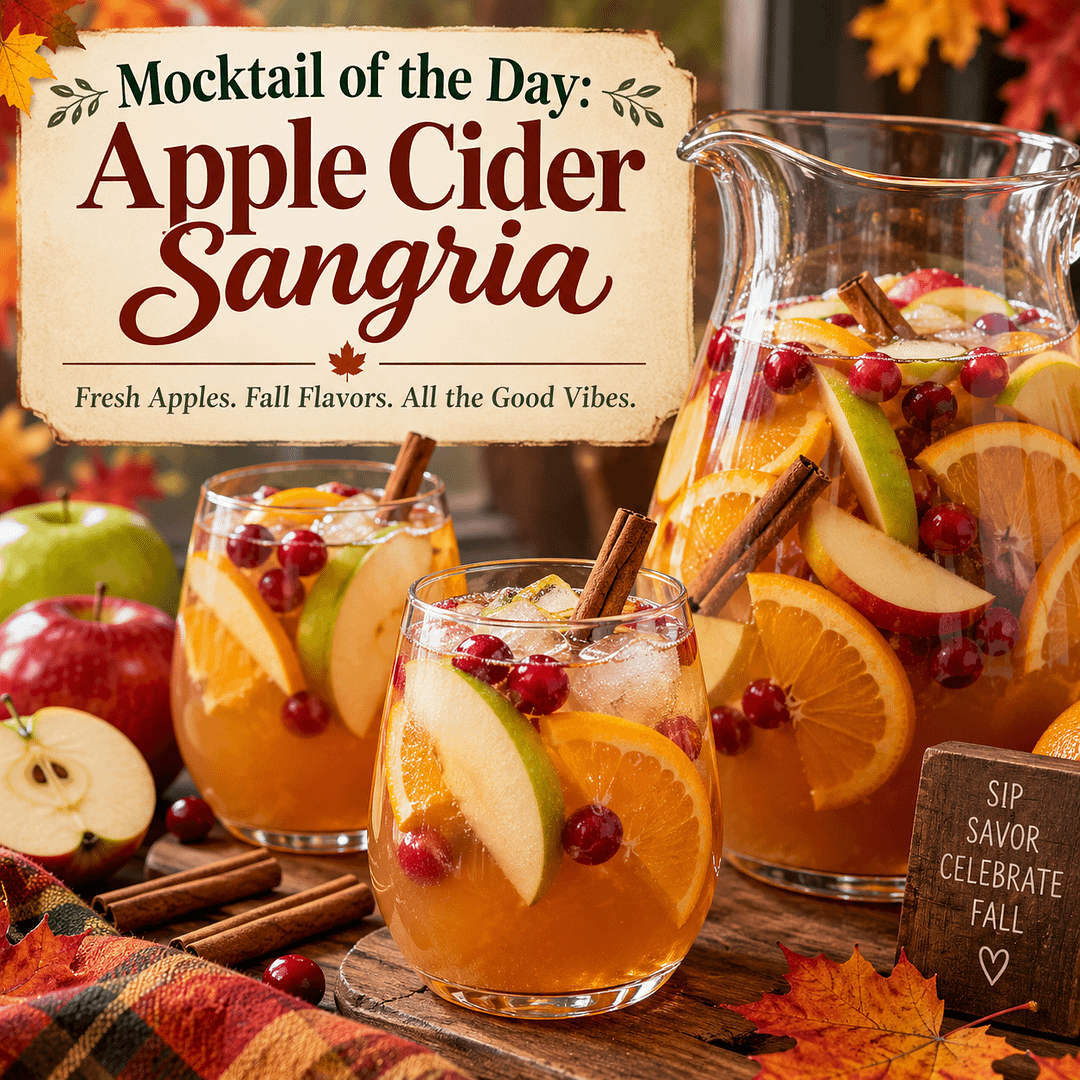
    Mocktail of the Day: Apple Cider Sangria

    There is something about apple cider that instantly feels like fall. The sweet aroma of apples, the warmth of cinnamon, and the crisp flavors of seasonal fruit bring to mind changing leaves, cool evenings, pumpkin patches, family gatherings, and weekends spent enjoying everything autumn has to offer.

    Today’s Mocktail of the Day: Apple Cider Sangria takes those classic fall flavors and turns them into a colorful, refreshing drink that everyone can enjoy.

    Traditional sangria is usually made with wine, fruit, and sometimes additional spirits. This alcohol-free version keeps one of the best parts of sangria—the abundance of fresh fruit—while replacing the wine with apple cider, sparkling water, and fruit juice.

    The result is a beautiful fall mocktail filled with apples, oranges, pears, cranberries, cinnamon, and sparkling cider flavor.

    Whether you are hosting a Halloween party, Thanksgiving dinner, football gathering, fall barbecue, family celebration, or simply relaxing at home on a cool afternoon, Apple Cider Sangria is an easy drink to prepare by the pitcher.

    Why Apple Cider Sangria Is Perfect for Fall

    Fall drinks often lean toward warm beverages such as hot apple cider, coffee, tea, and hot chocolate. Those drinks are wonderful when the temperature drops, but sometimes you want something cold and refreshing without losing those familiar autumn flavors.

    Apple Cider Sangria offers the best of both worlds.

    Apple cider provides the unmistakable taste of fall, while fresh fruit makes the drink light and refreshing. Cinnamon adds warmth without requiring the beverage to actually be served hot.

    It is also a drink that looks impressive without requiring complicated preparation.

    A large glass pitcher filled with sliced red and green apples, oranges, pears, cranberries, and cinnamon sticks naturally becomes part of your fall table decorations.

    Apple Cider Sangria Mocktail Recipe

    Ingredients

    • 4 cups apple cider
    • 2 cups sparkling water or club soda
    • 1 cup white grape juice
    • 1 cup cranberry juice
    • 1 red apple, thinly sliced
    • 1 green apple, thinly sliced
    • 1 pear, thinly sliced
    • 1 orange, sliced into rounds
    • 1/2 cup fresh cranberries
    • 2 cinnamon sticks
    • 1 tablespoon fresh lemon juice
    • Ice
    • Additional apple slices and cinnamon sticks for garnish

    Directions

    Add the sliced red apple, green apple, pear, orange, cranberries, and cinnamon sticks to a large pitcher.

    Pour the apple cider, white grape juice, cranberry juice, and lemon juice over the fruit.

    Stir everything gently so the flavors begin combining.

    Place the pitcher in the refrigerator for at least one to two hours. If you have more time, allowing the sangria to chill for several hours gives the fruit and cinnamon additional time to flavor the drink.

    When you are ready to serve it, add the sparkling water and gently stir.

    Fill glasses with ice and spoon some of the fruit into each glass before pouring in the Apple Cider Sangria.

    Garnish with a fresh apple slice, orange wedge, or cinnamon stick.

    Serve immediately and enjoy.

    Let the Fruit Do the Work

    One of the secrets to good sangria—whether traditional or alcohol-free—is giving the fruit enough time to sit in the liquid.

    You can certainly mix this mocktail and serve it immediately, but letting it chill first creates a deeper flavor.

    As the apples, pears, oranges, cranberries, and cinnamon sit in the cider and juice, their flavors gradually blend together.

    The apples reinforce the cider flavor. Pears provide subtle sweetness. Orange brings citrus brightness. Cranberries add tartness and beautiful seasonal color.

    Meanwhile, cinnamon provides the spice that ties everything together.

    Every glass becomes slightly different depending on which pieces of fruit make their way into it.

    Keep the Bubbles Until the End

    There is one ingredient you should wait to add: the sparkling water.

    If you add sparkling water several hours before serving, much of the carbonation can disappear while the pitcher sits in the refrigerator.

    Instead, prepare the fruit-and-cider mixture ahead of time and refrigerate it.

    Just before serving, pour in the sparkling water.

    That final addition gives the mocktail a crisp, bubbly finish.

    You can also replace sparkling water with sparkling apple cider for even more apple flavor and sweetness.

    Make It Sweeter

    Apple cider and fruit juice already provide plenty of natural sweetness, so additional sugar usually is not necessary.

    However, everyone’s preference is different.

    If you taste the sangria and want it sweeter, try adding a small amount of maple syrup, honey, or simple syrup.

    Add only a little at a time.

    You can always make a drink sweeter, but it is much harder to remove sweetness once you have added too much.

    For an especially autumn-inspired version, maple syrup pairs beautifully with apples and cinnamon.

    Make It More Tart

    Maybe you prefer a drink with more bite and less sweetness.

    Increase the cranberry juice or lemon juice.

    You could also squeeze additional fresh orange or lemon juice into the pitcher.

    The acidity balances the sweetness of the cider and creates a brighter, more refreshing drink.

    Using unsweetened cranberry juice will create an even stronger tart flavor.

    Add More Fall Spice

    Cinnamon is only the beginning.

    If you enjoy strongly spiced cider, experiment with other traditional fall spices.

    Try adding a few whole cloves, a star anise pod, fresh ginger slices, or a small pinch of nutmeg.

    Be careful with strong spices, especially cloves and star anise. A little can dramatically change the flavor of an entire pitcher.

    You want the apple cider to remain the star.

    Turn It Into a Thanksgiving Mocktail

    Apple Cider Sangria is especially suited for Thanksgiving because it can be prepared ahead of time.

    On a holiday when oven space, stovetop space, and preparation time are valuable, a drink that can sit peacefully in the refrigerator is extremely convenient.

    Prepare the fruit, cider, cranberry juice, grape juice, cinnamon, and lemon earlier in the day.

    Then, shortly before guests arrive or dinner begins, add your sparkling water.

    For an extra Thanksgiving presentation, garnish the pitcher with additional cranberries, orange slices, cinnamon sticks, and rosemary sprigs.

    You will have a colorful seasonal beverage ready for the table without spending the evening mixing individual drinks.

    Create an Apple Cider Sangria Bar

    For larger fall parties, consider turning this recipe into a small mocktail station.

    Prepare a large pitcher or beverage dispenser of Apple Cider Sangria and place bowls of garnishes nearby.

    Guests can customize their own glasses with ingredients such as:

    • Apple slices
    • Pear slices
    • Orange wedges
    • Fresh cranberries
    • Cinnamon sticks
    • Rosemary sprigs
    • Pomegranate seeds
    • Frozen grapes

    You can also offer sparkling water separately so guests can add as much carbonation as they want.

    It is simple, interactive, and perfect for gatherings with guests of different ages.

    A Beautiful Drink Without Alcohol

    One reason mocktails have become so enjoyable is that choosing an alcohol-free drink no longer means settling for something boring.

    A thoughtfully prepared mocktail can have layers of flavor, beautiful presentation, fresh ingredients, and the same sense of occasion as a traditional cocktail.

    Apple Cider Sangria demonstrates that perfectly.

    It feels festive.

    It looks impressive.

    It tastes seasonal.

    And because it contains no alcohol, it can be enjoyed by many people who might otherwise skip the traditional sangria.

    That makes it especially useful at family celebrations and gatherings where you want a special beverage option beyond soda or plain water.

    Try a Sparkling Apple Cider Sangria

    If you love carbonation, replace the sparkling water with sparkling apple cider.

    This creates a sweeter and more intensely apple-flavored drink.

    Because sparkling cider already contains plenty of sweetness, consider reducing the amount of white grape juice.

    A simple combination of apple cider, sparkling apple cider, cranberry juice, citrus, cinnamon, and fresh fruit can make an excellent variation.

    Cranberry Apple Cider Sangria

    Want more tart cranberry flavor?

    Increase the cranberry juice to two cups and reduce the white grape juice.

    Add extra fresh cranberries and orange slices.

    The combination of deep red cranberries, orange citrus, and sliced apples creates a beautiful drink that works especially well from Thanksgiving through Christmas.

    Caramel Apple Cider Sangria

    For something sweeter and more dessert-inspired, drizzle a small amount of caramel syrup around the inside of the glass before adding ice and sangria.

    You can also garnish the glass with an apple wedge.

    The caramel and apple combination creates flavors reminiscent of caramel apples from fall festivals and fairs.

    Keep the caramel light so it complements rather than overwhelms the fresh fruit.

    Serving Apple Cider Sangria

    This drink works particularly well in wine glasses, stemless wine glasses, mason jars, or clear tumblers.

    Clear glassware allows the colors of the fruit to become part of the presentation.

    Be generous when adding fruit to each glass.

    The fruit is not simply decoration—it is part of the sangria experience.

    After finishing the drink, you can enjoy the cider-soaked apple, pear, orange, and cranberry pieces left behind.

    Make It Ahead

    Apple Cider Sangria is an excellent make-ahead drink.

    Prepare everything except the sparkling water and ice several hours before your gathering.

    Keep the pitcher covered in the refrigerator.

    When guests arrive, add the sparkling water.

    Avoid putting ice directly into the pitcher if it will sit for a long time because melting ice can dilute the sangria.

    Instead, place ice in individual glasses.

    Perfect Foods to Serve With Apple Cider Sangria

    Because Apple Cider Sangria combines sweet, tart, fruity, and spicy flavors, it works with a wide range of fall foods.

    Try serving it alongside roasted chicken or turkey, baked ham, charcuterie boards, sharp cheeses, roasted vegetables, stuffing, pumpkin dishes, apple desserts, cinnamon desserts, caramel treats, or warm baked pastries.

    For a casual gathering, pair it with sliders, pizza, sandwiches, wings, cheese boards, or other party foods.

    And if dessert is the main event, Apple Cider Sangria pairs beautifully with apple pie, pumpkin pie, cinnamon rolls, apple crisp, caramel cheesecake, or cider doughnuts.

    Make Every Pitcher Your Own

    The fun of sangria is that there is no single combination of fruit you have to use.

    Start with apples because they complement the cider, then experiment with whatever seasonal fruit you enjoy.

    Try peaches during the transition from summer into fall.

    Add pomegranate seeds later in the season.

    Use blood oranges for deeper color.

    Add grapes for extra sweetness.

    Try fresh ginger if you enjoy a spicy finish.

    Recipes provide a starting point, but some of the best drinks come from experimenting.

    Mocktail of the Day

    Apple Cider Sangria captures everything wonderful about a fall drink without needing alcohol.

    Crisp apples, juicy pears, bright citrus, tart cranberries, warming cinnamon, sweet cider, and sparkling bubbles come together in one colorful pitcher.

    It can be dressed up for Thanksgiving dinner, served casually during football Sunday, poured at a Halloween party, or enjoyed while relaxing outside on a cool autumn afternoon.

    Best of all, it is easy enough to make whenever you happen to have a container of fresh apple cider in the refrigerator.

    So grab a pitcher, slice up some fall fruit, pour in the cider, and give everything a little time to mingle.

    Then add some bubbles, fill your glass, and enjoy the flavors of autumn.

    What fruit would you add to your perfect pitcher of Apple Cider Sangria?

  • Shot of the Day: Drunken Pumpkin

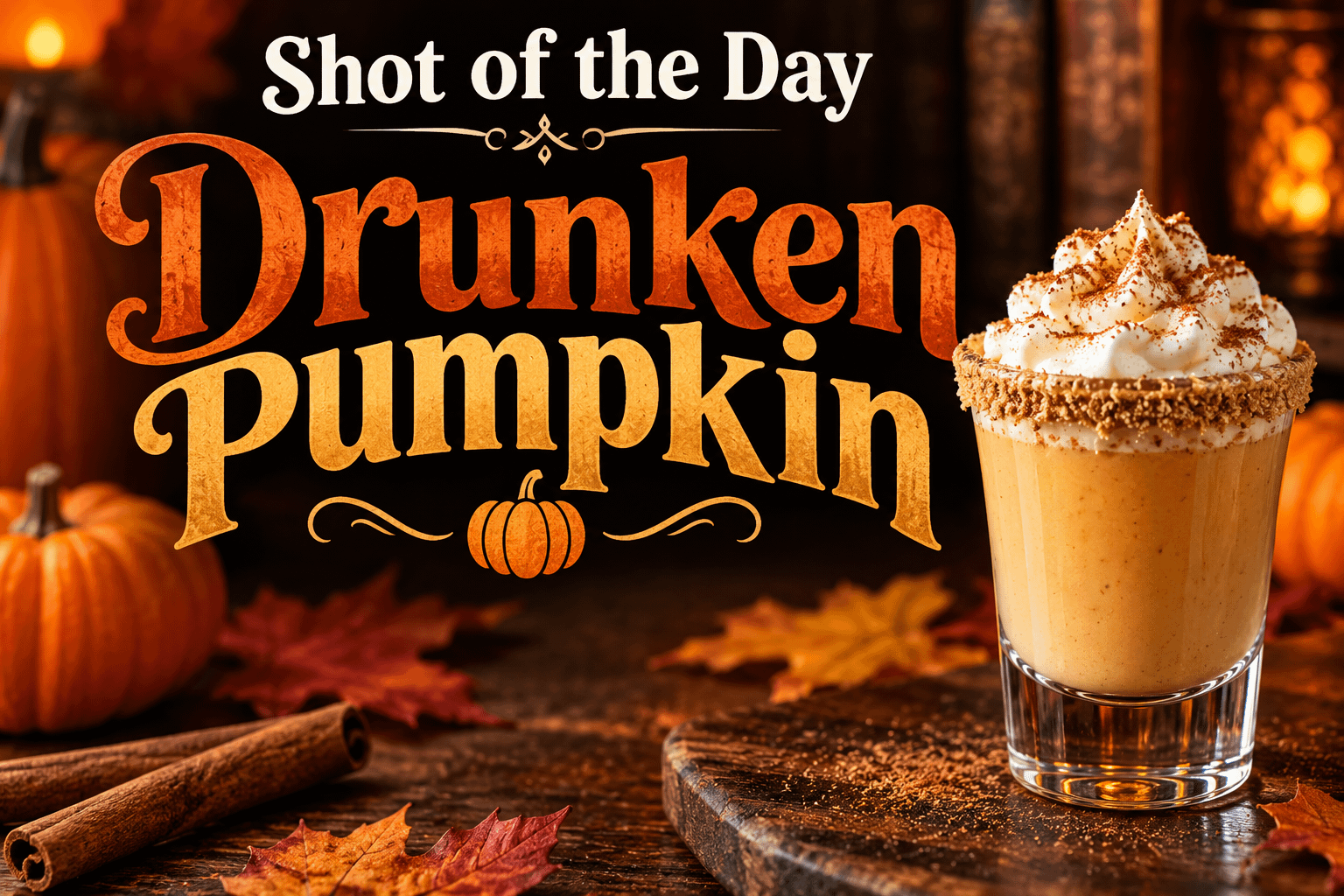
    Shot of the Day: Drunken Pumpkin

    When fall arrives, pumpkin seems to find its way into everything. Pumpkin pie, pumpkin bread, pumpkin coffee, pumpkin cocktails—and now it is time to bring that unmistakable autumn flavor to the shot glass.

    Today’s Shot of the Day is the Drunken Pumpkin, a creamy, sweet, spiced shot made for anyone who wants their fall flavors with a little extra kick.

    Imagine the flavors of pumpkin pie packed into a small glass: smooth pumpkin, warming cinnamon, creamy sweetness, and a splash of liquor tying everything together. It is rich enough to feel like dessert but small enough to serve as a fun party shot.

    Whether you are throwing a Halloween party, watching football with friends, celebrating Thanksgiving, sitting around a fire, or simply enjoying a cool autumn evening, the Drunken Pumpkin deserves a place on your seasonal drink menu.

    What Is a Drunken Pumpkin Shot?

    The Drunken Pumpkin is a dessert-inspired shot combining pumpkin flavor with creamy liqueur and warm fall spices.

    There are plenty of ways to make pumpkin shots, but this version keeps things simple while delivering plenty of flavor.

    Ingredients

    For one shot:

    • 1/2 ounce vanilla vodka
    • 1/2 ounce Irish cream liqueur
    • 1/2 ounce pumpkin spice liqueur
    • Small pinch of pumpkin pie spice
    • Whipped cream for topping
    • Cinnamon for garnish

    Optional:

    • Crushed graham crackers for the rim
    • Maple syrup for coating the rim
    • Tiny pinch of nutmeg

    How to Make the Drunken Pumpkin

    If you want a graham cracker rim, pour a little maple syrup onto one small plate and crushed graham crackers onto another. Dip the rim of your shot glass lightly into the maple syrup and then into the graham cracker crumbs.

    Fill a cocktail shaker with ice.

    Add the vanilla vodka, Irish cream, and pumpkin spice liqueur.

    Sprinkle in a small pinch of pumpkin pie spice.

    Shake vigorously for about 10 to 15 seconds. You want the ingredients thoroughly chilled and blended.

    Strain the mixture into your prepared shot glass.

    Finish with a small swirl of whipped cream and a light dusting of cinnamon or nutmeg.

    Serve immediately.

    What Does a Drunken Pumpkin Taste Like?

    This is definitely a shot for people who enjoy sweet drinks.

    The vanilla vodka provides a warm vanilla backbone while the Irish cream adds richness and smoothness. Pumpkin spice liqueur delivers the seasonal pumpkin character, and the pumpkin pie spice brings everything together with familiar notes of cinnamon, nutmeg, ginger, and other warming spices.

    The whipped cream makes the drink even more dessert-like.

    Add the graham cracker rim, and you get something surprisingly close to drinking a tiny boozy pumpkin pie.

    It is sweet.

    It is creamy.

    It is warming.

    And it tastes unmistakably like fall.

    Turn It Into a Pumpkin Pie Shot

    One of the easiest variations is turning the Drunken Pumpkin into an even more dessert-focused Pumpkin Pie Shot.

    Use the same basic recipe, but definitely add the graham cracker rim.

    You can also add a tiny amount of maple syrup to the shaker.

    Don’t use too much. Pumpkin liqueur and Irish cream are already sweet, so a small splash is enough.

    Top with whipped cream and pumpkin pie spice.

    Now you have something that tastes like pumpkin pie after it wandered into the liquor cabinet.

    Make a Cinnamon Drunken Pumpkin

    Want a little more spice?

    Replace part of the vanilla vodka with cinnamon-flavored whiskey.

    Try:

    • 1/4 ounce vanilla vodka
    • 1/4 ounce cinnamon whiskey
    • 1/2 ounce Irish cream
    • 1/2 ounce pumpkin spice liqueur

    Shake everything with ice and strain into your shot glass.

    The cinnamon whiskey gives the shot more heat and intensity, making it especially good for colder evenings.

    Make a Rum Drunken Pumpkin

    Dark or spiced rum works beautifully with pumpkin.

    For this variation, combine:

    • 1/2 ounce spiced rum
    • 1/2 ounce Irish cream
    • 1/2 ounce pumpkin spice liqueur

    Shake with ice and strain.

    Garnish with cinnamon.

    Spiced rum adds flavors that naturally complement pumpkin, especially vanilla, caramel, cinnamon, and baking spices.

    Make a Drunken Pumpkin Dessert Cocktail

    Maybe one shot isn’t enough.

    The same idea can easily become a full-sized dessert cocktail.

    Try:

    • 1 1/2 ounces vanilla vodka
    • 1 ounce Irish cream
    • 1 ounce pumpkin spice liqueur
    • 1 ounce half-and-half or cream
    • Pinch of pumpkin pie spice

    Shake everything thoroughly with ice and strain into a chilled cocktail glass.

    Top with whipped cream and cinnamon.

    For an even richer version, drizzle a small amount of caramel inside the glass before pouring the cocktail.

    You have essentially transformed the Drunken Pumpkin into an adult pumpkin dessert.

    Make a Batch for a Fall Party

    The Drunken Pumpkin is particularly useful for parties because you don’t have to make every shot individually.

    For approximately eight shots, combine:

    • 4 ounces vanilla vodka
    • 4 ounces Irish cream
    • 4 ounces pumpkin spice liqueur
    • Several pinches of pumpkin pie spice

    Keep the mixture refrigerated until you are ready to serve it.

    When party time arrives, shake portions of the mixture with ice and strain them into shot glasses.

    Add whipped cream immediately before serving.

    You can also prepare the graham cracker rims beforehand.

    That way, you aren’t stuck playing bartender all night.

    Perfect for Halloween

    A drink called Drunken Pumpkin practically demands a Halloween appearance.

    Place the shots on a black serving tray surrounded by miniature pumpkins or other autumn decorations.

    For an extra Halloween touch, use orange-and-black cocktail napkins or serve the shots alongside chocolate treats.

    You could even create a small fall shot menu featuring several seasonal flavors.

    The Drunken Pumpkin can be the creamy dessert option among stronger whiskey, apple, cinnamon, or caramel shots.

    Thanksgiving After-Dinner Shot

    Pumpkin doesn’t have to disappear after Halloween.

    The Drunken Pumpkin also makes a fun Thanksgiving after-dinner drink.

    Instead of immediately serving another large dessert, offer adults a small pumpkin-inspired shot with coffee.

    It pairs especially well with:

    • Pumpkin pie
    • Apple pie
    • Pecan pie
    • Cheesecake
    • Cinnamon rolls
    • Bread pudding
    • Vanilla ice cream
    • Chocolate desserts

    Of course, you can also serve it without dessert because the shot practically functions as dessert by itself.

    The Graham Cracker Rim Makes a Difference

    You can absolutely make the Drunken Pumpkin without a rim.

    But if you have an extra minute, try it.

    Crushed graham crackers add texture while reinforcing the pumpkin-pie character.

    Maple syrup works nicely for getting the crumbs to stick because it adds another autumn flavor.

    Caramel sauce can work too.

    Just use a thin layer. Too much syrup or caramel will drip down the glass and make everything sticky.

    Don’t Overdo the Pumpkin Spice

    Pumpkin pie spice is powerful.

    You only need a small amount.

    Adding too much can make the drink gritty or overpower the other ingredients.

    Start with a tiny pinch in the shaker.

    You can always sprinkle additional cinnamon or pumpkin pie spice over the whipped cream for presentation.

    Serve It Ice Cold

    Creamy shots are usually better thoroughly chilled.

    Don’t simply pour the ingredients into the glass and stir them.

    Shake them with plenty of ice.

    Shaking chills the ingredients while introducing a small amount of dilution, which helps soften the alcohol and creates a smoother drinking experience.

    The result should be cold, creamy, and easy to sip—or shoot.

    A Shot Made for Sweater Weather

    There is something about fall that invites richer flavors.

    Summer drinks tend to be bright, fruity, refreshing, and tropical.

    Fall takes us in another direction.

    Pumpkin.

    Apple.

    Maple.

    Caramel.

    Cinnamon.

    Vanilla.

    Nutmeg.

    Those flavors remind us of cooler evenings, changing leaves, Halloween decorations, Thanksgiving dinners, football games, fireplaces, and comfort food.

    The Drunken Pumpkin brings several of those flavors together in one tiny glass.

    Final Thoughts

    The Drunken Pumpkin isn’t trying to be sophisticated.

    It is trying to be fun.

    And sometimes that is exactly what a Shot of the Day should be.

    Vanilla vodka provides the kick. Irish cream provides the richness. Pumpkin spice liqueur brings the fall flavor. Cinnamon and pumpkin pie spice add warmth, while whipped cream and graham crackers turn the whole thing into a miniature dessert.

    Serve it at a Halloween party.

    Make a batch for friends around the fire.

    Bring it out after Thanksgiving dinner.

    Or simply make one when you are in the mood for something sweet and seasonal.

    Because pumpkin season doesn’t always have to come in a coffee cup.

    Sometimes it comes in a shot glass.

    What fall flavor would you turn into your next Shot of the Day?

    Please enjoy responsibly. This recipe is intended for adults of legal drinking age.

  • Cocktail of the Day: Pumpkin Moscow Mule

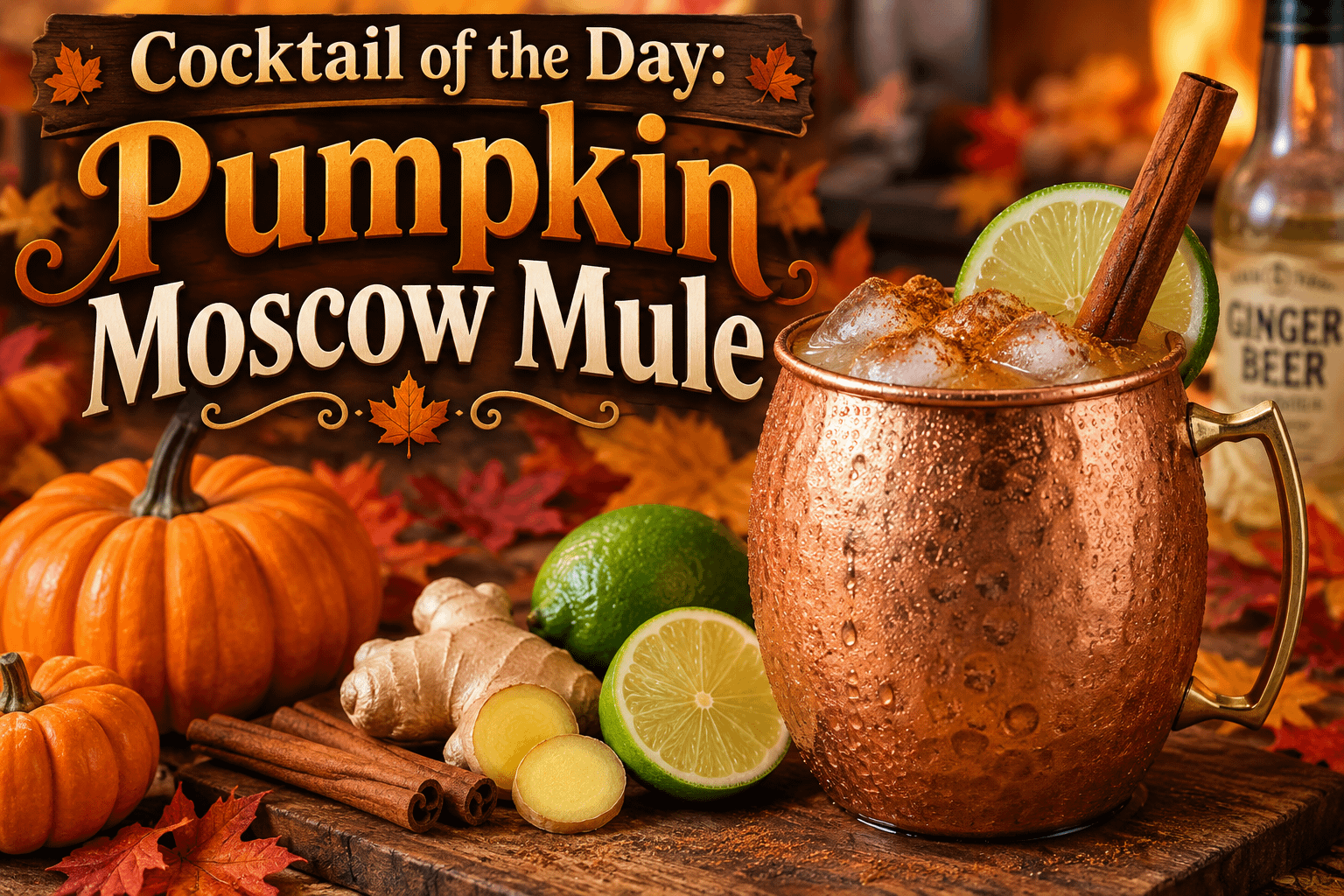
    Cocktail of the Day: Pumpkin Moscow Mule

    When autumn arrives, pumpkin seems to find its way into almost everything. From warm muffins and creamy pies to coffee, pancakes, and desserts, pumpkin has become one of the flavors most closely associated with fall. But pumpkin doesn’t have to stay in the kitchen or the coffee mug.

    Today’s Cocktail of the Day is the Pumpkin Moscow Mule, a seasonal twist on the classic Moscow Mule that combines vodka, spicy ginger beer, fresh lime, and pumpkin with warming fall spices.

    The result is refreshing, slightly sweet, pleasantly spicy, and full of autumn flavor.

    Unlike some pumpkin cocktails that are thick and dessert-like, the Pumpkin Moscow Mule remains crisp and bubbly. Ginger beer provides plenty of bite, lime adds brightness, and pumpkin brings a subtle richness that makes the drink feel perfect for cooler evenings.

    Whether you’re sitting around a fire, watching football, hosting a Halloween party, preparing Thanksgiving dinner, or simply enjoying a quiet fall evening at home, this cocktail brings a little taste of the season to your glass.

    What Is a Pumpkin Moscow Mule?

    The traditional Moscow Mule is remarkably simple. It generally consists of vodka, ginger beer, and lime juice served over ice, famously in a copper mug.

    The Pumpkin Moscow Mule keeps that basic foundation while introducing pumpkin and autumn spices.

    Pumpkin puree gives the cocktail its seasonal character without completely changing what makes a Moscow Mule enjoyable. Cinnamon and nutmeg add warmth, while maple syrup provides a touch of sweetness that pairs naturally with pumpkin.

    The spicy ginger beer is particularly important because ginger and pumpkin work extremely well together. Ginger cuts through the richness of the pumpkin and keeps the cocktail lively rather than heavy.

    Pumpkin Moscow Mule Recipe

    Serves: 1

    Ingredients:

    • 2 ounces vodka
    • 1 tablespoon pumpkin puree
    • 1/2 ounce fresh lime juice
    • 1/2 ounce pure maple syrup
    • 4–5 ounces ginger beer
    • Small pinch of ground cinnamon
    • Tiny pinch of ground nutmeg
    • Ice
    • Lime wheel or wedge for garnish
    • Cinnamon stick for garnish, optional

    For an extra festive presentation, you can also garnish the cocktail with a thin apple slice or sprinkle a very small amount of cinnamon over the top.

    How to Make a Pumpkin Moscow Mule

    Start by adding the pumpkin puree, vodka, fresh lime juice, maple syrup, cinnamon, and nutmeg to a cocktail shaker.

    Add several ice cubes and shake vigorously for approximately 15 seconds. Shaking is important because pumpkin puree is thicker than the ingredients normally used in a Moscow Mule. A good shake helps distribute the pumpkin throughout the cocktail.

    Fill a copper mug or cocktail glass with fresh ice.

    Strain the pumpkin mixture over the ice.

    Slowly pour the ginger beer over the mixture and gently stir. You don’t want to stir too aggressively because you want to preserve the carbonation.

    Garnish with a lime wheel and cinnamon stick.

    Serve immediately.

    Why the Flavors Work

    A successful seasonal cocktail shouldn’t simply taste like someone added pumpkin spice to an existing drink. The ingredients should complement each other.

    That’s exactly what happens with the Pumpkin Moscow Mule.

    Pumpkin provides an earthy, slightly sweet foundation.

    Vodka gives the cocktail its alcoholic base without overpowering the other ingredients.

    Ginger beer delivers spice, carbonation, and a sharp ginger flavor that prevents the pumpkin from becoming too heavy.

    Fresh lime juice adds acidity and brightness.

    Maple syrup introduces a deeper sweetness than ordinary simple syrup and naturally complements pumpkin.

    Finally, cinnamon and nutmeg provide those unmistakable aromas we associate with autumn.

    Together, these ingredients create a cocktail that tastes seasonal while still maintaining the refreshing qualities of a traditional Moscow Mule.

    Choosing the Right Pumpkin

    Use 100% pure pumpkin puree rather than pumpkin pie filling.

    There is an important difference.

    Pumpkin puree is simply cooked and pureed pumpkin. Pumpkin pie filling typically contains added sugar and spices. Using pie filling can make the cocktail considerably sweeter and make it harder to control the final flavor.

    You also don’t need very much pumpkin.

    One tablespoon is usually enough for a single cocktail. Adding significantly more may make the drink too thick and overwhelm the ginger beer.

    Fresh Lime Makes a Difference

    Bottled lime juice might be convenient, but freshly squeezed lime juice makes a noticeable difference in a simple cocktail like this.

    The acidity of fresh lime helps balance the maple syrup and pumpkin while emphasizing the brightness of the ginger beer.

    Before cutting your lime, you can gently roll it against the counter with your palm. This can help release some of the juice inside.

    Save a wheel or wedge for your garnish.

    Adjust the Sweetness

    One advantage of making cocktails at home is that you can adjust them to your preferences.

    If you prefer sweeter cocktails, increase the maple syrup slightly.

    If you like your drinks tart and refreshing, use less maple syrup or add a little more fresh lime juice.

    If your ginger beer is already particularly sweet, you may find that you only need a small amount of maple syrup.

    Taste and adjust until you find the balance you enjoy.

    Make It Extra Spicy

    For people who love ginger, choose a ginger beer with a strong spicy kick.

    You can also add a very thin slice of fresh ginger to the shaker.

    Another option is adding an extremely small pinch of ground cloves or allspice. Both pair beautifully with pumpkin, but use them carefully. These spices are powerful and can quickly dominate a cocktail.

    The goal is to create layers of fall flavor rather than making the drink taste like liquid pumpkin pie spice.

    The Famous Copper Mug

    A Moscow Mule is traditionally served in a copper mug, and there’s something especially fitting about using one for the pumpkin version.

    The copper-colored mug already looks like autumn.

    Fill it with ice, add the orange-toned pumpkin cocktail, garnish it with lime and cinnamon, and you have a drink that looks just as seasonal as it tastes.

    However, you don’t need a copper mug to enjoy this cocktail.

    A rocks glass, highball glass, or other sturdy cocktail glass works perfectly well.

    Pumpkin Apple Moscow Mule Variation

    Pumpkin and apple are two of fall’s signature flavors, so combining them is an easy variation.

    Use:

    • 2 ounces vodka
    • 1 tablespoon pumpkin puree
    • 1 ounce apple cider
    • 1/2 ounce lime juice
    • 1/4–1/2 ounce maple syrup
    • Ginger beer
    • Cinnamon

    Shake everything except the ginger beer with ice, strain into an ice-filled mug, and top with ginger beer.

    Garnish with an apple slice and cinnamon stick.

    The apple cider makes the cocktail fruitier while maintaining its autumn character.

    Pumpkin Cranberry Mule

    If you’re serving these around Thanksgiving, cranberry is another excellent addition.

    Add approximately 1 ounce of cranberry juice to the original recipe.

    The cranberry introduces tartness and gives the cocktail a slightly deeper color. Garnish with fresh cranberries, lime, and a cinnamon stick for a festive presentation.

    Pumpkin Bourbon Mule

    Vodka isn’t your only option.

    Replacing vodka with bourbon creates a richer version of the drink.

    Bourbon’s vanilla, oak, and caramel notes pair particularly well with pumpkin, maple, cinnamon, and ginger.

    Use the same basic recipe but substitute 2 ounces of bourbon for the vodka.

    Technically, you’ve moved away from the traditional Moscow Mule formula, but you’ll have an excellent fall cocktail.

    Make a Pumpkin Mule for a Fall Party

    The Pumpkin Moscow Mule is a great option for Halloween parties, football gatherings, autumn dinners, Friendsgiving celebrations, and Thanksgiving get-togethers.

    You can prepare the pumpkin mixture ahead of time.

    Combine the vodka, pumpkin puree, maple syrup, lime juice, cinnamon, and nutmeg in a pitcher and refrigerate it.

    Wait until you’re ready to serve before adding the ginger beer. Adding it too early will cause the carbonation to disappear.

    When guests arrive, fill mugs with ice, pour in the prepared pumpkin mixture, top each serving with ginger beer, and add your garnishes.

    This allows you to serve several cocktails without spending the entire evening making drinks individually.

    A Cocktail That Looks Like Fall

    Presentation can turn a simple cocktail into something memorable.

    Consider garnishing your Pumpkin Moscow Mule with:

    • A cinnamon stick
    • Lime wheel
    • Thin apple slice
    • Star anise
    • Fresh rosemary
    • A light dusting of cinnamon

    You don’t need to use all of them. One or two simple garnishes are usually more attractive than overcrowding the mug.

    For Halloween, you could even serve the cocktail in dark mugs or alongside small decorative pumpkins.

    For Thanksgiving, apple slices, cinnamon sticks, and rosemary create a more elegant presentation.

    What to Serve With It

    The Pumpkin Moscow Mule pairs particularly well with savory fall foods.

    Try serving it alongside roasted chicken, turkey sliders, baked brie, charcuterie, roasted nuts, pulled pork, barbecue dishes, spicy wings, sausage bites, or sharp cheeses.

    It can also work alongside desserts such as pumpkin pie, apple crisp, cinnamon cookies, pecan pie, or cheesecake.

    Because ginger beer and lime provide acidity and spice, the cocktail can stand up surprisingly well to rich foods.

    Make It a Mocktail

    You can easily create an alcohol-free Pumpkin Mule.

    Leave out the vodka and combine pumpkin puree, fresh lime juice, maple syrup, cinnamon, and nutmeg.

    Shake with ice, strain into an ice-filled mug, and top generously with ginger beer.

    You can add a splash of apple cider if you want additional flavor.

    The result still delivers pumpkin, spice, ginger, lime, and plenty of carbonation.

    The Taste of Autumn in a Copper Mug

    Part of the fun of seasonal drinks is enjoying flavors that match the moment.

    Summer might call for tropical fruit and frozen cocktails. Winter brings warm drinks, chocolate, peppermint, and rich spices.

    Fall belongs to pumpkin, apples, maple, cinnamon, ginger, and all those warm flavors that signal the arrival of cooler days.

    The Pumpkin Moscow Mule manages to capture those flavors without losing the refreshing personality that makes a Mule so enjoyable.

    The first sip brings the sharp fizz and spice of ginger beer. Then comes the brightness of lime, followed by subtle pumpkin and maple sweetness. Cinnamon and nutmeg linger in the background, providing just enough warmth to remind you that fall has arrived.

    It’s familiar, but different.

    Refreshing, but seasonal.

    Simple enough for a quiet evening at home yet festive enough for a fall celebration.

    Cocktail of the Day

    If you’re looking for a cocktail that bridges the gap between refreshing drinks and cozy autumn flavors, give the Pumpkin Moscow Mule a try.

    Grab a mug, fill it with ice, shake together some pumpkin, vodka, lime, maple, and spice, then finish everything with cold ginger beer.

    Add a cinnamon stick, find a comfortable place to enjoy the evening, and raise your mug to another beautiful fall season.

    Would you try the classic Pumpkin Moscow Mule, or would you make the apple, cranberry, or bourbon version first?

    Please enjoy responsibly. This recipe is intended for adults of legal drinking age.

  • Drink of the Day: Spiced Pumpkin Punch

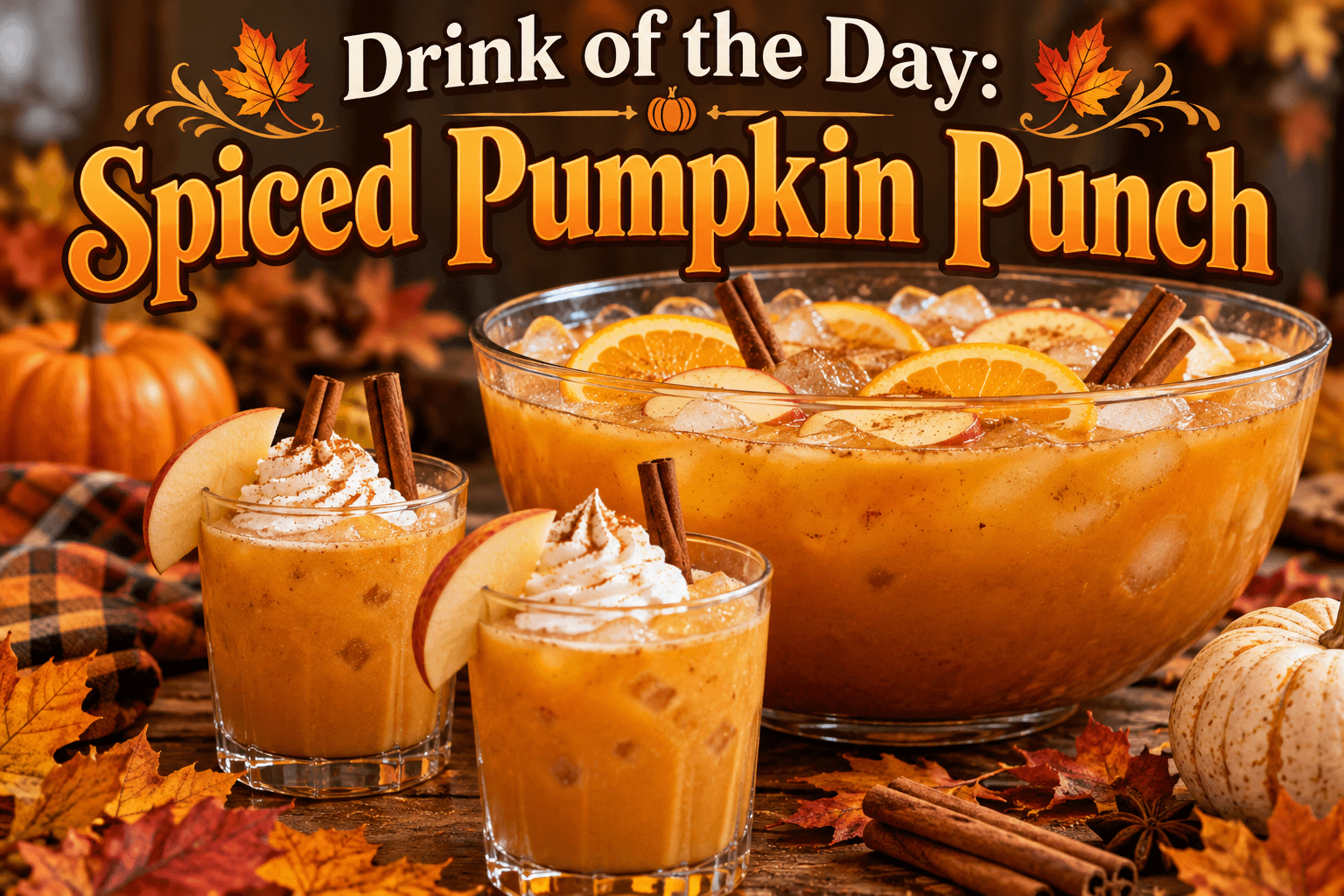
    Drink of the Day: Spiced Pumpkin Punch

    When the air starts getting cooler, the leaves begin changing colors, and pumpkin flavors return to kitchens everywhere, it is the perfect time to enjoy a drink that captures the feeling of fall in every sip.

    Today’s Drink of the Day is Spiced Pumpkin Punch, a creamy, flavorful drink filled with pumpkin, apple cider, warm spices, and a touch of sweetness.

    Pumpkin is usually associated with pies, breads, muffins, and the famous pumpkin spice latte, but it can also make an incredible seasonal punch. This drink combines the familiar flavors of pumpkin pie with the refreshing quality of a chilled fall beverage.

    Whether you are celebrating the beginning of autumn, hosting a Halloween party, planning Thanksgiving dinner, watching football with friends, or simply relaxing at home on a cool evening, Spiced Pumpkin Punch brings something special to the occasion.

    A Taste of Fall in a Glass

    There are certain flavors that immediately remind us of a season.

    Watermelon tastes like summer. Peppermint brings thoughts of Christmas. And when pumpkin meets cinnamon, nutmeg, ginger, and cloves, you know autumn has arrived.

    Spiced Pumpkin Punch brings those classic flavors together in a drink that is rich without being overwhelmingly heavy.

    Pumpkin puree creates the creamy foundation. Apple cider provides sweetness and a bright autumn flavor. Cinnamon, nutmeg, ginger, and cloves give the punch its unmistakable pumpkin-spice character.

    A little vanilla rounds everything out, while ginger ale added just before serving provides bubbles and keeps the drink refreshing.

    The result is something between pumpkin pie, apple cider, and a sparkling fall punch.

    Spiced Pumpkin Punch Recipe

    Servings: Approximately 8–10

    Ingredients

    • 1 cup pumpkin puree
    • 4 cups chilled apple cider
    • 2 cups chilled ginger ale
    • 1 cup orange juice
    • 1/2 cup heavy cream or half-and-half
    • 1/4 cup maple syrup
    • 1 teaspoon vanilla extract
    • 1 teaspoon ground cinnamon
    • 1/2 teaspoon ground nutmeg
    • 1/4 teaspoon ground ginger
    • Small pinch of ground cloves
    • Ice, as needed
    • Cinnamon sticks for garnish
    • Apple slices for garnish
    • Orange slices for garnish
    • Whipped cream, optional

    How to Make Spiced Pumpkin Punch

    Start by placing the pumpkin puree, apple cider, orange juice, cream, maple syrup, vanilla, cinnamon, nutmeg, ginger, and cloves into a large pitcher or punch bowl.

    Whisk everything thoroughly until the pumpkin is completely incorporated and the mixture becomes smooth.

    For an especially smooth punch, you can combine these ingredients in a blender before transferring the mixture to your serving pitcher.

    Refrigerate the pumpkin mixture for approximately 30 minutes. This allows the punch to become thoroughly chilled while giving the spices time to blend with the other flavors.

    Immediately before serving, slowly pour in the ginger ale.

    Stir gently. You want everything combined without eliminating all those refreshing bubbles.

    Add ice to individual glasses rather than filling the entire punch bowl with ice. This helps prevent the punch from becoming diluted as the ice melts.

    Pour, garnish, and enjoy.

    Make It Look Like Autumn

    Half the fun of serving a seasonal drink is the presentation.

    Try serving your Spiced Pumpkin Punch in clear glasses so everyone can see its beautiful orange color.

    Add an apple slice and cinnamon stick to each glass. A thin orange wheel also adds a beautiful contrasting color.

    For an even more decadent version, top each glass with a small amount of whipped cream and sprinkle cinnamon or pumpkin pie spice over the top.

    You can also rim the glasses with cinnamon sugar.

    Simply combine sugar with a little ground cinnamon on a plate. Moisten the rim of each glass with an orange slice and gently dip it into the cinnamon-sugar mixture.

    Suddenly, a simple homemade punch feels like something you would order from a seasonal drink menu.

    Why Pumpkin and Apple Work So Well Together

    Pumpkin has a mild, earthy flavor. On its own, it isn’t especially sweet.

    That makes it perfect for combining with stronger fall ingredients.

    Apple cider contributes natural sweetness, acidity, and fruitiness. The apple flavor prevents the pumpkin from becoming too heavy while still keeping the drink firmly rooted in autumn.

    Maple syrup adds another layer of seasonal sweetness.

    Then come the spices.

    Cinnamon provides warmth. Nutmeg gives the drink its familiar pumpkin-pie character. Ginger adds a little brightness and heat. Cloves contribute a deep aromatic flavor.

    You don’t need much of any individual spice.

    The goal is balance.

    You should still be able to taste the pumpkin, apple, citrus, vanilla, and maple underneath the spices.

    Make It Ahead for a Party

    Spiced Pumpkin Punch is an excellent party drink because most of the preparation can be completed ahead of time.

    Combine everything except the ginger ale and ice several hours before your gathering.

    Keep the mixture refrigerated.

    When guests arrive, give the pumpkin mixture another good stir and add the chilled ginger ale.

    Prepare apple slices, orange wheels, cinnamon sticks, whipped cream, and cinnamon sugar separately and create a small garnish station.

    Guests can customize their own drinks.

    It makes serving easier while also turning the punch into part of the party experience.

    Turn It Into a Halloween Punch

    This recipe can easily become a Halloween party drink.

    Serve it in a large black punch bowl and surround the bowl with miniature pumpkins, artificial autumn leaves, or battery-powered candles.

    You can give it a Halloween-inspired name such as Pumpkin Patch Punch, Witch’s Pumpkin Brew, or Haunted Harvest Punch.

    For kids, serve it in fun Halloween cups with orange-and-black straws.

    The natural pumpkin-orange color already fits the holiday perfectly, so you don’t need artificial coloring.

    Perfect for Thanksgiving

    Spiced Pumpkin Punch also works beautifully as a Thanksgiving drink.

    Thanksgiving meals can be heavy, and serving something festive before dinner gives guests something to enjoy while everyone gathers.

    Prepare a pitcher and place it near the appetizers.

    Because this version doesn’t require alcohol, adults and children can enjoy the same seasonal drink.

    It can also be a refreshing alternative for guests who don’t want coffee after dinner but still want something that tastes like the season.

    Pair a small glass with pumpkin pie, apple crisp, pecan pie, cinnamon cake, or another favorite Thanksgiving dessert.

    Try a Frozen Version

    If the weather is still warm where you live but you’re ready for fall flavors, turn Spiced Pumpkin Punch into a frozen drink.

    Prepare the punch without the ginger ale.

    Blend the pumpkin mixture with ice until smooth and slushy.

    Pour into glasses and add a small splash of ginger ale over the top.

    Garnish with cinnamon.

    You get all the flavors of autumn without needing cool autumn weather.

    Adjust the Sweetness

    One advantage of homemade drinks is that you control the sweetness.

    Apple cider, orange juice, and maple syrup all contribute sugar, so taste the mixture before adding additional sweetener.

    If you prefer something less sweet, reduce the maple syrup.

    If you have a serious sweet tooth, add a little more.

    You could also replace some of the maple syrup with brown sugar syrup for a deeper caramel-like flavor.

    The perfect version is simply the one that tastes best to you.

    Don’t Forget the Cinnamon Stick

    Sometimes a garnish does more than make a drink look pretty.

    A cinnamon stick slowly releases additional aroma as the punch sits.

    Because smell plays such an important role in how we experience flavor, bringing the glass toward your face and immediately smelling cinnamon makes the drink seem even more autumnal.

    It’s a simple addition that makes a noticeable difference.

    Celebrate the Season

    One of the best things about seasonal food and drinks is that they encourage us to appreciate where we are in the year.

    Fall doesn’t last forever.

    Soon the leaves will be gone, winter will arrive, and pumpkin spice will give way to peppermint, cranberry, gingerbread, and other holiday flavors.

    That makes autumn worth enjoying while it’s here.

    Make the pumpkin desserts.

    Visit the pumpkin patch.

    Watch the leaves change.

    Enjoy the cooler evenings.

    Gather around the table with people you care about.

    And pour yourself something that tastes like fall.

    Drink of the Day: Spiced Pumpkin Punch

    Creamy pumpkin, crisp apple cider, bright orange, maple sweetness, warming spices, and sparkling ginger ale come together to create a punch made for autumn.

    It’s festive enough for Halloween or Thanksgiving but easy enough to prepare simply because you’re in the mood for something different.

    Pour it over ice, add an apple slice and cinnamon stick, and enjoy the flavors of the season.

    Because sometimes fall isn’t just something you see outside.

    Sometimes you can taste it.

    What is your favorite drink to make when pumpkin season arrives?

  • Health Tip of the Day: Conquering Your Fear

    Health Tip of the Day: Conquering Your Fear

    Fear is one of the most powerful emotions we experience. It can protect us from danger, warn us when something feels wrong, and help us respond quickly when our safety is threatened. But fear can also become a barrier. It can keep us from trying something new, pursuing an opportunity, forming relationships, making changes, or simply enjoying our lives.

    Sometimes the thing holding us back isn’t an actual danger. It is the fear of what might happen.

    What if I fail?

    What if I get hurt?

    What if people judge me?

    What if I make the wrong decision?

    What if I’m not good enough?

    When those questions begin controlling our decisions, fear stops being a warning system and starts becoming a limitation.

    Today’s health tip is about learning to face fear rather than allowing fear to make every decision for you.

    Fear Is a Normal Human Response

    Being afraid doesn’t automatically mean you’re weak.

    Fear is part of the body’s natural response to perceived danger. When your brain senses a threat, your body can react almost instantly. Your heart may beat faster. Your breathing may change. Your muscles may tense. You may feel restless, shaky, nauseated, or overwhelmed.

    These reactions can be useful when you’re facing genuine danger.

    The problem comes when the same alarm system begins responding strongly to situations that aren’t actually dangerous.

    You might avoid speaking in front of people because you’re afraid of embarrassment. You might avoid meeting new people because you’re afraid of rejection. You might refuse an opportunity because you’re afraid of failing.

    Avoidance can provide temporary relief, but it can also strengthen fear over time. Every time you run from something because you’re afraid, your mind may interpret that decision as confirmation that the situation really was dangerous.

    Facing manageable fears gradually can teach your brain something different:

    I was afraid, but I handled it.

    That realization can be incredibly powerful.

    Courage Doesn’t Mean You Aren’t Afraid

    People sometimes imagine courage as fearlessness.

    Real courage is often much less dramatic.

    Courage can be making the phone call you’ve been putting off.

    It can be walking into a room where you don’t know anyone.

    It can be applying for a job even though rejection is possible.

    It can be having an uncomfortable conversation.

    It can be asking someone for help.

    It can be trying again after failing.

    It can be allowing yourself to care about something even though caring means you could eventually experience disappointment.

    Courage doesn’t require fear to disappear first.

    Sometimes courage simply means saying:

    “I’m afraid, but I’m going to take the next step anyway.”

    Identify What You’re Actually Afraid Of

    Fear becomes more difficult to manage when it remains vague.

    Instead of saying, “I’m scared,” try identifying exactly what you’re afraid will happen.

    For example:

    “I’m afraid I’ll embarrass myself.”

    “I’m afraid they’ll reject me.”

    “I’m afraid I’ll fail.”

    “I’m afraid I’ll lose what I already have.”

    “I’m afraid I’ll make the wrong choice.”

    “I’m afraid I’ll get hurt again.”

    Once you identify the specific fear, ask another question:

    What evidence do I have that this outcome will happen?

    Then ask:

    If it does happen, what could I do about it?

    You may discover that the outcome you’re imagining isn’t guaranteed. Even when the feared outcome is possible, you may realize you’re more capable of handling it than you originally believed.

    Stop Waiting Until You Feel Completely Ready

    One of fear’s favorite strategies is convincing us that we need to wait.

    “I’ll do it when I’m more confident.”

    “I’ll start when I’m ready.”

    “I’ll say something when the timing is perfect.”

    Sometimes preparation is important. But sometimes waiting for fear to disappear becomes another form of avoidance.

    Confidence often comes after action, not before it.

    You try something.

    You survive it.

    You learn.

    You adjust.

    You try again.

    Eventually, something that once seemed terrifying becomes manageable.

    You don’t need enough courage for the entire journey today.

    You need enough courage for the next step.

    Take Small Steps Toward Your Fear

    You don’t have to conquer your biggest fear in one dramatic moment.

    In many situations, gradual progress is healthier and more sustainable.

    If you’re afraid of social situations, your first step doesn’t have to be attending a huge event alone. Maybe you start by having a short conversation with someone.

    If you’re afraid of public speaking, you don’t need to begin in front of hundreds of people. Practice speaking aloud by yourself, then to someone you trust, then perhaps to a small group.

    If you’re afraid of returning to something after a difficult experience, start with the smallest manageable step.

    Small victories matter.

    Every successful step provides evidence that fear doesn’t have complete control over you.

    Learn to Calm Your Body

    Fear isn’t only experienced through thoughts. Your body participates too.

    When you’re anxious or frightened, slowing your physical response can make it easier to think clearly.

    Try taking slow, controlled breaths.

    Relax your shoulders.

    Unclench your jaw.

    Notice your surroundings.

    Feel your feet against the floor.

    Pay attention to what is happening right now rather than everything your mind predicts might happen later.

    You can also remind yourself:

    “I’m experiencing fear. That doesn’t automatically mean I’m in danger.”

    That distinction matters.

    Challenge the Worst-Case Scenario

    Fear loves worst-case scenarios.

    One mistake becomes:

    “My life will be ruined.”

    One rejection becomes:

    “Nobody will ever want me.”

    One failure becomes:

    “I’ll never succeed.”

    One difficult experience becomes:

    “This will always happen.”

    Instead of accepting those thoughts immediately, challenge them.

    Ask yourself:

    Is this a fact or a prediction?

    Am I assuming the worst possible outcome?

    What is another realistic possibility?

    What would I tell someone I cared about if they were thinking this way?

    The goal isn’t to pretend nothing bad can happen.

    The goal is to stop treating every frightening possibility as though it were guaranteed.

    Don’t Let Past Pain Control Every Future Decision

    Sometimes fear comes from experience.

    You’ve been hurt before.

    You’ve failed before.

    You’ve trusted someone and regretted it.

    You’ve experienced something you never want to experience again.

    Your mind remembers pain and tries to protect you from repeating it.

    That instinct makes sense.

    But protection can eventually become isolation.

    If every future decision is based on preventing yourself from ever experiencing pain again, you may also prevent yourself from experiencing opportunities, connection, growth, joy, and love.

    You don’t have to forget what happened.

    You don’t have to become careless.

    You can learn from the past without allowing the past to control every decision about your future.

    Focus on What You Can Control

    Fear frequently grows when we focus on things outside our control.

    You cannot control how everyone sees you.

    You cannot guarantee success.

    You cannot prevent every disappointment.

    You cannot predict everything that will happen tomorrow.

    But you can control many of your own choices.

    You can prepare.

    You can ask questions.

    You can establish boundaries.

    You can learn.

    You can practice.

    You can decide whether fear gets the final vote.

    Redirecting your attention toward what you can actually influence can make overwhelming situations feel more manageable.

    Keep Track of Your Progress

    When you’re working through fear, progress can be easy to overlook.

    Consider writing down the moments when you faced something that frightened you.

    Maybe you made a difficult phone call.

    Maybe you went somewhere alone.

    Maybe you spoke honestly.

    Maybe you tried something you’d avoided for months.

    Maybe you said yes to an opportunity.

    Maybe you said no when you needed to establish a boundary.

    Those moments become evidence.

    When fear tells you, “You can’t handle this,” you can look back and remember all the situations you already handled.

    Give Yourself Permission to Ask for Help

    Some fears are difficult to overcome alone.

    If fear or anxiety is significantly interfering with your daily life, relationships, sleep, work, or ability to do ordinary activities, consider talking with a qualified healthcare or mental-health professional.

    Seeking help isn’t surrendering to fear.

    Sometimes it is one of the strongest ways to confront it.

    Professional support can provide strategies for understanding anxiety, challenging unhelpful thinking patterns, and gradually approaching situations you’ve been avoiding.

    You don’t have to prove your strength by struggling alone.

    Your Fear Doesn’t Get to Write Your Future

    Fear may always be part of life.

    There will probably always be moments when you feel uncertain.

    There will be risks.

    There will be situations you cannot control.

    There may even be moments when your first instinct is to turn around and walk away.

    But fear doesn’t have to make every decision.

    You can acknowledge it without obeying it.

    You can feel nervous and still move forward.

    You can doubt yourself and still try.

    You can remember what happened in the past while refusing to assume the future must end the same way.

    Every time you face a manageable fear, you’re teaching yourself something important:

    I can be afraid and still move forward.

    That is what courage looks like.

    Health Tip of the Day

    Don’t make your goal to never feel afraid again.

    Make your goal to stop allowing fear to automatically decide what you can and cannot do.

    Identify the fear. Question the worst-case scenario. Calm your body. Take one manageable step. Then take another.

    You don’t have to conquer everything today.

    Sometimes conquering your fear begins with simply refusing to run from the next step.

    What is one fear you’ve been allowing to hold you back—and what small step could you take toward facing it today?

  • Love Tip of the Day: The Courage of Honest Love

    Love Tip of the Day: The Courage of Honest Love

    Love takes courage.

    Not just the courage to say, “I love you,” but the courage to be honest when your heart feels exposed. The courage to admit when you are afraid. The courage to talk about what hurts instead of pretending everything is fine. The courage to tell someone what they truly mean to you without knowing exactly how they will respond.

    Anyone can enjoy love when everything feels easy. Honest love reveals itself when being truthful feels risky.

    Sometimes the bravest thing you can do in a relationship is simply tell the truth about what is happening inside your heart.

    Honest Love Requires Vulnerability

    There is a difference between loving someone and allowing someone to truly know you.

    You can care deeply about another person while still keeping parts of yourself hidden. You can laugh together, spend time together, share experiences, and even build a life together while avoiding the fears, insecurities, disappointments, and dreams buried beneath the surface.

    Vulnerability changes that.

    It means allowing another person to see more than the version of yourself you think they want to see.

    You might say:

    “I miss you.”

    “I need you.”

    “That hurt me.”

    “I’m afraid of losing you.”

    “I don’t know how to talk about this, but I want to try.”

    “I made a mistake.”

    “I need reassurance.”

    “I want something deeper between us.”

    Those sentences can feel frightening because once they are spoken, you cannot control the response.

    That is where courage enters love.

    Stop Expecting Someone to Read Your Mind

    One of the easiest ways for relationships to become complicated is expecting another person to automatically know what you need.

    You may think:

    They should know I’m upset.

    They should know I need affection.

    They should know that bothered me.

    They should know how much I care.

    But people cannot always recognize what is happening inside us.

    Healthy love requires communication.

    Instead of hoping someone notices your silence, tell them what is wrong.

    Instead of expecting them to recognize that you need reassurance, ask for it.

    Instead of assuming they know how important they are to you, tell them.

    Love becomes stronger when two people stop guessing and start communicating.

    Tell the Truth Before Resentment Takes Over

    Small disappointments have a way of becoming larger when they remain unspoken.

    Something bothers you.

    You say nothing.

    It happens again.

    You still say nothing.

    Eventually, the frustration becomes resentment.

    Then one day an argument happens over something seemingly insignificant, but the argument isn’t really about what happened that day. It is carrying the weight of everything that was never discussed.

    Honest love addresses problems before they become walls.

    That doesn’t mean confronting every tiny annoyance or turning every disagreement into a serious conversation. It means recognizing when something genuinely matters and having enough respect for the relationship to talk about it.

    The goal shouldn’t be to win.

    The goal should be understanding.

    Honesty Doesn’t Mean Cruelty

    Being honest does not give us permission to be unnecessarily hurtful.

    There is a difference between truth and cruelty.

    You can tell someone how you feel without attacking their character.

    Instead of:

    “You never care about me.”

    Try:

    “I’ve been feeling disconnected from you lately, and I miss feeling close to you.”

    Instead of:

    “You always ignore me.”

    Try:

    “When I don’t hear from you, sometimes I start wondering whether something is wrong between us.”

    The message may be similar, but the approach is completely different.

    Honest love isn’t about using truth as a weapon.

    It is about using truth as a bridge.

    Have the Courage to Say What Someone Means to You

    People sometimes hesitate to express affection because they fear appearing vulnerable.

    We convince ourselves that we shouldn’t care too much.

    Don’t text first.

    Don’t say too much.

    Don’t show how important they are.

    Don’t let them know you miss them.

    Don’t let yourself look vulnerable.

    But meaningful relationships cannot survive forever behind emotional armor.

    If someone matters to you, there is nothing weak about letting them know.

    Tell them you appreciate them.

    Tell them you’re proud of them.

    Tell them you enjoy having them in your life.

    Tell them what makes them special to you.

    Tell them you miss them when they’re gone.

    We often assume there will always be another opportunity to say these things.

    Life doesn’t guarantee that.

    Sometimes love means having the courage to say today what your heart would regret leaving unsaid.

    Admit When You’re Wrong

    Two simple words can save relationships from unnecessary damage:

    “I’m sorry.”

    Yet those words can sometimes feel incredibly difficult to say.

    Pride tells us to defend ourselves.

    Love asks us to examine ourselves.

    When you hurt someone, intentionally or unintentionally, acknowledge it.

    A meaningful apology isn’t:

    “I’m sorry you got upset.”

    It is:

    “I’m sorry for what I did. I understand why it hurt you.”

    Accountability creates emotional safety.

    Nobody gets everything right in a relationship. We misunderstand each other. We react badly. We say things we regret. We sometimes allow our own pain to influence how we treat someone else.

    Honest love doesn’t demand perfection.

    It requires responsibility.

    Be Honest About What You Need

    There is nothing wrong with having emotional needs.

    Perhaps you need affection.

    Maybe you need more communication.

    Maybe quality time matters deeply to you.

    Perhaps you need reassurance when you’re struggling.

    Maybe you need space occasionally.

    Perhaps loyalty is especially important because of experiences from your past.

    Whatever your needs are, pretending they don’t exist doesn’t make them disappear.

    Eventually, ignored needs often become frustration.

    Have the courage to communicate them.

    The other person may not always be able to meet every need exactly as you imagine, but honest communication gives both people the opportunity to understand each other.

    Don’t Hide Your Past, but Don’t Let It Control Your Future

    Everyone enters relationships carrying a history.

    Some people carry heartbreak.

    Others carry betrayal.

    Some carry abandonment.

    Some have trusted people who eventually hurt them.

    Those experiences can make honest love frightening.

    You may find yourself waiting for history to repeat itself.

    You may question someone’s intentions even when they haven’t given you a reason.

    You may keep emotional distance because distance feels safer.

    Protecting yourself after being hurt is understandable.

    But eventually, if you want genuine love, someone has to be allowed beyond the walls.

    That doesn’t mean ignoring warning signs or trusting blindly.

    It means recognizing when yesterday’s pain is influencing today’s relationship.

    A new person should not automatically have to pay for someone else’s mistakes.

    Honest Love Includes Boundaries

    Love does not mean accepting everything.

    Sometimes honesty sounds like:

    “I love you, but this behavior hurts me.”

    “I care about you, but I cannot continue being treated this way.”

    “I want this relationship, but something needs to change.”

    Boundaries aren’t the opposite of love.

    Healthy boundaries help protect it.

    You can care deeply about another person while still respecting yourself.

    Real love should never require you to completely abandon your dignity, identity, values, friendships, dreams, or emotional well-being just to keep someone beside you.

    Listen to Their Truth Too

    Honest love isn’t only about having the courage to speak.

    It also requires the courage to listen.

    Sometimes your partner will tell you something you don’t want to hear.

    Maybe they are hurt.

    Maybe they feel neglected.

    Maybe they need something different.

    Your first instinct might be to defend yourself.

    Try listening first.

    You don’t necessarily have to agree with every interpretation someone has, but their feelings are still worth understanding.

    Ask questions.

    Listen without preparing your defense.

    Try to understand what they are experiencing.

    There is tremendous intimacy in knowing you can tell someone the truth without immediately being punished for it.

    Don’t Make Someone Regret Opening Up to You

    When someone shares something vulnerable, remember what they are giving you.

    Trust.

    Maybe they are sharing a fear they’ve rarely spoken about.

    Maybe they are talking about something painful from their past.

    Maybe they’re admitting how deeply they care about you.

    Maybe they’re showing you a part of themselves they normally hide.

    Treat those moments carefully.

    Don’t mock their vulnerability.

    Don’t bring it up later to embarrass them.

    Don’t use their insecurities against them during an argument.

    When someone trusts you with their heart, protect what they have shared.

    Emotional safety is one of the greatest gifts two people can give each other.

    Sometimes Honest Love Means Having Difficult Conversations

    Not every loving conversation feels good.

    Sometimes love requires talking about money, trust, intimacy, family, priorities, boundaries, expectations, or the future.

    Avoiding difficult subjects may create temporary peace, but unresolved problems rarely disappear.

    They usually wait.

    Strong relationships aren’t necessarily relationships without conflict.

    They are relationships where two people learn how to move through conflict without destroying each other.

    You can disagree without disrespect.

    You can be frustrated without becoming cruel.

    You can ask for change without threatening someone’s worth.

    You can take time to cool down and return to the conversation later.

    The relationship should matter more than winning the argument.

    Say the Things That Matter While You Can

    Life has taught many people a painful truth:

    Tomorrow is never promised.

    We assume there will always be another phone call, another dinner, another morning, another birthday, another chance to say what we’ve been meaning to say.

    Sometimes there isn’t.

    That doesn’t mean living in fear.

    It means loving intentionally.

    If you love someone, tell them.

    If you’re grateful for someone, show them.

    If someone has changed your life, let them know.

    If you owe someone an apology, don’t let pride keep delaying it.

    If you’ve been holding something meaningful inside your heart, consider whether silence is truly protecting you—or simply protecting you from vulnerability.

    There are few things heavier than words we wish we had spoken when we still had the opportunity.

    Honest Love Isn’t Perfect Love

    You will still misunderstand each other.

    There will still be disagreements.

    Sometimes you’ll say something poorly and have to explain what you meant.

    Sometimes you’ll need to apologize.

    Sometimes one of you will need space.

    Honest love doesn’t eliminate the difficult parts of relationships.

    It gives you a healthier way to face them.

    Two people who can repeatedly return to honesty, respect, accountability, forgiveness, and communication have something valuable.

    Not perfection.

    Something better.

    Something real.

    Love Tip of the Day

    Have the courage to love without hiding behind pride.

    Say what you mean.

    Ask what you need to ask.

    Listen when the other person speaks.

    Apologize when you’re wrong.

    Set boundaries when they’re necessary.

    Express appreciation freely.

    And don’t assume the people you love already know everything inside your heart.

    Honest love can feel risky because it requires vulnerability.

    But hiding your heart carries a risk too: someone may never know how deeply you cared.

    Sometimes courage isn’t making a dramatic declaration.

    Sometimes courage is sitting beside someone you love and quietly saying:

    “This is what I’m feeling. This is what I’m afraid of. This is what you mean to me. And I trust you enough to tell you the truth.”

    That is the courage of honest love.

    What is one truth in your heart that you wish you had the courage to share with someone you love?

  • Grief of the Day: How to Take Care of Someone Who Has Lost a Child

    Grief of the Day: How to Take Care of Someone Who Has Lost a Child

    There are losses that change a person’s life, and then there is the loss of a child.

    When a parent loses a child, the world they knew no longer exists in quite the same way. Their child was part of their identity, their daily routine, their memories, their hopes, and the future they imagined. Love does not disappear when a child dies, but suddenly there is nowhere for so much of that love to go.

    If someone you care about has lost a child, you may desperately want to help while having absolutely no idea what to do.

    You may be afraid of saying the wrong thing.

    You may wonder whether mentioning their child will make them cry.

    You may feel helpless because nothing you can say will bring their child back.

    The truth is that you cannot fix this kind of grief.

    But you can help someone carry it.

    Sometimes taking care of a grieving parent isn’t about finding extraordinary words. It is about being willing to remain beside them when there are no words at all.

    Don’t Try to Take Their Grief Away

    One of the first things to understand is that grief after losing a child isn’t something that needs to be fixed.

    The grieving parent isn’t waiting for someone to give them the perfect advice that will suddenly make everything better. Their grief exists because their love exists.

    You don’t have to solve it.

    You don’t have to explain it.

    You don’t have to find a reason why it happened.

    Sometimes the most compassionate thing you can say is simply:

    “I’m here.”

    And then prove it.

    Sit beside them.

    Listen when they want to talk.

    Let silence exist when they don’t.

    Allow tears without immediately trying to stop them.

    Grief makes many people uncomfortable because we naturally want suffering to end. But sometimes caring for someone means becoming comfortable sitting beside pain you cannot remove.

    Say Their Child’s Name

    Many grieving parents fear that eventually everyone will stop talking about their child.

    People sometimes avoid mentioning the child because they are afraid of reminding the parent of what happened.

    But the parent hasn’t forgotten.

    They wake up knowing.

    They go to sleep knowing.

    They carry that absence through birthdays, holidays, grocery stores, songs, photographs, family gatherings, quiet evenings, and ordinary Tuesday mornings.

    Mentioning their child’s name usually isn’t creating their grief.

    The grief is already there.

    Instead, hearing their child’s name can remind them that their child mattered to other people too.

    Say their name.

    Share a memory.

    Tell the parent something you remember about their child’s personality, kindness, humor, accomplishments, or quirks.

    A simple sentence like:

    “I was thinking about him today.”

    can mean more than you realize.

    Because one of the greatest fears after losing someone you love is that the rest of the world will eventually forget them.

    Listen More Than You Speak

    You don’t need to have experienced child loss to listen compassionately to someone who has.

    Let them tell their story.

    Even if you’ve heard it before.

    Grieving people sometimes need to repeat memories because those memories are among the few things they still physically possess from the life they once shared with their child.

    They may tell you about the day their child was born.

    They may tell you about childhood vacations.

    They may talk about arguments, funny moments, school, sports, birthdays, favorite foods, inside jokes, or ordinary moments that suddenly became priceless.

    They may also talk about the day their child died.

    Listen.

    Don’t rush them toward a happier subject because their pain makes you uncomfortable.

    Sometimes telling the story is part of carrying the story.

    Don’t Put a Timeline on Their Grief

    There is no expiration date for loving your child.

    Therefore, there is no expiration date for grieving them.

    After several months, people may expect the parent to “start getting back to normal.”

    After a year, some may assume they should have “moved on.”

    But what exactly are they supposed to move on from?

    Their child?

    Grief changes over time, but that doesn’t mean it disappears.

    A parent may laugh again.

    They may work.

    They may travel.

    They may fall in love.

    They may celebrate birthdays.

    They may build a meaningful life.

    And they may still miss their child every single day.

    Those things can exist together.

    Healing does not require forgetting.

    Moving forward does not mean leaving their child behind.

    Remember the Difficult Dates

    The first weeks after a death often bring tremendous support.

    People call.

    They bring food.

    They send cards.

    They attend services.

    They check in.

    Then slowly, everyone returns to their own lives.

    But the grieving parent doesn’t get to return to the life they had before.

    This is when support becomes especially important.

    Remember their child’s birthday.

    Remember the anniversary of their death.

    Remember Mother’s Day and Father’s Day.

    Remember holidays.

    Send a simple message.

    “Thinking about you and your child today.”

    You don’t need an elaborate speech.

    Remembering matters.

    And don’t assume only the first anniversary is difficult.

    The second can hurt.

    The fifth can hurt.

    The tenth can hurt.

    Twenty years later, a birthday can still bring tears.

    Love keeps counting the years even when someone is no longer physically here.

    Help With Ordinary Life

    Grief is exhausting.

    Something as simple as cooking dinner, doing laundry, answering messages, cleaning the house, or going grocery shopping can feel overwhelming.

    Instead of saying:

    “Let me know if you need anything.”

    consider offering something specific.

    Bring dinner.

    Offer to pick up groceries.

    Mow the lawn.

    Walk the dog.

    Drive them somewhere.

    Help with household chores.

    Drop off coffee.

    Sit with them while they handle paperwork.

    Small acts can remove one responsibility from a person whose emotional energy is already depleted.

    And don’t be offended if they say no.

    Continue caring without applying pressure.

    Understand That Grief Can Be Unpredictable

    A grieving parent may seem okay one day and devastated the next.

    That doesn’t necessarily mean they are going backward.

    Grief doesn’t move in a straight line.

    A song might suddenly bring back a memory.

    A child laughing in a restaurant might trigger tears.

    Walking through a store and seeing their child’s favorite snack may hurt.

    A photograph can create both joy and heartbreak.

    Sometimes the biggest triggers are unexpected.

    Give them permission to experience whatever comes.

    They don’t always need someone asking:

    “What’s wrong?”

    Sometimes they simply need someone who understands that grief arrived unexpectedly.

    Don’t Compare Their Loss

    When someone shares their grief, resist the urge to immediately respond with another loss.

    Every loss matters, but every relationship is different.

    Instead of trying to prove that you understand exactly how they feel, acknowledge that you may not fully understand.

    You can say:

    “I can’t imagine everything you’re carrying, but I’m here to listen.”

    That gives them space to describe their own experience without having it compared to someone else’s.

    Let Them Laugh Without Guilt

    There may eventually be moments when the grieving parent laughs again.

    Encourage those moments without treating them as evidence that grief is over.

    Sometimes grieving parents feel guilty for experiencing happiness.

    They may wonder:

    How can I laugh when my child is gone?

    But love doesn’t demand permanent suffering.

    A parent can miss their child desperately and still experience joy.

    They can laugh and grieve.

    They can smile and remember.

    They can build new memories while cherishing old ones.

    Support both sides of that reality.

    Don’t Disappear Because You Don’t Know What to Say

    One of the loneliest parts of grief can be watching people disappear.

    Sometimes friends stop calling because they don’t know what to say.

    But silence can feel like abandonment.

    You don’t need perfect words.

    Send a message:

    “I’m thinking about you.”

    Invite them for coffee.

    Ask if they want company.

    Check in months later.

    Continue showing up.

    Consistency is often more valuable than eloquence.

    Allow Them to Talk About Who They Were Before

    Child loss can change a person’s identity.

    They may look at photographs from years earlier and barely recognize the person smiling back at them.

    Their priorities may change.

    Friendships may change.

    Faith may change.

    Relationships may change.

    Their understanding of life itself may change.

    Give them space to talk about who they were, who they are now, and who they are becoming.

    They may never become the person they were before.

    That doesn’t mean life cannot still contain meaning.

    It means they are learning how to live while carrying something they never wanted to carry.

    Don’t Tell Them How They Should Feel

    Avoid statements such as:

    “You need to be strong.”

    “Everything happens for a reason.”

    “At least they’re in a better place.”

    “You have other children.”

    “You need to move on.”

    Even when intended as comfort, these words can unintentionally minimize the person’s grief.

    Instead, acknowledge the reality.

    “I am so sorry.”

    “I miss them too.”

    “I’m here whenever you need someone.”

    Sometimes simple compassion is enough.

    Keep Supporting Them When Everyone Else Has Gone Home

    Perhaps one of the greatest gifts you can give a grieving parent is long-term presence.

    Not only during the funeral.

    Not only during the first month.

    Not only during the first year.

    Stay.

    Check in occasionally.

    Remember important dates.

    Share memories.

    Invite them places even if they sometimes decline.

    Allow them to talk about their child.

    Celebrate their progress without expecting their grief to disappear.

    Grief can become especially lonely when everyone else assumes enough time has passed.

    Your continued presence tells them:

    You don’t have to carry this completely alone.

    Remember That Their Child Will Always Be Their Child

    Death changes many things.

    It does not erase parenthood.

    A mother remains a mother.

    A father remains a father.

    Their child’s story remains part of their story.

    Their love continues.

    That is why one of the most compassionate things you can do is recognize the relationship rather than pretending it disappeared.

    Talk about their child.

    Remember their child.

    Honor their child.

    Let the parent know that their child’s life mattered.

    Sometimes Taking Care of Them Means Simply Staying

    There isn’t a perfect formula for supporting someone who has lost a child.

    Some days they may want to talk.

    Some days they may want silence.

    Some days they may need practical help.

    Some days they may need space.

    Some days they may desperately need someone to sit beside them and remind them they are not alone.

    You don’t need to understand everything they are experiencing.

    You just need to care enough to remain present.

    Because grief is heavy.

    And while you cannot carry it for them, sometimes you can stand beside them and help make the weight feel a little less lonely.

    That matters more than you may ever know.

    Final Thoughts

    If someone you love has lost a child, don’t worry about finding the perfect words.

    There probably aren’t any.

    Instead, give them something much more valuable:

    Your presence.

    Your patience.

    Your compassion.

    Your willingness to listen.

    Your willingness to remember.

    And your willingness to keep showing up long after everyone else has returned to their normal lives.

    Their world has changed forever.

    They don’t need someone telling them how to get over it.

    They need people who understand that they are learning how to live with it.

    And sometimes the greatest act of love is simply sitting beside someone in their darkest moments and quietly reminding them:

    You don’t have to walk through this alone.

    If someone you care about has lost a child, what is one small thing you can do today to remind them that both they—and their child—are remembered?

  • Inspiration of the Day: What You Give Is Who You Are

    Inspiration of the Day: What You Give Is Who You Are

    There is an old truth that becomes more meaningful the longer we live: what you give to the world says a great deal about who you are.

    Not what you own.

    Not the title beside your name.

    Not how many people follow you.

    Not how much money you have accumulated.

    Not even what other people think about you.

    What matters is what you give.

    You give pieces of yourself every single day, sometimes without realizing it. You give through your words, your attitude, your time, your patience, your kindness, your forgiveness, your encouragement, and your willingness to help someone who needs you.

    Those choices reveal your character.

    You don’t have to be wealthy to be generous. You don’t have to have everything figured out before you can encourage somebody else. You don’t have to live a perfect life before your life can make a difference.

    Sometimes the people who have been through the most are the ones who have the most compassion to give.

    You Are More Than What You Have

    We live in a world that often measures people by possessions, accomplishments, careers, popularity, appearance, and status.

    But those things don’t tell the complete story of a person.

    Someone can have very little materially and still possess an incredibly generous heart. Another person can have everything money can buy and still have very little they are willing to give emotionally.

    Character isn’t measured by what sits in your bank account.

    It is revealed in what comes from your heart.

    When you give someone your time when they are lonely, you are showing who you are.

    When you encourage somebody who is ready to give up, you are showing who you are.

    When you forgive someone even though holding onto anger would be easier, you are showing who you are.

    When you help somebody without expecting recognition, you are showing who you are.

    When you choose kindness even after life has been unkind to you, you are showing who you are.

    These moments may seem small, but they can leave lasting impressions.

    Give What You Wish You Had Received

    Sometimes life teaches us generosity through absence.

    Maybe there was a time when you desperately needed someone to listen, but nobody did.

    Maybe you needed encouragement and received criticism instead.

    Maybe you needed someone to stay, but people walked away.

    Maybe you needed compassion and were met with judgment.

    Maybe you experienced grief, heartbreak, loneliness, disappointment, or failure and discovered how quickly some people disappear when life becomes uncomfortable.

    Those experiences can make you bitter.

    But they can also make you compassionate.

    You can decide to become the person you once needed.

    Give someone the encouragement you wish you had received.

    Offer the patience you once needed.

    Listen the way you wish somebody had listened to you.

    Be present for someone walking through a difficult season.

    You cannot rewrite yesterday, but you can allow yesterday to teach you how to make somebody else’s tomorrow a little easier.

    That is one of the most beautiful ways pain can be transformed into purpose.

    Kindness Is Never Small

    We sometimes underestimate what a simple act of kindness can accomplish.

    A genuine compliment can change someone’s day.

    A phone call can remind somebody they haven’t been forgotten.

    A message saying, “I’m thinking about you” can arrive at exactly the moment someone needs it.

    Helping someone carry something, buying a stranger a meal, supporting a friend’s dream, checking on somebody who is grieving, thanking a worker who rarely hears appreciation—these aren’t necessarily dramatic acts.

    But kindness doesn’t need to be dramatic to matter.

    You may never know what someone is carrying internally.

    The person smiling at you could be fighting a battle they haven’t told anyone about.

    The person who seems strong might be exhausted.

    The person who always helps everyone else might desperately need someone to ask how they are doing.

    Your kindness might be one small moment in your day while becoming one of the most meaningful moments in theirs.

    Never underestimate what you can give simply by treating another human being with compassion.

    Give Without Keeping Score

    Giving becomes something different when every act comes with an expectation attached.

    “I helped you, so now you owe me.”

    “I was there for you, so you have to be there for me.”

    “I gave you something, so you should give something back.”

    Healthy relationships should involve mutual care, but genuine generosity isn’t a transaction.

    Sometimes you give because giving is simply the right thing to do.

    You help because someone needs help.

    You encourage because someone needs encouragement.

    You love because love is part of who you choose to be.

    That doesn’t mean allowing people to take advantage of you. Generosity and boundaries can exist together. You can have a giving heart while still knowing when to say no.

    Giving doesn’t require sacrificing your entire well-being.

    It means choosing to bring something good into the world whenever you reasonably can.

    Give Even When Life Has Taken From You

    One of the hardest things about life is that sometimes it takes far more than it seems to give back.

    Life can take relationships.

    It can take opportunities.

    It can take dreams.

    It can take people we love.

    It can change everything in a moment and leave us wondering how we’re supposed to keep moving forward.

    After enough loss, it can be tempting to close your heart.

    You might think, “Why should I keep giving when life keeps taking?”

    Because what happened to you doesn’t have to decide what comes from you.

    You can still choose compassion.

    You can still choose love.

    You can still choose hope.

    You can still choose to help someone else.

    There is extraordinary strength in refusing to let pain turn your heart cold.

    Sometimes giving becomes part of healing. Helping someone else doesn’t erase your pain, but it can remind you that your life still has meaning and that you can still make a difference.

    Your wounds may even help you recognize wounds in others that everyone else overlooks.

    Give Your Time

    Money can be replaced.

    Time cannot.

    That makes time one of the most valuable things you can ever give someone.

    Sit with someone.

    Have the conversation.

    Make the phone call.

    Visit the person you’ve been meaning to visit.

    Listen to the story you’ve heard before.

    Spend time with the people you love while you still have the opportunity.

    Life moves incredibly fast.

    One day, you may realize the ordinary moments were actually some of the most important moments of your life.

    The laughter around a dinner table.

    The drive where you talked about nothing important.

    The random phone call.

    The afternoon spent together.

    The hug before someone walked out the door.

    We often don’t realize we’re living a precious memory while it’s happening.

    Give people your time.

    Someday, those moments may mean more than anything money could have purchased.

    Give Encouragement

    There are enough voices telling people they aren’t good enough.

    Be a different voice.

    Tell someone you believe in them.

    Celebrate their progress.

    Remind them how far they’ve come.

    Encourage them after they fail.

    Sometimes people don’t need another lecture about what they did wrong. They already know.

    They need somebody to remind them that one mistake doesn’t define their entire life.

    Your words carry power.

    They can tear someone down, or they can help someone stand again.

    Use them carefully.

    A few sincere words of encouragement can stay with someone for years.

    Give Love While You Can

    Don’t assume people know how much they mean to you.

    Tell them.

    Say, “I love you.”

    Say, “I’m proud of you.”

    Say, “Thank you.”

    Say, “I’m glad you’re in my life.”

    We often postpone important words because we assume there will always be another opportunity.

    Life doesn’t guarantee that.

    Love should not remain trapped inside us because we were embarrassed, distracted, stubborn, or waiting for the perfect moment.

    The perfect moment might simply be today.

    Give people their flowers while they can still smell them.

    Tell people what they mean to you while they can still hear you.

    Love people while you still have the opportunity to show them.

    What You Give Lives Beyond the Moment

    You may never fully understand the impact you’ve had on another person’s life.

    Someone may remember something kind you said years ago.

    A child may grow up remembering that you believed in them.

    A friend may remember that you stayed when everyone else disappeared.

    Someone grieving may remember that you weren’t afraid to sit beside them in their sadness.

    A stranger may remember the kindness you showed them during one of the worst days of their life.

    We leave pieces of ourselves everywhere we go.

    The question is: What kind of pieces are we leaving behind?

    Anger?

    Judgment?

    Bitterness?

    Or kindness?

    Compassion?

    Encouragement?

    Love?

    Every day gives us another opportunity to decide.

    You Don’t Need to Change the Whole World

    Sometimes we think making a difference requires doing something enormous.

    It doesn’t.

    You may never change the entire world.

    But you can change someone’s world.

    Help one person.

    Encourage one person.

    Feed one person.

    Listen to one person.

    Forgive one person.

    Support one person.

    Love one person.

    And then do it again when you get another opportunity.

    A meaningful life is often built from thousands of seemingly ordinary acts of goodness.

    You don’t need applause.

    You don’t need recognition.

    You don’t need everyone to know what you did.

    Some of the greatest things you will ever do may happen quietly.

    Today’s Inspiration

    When you walk into the world today, think about what you are giving.

    Give kindness where you find cruelty.

    Give patience where you find frustration.

    Give encouragement where you find doubt.

    Give compassion where you find pain.

    Give hope where you find despair.

    Give love wherever you possibly can.

    You won’t always get the same things back.

    Some people won’t appreciate what you give.

    Some may misunderstand your heart.

    Others may take your kindness for granted.

    Don’t allow their response to determine your character.

    Give because generosity, compassion, and love represent the person you have chosen to become.

    At the end of life, people may forget many of the things you owned and many of the accomplishments you considered important.

    But they will remember how you made them feel.

    They will remember whether you showed up.

    They will remember whether you cared.

    They will remember the kindness you gave when they needed it most.

    Because ultimately, what you give is who you are.

    So ask yourself today:

    What piece of yourself will you give to someone who needs it?