
Thanksgiving turkey is the centerpiece of many holiday dinners, but the secret to making it truly unforgettable is the seasoning. Whether you prefer traditional herbs, savory garlic butter, smoky spices, or a sweet and spicy blend, the right combination of seasonings can transform an ordinary turkey into a delicious holiday masterpiece.
A perfectly seasoned Thanksgiving turkey should have a rich, savory flavor, beautifully golden skin, and tender, juicy meat. While cooking methods are important, choosing the right turkey seasoning recipe makes a tremendous difference in the final result.
The good news is that homemade turkey seasoning is incredibly easy to prepare. Most recipes require only a handful of pantry ingredients, and you can customize them to match your family’s favorite flavors.
In this guide, you’ll discover the 10 best Thanksgiving turkey seasoning recipes, along with ingredients, preparation instructions, seasoning tips, and helpful advice for creating a flavorful holiday turkey.
Why Homemade Thanksgiving Turkey Seasoning Is Better
Making your own turkey seasoning gives you complete control over the flavors and ingredients.
Store-bought seasoning blends can be convenient, but some contain excessive sodium, preservatives, or ingredients you may not want.
Homemade turkey seasoning offers several advantages:
-
Better flavor: Freshly combined herbs and spices create a richer taste.
-
Customizable ingredients: Adjust garlic, herbs, salt, and heat according to your preferences.
-
Budget-friendly: Most ingredients are already available in your kitchen.
-
Less unnecessary sodium: Control exactly how much salt goes into your turkey.
-
Versatility: Use the same seasoning blends on chicken, potatoes, vegetables, and other holiday dishes.
For the best results, season your turkey thoroughly and allow enough time for the flavors to develop before cooking.
1. Classic Thanksgiving Herb Turkey Seasoning
BEST FOR TRADITIONAL THANKSGIVING FLAVOR
Nothing says Thanksgiving quite like the comforting aroma of rosemary, thyme, sage, and garlic roasting in the oven.
This classic turkey seasoning combines traditional holiday herbs with savory spices to create a familiar, delicious flavor.
Ingredients
-
2 tablespoons dried rosemary
-
2 tablespoons dried thyme
-
1 tablespoon dried sage
-
1 tablespoon garlic powder
-
1 tablespoon onion powder
-
2 teaspoons paprika
-
2 teaspoons black pepper
-
1 tablespoon kosher salt, or to taste
Instructions
-
Combine all ingredients in a small mixing bowl.
-
Stir thoroughly until the herbs and spices are evenly distributed.
-
Pat the turkey dry with paper towels.
-
Rub the turkey lightly with olive oil or softened butter.
-
Sprinkle the seasoning evenly over the turkey, including beneath the breast skin where possible.
-
Refrigerate the seasoned turkey until ready to roast.
Best tip: Season the turkey 12–24 hours before cooking to give the herbs time to flavor the meat.
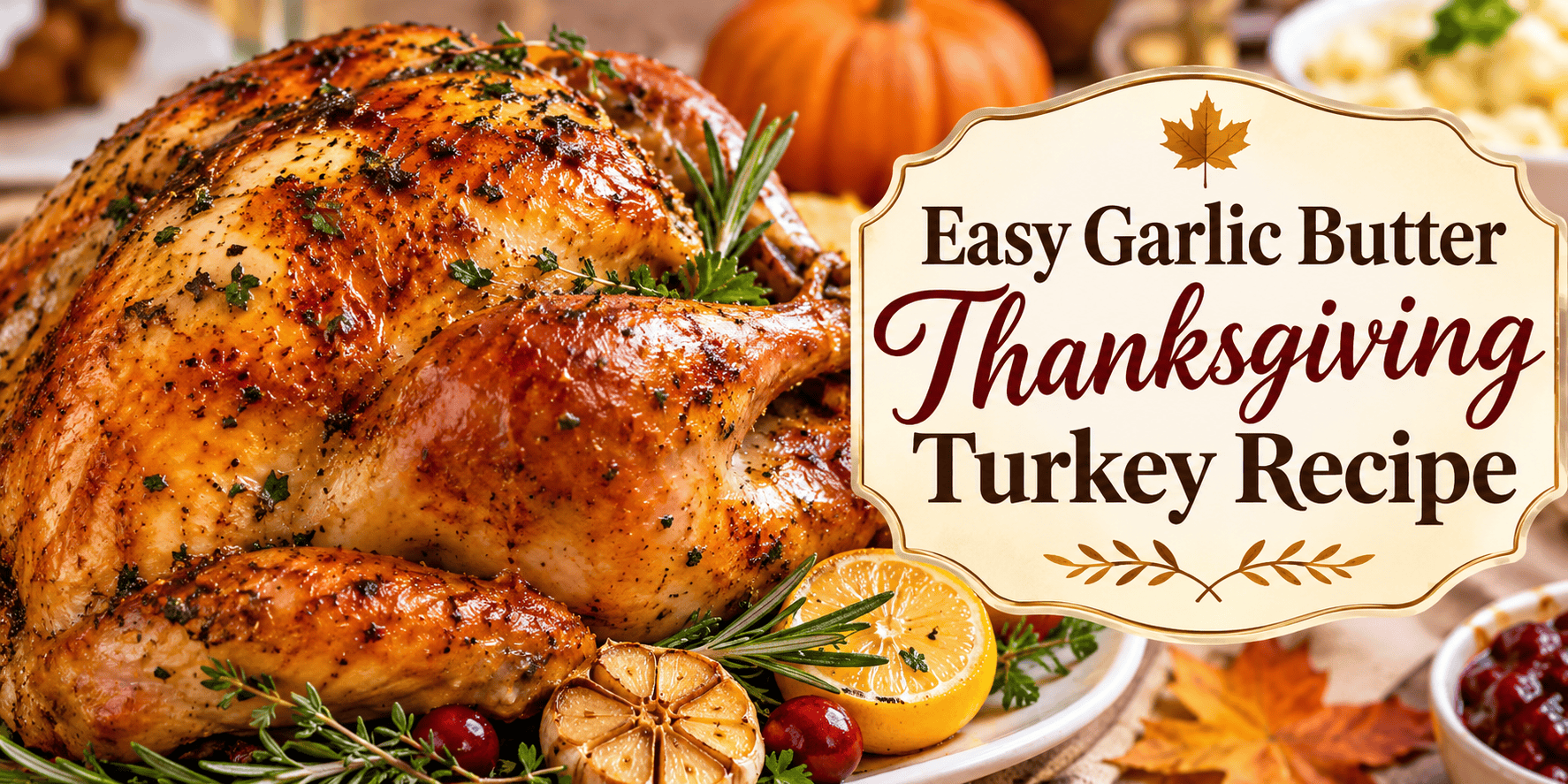
2. Garlic Butter Thanksgiving Turkey Seasoning
BEST FOR RICH, BUTTERY FLAVOR
Garlic butter turkey is a favorite for Thanksgiving because it combines the richness of butter with aromatic garlic and herbs.
This seasoning mixture creates deliciously savory meat and encourages beautiful browning.
Ingredients
-
½ cup unsalted butter, softened
-
6 garlic cloves, minced
-
1 tablespoon fresh rosemary, finely chopped
-
1 tablespoon fresh thyme
-
1 teaspoon dried sage
-
1 teaspoon paprika
-
1 teaspoon black pepper
-
1–2 teaspoons kosher salt, depending on the turkey
-
1 teaspoon lemon zest
Instructions
-
Place the softened butter in a mixing bowl.
-
Add garlic, rosemary, thyme, sage, paprika, pepper, salt, and lemon zest.
-
Mix until the ingredients are evenly incorporated.
-
Carefully loosen the skin over the turkey breast.
-
Spread some garlic butter directly onto the breast meat beneath the skin.
-
Rub the remaining butter over the turkey’s exterior.
-
Roast according to your turkey recipe.
Best tip: Applying seasoned butter beneath the skin flavors the breast meat directly instead of seasoning only the surface.
3. Smoky Paprika Thanksgiving Turkey Seasoning
BEST FOR SMOKY, SAVORY FLAVOR
If you want to give your Thanksgiving turkey a slightly different flavor, smoky paprika seasoning is an excellent choice.
Smoked paprika adds depth and a mild smoky taste without requiring a smoker.
Ingredients
-
2 tablespoons smoked paprika
-
1 tablespoon garlic powder
-
1 tablespoon onion powder
-
2 teaspoons dried thyme
-
2 teaspoons dried oregano
-
1 teaspoon ground cumin
-
1 teaspoon black pepper
-
½ teaspoon cayenne pepper
-
1 tablespoon kosher salt, or to taste
Instructions
-
Combine all ingredients in a small bowl.
-
Stir until evenly mixed.
-
Pat the turkey dry.
-
Coat the skin lightly with olive oil.
-
Rub the seasoning over the entire turkey.
-
Refrigerate for several hours or overnight before roasting.
Best tip: Use sweet smoked paprika for a mild smoky flavor, or increase the cayenne slightly if your family enjoys spicy food.
4. Brown Sugar and Herb Turkey Seasoning
BEST FOR SWEET AND SAVORY FLAVOR
Brown sugar turkey seasoning creates a delicious combination of sweetness, herbs, and warm spices.
The sugar helps encourage browning while the herbs balance the sweetness.
Ingredients
-
3 tablespoons brown sugar
-
1 tablespoon garlic powder
-
1 tablespoon onion powder
-
2 teaspoons paprika
-
2 teaspoons dried thyme
-
1 teaspoon dried rosemary
-
1 teaspoon black pepper
-
½ teaspoon ground cinnamon
-
2 teaspoons kosher salt, or to taste
Instructions
-
Add all ingredients to a mixing bowl.
-
Break apart any brown sugar clumps.
-
Mix thoroughly.
-
Lightly coat the turkey with olive oil.
-
Rub the seasoning evenly over the skin.
-
Roast at a moderate oven temperature according to your turkey recipe.
Best tip: Because brown sugar can darken quickly, monitor the skin during roasting and loosely cover excessively browned areas with foil.
5. Cajun Thanksgiving Turkey Seasoning
BEST FOR BOLD, SPICY FLAVOR
Cajun turkey seasoning brings Louisiana-inspired flavors to the Thanksgiving table.
This bold blend combines paprika, garlic, onion, cayenne, and herbs for a turkey with a little extra kick.
Ingredients
-
2 tablespoons paprika
-
1 tablespoon garlic powder
-
1 tablespoon onion powder
-
2 teaspoons dried oregano
-
2 teaspoons dried thyme
-
1 teaspoon cayenne pepper
-
1 teaspoon black pepper
-
1 teaspoon white pepper
-
2 teaspoons kosher salt, or to taste
Instructions
-
Combine all seasonings in a small bowl.
-
Mix until evenly blended.
-
Pat the turkey completely dry.
-
Rub with olive oil or melted butter.
-
Apply the Cajun seasoning generously over the turkey.
-
Season beneath the skin where possible.
-
Refrigerate for several hours before roasting.
Best tip: For a milder Cajun turkey, reduce the cayenne pepper to ¼ teaspoon.
6. Lemon Pepper Thanksgiving Turkey Seasoning
BEST FOR BRIGHT, FRESH FLAVOR
Lemon pepper seasoning is ideal for families who prefer lighter, citrus-forward flavors.
The combination of lemon zest, black pepper, garlic, and herbs adds freshness without overpowering the turkey.
Ingredients
-
2 tablespoons lemon zest
-
1 tablespoon freshly ground black pepper
-
1 tablespoon garlic powder
-
2 teaspoons onion powder
-
2 teaspoons dried thyme
-
1 teaspoon dried parsley
-
1 teaspoon paprika
-
2 teaspoons kosher salt, or to taste
-
2 tablespoons olive oil
Instructions
-
Combine the lemon zest, pepper, garlic powder, onion powder, thyme, parsley, paprika, and salt.
-
Add the olive oil and mix into a paste.
-
Pat the turkey dry.
-
Rub the lemon pepper mixture over the turkey.
-
Carefully apply some seasoning beneath the breast skin.
-
Refrigerate until ready to cook.
Best tip: Fresh lemon zest gives the seasoning a brighter flavor than bottled lemon juice. Because this mixture contains fresh zest, prepare it shortly before use and keep it refrigerated.
7. Maple Herb Thanksgiving Turkey Seasoning
BEST FOR SWEET FALL FLAVORS
Maple syrup and traditional Thanksgiving herbs create a wonderful balance of sweetness and savory flavor.
This seasoning works especially well for a holiday dinner featuring roasted sweet potatoes, stuffing, and cranberry sauce.
Ingredients
-
¼ cup pure maple syrup
-
3 tablespoons melted unsalted butter
-
1 tablespoon Dijon mustard
-
2 teaspoons dried rosemary
-
2 teaspoons dried thyme
-
1 teaspoon garlic powder
-
1 teaspoon onion powder
-
½ teaspoon black pepper
-
1 teaspoon kosher salt, or to taste
Instructions
-
Whisk the maple syrup, melted butter, and Dijon mustard together.
-
Add rosemary, thyme, garlic powder, onion powder, pepper, and salt.
-
Mix until smooth.
-
Pat the turkey dry.
-
Apply a light coating of the seasoning mixture before roasting.
-
Reserve a portion of the mixture in a separate clean container before it touches raw turkey.
-
Brush the reserved mixture over the turkey during the final 30–45 minutes of cooking.
Best tip: Adding most of the maple glaze toward the end of roasting helps prevent the sugars from burning.
8. Italian Herb Thanksgiving Turkey Seasoning
BEST FOR GARLIC AND MEDITERRANEAN HERBS
Italian herb seasoning offers a flavorful alternative to traditional Thanksgiving turkey seasoning.
Basil, oregano, rosemary, and garlic create an aromatic blend that pairs beautifully with roasted vegetables and potatoes.
Ingredients
-
2 tablespoons dried oregano
-
2 tablespoons dried basil
-
1 tablespoon dried rosemary
-
1 tablespoon dried thyme
-
1 tablespoon garlic powder
-
2 teaspoons onion powder
-
1 teaspoon black pepper
-
1 teaspoon paprika
-
2 teaspoons kosher salt, or to taste
Instructions
-
Combine all ingredients in a mixing bowl.
-
Stir until thoroughly blended.
-
Pat the turkey dry.
-
Rub with olive oil.
-
Sprinkle the Italian herb seasoning over the turkey.
-
Apply some seasoning beneath the skin if possible.
-
Roast according to your preferred cooking method.
Best tip: Add a little fresh lemon zest to the seasoning for a brighter Mediterranean-inspired flavor.
9. Honey Garlic Thanksgiving Turkey Seasoning
BEST FOR SWEET GARLIC FLAVOR
Honey garlic turkey seasoning combines natural sweetness with savory garlic and warm spices.
This blend creates a flavorful glaze that complements the richness of roasted turkey.
Ingredients
-
¼ cup honey
-
4 garlic cloves, minced
-
2 tablespoons melted unsalted butter
-
1 tablespoon Dijon mustard
-
1 teaspoon smoked paprika
-
1 teaspoon dried thyme
-
½ teaspoon black pepper
-
1 teaspoon kosher salt, or to taste
Instructions
-
Combine honey, garlic, melted butter, and Dijon mustard in a bowl.
-
Add smoked paprika, thyme, black pepper, and salt.
-
Whisk until smooth.
-
Season the turkey lightly with salt and pepper before roasting, if needed.
-
During the final 30–45 minutes of cooking, brush the honey garlic mixture over the turkey.
-
Continue roasting until the turkey reaches a safe internal temperature.
Best tip: Apply honey-based seasoning toward the end of cooking to avoid excessive browning or burning. Use a clean brush and glaze that has not contacted raw poultry.
10. Southern-Style Thanksgiving Turkey Seasoning
BEST FOR CLASSIC SOUTHERN COMFORT FOOD
Southern-style turkey seasoning delivers a rich combination of savory herbs, garlic, paprika, and a little spice.
This recipe is especially delicious alongside cornbread dressing, mashed potatoes, collard greens, and homemade gravy.
Ingredients
-
2 tablespoons paprika
-
1 tablespoon garlic powder
-
1 tablespoon onion powder
-
1 tablespoon poultry seasoning
-
2 teaspoons dried thyme
-
1 teaspoon dried sage
-
1 teaspoon black pepper
-
½ teaspoon cayenne pepper
-
1 tablespoon kosher salt, or to taste
-
3 tablespoons melted unsalted butter
Instructions
-
Combine paprika, garlic powder, onion powder, poultry seasoning, thyme, sage, black pepper, cayenne, and salt.
-
Stir until thoroughly mixed.
-
Add melted butter and combine into a paste.
-
Pat the turkey dry.
-
Rub the seasoning mixture over the turkey.
-
Carefully spread some seasoning beneath the breast skin.
-
Refrigerate for several hours before roasting.
Best tip: For additional Southern flavor, add a small amount of smoked paprika to the seasoning blend.
How Much Seasoning Should You Use on a Thanksgiving Turkey?
The amount of seasoning depends on the size of your turkey, the strength of the spices, and whether the bird has already been salted or brined.
The following amounts are general starting points for dry herb and spice blends, excluding added butter or oil.
| Turkey size | Approximate dry seasoning |
|---|---|
| 8–10 pounds | 2–3 tablespoons |
| 10–12 pounds | 3–4 tablespoons |
| 12–14 pounds | 4–5 tablespoons |
| 14–16 pounds | 5–6 tablespoons |
| 16–20 pounds | 6–8 tablespoons |
| 20–24 pounds | 8–10 tablespoons |
These amounts refer to the total dry seasoning mixture, not the amount of salt. Many of the recipes above produce more than one turkey needs, so use only enough to coat the bird evenly.
For salt-containing blends, pay attention to the turkey’s packaging. Self-basting, enhanced, kosher, and pre-brined turkeys may already contain significant amounts of salt.
When Should You Season Your Thanksgiving Turkey?
Timing can make a noticeable difference in how your turkey tastes.
24–48 Hours Before Cooking
This is an excellent window for a dry-brined turkey.
Apply a measured salt-based seasoning and refrigerate the turkey at 40°F or below. Salt has time to penetrate the meat, helping it retain moisture and develop flavor.
Avoid adding extra salt if the turkey has already been brined or injected with a salty solution.
12–24 Hours Before Cooking
This is a convenient option for most traditional herb seasonings.
Season the turkey, place it on a rack over a tray, and refrigerate until roasting time.
Right Before Cooking
If you’re short on time, you can season your turkey immediately before roasting.
The flavor may not penetrate as deeply, but the herbs and spices will still create a delicious exterior.
Butter-based pastes and fresh herb mixtures can also be applied shortly before roasting.
7 Tips for Making the Best Seasoned Thanksgiving Turkey
1. Pat the Turkey Dry
Use paper towels to remove excess surface moisture before seasoning. This helps the seasoning adhere and encourages browning.
2. Season Beneath the Skin
Carefully loosen the skin over the breast and apply some of the seasoning directly to the meat.
This is especially helpful with herb butter and garlic-based seasonings.
3. Don’t Overdo the Salt
Too much salt can overpower the turkey, especially if you’re using a pre-brined bird.
Remember that kosher salt varies in crystal size, so equal spoonfuls of different brands may contain different amounts of salt.
4. Use Fresh Herbs When Possible
Fresh rosemary, thyme, sage, and parsley can add wonderful aroma and flavor.
As a general starting point, use approximately three times as much fresh herb as dried herb by volume.
5. Use Butter or Olive Oil
A thin coating of butter or oil helps distribute the seasoning and encourages the skin to brown.
6. Avoid Burning Sweet Glazes
Honey, maple syrup, and brown sugar can darken quickly during roasting.
Apply sweet glazes later in the cooking process and monitor the skin carefully.
7. Cook the Turkey to a Safe Temperature
Use a food thermometer rather than relying on cooking time or skin color.
Turkey should reach 165°F in the thickest part of the breast, innermost part of the thigh, and innermost part of the wing, without the thermometer touching bone. Stuffing cooked inside the bird must also reach 165°F.
Let the turkey rest before carving so the juices can redistribute.
Frequently Asked Questions About Thanksgiving Turkey Seasoning
What is the best seasoning for Thanksgiving turkey?
Classic herb seasoning made with rosemary, thyme, sage, garlic, onion powder, salt, and black pepper is one of the best choices for traditional Thanksgiving turkey.
Garlic butter seasoning is another excellent option for families who enjoy rich, savory flavors.
Should I put seasoning under the turkey skin?
Yes. Applying seasoning beneath the skin helps flavor the meat directly, especially the breast.
Be gentle when loosening the skin to avoid tearing it.
Should I season the turkey the night before?
Seasoning the night before can improve flavor, particularly when using a measured salt-based dry brine.
Keep the turkey refrigerated throughout the process.
Can I use the same seasoning for turkey breast?
Absolutely. All ten seasoning recipes can be used on turkey breast.
Simply reduce the quantities according to the size of the breast.
What herbs go best with Thanksgiving turkey?
Rosemary, thyme, sage, and parsley are traditional favorites.
Oregano, basil, and marjoram can also add delicious flavor.
Is butter or olive oil better for turkey seasoning?
Both work well.
Butter provides a rich, savory taste, while olive oil offers a lighter flavor and helps seasonings adhere to the skin.
Can I make turkey seasoning ahead of time?
Yes. Dry seasoning blends can be prepared several weeks ahead and stored in airtight containers in a cool, dry place.
Mixtures containing fresh garlic, fresh herbs, butter, honey, or other perishable ingredients should be refrigerated and prepared closer to cooking time.
Can I use turkey seasoning on other meats?
Yes. Most of these seasoning blends work beautifully on chicken, pork, and other poultry dishes.
They can also flavor roasted potatoes, carrots, and vegetables.
Which Thanksgiving Turkey Seasoning Is Best?
The best seasoning ultimately depends on the flavors your family enjoys.
For a traditional Thanksgiving dinner, Classic Thanksgiving Herb Turkey Seasoning is a reliable favorite.
If you prefer rich, savory flavors, Garlic Butter Turkey Seasoning is an excellent choice.
For something different, Smoky Paprika, Cajun, or Southern-Style Turkey Seasoning can bring bold flavor to your holiday table.
Families who enjoy sweet and savory combinations may prefer Maple Herb, Brown Sugar and Herb, or Honey Garlic Turkey Seasoning.
No matter which recipe you choose, the key is balancing the seasonings, applying them evenly, and cooking your turkey carefully.
Final Thoughts
Thanksgiving turkey doesn’t have to be bland or complicated. With the right combination of herbs, spices, butter, and seasonings, you can create a flavorful holiday centerpiece that everyone will look forward to eating.
These 10 best Thanksgiving turkey seasoning recipes offer something for every taste, from classic rosemary and sage to spicy Cajun flavors and sweet maple herb blends.
Whether you’re preparing your first Thanksgiving turkey or looking for a new way to season a family favorite, homemade seasoning is one of the easiest ways to make your holiday meal memorable.
Which Thanksgiving turkey seasoning would you choose for your holiday dinner: classic herbs, garlic butter, smoky Cajun, or sweet maple?

Leave a Reply