
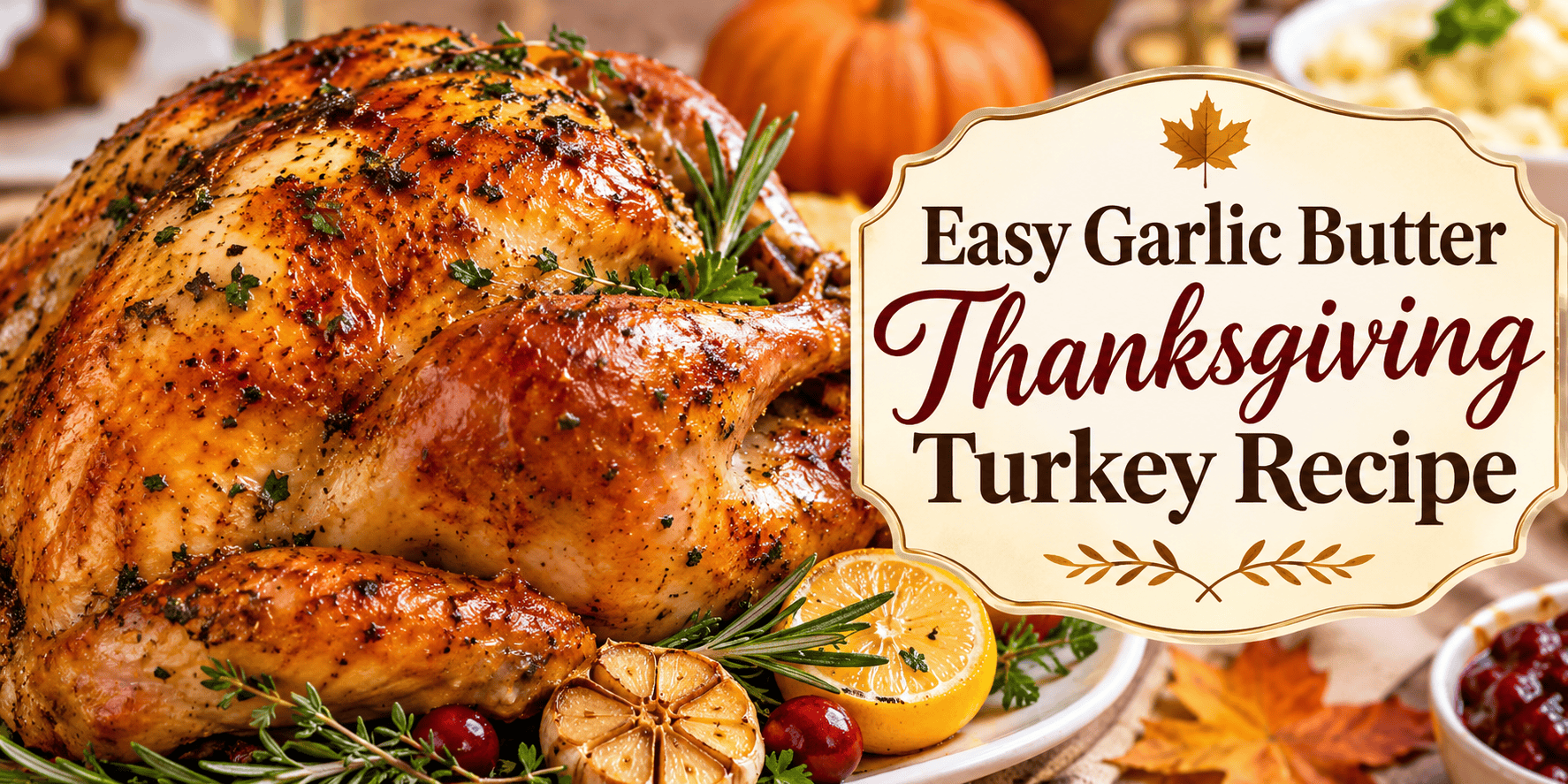
Thanksgiving dinner is one of the most anticipated meals of the year, and the roasted turkey is usually the centerpiece of the holiday table. Everyone looks forward to a beautifully golden-brown bird with crispy skin, tender meat, and delicious homemade flavor.
Unfortunately, cooking a Thanksgiving turkey can also be one of the most stressful parts of preparing the holiday meal. One of the biggest concerns for home cooks is ending up with a dry, overcooked turkey that requires extra gravy just to make it enjoyable.
The good news is that roasting a juicy Thanksgiving turkey is easier than many people think. You do not need expensive equipment, complicated cooking techniques, or years of experience to prepare a delicious holiday turkey.
The secret is understanding how to properly prepare, season, roast, and rest your turkey so it retains as much moisture as possible.
Whether you are cooking your first Thanksgiving dinner or looking to improve your traditional holiday recipe, this guide will show you how to roast a Thanksgiving turkey without drying it out.
Why Does Thanksgiving Turkey Turn Out Dry?
Before learning how to roast a juicy turkey, it helps to understand why turkey meat sometimes becomes dry.
Turkey contains both white and dark meat, and these two types of meat cook differently.
The breast meat is lean and contains relatively little fat. Because of this, it can dry out quickly when exposed to high temperatures for too long.
The thighs and legs contain more fat and connective tissue, allowing them to tolerate higher cooking temperatures.
This difference creates a challenge when roasting an entire turkey.
By the time the dark meat reaches its ideal tenderness, the breast meat may already be overcooked.
Other common causes of dry Thanksgiving turkey include:
-
Roasting the turkey at excessively high temperatures for too long.
-
Cooking based entirely on time instead of internal temperature.
-
Skipping the brining or seasoning process.
-
Using a turkey that has not thawed completely.
-
Failing to allow the turkey to rest before carving.
-
Leaving the turkey in the oven after it reaches a safe temperature.
Fortunately, these mistakes are easy to avoid with proper preparation.
The Best Thanksgiving Turkey Recipe for Juicy Meat
This simple oven-roasted Thanksgiving turkey recipe uses butter, fresh herbs, and careful temperature monitoring to produce tender meat and flavorful, golden skin.
Recipe details
| Detail | Amount |
|---|---|
| Prep Time | 25 minutes |
| Cooking Time | Approximately 3–3¾ hours |
| Resting Time | 30–45 minutes |
| Total Time | Approximately 4–5 hours |
| Servings | 10–12 |
| Oven Temperature | 325°F |
| Turkey Size | 12–14 pounds |
Cooking times are estimates for a fully thawed, unstuffed turkey. Always confirm doneness with a food thermometer.
Ingredients for a Juicy Thanksgiving Turkey
You do not need a long list of ingredients to make a flavorful Thanksgiving turkey.
Main Ingredients
-
1 whole turkey (12–14 pounds), completely thawed
-
½ cup unsalted butter, softened
-
2 tablespoons olive oil
-
1 tablespoon kosher salt, or to taste depending on the turkey’s sodium content
-
2 teaspoons freshly ground black pepper
-
2 teaspoons garlic powder
-
2 teaspoons onion powder
-
1 tablespoon fresh rosemary, chopped
-
1 tablespoon fresh thyme, chopped
-
1 tablespoon fresh sage, chopped
-
1 lemon, halved
-
1 large onion, quartered
-
4 garlic cloves, peeled
-
2 cups low-sodium chicken or turkey broth
If your turkey is already brined, self-basting, or injected with a salt solution, reduce or omit the additional salt.
Optional Ingredients
For extra flavor, consider adding fresh parsley, orange slices, celery, carrots, or a small amount of smoked paprika.
These ingredients can enhance the aroma and flavor of your Thanksgiving turkey without making the recipe complicated.
Step 1: Completely Thaw Your Thanksgiving Turkey
One of the most important steps in roasting a juicy turkey is making sure the bird is completely thawed before cooking.
A partially frozen turkey cooks unevenly. The outside may become overcooked while the center is still underdone.
The safest and easiest method is thawing the turkey in the refrigerator.
Refrigerator Thawing Guide
| Turkey Weight | Approximate Thawing Time |
|---|---|
| 8–12 pounds | 2–3 days |
| 12–16 pounds | 3–4 days |
| 16–20 pounds | 4–5 days |
| 20–24 pounds | 5–6 days |
Keep the turkey in its original packaging and place it on a tray to catch any leaking juices.
For faster thawing, submerge the wrapped turkey in cold water, changing the water every 30 minutes. Allow approximately 30 minutes per pound and cook immediately after thawing.
Never thaw a turkey on the kitchen counter.
Step 2: Prepare the Turkey Before Roasting
Once the turkey is completely thawed, remove it from the refrigerator and prepare it for seasoning.
Remove the packaging, neck, and giblets from the cavity.
Do not rinse the turkey. Washing raw poultry can spread harmful bacteria around the kitchen.
Instead, use paper towels to pat the turkey dry.
Removing excess surface moisture helps the skin brown more effectively during roasting.
Place the turkey breast-side up on a roasting rack inside a large roasting pan.
The rack allows heat to circulate around the bird and keeps the turkey elevated above the cooking liquid.
Step 3: Use Herb Butter to Keep the Turkey Flavorful
One of the best ways to prepare a delicious Thanksgiving turkey is by applying seasoned butter underneath the skin.
Butter adds richness and flavor while helping the skin develop a beautiful golden color.
In a small bowl, combine:
-
Softened butter
-
Olive oil
-
Garlic powder
-
Onion powder
-
Black pepper
-
Chopped rosemary
-
Fresh thyme
-
Fresh sage
Mix until the ingredients form a smooth herb butter.
Carefully loosen the skin over the turkey breasts using your fingers.
Spread approximately half of the herb butter directly onto the breast meat underneath the skin.
Rub the remaining butter over the outside of the turkey.
Season with the appropriate amount of salt.
This technique adds flavor directly to the breast meat, although preventing overcooking remains the most important factor in keeping it juicy.
Step 4: Add Aromatics Inside the Turkey
Adding aromatic ingredients to the turkey cavity creates a wonderful holiday aroma and provides subtle flavor.
Place the following ingredients loosely inside the cavity:
-
Lemon halves
-
Quartered onion
-
Garlic cloves
-
Fresh rosemary
-
Fresh thyme
-
Fresh sage
Avoid tightly packing the cavity.
These ingredients are intended for flavor rather than serving as traditional bread stuffing.
For the most consistent cooking results, prepare your Thanksgiving stuffing separately in a baking dish.
Cooking stuffing inside the turkey can increase the cooking time and make it more difficult to prevent the breast meat from drying out.
Step 5: Add Broth to the Roasting Pan
Pour approximately 2 cups of low-sodium chicken or turkey broth into the bottom of the roasting pan.
The broth helps keep drippings from burning and creates a flavorful base for homemade turkey gravy.
Keep the turkey elevated on the roasting rack rather than sitting directly in the liquid.
Check the pan occasionally during roasting and add a little more broth or water if the liquid evaporates.
The broth does not directly moisturize the inside of the turkey, but it helps preserve flavorful pan drippings.
Step 6: Roast the Turkey at 325°F
Preheat your oven to 325°F.
Place the prepared turkey on the lower-middle oven rack, ensuring there is enough room for heat to circulate.
Roast the turkey uncovered initially so the skin begins developing a golden-brown appearance.
If the skin becomes too dark before the meat is fully cooked, loosely cover the breast with aluminum foil.
Avoid repeatedly opening the oven door because this causes temperature fluctuations and can extend the cooking time.
Approximate Thanksgiving Turkey Roasting Times
| Turkey Weight | Estimated Cooking Time at 325°F |
|---|---|
| 8–12 pounds | 2¾–3 hours |
| 12–14 pounds | 3–3¾ hours |
| 14–18 pounds | 3¾–4¼ hours |
| 18–20 pounds | 4¼–4½ hours |
| 20–24 pounds | 4½–5 hours |
These estimates apply to unstuffed turkeys and are intended only for planning.
A reliable meat thermometer is much more important than the clock.
Step 7: Monitor the Internal Temperature
The single most important secret to roasting a Thanksgiving turkey without drying it out is monitoring its internal temperature.
Overcooking is one of the biggest reasons turkey breast meat becomes dry and tough.
Insert a meat thermometer into the thickest part of the breast without touching bone.
Also check the innermost part of the thigh and the innermost part of the wing.
For food safety, the turkey must reach an internal temperature of 165°F in all three locations.
Dark meat often becomes more tender when cooked to approximately 175–185°F, but 165°F is the minimum safe temperature.
Begin checking the turkey before the estimated cooking time is complete.
If the breast is cooking significantly faster than the thighs, loosely shield the breast with aluminum foil.
Remove the turkey once all required locations have reached a safe temperature.
Step 8: Let the Turkey Rest Before Carving
After removing the turkey from the oven, resist the temptation to carve it immediately.
Resting allows the meat to cool slightly and reduces the amount of juice lost during carving.
Transfer the turkey to a clean carving board or serving platter.
Allow it to rest for approximately 30–45 minutes before slicing.
You may loosely tent the turkey with foil, but avoid wrapping it tightly because trapped steam can soften the crispy skin.
A properly rested turkey is easier to carve and generally retains its juices better than one sliced immediately after roasting.
10 Best Tips for Keeping Thanksgiving Turkey Juicy
A delicious Thanksgiving turkey depends on more than following a recipe. Several simple cooking techniques can make a noticeable difference.
1. Choose the Right Turkey Size
Larger turkeys require longer cooking times, increasing the challenge of keeping the breast meat tender.
If you are feeding a large gathering, consider roasting two smaller turkeys instead of one extremely large bird.
Smaller birds often cook more evenly and can be easier to manage.
2. Consider Dry Brining
Dry brining is one of the most effective ways to improve turkey flavor and moisture retention.
A dry brine involves seasoning the turkey with salt and refrigerating it before roasting.
For an unenhanced turkey, use approximately ½ teaspoon of kosher salt per pound, adjusting for the salt brand and grain size.
Place the seasoned turkey uncovered on a rack in the refrigerator for 24–48 hours.
The salt helps the meat retain moisture during cooking while drying the skin for better browning.
Do not add a full dry brine to a turkey that is already heavily salted or injected with a solution.
3. Avoid Overcooking
No amount of butter, broth, or seasoning can completely compensate for an overcooked turkey.
Use a thermometer and remove the turkey when it reaches the required safe temperature.
4. Protect the Breast Meat
Turkey breast meat cooks differently from the thighs and legs.
If the breast begins browning too quickly, loosely cover it with aluminum foil.
This can help slow surface browning while the darker meat continues cooking.
5. Avoid Constant Basting
Many traditional Thanksgiving recipes recommend basting the turkey every 20–30 minutes.
However, frequent basting is not necessary for juicy meat.
Opening the oven repeatedly allows heat to escape, and basting mainly affects the surface of the bird.
Applying herb butter before roasting and carefully monitoring the temperature are more reliable techniques.
6. Use a Roasting Rack
A roasting rack elevates the turkey and allows heat to circulate more evenly.
It also prevents the underside from sitting directly in hot pan juices.
7. Do Not Overstuff the Turkey
Traditional stuffing can slow the cooking process when placed inside the cavity.
Cooking stuffing separately makes it easier to roast the turkey evenly and safely.
8. Use Fresh Herbs and Butter
Fresh rosemary, thyme, sage, and butter create the familiar flavors associated with Thanksgiving dinner.
They also help produce an appealing golden exterior.
9. Allow Enough Resting Time
Carving immediately after roasting can cause more juice to escape onto the cutting board.
Allowing the turkey to rest helps preserve tenderness.
10. Slice Against the Grain
When carving the breast, remove each breast half from the bone and slice it across the muscle fibers.
Cutting against the grain creates more tender, easier-to-eat pieces.
Should You Cover a Thanksgiving Turkey With Foil?
One of the most common Thanksgiving cooking questions is whether a turkey should be covered with aluminum foil while roasting.
The answer depends on how quickly the skin is browning.
Roasting uncovered allows the skin to become golden and crisp.
However, if the breast starts browning too quickly, aluminum foil can protect the surface from excessive heat.
A simple approach is to roast the turkey uncovered and add a loose foil tent only when necessary.
Avoid tightly sealing the entire turkey in foil if crispy skin is your goal.
Is It Better to Roast a Turkey at 325°F or 350°F?
Both temperatures can produce a delicious Thanksgiving turkey.
However, 325°F is a dependable choice for roasting a whole turkey because it provides moderate, consistent heat.
Roasting at 350°F may shorten the cooking time, but it also requires careful temperature monitoring.
For beginners, 325°F offers a straightforward approach that is easy to follow.
Regardless of the oven temperature, the turkey must reach 165°F in the thickest part of the breast, innermost thigh, and innermost wing.
Should You Put Butter or Oil on a Turkey?
Both butter and oil can improve the flavor and appearance of roasted turkey.
Butter provides a rich, traditional flavor and works especially well when combined with fresh herbs.
Olive oil helps coat the skin evenly and supports browning.
Using a combination of softened butter and olive oil is an excellent option for Thanksgiving turkey.
For the best flavor, apply some of the seasoned butter underneath the breast skin and spread the remaining mixture over the outside.
Remember that butter adds richness, but correct cooking temperature is what ultimately prevents the meat from becoming excessively dry.
How to Keep Turkey Warm Without Drying It Out
Timing Thanksgiving dinner can be challenging, especially when preparing several side dishes.
If the turkey finishes cooking before the rest of the meal, keep it loosely covered while it rests.
A whole turkey can retain heat for a while, but do not assume it will remain at a safe holding temperature indefinitely.
For longer holding periods, keep the turkey at 140°F or above using appropriate food-warming equipment.
Otherwise, refrigerate it within two hours of cooking.
If reheating becomes necessary, place sliced turkey in a covered baking dish with a little broth and heat it to 165°F.
This helps prevent the meat from becoming excessively dry during reheating.
How to Fix a Thanksgiving Turkey That Is Too Dry
Even experienced home cooks occasionally end up with turkey that is drier than expected.
Fortunately, there are several ways to improve its texture and flavor.
One of the easiest methods is adding warm turkey broth to the sliced meat.
Arrange the turkey slices in a shallow serving dish and spoon a small amount of warm broth over them.
Cover the dish briefly to help retain warmth.
Another option is serving the turkey with homemade gravy.
A flavorful gravy made from pan drippings, broth, and seasonings can make dry turkey more enjoyable.
You can also use leftover dry turkey in dishes that contain additional moisture, such as turkey soup, turkey pot pie, turkey casserole, or turkey sandwiches with gravy.
Best Side Dishes to Serve With Juicy Thanksgiving Turkey
A beautifully roasted turkey deserves equally delicious Thanksgiving side dishes.
Some of the most popular holiday favorites include:
-
Creamy garlic mashed potatoes
-
Traditional homemade turkey gravy
-
Southern cornbread dressing
-
Classic bread stuffing
-
Green bean casserole
-
Sweet potato casserole
-
Homemade cranberry sauce
-
Honey-glazed carrots
-
Buttery dinner rolls
-
Baked macaroni and cheese
-
Roasted Brussels sprouts
-
Creamed corn
Combining traditional Thanksgiving favorites with a few lighter vegetable dishes creates a balanced holiday menu.
How to Store Leftover Thanksgiving Turkey
Properly storing leftover turkey helps maintain quality and reduces food safety risks.
Remove the meat from the bones and divide it into shallow, airtight containers.
Refrigerate cooked turkey within two hours of cooking or removing it from temperature-controlled holding.
Store refrigerated turkey for 3–4 days.
For longer storage, freeze cooked turkey in airtight freezer-safe containers or bags.
For best quality, use frozen turkey within approximately 2–6 months.
When reheating leftovers, heat the turkey to an internal temperature of 165°F.
Adding a little broth during reheating can help preserve moisture and improve the texture.
Frequently Asked Questions About Roasting Thanksgiving Turkey
What is the secret to a moist Thanksgiving turkey?
The biggest secret is avoiding overcooking. Dry brining, applying seasoned butter, monitoring internal temperature, and allowing the turkey to rest all contribute to better results.
How do you keep turkey breast from drying out?
Use a meat thermometer, avoid excessive cooking time, and loosely cover the breast with foil if it browns too quickly. Dry brining can also improve moisture retention.
Should I put water in the bottom of the turkey roasting pan?
You can add a small amount of water, chicken broth, or turkey broth to prevent pan drippings from burning. Keep the turkey elevated on a rack.
Do you need to baste a turkey to keep it moist?
No. Basting is optional and mainly affects the surface. Proper temperature control is more important for juicy meat.
How long should a Thanksgiving turkey rest?
Allow approximately 30–45 minutes for a whole turkey to rest before carving, while observing safe food-holding practices.
What temperature should Thanksgiving turkey be cooked to?
Turkey must reach at least 165°F in the thickest part of the breast, innermost part of the thigh, and innermost part of the wing.
Is it better to cook a turkey covered or uncovered?
Roasting uncovered encourages crispy, golden skin. Use a loose foil tent if certain areas begin browning too quickly.
Can you prepare Thanksgiving turkey the night before?
Yes. You can season or dry-brine the turkey and keep it refrigerated overnight. Preparing the turkey ahead of time also reduces stress on Thanksgiving morning.
Final Thoughts: How to Roast a Perfectly Juicy Thanksgiving Turkey
Roasting a Thanksgiving turkey without drying it out does not have to be complicated.
The most important steps are starting with a completely thawed turkey, seasoning it properly, roasting at a consistent temperature, monitoring the internal temperature, and allowing the meat to rest before carving.
Simple techniques such as dry brining, applying herb butter underneath the skin, and protecting the breast from excessive browning can make your Thanksgiving turkey even more flavorful.
Most importantly, remember that a perfect Thanksgiving dinner is not about making every dish look like it came from a professional kitchen.
It is about gathering around the table, sharing a delicious meal, enjoying familiar holiday traditions, and creating meaningful memories with the people who matter most.
With a little preparation and the right roasting techniques, you can serve a beautifully golden, tender, juicy Thanksgiving turkey that your family and guests will look forward to enjoying year after year.
What is your favorite secret for keeping Thanksgiving turkey juicy and flavorful?

Leave a Reply