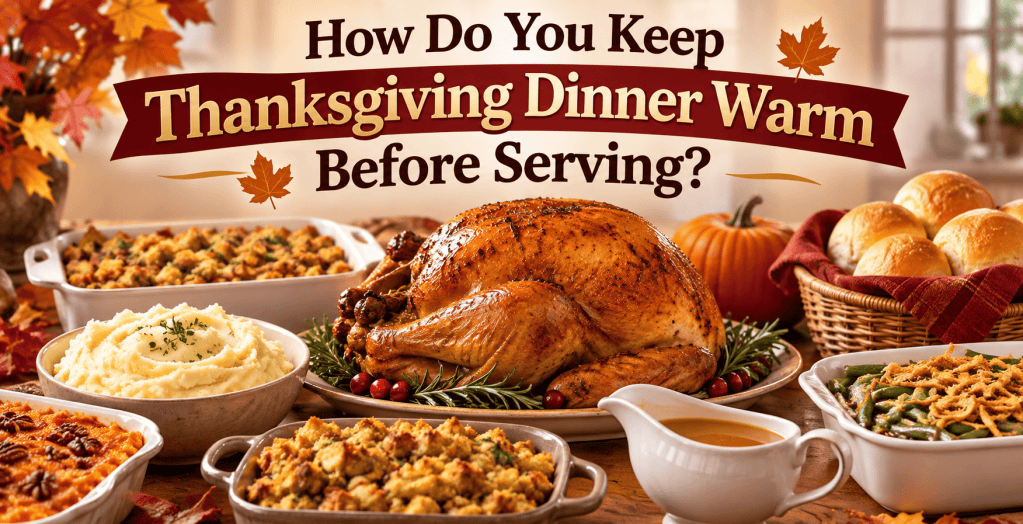
Thanksgiving dinner is one of the most anticipated meals of the year, but keeping everything warm until it is time to eat can be one of the biggest challenges. Between roasting the turkey, preparing mashed potatoes, baking casseroles, warming dinner rolls, and finishing gravy, getting every dish onto the table at the perfect temperature requires planning.
The good news is that you do not need a professional kitchen or multiple ovens to serve a hot Thanksgiving meal. With the right techniques, you can keep turkey, stuffing, vegetables, casseroles, and side dishes warm without drying them out or sacrificing their flavor.
Whether you are hosting a small Thanksgiving gathering or preparing dinner for a large family, understanding how to keep Thanksgiving food warm before serving will make the holiday much easier.
What Is the Best Way to Keep Thanksgiving Dinner Warm?
The best way to keep Thanksgiving dinner warm is to use a combination of low-temperature ovens, slow cookers, warming trays, insulated containers, and covered serving dishes.
The most important rule is to keep hot foods at 140°F (60°C) or higher until serving. This temperature helps prevent harmful bacteria from multiplying while food waits to be eaten.
Different Thanksgiving dishes require different warming methods. Mashed potatoes stay creamy in a slow cooker, turkey benefits from gentle heat and moisture, and casseroles can often remain warm in the oven.
For the best results, plan your warming strategy before you begin cooking.
A successful Thanksgiving meal does not require every dish to finish cooking at the same time. Instead, focus on keeping completed dishes at safe temperatures while you prepare the remaining food.
How Long Can Thanksgiving Food Stay Warm Before Serving?
Most Thanksgiving dishes can be held warm for approximately 30 minutes to two hours without a significant loss of quality, provided they remain at a safe temperature.
However, the ideal holding time depends on the food.
| Thanksgiving dish | Recommended quality-focused holding time | Best warming method |
|---|---|---|
| Roasted turkey | 30–60 minutes | Covered roasting pan or low oven |
| Mashed potatoes | 1–2 hours | Slow cooker |
| Stuffing | 30–60 minutes | Covered oven-safe dish |
| Green bean casserole | 30–60 minutes | Low oven |
| Macaroni and cheese | 30–60 minutes | Covered baking dish |
| Gravy | 1–2 hours | Small saucepan or slow cooker |
| Dinner rolls | 15–30 minutes | Wrapped in foil |
| Roasted vegetables | 20–40 minutes | Low oven |
| Sweet potato casserole | 30–60 minutes | Covered baking dish |
These are practical guidelines for maintaining flavor and texture, not food-safety time limits. Always verify that food stays at or above 140°F during hot holding.
If a dish falls below 140°F, do not assume that putting it back into a warm oven makes it safe. Track how long it has been outside safe temperature control.
How Do You Keep Thanksgiving Turkey Warm Without Drying It Out?
Turkey is the centerpiece of most traditional Thanksgiving dinners, and keeping it warm without losing moisture is especially important.
Turkey can become dry when exposed to excessive heat after cooking. Fortunately, a few simple techniques help preserve its tenderness.
1. Let the Turkey Rest Before Carving
After removing the turkey from the oven, allow it to rest for approximately 20–40 minutes, depending on its size.
Resting allows the juices to redistribute throughout the meat, making the turkey easier to carve and helping it remain moist.
Loosely cover the turkey with aluminum foil during this period.
Avoid wrapping the turkey too tightly because trapped steam can soften the crispy skin.
2. Keep the Turkey Whole Until Serving
A whole turkey generally retains heat and moisture better than sliced turkey.
If dinner will begin shortly after the resting period, leave the turkey intact until you are ready to carve.
For longer delays, monitor its temperature rather than relying on the resting period alone.
3. Keep Sliced Turkey Warm With Broth
If you need to carve the turkey ahead of time, arrange the slices in a shallow oven-safe dish.
Add a small amount of warm turkey broth or pan juices to the bottom.
Cover the dish tightly with aluminum foil and place it in an oven set low enough to avoid overcooking while still maintaining a food temperature of at least 140°F.
A small amount of moisture helps prevent the slices from becoming dry.
4. Avoid Holding Turkey Too Long
Although turkey can be held safely when properly temperature-controlled, extended warming can affect its texture.
For the best flavor, aim to serve turkey within approximately one hour after it finishes cooking and resting.
If the turkey will not be served for several hours, refrigerating it promptly and reheating it thoroughly may produce better results than keeping it warm all afternoon.
What Oven Temperature Keeps Thanksgiving Food Warm?
An oven temperature of approximately 170–200°F is commonly used for holding already-cooked Thanksgiving dishes warm.
However, the correct setting depends on your oven and the type of food.
Some ovens have a dedicated warm setting, while others cannot maintain temperatures below 170°F.
The important distinction is that the oven setting is not necessarily the temperature of the food.
Use a food thermometer to confirm that dishes remain at 140°F or higher.
Tips for Keeping Thanksgiving Food Warm in the Oven
-
Cover casseroles with aluminum foil to prevent moisture loss.
-
Use oven-safe baking dishes that distribute heat evenly.
-
Avoid opening the oven door unnecessarily.
-
Place delicate foods away from strong heating elements.
-
Check the internal temperature periodically.
-
Remove crispy toppings from prolonged covered holding when possible, adding or refreshing them shortly before serving.
The oven works especially well for stuffing, casseroles, baked macaroni and cheese, and sweet potato dishes.
However, it may not be the best option for mashed potatoes or foods that become dry with extended exposure to heat.
How Do You Keep Mashed Potatoes Warm for Thanksgiving?
Mashed potatoes are one of the easiest Thanksgiving dishes to prepare ahead of time, but they can become stiff, dry, or gluey if held incorrectly.
A slow cooker is one of the best tools for keeping mashed potatoes warm.
Using a Slow Cooker
-
Prepare the mashed potatoes as usual.
-
Transfer them to a preheated slow cooker.
-
Add a little melted butter or warm milk if needed.
-
Cover with the lid.
-
Select the warm setting, provided it keeps the potatoes at 140°F or above.
-
Stir gently occasionally to maintain an even texture.
Mashed potatoes can often remain creamy for one to two hours using this method.
If they begin to thicken, stir in a small amount of warm milk, cream, or butter.
Avoid adding too much liquid at once.
Keeping Mashed Potatoes Warm Without a Slow Cooker
If your slow cooker is already being used, place the mashed potatoes in a covered, oven-safe dish in a low oven.
You can also use a double boiler with gently simmering water underneath.
The indirect heat helps prevent scorching.
Whichever method you choose, maintain the potatoes at a safe hot-holding temperature.
How Do You Keep Thanksgiving Stuffing Warm?
Stuffing is another Thanksgiving favorite that requires careful warming.
Because stuffing contains bread and often broth, vegetables, eggs, or meat, it can dry out or become overly soft when held too long.
The best method depends on whether you prefer moist stuffing or a crispy top.
For Moist Stuffing
Transfer the cooked stuffing to an oven-safe baking dish.
Add a small splash of warm broth if it appears dry.
Cover with aluminum foil and place in a low oven.
The foil helps trap moisture and prevents the surface from becoming excessively dry.
For Crispy Stuffing
If you prefer stuffing with a golden, crispy surface, keep it covered during most of the warming period.
Shortly before serving, remove the foil and briefly return it to a hotter oven to restore the texture.
Avoid leaving stuffing uncovered for an extended period.
Stuffing should reach 165°F during its initial cooking, including stuffing cooked inside a turkey. Once cooked, it must be kept at 140°F or above for hot holding.
How Do You Keep Thanksgiving Casseroles Warm?
Thanksgiving casseroles are particularly convenient because many can be prepared ahead of time and held warm until dinner.
Popular examples include green bean casserole, sweet potato casserole, corn casserole, broccoli casserole, and baked macaroni and cheese.
Use Aluminum Foil
Cover the casserole dish with aluminum foil after it finishes baking.
This helps retain heat and moisture.
For casseroles with crunchy toppings, consider preparing the topping separately and adding it shortly before serving.
Use a Low Oven
Place the covered casserole in an oven set to approximately 170–200°F, checking that the food remains at least 140°F.
Most casseroles maintain good quality for 30–60 minutes.
Avoid Overcooking
Some casseroles continue cooking while being held warm.
Cream-based dishes may thicken, while vegetables can become softer.
If possible, schedule casseroles to finish closer to serving time.
Can You Use a Slow Cooker to Keep Thanksgiving Side Dishes Warm?
Yes. Slow cookers are among the most useful appliances for managing Thanksgiving dinner.
They free up oven space and provide gentle, consistent heat.
Slow cookers work particularly well for mashed potatoes, gravy, cooked green beans, creamed corn, and certain sweet potato dishes.
However, not every food benefits from slow-cooker warming.
Crispy foods may become soggy because moisture accumulates beneath the lid.
For the best results, transfer food while it is already hot. A slow cooker’s warm setting is intended to hold hot food, not to reheat cold food safely.
Verify that the setting maintains at least 140°F.
How Do You Keep Thanksgiving Gravy Warm?
Gravy can cool quickly, especially when prepared before the turkey is carved.
Fortunately, it is relatively easy to keep warm.
Use a Small Saucepan
Place the finished gravy in a small saucepan over very low heat.
Stir occasionally to prevent sticking or scorching.
Check that it stays at least 140°F.
Use a Small Slow Cooker
A miniature slow cooker is an excellent option for holding gravy.
It keeps the gravy warm without occupying a burner.
Thin the Gravy Before Serving
Gravy often thickens as it sits.
If necessary, whisk in a small amount of warm turkey broth until the desired consistency returns.
Avoid adding too much liquid because it can dilute the flavor.
How Do You Keep Dinner Rolls Warm Without Making Them Hard?
Fresh dinner rolls are best served warm, soft, and fluffy.
Unfortunately, they can become dry if left uncovered or held in the oven too long.
For short holding periods, wrap warm rolls in aluminum foil.
Place them in a basket lined with a clean kitchen towel.
Cover the basket with another towel to help retain warmth.
If you need to rewarm the rolls, place them in a 300°F oven for approximately 5–10 minutes, depending on their size.
For the best texture, warm dinner rolls shortly before serving rather than holding them in the oven for an hour.
Bread that does not contain perishable fillings or toppings generally does not require the same hot-holding precautions as cooked meat or dairy-rich dishes.
Can You Use Warming Trays for Thanksgiving Dinner?
Electric warming trays and buffet servers can be extremely helpful when preparing a large Thanksgiving meal.
They allow multiple dishes to remain warm without occupying the oven or stovetop.
Warming trays work well for casseroles, cooked vegetables, mashed potatoes, gravy, and other fully cooked side dishes.
Tips for Using Warming Trays
Always preheat the tray according to the manufacturer’s instructions.
Transfer food while it is already hot.
Use compatible heat-safe serving containers.
Keep dishes covered when practical to reduce moisture loss.
Check food temperatures periodically to ensure they remain at 140°F or higher.
Not every warming tray reaches or maintains safe temperatures for every dish, so a food thermometer is essential.
How Do You Keep Thanksgiving Food Warm Without an Oven?
If your oven is occupied by the turkey or additional casseroles, several alternatives can help.
Slow Cookers
Use slow cookers for moist side dishes such as mashed potatoes, vegetables, and gravy.
Electric Buffet Servers
Buffet servers are ideal for gatherings where several dishes must remain warm simultaneously.
Insulated Food Containers
Preheated insulated food containers can retain heat for a limited time.
However, they should only be used for perishable hot foods when you can verify that the food remains at or above 140°F.
Stovetop
A saucepan over low heat works well for gravy, sauces, and certain vegetables.
Stir occasionally and monitor the temperature.
Chafing Dishes
Chafing dishes are particularly useful for larger gatherings.
They use a heat source beneath a water pan to help maintain food temperature.
Always follow the manufacturer’s instructions and use a thermometer to confirm safe hot holding.
How Do You Keep Thanksgiving Vegetables Warm?
Vegetables can lose their texture and color when kept warm for extended periods.
Green beans may become overly soft, roasted carrots can dry out, and Brussels sprouts may lose their crispiness.
The best approach is to prepare vegetables close to serving time whenever possible.
For vegetables that must be held warm, choose a method based on their preparation.
Steamed vegetables can remain covered in a warm serving dish for a short period, provided their temperature stays safe.
Roasted vegetables generally do better in a low oven than in a covered slow cooker.
If crispy edges are important, briefly reheat the vegetables at a higher temperature immediately before serving.
Avoid adding delicate sauces too early, as they may separate or change texture during extended warming.
What Is the Best Order to Cook Thanksgiving Dinner?
One of the easiest ways to keep Thanksgiving dinner warm is to plan the cooking order.
Instead of preparing every dish simultaneously, organize your schedule around the foods that require the most time and those that taste best immediately after cooking.
A typical cooking order might look like this:
-
Turkey: Begin with the longest-cooking dish and allow adequate resting time.
-
Make-ahead sides: Prepare dishes such as mashed potatoes and casseroles that can be held safely.
-
Stuffing: Finish baking while the turkey rests, if oven space permits.
-
Vegetables: Cook or reheat vegetables closer to dinner.
-
Gravy: Finish the gravy and transfer it to a warm holding container.
-
Dinner rolls: Warm shortly before everyone sits down.
The exact order depends on the size of the turkey, your oven capacity, and the number of dishes.
The goal is to minimize the time that finished food spends waiting.
A Simple Thanksgiving Dinner Warming Timeline
If you plan to serve Thanksgiving dinner at 4:00 PM, this sample schedule can help organize the final preparations.
| Time | What to do |
|---|---|
| 2:30 PM | Check turkey progress and finish preparing side dishes |
| 3:00 PM | Transfer fully cooked mashed potatoes to a preheated slow cooker |
| 3:15 PM | Finish baking casseroles and begin safe hot holding |
| 3:20 PM | Remove turkey when fully cooked; begin resting |
| 3:30 PM | Finish gravy and vegetables |
| 3:40 PM | Carve turkey, checking hot-holding temperatures if service is delayed |
| 3:45 PM | Warm dinner rolls and finish casserole toppings |
| 3:55 PM | Transfer hot dishes to serving containers |
| 4:00 PM | Serve Thanksgiving dinner |
This timeline assumes the turkey reaches its safe internal cooking temperature by 3:20 PM. Larger turkeys may need significantly more time.
Use a thermometer to confirm that turkey reaches 165°F in the thickest parts of the breast and thigh, avoiding bone.
Adjust the schedule according to your recipes and equipment.
How Do You Keep Thanksgiving Dinner Warm for a Large Family?
Hosting a large Thanksgiving gathering creates additional challenges because serving dishes may sit out longer and guests may eat at different times.
A buffet-style setup can make the process easier.
Arrange dishes in a logical order, beginning with plates and utensils, followed by turkey, stuffing, potatoes, vegetables, and other sides.
Use chafing dishes, electric warming trays, or slow cookers for foods that need temperature control.
Instead of placing all the food on the table at once, consider serving smaller portions and replenishing them from properly temperature-controlled supplies.
This helps preserve freshness and reduces the amount of food exposed to room temperature.
Keep hot foods at 140°F or higher and cold foods at 40°F or lower.
Do not add freshly cooked food to older food that has been sitting out for an extended period. Replace serving dishes when practical.
What Thanksgiving Foods Should Not Be Kept Warm Too Long?
Some foods are more sensitive to prolonged warming than others.
Crispy Fried Foods
Fried foods lose their crunch when exposed to steam.
Serve them shortly after cooking or briefly re-crisp them before serving.
Roasted Vegetables
Extended warming can soften vegetables and reduce their roasted flavor.
Cream-Based Sauces
Cream sauces may thicken or separate when exposed to heat for too long.
Macaroni and Cheese
Macaroni and cheese can become dry as the pasta continues absorbing moisture.
Dinner Rolls
Bread can become hard when held in dry heat.
These foods may still be held safely at proper temperatures, but their texture and flavor can deteriorate.
When possible, prepare or finish them closer to serving time.
What Are the Biggest Mistakes When Keeping Thanksgiving Food Warm?
Even experienced home cooks can make mistakes when managing a large holiday meal.
Understanding the most common problems can help prevent them.
1. Setting the Oven Too High
Holding cooked food at an unnecessarily high temperature can dry it out or continue cooking it.
Use gentle heat and monitor the food itself.
2. Leaving Food Uncovered
Uncovered dishes lose moisture and heat more quickly.
Use lids or aluminum foil when appropriate.
3. Relying on Room Temperature
A covered dish sitting on the counter may feel warm but can cool into the temperature danger zone.
Use proper hot-holding equipment or refrigerate food promptly.
4. Using a Slow Cooker to Reheat Cold Food
A slow cooker’s warm setting may heat refrigerated food too slowly.
Reheat leftovers thoroughly to 165°F using a stove, oven, or microwave before transferring them to a preheated slow cooker for holding.
5. Preparing Everything Too Early
Even when food remains safe, extended warming can reduce quality.
Plan the cooking schedule so delicate dishes finish close to serving time.
6. Forgetting to Check Temperatures
The temperature of the oven or warming tray does not guarantee the food itself is hot enough.
A food thermometer removes the guesswork.
How Do You Keep Thanksgiving Food Safe Before Serving?
Food safety should always be part of Thanksgiving dinner planning.
Cooked turkey, stuffing, casseroles, gravy, and other perishable dishes require appropriate temperature control.
Follow these basic food-safety rules:
-
Keep hot foods at 140°F or higher.
-
Keep cold foods at 40°F or lower.
-
Do not leave perishable foods at room temperature for more than two hours, or one hour when the surrounding temperature exceeds 90°F.
-
Reheat refrigerated leftovers to 165°F before serving.
-
Refrigerate leftovers promptly in shallow containers to help them cool quickly.
-
Use a food thermometer rather than relying on appearance or touch.
Food that has spent too long in the temperature danger zone may not become safe simply because it is reheated.
If you are unsure how long a perishable dish has been sitting out, the safest choice may be to discard it.
Frequently Asked Questions About Keeping Thanksgiving Dinner Warm
Can You Keep Thanksgiving Dinner Warm at 200°F?
Yes. A 200°F oven can be useful for holding many cooked Thanksgiving dishes warm. Cover foods that dry out easily, monitor their texture, and verify that their internal temperature remains at least 140°F.
Can You Keep Thanksgiving Food Warm for Three Hours?
Some dishes can remain safely hot-held for three hours if their temperature stays at or above 140°F throughout. However, prolonged holding may reduce quality. For a three-hour delay, refrigerating and reheating certain dishes may be a better option.
Should You Cover Thanksgiving Food While Keeping It Warm?
Most dishes benefit from being covered because lids and aluminum foil help retain moisture and heat. Foods with crispy toppings may need to be uncovered briefly before serving to restore their texture.
How Do You Keep Turkey Warm for Two Hours?
For a two-hour delay, use temperature-controlled hot holding rather than relying on a foil-covered turkey sitting on the counter. Keep the turkey at or above 140°F and protect it from drying out. Alternatively, carve, refrigerate promptly, and reheat thoroughly before serving.
Can You Keep Mashed Potatoes Warm in a Crockpot?
Yes. A preheated slow cooker on its warm setting can keep mashed potatoes creamy and ready to serve, provided the potatoes remain at least 140°F. Stir gently and add a little warm milk or butter if needed.
How Do You Keep Food Warm While Waiting for Guests?
Use a combination of a low oven, slow cookers, warming trays, and covered serving containers. Keep perishable hot foods above 140°F and avoid leaving dishes on the counter for extended periods.
Is It Better to Reheat Thanksgiving Food or Keep It Warm?
For short delays, proper hot holding is convenient. For longer delays, prompt refrigeration followed by thorough reheating may better preserve quality and provide more flexibility. Refrigerated leftovers should be reheated to 165°F.
Can You Use Aluminum Foil to Keep Thanksgiving Dinner Warm?
Aluminum foil helps slow heat loss and retain moisture, but it is not a substitute for temperature-controlled equipment. Always monitor the food temperature when holding perishable dishes.
Final Thoughts: How Do You Keep Thanksgiving Dinner Warm Before Serving?
Keeping Thanksgiving dinner warm before serving does not have to be stressful. The secret is planning ahead, choosing the right warming method for each dish, and making food safety a priority.
Use a low oven for casseroles and stuffing, a slow cooker for mashed potatoes and gravy, and gentle moisture-preserving methods for turkey. Save delicate vegetables, crispy toppings, and dinner rolls for the final minutes whenever possible.
Most importantly, remember that hot Thanksgiving foods should remain at 140°F or higher until serving.
With a little preparation and a realistic cooking schedule, you can spend less time worrying about cold side dishes and more time enjoying Thanksgiving with the people gathered around your table.
A memorable Thanksgiving dinner is not about getting every detail perfect. It is about sharing good food, creating memories, and making the people at your table feel welcome.
Leave a Reply