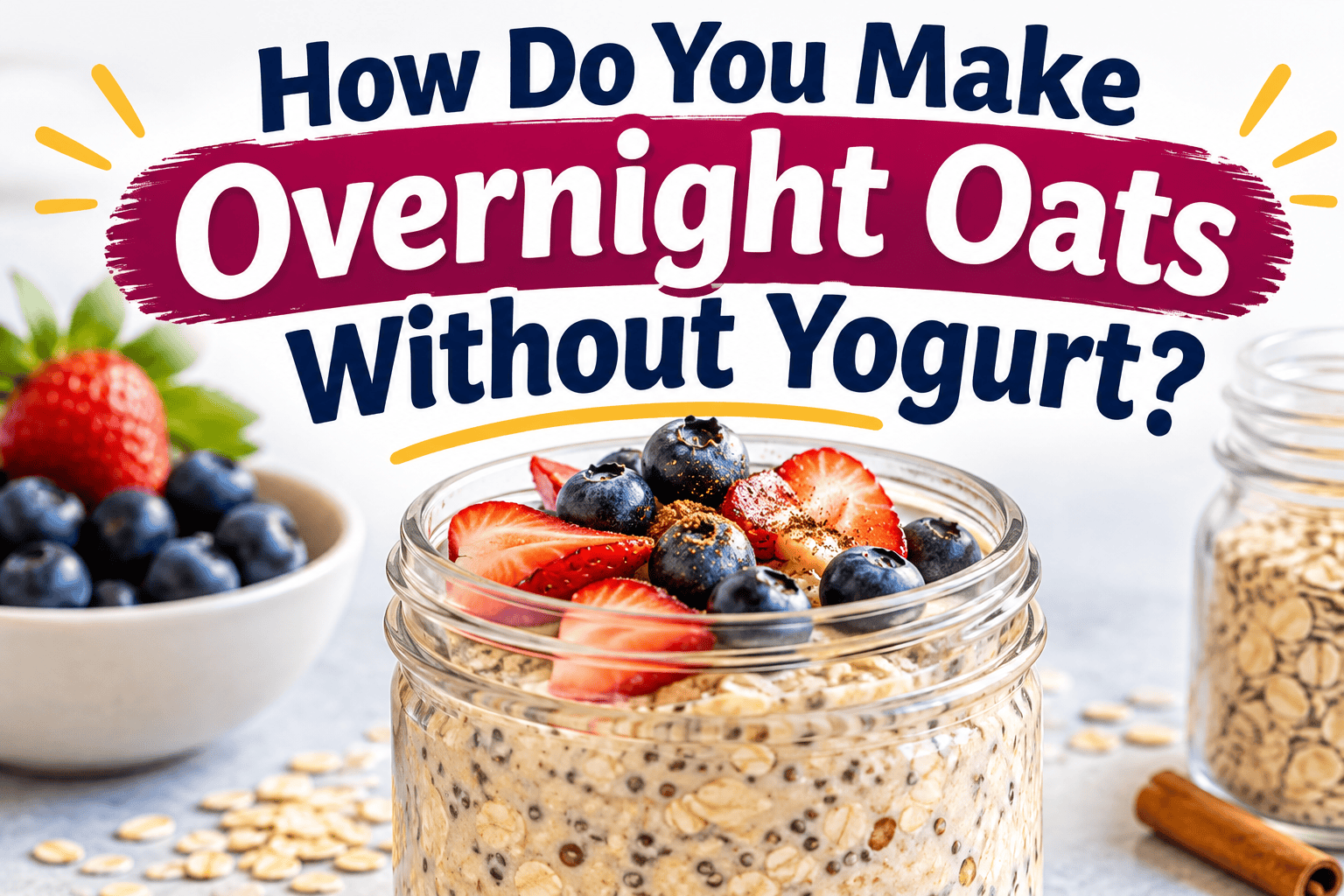
Overnight oats have become one of the most popular make-ahead breakfast options for busy mornings. They are simple to prepare, affordable, nutritious, and endlessly customizable. Many overnight oats recipes include yogurt to create a thick, creamy texture, but what happens if you do not have yogurt or simply prefer not to use it?
The good news is that you can make delicious, creamy overnight oats without yogurt, and the process is surprisingly easy.
Whether you are avoiding dairy, following a plant-based diet, looking for a lighter breakfast, or just want to use ingredients already in your kitchen, overnight oats without yogurt can be just as satisfying as traditional recipes.
In this guide, you will learn how to make overnight oats without yogurt, the best ingredients to use, how to achieve the perfect consistency, and several delicious flavor combinations worth trying.
Can You Make Overnight Oats Without Yogurt?
Yes, you can absolutely make overnight oats without yogurt.
Yogurt is not necessary for overnight oats because the oats naturally absorb liquid while sitting in the refrigerator. This process softens the oats and creates a creamy, pudding-like consistency without cooking.
Traditional overnight oats typically contain rolled oats, milk, yogurt, and optional sweeteners or toppings. However, removing yogurt does not prevent the recipe from working.
Instead, you can use milk, almond milk, oat milk, coconut milk, or another liquid to soften the oats overnight.
For additional creaminess, ingredients such as chia seeds, mashed banana, nut butter, or coconut cream can be added.
The secret is finding the right balance between oats and liquid.
How Do You Make Overnight Oats Without Yogurt?
Making overnight oats without yogurt requires only a few ingredients and approximately five minutes of preparation.
Easy Overnight Oats Without Yogurt Recipe
RECIPE DETAILS
Prep Time: 5 minutes
Chill Time: 4–8 hours
Servings: 1
Difficulty: Easy
Ingredients
-
½ cup old-fashioned rolled oats
-
½ cup milk or dairy-free milk
-
1 teaspoon chia seeds (optional)
-
1 teaspoon maple syrup or honey
-
¼ teaspoon vanilla extract
-
¼ teaspoon ground cinnamon (optional)
-
Pinch of salt
-
Fresh fruit, nuts, or other toppings
Instructions
Step 1: Add the oats to a container.
Place the rolled oats in a mason jar, bowl, or airtight food-storage container.
Step 2: Pour in the milk.
Add your preferred milk and stir until the oats are evenly coated.
Step 3: Add flavorings.
Mix in the maple syrup, vanilla extract, cinnamon, and salt.
Step 4: Add chia seeds if desired.
Chia seeds absorb liquid and help create a thicker, creamier texture.
Step 5: Stir thoroughly.
Make sure all ingredients are evenly distributed and no dry oats remain.
Step 6: Refrigerate overnight.
Cover the container and place it in the refrigerator for at least four hours, preferably overnight.
Step 7: Stir and serve.
The next morning, stir the oats. If the mixture is too thick, add a small splash of milk.
Finish with your favorite toppings and enjoy.
This simple recipe creates a satisfying breakfast without requiring yogurt or cooking.
What Can You Use Instead of Yogurt in Overnight Oats?
Several ingredients can replace yogurt while adding flavor, texture, and nutritional value.
1. Regular Milk
Regular dairy milk is one of the easiest substitutes for yogurt in overnight oats.
It provides moisture, protein, and a naturally creamy flavor.
Whole milk produces a richer texture, while reduced-fat or skim milk creates a lighter breakfast.
2. Almond Milk
Almond milk is a popular option for dairy-free overnight oats.
Unsweetened almond milk has a mild flavor that works well with fruit, cinnamon, vanilla, and nut butter.
Because almond milk is relatively thin, adding chia seeds or mashed banana can improve the consistency.
3. Oat Milk
Oat milk is an excellent choice because its naturally smooth texture complements rolled oats.
It creates a creamy breakfast without requiring dairy products.
Oat milk works particularly well in cinnamon, apple, banana, and maple-flavored overnight oats.
4. Coconut Milk
Coconut milk adds richness and a subtle tropical flavor.
Carton coconut milk produces a lighter consistency, while canned coconut milk creates a thicker, richer mixture.
For a balanced texture, you can combine a small amount of canned coconut milk with water or another milk.
5. Mashed Banana
Mashed banana is one of the best natural ingredients for making overnight oats creamy without yogurt.
It adds moisture, sweetness, and thickness.
Use approximately half a ripe banana for every half cup of rolled oats.
Banana pairs especially well with peanut butter, cinnamon, chocolate, and strawberries.
6. Chia Seeds
Chia seeds absorb liquid and develop a gel-like consistency.
Adding one to two teaspoons to a serving of overnight oats can help thicken the mixture.
They also contribute fiber and plant-based omega-3 fatty acids.
7. Nut Butter
Peanut butter, almond butter, and cashew butter can make overnight oats richer and more satisfying.
One tablespoon of nut butter adds creaminess, flavor, and some protein.
Nut butter works particularly well with banana, cocoa powder, or cinnamon.
What Is the Best Oat-to-Milk Ratio for Overnight Oats Without Yogurt?
Getting the liquid ratio right is essential when preparing overnight oats without yogurt.
A good starting point is one part rolled oats to one part milk by volume.
| Texture | Rolled oats | Milk |
|---|---|---|
| Thick | ½ cup | ⅓ cup |
| Creamy | ½ cup | ½ cup |
| Softer, thinner | ½ cup | ⅔ cup |
These measurements can be adjusted based on your preferences.
If you add chia seeds, they will absorb additional liquid, so you may need slightly more milk.
If you use mashed banana, the mixture may naturally become thicker.
Remember that overnight oats continue to soften as they sit in the refrigerator.
7 Delicious Overnight Oats Recipes Without Yogurt
One of the greatest advantages of overnight oats is how easily you can customize them.
These seven flavor combinations use the same basic preparation method.
For each recipe, combine the ingredients in a jar, stir thoroughly, cover, and refrigerate for at least four hours or overnight.
1. Banana Peanut Butter Overnight Oats
This combination creates a rich, naturally sweet breakfast.
Ingredients:
-
½ cup rolled oats
-
½ cup milk
-
½ ripe banana, mashed
-
1 tablespoon peanut butter
-
¼ teaspoon cinnamon
-
½ teaspoon maple syrup (optional)
The mashed banana provides natural sweetness, while peanut butter adds richness and protein.
Top with sliced bananas and chopped peanuts before serving.
2. Strawberry Vanilla Overnight Oats
Strawberries add freshness and natural sweetness.
Ingredients:
-
½ cup rolled oats
-
½ cup almond milk
-
¼ cup chopped strawberries
-
½ teaspoon vanilla extract
-
1 teaspoon maple syrup
-
1 teaspoon chia seeds
Stir everything together and refrigerate overnight.
Add fresh strawberries in the morning for additional flavor and texture.
3. Chocolate Overnight Oats
Chocolate overnight oats offer a dessert-inspired breakfast.
Ingredients:
-
½ cup rolled oats
-
½ cup milk
-
1 tablespoon unsweetened cocoa powder
-
1 tablespoon peanut butter
-
1 teaspoon maple syrup
-
¼ teaspoon vanilla extract
Mix thoroughly to distribute the cocoa powder.
For extra sweetness, add sliced banana or a few chocolate chips before serving.
4. Apple Cinnamon Overnight Oats
This recipe delivers comforting flavors similar to homemade apple pie.
Ingredients:
-
½ cup rolled oats
-
½ cup oat milk
-
¼ cup finely diced apple
-
½ teaspoon cinnamon
-
1 teaspoon maple syrup
-
1 teaspoon chia seeds
Combine the ingredients and refrigerate overnight.
Top with chopped walnuts or additional apple pieces.
5. Blueberry Almond Overnight Oats
Blueberries and almonds create a refreshing breakfast with a satisfying crunch.
Ingredients:
-
½ cup rolled oats
-
½ cup almond milk
-
¼ cup blueberries
-
1 tablespoon almond butter
-
½ teaspoon honey
-
¼ teaspoon vanilla extract
Stir everything together and refrigerate.
Finish with sliced almonds and fresh blueberries.
6. Coconut Mango Overnight Oats
For a tropical breakfast, combine mango and coconut.
Ingredients:
-
½ cup rolled oats
-
½ cup carton coconut milk
-
¼ cup diced mango
-
1 tablespoon shredded coconut
-
½ teaspoon maple syrup
-
1 teaspoon chia seeds
Mix and refrigerate overnight.
Top with extra mango and toasted coconut before serving.
7. Maple Brown Sugar Overnight Oats
This recipe recreates the familiar flavor of maple brown sugar oatmeal without requiring cooking.
Ingredients:
-
½ cup rolled oats
-
½ cup milk
-
1 teaspoon maple syrup
-
1 teaspoon brown sugar
-
¼ teaspoon cinnamon
-
¼ teaspoon vanilla extract
-
Pinch of salt
Combine the ingredients and refrigerate overnight.
Top with pecans or walnuts for extra crunch.
How Do You Make Overnight Oats Creamy Without Yogurt?
One common concern about removing yogurt is that the oats might become watery or lack richness.
Fortunately, several simple techniques can improve the texture.
Use old-fashioned rolled oats. Rolled oats absorb liquid gradually and develop a soft but slightly chewy consistency.
Add chia seeds. These help thicken the mixture naturally.
Use mashed banana. Ripe bananas add moisture and a smooth texture.
Choose creamier milk. Whole milk, oat milk, or richer coconut milk can create a fuller consistency.
Add nut butter. Peanut butter or almond butter helps make the oats richer.
Stir before refrigerating. Mixing thoroughly helps the oats absorb liquid evenly.
Allow enough chilling time. Although four hours may be sufficient, eight hours often produces a softer texture.
The best results usually come from combining the correct liquid ratio with one or two naturally creamy ingredients.
Can You Make Overnight Oats Without Yogurt or Milk?
Yes. You can prepare overnight oats without either yogurt or milk.
Water is the simplest alternative.
For a basic water-based recipe, combine:
-
½ cup rolled oats
-
½ cup water
-
½ mashed banana
-
1 teaspoon chia seeds
-
¼ teaspoon cinnamon
-
1 teaspoon maple syrup
Stir everything together and refrigerate overnight.
Because water does not provide the same richness as milk, ingredients such as banana, nut butter, or chia seeds can improve the texture.
Water-based overnight oats are an inexpensive option when milk is unavailable.
Are Overnight Oats Without Yogurt Healthy?
Overnight oats without yogurt can be a nutritious breakfast, depending on the ingredients you choose.
Oats are a whole grain that provides complex carbohydrates, fiber, and important minerals.
They also contain beta-glucan, a type of soluble fiber associated with supporting healthy cholesterol levels.
Additional ingredients can increase the nutritional value of your breakfast.
-
Chia seeds: Provide fiber and plant-based omega-3 fatty acids.
-
Berries: Add vitamins, antioxidants, and natural sweetness.
-
Bananas: Supply potassium and carbohydrates.
-
Nut butter: Contributes healthy fats and some protein.
-
Milk or fortified plant-based milk: Can provide calcium, vitamin D, and protein, depending on the variety.
One consideration is protein.
Removing yogurt, particularly Greek yogurt, may reduce the protein content of the recipe.
If you want a higher-protein breakfast, consider using dairy milk, fortified soy milk, peanut butter, or another protein-rich ingredient.
For a lower-sugar breakfast, choose unsweetened milk and rely on fresh fruit for sweetness.
Can Overnight Oats Without Yogurt Help With Weight Loss?
Overnight oats can fit into a weight-loss eating plan because they provide fiber and can help you feel satisfied.
However, weight loss depends on overall calorie intake and eating habits rather than any single food.
For a balanced serving, start with half a cup of dry rolled oats and add unsweetened milk, fruit, and a modest amount of nuts or seeds.
Be mindful of calorie-dense additions such as large amounts of nut butter, honey, maple syrup, chocolate chips, and sweetened coconut.
These ingredients can be part of a healthy breakfast, but portion sizes matter.
Adding protein and fiber can also make the meal more filling.
Can You Use Quick Oats Instead of Rolled Oats?
Yes, quick oats can be used for overnight oats without yogurt.
However, they absorb liquid more quickly than old-fashioned rolled oats.
This can produce a softer, mushier texture.
If you prefer smooth, pudding-like oats, quick oats may work well.
If you enjoy more texture and chewiness, old-fashioned rolled oats are generally the better choice.
Steel-cut oats are less suitable for a standard overnight oats recipe because they remain much firmer and often require a longer soaking period or cooking.
How Long Should Overnight Oats Sit in the Refrigerator?
Overnight oats generally need at least four hours in the refrigerator to soften.
For the best texture, refrigerate them for approximately six to eight hours.
You can also prepare them before going to bed and enjoy them the following morning.
The longer they sit, the more liquid the oats absorb.
If the mixture becomes too thick, simply stir in a little additional milk before eating.
Always refrigerate overnight oats promptly rather than leaving them on the kitchen counter overnight.
How Long Do Overnight Oats Without Yogurt Last?
Overnight oats without yogurt can generally be stored in an airtight container in the refrigerator for three to four days, provided the ingredients are fresh and the refrigerator is maintained at 40°F or below.
The texture may become softer over time.
For the best flavor, consider adding delicate toppings such as sliced bananas, crunchy nuts, or granola immediately before serving.
Fresh fruit mixed into the oats may also soften or release liquid during storage.
If the oats develop an unusual smell, visible mold, or other signs of spoilage, discard them.
Can You Heat Overnight Oats Without Yogurt?
Yes. Although overnight oats are traditionally eaten cold, you can warm them if you prefer a hot breakfast.
Transfer the oats to a microwave-safe bowl and heat in short intervals, stirring between each interval until warm throughout.
You may need to add a splash of milk because the mixture thickens as it heats.
Alternatively, warm the oats in a small saucepan over low heat, stirring frequently.
Do not microwave a sealed jar.
Heating overnight oats does not eliminate the convenience of preparing breakfast in advance.
Common Mistakes to Avoid When Making Overnight Oats Without Yogurt
Even though overnight oats are simple, a few mistakes can affect the final result.
Adding Too Much Liquid
Excess liquid can make overnight oats watery.
Start with equal volumes of rolled oats and milk, then adjust as needed.
Not Adding Enough Liquid
Too little liquid can leave the oats dry or overly chewy.
Remember that chia seeds and other thickening ingredients absorb additional moisture.
Using the Wrong Type of Oats
Instant oats can become overly soft, while steel-cut oats may remain too firm.
Old-fashioned rolled oats generally provide the best balance.
Skipping the Stirring
Poorly mixed ingredients can leave dry oats or clumps of chia seeds.
Stir thoroughly before refrigerating.
Adding Crunchy Toppings Too Early
Granola, toasted nuts, and crunchy cereal can lose their texture when refrigerated overnight.
Add them immediately before eating.
Using Too Much Sweetener
Fruit, vanilla, and cinnamon can provide plenty of flavor without requiring large amounts of added sugar.
Start with a small amount of sweetener and adjust to taste.
Frequently Asked Questions About Overnight Oats Without Yogurt
Do overnight oats need yogurt to thicken?
No. Rolled oats naturally absorb liquid and soften in the refrigerator. Chia seeds, mashed banana, and nut butter can provide additional thickness.
Can I make overnight oats with just oats and milk?
Yes. Equal volumes of rolled oats and milk are enough to make basic overnight oats. Sweeteners, fruit, and flavorings are optional.
What is the best milk for overnight oats without yogurt?
Oat milk and whole dairy milk are good options for a creamy texture. Almond milk is useful for a lighter consistency, while soy milk can provide additional protein.
Can I make overnight oats without chia seeds?
Absolutely. Chia seeds are optional. Rolled oats and milk will soften and thicken naturally.
Can I prepare overnight oats for the entire week?
You can prepare several servings in advance, but for quality and food safety, making three to four days’ worth at a time is a practical approach.
Why are my overnight oats watery?
Watery overnight oats usually contain too much liquid or have not soaked long enough. Reduce the milk slightly, allow more chilling time, or add a small amount of chia seeds.
Can I use frozen fruit in overnight oats?
Yes. Frozen blueberries, strawberries, raspberries, and mango can be added directly to the mixture before refrigerating. The fruit will thaw in the refrigerator and may release additional liquid.
Are overnight oats better cold or warm?
Both options work well. Cold overnight oats are convenient and refreshing, while warmed overnight oats offer a more traditional oatmeal experience.
Final Thoughts: Making Overnight Oats Without Yogurt Is Easy
You do not need yogurt to enjoy a creamy, delicious, and satisfying bowl of overnight oats.
With nothing more than rolled oats and your preferred milk, you can prepare a convenient breakfast in minutes and let the refrigerator handle the rest.
For extra creaminess, add chia seeds, mashed banana, nut butter, or a richer milk alternative. For flavor, experiment with berries, cinnamon, vanilla, chocolate, apples, or tropical fruit.
The key is starting with the right oat-to-liquid ratio and adjusting the ingredients to match your preferred consistency.
Whether you are preparing breakfast for a busy workday, following a dairy-free diet, or simply looking for an affordable make-ahead meal, overnight oats without yogurt are a versatile option worth adding to your morning routine.
The best part is that once you learn the basic recipe, you can create dozens of different breakfast combinations without ever needing yogurt.


Leave a Reply