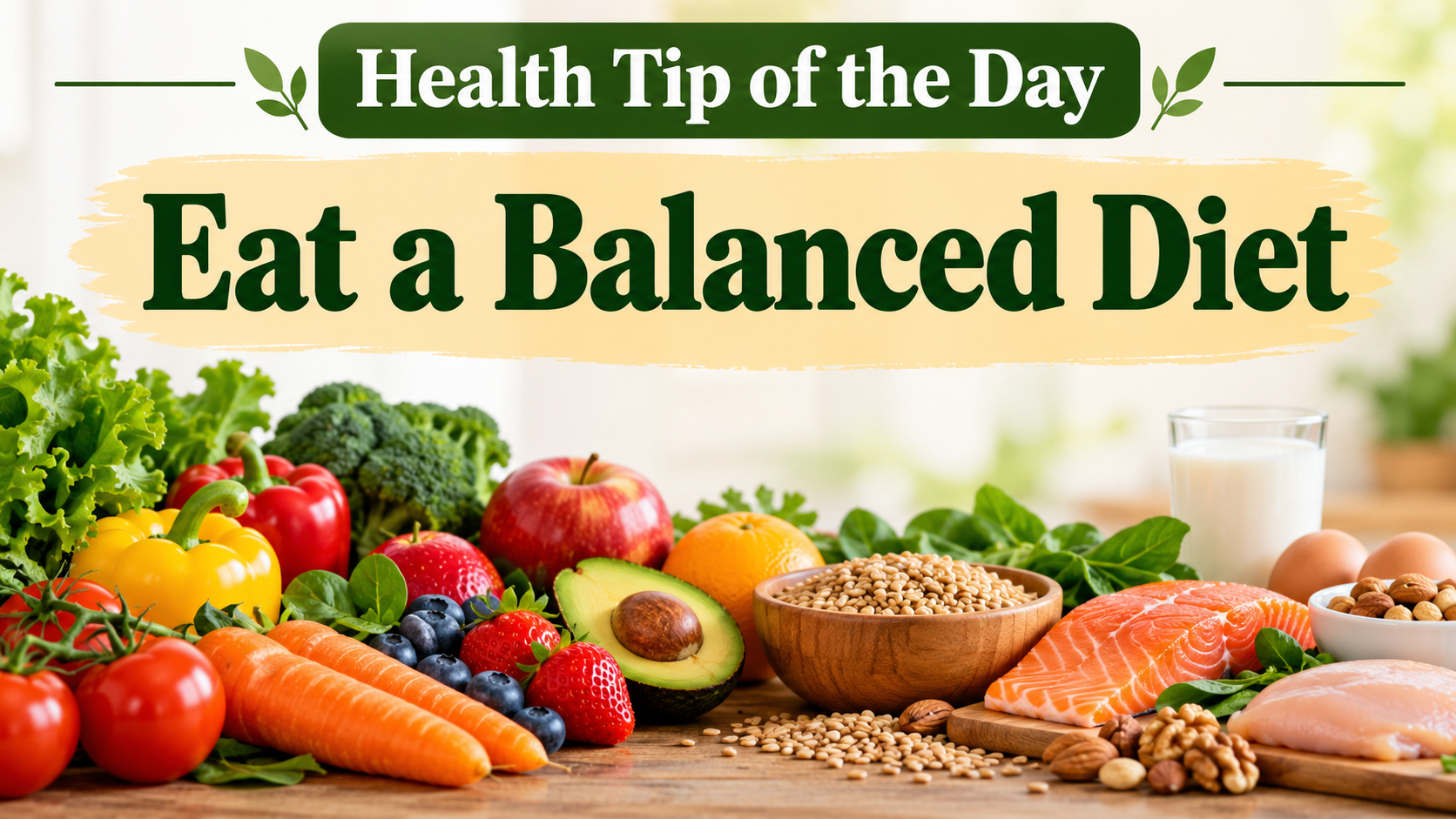
Eating a balanced diet is one of the most important steps you can take toward living a healthier, happier, and more energetic life. The foods you choose each day influence how your body functions, how you feel mentally, how well you sleep, and your ability to maintain good health over time.
With busy schedules, financial pressures, emotional stress, and countless convenient food options, maintaining healthy eating habits can sometimes feel overwhelming. However, eating a balanced diet does not mean following strict rules, eliminating everything you enjoy, or spending a fortune on expensive ingredients.
It means giving your body the nutrients it needs while creating eating habits that are realistic, enjoyable, and sustainable.
Today’s Health Tip of the Day focuses on why balanced nutrition matters, what your body needs, how to make healthier food choices, and how small changes can lead to meaningful improvements in your overall well-being.
What Does It Mean to Eat a Balanced Diet?
A balanced diet involves consuming a variety of foods that provide essential nutrients in appropriate amounts to support your body’s needs.
Your body requires several important nutrients to function properly, including:
-
Proteins: Help build and repair muscles, tissues, and cells.
-
Carbohydrates: Provide energy for your brain, muscles, and daily activities.
-
Healthy fats: Support brain function, hormone production, and the absorption of certain vitamins.
-
Vitamins: Help regulate essential bodily processes and support overall health.
-
Minerals: Contribute to strong bones, healthy blood, nerve function, and fluid balance.
-
Fiber: Supports digestion, bowel regularity, and heart health.
-
Water: Helps regulate body temperature, transport nutrients, and maintain hydration.
No single food contains every nutrient your body needs. That is why variety is such an important part of balanced nutrition.
A healthy eating pattern includes fruits, vegetables, whole grains, protein-rich foods, and sources of healthy fats while limiting excessive amounts of sodium, added sugars, and saturated fats.
Why Eating a Balanced Diet Is Important
The benefits of balanced nutrition extend far beyond maintaining a healthy weight.
What you eat affects nearly every system in your body.
1. Provides Energy Throughout the Day
Your body relies on food for energy.
When your meals contain a balance of carbohydrates, proteins, and fats, you provide your body with fuel to perform everyday activities.
Whole grains, fruits, vegetables, beans, and other nutrient-rich foods can help provide sustained energy.
For example, a breakfast containing oatmeal, berries, and Greek yogurt provides carbohydrates, fiber, and protein.
Compare that with a breakfast consisting only of a sugary pastry. The pastry may provide quick energy, but it often lacks the protein and fiber that help you feel satisfied.
Balanced meals can help you avoid feeling excessively hungry between meals and support more consistent energy throughout the day.
2. Supports Heart Health
Heart disease remains a major health concern, making dietary choices especially important.
A heart-healthy eating pattern emphasizes vegetables, fruits, whole grains, nuts, beans, fish, and unsaturated fats.
Foods such as salmon, walnuts, olive oil, and avocados contain beneficial fats that can support cardiovascular health.
Limiting excess sodium can also help manage blood pressure, particularly for people who are sensitive to sodium.
Replacing some saturated fats with unsaturated fats may help improve cholesterol levels.
You do not have to change everything overnight. Even choosing grilled chicken instead of fried chicken or adding vegetables to dinner can be a useful step.
3. Helps Maintain a Healthy Weight
Eating a balanced diet can help with weight management by supporting fullness, nutrition, and appropriate energy intake.
Fiber-rich vegetables, whole grains, and protein-rich foods can help you feel satisfied.
However, healthy eating is not simply about eating less.
It is about consuming enough nutritious food to meet your body’s needs without consistently taking in more energy than you use.
Extremely restrictive diets can be difficult to maintain and may leave you feeling deprived.
A sustainable approach focuses on portion awareness, balanced meals, and consistent habits.
4. Strengthens Your Immune System
Your immune system requires adequate nutrition to function normally.
Several nutrients play important roles in immune health, including vitamin C from citrus fruits, strawberries, and bell peppers; vitamin A from carrots, sweet potatoes, and leafy greens; vitamin D from fortified foods and fatty fish; zinc from meat, beans, nuts, and seeds; and protein from poultry, fish, eggs, dairy, tofu, and legumes.
Although no particular food can guarantee that you will avoid illness, maintaining adequate nutrition supports normal immune function.
5. Supports Mental and Emotional Well-Being
The connection between nutrition and mental health is an important area of ongoing research.
Your brain requires nutrients and energy to function properly.
Eating regularly and consuming a variety of nutritious foods may support concentration, mood, and overall well-being.
Research has also found associations between certain healthy dietary patterns and better mental health outcomes, although these relationships are complex and do not establish that diet alone prevents or treats depression or anxiety.
Food should be viewed as one part of overall mental wellness, alongside sleep, movement, meaningful relationships, and appropriate professional care when needed.
6. Promotes Better Digestive Health
Your digestive system benefits from a diet that contains adequate fiber and fluids.
Fiber helps support regular bowel movements and contributes to digestive health.
Excellent sources of fiber include apples, pears, berries, oats, lentils, beans, broccoli, and whole grains.
Increasing fiber gradually and drinking enough fluids can help reduce digestive discomfort.
7. Supports Strong Bones and Muscles
Maintaining healthy bones and muscles becomes increasingly important as we age.
Calcium and vitamin D contribute to bone health, while protein supports muscle maintenance and repair.
Milk, yogurt, fortified plant-based beverages, leafy greens, and calcium-set tofu can provide calcium.
Fish, eggs, lean meats, beans, and dairy products provide protein.
Combining balanced nutrition with regular physical activity, including strength-building exercises when appropriate, supports long-term physical function.
The Five Main Food Groups You Should Include
Understanding the major food groups makes balanced eating easier.
Fruits
Fruits provide vitamins, minerals, water, fiber, and beneficial plant compounds.
Good choices include apples, bananas, oranges, strawberries, blueberries, grapes, and melons.
Whole fruits are generally preferable to juice because they retain more fiber and can be more filling.
Vegetables
Vegetables are essential components of a nutritious diet.
Different colors often provide different combinations of nutrients.
Try including spinach, carrots, broccoli, tomatoes, bell peppers, cauliflower, and green beans throughout your week.
Fresh, frozen, and canned vegetables can all be nutritious choices. When buying canned vegetables, look for lower-sodium varieties when possible.
Whole Grains
Whole grains provide carbohydrates, fiber, and important nutrients.
Examples include brown rice, oatmeal, quinoa, whole-wheat bread, barley, and whole-grain pasta.
Choosing whole grains more often than refined grains can improve your overall fiber intake.
Protein Foods
Protein helps maintain and repair tissues throughout your body.
Healthy protein options include chicken, turkey, fish, eggs, beans, lentils, tofu, nuts, and seeds.
You do not have to eat meat at every meal to get adequate protein.
Plant-based protein sources can contribute significantly to a balanced diet.
Dairy and Fortified Alternatives
Milk, yogurt, and cheese can provide calcium, protein, and other nutrients.
Fortified soy beverages and certain other fortified plant-based alternatives may also contribute important nutrients, although their nutritional content varies.
Choose options that fit your dietary needs and preferences, and compare labels for protein, calcium, vitamin D, and added sugars.
How to Build a Balanced Plate
One of the simplest ways to improve your eating habits is to think about how different foods fit together on your plate.
A practical guideline is to fill approximately half your plate with vegetables and fruit, one-quarter with whole grains, and one-quarter with healthy protein foods.
You can also include moderate amounts of healthy fats and dairy or fortified alternatives according to your nutritional needs.
For example, a balanced dinner might contain grilled salmon, brown rice, roasted broccoli, and a small amount of olive oil.
Another option might be grilled chicken, quinoa, steamed carrots, and a side salad.
The goal is not perfection. It is creating a pattern that provides variety and adequate nutrition.
10 Practical Ways to Start Eating a Balanced Diet
Making healthier food choices becomes easier when you focus on manageable changes.
1. Start Your Day With a Nutritious Breakfast
Breakfast can provide important nutrients and energy to begin your day.
Try oatmeal with fruit, eggs with whole-grain toast, or yogurt with berries.
A balanced breakfast can help you feel satisfied and prepare for the activities ahead.
2. Add Vegetables to Your Meals
Vegetables provide essential vitamins, minerals, and fiber.
Include vegetables in sandwiches, soups, pasta dishes, omelets, and casseroles.
Even adding one extra serving each day is a positive step.
3. Choose Water More Often
Replacing sugary beverages with water can reduce added sugar intake.
Keeping a reusable water bottle nearby may make staying hydrated easier.
4. Eat More Whole Foods
Choose fruits, vegetables, beans, whole grains, and other nutrient-rich foods more frequently.
You do not need to eliminate processed foods entirely. Many convenient foods, including frozen vegetables, canned beans, and plain yogurt, can be nutritious.
5. Include Protein Throughout the Day
Protein helps maintain muscles, repair tissues, and support fullness.
Include foods such as eggs, fish, poultry, beans, tofu, or yogurt in your meals.
6. Plan Your Meals Ahead of Time
Meal planning can help you make healthier choices while reducing food waste.
You do not need to prepare every meal in advance.
Simply deciding what to eat for the next few days can make a difference.
7. Keep Nutritious Snacks Available
Healthy snacks can help satisfy hunger between meals.
Good choices include apples, nuts, yogurt, carrots, hummus, and whole-grain crackers.
8. Pay Attention to Portion Sizes
Eating appropriate portions can help you maintain a balanced intake.
Your nutritional needs depend on factors such as age, activity level, body size, and health status.
Pay attention to your hunger and fullness signals while ensuring you eat enough to meet your needs.
9. Read Nutrition Labels
Nutrition labels can help you compare products and make informed choices.
Look at serving sizes, fiber, sodium, saturated fat, and added sugars.
Understanding what is in your food makes healthy eating decisions easier.
10. Allow Yourself Flexibility
A balanced diet does not require eliminating every favorite food.
An occasional dessert, pizza night, or favorite comfort meal can fit within an overall nutritious eating pattern.
The key is moderation and consistency.
Example of a Balanced Daily Meal Plan
You do not need complicated recipes to eat well.
Here is one example of how balanced eating can look throughout an ordinary day.
Breakfast: Scrambled eggs, whole-grain toast, and fresh strawberries.
Morning Snack: Greek yogurt with blueberries.
Lunch: Grilled chicken breast, quinoa, and mixed vegetables.
Afternoon Snack: Apple slices with peanut butter.
Dinner: Baked salmon, roasted sweet potato, and steamed broccoli.
Optional Evening Snack: A small bowl of oatmeal or fresh fruit.
This meal plan is an example rather than a personalized prescription. Portion sizes, calorie requirements, and meal frequency vary according to individual needs.
Eating Healthy on a Budget
One of the biggest misconceptions about healthy eating is that nutritious food must be expensive.
In reality, many affordable foods provide excellent nutritional value.
Beans, lentils, eggs, oats, brown rice, frozen vegetables, canned tuna, and seasonal produce can all contribute to balanced meals.
Buying store brands, preparing larger batches of food, and using leftovers can also help reduce expenses.
For example, a large pot of vegetable and bean soup can provide several meals at a relatively low cost.
Frozen fruits and vegetables are particularly useful because they last longer and can reduce food waste.
Healthy eating is not about buying the most expensive ingredients. It is about making nutritious choices within your budget.
Common Mistakes People Make When Trying to Eat Healthier
Even with good intentions, certain habits can make balanced eating more difficult.
Skipping Meals to Save Calories
Skipping meals may leave some people excessively hungry later, making it harder to choose satisfying portions.
Regular meal patterns can help many people manage hunger, although the best timing varies by individual.
Eliminating Entire Food Groups Without a Reason
Carbohydrates and fats are sometimes portrayed as unhealthy, but both play important roles in nutrition.
Rather than eliminating entire food groups unnecessarily, focus on choosing nutrient-rich sources.
Believing All Healthy Foods Must Be Bland
Healthy meals can be flavorful and satisfying.
Herbs, spices, garlic, lemon juice, and other seasonings can add flavor without relying heavily on salt or added sugar.
Expecting Immediate Results
Improving your diet is a long-term investment.
Some changes may help you feel better relatively quickly, while others contribute to health gradually over months or years.
Following Extreme Diet Trends
Highly restrictive diets may be difficult to sustain and can sometimes lead to nutritional gaps.
A balanced eating pattern generally offers more flexibility and variety than extreme approaches.
The Importance of Staying Hydrated
Water is another essential part of a healthy diet.
Your body uses water to regulate temperature, support circulation, aid digestion, and eliminate waste.
Hydration needs differ depending on activity level, weather, body size, medications, and medical conditions.
Water is an excellent everyday beverage, but fluids from milk, unsweetened tea, and water-rich foods also contribute to hydration.
A practical habit is to keep water nearby and drink regularly throughout the day.
People who have been advised to restrict fluids should follow their healthcare professional’s guidance.
How Balanced Eating Can Support Long-Term Health
A nutritious dietary pattern can help reduce the risk of several chronic health conditions.
Research supports dietary patterns rich in vegetables, fruits, whole grains, legumes, nuts, and other nutrient-dense foods for cardiovascular and metabolic health.
Balanced eating can contribute to better blood pressure management, healthier cholesterol levels, improved blood sugar management, maintaining healthy bones and muscles, supporting digestive health, and lowering the risk of certain nutrition-related chronic diseases.
However, diet is not a guarantee against illness, and it cannot replace medical treatment.
People with diabetes, kidney disease, food allergies, eating disorders, or other conditions affecting nutrition may need individualized dietary guidance.
Building Healthy Habits That Last
Changing your eating habits does not have to happen all at once.
In fact, attempting to completely transform your diet overnight can make the process more difficult.
Instead, focus on one improvement at a time.
During your first week, you might add one serving of vegetables to dinner.
During the second week, you could replace a sugary beverage with water on most days.
During the third week, you might prepare more meals at home.
Over time, these small changes can become part of your regular routine.
It is also important to remember that eating well should not become a source of guilt.
Some days will be more balanced than others. Celebrations, holidays, travel, and stressful periods can all affect your food choices.
One meal does not define your overall health.
What matters most is the pattern of choices you make over time.
Healthy Eating Is Also an Act of Self-Care
Taking care of your body is about more than appearance or the number on a scale.
It is about recognizing that your health matters.
When life becomes stressful, preparing nutritious meals may fall to the bottom of your priorities. You might reach for whatever is convenient or simply forget to eat regularly.
During emotionally difficult periods, even small acts of self-care can feel challenging.
Preparing a simple meal, eating a piece of fruit, or drinking a glass of water may not seem like a major accomplishment, but these actions are meaningful ways to care for yourself.
You deserve nourishment even on days when you feel exhausted, overwhelmed, or unmotivated.
A balanced diet does not require you to have everything figured out.
It simply asks you to keep making choices that support your well-being whenever possible.
Today’s Health Challenge: Make One Balanced Choice
Rather than trying to change your entire diet today, choose one realistic action.
You might add a vegetable to lunch, prepare a healthy breakfast for tomorrow, replace one sugary drink with water, or include a protein-rich food with your next meal.
Whatever you choose, make it achievable.
Once that action becomes familiar, build upon it.
Progress is often the result of repeated small decisions rather than dramatic changes.
Final Thoughts: Nourish Your Body One Meal at a Time
Eating a balanced diet is one of the most valuable habits you can develop for your long-term health.
The foods you eat provide the building blocks your body needs to function, recover, and remain active.
By including a variety of fruits, vegetables, whole grains, protein foods, and healthy fats, you can support your energy, heart health, digestion, and overall well-being.
You do not need a perfect diet.
You do not need expensive ingredients.
And you do not need to give up every food you love.
What you need is a realistic approach that allows you to nourish your body while still enjoying the experience of eating.
Remember: Every healthy choice is an investment in yourself. You cannot control every aspect of your health, but you can take meaningful steps toward caring for your body each day.
Start with your next meal. Make one balanced choice, appreciate the progress you are making, and continue building healthier habits one day at a time.
Today’s Health Tip: Eat a balanced diet filled with a variety of nutritious foods. Focus on consistency rather than perfection, and remember that taking care of your body is an important part of taking care of yourself.
What is one healthy eating habit you would like to start or improve, and what is the biggest challenge you face when trying to maintain a balanced diet?


Leave a Reply