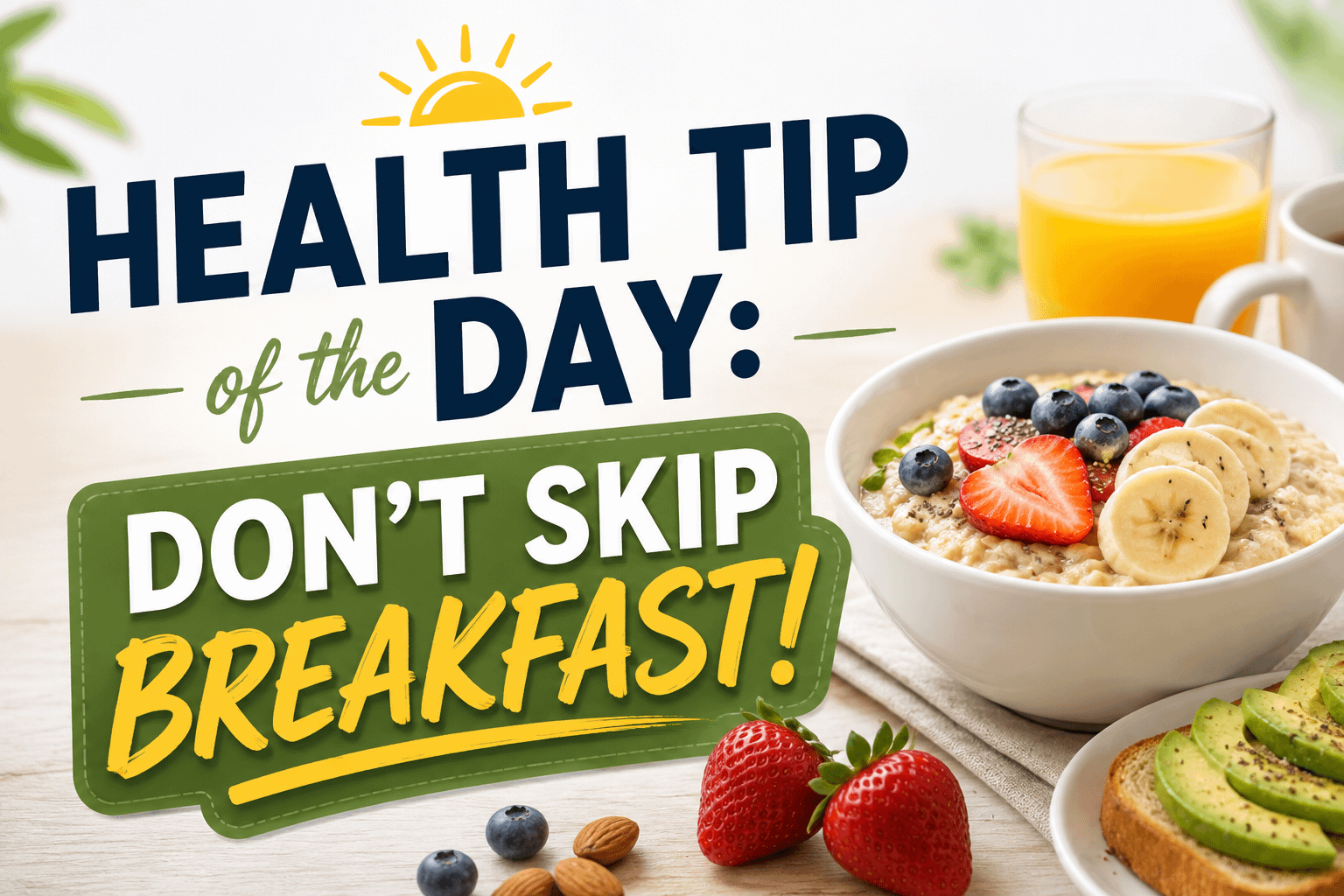
Give Your Body the Fuel It Needs Every Morning
They say breakfast is the most important meal of the day, and while everyone’s nutritional needs are different, starting your morning with a balanced meal can make a significant difference in your overall health. After spending six to ten hours sleeping without food, your body wakes up ready to replenish its energy stores. A nutritious breakfast provides the vitamins, minerals, protein, healthy fats, and carbohydrates your body and brain need to function at their best.
Many people skip breakfast because they’re busy, trying to lose weight, or simply don’t feel hungry in the morning. While missing breakfast occasionally isn’t likely to harm your health, making it a daily habit can leave you feeling sluggish, reduce your concentration, and increase the temptation to overeat later in the day.
Making time for breakfast is one of the simplest health habits you can adopt, and it often sets the tone for healthier choices throughout the rest of the day.
What Happens to Your Body Overnight?
While you sleep, your body continues to work hard. Your heart keeps beating, your lungs continue breathing, your brain processes memories, your muscles repair themselves, and your body carries out countless essential functions.
Since you aren’t eating during this time, your body uses stored energy to keep everything running smoothly. By morning, your blood sugar levels have naturally dropped, and your glycogen stores—the body’s primary source of stored carbohydrates—have begun to decrease.
Breakfast helps replenish these energy stores and signals your body that it’s time to begin another active day.
Think of your body like a car. After driving all day yesterday, the fuel tank is running low. Breakfast is the first opportunity to refill that tank before heading out again.
Why Breakfast Is Important
Eating breakfast regularly offers benefits that go far beyond simply satisfying your hunger.
1. Boosts Energy Levels
Food is fuel. Without it, your body has less energy available for everyday tasks.
A healthy breakfast helps you:
- Feel more awake.
- Reduce morning fatigue.
- Improve physical endurance.
- Stay energized until lunch.
Rather than relying on multiple cups of coffee or sugary drinks, nutritious foods provide longer-lasting energy.
2. Improves Brain Function
Your brain uses a significant amount of your body’s energy. Without adequate nutrition, mental performance may suffer.
Studies have shown that eating breakfast may improve:
- Concentration
- Memory
- Problem-solving skills
- Alertness
- Productivity
Whether you’re heading to work, attending school, or working from home, breakfast helps prepare your brain for the day’s challenges.
3. Helps Control Hunger
Skipping breakfast often leads to extreme hunger by late morning or lunchtime.
When this happens, you’re more likely to:
- Eat larger portions.
- Grab unhealthy snacks.
- Crave sugary foods.
- Overeat during later meals.
Eating a satisfying breakfast helps stabilize your appetite and reduces the likelihood of impulsive eating throughout the day.
4. Supports a Healthy Metabolism
Breakfast literally means “breaking the fast.”
After fasting overnight, your body benefits from receiving nutrients that support normal metabolic function.
A balanced breakfast encourages your body to efficiently use energy while providing the nutrients needed for countless biological processes.
5. Helps Maintain Stable Blood Sugar
Meals that combine protein, fiber, and healthy fats can help prevent large spikes and crashes in blood sugar.
More stable blood sugar often means:
- Fewer energy crashes.
- Better mood.
- Reduced cravings.
- Improved focus.
- More consistent energy throughout the day.
The Best Foods to Eat for Breakfast
Rather than focusing on eating a large breakfast, focus on eating a balanced one.
Protein
Protein helps keep you full and supports muscle maintenance and repair.
Excellent sources include:
- Eggs
- Greek yogurt
- Cottage cheese
- Turkey bacon
- Turkey sausage
- Protein shakes
- Peanut butter
- Almond butter
Aim for approximately 20–30 grams of protein if possible.
Healthy Carbohydrates
Carbohydrates provide your body’s preferred source of energy.
Choose nutrient-dense options like:
- Oatmeal
- Whole-grain toast
- Whole-grain cereal
- Brown rice breakfast bowls
- Sweet potatoes
- Whole-wheat tortillas
Whole grains digest more slowly than refined grains, providing longer-lasting energy.
Healthy Fats
Healthy fats help you stay full while supporting heart and brain health.
Good choices include:
- Avocados
- Walnuts
- Almonds
- Chia seeds
- Flaxseed
- Pumpkin seeds
- Natural nut butters
Fruits
Fruit adds vitamins, minerals, antioxidants, hydration, and fiber.
Popular choices include:
- Blueberries
- Strawberries
- Bananas
- Apples
- Oranges
- Grapefruit
- Kiwi
Adding fruit naturally sweetens your breakfast without relying on processed sugars.
Vegetables
Breakfast isn’t limited to traditional breakfast foods.
Vegetables such as:
- Spinach
- Tomatoes
- Mushrooms
- Bell peppers
- Onions
- Broccoli
can easily be added to omelets, breakfast burritos, or smoothies.
Healthy Breakfast Ideas
If you’re looking for inspiration, try these balanced breakfasts:
High-Protein Breakfast
- Scrambled eggs
- Whole-grain toast
- Fresh fruit
Overnight Oats
Combine:
- Oats
- Greek yogurt
- Chia seeds
- Almond milk
- Blueberries
Prepare the night before for a quick morning meal.
Breakfast Smoothie
Blend together:
- Greek yogurt
- Frozen berries
- Banana
- Spinach
- Protein powder
- Unsweetened almond milk
Ready in just minutes.
Avocado Toast
Top whole-grain toast with:
- Mashed avocado
- Sliced tomato
- Fried or poached egg
- Everything bagel seasoning
Cottage Cheese Bowl
Mix cottage cheese with:
- Pineapple
- Strawberries
- Walnuts
- Cinnamon
A refreshing, protein-rich breakfast.
Breakfast Doesn’t Have to Be Big
Many people avoid breakfast because they think they need to prepare an elaborate meal.
The truth is, even a small breakfast is better than none.
Examples include:
- A banana and peanut butter.
- Greek yogurt.
- Hard-boiled eggs.
- A protein shake.
- Apple slices with almonds.
- Whole-grain toast with almond butter.
Even eating something light can help replenish your energy.
Common Breakfast Mistakes
Eating Too Much Sugar
Many breakfast foods marketed as “healthy” contain large amounts of added sugar.
Watch out for:
- Sugary cereals
- Sweet pastries
- Donuts
- Frosted muffins
- Sweetened coffee drinks
These foods often lead to energy crashes a few hours later.
Skipping Protein
A breakfast made entirely of carbohydrates may leave you hungry sooner.
Including protein helps you stay satisfied longer.
Not Drinking Water
After sleeping for several hours, your body can become mildly dehydrated.
Drinking a glass of water before or with breakfast helps support hydration and may improve energy and alertness.
Tips for Busy Mornings
If mornings feel rushed, try these strategies:
- Prepare overnight oats before bed.
- Cook egg muffins for the week.
- Portion fruit into containers.
- Freeze smoothie ingredients in bags.
- Keep healthy grab-and-go snacks available.
- Wake up just 10 minutes earlier.
- Pack breakfast to eat at work if necessary.
Planning ahead makes healthy choices much easier.
Can You Skip Breakfast If You’re Not Hungry?
Some people naturally don’t feel hungry immediately after waking.
Instead of forcing yourself to eat a large meal, consider:
- Drinking water first.
- Eating within a couple of hours.
- Choosing something light.
- Listening to your body’s hunger cues.
The goal isn’t to eat out of obligation but to provide your body with consistent nourishment.
Building Better Morning Habits
Breakfast works best when it’s part of an overall healthy routine.
Consider adding these habits:
- Drink water before coffee.
- Stretch for five minutes.
- Avoid checking your phone immediately after waking.
- Eat mindfully instead of rushing.
- Get outside for fresh air.
- Plan your meals for the day.
Small habits practiced consistently create lasting results.
The Long-Term Benefits of Eating Breakfast
People who regularly eat balanced breakfasts often experience:
- Better daily nutrition.
- More consistent energy.
- Improved concentration.
- Better workout performance.
- Healthier eating patterns.
- Greater productivity.
- Better mood throughout the day.
While breakfast alone won’t transform your health overnight, it can become one of the foundational habits that support a healthier lifestyle.
Final Thoughts
Healthy living is built on small, intentional choices repeated over time. Eating breakfast is one of those simple habits that can positively influence your energy, mood, focus, and nutrition for the rest of the day.
You don’t need a gourmet meal or an hour in the kitchen. A bowl of oatmeal, a smoothie, a couple of eggs, or a piece of whole-grain toast with peanut butter can provide the nourishment your body needs to begin the day with strength and purpose.
If you’ve been skipping breakfast, challenge yourself to eat a balanced morning meal for the next week. Pay attention to how you feel. You may notice improved energy, fewer cravings, better focus, and a more positive outlook throughout the day.
Remember, good health isn’t about making one perfect choice—it’s about making better choices consistently.
Health Tip of the Day: Don’t skip breakfast. Every healthy day begins by giving your body the fuel it needs to thrive.
Leave a Reply