A Sweet Celebration of Peanut Butter Fudge
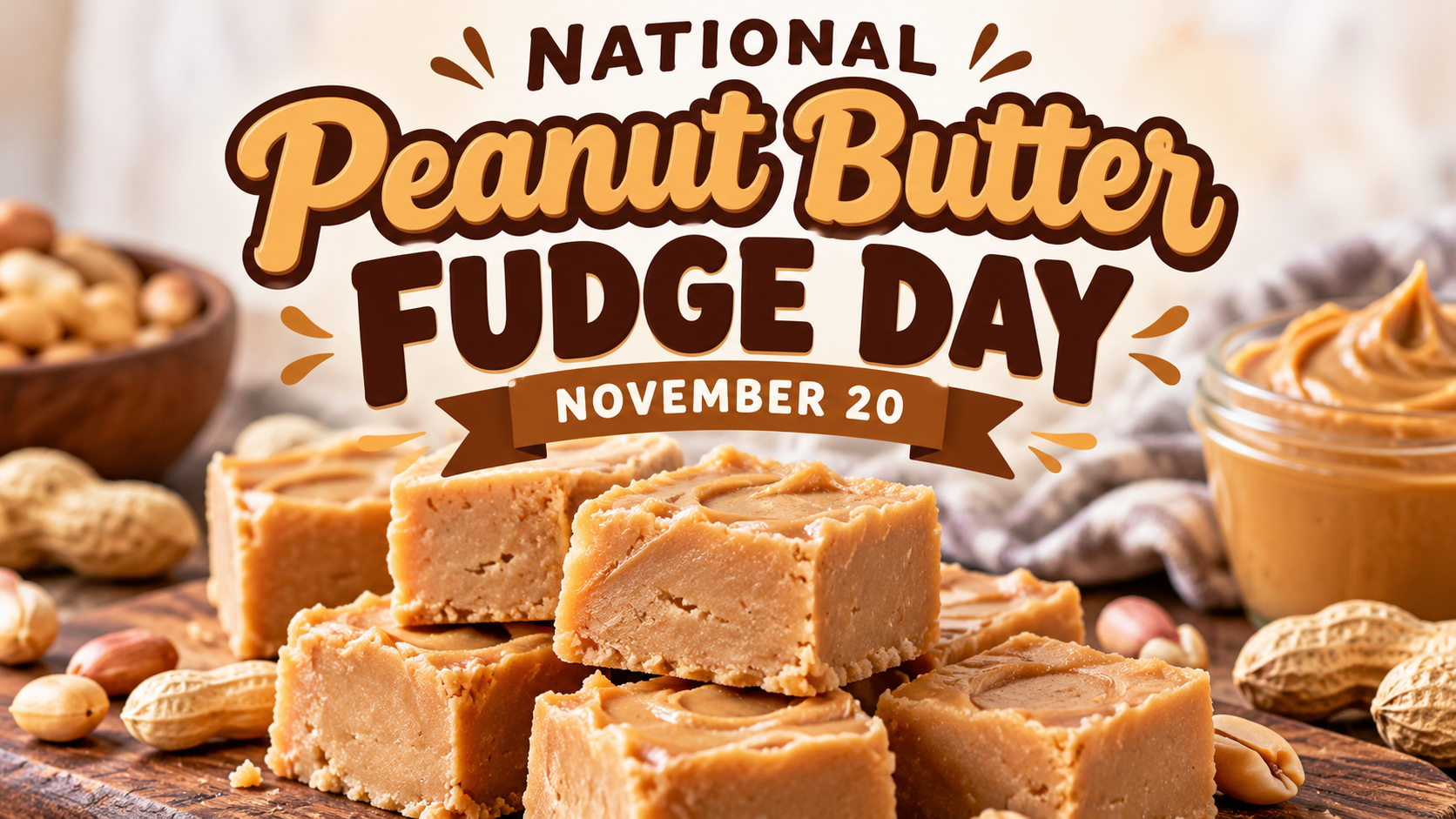
Every year on November 20, dessert lovers across the United States celebrate National Peanut Butter Fudge Day, a delicious occasion dedicated to one of America’s most beloved homemade sweet treats. Rich, creamy, smooth, and filled with the unmistakable flavor of peanut butter, this classic confection has earned a special place in kitchens, candy shops, holiday gatherings, and family traditions.
There is something wonderfully comforting about a piece of homemade peanut butter fudge. Its soft texture, sweet flavor, and melt-in-your-mouth consistency make it difficult to resist. Whether enjoyed alongside a warm cup of coffee, shared with family during the holidays, or packaged as a thoughtful homemade gift, peanut butter fudge brings a little sweetness to almost any occasion.
National Peanut Butter Fudge Day is more than an excuse to indulge in dessert. It is an opportunity to appreciate homemade candy-making traditions, rediscover treasured family recipes, and create new memories with the people who matter most.
With Thanksgiving and Christmas approaching, November 20 is also an excellent time to begin experimenting with holiday fudge recipes.
What Is National Peanut Butter Fudge Day?
National Peanut Butter Fudge Day is an informal food holiday celebrated annually on November 20. It recognizes the delicious combination of peanut butter, sugar, and other ingredients that create the creamy confection known as peanut butter fudge.
Unlike traditional chocolate fudge, peanut butter fudge highlights the rich, nutty flavor of peanut butter. Depending on the recipe, it may contain butter, milk, powdered sugar, vanilla extract, marshmallow creme, or white chocolate.
The result is a sweet treat that can range from soft and creamy to dense and slightly crumbly.
People celebrate National Peanut Butter Fudge Day by making homemade fudge, purchasing their favorite varieties from candy shops, exchanging recipes, and sharing delicious treats with friends and family.
Although the holiday’s exact origins are not well documented, its popularity reflects America’s long-standing love for peanut butter desserts and homemade candy.
The History of Peanut Butter Fudge
The Origins of Fudge
To appreciate peanut butter fudge, it helps to understand where fudge itself began.
Fudge is generally believed to have originated in the United States during the late nineteenth century. One of the earliest documented references dates to 1886, when a student at Vassar College wrote about fudge being made and sold in Baltimore.
By the late 1800s, fudge-making had become popular among college students and home cooks.
Early fudge recipes typically included sugar, butter, milk, and chocolate. The ingredients were heated and carefully mixed to create a smooth confection that hardened as it cooled.
Over time, candy makers experimented with different flavors, including vanilla, maple, caramel, and peanut butter.
How Peanut Butter Became an American Favorite
Peanut butter has its own fascinating history.
Although peanuts and ground peanut preparations existed long before modern commercial peanut butter, the spread became increasingly popular in the United States during the late nineteenth and early twentieth centuries.
Improved manufacturing techniques helped make peanut butter more widely available, and Americans began incorporating it into sandwiches, cookies, cakes, candies, and other desserts.
Its creamy texture and rich flavor made it a natural ingredient for fudge.
As peanut butter became a household staple, homemade peanut butter fudge developed into a popular variation of traditional fudge.
Peanut Butter Fudge and Family Traditions
For generations, homemade fudge has been associated with holidays, family gatherings, and special occasions.
Many families prepare large batches of fudge during Thanksgiving and Christmas, placing small squares on decorative trays alongside cookies, brownies, and other homemade treats.
Peanut butter fudge is especially popular because many recipes require only a handful of ingredients.
For some people, the smell of warm peanut butter fudge brings back childhood memories of helping parents or grandparents in the kitchen.
These traditions are part of what makes National Peanut Butter Fudge Day worth celebrating.
Why Peanut Butter Fudge Is So Popular
Peanut butter fudge has remained a favorite dessert for several reasons.
1. Its Rich and Creamy Texture
One of the most appealing qualities of peanut butter fudge is its smooth, melt-in-your-mouth consistency.
When prepared correctly, each bite delivers a creamy texture that feels indulgent without requiring a large serving.
2. The Perfect Balance of Sweet and Salty
Peanut butter naturally contains savory, roasted flavors that complement the sweetness of fudge.
This combination creates a dessert that is rich and satisfying.
Adding a small amount of sea salt can enhance the contrast even further.
3. Simple Ingredients
Many peanut butter fudge recipes use ingredients already found in the kitchen.
Peanut butter, butter, sugar, milk, and vanilla are common components.
Some modern recipes use powdered sugar or sweetened condensed milk to simplify the preparation process.
4. Endless Flavor Possibilities
Peanut butter fudge is incredibly versatile.
Chocolate chips, chopped peanuts, crushed cookies, caramel, marshmallows, and other ingredients can transform a basic recipe into something unique.
5. A Wonderful Homemade Gift
Few homemade treats feel as thoughtful as a box of freshly prepared fudge.
During the holiday season, peanut butter fudge can be packaged in decorative tins, boxes, or treat bags.
It is an affordable and personal way to share something sweet with loved ones, provided they do not have a peanut allergy.
Classic Homemade Peanut Butter Fudge Recipe
One of the best ways to celebrate National Peanut Butter Fudge Day is by making a fresh batch of homemade peanut butter fudge.
This easy recipe produces a creamy, sweet treat that is perfect for sharing.
Ingredients
-
1 cup creamy peanut butter
-
½ cup unsalted butter
-
3½ cups powdered sugar, sifted
-
1 teaspoon vanilla extract
-
¼ teaspoon salt, optional
Instructions
Step 1: Prepare the pan
Line an 8-by-8-inch baking pan with parchment paper, leaving some overhang for easy removal.
Step 2: Melt the peanut butter and butter
In a medium saucepan over low heat, combine the peanut butter and unsalted butter.
Stir gently until completely melted and smooth. Remove from the heat.
Step 3: Add the vanilla
Stir in the vanilla extract and optional salt.
Step 4: Incorporate the powdered sugar
Gradually add the sifted powdered sugar, mixing until fully incorporated.
The mixture should become thick and smooth.
Step 5: Transfer to the pan
Press the mixture evenly into the prepared baking pan.
Use a spatula to smooth the surface.
Step 6: Refrigerate
Refrigerate for approximately two hours or until firm enough to cut.
Step 7: Slice and serve
Lift the fudge from the pan using the parchment paper.
Cut into 36 small squares and enjoy.
Tips for Perfect Peanut Butter Fudge
Use regular creamy peanut butter for the most predictable texture. Natural peanut butter can work, but separated oils may affect the consistency.
Sift powdered sugar before mixing to prevent lumps.
Avoid overheating the peanut butter and butter, since gentle heat is sufficient to melt them.
Allow the fudge to chill completely before slicing for clean, attractive squares.
Store finished fudge in an airtight container in the refrigerator for approximately one to two weeks.
Delicious Peanut Butter Fudge Variations to Try
National Peanut Butter Fudge Day is the perfect opportunity to experiment with creative flavors.
Chocolate Swirl Peanut Butter Fudge
Combine creamy peanut butter fudge with melted chocolate for a beautiful marbled dessert.
Swirl the chocolate through the fudge before chilling.
The combination of chocolate and peanut butter creates a flavor similar to popular peanut butter candies.
Crunchy Peanut Butter Fudge
For additional texture, use crunchy peanut butter or stir chopped roasted peanuts into the fudge mixture.
The added crunch provides a delicious contrast to the creamy base.
Peanut Butter and Caramel Fudge
Add a layer or swirl of thick caramel to create an especially indulgent treat.
A sprinkle of flaky sea salt can balance the sweetness.
Peanut Butter Cookie Fudge
Mix crushed peanut butter cookies into the fudge or sprinkle cookie crumbs over the top.
This variation is especially enjoyable for anyone who loves cookies and candy together.
White Chocolate Peanut Butter Fudge
Melt white chocolate and combine it with peanut butter for a sweeter, creamier variation.
This version is particularly popular for holiday dessert trays.
Peanut Butter Pretzel Fudge
Add crushed pretzels to create a sweet-and-salty dessert with a satisfying crunch.
Sprinkle additional pretzel pieces over the top before refrigerating.
Maple Peanut Butter Fudge
Add a small amount of maple extract to give peanut butter fudge a warm, comforting flavor.
This variation is particularly fitting for fall celebrations.
Fun Facts About Peanut Butter Fudge
Peanut butter fudge has a few interesting qualities that make it stand out from other desserts.
Fudge is an American candy tradition. Its documented history reaches back to the nineteenth century, and it became especially popular as a homemade confection.
Peanut butter fudge does not always require chocolate. Unlike classic chocolate fudge, many peanut butter versions rely entirely on peanut butter for their signature flavor.
Some recipes require no candy thermometer. Traditional cooked fudge often depends on precise sugar temperatures, while certain modern peanut butter fudge recipes are much simpler.
Peanut butter fudge can be customized for nearly any occasion. Seasonal toppings, decorative packaging, and creative mix-ins make it suitable for birthdays, holidays, and celebrations.
Fudge is commonly served in small squares. Because of its richness, a small portion can provide plenty of flavor.
Peanut butter fudge makes an excellent holiday dessert. Its make-ahead convenience makes it useful when preparing several dishes for a gathering.
How to Celebrate National Peanut Butter Fudge Day
There are many enjoyable ways to celebrate November 20.
Make a Batch of Homemade Fudge
Spend some time in the kitchen preparing your favorite peanut butter fudge recipe.
Try a traditional family recipe or experiment with a new variation.
Share Fudge With Friends and Family
Prepare a batch and divide it into small gift boxes or decorative containers.
A homemade treat can be a thoughtful way to brighten someone’s day.
Host a Fudge-Tasting Party
Invite friends or family members to bring different varieties of fudge.
Try peanut butter, chocolate, maple, caramel, and other flavors.
Allow everyone to sample the treats and vote for their favorites.
Support a Local Candy Shop
Visit a local candy store, bakery, or confectionery shop that sells homemade fudge.
Purchasing a small treat is a simple way to support local businesses.
Teach Someone How to Make Fudge
Share your candy-making skills with a friend, child, or family member.
Cooking together provides an opportunity to create memories while learning something new.
Create a Holiday Fudge Gift Box
Combine peanut butter fudge with chocolate fudge, cookies, and other homemade candies.
Arrange the treats in a festive box for Thanksgiving or Christmas.
Peanut Butter Fudge and the Holiday Season
National Peanut Butter Fudge Day falls on November 20, making it a wonderful lead-in to the holiday season.
As families begin planning Thanksgiving meals and Christmas celebrations, homemade desserts become an important part of seasonal traditions.
Peanut butter fudge is especially convenient because it can be prepared ahead of time.
Unlike desserts that must be served immediately, fudge can be stored in the refrigerator until it is needed.
This makes it an excellent addition to holiday dessert trays, office celebrations, cookie exchanges, and homemade gift baskets.
For many families, making fudge is about more than preparing something sweet.
It is about gathering in the kitchen, sharing recipes, remembering loved ones, and continuing traditions that have been passed down through generations.
Sometimes, the simplest recipes carry the most meaningful memories.
Is Peanut Butter Fudge Healthy?
Although peanut butter provides protein and unsaturated fats, traditional peanut butter fudge is generally high in added sugar and calories.
It is best enjoyed as an occasional dessert rather than an everyday snack.
A small square can be a satisfying treat without requiring a large portion.
Those looking to adjust a recipe may experiment with reduced-sugar ingredients or smaller serving sizes, keeping in mind that substitutions can change the fudge’s texture.
People with peanut allergies should avoid peanut butter fudge and be mindful of cross-contact when other foods are prepared nearby.
National Peanut Butter Fudge Day is about enjoying a special treat, and moderation can help make that enjoyment part of a balanced approach to eating.
Common Peanut Butter Fudge Mistakes and How to Avoid Them
Even simple fudge recipes can occasionally produce disappointing results.
Fudge That Is Too Soft
If peanut butter fudge does not firm up, the recipe may contain too much liquid or insufficient powdered sugar.
Accurate measurements are important.
Allow enough chilling time before deciding that the fudge has failed to set.
Fudge That Is Too Dry
Adding too much powdered sugar can create a crumbly texture.
Measure carefully and mix ingredients thoroughly.
Grainy Fudge
Powdered sugar that has not been sifted can create lumps in no-cook or quick fudge recipes.
Sifting the sugar helps produce a smoother texture.
Traditional cooked fudge may also become grainy if sugar crystallization is not controlled properly.
Fudge That Is Difficult to Cut
Warm fudge can stick to the knife or lose its shape.
Chill it until firm and use a sharp knife.
Wiping the blade between cuts can help create neat squares.
How to Store Homemade Peanut Butter Fudge
Proper storage helps maintain the flavor and texture of homemade fudge.
Room temperature: Some fudge recipes can be stored in an airtight container in a cool, dry place for several days, but storage needs depend on the ingredients.
Refrigerator: For the recipe above, refrigeration is recommended. Store the fudge in an airtight container for approximately one to two weeks.
Freezer: Peanut butter fudge can often be frozen for up to two or three months. Wrap it securely and place it in a freezer-safe container.
When ready to enjoy frozen fudge, thaw it in the refrigerator.
Keeping individual pieces separated with parchment paper can prevent them from sticking together.
Why Food Holidays Like National Peanut Butter Fudge Day Matter
At first glance, a holiday dedicated to peanut butter fudge might seem like nothing more than an excuse to enjoy candy.
However, informal food holidays can serve a meaningful purpose.
They encourage people to slow down, appreciate familiar foods, and celebrate small pleasures.
They also help preserve cooking traditions.
Family recipes are often passed from one generation to another through shared experiences rather than written instructions.
A grandparent teaching a child how to make fudge may be passing along much more than a recipe.
They may also be sharing stories, traditions, and memories that will remain meaningful for years.
Food has a remarkable ability to bring people together.
A simple homemade dessert can start a conversation, brighten someone’s afternoon, or remind us of special moments from the past.
National Peanut Butter Fudge Day offers a small but enjoyable opportunity to experience those connections.
Frequently Asked Questions About National Peanut Butter Fudge Day
When Is National Peanut Butter Fudge Day?
National Peanut Butter Fudge Day is celebrated annually on November 20.
Is National Peanut Butter Fudge Day an Official Holiday?
No. It is an informal food observance rather than a federal or government-recognized public holiday.
What Is Peanut Butter Fudge Made Of?
Peanut butter fudge commonly contains peanut butter, sugar, butter, and vanilla. Some recipes also include milk, marshmallow creme, or white chocolate.
Does Peanut Butter Fudge Need to Be Refrigerated?
Refrigeration is recommended for many homemade recipes, especially to maintain a firm texture and preserve freshness. Always follow the storage guidance appropriate to the ingredients used.
Can You Freeze Peanut Butter Fudge?
Yes. Many peanut butter fudge recipes freeze well when properly wrapped and stored in airtight containers.
What Makes Peanut Butter Fudge Different From Chocolate Fudge?
The main difference is flavor. Peanut butter fudge emphasizes the nutty taste of peanut butter, while traditional chocolate fudge features cocoa or chocolate.
Can Peanut Butter Fudge Be Made Without a Candy Thermometer?
Yes. Many easy peanut butter fudge recipes use powdered sugar and melted ingredients, eliminating the need for precise candy-cooking temperatures.
Final Thoughts: Celebrate National Peanut Butter Fudge Day With Something Sweet
National Peanut Butter Fudge Day, celebrated every November 20, is a wonderful reminder that some of life’s simplest pleasures can bring the greatest enjoyment.
Whether you prefer traditional creamy peanut butter fudge, chocolate-swirled varieties, or creative combinations filled with crunchy toppings, there is no shortage of ways to celebrate.
The holiday also arrives at a perfect time of year to begin preparing homemade treats for Thanksgiving and Christmas.
Making fudge can become a cherished tradition, a thoughtful gift, or simply a relaxing way to spend time in the kitchen.
More importantly, sharing homemade food can create moments of connection that last long after the final piece has been enjoyed.
So, on November 20, consider preparing a fresh batch of peanut butter fudge, sharing a few squares with someone special, and enjoying one of America’s classic homemade candies.
After all, sometimes a little sweetness is exactly what a day needs.
What’s your favorite way to enjoy peanut butter fudge: classic and creamy, mixed with chocolate, or loaded with crunchy toppings?



Leave a Reply