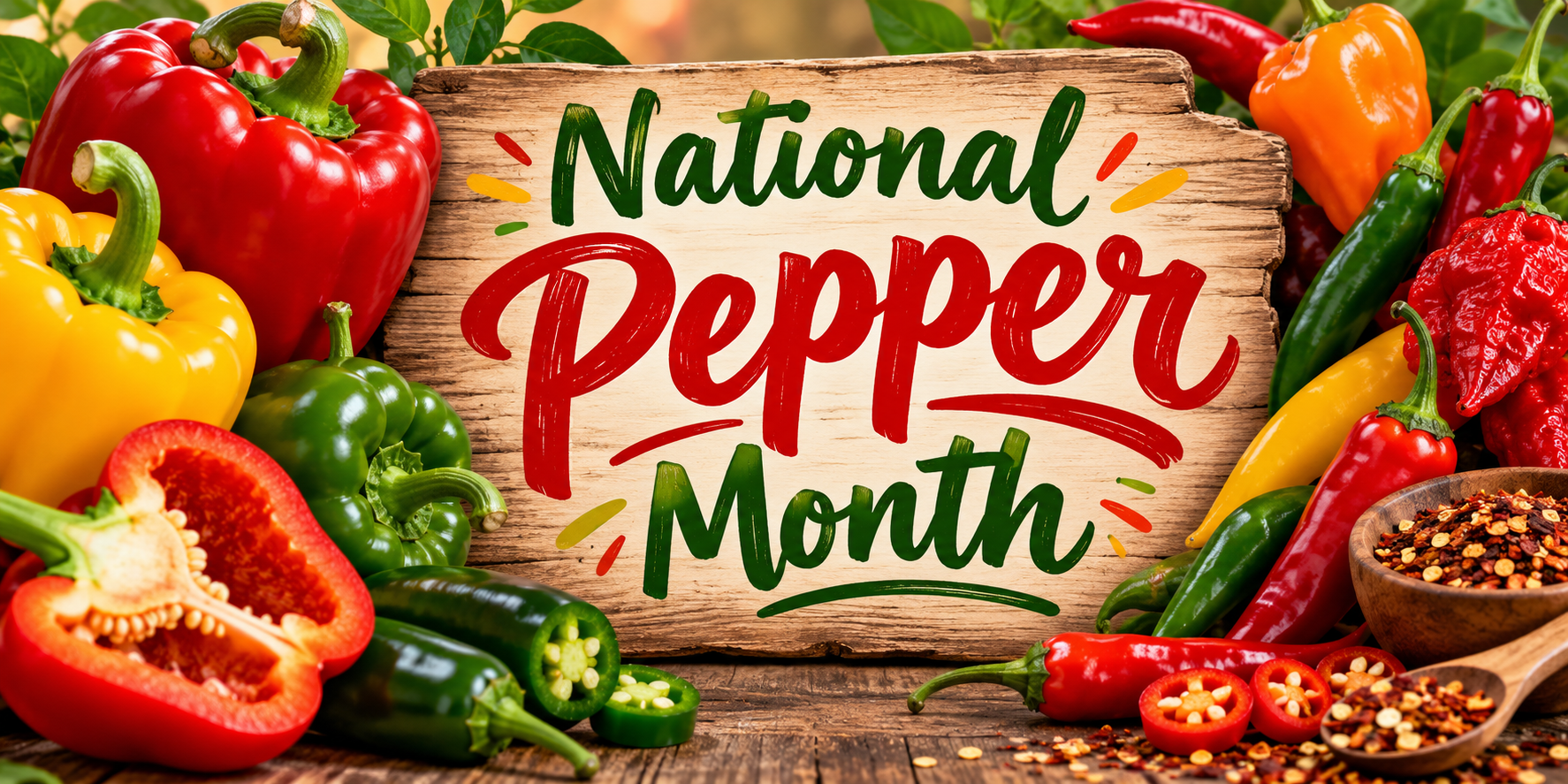
November is National Pepper Month, a time to celebrate one of the most colorful, flavorful, and versatile ingredients in kitchens around the world. From sweet bell peppers to fiery habaneros, peppers have been adding excitement to meals for thousands of years.
Whether you enjoy the refreshing crunch of a green bell pepper, the smoky flavor of roasted poblanos, or the intense heat of a ghost pepper, there is a pepper for nearly every taste preference.
National Pepper Month is an opportunity to discover different pepper varieties, explore their nutritional benefits, learn about their fascinating history, and experiment with delicious recipes.
Peppers are more than just ingredients. They represent centuries of agricultural traditions, cultural connections, and culinary creativity.
What Is National Pepper Month?
National Pepper Month is observed throughout November to recognize the importance of peppers in cooking, agriculture, nutrition, and cultures around the world.
The celebration encourages people to explore the wide variety of peppers available and discover new ways to incorporate them into everyday meals.
Peppers can be enjoyed raw, roasted, grilled, stuffed, sautéed, dried, pickled, or blended into sauces. Their versatility makes them essential ingredients in countless cuisines.
National Pepper Month is also an opportunity to appreciate the farmers who grow peppers and the culinary traditions that have developed around them.
Although November is associated with National Pepper Month, the observance’s exact origin and founder are not well documented.
The Fascinating History of Peppers
Peppers have a history that stretches back thousands of years.
Chili peppers originated in the Americas, where Indigenous communities cultivated and consumed them long before European exploration.
Archaeological evidence suggests that peppers were domesticated thousands of years ago, with different varieties developing across Central and South America.
Peppers were valued not only for their flavor but also for their usefulness in preserving and seasoning food.
How Peppers Spread Around the World
Following European contact with the Americas in the late 15th century, chili peppers began spreading to other continents through trade.
Portuguese and Spanish traders helped introduce peppers to parts of Europe, Africa, and Asia.
Over time, peppers became essential ingredients in regional cuisines.
Today, chili peppers are especially important in Mexican, Indian, Thai, Korean, Chinese, and many African culinary traditions.
Their worldwide popularity demonstrates how a single group of plants can influence food cultures across continents.
Understanding the Different Types of Peppers
Not all peppers taste the same. Some are mild and sweet, while others deliver intense heat.
Most familiar sweet and hot peppers belong to the Capsicum genus, which includes numerous species and thousands of cultivated varieties.
1. Bell Peppers
Bell peppers are among the most popular peppers in the United States.
They are available in several colors, including green, red, yellow, orange, and purple.
Unlike hot peppers, common bell pepper varieties contain little to no capsaicin, the compound responsible for chili pepper heat.
Bell peppers are excellent for salads, stir-fries, sandwiches, fajitas, and stuffed pepper recipes.
Red bell peppers generally have a sweeter flavor than green ones, which are usually harvested before fully ripening.
2. Jalapeño Peppers
Jalapeños are popular for their moderate heat and distinctive flavor.
They are commonly used in Mexican-inspired dishes, including salsa, nachos, tacos, and stuffed jalapeño appetizers.
Jalapeños can be eaten fresh, roasted, pickled, or smoked.
When jalapeños are smoked and dried, they are commonly known as chipotle peppers.
3. Poblano Peppers
Poblano peppers are relatively mild chili peppers with a rich, earthy flavor.
They are particularly popular in Mexican cuisine.
One of their best-known uses is chile relleno, a dish featuring stuffed peppers.
When poblano peppers are dried, they are called ancho chiles.
4. Serrano Peppers
Serrano peppers are generally hotter than jalapeños.
They have a bright, fresh flavor that works well in homemade salsa, sauces, and spicy marinades.
Because of their heat, a small amount can significantly change the flavor of a dish.
5. Habanero Peppers
Habaneros are known for their intense heat and fruity flavor.
They are frequently used in Caribbean-inspired sauces, marinades, and spicy condiments.
Although habaneros can be extremely hot, their tropical flavor makes them popular among chili enthusiasts.
6. Cayenne Peppers
Cayenne peppers are commonly dried and ground into the familiar red spice known as cayenne pepper.
This seasoning is used in soups, sauces, meat dishes, and spice blends.
Cayenne adds heat without requiring large amounts of fresh chili peppers.
7. Ghost Peppers
Ghost peppers, also known as bhut jolokia, became internationally famous for their extraordinary heat.
Originally associated with northeastern India, these peppers are significantly hotter than common culinary chili varieties.
They are sometimes used in extremely spicy sauces and specialty food products.
Because of their intensity, ghost peppers should be handled carefully and used in very small quantities.
How Hot Are Different Peppers?
The heat of chili peppers is measured using the Scoville Heat Unit scale, commonly abbreviated as SHU.
The Scoville scale estimates the concentration of heat-producing capsaicinoids in peppers.
Here are approximate heat ranges for several popular varieties.
| Pepper variety | Scoville Heat Units |
|---|---|
| Bell pepper | 0 |
| Poblano | 1,000–2,000 |
| Jalapeño | 2,500–8,000 |
| Serrano | 10,000–23,000 |
| Cayenne | 30,000–50,000 |
| Habanero | 100,000–350,000 |
| Ghost pepper | 800,000–1,000,000+ |
Actual heat levels vary depending on growing conditions, ripeness, and individual varieties.
For someone who enjoys mild flavors, bell peppers and poblanos are excellent choices.
Those who enjoy spicy foods may prefer jalapeños or serranos, while experienced chili enthusiasts sometimes experiment with much hotter varieties.
The Health Benefits of Peppers
One reason to celebrate National Pepper Month is the nutritional value peppers can bring to a balanced diet.
Both sweet and hot peppers contain beneficial nutrients and plant compounds.
1. Peppers Are Rich in Vitamin C
Many peppers are excellent sources of vitamin C.
Vitamin C helps support normal immune function, collagen production, and wound healing.
Red bell peppers are particularly rich in this essential nutrient.
Adding fresh peppers to salads, sandwiches, or cooked dishes can help increase daily vitamin C intake.
2. Peppers Contain Antioxidants
Peppers contain antioxidants, including carotenoids and other plant compounds.
These substances help protect cells from oxidative damage.
Different pepper colors often reflect differences in their natural pigments and antioxidant profiles.
Eating a variety of colorful vegetables, including peppers, can contribute to a nutritious diet.
3. Peppers Support Eye Health
Red, orange, and yellow peppers contain carotenoids, including compounds such as lutein and zeaxanthin.
These nutrients play important roles in maintaining normal eye health.
Peppers can be part of a balanced eating pattern that supports healthy vision.
4. Peppers Are Naturally Low in Calories
Bell peppers contain relatively few calories while providing water, fiber, vitamins, and minerals.
Their crunchy texture makes them satisfying additions to meals and snacks.
For example, sliced bell peppers can be served with hummus or yogurt-based dips as an alternative to more calorie-dense snack options.
5. Hot Peppers Contain Capsaicin
Capsaicin is the natural compound responsible for the burning sensation associated with chili peppers.
Researchers have studied capsaicin for its potential effects on pain signaling, metabolism, and other biological processes.
However, eating spicy peppers should not be considered a treatment for medical conditions or a guaranteed way to lose weight.
For most people who tolerate them, peppers can simply be a flavorful part of a healthy diet.
Why Are Bell Peppers Different Colors?
One of the most interesting characteristics of bell peppers is their wide range of colors.
Green bell peppers are commonly harvested before reaching full maturity.
Many varieties eventually ripen into red, yellow, or orange peppers, depending on their genetics.
As peppers mature, their flavor, sweetness, and nutritional composition can change.
Green peppers generally have a more grassy, slightly bitter taste.
Red peppers are often sweeter because they have had more time to ripen.
Yellow and orange peppers usually offer a mild, fruity sweetness.
Purple and other specialty-colored peppers provide additional variety, although their final colors depend on the cultivar.
Using multiple pepper colors in a recipe can improve both its appearance and flavor.
10 Delicious Ways to Celebrate National Pepper Month
National Pepper Month offers plenty of opportunities to try something new in the kitchen.
Here are ten ways to enjoy peppers throughout November.
1. Make stuffed bell peppers. Fill bell peppers with seasoned rice, ground beef or turkey, vegetables, and cheese before baking.
2. Prepare homemade salsa. Combine tomatoes, onions, jalapeños, cilantro, and lime juice for a fresh dip.
3. Roast colorful peppers. Roast red, yellow, and orange bell peppers until tender, then use them in sandwiches, pasta, or salads.
4. Cook pepper fajitas. Sauté sliced bell peppers with onions and your favorite protein.
5. Make homemade hot sauce. Blend suitable chili peppers with vinegar, garlic, and seasonings, then refrigerate the sauce.
6. Try grilled peppers. Grill peppers alongside chicken, steak, seafood, or vegetables.
7. Prepare pepper soup. Blend roasted red peppers with tomatoes, garlic, onions, and broth.
8. Experiment with pepper seasonings. Add paprika, crushed red pepper, or cayenne to familiar recipes.
9. Make stuffed jalapeños. Fill halved jalapeños with cream cheese and shredded cheese before baking.
10. Try a new pepper variety. Purchase a pepper you have never cooked with and discover its unique flavor.
These activities can help transform National Pepper Month into a month of culinary exploration.
Recipe: Easy Classic Stuffed Bell Peppers
One of the most popular ways to enjoy peppers is by making stuffed bell peppers.
This comforting dish combines tender peppers with a flavorful filling.
Preparation: 15 minutes | Cooking: 35–45 minutes | Servings: 4
Ingredients
-
4 large bell peppers
-
1 pound lean ground beef or ground turkey
-
1 cup cooked rice
-
1 small onion, diced
-
2 cloves garlic, minced
-
1 cup tomato sauce, divided
-
1 teaspoon Italian seasoning
-
½ teaspoon paprika
-
Salt and black pepper to taste
-
1 cup shredded mozzarella or cheddar cheese
-
1 tablespoon olive oil
Instructions
-
Preheat the oven to 375°F.
-
Cut the tops off the bell peppers and remove the seeds and membranes.
-
Place the peppers upright in a baking dish.
-
Heat olive oil in a skillet over medium heat.
-
Add the onion and cook until softened.
-
Add garlic and ground meat, cooking until the meat is browned and fully cooked.
-
Stir in cooked rice, half the tomato sauce, Italian seasoning, paprika, salt, and black pepper.
-
Spoon the filling evenly into the bell peppers.
-
Pour the remaining tomato sauce over the stuffed peppers.
-
Cover the baking dish with aluminum foil and bake for approximately 30 minutes.
-
Remove the foil, sprinkle cheese over each pepper, and bake for another 5–15 minutes until the peppers are tender and the cheese is melted.
If using ground meat, ensure the filling reaches a safe internal temperature: 160°F for ground beef or 165°F for ground turkey.
Serve with a fresh green salad or roasted vegetables.
How to Choose Fresh Peppers at the Grocery Store
Selecting high-quality peppers can make a noticeable difference in your recipes.
When shopping for fresh peppers, look for firm vegetables with smooth, shiny skin.
Avoid peppers with large soft spots, mold, or significant wrinkling.
A fresh bell pepper should feel relatively heavy for its size.
Color should be vibrant and consistent with the variety.
For hot peppers, choose specimens that are firm and free from visible decay.
Remember that pepper size and color alone do not reliably indicate how spicy a chili pepper will be.
How to Store Peppers Properly
Proper storage helps peppers maintain their flavor, texture, and freshness.
Refrigerating Fresh Peppers
Whole fresh peppers are generally best stored unwashed in the refrigerator’s vegetable drawer.
Depending on the variety and freshness, they may remain usable for approximately one to two weeks.
Cut peppers should be stored in a sealed container in the refrigerator and used within a few days.
Freezing Peppers
Peppers can also be frozen for longer storage.
Wash them, remove unwanted seeds and stems, and cut them into slices or pieces.
Place the prepared peppers in freezer-safe containers or bags.
Frozen peppers are especially useful for soups, casseroles, stir-fries, and cooked dishes.
Their texture may soften after thawing, making them less suitable for fresh salads.
Drying Peppers
Many chili peppers can be dried and stored for future cooking.
Dried peppers can be ground into seasonings or rehydrated for sauces and soups.
Use a reliable food-dehydration method and ensure the peppers are thoroughly dried before storage to reduce the risk of spoilage.
Growing Your Own Peppers at Home
National Pepper Month can also inspire people to start planning a home vegetable garden.
Peppers can be grown in traditional garden beds, raised beds, or containers.
Most varieties prefer warm temperatures, plenty of sunlight, and well-drained soil.
Tips for Growing Healthy Pepper Plants
Choose a sunny location. Most pepper plants perform best with approximately six to eight hours or more of direct sunlight daily.
Use nutrient-rich soil. Healthy soil supports root development and plant growth.
Water consistently. Peppers need regular moisture, but overly wet soil can damage roots.
Provide enough space. Follow spacing recommendations for the variety you are growing.
Harvest at the right time. Some peppers can be harvested green, while others develop additional sweetness or color as they mature.
Watch for pests. Aphids, mites, and other garden pests can affect pepper plants.
Although November is not the ideal outdoor planting season in many colder climates, it is a good time to research varieties and prepare for spring gardening.
Gardeners in warmer regions may have different planting opportunities depending on local temperatures.
Peppers in Different Cultures Around the World
Peppers have become essential ingredients in many traditional cuisines.
Their use reflects local agriculture, historical trade, and regional preferences.
Mexican Cuisine
Peppers are central to countless Mexican dishes.
Jalapeños, serranos, poblanos, anchos, and other chiles contribute to salsas, moles, soups, and traditional sauces.
Different peppers provide distinct flavors, not simply different levels of heat.
Indian Cuisine
Chili peppers are commonly used in Indian curries, chutneys, pickles, and spice mixtures.
Both fresh green chiles and dried red chiles play important roles in regional cooking.
Thai Cuisine
Thai cuisine frequently combines chili peppers with ingredients such as lime, garlic, lemongrass, and fish sauce.
The result is a distinctive balance of spicy, sour, salty, and sweet flavors.
Korean Cuisine
Korean red chili flakes, known as gochugaru, are important ingredients in kimchi and numerous traditional dishes.
Gochujang, a fermented chili paste, also provides flavor to marinades, stews, and sauces.
Caribbean Cuisine
Scotch bonnet peppers are widely associated with Caribbean cooking.
Their fruity flavor and intense heat are especially recognizable in jerk seasonings and pepper sauces.
These examples demonstrate how peppers have become deeply connected to cultural identities and culinary traditions.
Fun and Interesting Facts About Peppers
Peppers have many fascinating characteristics that make them worth celebrating.
-
Botanically, peppers are fruits because they develop from flowers and contain seeds, although they are usually treated as vegetables in cooking.
-
Bell peppers are among the few familiar Capsicum peppers that do not produce noticeable heat.
-
Birds generally do not experience capsaicin’s burning sensation the way mammals do, which helps chili pepper seeds spread naturally.
-
Paprika is made from dried, ground peppers and can range from sweet to hot.
-
The seeds themselves are not the primary source of chili pepper heat. Much of the capsaicin is concentrated in the pale internal tissue to which the seeds attach.
-
Peppers belong to the nightshade family, along with tomatoes, potatoes, and eggplants.
-
Some peppers change color dramatically as they mature.
-
Chili peppers can be used fresh, dried, smoked, fermented, or pickled.
-
The term pepper is also used for black pepper, but black peppercorns come from a different plant, Piper nigrum.
-
The enormous diversity of peppers reflects generations of cultivation and selective breeding.
Important Safety Tips When Handling Hot Peppers
Cooking with hot peppers can be enjoyable, but extremely spicy varieties require care.
Capsaicin can irritate skin, eyes, and sensitive tissues.
When preparing very hot peppers, consider wearing food-safe gloves.
Avoid touching your face or eyes while handling them.
Wash your hands, utensils, and cutting surfaces thoroughly after preparation.
If you accidentally consume a pepper that is too spicy, milk or yogurt may help reduce the burning sensation better than plain water.
People with sensitive digestive systems may need to limit particularly spicy foods.
Extremely hot pepper challenges can cause significant discomfort and, in some circumstances, serious health problems. Enjoy peppers according to your personal tolerance rather than attempting to withstand extreme heat.
Celebrating National Pepper Month With Family and Friends
National Pepper Month can become a fun opportunity to spend time with loved ones.
Consider organizing a pepper-themed dinner featuring different dishes.
Everyone can prepare a recipe using a different pepper variety.
You could serve stuffed bell peppers, homemade salsa, roasted pepper soup, and grilled vegetables.
Another idea is to host a mild-to-spicy salsa tasting using clearly labeled heat levels.
Families with children can focus on sweet bell peppers and colorful, non-spicy recipes.
Children might enjoy creating rainbow vegetable platters using red, yellow, orange, and green peppers.
These activities encourage creativity, healthy eating habits, and shared experiences around food.
Supporting Local Farmers During National Pepper Month
Peppers are an important agricultural crop, and purchasing them can support the farmers and growers who produce our food.
During National Pepper Month, consider visiting a farmers market or purchasing locally grown peppers when they are in season.
Farmers may offer unique varieties that are less commonly available in supermarkets.
Buying directly from growers can also provide opportunities to learn about cultivation methods, seasonal availability, and different pepper flavors.
Supporting local agriculture helps strengthen connections between communities and the people who grow their food.
Why National Pepper Month Matters
National Pepper Month may seem like a simple food celebration, but it represents something larger.
Peppers connect people through food, culture, history, and shared experiences.
They remind us that some of the most familiar ingredients have extraordinary stories behind them.
A single pepper can represent generations of farming knowledge, culinary innovation, and cultural tradition.
Peppers also demonstrate how small additions can make a significant difference.
A few slices of bell pepper can bring color and crunch to a salad.
A small amount of jalapeño can transform an ordinary salsa.
A pinch of cayenne can add warmth and complexity to a favorite dish.
Sometimes the smallest ingredients create the most memorable flavors.
Final Thoughts: Add a Little Color and Flavor to November
National Pepper Month is a wonderful reminder to appreciate the ingredients that make everyday meals more exciting.
From mild bell peppers to fiery chili varieties, peppers offer an impressive combination of flavor, versatility, and nutritional value.
They can brighten a simple salad, transform a homemade sauce, or become the centerpiece of a satisfying dinner.
Throughout November, consider experimenting with a new pepper variety, preparing a favorite recipe, or learning more about the cultures that have embraced peppers for generations.
You do not have to love extremely spicy foods to appreciate everything peppers have to offer.
Sometimes all it takes is a colorful bell pepper, a little creativity, and a willingness to try something new.
What is your favorite type of pepper, and do you prefer sweet, mild flavors or something with a little extra heat?

Leave a Reply