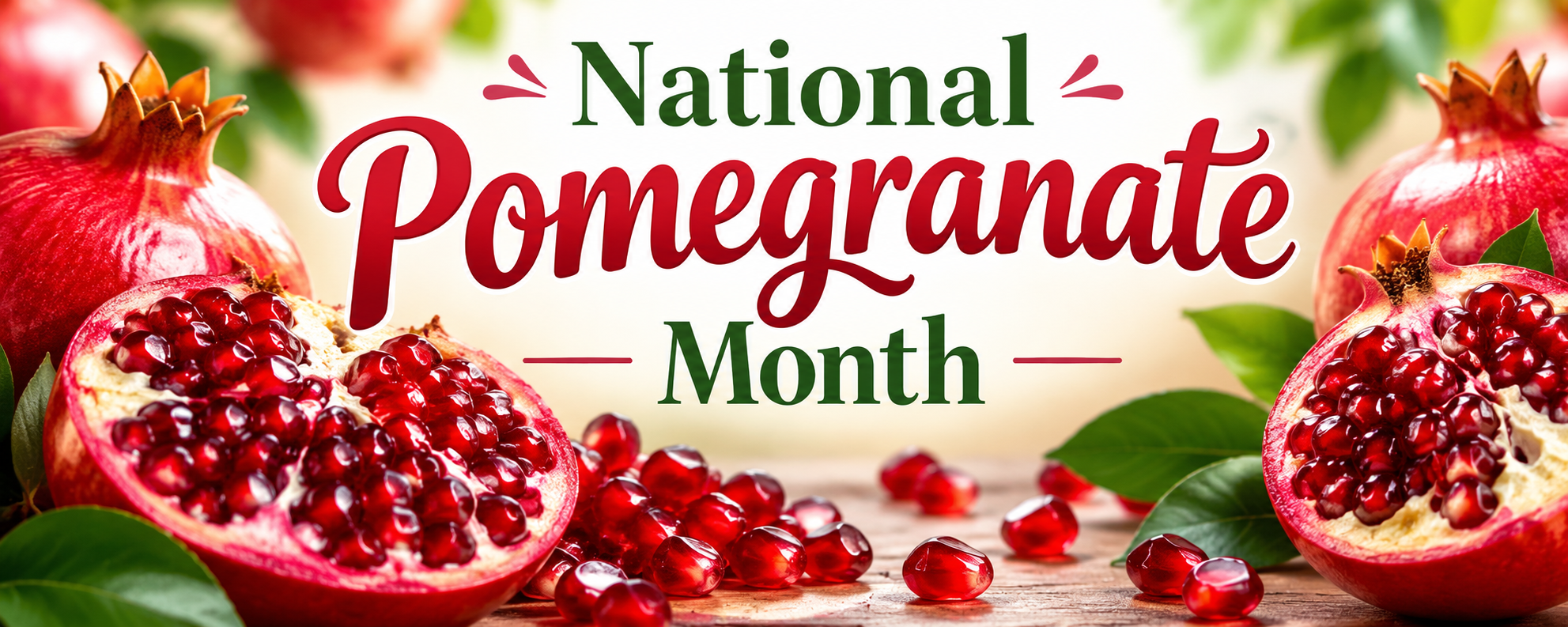
November is National Pomegranate Month, a time to celebrate one of nature’s most beautiful, flavorful, and nutrient-rich fruits. With its vibrant red color, jewel-like seeds, refreshing sweetness, and impressive nutritional profile, the pomegranate has earned a special place in kitchens and cultures around the world.
Whether you enjoy pomegranate seeds sprinkled over a salad, drink a refreshing glass of pomegranate juice, or incorporate this delicious fruit into your favorite recipes, National Pomegranate Month is the perfect opportunity to discover everything that makes pomegranates special.
Beyond their distinctive appearance and flavor, pomegranates have a fascinating history stretching back thousands of years. They have symbolized prosperity, fertility, abundance, and renewal in many civilizations.
In this article, we will explore the history of National Pomegranate Month, the nutritional benefits of pomegranates, interesting facts, creative ways to enjoy them, and why this remarkable fruit deserves recognition throughout November.
When Is National Pomegranate Month?
National Pomegranate Month is celebrated throughout November, from November 1 through November 30.
November is an especially appropriate time to celebrate pomegranates because it falls within their peak harvest season in the United States.
In California, where much of the country’s commercial pomegranate production takes place, the harvest generally runs from late summer through fall, with many varieties available during October and November.
During National Pomegranate Month, grocery stores, farmers markets, restaurants, and home cooks can celebrate the fruit by incorporating it into seasonal dishes and beverages.
The celebration also encourages people to learn about pomegranates, appreciate their cultural significance, and discover new ways to include them in a balanced diet.
The History of National Pomegranate Month
Although the exact origins and founder of National Pomegranate Month are not well documented, the fruit itself has a history that reaches back thousands of years.
Pomegranates are among the oldest cultivated fruits in the world.
Native to a region extending from present-day Iran toward northern India, pomegranates have been grown and enjoyed for thousands of years.
Ancient civilizations valued pomegranates not only as food but also for their beauty, symbolism, and traditional medicinal uses.
Pomegranates in Ancient Civilizations
Ancient Egypt
Pomegranates were valued in ancient Egypt, where they appeared in artwork, burial sites, and religious traditions.
The fruit was associated with life, fertility, and prosperity. Pomegranates were also consumed as food and used in traditional preparations.
Ancient Greece
In Greek mythology, the pomegranate plays a central role in the story of Persephone and Hades.
According to the myth, Persephone consumed pomegranate seeds while in the underworld, connecting her fate to the changing seasons.
Because of this story, pomegranates became associated with life, death, rebirth, and seasonal renewal.
Ancient Rome
The Romans appreciated pomegranates for their flavor and symbolic significance.
The fruit was associated with fertility and abundance and appeared in art and decorative traditions.
Ancient Persia
Pomegranates held an important place in Persian culture and cuisine.
They became symbols of abundance and were incorporated into traditional dishes, celebrations, and cultural customs.
Today, pomegranates remain important in Iranian cooking and celebrations, including Yalda Night.
How Pomegranates Reached America
Pomegranates gradually spread from their original growing regions into the Mediterranean, Asia, and other parts of the world through trade and cultivation.
Spanish settlers introduced pomegranates to parts of the Americas, including California.
California’s warm, dry summers and relatively mild winters provide favorable growing conditions for pomegranate trees.
Today, California is the primary commercial producer of pomegranates in the United States.
What Makes Pomegranates So Special?
Pomegranates are unlike many other fruits.
Instead of having a soft, continuous interior like an apple or peach, they contain hundreds of small, juicy structures called arils.
Each aril consists of a seed surrounded by a juicy, edible covering.
These bright red or pink arils provide the fruit’s distinctive combination of sweet and tart flavors.
Pomegranates are also known for their thick, leathery skin and beautiful crown-shaped top.
Depending on the variety, the outer skin can range from yellowish pink to deep red.
The fruit’s colorful appearance and unique structure make it a popular ingredient in everything from elegant holiday meals to everyday snacks.
10 Health Benefits of Pomegranates
Pomegranates are frequently described as a superfruit because they contain valuable nutrients and plant compounds.
Although no single food can prevent or cure disease, pomegranates can be a nutritious addition to a balanced diet.
1. Rich in Antioxidants
Pomegranates contain polyphenols, including anthocyanins and ellagitannins.
These compounds have antioxidant properties that help protect cells from oxidative damage.
Antioxidants are important because oxidative stress is associated with aging and several chronic diseases.
2. Support Heart Health
Pomegranates contain compounds that may support cardiovascular health.
Some studies suggest that consuming pomegranate juice may modestly improve certain blood pressure measurements.
However, more research is needed to determine its long-term effects on heart disease.
Eating pomegranate arils as part of a diet rich in fruits, vegetables, and whole grains is a sensible way to support overall heart health.
3. Provide Vitamin C
Pomegranate arils contain vitamin C, an essential nutrient that supports immune function and collagen production.
Vitamin C also helps the body absorb iron from plant-based foods.
Adding pomegranate seeds to meals can contribute to your daily vitamin C intake.
4. Promote Healthy Digestion
Whole pomegranate arils contain dietary fiber.
Fiber supports normal bowel function, helps maintain digestive health, and contributes to feelings of fullness.
Unlike whole arils, most commercially prepared pomegranate juices contain little or no fiber.
5. Contain Anti-Inflammatory Compounds
Pomegranates contain plant compounds that researchers have studied for their potential anti-inflammatory effects.
While laboratory and early human studies have produced promising findings, more research is needed to establish specific clinical benefits.
6. Support Healthy Eating Habits
Pomegranate arils offer natural sweetness along with fiber and micronutrients.
They can be a flavorful alternative to heavily sweetened toppings and snacks.
For example, adding pomegranate seeds to plain yogurt can provide sweetness, color, and texture without requiring as much added sugar.
7. Provide Potassium
Pomegranates contain potassium, a mineral that helps support normal muscle and nerve function.
Potassium also plays a role in maintaining fluid balance and healthy blood pressure.
8. May Support Exercise Recovery
Researchers have investigated whether pomegranate juice or extracts can influence exercise-related muscle soreness and recovery.
Some small studies have reported potential benefits, but results are mixed.
Pomegranates can contribute to a nutritious post-exercise meal, though they should not be considered a substitute for adequate hydration, protein, or rest.
9. Provide Folate
Pomegranate arils contain folate, a B vitamin involved in DNA synthesis and normal cell function.
Folate is particularly important during periods of growth and development.
10. Encourage Greater Fruit Variety
One of the most practical benefits of pomegranates is that they make eating fruit more interesting.
Their combination of color, texture, and flavor can encourage people to try new recipes and enjoy a wider variety of nutritious foods.
A varied diet provides different nutrients and plant compounds that support overall wellness.
Pomegranate Nutrition Facts
Pomegranates provide several important nutrients.
According to standard USDA nutrient data, approximately one cup of raw pomegranate arils (174 grams) contains:
| Nutrient | Approximate amount |
|---|---|
| Calories | 144 |
| Carbohydrates | 32.5 g |
| Fiber | 7 g |
| Protein | 2.9 g |
| Fat | 2 g |
| Vitamin C | 17.7 mg |
| Potassium | 411 mg |
| Folate | 66 mcg |
| Vitamin K | 28.5 mcg |
These values are approximate and may vary depending on the fruit and serving size.
Whole pomegranate arils offer an especially appealing combination of fiber, natural sweetness, and micronutrients.
How to Choose the Perfect Pomegranate
Selecting a ripe pomegranate can make a big difference in flavor and enjoyment.
Fortunately, choosing a good one is easier than it might seem.
Look for the following characteristics:
-
Heavy for its size: A heavier pomegranate often contains more juice.
-
Firm outer skin: The fruit should feel firm rather than soft or mushy.
-
Rich, developed color: Color varies by variety, so a darker red fruit is not necessarily riper.
-
Minimal damage: Avoid fruits with significant bruising, mold, or leaking juice.
-
Slightly angular shape: Mature pomegranates may develop a somewhat squared appearance as the arils expand inside.
Unlike bananas or peaches, pomegranates do not continue to ripen significantly after being harvested.
Choosing a mature fruit is therefore important.
How to Cut and Eat a Pomegranate
Many people avoid buying pomegranates because they are unsure how to remove the seeds.
However, with the right technique, opening a pomegranate can be relatively simple.
Step-by-Step Instructions
-
Wash the pomegranate thoroughly under running water.
-
Use a sharp knife to carefully remove the crown at the top.
-
Make shallow cuts through the outer skin along the fruit’s natural sections.
-
Gently pull the pomegranate apart into sections.
-
Hold each section over a bowl and loosen the arils with your fingers.
-
Remove any white membrane mixed with the arils.
-
Rinse the arils if needed and drain before serving.
Another useful method is to separate the sections in a bowl of water. The arils generally sink while pieces of the white membrane float, making separation easier.
The juicy arils and their inner seeds are edible.
The thick outer peel and bitter white membranes are generally discarded.
12 Delicious Ways to Enjoy Pomegranates
One of the best ways to celebrate National Pomegranate Month is by experimenting with new recipes.
Pomegranates work beautifully in sweet dishes, savory meals, and refreshing beverages.
1. Pomegranate and Spinach Salad
Combine fresh spinach, pomegranate arils, walnuts, feta cheese, and a light balsamic dressing.
The sweet and tart pomegranate seeds complement the creamy cheese and crunchy nuts.
2. Pomegranate Yogurt Parfait
Layer Greek yogurt with pomegranate arils, granola, and a drizzle of honey.
This makes a colorful breakfast or satisfying snack.
3. Fresh Pomegranate Juice
Enjoy pure pomegranate juice chilled or diluted with sparkling water.
Choose 100% juice without added sugar when possible.
4. Pomegranate Smoothie
Blend pomegranate arils or juice with strawberries, banana, Greek yogurt, and ice.
The result is a refreshing smoothie with a bright, fruity flavor.
5. Pomegranate Glazed Chicken
Create a glaze using pomegranate juice, garlic, honey, and a splash of balsamic vinegar.
Brush it over roasted chicken for a sweet and tangy finish.
6. Pomegranate Salsa
Combine pomegranate arils with diced red onion, cilantro, jalapeño, and lime juice.
Serve with tortilla chips or use as a topping for grilled fish.
7. Pomegranate Overnight Oats
Mix rolled oats, milk, yogurt, and chia seeds.
Refrigerate overnight and top with fresh pomegranate arils before serving.
8. Pomegranate Mocktail
Mix pomegranate juice with sparkling water, fresh lime juice, and ice.
Garnish with pomegranate arils and a sprig of rosemary.
9. Pomegranate Dark Chocolate Bark
Melt dark chocolate, spread it onto a lined baking sheet, and sprinkle with well-dried pomegranate arils and chopped pistachios.
Chill until firm and enjoy promptly. Fresh arils add moisture, so this treat is best stored refrigerated and eaten within a short time.
10. Pomegranate Roasted Vegetables
Roast Brussels sprouts, sweet potatoes, or carrots with olive oil and seasonings.
Sprinkle fresh pomegranate seeds over the vegetables before serving.
11. Pomegranate Fruit Salad
Combine pomegranate arils with apples, oranges, grapes, and berries.
Add a small amount of fresh lemon juice to brighten the flavors.
12. Pomegranate Dessert Topping
Use pomegranate arils to garnish cheesecake, vanilla ice cream, panna cotta, or chocolate mousse.
Their vibrant color creates a beautiful presentation.
Pomegranates and Holiday Cooking
National Pomegranate Month arrives at an ideal time for holiday cooking.
November marks the beginning of the Thanksgiving and winter holiday season, when many families prepare special meals and desserts.
Pomegranates can add a festive appearance to holiday tables without requiring complicated recipes.
Their deep red color pairs beautifully with seasonal ingredients such as cranberries, oranges, cinnamon, walnuts, and roasted vegetables.
Consider incorporating pomegranates into your holiday menu by adding arils to a Thanksgiving salad, preparing a pomegranate glaze for roasted meats, or serving sparkling pomegranate mocktails.
You can even use whole pomegranates as part of a seasonal centerpiece.
Their distinctive shape and rich colors make them attractive natural decorations.
15 Fun and Interesting Pomegranate Facts
Pomegranates have a remarkable history and several surprising characteristics.
-
The scientific name for the pomegranate is Punica granatum.
-
Pomegranates have been cultivated for thousands of years.
-
The edible juicy structures inside pomegranates are called arils.
-
A single pomegranate can contain hundreds of arils.
-
Pomegranate flowers are often bright orange-red.
-
Pomegranate trees can live for many decades under suitable conditions.
-
The fruit has been associated with fertility and abundance in several cultures.
-
Pomegranates appear in ancient mythology, literature, and artwork.
-
California produces most commercially grown pomegranates in the United States.
-
Pomegranate juice can leave stubborn stains on clothing and countertops.
-
The fruit’s thick skin helps protect the arils inside.
-
Pomegranates can be enjoyed in both sweet and savory recipes.
-
Pomegranate molasses is a concentrated, tangy ingredient used in Middle Eastern cooking.
-
Different pomegranate varieties have different levels of sweetness, acidity, and seed firmness.
-
November is National Pomegranate Month, making it a perfect time to experiment with this seasonal fruit.
The Cultural Symbolism of Pomegranates
Pomegranates are much more than a source of food.
Throughout history, their many seeds and rich color have inspired symbolic meanings in different cultures.
Abundance and Prosperity
Because a single pomegranate contains so many arils, the fruit has frequently represented abundance and prosperity.
In some traditions, pomegranates are displayed during celebrations as symbols of good fortune.
Fertility and New Life
The fruit’s numerous seeds have made it a symbol of fertility and new beginnings.
This association appears in ancient Mediterranean and Middle Eastern traditions.
Renewal and Rebirth
In Greek mythology, the pomegranate is closely connected to Persephone and the changing seasons.
The fruit became associated with renewal, transformation, and the recurring cycle of life.
Love and Connection
Pomegranates also appear in artistic and literary traditions as symbols of love, beauty, and connection.
Their cultural importance reminds us that food can carry meaning far beyond its nutritional value.
How to Store Pomegranates Properly
Proper storage helps maintain the freshness and quality of pomegranates.
Whole Pomegranates
Whole pomegranates can be kept in a cool, dry location for a limited period.
For longer storage, refrigerate them.
Depending on their initial freshness and storage conditions, whole pomegranates may remain in good condition for several weeks in the refrigerator.
Fresh Pomegranate Arils
Once removed from the fruit, pomegranate arils should be placed in an airtight container and refrigerated promptly.
For best quality, consume them within approximately five days.
Freezing Pomegranate Seeds
Pomegranate arils can also be frozen for later use.
Spread the arils in a single layer on a baking sheet and freeze until firm.
Transfer them to a freezer-safe container or bag.
Frozen arils work especially well in smoothies, sauces, and other recipes.
How to Celebrate National Pomegranate Month
National Pomegranate Month provides an opportunity to enjoy seasonal food, learn about agricultural traditions, and experiment in the kitchen.
Here are several ways to participate.
Try a fresh pomegranate. If you have never eaten a fresh pomegranate, November is an excellent time to experience its distinctive flavor and texture.
Prepare a new recipe. Challenge yourself to create a salad, smoothie, dessert, or savory meal featuring pomegranate.
Visit a farmers market. Look for locally grown pomegranates and learn about the different varieties available.
Share pomegranates with family. Introduce children or friends to the fruit and show them how to remove the arils safely.
Learn about its history. Explore the role of pomegranates in ancient civilizations, mythology, and traditional cuisine.
Create a festive drink. Prepare a pomegranate mocktail for Thanksgiving or another November gathering.
Support local agriculture. Purchase pomegranates from local growers when available.
Share your favorite recipe. Encourage others to celebrate by sharing a creative pomegranate dish or cooking tip.
Even something as simple as adding a handful of pomegranate arils to breakfast can be a fun way to participate.
Frequently Asked Questions About National Pomegranate Month
Is November National Pomegranate Month?
Yes. National Pomegranate Month is observed throughout November and celebrates the fruit’s history, culinary versatility, and nutritional qualities.
Are pomegranate seeds safe to eat?
Yes. The arils, including the small seeds inside them, are edible for most people.
People with swallowing difficulties or specific dietary restrictions may need to take additional precautions.
Is pomegranate juice as healthy as eating the whole fruit?
Both can provide beneficial plant compounds, but whole pomegranate arils contain fiber that is largely absent from juice.
Juice also makes it easier to consume larger amounts of naturally occurring sugar in a short time.
Can you eat pomegranates every day?
For most healthy adults, moderate amounts of pomegranate can be enjoyed regularly as part of a balanced diet.
People taking medications, especially those for blood pressure or blood clotting, should consult a healthcare professional if they plan to consume concentrated pomegranate extracts or large amounts of juice regularly.
What does a pomegranate taste like?
Pomegranates have a refreshing combination of sweetness and tartness.
Their juicy arils provide a satisfying burst of flavor, while the inner seeds add a slight crunch.
What month are pomegranates in season?
In the United States, fresh pomegranates are typically harvested during the fall, with October and November being important months for availability.
Exact timing varies by variety and growing conditions.
Why are pomegranates considered a superfruit?
Pomegranates are often marketed as a superfruit because they contain fiber, vitamins, minerals, and antioxidant plant compounds.
However, superfruit is a marketing term rather than a formal nutritional classification.
Why National Pomegranate Month Matters
National Pomegranate Month is more than a celebration of a colorful seasonal fruit.
It encourages us to appreciate the foods that nourish our bodies, the agricultural traditions that bring fresh produce to our tables, and the cultural histories that connect people across generations.
Pomegranates remind us that some of nature’s most interesting foods have been enjoyed for thousands of years.
They also demonstrate how simple ingredients can transform everyday meals.
A handful of pomegranate arils can add color to a salad, brighten a bowl of yogurt, or create a beautiful finishing touch for a holiday dessert.
Celebrating this fruit can inspire healthier eating habits, creativity in the kitchen, and greater appreciation for seasonal produce.
Final Thoughts: Celebrate National Pomegranate Month This November
National Pomegranate Month is the perfect opportunity to discover or rediscover one of nature’s most fascinating fruits.
From its ancient cultural significance to its vibrant flavor and nutritional value, the pomegranate has much to offer.
Whether you enjoy fresh arils, experiment with a new recipe, or serve a festive pomegranate drink at your next gathering, there are countless ways to participate in this November celebration.
The beauty of National Pomegranate Month is that celebrating does not require anything elaborate. Sometimes, appreciating a simple, wholesome food and sharing it with others is enough.
This November, take the opportunity to enjoy the sweet and tart flavor of pomegranates, learn something new about their remarkable history, and bring a little extra color to your meals.
Have you ever eaten a fresh pomegranate, and what is your favorite way to enjoy this delicious fruit?



Leave a Reply